

Product Information
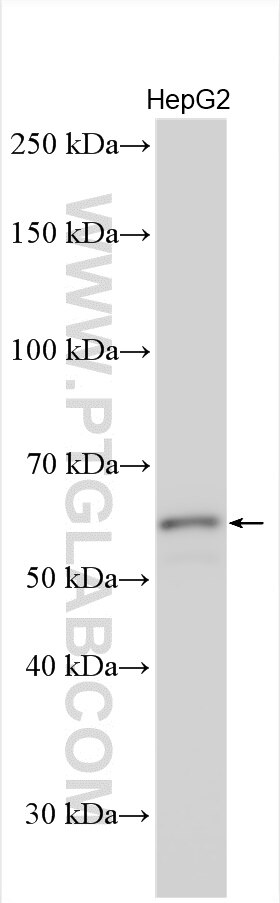
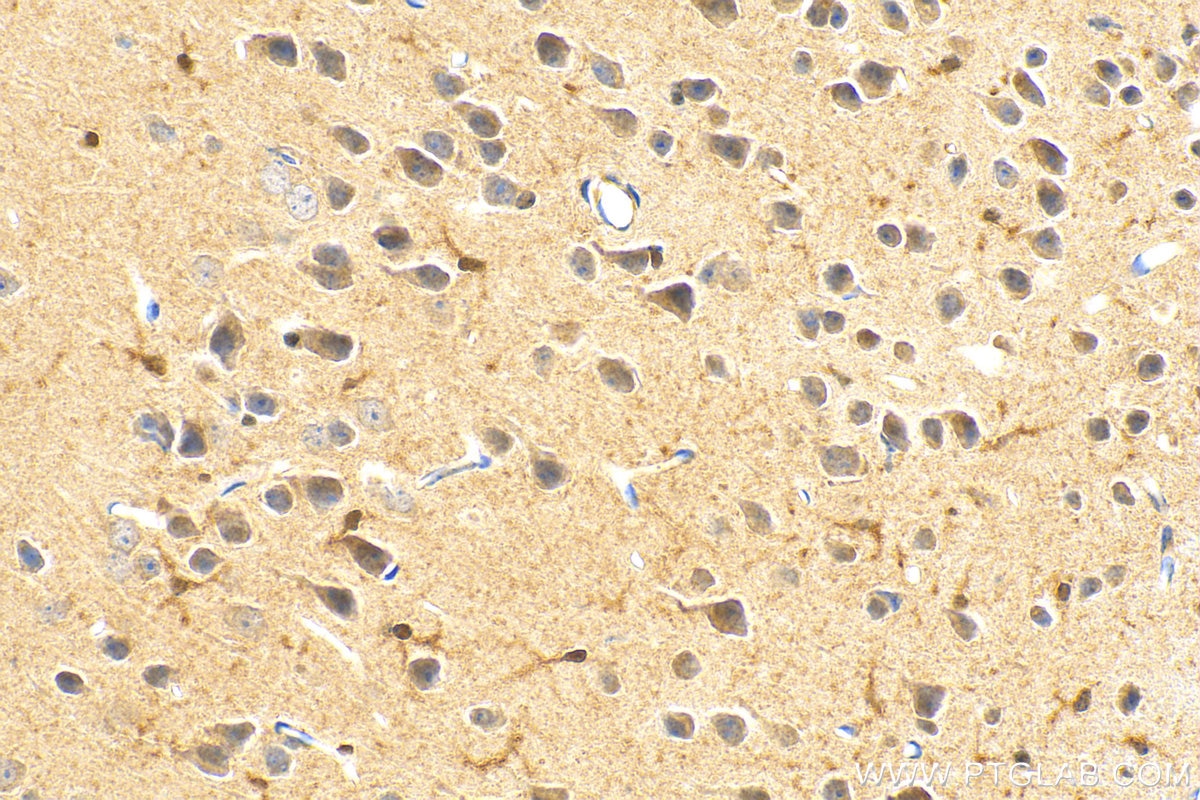
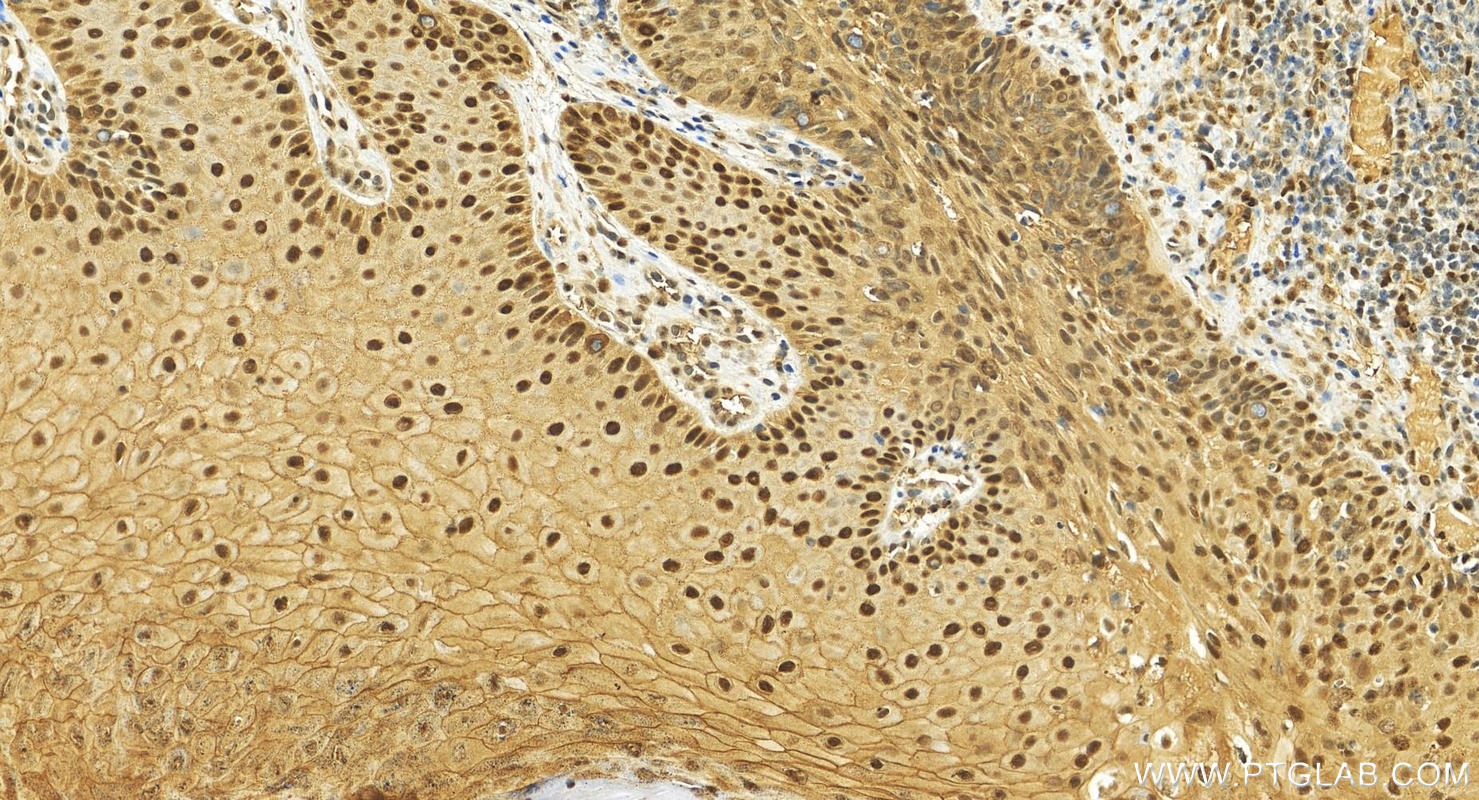
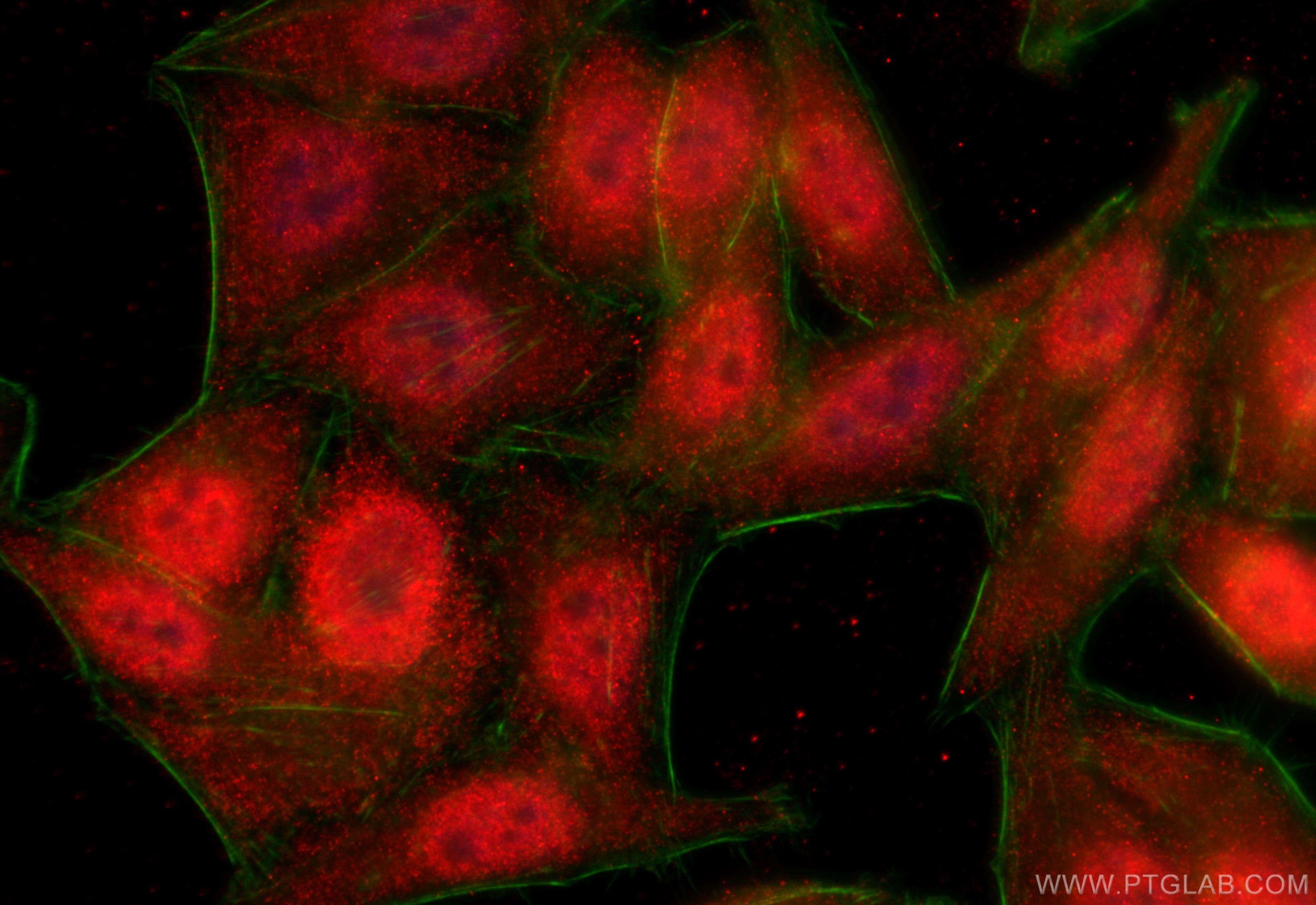
28050-1-PBS targets KPNA3 in WB, IHC, IF/ICC, Indirect ELISA applications and shows reactivity with human, mouse samples.
| Tested Reactivity | human, mouse |
| Host / Isotype | Rabbit / IgG |
| Class | Polyclonal |
| Type | Antibody |
| Immunogen |
CatNo: Ag27755 Product name: Recombinant human KPNA3 protein Source: e coli.-derived, PGEX-4T Tag: GST Domain: 322-453 aa of BC017355 Sequence: VLNCDVLSHFPNLLSHPKEKINKEAVWFLSNITAGNQQQVQAVIDAGLIPMIIHQLAKGDFGTQKEAAWAISNLTISGRKDQVEYLVQQNVIPPFCNLLSVKDSQVVQVVLDGLKNILIMAGDEASTIAEII Predict reactive species |
| Full Name | karyopherin alpha 3 (importin alpha 4) |
| Calculated Molecular Weight | 58 kDa |
| Observed Molecular Weight | 57-60 kDa |
| GenBank Accession Number | BC017355 |
| Gene Symbol | KPNA3 |
| Gene ID (NCBI) | 3839 |
| RRID | AB_3086026 |
| Conjugate | Unconjugated |
| Form | Liquid |
| Purification Method | Antigen affinity purification |
| UNIPROT ID | O00505 |
| Storage Buffer | PBS only, pH 7.3. |
| Storage Conditions | Store at -80°C. |
Background Information
KPNA3, karyopherin subunit alpha 3, also known as SRP1 or IPOA4. It is expected to be located in cytoplasm and nucleus, the protein is ubiquitous and highly expressed in heart, skeletal muscle. The calculated molecular weight of KPNA3 is 57 kDa. Functions in nuclear protein import as an adapter protein for nuclear receptor KPNB1. Binds specifically and directly to substrates containing either a simple or bipartite NLS motif. Docking of the importin/substrate complex to the nuclear pore complex (NPC) is mediated by KPNB1 through binding to nucleoporin FxFG repeats and the complex is subsequently translocated through the pore by an energy requiring, Ran-dependent mechanism. At the nucleoplasmic side of the NPC, Ran binds to importin-beta and the three components separate and importin-alpha and -beta are re-exported from the nucleus to the cytoplasm where GTP hydrolysis releases Ran from importin.





