

Tested Applications
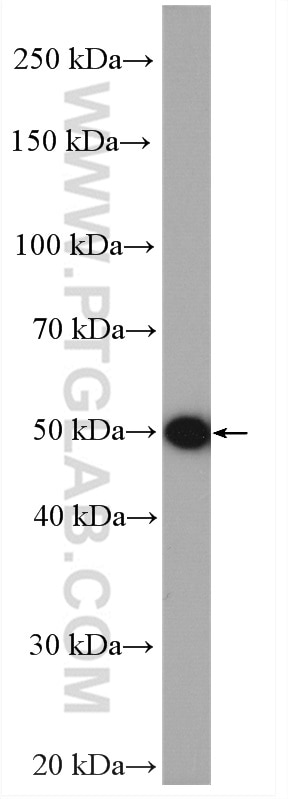
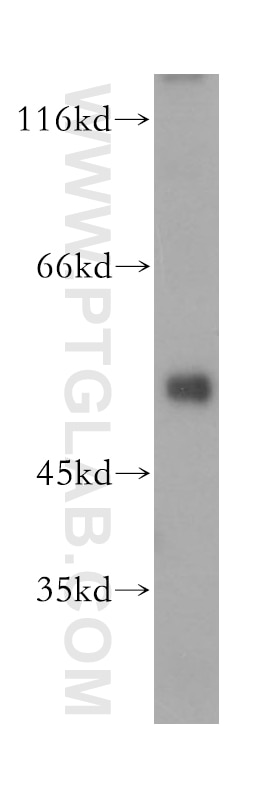
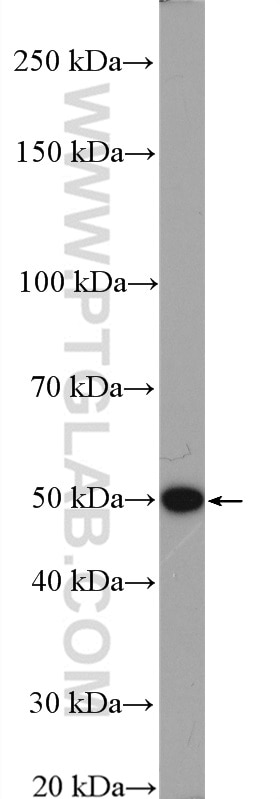
| Positive WB detected in | HepG2 cells, human heart tissue, HeLa cells |
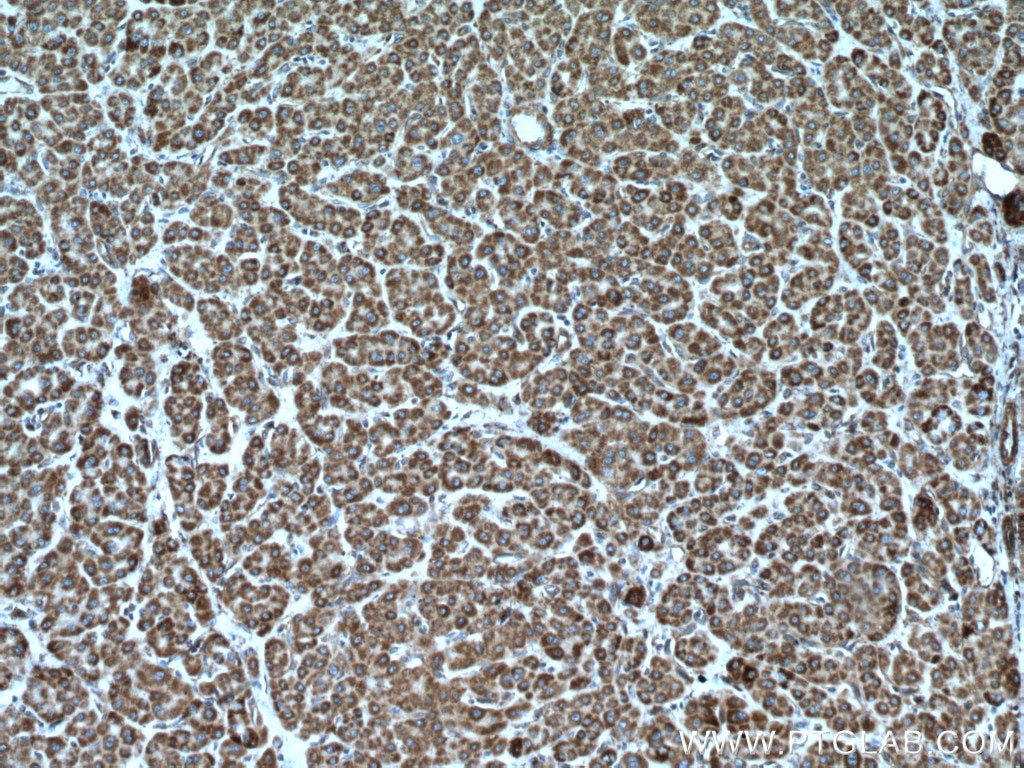
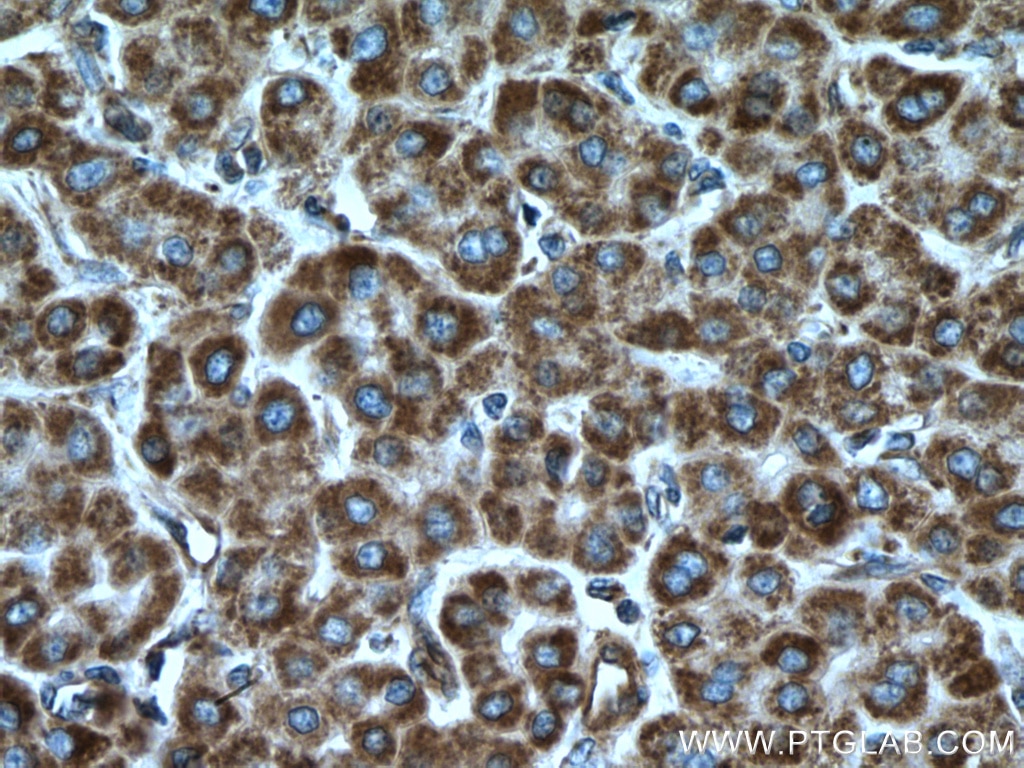
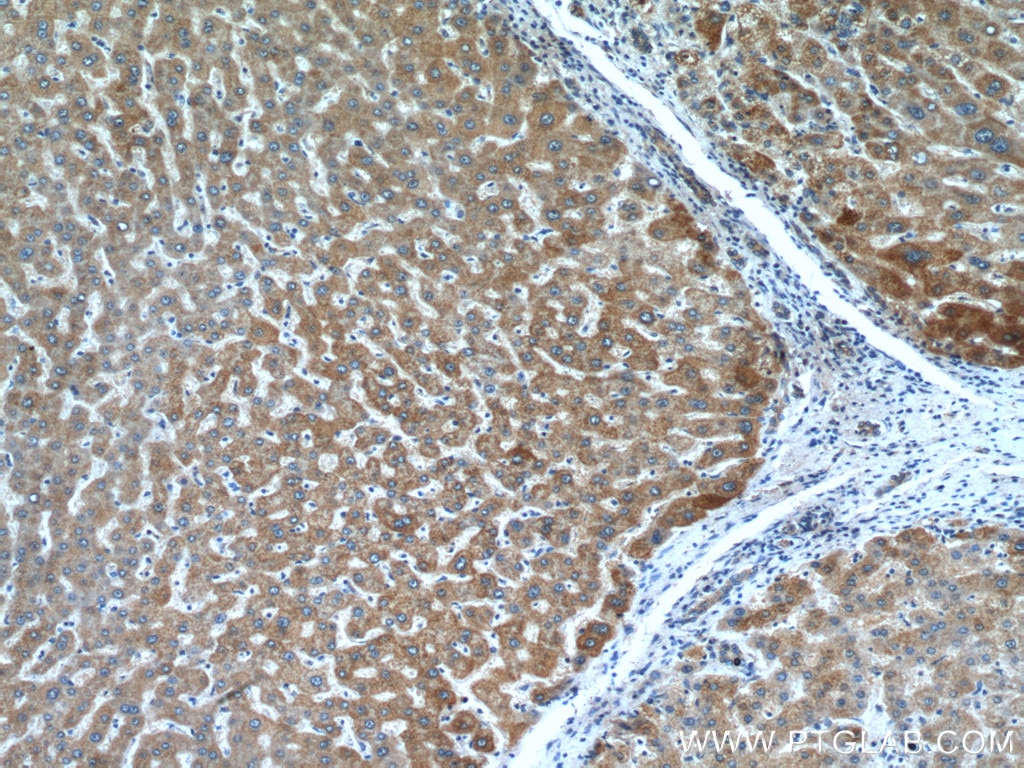
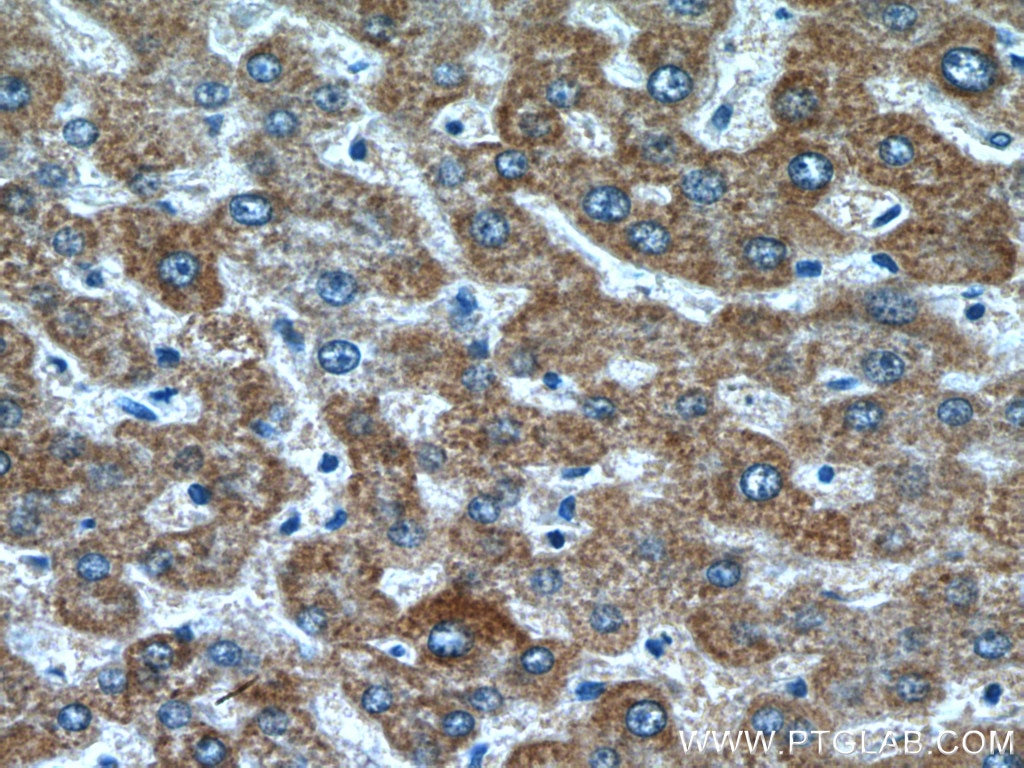
| Positive IHC detected in | human liver cancer tissue Note: suggested antigen retrieval with TE buffer pH 9.0; (*) Alternatively, antigen retrieval may be performed with citrate buffer pH 6.0 |
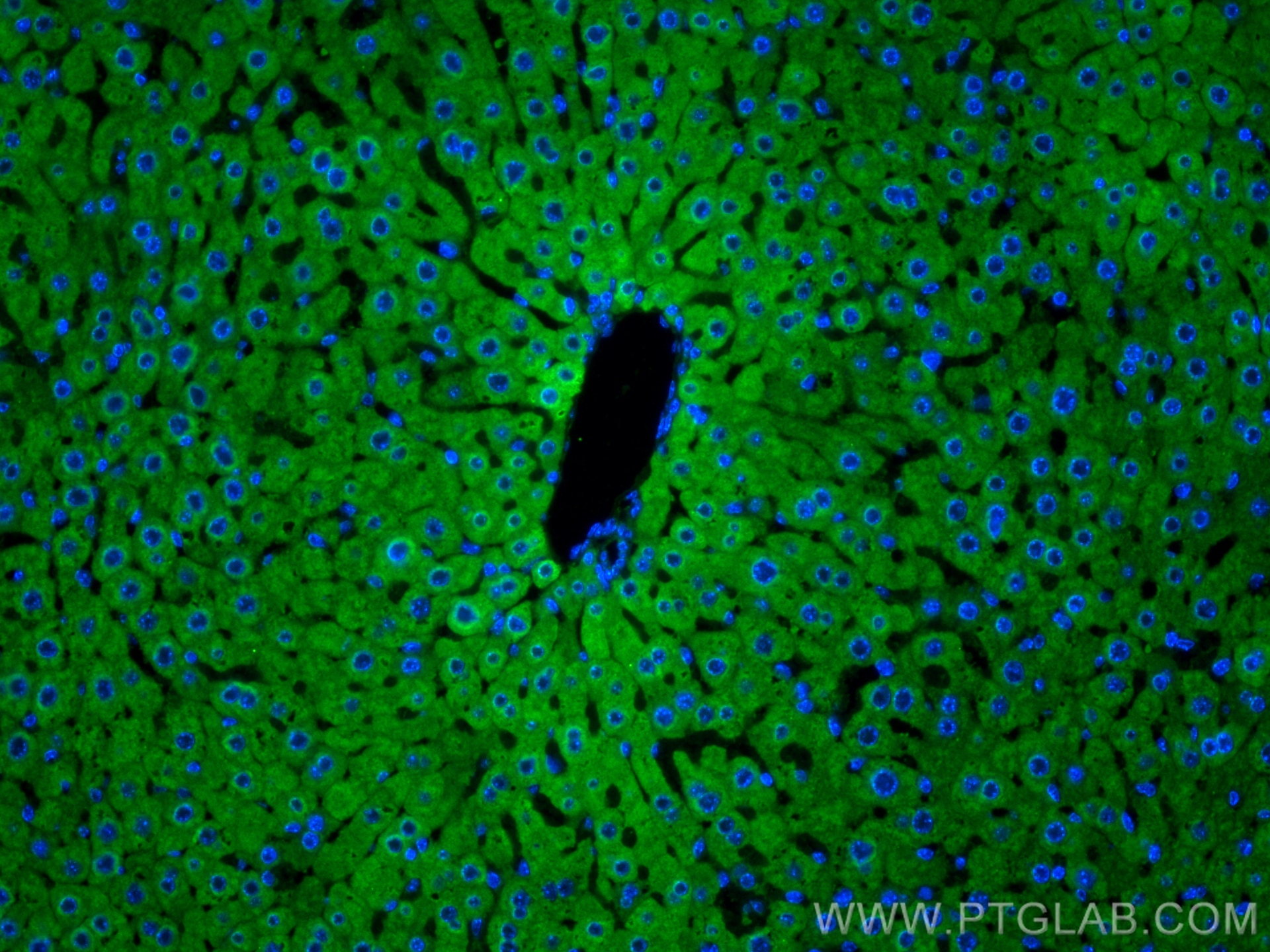
| Positive IF-P detected in | mouse liver tissue |
Recommended dilution
| Application | Dilution |
|---|---|
| Western Blot (WB) | WB : 1:1000-1:4000 |
| Immunohistochemistry (IHC) | IHC : 1:50-1:500 |
| Immunofluorescence (IF)-P | IF-P : 1:50-1:500 |
| It is recommended that this reagent should be titrated in each testing system to obtain optimal results. | |
| Sample-dependent, Check data in validation data gallery. | |
Product Information
18195-1-AP targets LACTB in WB, IHC, IF-P, IP, CoIP, ELISA applications and shows reactivity with human samples.
| Tested Reactivity | human |
| Cited Reactivity | human, mouse |
| Host / Isotype | Rabbit / IgG |
| Class | Polyclonal |
| Type | Antibody |
| Immunogen |
CatNo: Ag12233 Product name: Recombinant human LACTB protein Source: e coli.-derived, PET28a Tag: 6*His Domain: 73-373 aa of BC067288 Sequence: DPEASPLAEPPQEQSLAPWSPQTPAPPCSRCFARAIESSRDLLHRIKDEVGAPGIVVGVSVDGKEVWSEGLGYADVENRVPCKPETVMRIASISKSLTMVALAKLWEAGKLDLDIPVQHYVPEFPEKEYEGEKVSVTTRLLISHLSGIRHYEKDIKKVKEEKAYKALKMMKENVAFEQEKEGKSNEKNDFTKFKTEQENEAKCRNSKPGKKKNDFEQGELYLREKFENSIESLRLFKNDPLFFKPGSQFLYSTFGYTLLAAIVERASGCKYLDYMQKIFHDLDMLTTVQEENEPVIYNRAR Predict reactive species |
| Full Name | lactamase, beta |
| Calculated Molecular Weight | 547 aa, 61 kDa |
| Observed Molecular Weight | 50-60 kDa |
| GenBank Accession Number | BC067288 |
| Gene Symbol | LACTB |
| Gene ID (NCBI) | 114294 |
| RRID | AB_2280998 |
| Conjugate | Unconjugated |
| Form | Liquid |
| Purification Method | Antigen affinity purification |
| UNIPROT ID | P83111 |
| Storage Buffer | PBS with 0.02% sodium azide and 50% glycerol, pH 7.3. |
| Storage Conditions | Store at -20°C. Stable for one year after shipment. Aliquoting is unnecessary for -20oC storage. 20ul sizes contain 0.1% BSA. |
Background Information
LACTB is also named as MRPL56,which is a component of the large subunit of the mitochondrial ribosome that is encoded by the nuclear genome.LACTB is a mammalian active-site serine protein that has evolved from a bacterial penicillin-binding protein.It promotes intramitochondrial membrane organization and micro-compartmentalization through polymerization(PMID:19858488). Northern blot analysis of mouse tissues detected expression at high levels in liver, heart, and skeletal muscle, with lower levels in kidney, testis, brain, lung, and spleen(PMID:11707067). The full-length of LACTB is about 61kDa, and a 115aa transit peptide can be removed in the mature form. This antibody is specific to LACTB.
Protocols
| Product Specific Protocols | |
|---|---|
| IF protocol for LACTB antibody 18195-1-AP | Download protocol |
| IHC protocol for LACTB antibody 18195-1-AP | Download protocol |
| WB protocol for LACTB antibody 18195-1-AP | Download protocol |
| Standard Protocols | |
|---|---|
| Click here to view our Standard Protocols |
Publications
What published studies show
Anti-LACTB (β-lactamase) antibody (Cat# 18195-1-AP) has 16 citations. Publications appear in high-impact journals including Nature, Molecular Cell, Nature Chemical Biology, Advanced Science, Oncogene, Redox Biology, Apoptosis, Life Science Alliance, Science Advances, and others. Research fields span cancer biology (liver, colorectal, breast, ovarian, lung, and pancreatic cancers), lipid metabolism, ferroptosis, epigenetic regulation, apoptosis, EMT, mitochondrial function, and Alzheimer's disease. Applications include WB, IHC, IF, CoIP, and IP.
| Species | Application | Title |
|---|---|---|
Redox Biol LACTB suppresses liver cancer progression through regulation of ferroptosis
| ||
Mol Cell OXCT1 functions as a succinyltransferase, contributing to hepatocellular carcinoma via succinylating LACTB | ||
Nat Chem Biol Mitochondria-localized MBD2c facilitates mtDNA transcription and drug resistance | ||
Adv Sci (Weinh) SNPs Give LACTB Oncogene-Like Functions and Prompt Tumor Progression via Dual-Regulating p53
| ||
Oncogene LACTB, a novel epigenetic silenced tumor suppressor, inhibits colorectal cancer progression by attenuating MDM2-mediated p53 ubiquitination and degradation.
|









