
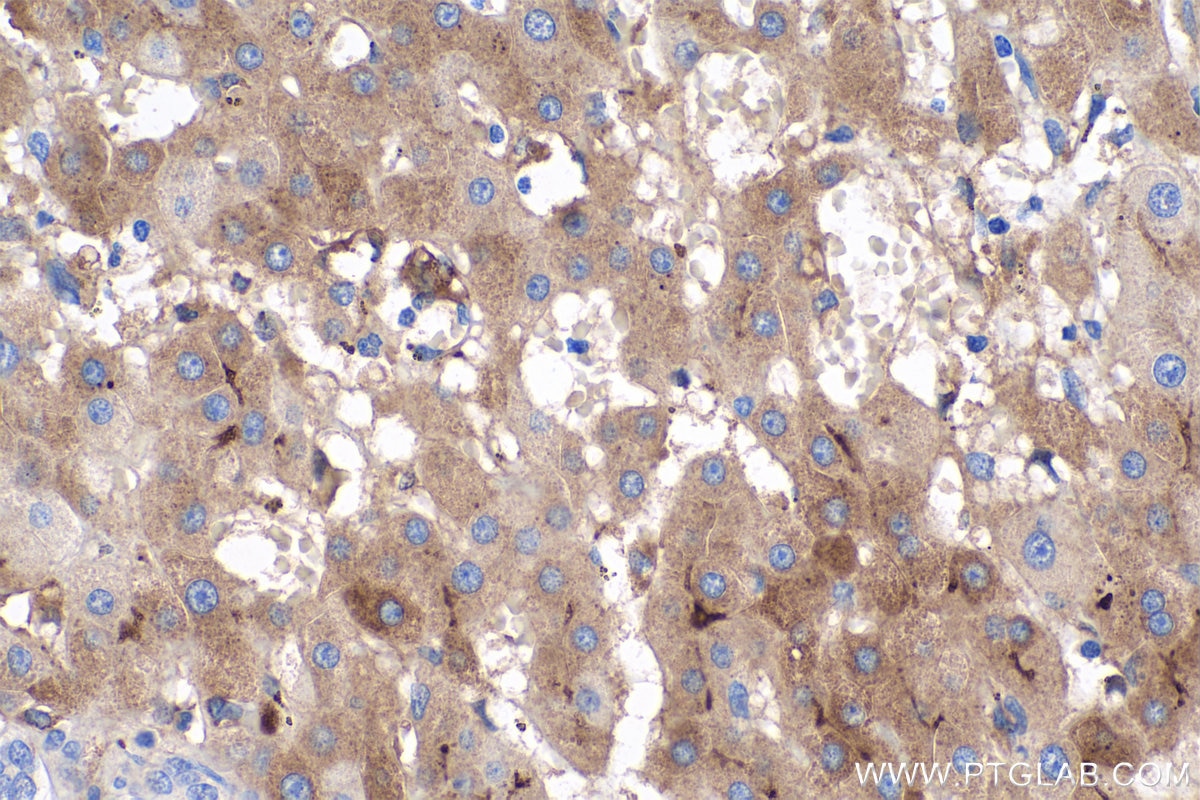
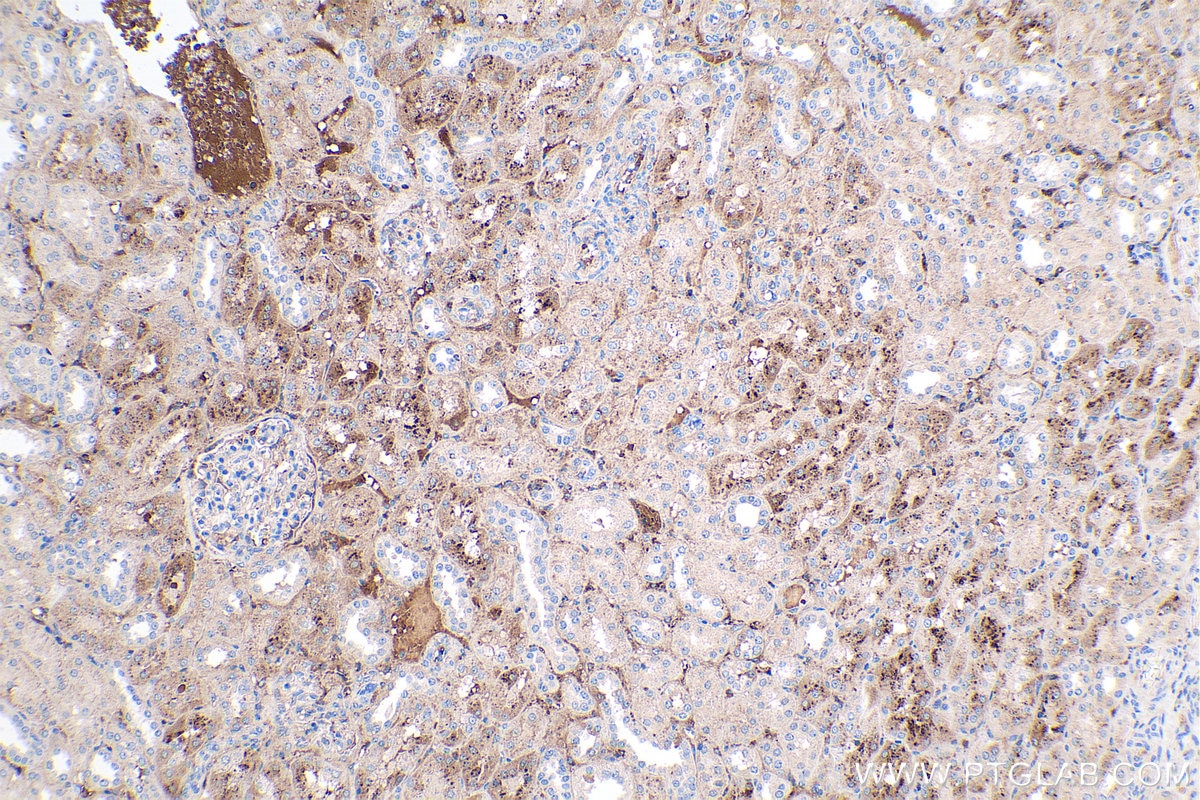
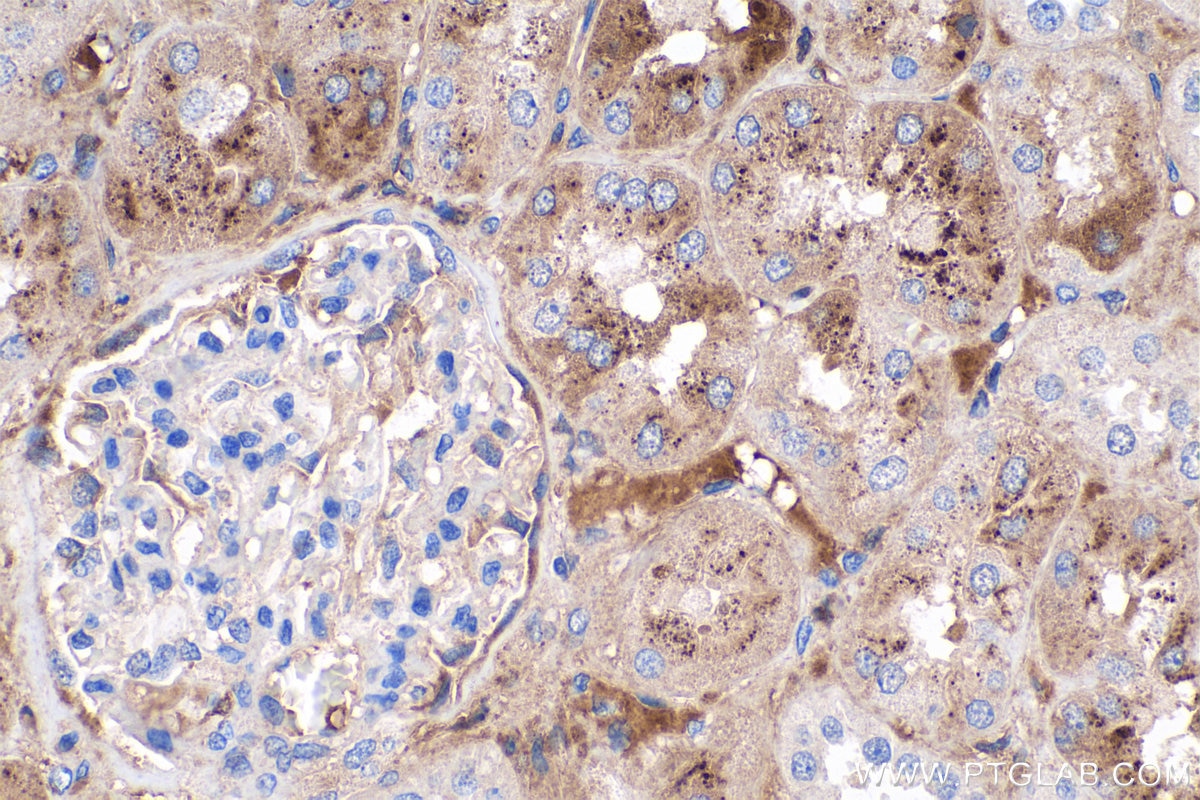

Tested Applications
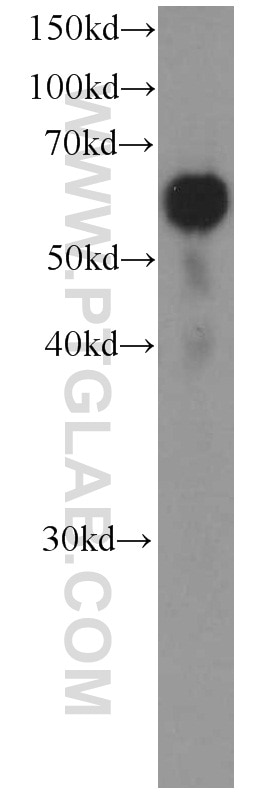
| Positive WB detected in | Jurkat cells |
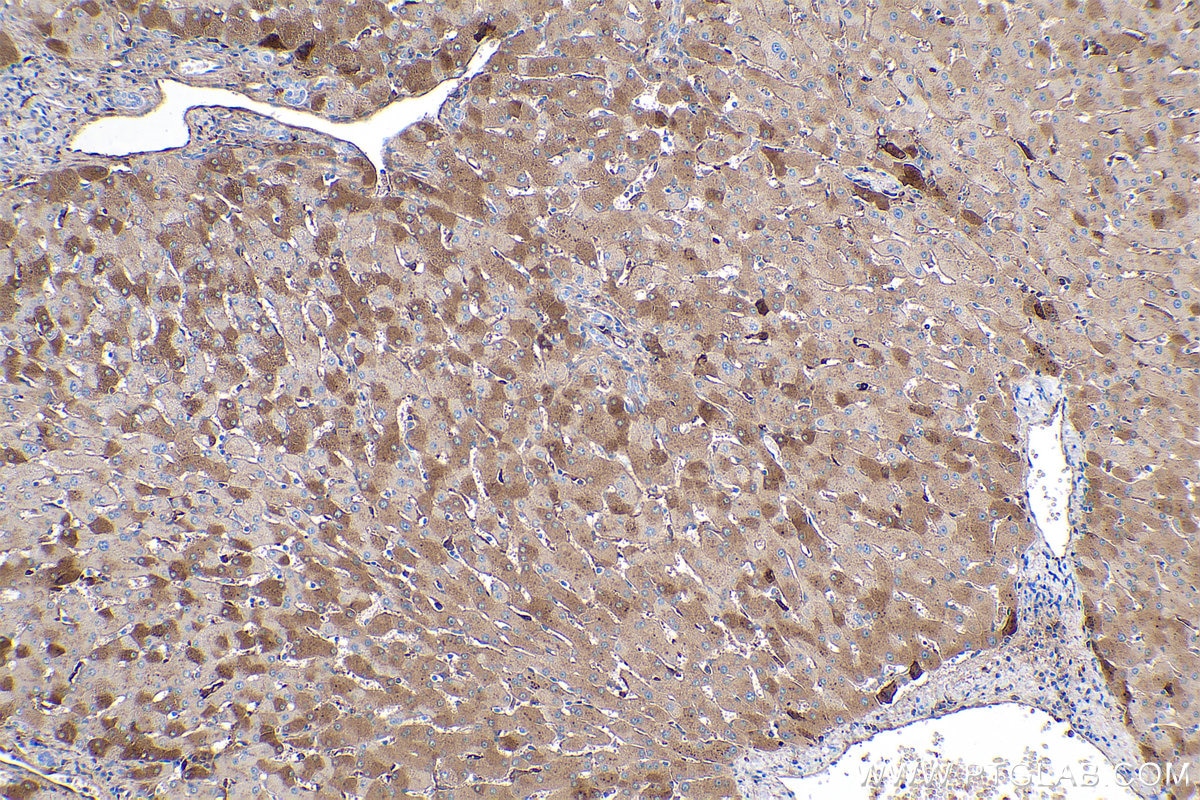
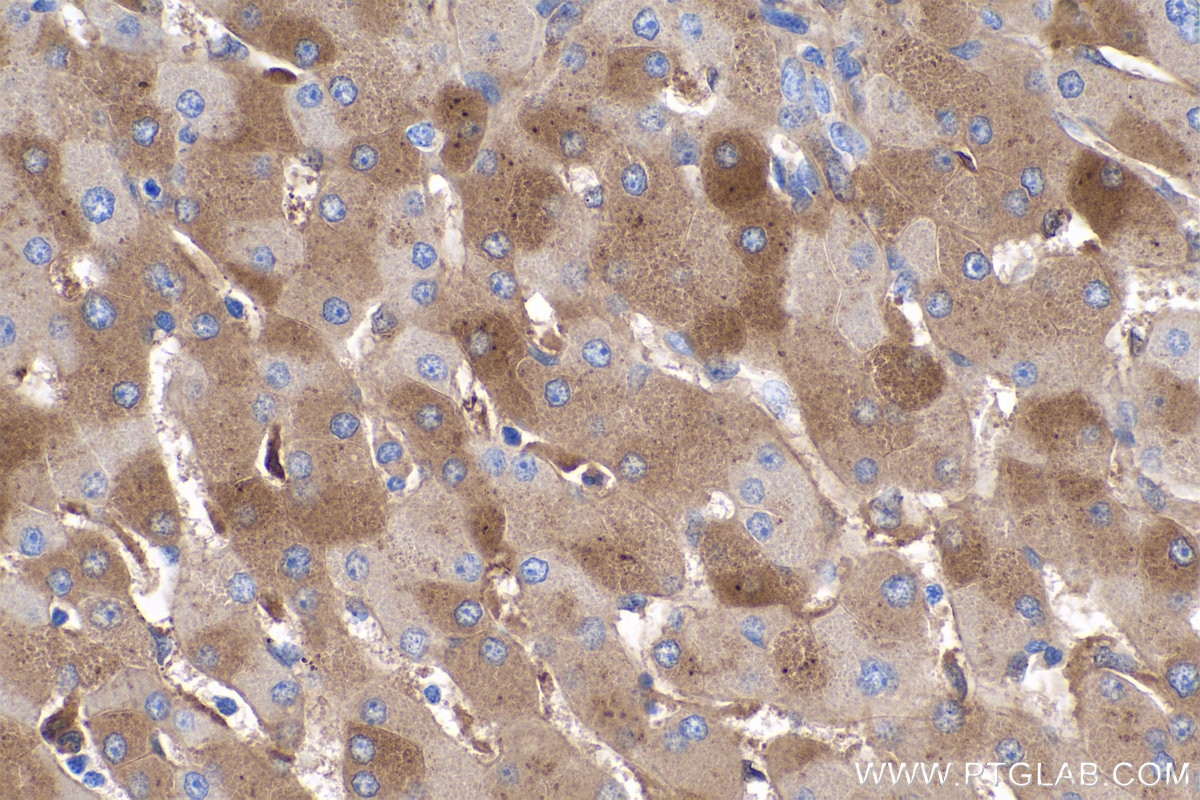
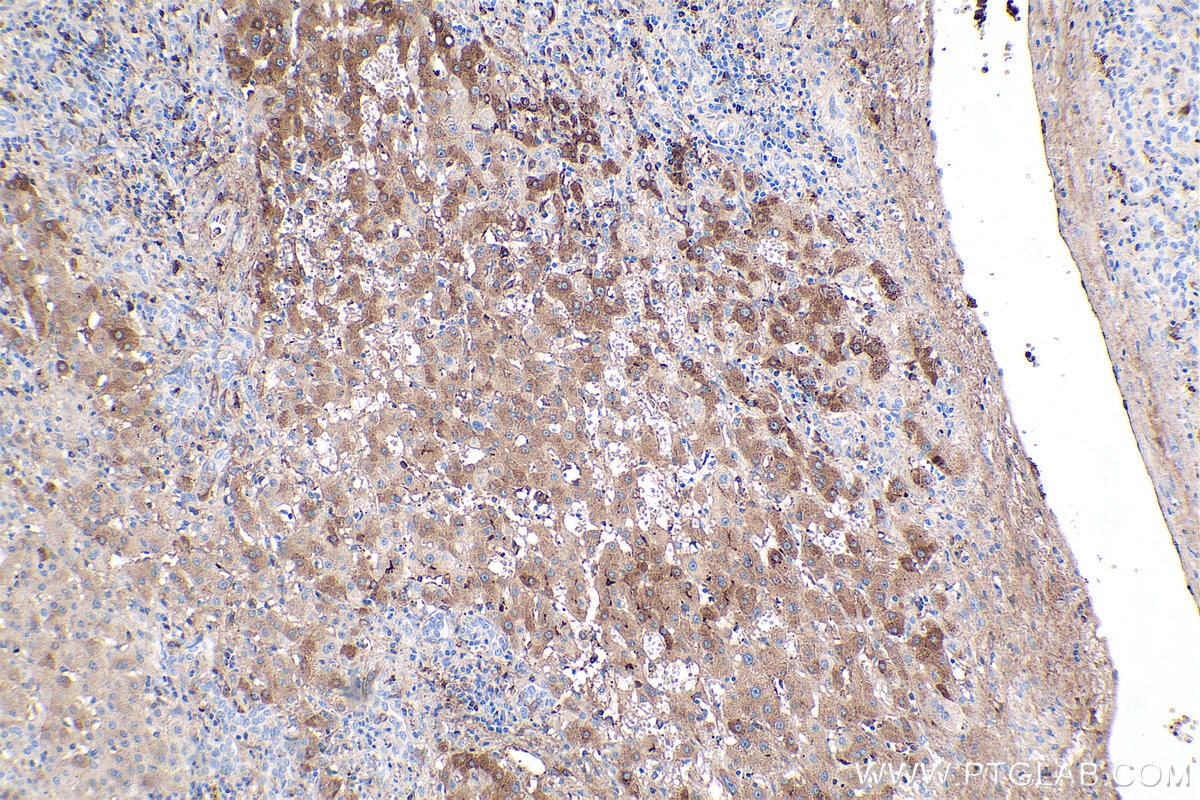
| Positive IHC detected in | human liver cancer tissue, human liver tissue, human kidney tissue Note: suggested antigen retrieval with TE buffer pH 9.0; (*) Alternatively, antigen retrieval may be performed with citrate buffer pH 6.0 |
Recommended dilution
| Application | Dilution |
|---|---|
| Western Blot (WB) | WB : 1:500-1:2000 |
| Immunohistochemistry (IHC) | IHC : 1:250-1:1000 |
| It is recommended that this reagent should be titrated in each testing system to obtain optimal results. | |
| Sample-dependent, Check data in validation data gallery. | |
Product Information
66181-1-Ig targets LBP in WB, IHC, IF, ELISA applications and shows reactivity with human samples.
| Tested Reactivity | human |
| Cited Reactivity | human, mouse |
| Host / Isotype | Mouse / IgG2b |
| Class | Monoclonal |
| Type | Antibody |
| Immunogen |
CatNo: Ag13485 Product name: Recombinant human LBP protein Source: e coli.-derived, PET28a Tag: 6*His Domain: 128-477 aa of BC022256 Sequence: SFDVSVKGISISVNLLLGSESSGRPTVTASSCSSDIADVEVDMSGDLGWLLNLFHNQIESKFQKVLESRICEMIQKSVSSDLQPYLQTLPVTTEIDSFADIDYSLVEAPRATAQMLEVMFKGEIFHRNHRSPVTLLAAVMSLPEEHNKMVYFAISDYVFNTASLVYHEEGYLNFSITDDMIPPDSNIRLTTKSFRPFVPRLARLYPNMNLELQGSVPSAPLLNFSPGNLSVDPYMEIDAFVLLPSSSKEPVFRLSVATNVSATLTFNTSKITGFLKPGKVKVELKESKVGLFNAELLEALLNYYILNTFYPKFNDKLAEGFPLPLLKRVQLYDLGLQIHKDFPSRRDHPP Predict reactive species |
| Full Name | lipopolysaccharide binding protein |
| Calculated Molecular Weight | 481 aa, 53 kDa |
| Observed Molecular Weight | 60 kDa |
| GenBank Accession Number | BC022256 |
| Gene Symbol | LBP |
| Gene ID (NCBI) | 3929 |
| RRID | AB_2881576 |
| Conjugate | Unconjugated |
| Form | Liquid |
| Purification Method | Protein A purification |
| UNIPROT ID | P18428 |
| Storage Buffer | PBS with 0.02% sodium azide and 50% glycerol, pH 7.3. |
| Storage Conditions | Store at -20°C. Stable for one year after shipment. Aliquoting is unnecessary for -20oC storage. 20ul sizes contain 0.1% BSA. |
Background Information
LBP (lipopolysaccharide-binding protein) is an acute-phase protein, predominantly synthesized by hepatocytes. It is present in normal serum at concentrations of 5 to 10 μg/ml, rising up to 200 μg/ml 24 h after induction of an acute-phase response. LBP binds to the lipid A moiety of bacterial lipopolysaccharides (LPS), a glycolipid present in the outer membrane of all Gram-negative bacteria, and acts as an affinity enhancer for CD14, facilitating its association with LPS. (PMID: 9665271; 11598069)
Protocols
| Product Specific Protocols | |
|---|---|
| IHC protocol for LBP antibody 66181-1-Ig | Download protocol |
| WB protocol for LBP antibody 66181-1-Ig | Download protocol |
| Standard Protocols | |
|---|---|
| Click here to view our Standard Protocols |
Publications
What published studies show
The Lipopolysaccharide Binding Protein (LBP) antibody (Cat# 66181-1-Ig) has a total of 2 citations. These appear in Nature Communications (IF 18.1) and Journal of Pediatric Surgery (IF 2.3). The associated research fields include hepatic oxidative stress and lipid droplet homeostasis regulation, as well as LBP as a diagnostic biomarker for necrotizing enterocolitis. Applications cited are Western blot, immunofluorescence, with species tested in mouse, human.
| Species | Application | Title |
|---|---|---|
Nat Commun Lipopolysaccharide binding protein resists hepatic oxidative stress by regulating lipid droplet homeostasis | ||
J Pediatr Surg Lipopolysaccharide-binding protein as a biomarker in the diagnosis of necrotizing enterocolitis. |








