

Tested Applications
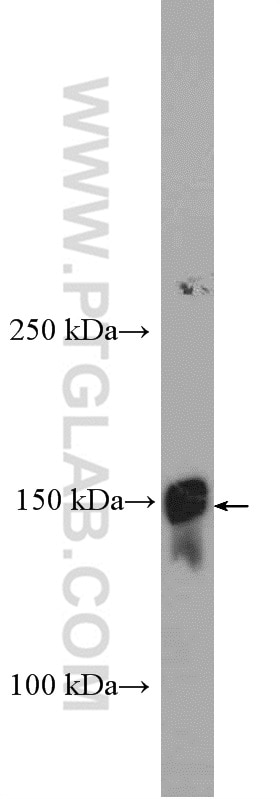
| Positive WB detected in | human plasma tissue |
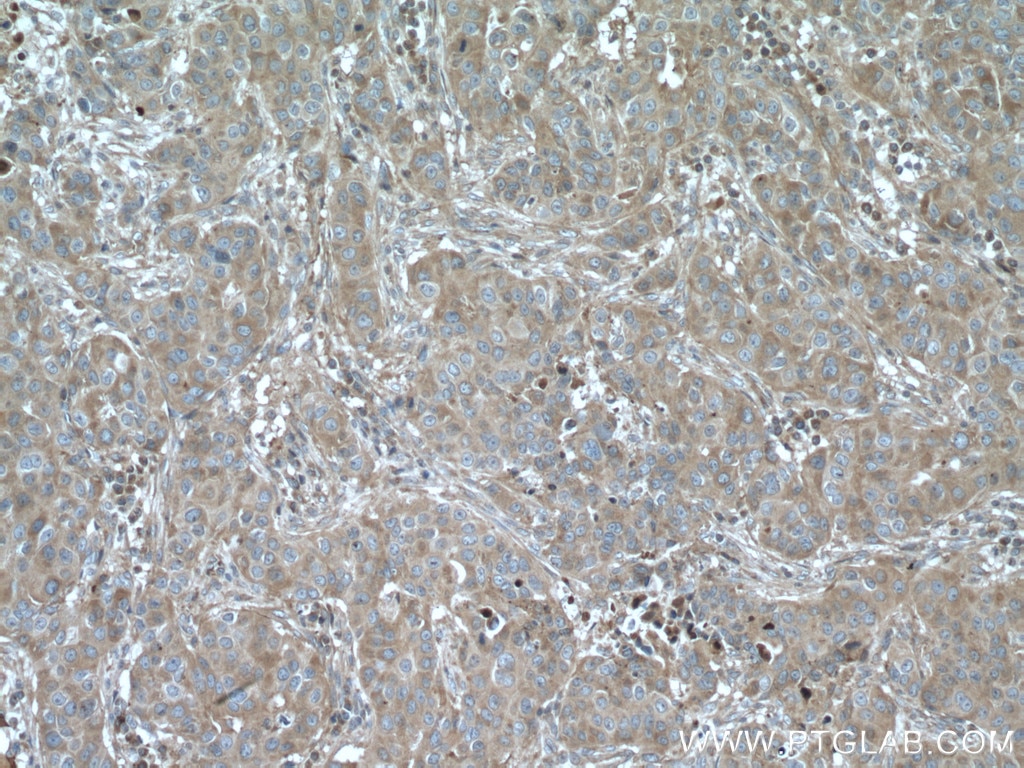
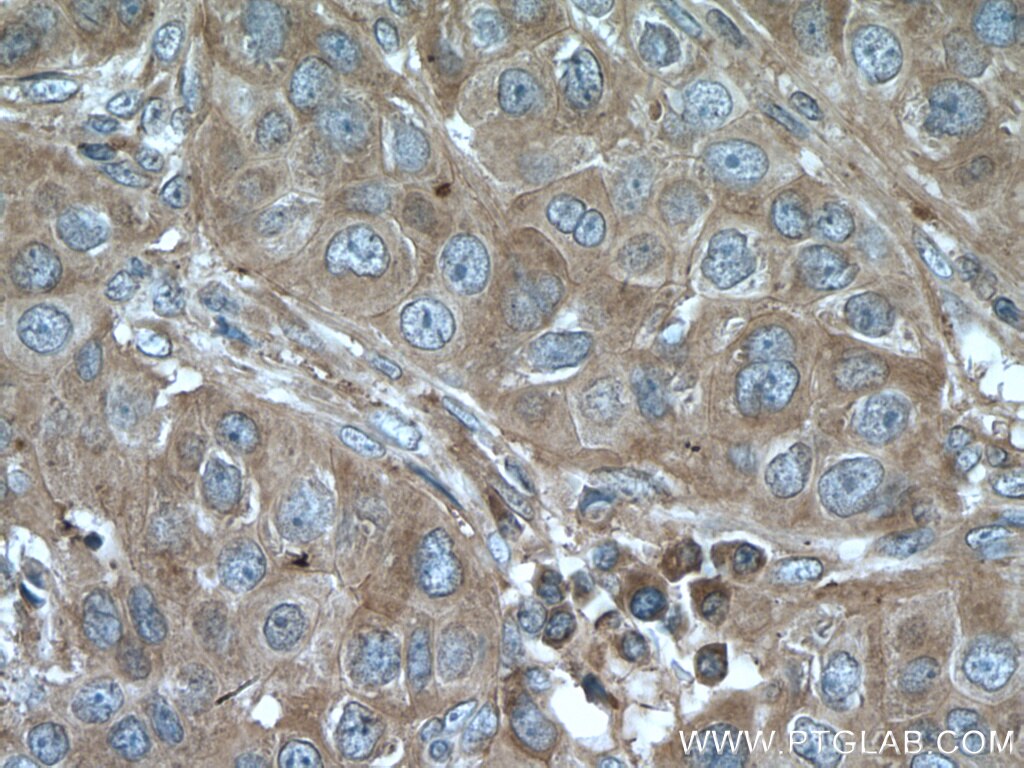
| Positive IHC detected in | human breast cancer tissue Note: suggested antigen retrieval with TE buffer pH 9.0; (*) Alternatively, antigen retrieval may be performed with citrate buffer pH 6.0 |
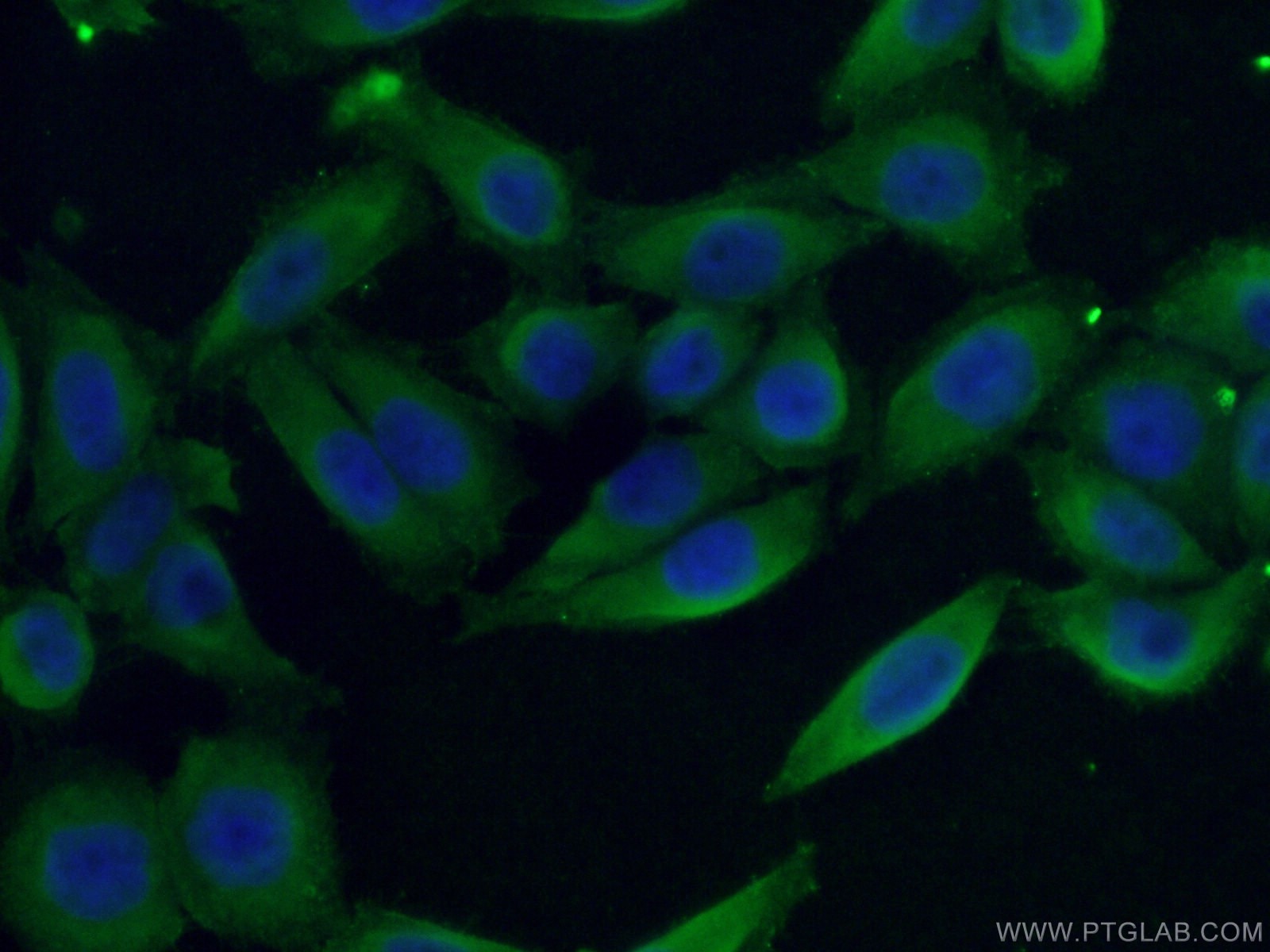
| Positive IF/ICC detected in | HeLa cells |
Recommended dilution
| Application | Dilution |
|---|---|
| Western Blot (WB) | WB : 1:500-1:3000 |
| Immunohistochemistry (IHC) | IHC : 1:50-1:500 |
| Immunofluorescence (IF)/ICC | IF/ICC : 1:50-1:500 |
| It is recommended that this reagent should be titrated in each testing system to obtain optimal results. | |
| Sample-dependent, Check data in validation data gallery. | |
Product Information
26855-1-AP targets LTBP1 in WB, IHC, IF/ICC, ELISA applications and shows reactivity with human samples.
| Tested Reactivity | human |
| Cited Reactivity | human, mouse |
| Host / Isotype | Rabbit / IgG |
| Class | Polyclonal |
| Type | Antibody |
| Immunogen |
CatNo: Ag25392 Product name: Recombinant human LTBP1 protein Source: e coli.-derived, PET30a Tag: 6*His Domain: 600-739 aa of BC130289 Sequence: CSQGRCENTEGSFLCICPAGFMASEEGTNCIDVDECLRPDVCGEGHCVNTVGAFRCEYCDSGYRMTQRGRCEDIDECLNPSTCPDEQCVNSPGSYQCVPCTEGFRGWNGQCLDVDECLEPNVCANGDCSNLEGSYMCSCH Predict reactive species |
| Full Name | latent transforming growth factor beta binding protein 1 |
| Calculated Molecular Weight | 1721 aa, 187 kDa |
| Observed Molecular Weight | 150 kDa |
| GenBank Accession Number | BC130289 |
| Gene Symbol | LTBP1 |
| Gene ID (NCBI) | 4052 |
| RRID | AB_2880658 |
| Conjugate | Unconjugated |
| Form | Liquid |
| Purification Method | Antigen affinity purification |
| UNIPROT ID | Q14766 |
| Storage Buffer | PBS with 0.02% sodium azide and 50% glycerol, pH 7.3. |
| Storage Conditions | Store at -20°C. Stable for one year after shipment. Aliquoting is unnecessary for -20oC storage. 20ul sizes contain 0.1% BSA. |
Background Information
Latent Transforming Growth Factor Beta Binding Protein 1 (LTBP1) is a large extracellular matrix protein that belongs to the latent TGF-beta binding protein family. It plays a crucial role in the regulation of TGF-beta, a multifunctional cytokine involved in various cellular processes such as cell growth, differentiation, and immune response. LTBP1 is essential for TGF-beta folding, secretion, matrix localization, and activation. It forms latent complexes with TGF-beta by covalently binding the TGF-beta propeptide (LAP) via disulfide bonds in the endoplasmic reticulum. This complex is then secreted and targeted to the extracellular matrix, where TGF-beta can be activated by various mechanism.
Protocols
| Product Specific Protocols | |
|---|---|
| IF protocol for LTBP1 antibody 26855-1-AP | Download protocol |
| IHC protocol for LTBP1 antibody 26855-1-AP | Download protocol |
| WB protocol for LTBP1 antibody 26855-1-AP | Download protocol |
| Standard Protocols | |
|---|---|
| Click here to view our Standard Protocols |
Publications
What published studies show
The LTBP1 Polyclonal antibody (Cat# 26855-1-AP) has 13 citations across journals including Advanced Materials, Cell Reports, Oncogene, Phytomedicine, Cell Death & Discovery, Journal of Translational Medicine, Frontiers in Immunology, Biochemical Pharmacology, Cell Communication and Signaling, Arteriosclerosis, Thrombosis and Vascular Biology, and medRxiv. Research fields span cancer biology (gastric, pancreatic, hepatocellular, esophageal, prostate, colorectal, and breast cancers), TGF-β signaling, vascular disease/atherosclerosis, extracellular matrix remodeling, and wound healing.
| Species | Application | Title |
|---|---|---|
Adv Mater Engineered Surfaces that Promote Capture of Latent Proteins to Facilitate Integrin-Mediated Mechanical Activation of Growth Factors | ||
Cell Commun Signal PDPN(+)LTBP1(+) cancer-associated fibroblasts induce a liver pre-metastatic niche in gastric cancer via PDPN/YAP/LTBP1 and CCL11/CCR3 axis.
| ||
Phytomedicine Rg3 inhibits hypoxia-induced tumor exosomes from boosting pancreatic cancer vasculogenic mimicry through the HIF-1α/LARS1/mTOR axis | ||
Cell Death Discov ERRFI1 induces apoptosis of hepatocellular carcinoma cells in response to tryptophan deficiency. | ||
J Transl Med LTBP1 promotes esophageal squamous cell carcinoma progression through epithelial-mesenchymal transition and cancer-associated fibroblasts transformation.
| ||
Oncogene MCCC2 stabilizes LTBP1 via suppressing SMURF1-dependent ubiquitination to drive bone metastasis in prostate cancer. |
Reviews
What customers say
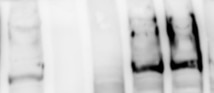
The single review for 26855-1-AP is a 5-star rating. The antibody was used at a 1:1000 dilution in NFDM with overnight incubation at 4°C, detecting a band close to 220 kD in 20 µg of cell lysate by Western blot. It was also tested for immunofluorescence, showing positive staining at a 1:250 dilution in 2% BSA with overnight incubation at 4°C. The work was performed on Bone Marrow MSCs, and the reviewer reported reliable performance in both applications.
The reviews below have been submitted by verified Proteintech customers who received an incentive for providing their feedback.
Udesh (Verified Customer) (10-05-2022) | The Ab was used at 1:1000 dilution in NFDM overnight 4 degrees and detected a band close to 220 kD in 20ug cell lysate. Also tested for for positive IF staining at 1:250 dilution in 2% BSA overnight at 4 degrees.
 |





