
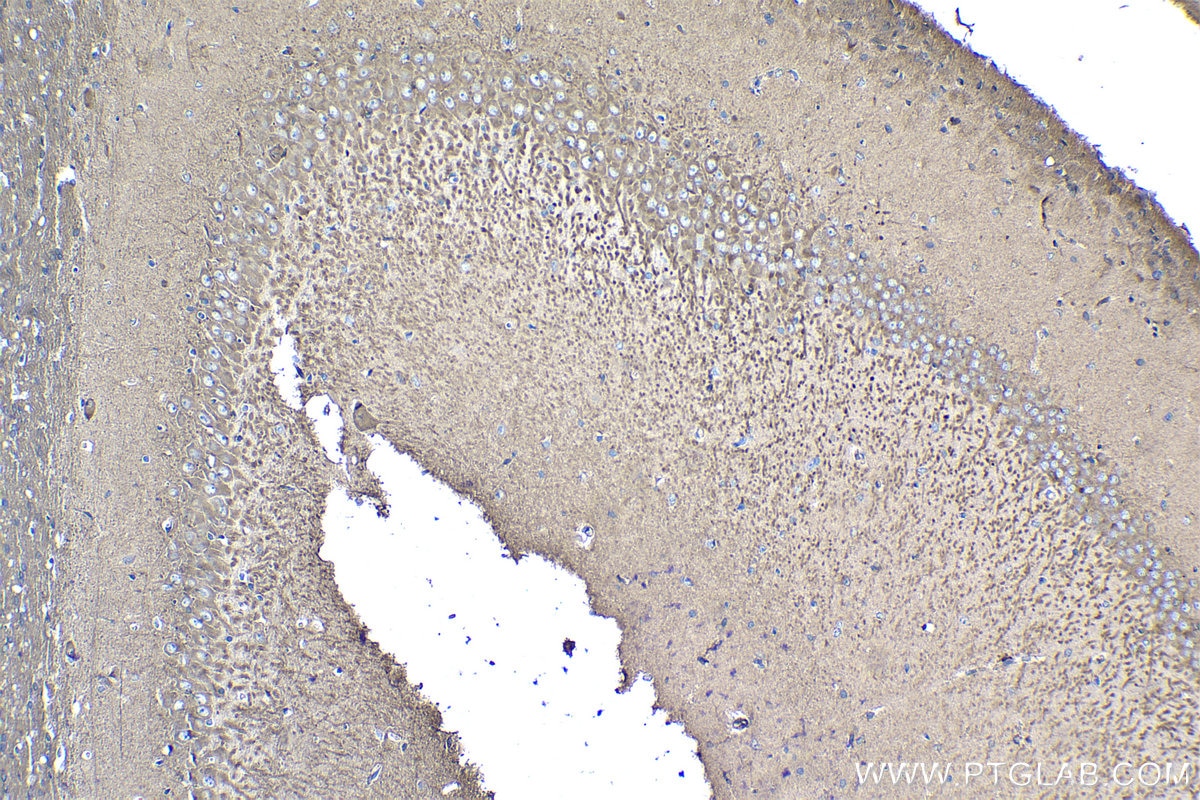
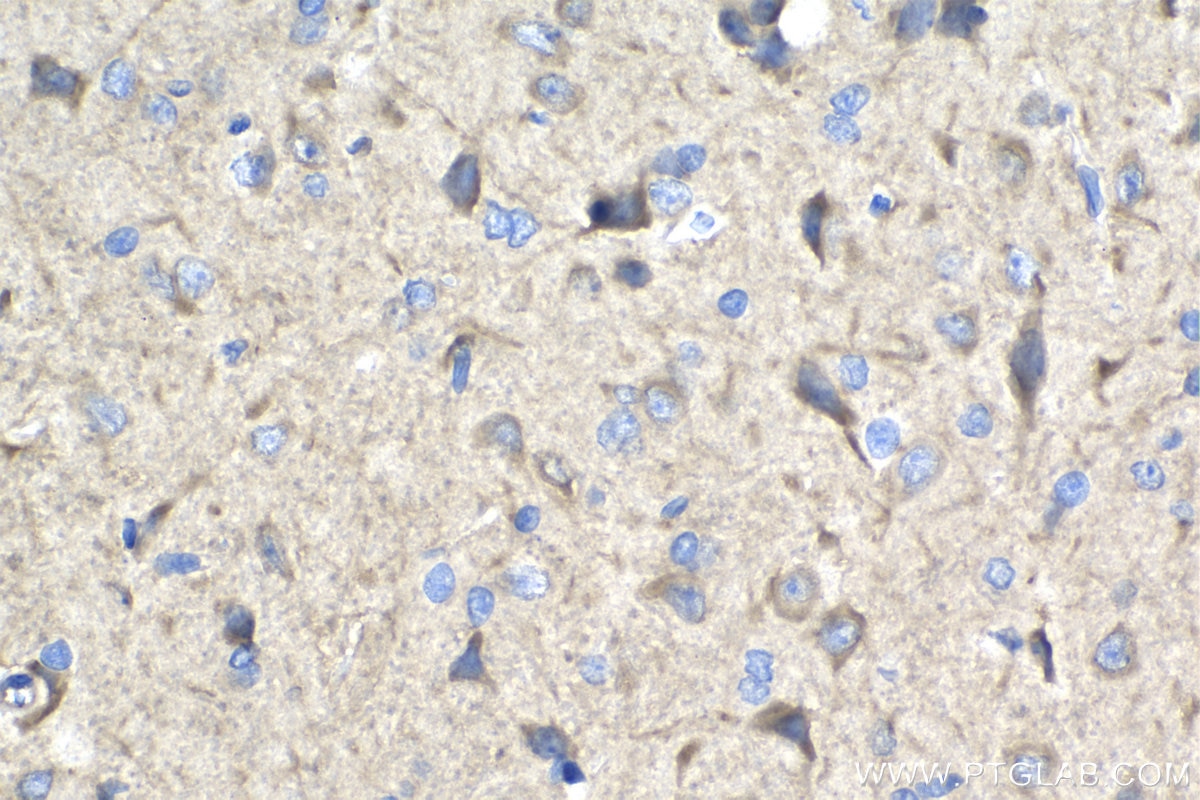

Tested Applications
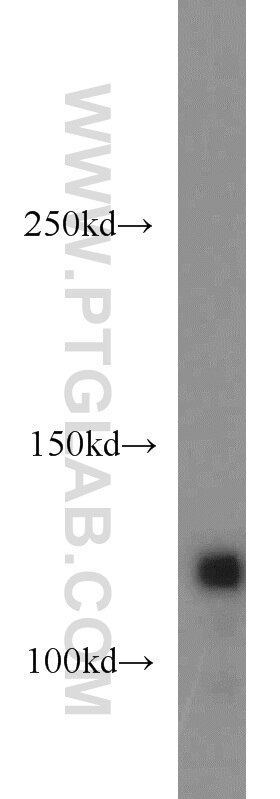
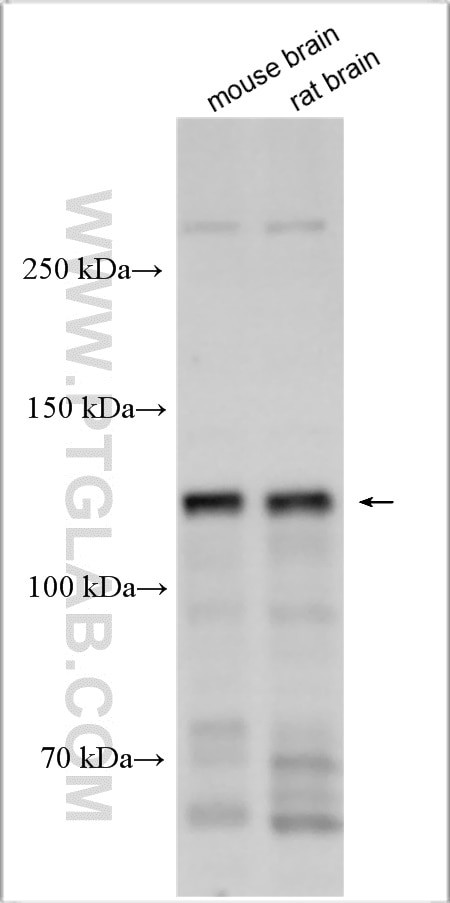
| Positive WB detected in | mouse brain tissue, rat brain tissue |
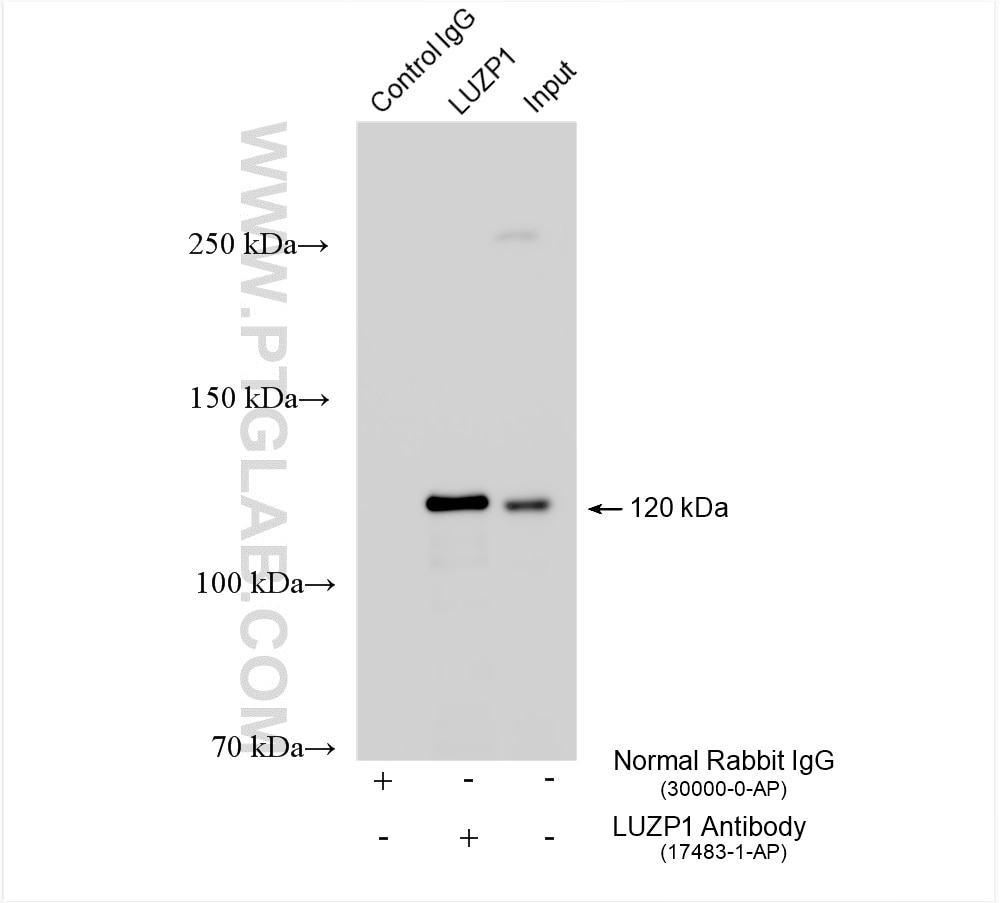
| Positive IP detected in | mouse brain tissue |
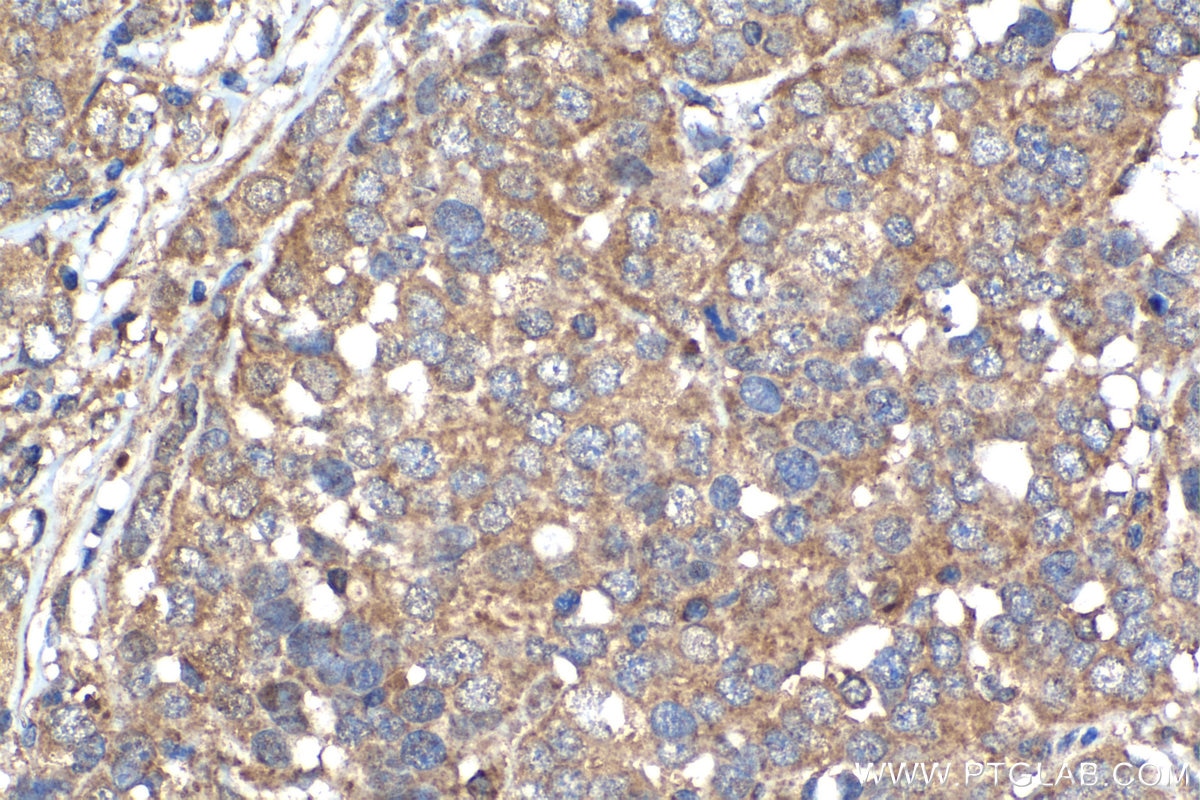
| Positive IHC detected in | human ovary tumor tissue, rat brain tissue Note: suggested antigen retrieval with TE buffer pH 9.0; (*) Alternatively, antigen retrieval may be performed with citrate buffer pH 6.0 |
Recommended dilution
| Application | Dilution |
|---|---|
| Western Blot (WB) | WB : 1:5000-1:50000 |
| Immunoprecipitation (IP) | IP : 0.5-4.0 ug for 1.0-3.0 mg of total protein lysate |
| Immunohistochemistry (IHC) | IHC : 1:250-1:1000 |
| It is recommended that this reagent should be titrated in each testing system to obtain optimal results. | |
| Sample-dependent, Check data in validation data gallery. | |
Product Information
17483-1-AP targets LUZP1 in WB, IHC, IF, IP, ELISA applications and shows reactivity with human, mouse, rat samples.
| Tested Reactivity | human, mouse, rat |
| Cited Reactivity | human, mouse, rat |
| Host / Isotype | Rabbit / IgG |
| Class | Polyclonal |
| Type | Antibody |
| Immunogen |
CatNo: Ag11518 Product name: Recombinant human LUZP1 protein Source: e coli.-derived, PGEX-4T Tag: GST Domain: 1-358 aa of BC051733 Sequence: MAEFTSYKETASSRHLRFKLQSLSRRLDELEEATKNLQKAEDELLDLQDKVIQAEGSNSSMLAEIEVLRQRVLRIEGKDEEIKRAEDLCRLMKEKLEEEENLTRELKSEIERLQKRMAELEKLEEAFSRSKNDCTQLCLSLNEERNLTKKISSELEMLRVKVKELESSEDRLDKTEQSLASELEKLKSLTLSFVSERKYLNEKEKENEKLIKELTQKLEQNKKMNRDYTRNASNLERNDLRIEDGISSTLPSKESRRKGGLDYLKQVENETRNKSENEKNRNQEDNKVKDLNQEIEKLKTQIKHFESLEEELKKMKSKNNDLQDNYLSEQNKNKLLASQLEEIKLQIKKQKELENGEV Predict reactive species |
| Full Name | leucine zipper protein 1 |
| Calculated Molecular Weight | 1026 aa, 115 kDa |
| Observed Molecular Weight | 120 kDa |
| GenBank Accession Number | BC051733 |
| Gene Symbol | LUZP1 |
| Gene ID (NCBI) | 7798 |
| RRID | AB_2139498 |
| Conjugate | Unconjugated |
| Form | Liquid |
| Purification Method | Antigen affinity purification |
| UNIPROT ID | Q86V48 |
| Storage Buffer | PBS with 0.02% sodium azide and 50% glycerol, pH 7.3. |
| Storage Conditions | Store at -20°C. Stable for one year after shipment. Aliquoting is unnecessary for -20oC storage. 20ul sizes contain 0.1% BSA. |
Background Information
LUZP1, also known as LUZP, is predominantly expressed in the brain. LUZP1 is a centrosome, actin, and midbody-localizing protein implicated in ciliogenesis regulation and actin cytoskeleton stability (PMID: 33869174). LUZP1 null mice present defective neural tube closure and cardiovascular problems, which cause perinatal death. In addition, LUZP1 has also been implicated in the etiology of diseases like the 1p36 and the Townes-Brocks syndromes (PMID: 35738212).
Protocols
| Product Specific Protocols | |
|---|---|
| IHC protocol for LUZP1 antibody 17483-1-AP | Download protocol |
| IP protocol for LUZP1 antibody 17483-1-AP | Download protocol |
| WB protocol for LUZP1 antibody 17483-1-AP | Download protocol |
| Standard Protocols | |
|---|---|
| Click here to view our Standard Protocols |
Publications
What published studies show
The anti-LUZP1 antibody (Cat# 17483-1-AP) has 14 total citations. These appear in journals including Molecular Cell, Science Advances, Redox Biology, Journal of Advanced Research, Journal of Neuroscience, Oncology Reports, Journal of Biological Chemistry, Frontiers in Oncology, Biochemistry, European Journal of Cell Biology, Biochemical Cell Biology, eLife, and bioRxiv. Research fields span cardiac hypertrophy, cardiotoxicity, cell senescence, ciliopathies, cancer metastasis, synaptic plasticity, actin cytoskeleton biology, skeletal muscle atrophy, glioma progression, and chromatin remodeling.
| Species | Application | Title |
|---|---|---|
J Adv Res Leucine zipper protein 1 attenuates pressure overload-induced cardiac hypertrophy through inhibiting Stat3 signaling
| ||
Redox Biol Leucine zipper protein 1 prevents doxorubicin-induced cardiotoxicity in mice
| ||
Mol Cell Histone chaperone HIRA, promyelocytic leukemia protein, and p62/SQSTM1 coordinate to regulate inflammation during cell senescence. | ||
Sci Adv CEP76 impairment at the centrosome-cilium interface contributes to a spectrum of ciliopathies. | ||
Oncol Rep NF‑κB‑driven LUZP1 promotes metastasis and chemoresistance in head and neck squamous cell carcinoma.
| ||







