

Tested Applications
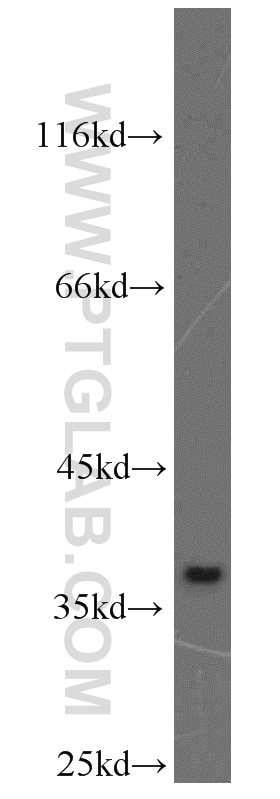
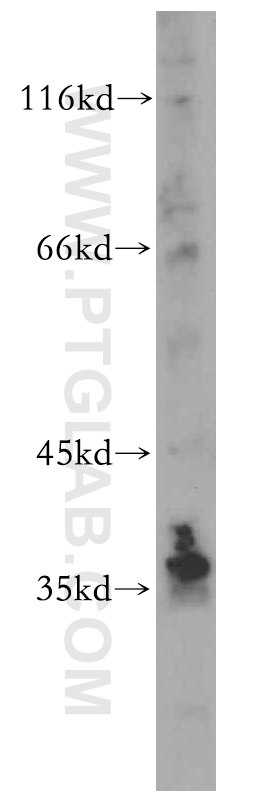
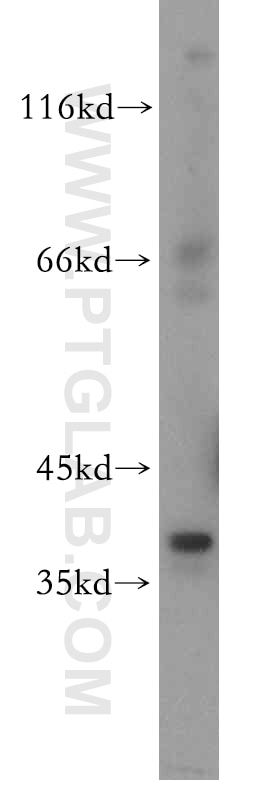
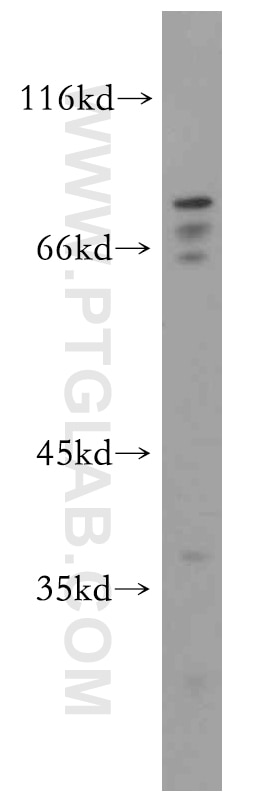
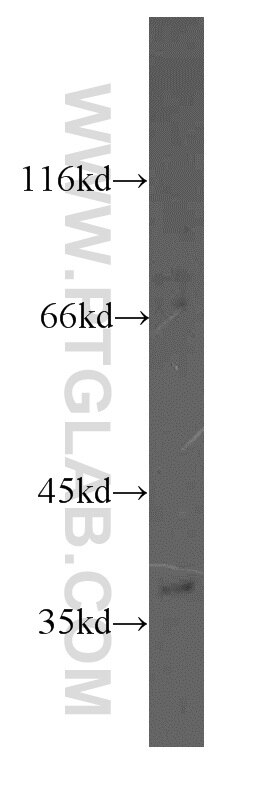
| Positive WB detected in | HepG2 cells, HEK-293 cells, Jurkat cells, mouse brain tissue, mouse testis tissue |
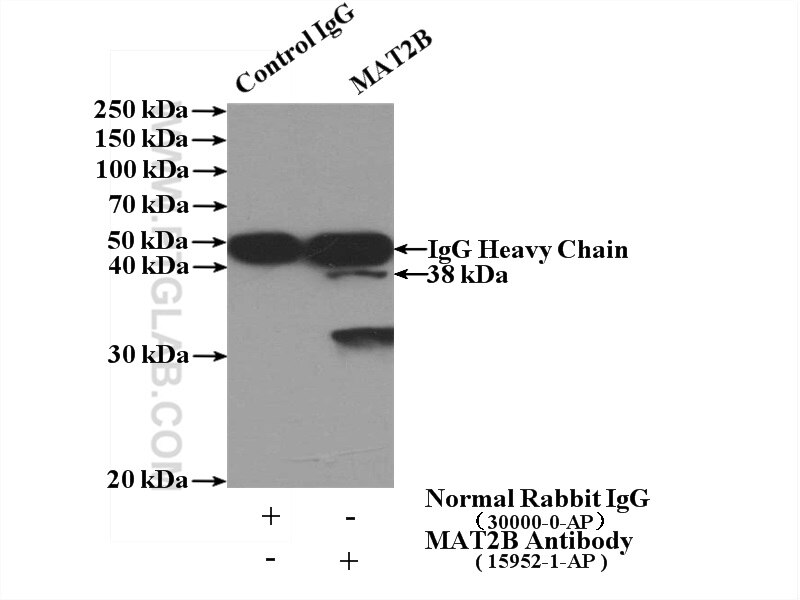
| Positive IP detected in | HepG2 cells |
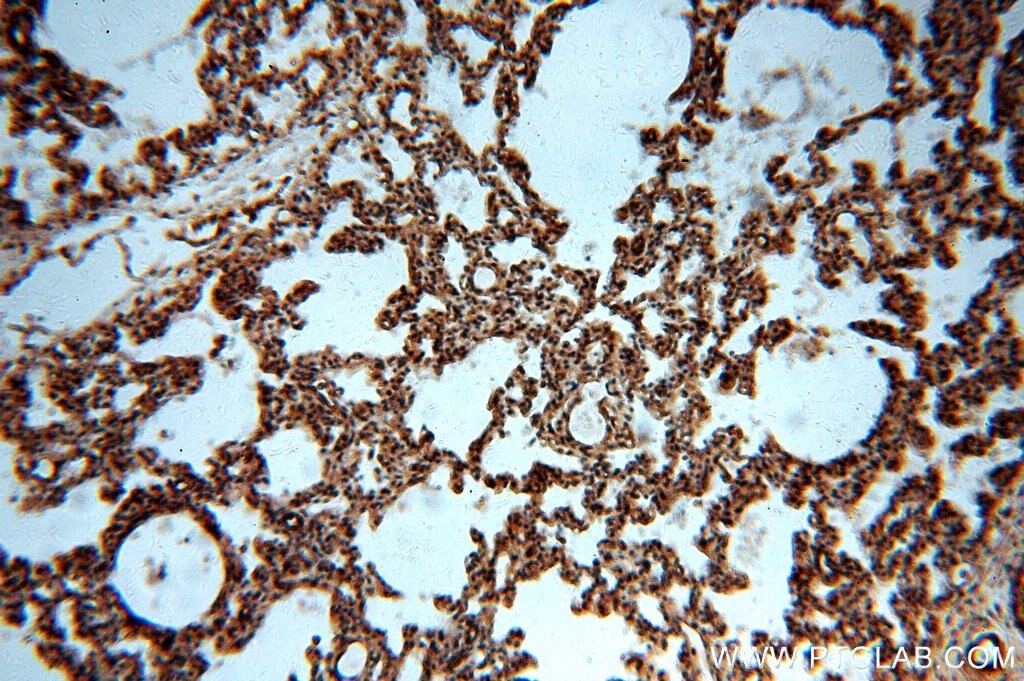
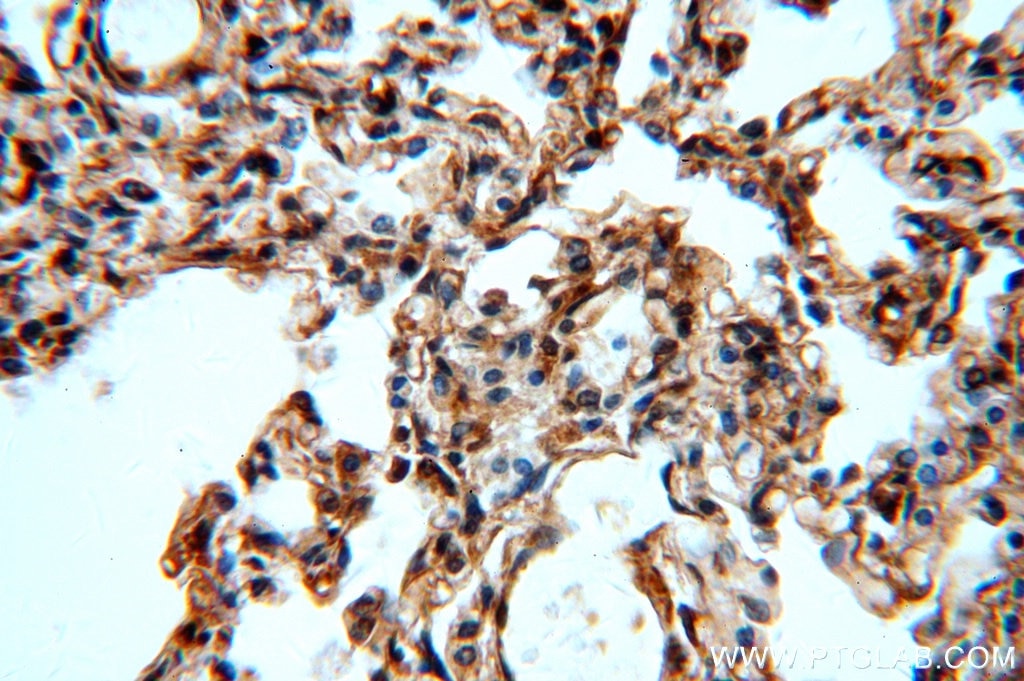
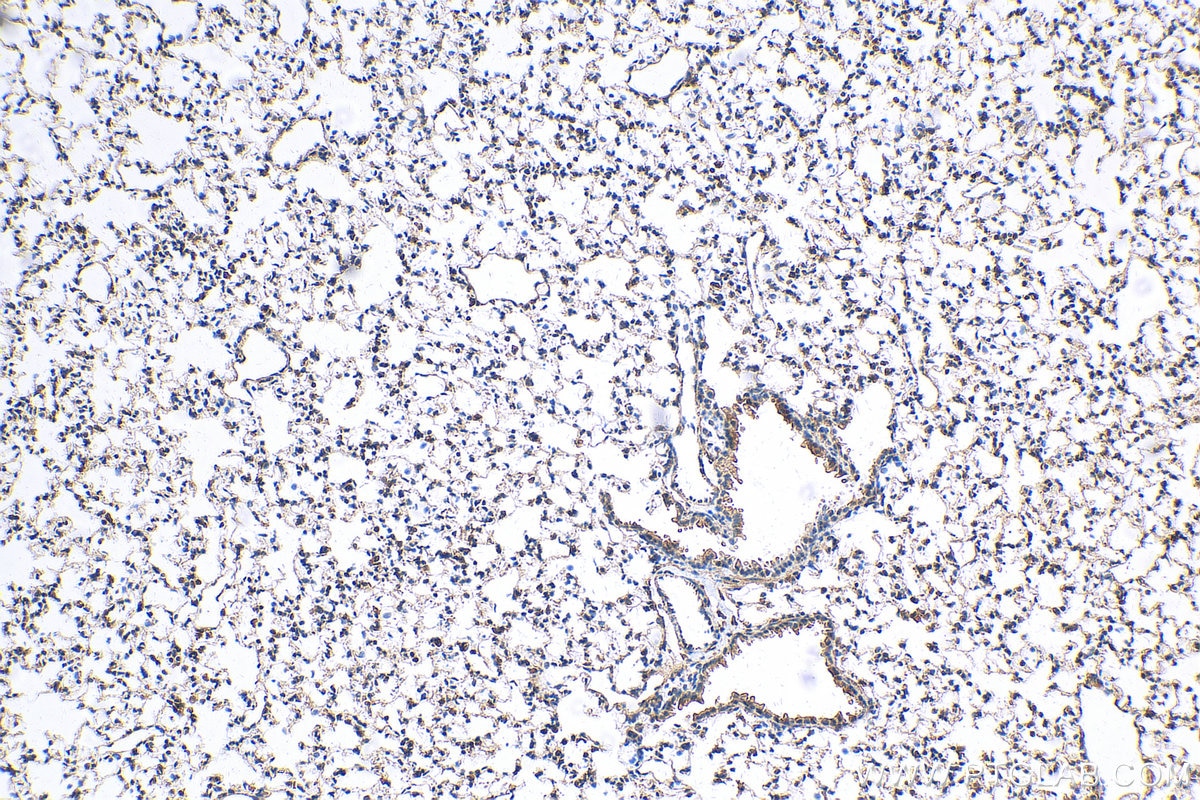
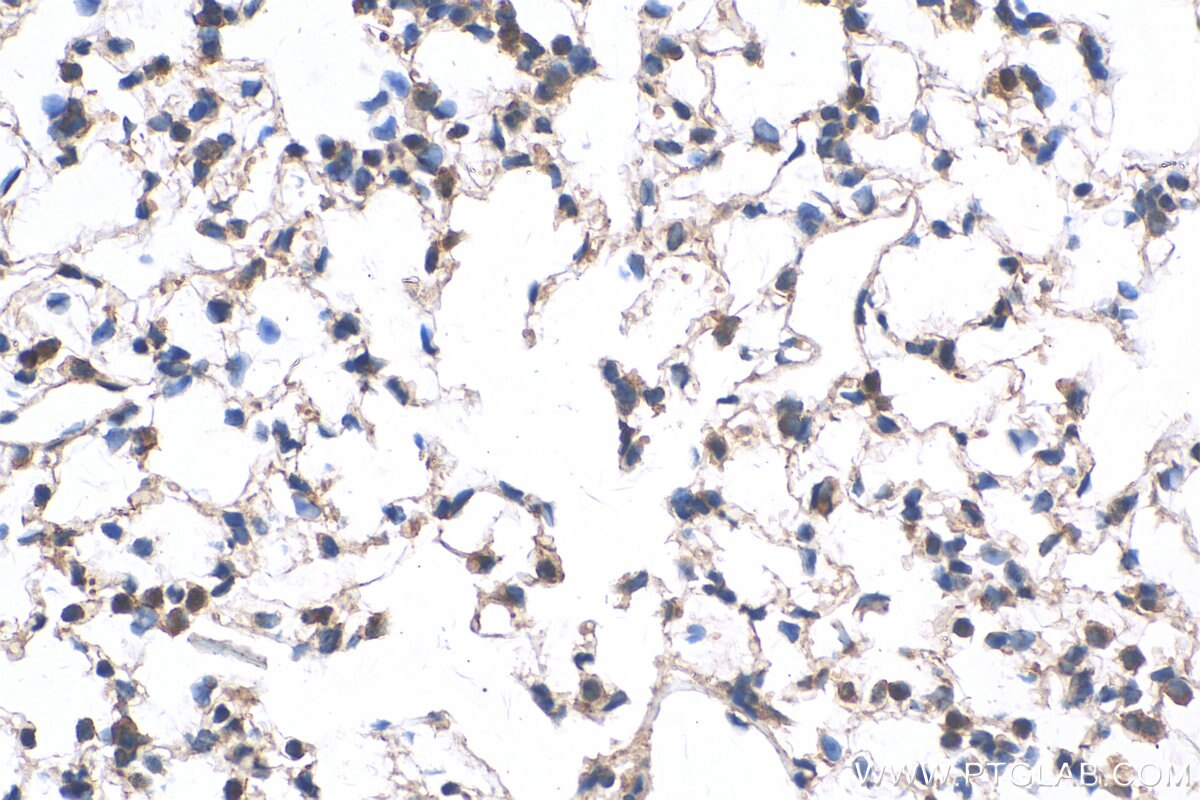
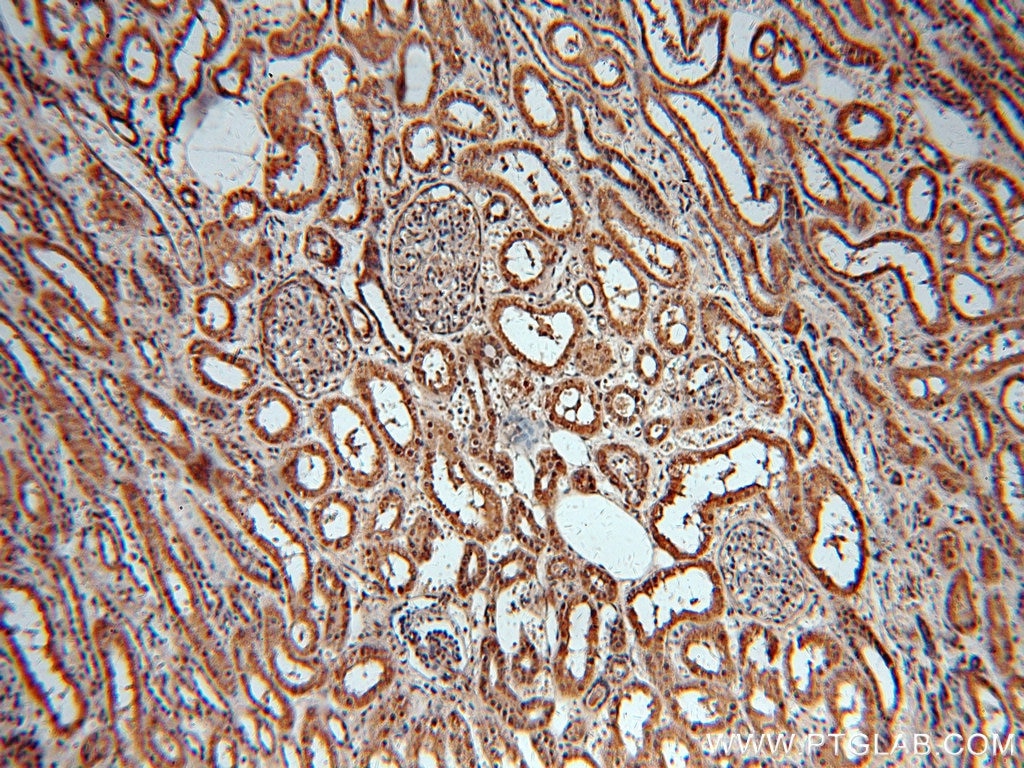
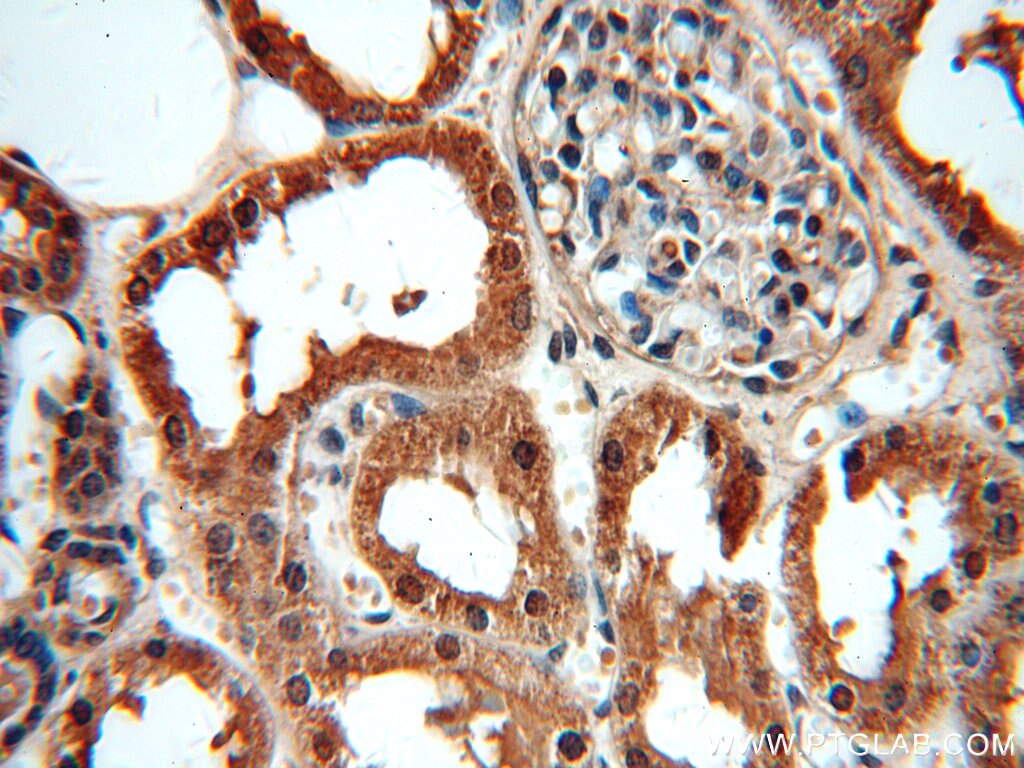
| Positive IHC detected in | human lung tissue, mouse lung tissue, human kidney tissue Note: suggested antigen retrieval with TE buffer pH 9.0; (*) Alternatively, antigen retrieval may be performed with citrate buffer pH 6.0 |
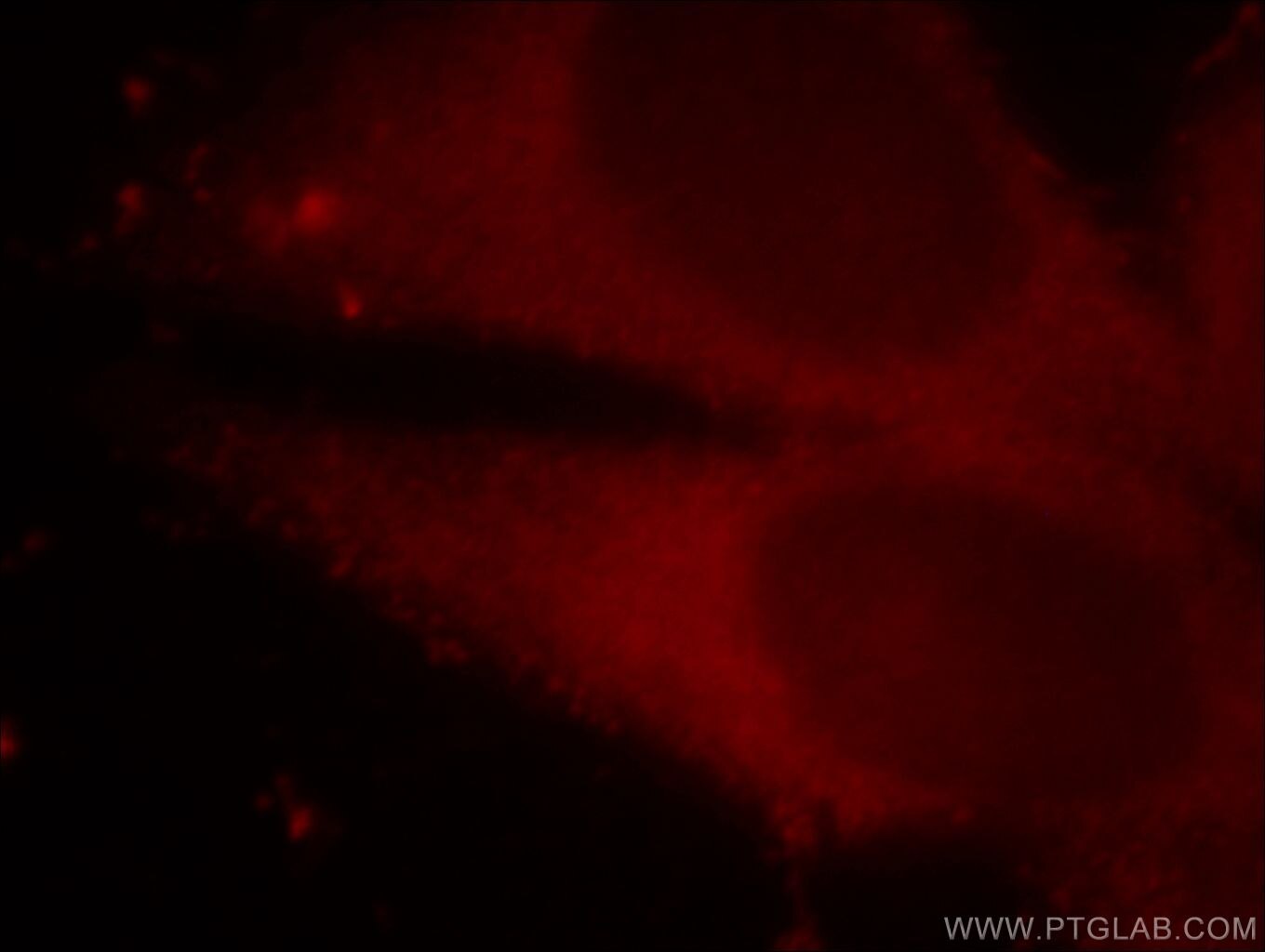
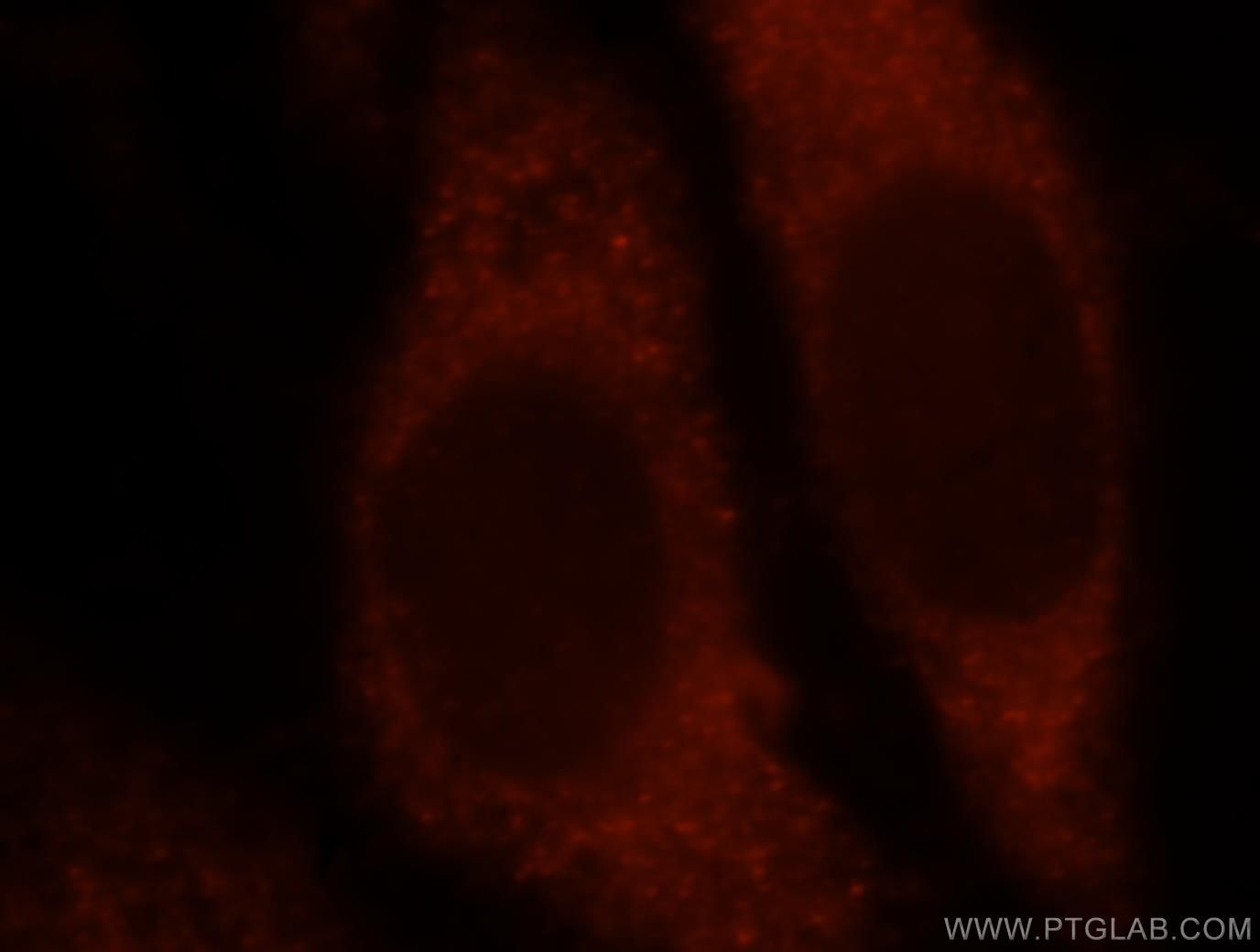
| Positive IF/ICC detected in | HepG2 cells |
Recommended dilution
| Application | Dilution |
|---|---|
| Western Blot (WB) | WB : 1:500-1:3000 |
| Immunoprecipitation (IP) | IP : 0.5-4.0 ug for 1.0-3.0 mg of total protein lysate |
| Immunohistochemistry (IHC) | IHC : 1:20-1:200 |
| Immunofluorescence (IF)/ICC | IF/ICC : 1:10-1:100 |
| It is recommended that this reagent should be titrated in each testing system to obtain optimal results. | |
| Sample-dependent, Check data in validation data gallery. | |
Product Information
15952-1-AP targets MAT2B in WB, IHC, IF/ICC, IP, CoIP, ELISA applications and shows reactivity with human, mouse, rat samples.
| Tested Reactivity | human, mouse, rat |
| Cited Reactivity | human, mouse, rat, pig, chicken |
| Host / Isotype | Rabbit / IgG |
| Class | Polyclonal |
| Type | Antibody |
| Immunogen |
CatNo: Ag8649 Product name: Recombinant human MAT2B protein Source: e coli.-derived, PET28a Tag: 6*His Domain: 1-323 aa of BC005218 Sequence: MPEMPEDMEQEEVNIPNRRVLVTGATGLLGRAVHKEFQQNNWHAVGCGFRRARPKFEQVNLLDSNAVHHIIHDFQPHVIVHCAAERRPDVVENQPDAASQLNVDASGNLAKEAAAVGAFLIYISSDYVFDGTNPPYREEDIPAPLNLYGKTKLDGEKAVLENNLGAAVLRIPILYGEVEKLEESAVTVMFDKVQFSNKSANMDHWQQRFPTHVKDVATVCRQLAEKRMLDPSIKGTFHWSGNEQMTKYEMACAIADAFNLPSSHLRPITDSPVLGAQRPRNTQLDCSKLETLGIGQRTPFRIGIKESLWPFLIDKRWRQTVFH Predict reactive species |
| Full Name | methionine adenosyltransferase II, beta |
| Calculated Molecular Weight | 36 kDa, 38 kDa |
| Observed Molecular Weight | 38 kDa |
| GenBank Accession Number | BC005218 |
| Gene Symbol | MAT2B |
| Gene ID (NCBI) | 27430 |
| RRID | AB_10637268 |
| Conjugate | Unconjugated |
| Form | Liquid |
| Purification Method | Antigen affinity purification |
| UNIPROT ID | Q9NZL9 |
| Storage Buffer | PBS with 0.02% sodium azide and 50% glycerol, pH 7.3. |
| Storage Conditions | Store at -20°C. Stable for one year after shipment. Aliquoting is unnecessary for -20oC storage. 20ul sizes contain 0.1% BSA. |
Protocols
| Product Specific Protocols | |
|---|---|
| IF protocol for MAT2B antibody 15952-1-AP | Download protocol |
| IHC protocol for MAT2B antibody 15952-1-AP | Download protocol |
| IP protocol for MAT2B antibody 15952-1-AP | Download protocol |
| WB protocol for MAT2B antibody 15952-1-AP | Download protocol |
| Standard Protocols | |
|---|---|
| Click here to view our Standard Protocols |
Publications
What published studies show
MAT2B Rabbit Polyclonal Antibody (Cat# 15952-1-AP) has 30 total citations published in journals including Molecular Cell, Cell Reports, Cell Death & Differentiation, Advanced Science, Pharmacological Research, Poultry Science, Journal of Agricultural and Food Chemistry, Scientific Reports, and Nutrients. Research fields covered include one-carbon metabolism, S-adenosylmethionine (SAM) synthesis, m6A RNA modification, epigenetics and DNA methylation, lipid metabolism, cancer biology, mitochondrial dysfunction, viral replication, traumatic brain injury, and nutritional epigenetics.
| Species | Application | Title |
|---|---|---|
Mol Cell mTORC1 stimulates cell growth through SAM synthesis and m6A mRNA-dependent control of protein synthesis. | ||
Adv Sci (Weinh) Activation of USP30 Disrupts Endothelial Cell Function and Aggravates Acute Lung Injury Through Regulating the S-Adenosylmethionine Cycle. | ||
Cell Death Differ A novel role of exostosin glycosyltransferase 2 (EXT2) in glioblastoma cell metabolism, radiosensitivity and ferroptosis | ||
Pharmacol Res Developing patient-derived organoids to identify JX24120 inhibit SAMe synthesis in endometrial cancer by targeting MAT2B | ||
J Anim Sci Biotechnol Betaine alleviates hepatic lipid metabolism disorder in finishing pigs fed a low-energy diet through regulating m(6)A RNA methylation. | ||
Cell Rep Mutant CHCHD10 causes an extensive metabolic rewiring that precedes OXPHOS dysfunction in a murine model of mitochondrial cardiomyopathy. |















