

Tested Applications
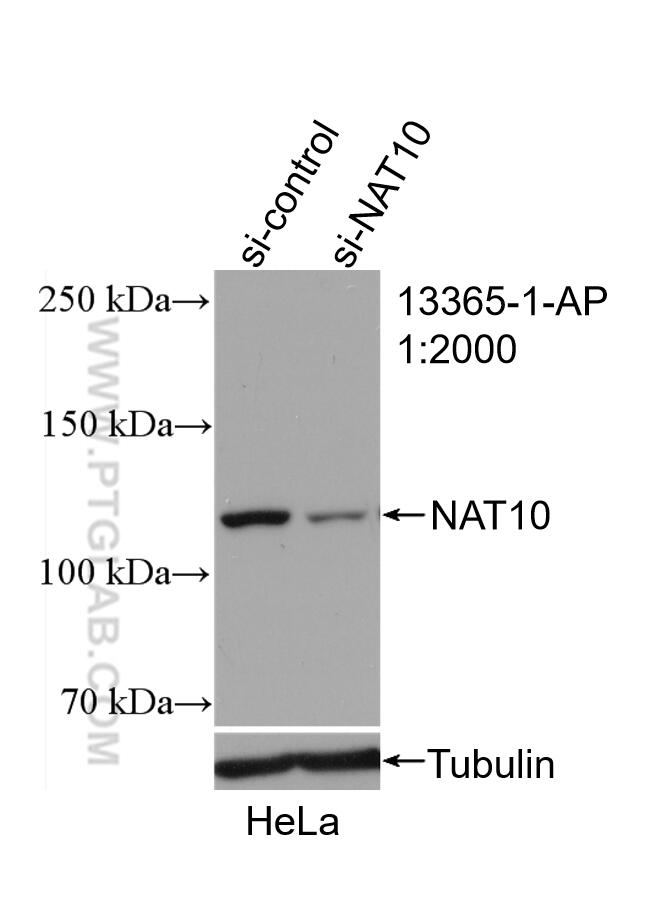
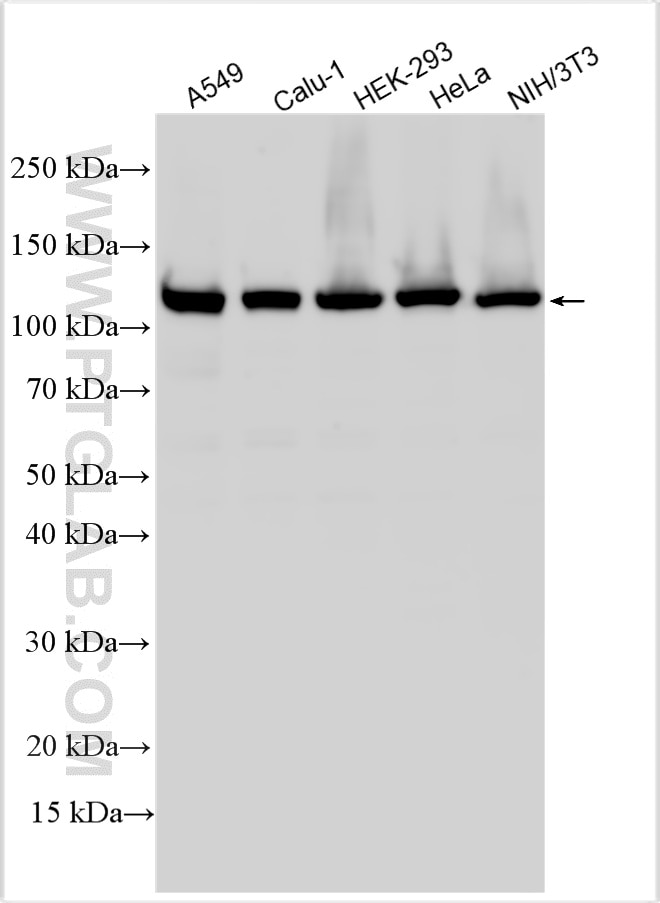
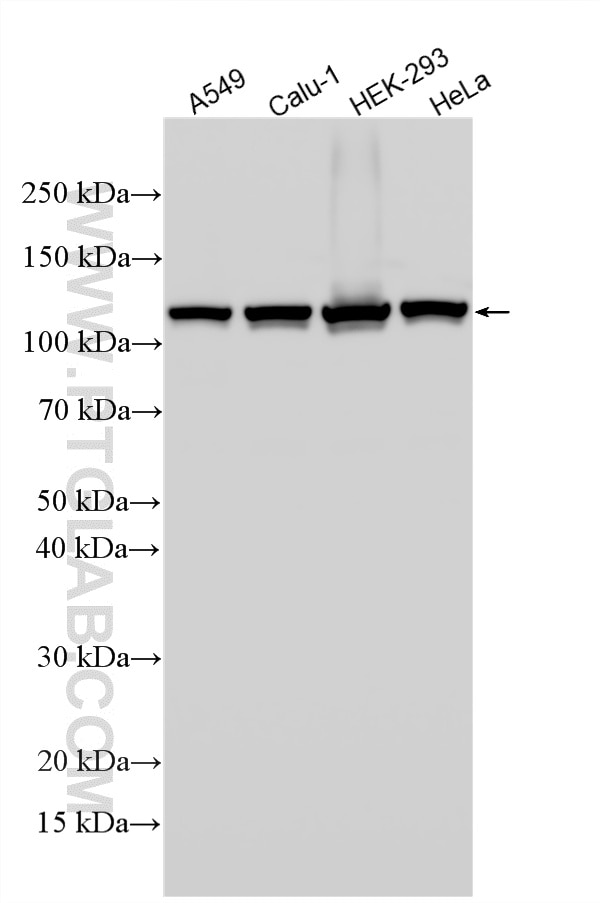
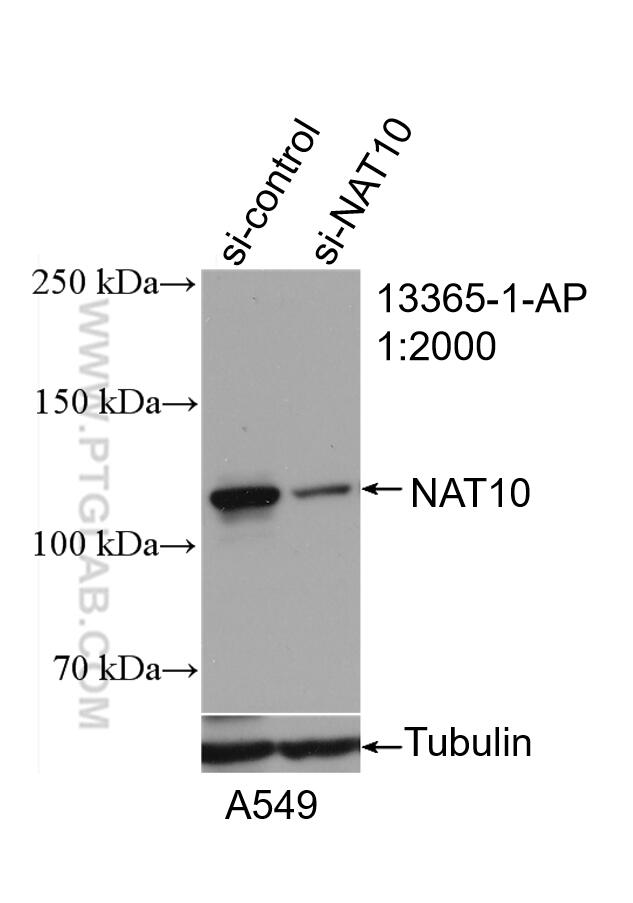
| Positive WB detected in | A549 cells, HeLa cells, Calu-1 cells, HEK-293 cells, NIH/3T3 cells |
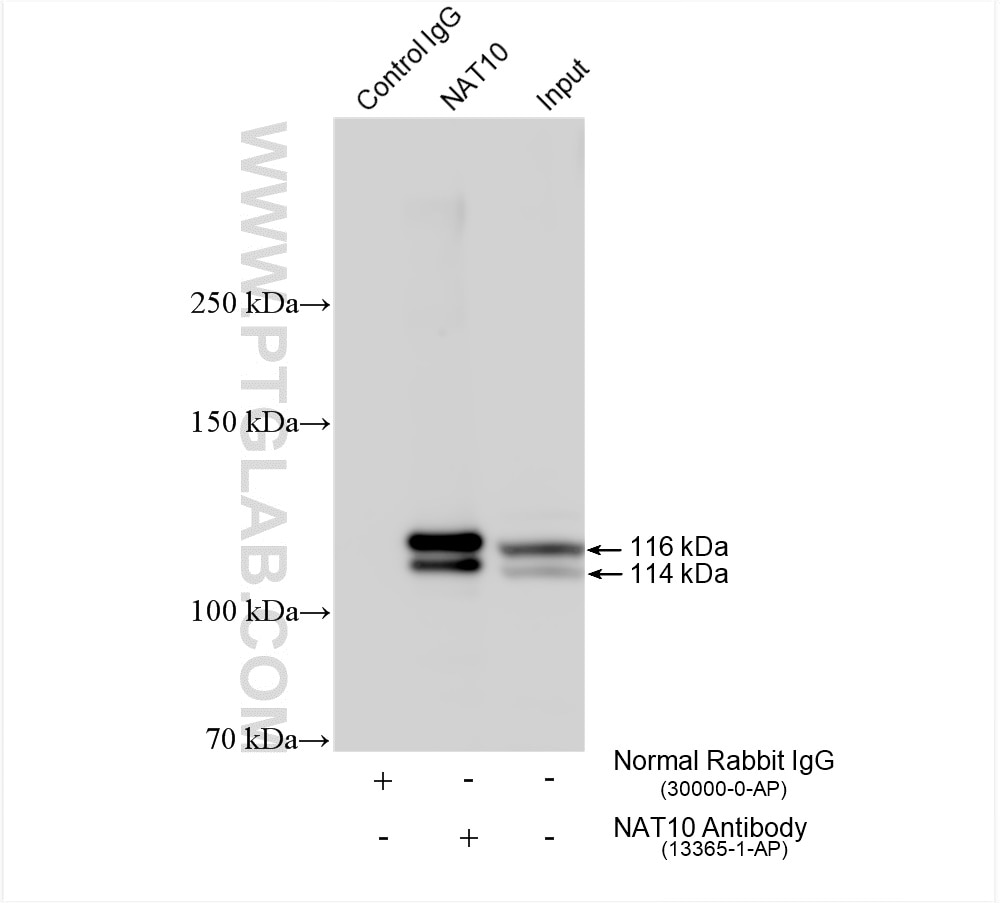
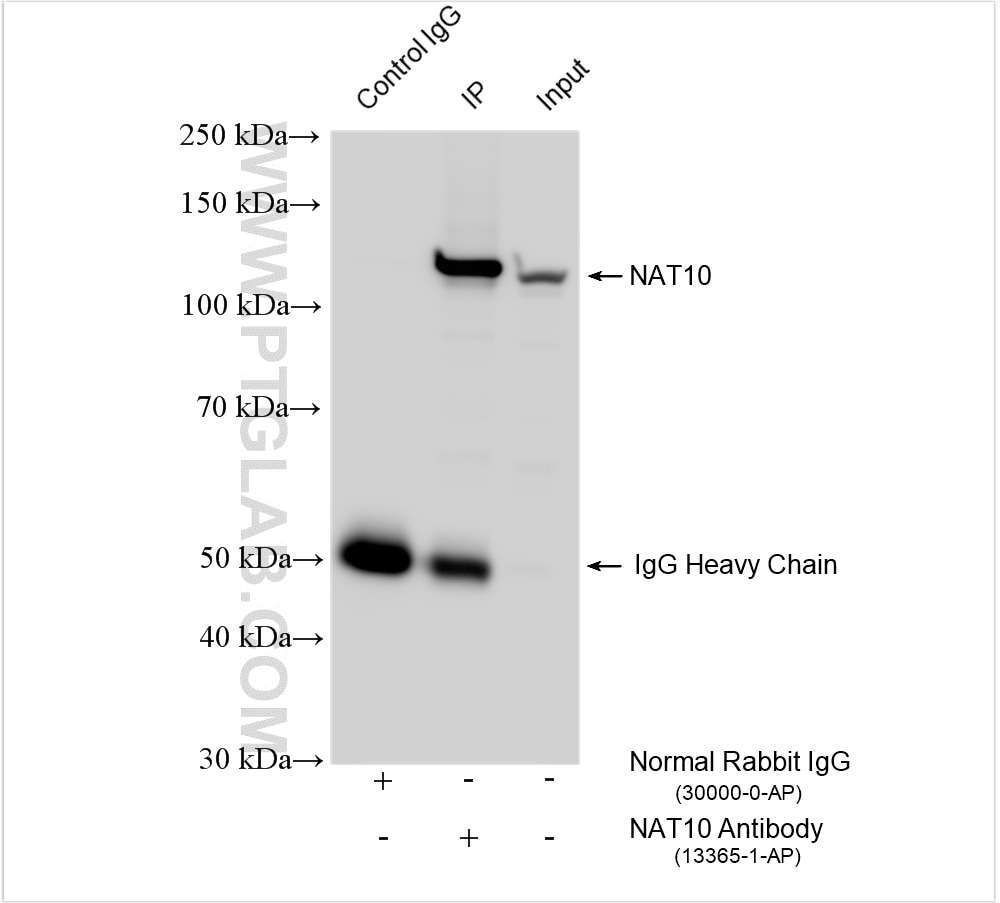
| Positive IP detected in | HEK-293 cells, mouse testis tissue |
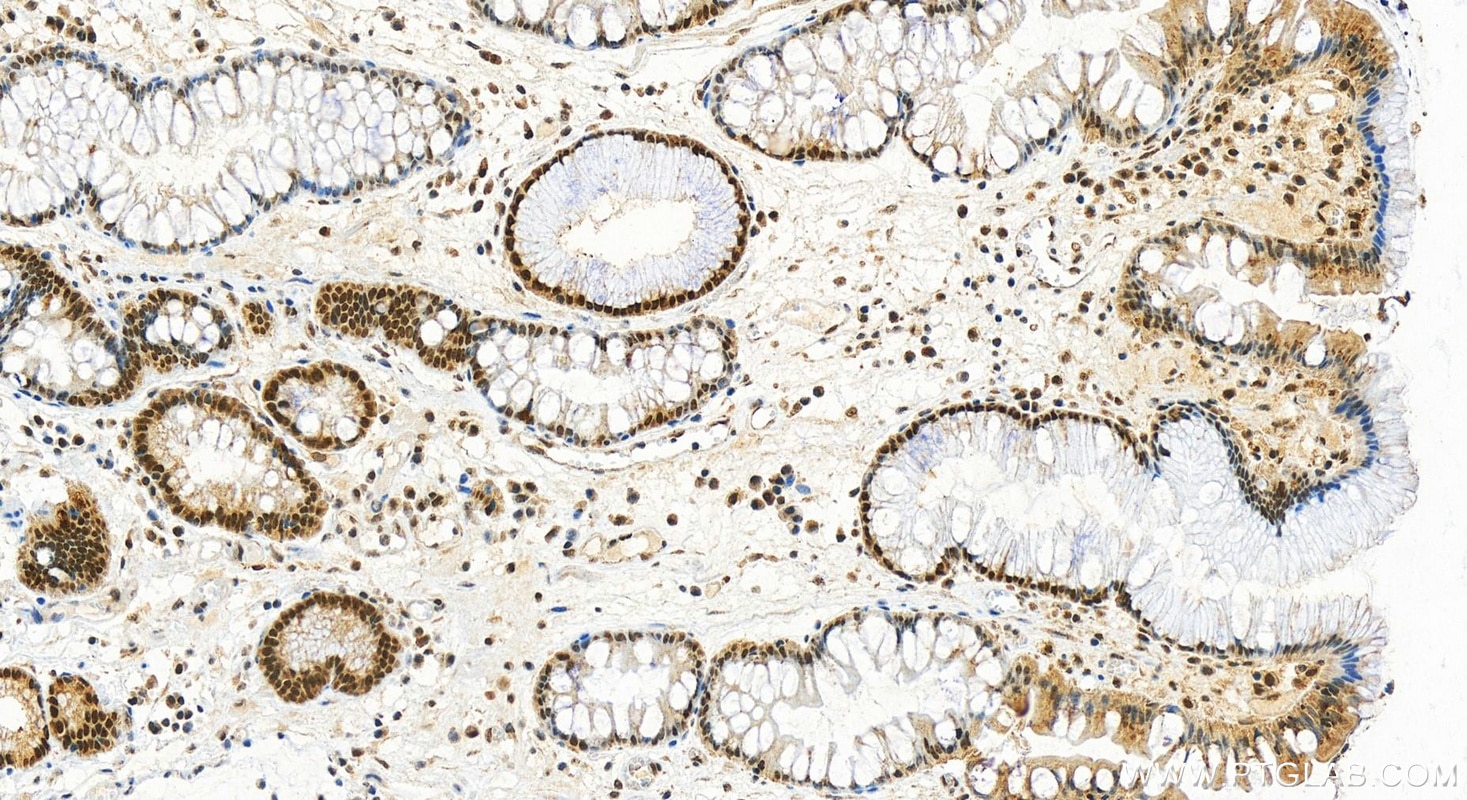
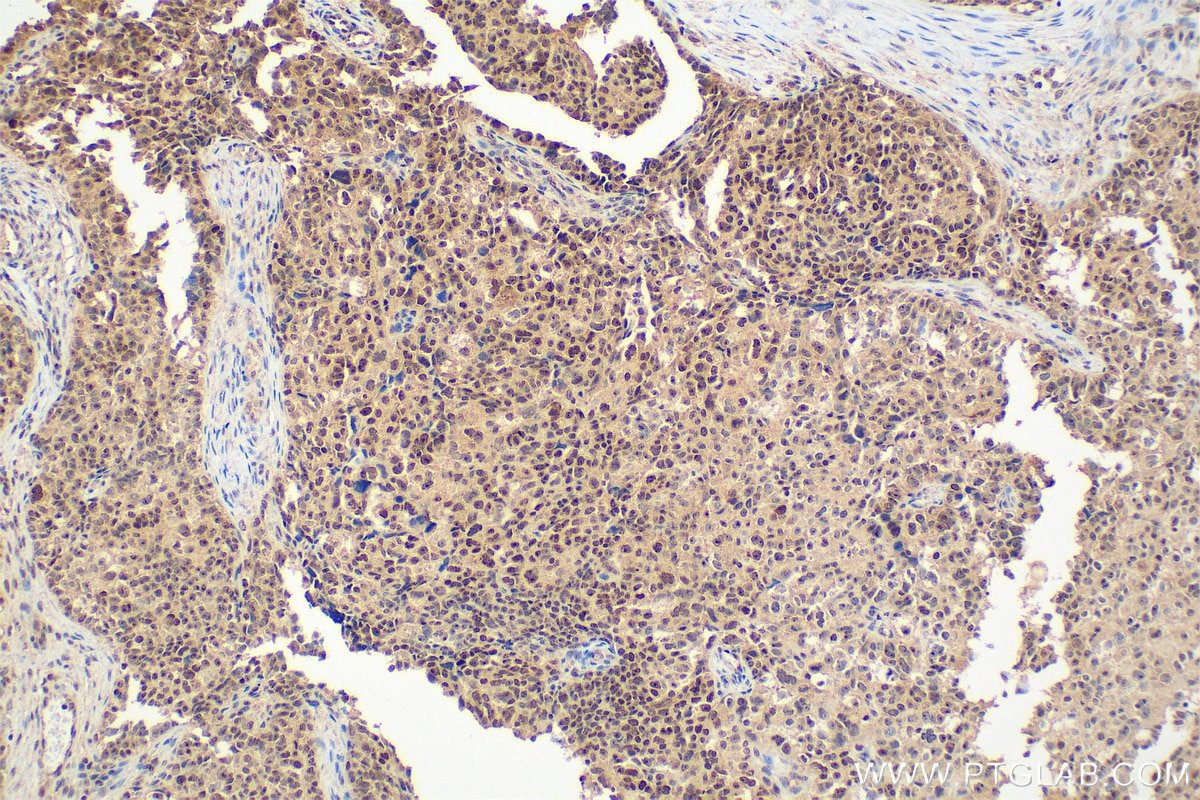
| Positive IHC detected in | human ovary cancer tissue, human stomach cancer tissue Note: suggested antigen retrieval with TE buffer pH 9.0; (*) Alternatively, antigen retrieval may be performed with citrate buffer pH 6.0 |
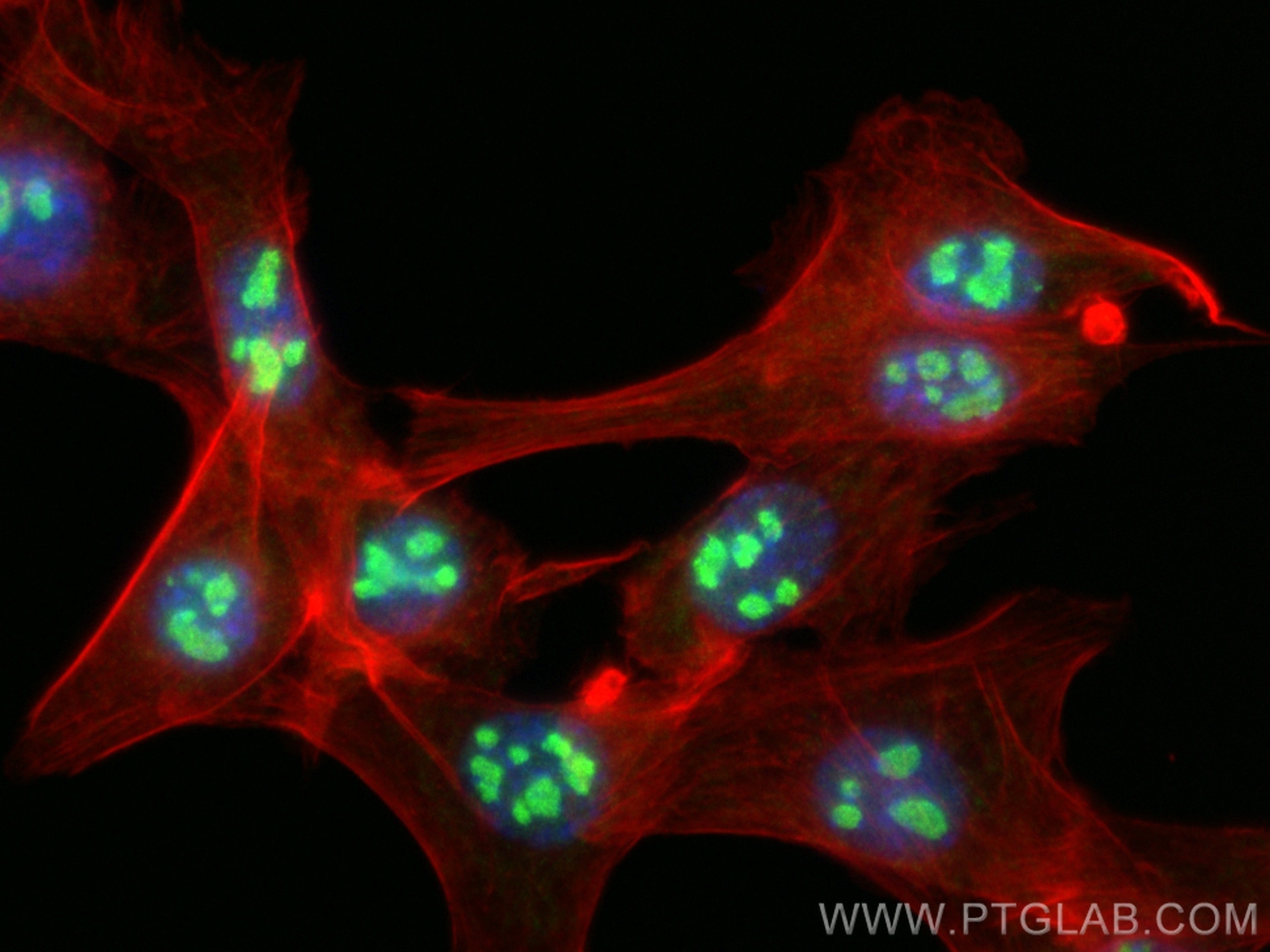
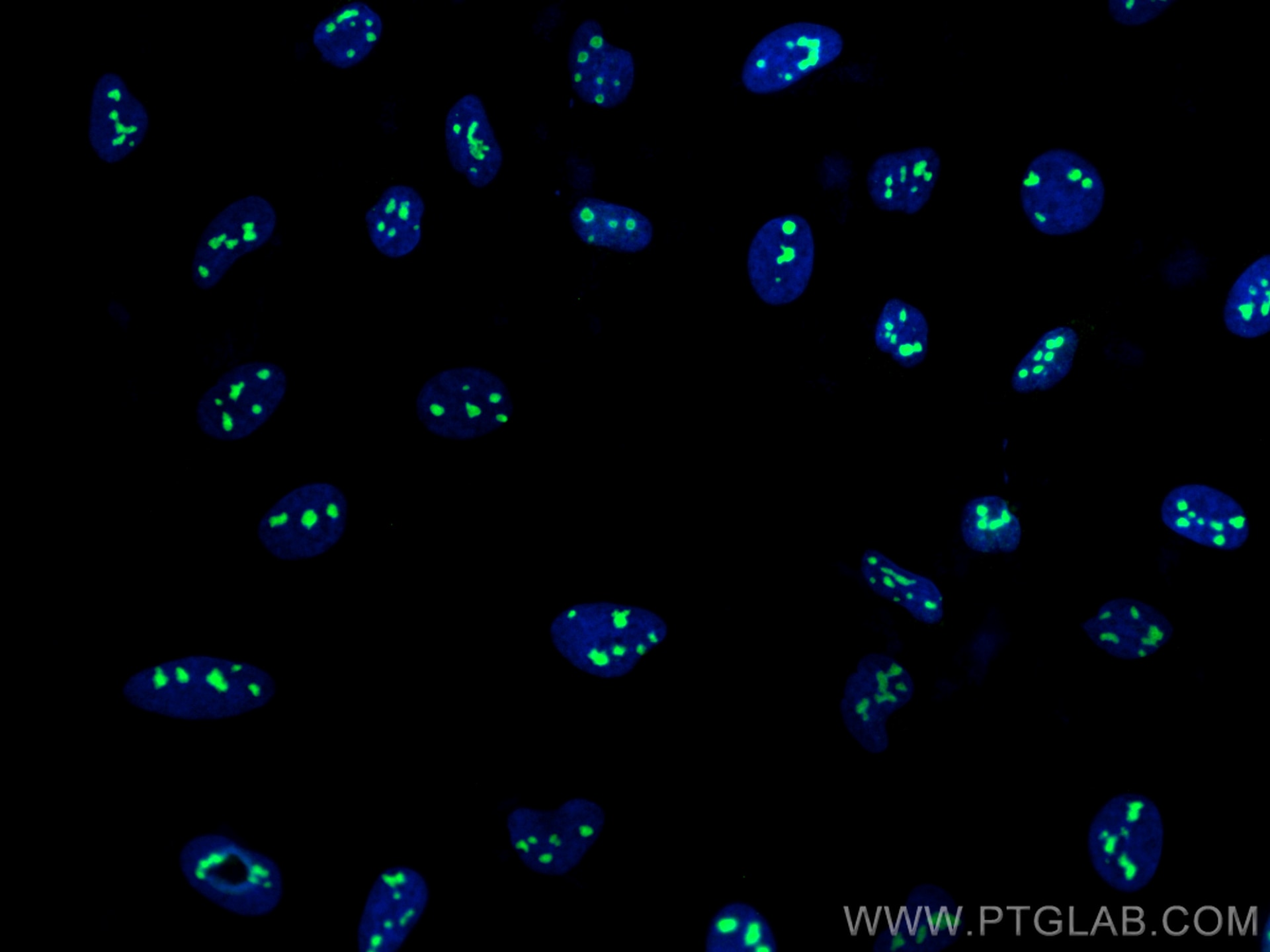
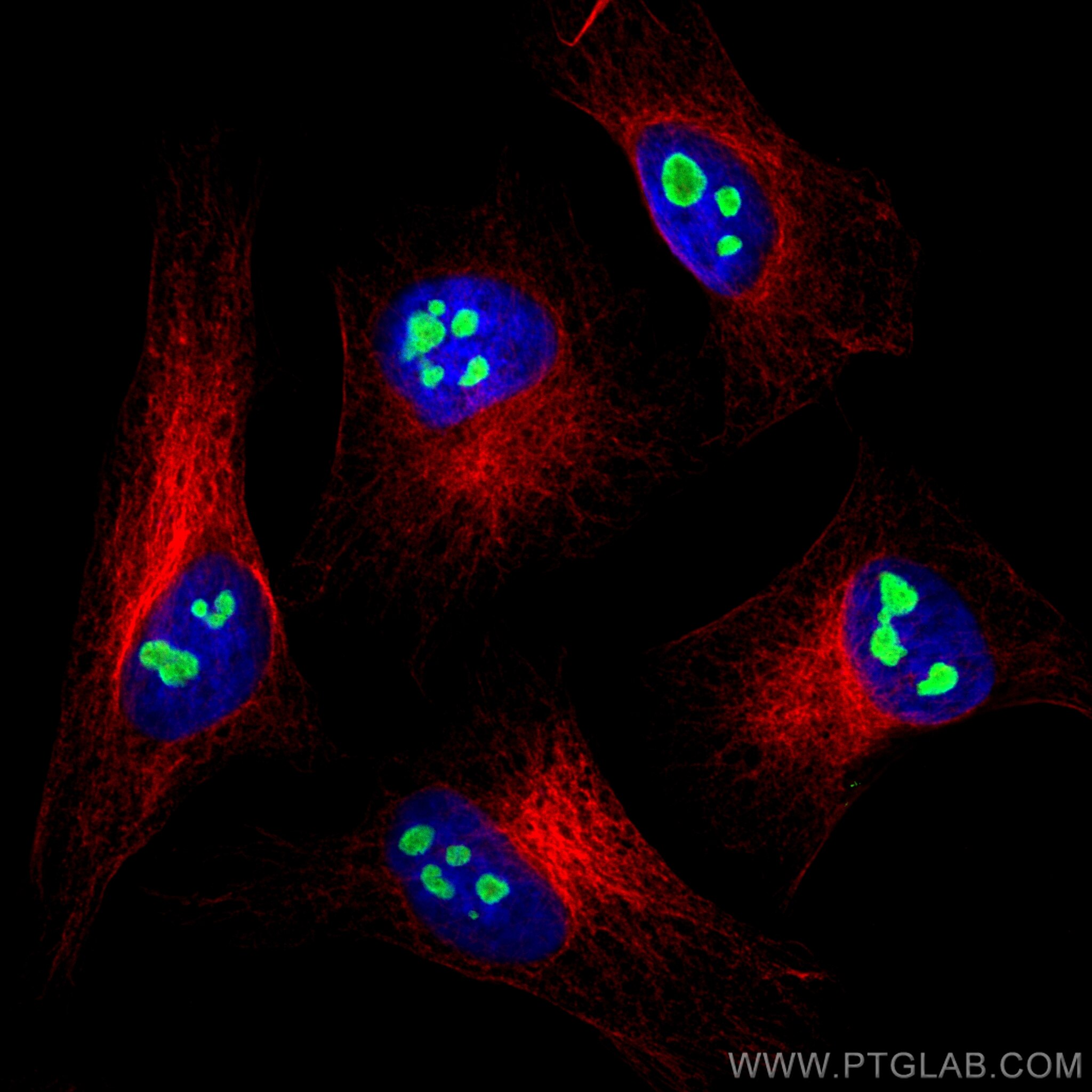
| Positive IF/ICC detected in | NIH/3T3 cells, HeLa cells |
Recommended dilution
| Application | Dilution |
|---|---|
| Western Blot (WB) | WB : 1:20000-1:100000 |
| Immunoprecipitation (IP) | IP : 0.5-4.0 ug for 1.0-3.0 mg of total protein lysate |
| Immunohistochemistry (IHC) | IHC : 1:1000-1:4000 |
| Immunofluorescence (IF)/ICC | IF/ICC : 1:500-1:2000 |
| It is recommended that this reagent should be titrated in each testing system to obtain optimal results. | |
| Sample-dependent, Check data in validation data gallery. | |
Product Information
13365-1-AP targets NAT10 in WB, IHC, IF/ICC, IP, CoIP, ChIP, RIP, ELISA applications and shows reactivity with human, mouse samples.
| Tested Reactivity | human, mouse |
| Cited Reactivity | human, mouse, rat, canine, zebrafish |
| Host / Isotype | Rabbit / IgG |
| Class | Polyclonal |
| Type | Antibody |
| Immunogen |
CatNo: Ag4184 Product name: Recombinant human NAT10 protein Source: e coli.-derived, PGEX-4T Tag: GST Domain: 676-1025 aa of BC035558 Sequence: EAVSLLEEVITPRKDLPPLLLKLNERPAERLDYLGVSYGLTPRLLKFWKRAGFVPVYLRQTPNDLTGEHSCIMLKTLTDEDEADQGGWLAAFWKDFRRRFLALLSYQFSTFSPSLALNIIQNRNMGKPAQPALSREELEALFLPYDLKRLEMYSRNMVDYHLIMDMIPAISRIYFLNQLGDLALSAAQSALLLGIGLQHKSVDQLEKEIELPSGQLMGLFNRIIRKVVKLFNEVQEKAIEEQMVAAKDVVMEPTMKTLSDDLDEAAKEFQEKHKKEVGKLKSMDLSEYIIRGDDEEWNEVLNKAGPNASIISLKSDKKRKLEAKQEPKQSKKLKNRETKNKKDMKLKRKK Predict reactive species |
| Full Name | N-acetyltransferase 10 (GCN5-related) |
| Calculated Molecular Weight | 1025 aa, 116 kDa |
| Observed Molecular Weight | 116 kDa |
| GenBank Accession Number | BC035558 |
| Gene Symbol | NAT10 |
| Gene ID (NCBI) | 55226 |
| RRID | AB_2148944 |
| Conjugate | Unconjugated |
| Form | Liquid |
| Purification Method | Antigen affinity purification |
| UNIPROT ID | Q9H0A0 |
| Storage Buffer | PBS with 0.02% sodium azide and 50% glycerol, pH 7.3. |
| Storage Conditions | Store at -20°C. Stable for one year after shipment. Aliquoting is unnecessary for -20oC storage. 20ul sizes contain 0.1% BSA. |
Background Information
NAT10 (N-acetyltransferase 10) is a nucleolar protein that is involved in regulation of telomerase activity, DNA damage response, and cytokinesis. It also plays a role in maintaining nuclear shape. Inhibition of NAT10 has been reported to rescue the misshapen nuclei in laminopathic cells via microtubule reorganization. NAT10 is the first enzyme to be found to catalyze ac4C production in eukaryotic RNA and has acetyltransferase activity and RNA-binding activity. (PMID: 23592795). NAT10 is the singular human enzyme to have both acetyltransferase and RNA binding activities (PMID: 30449621). NAT10 is associated with U3 small nucleolar RNA and acetylates upstream binding factors to activate rRNA transcription (PMID: 21177859). NAT10 promoted cisplatin chemoresistance in bladder cancer cells by enhancing DNA damage repair (DDR) (PMID: 36939377). NAT10 is a vital member of the Gcn5-related N-acetyltransferase (GNAT) family and contains 1,025 amino acids with a molecular weight of 116 kDa (PMID: 37128278). NAT10 is commonly expressed in lymphoid tissue, kidney, liver, cerebellum, cerebral cortex, and the central nervous system during the embryonic period. Normal tissue cells express NAT10 in the nucleus, while tumor cells translocate NAT10 to the cytoplasm, nucleoplasm, and nuclear membrane, affecting tumor formation (PMID: 37128278). The specificity of this antibody has been tested by siRNA. (24786082)
Protocols
| Product Specific Protocols | |
|---|---|
| IF protocol for NAT10 antibody 13365-1-AP | Download protocol |
| IHC protocol for NAT10 antibody 13365-1-AP | Download protocol |
| IP protocol for NAT10 antibody 13365-1-AP | Download protocol |
| WB protocol for NAT10 antibody 13365-1-AP | Download protocol |
| Standard Protocols | |
|---|---|
| Click here to view our Standard Protocols |
Publications
What published studies show
The NAT10 polyclonal antibody (Cat# 13365-1-AP) has accumulated 111 citations across high-impact journals including Science, Cell, Nature Communications, Cell Research, PNAS, Molecular Cell, Nucleic Acids Research, Cell Reports, and EMBO Reports. The cited research spans multiple fields: RNA ac4C modification, cancer biology, oocyte maturation and meiosis, osteogenesis and bone regeneration, cardiovascular disease, neurodegeneration, viral infection, and immune regulation.
| Species | Application | Title |
|---|---|---|
Cell Res Lysine 2-hydroxyisobutyrylation of NAT10 promotes cancer metastasis in an ac4C-dependent manner
| ||
Cell Host Microbe Acetylation of Cytidine Residues Boosts HIV-1 Gene Expression by Increasing Viral RNA Stability.
| ||
Nat Commun N-acetyltransferase 10 is implicated in the pathogenesis of cycling T cell-mediated autoimmune and inflammatory disorders in mice | ||
Nat Commun N-Acetyltransferase 10 represses Uqcr11 and Uqcrb independently of ac4C modification to promote heart regeneration |
Reviews
What customers say
Users report this antibody performs well for Western Blot and Immunofluorescence. One reviewer noted clear bands with no nonspecific binding at 1:1000 dilution on cancer cells. Another observed a clear band at the expected molecular weight using 1:1500 dilution in 5% milk with 2-hour room temperature incubation, though the band was slightly streaky and may benefit from further optimization. Overall, reviewers rate it highly (4–5 stars), confirming reliable specificity and signal quality across cell lines including HeLa and HEK293T.
The reviews below have been submitted by verified Proteintech customers who received an incentive for providing their feedback.
SONAM (Verified Customer) (12-18-2023) | Antibody works really well. No Nonspecific bindings.
|
Mattia (Verified Customer) (09-12-2019) | Clear band at the right size, when antibody used at 1:1500 dilution in 5% milk an incubated at 2hrs at 25C. Band is a bit streaky, may require further optimisation.
|
Jonathan (Verified Customer) (11-29-2018) |
|












