

Tested Applications
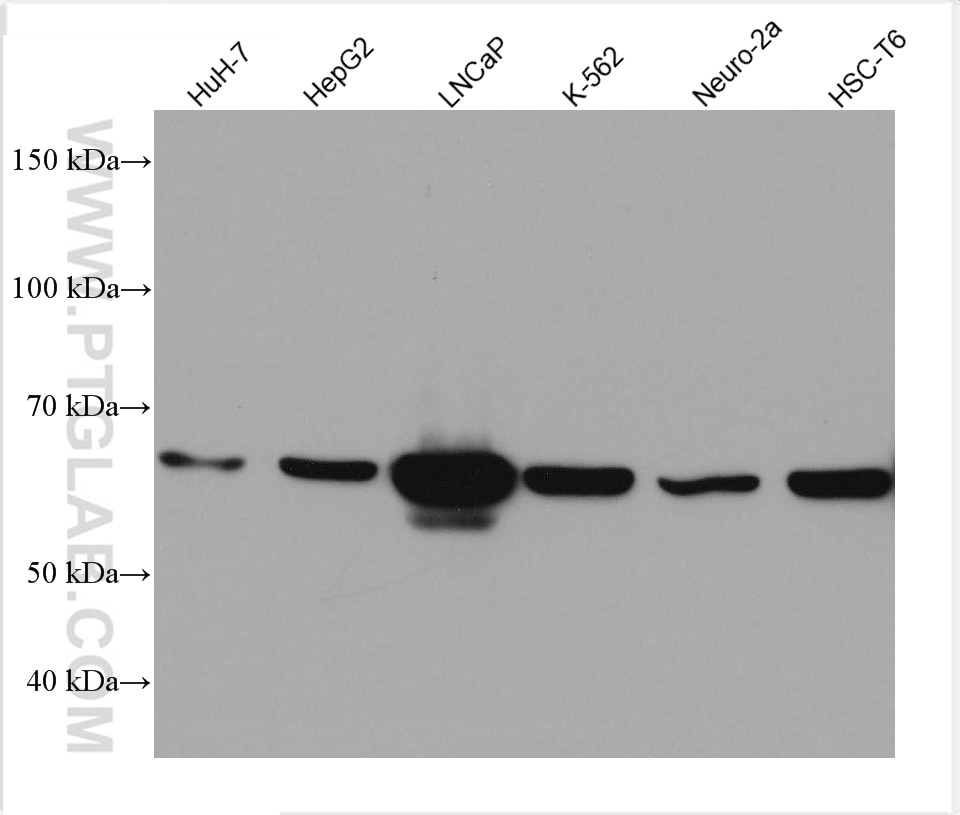
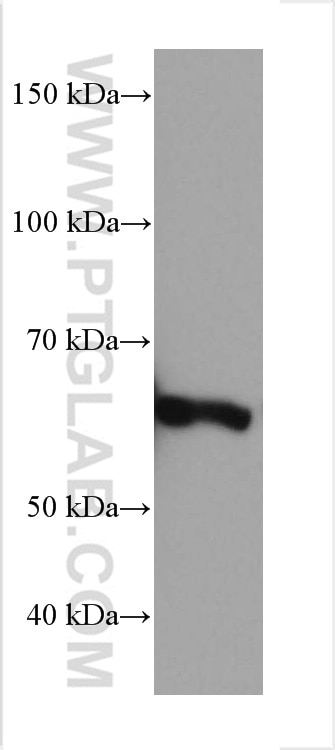
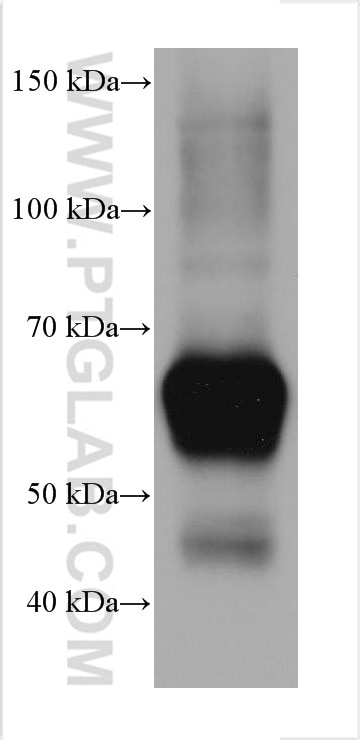
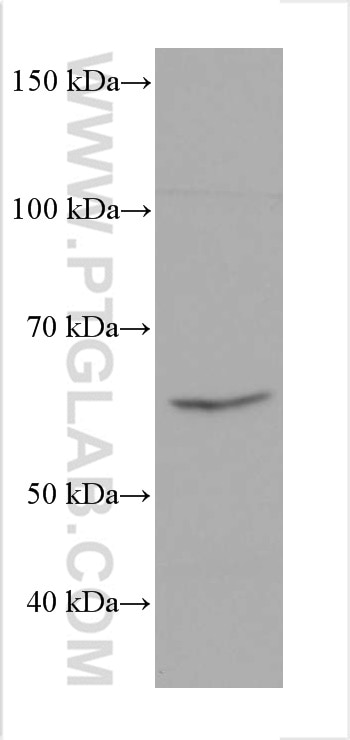
| Positive WB detected in | HuH-7 cells, rat liver tissue, pig liver tissue, rabbit liver tissue, HepG2 cells, LNCaP cells, K562 cells, Neuro-2a cells, HSC-T6 cells |
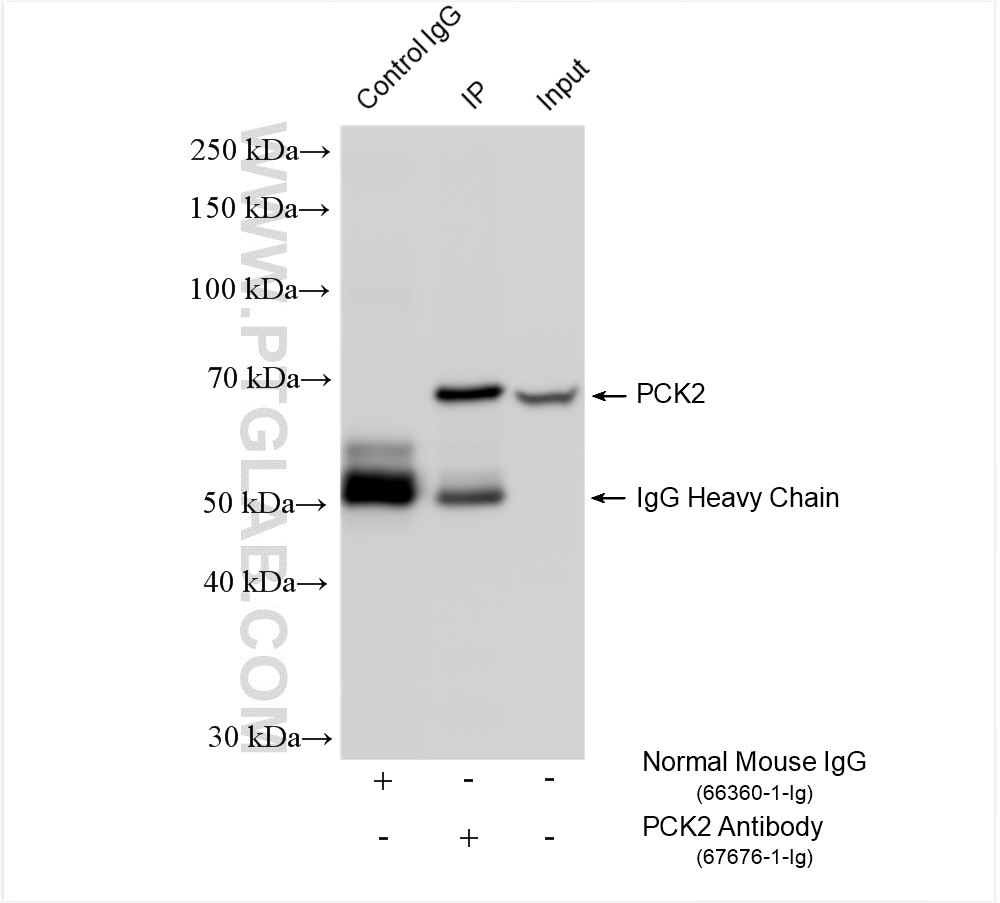
| Positive IP detected in | HepG2 cells |
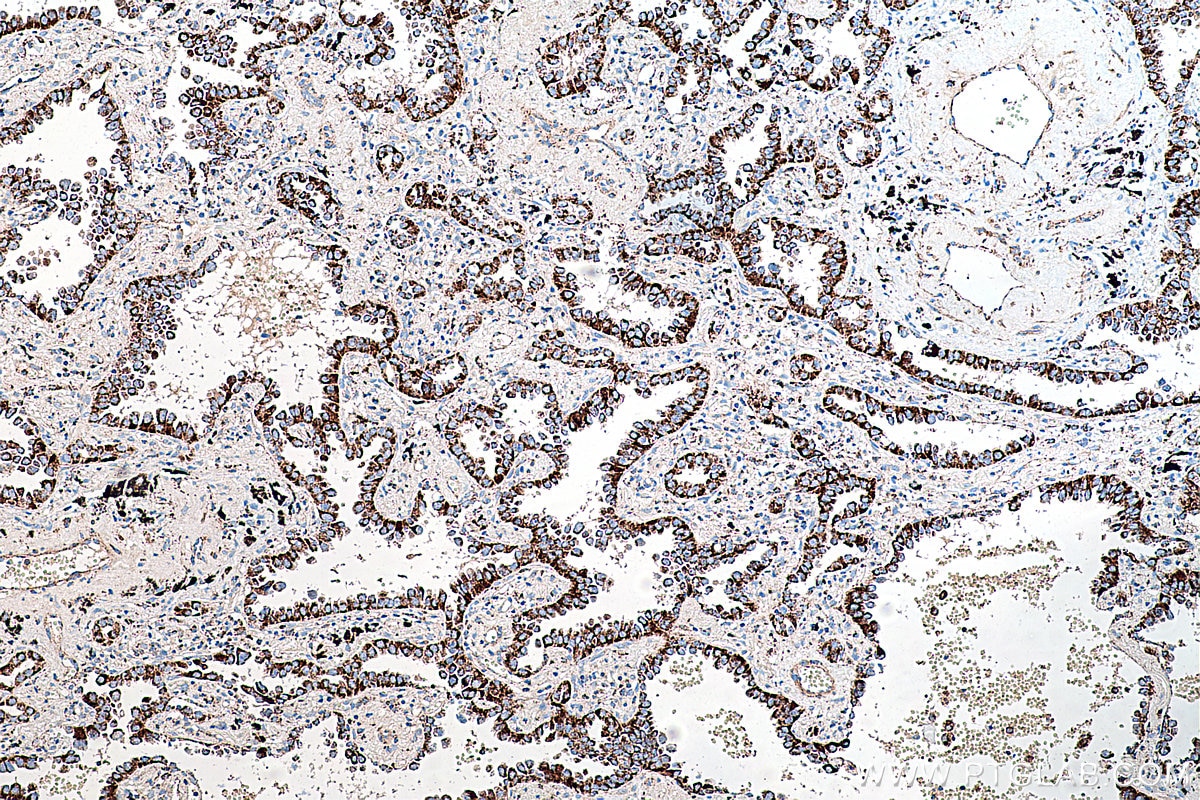
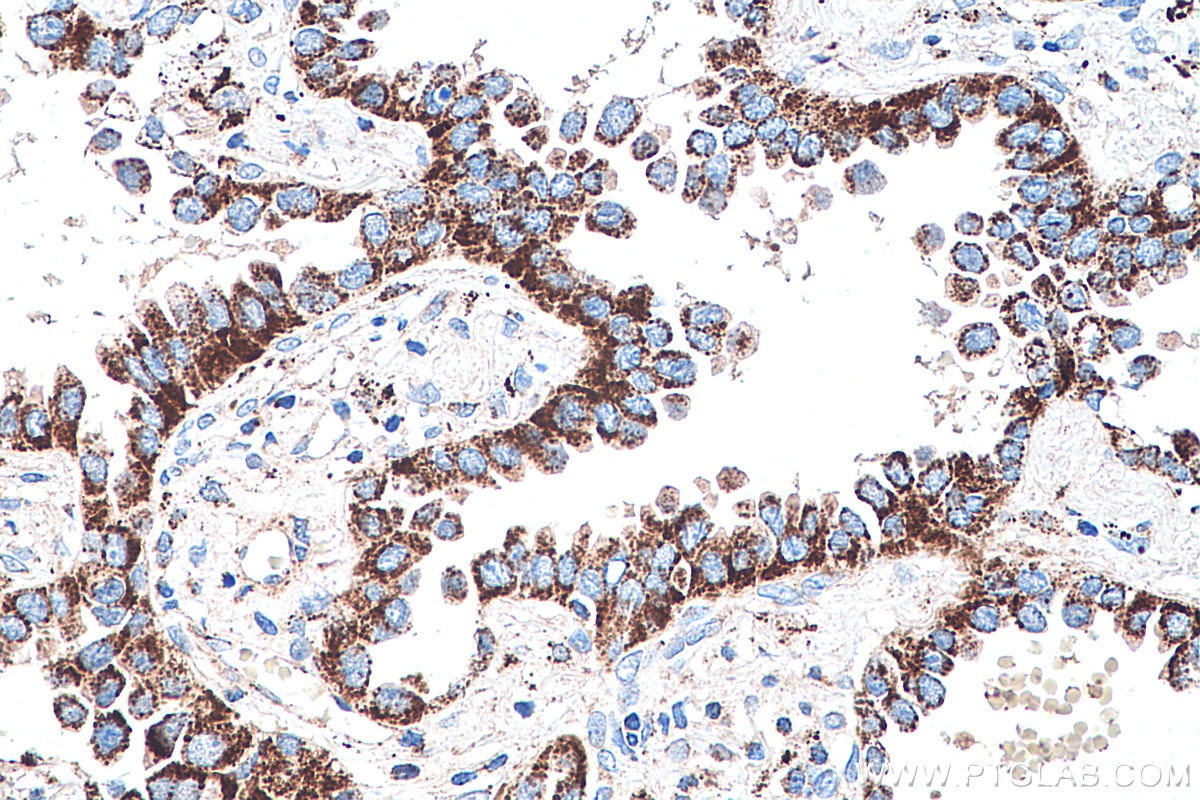
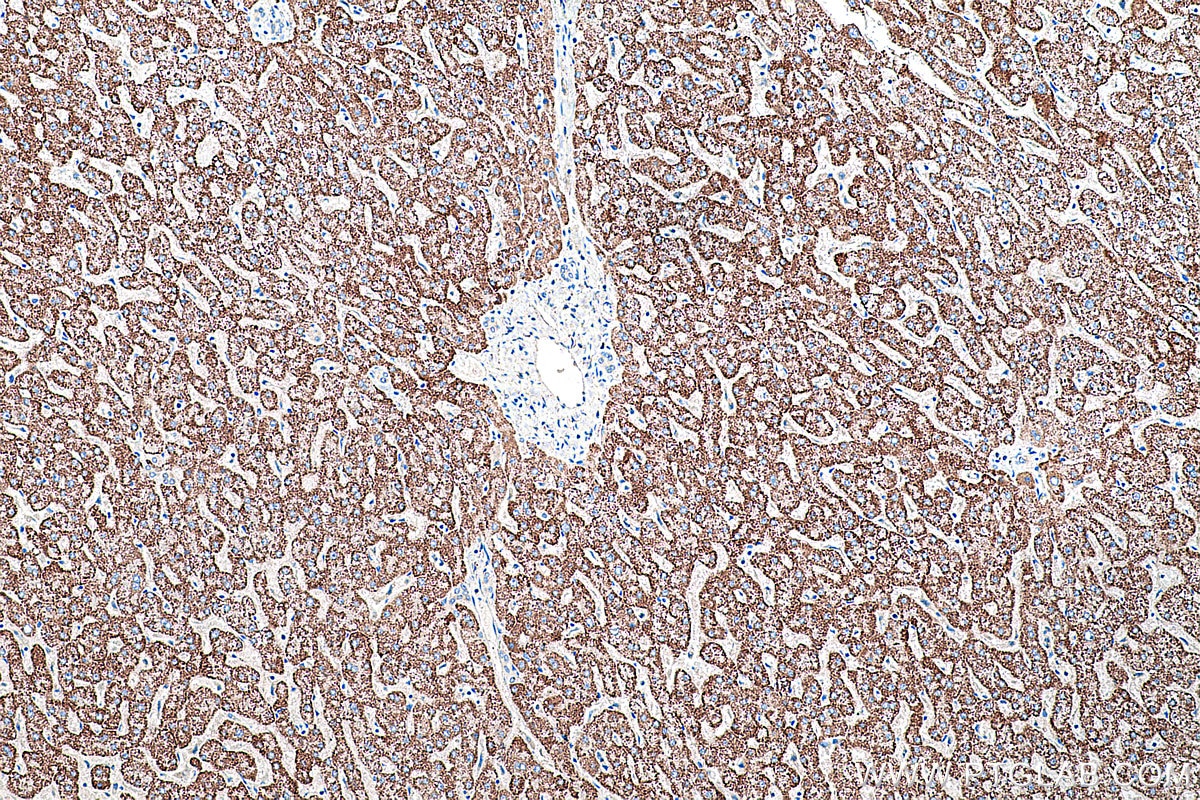
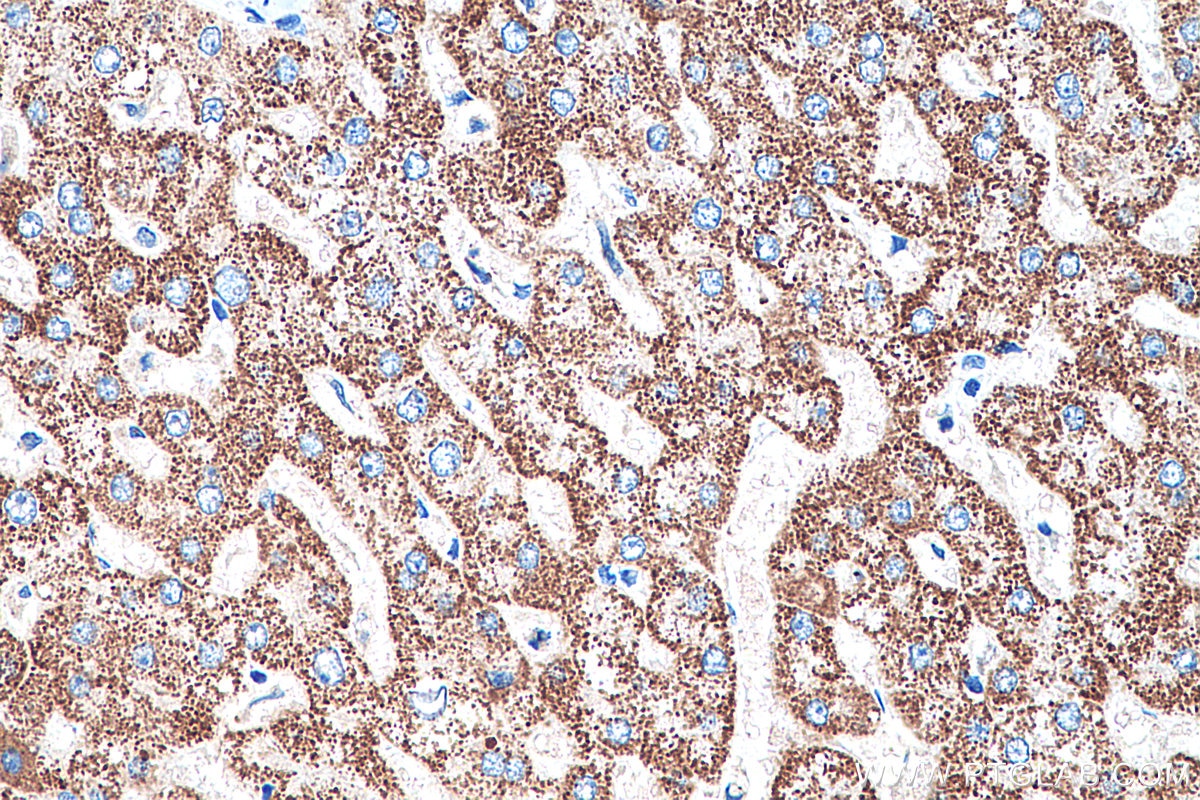
| Positive IHC detected in | human lung cancer tissue, human liver tissue Note: suggested antigen retrieval with TE buffer pH 9.0; (*) Alternatively, antigen retrieval may be performed with citrate buffer pH 6.0 |
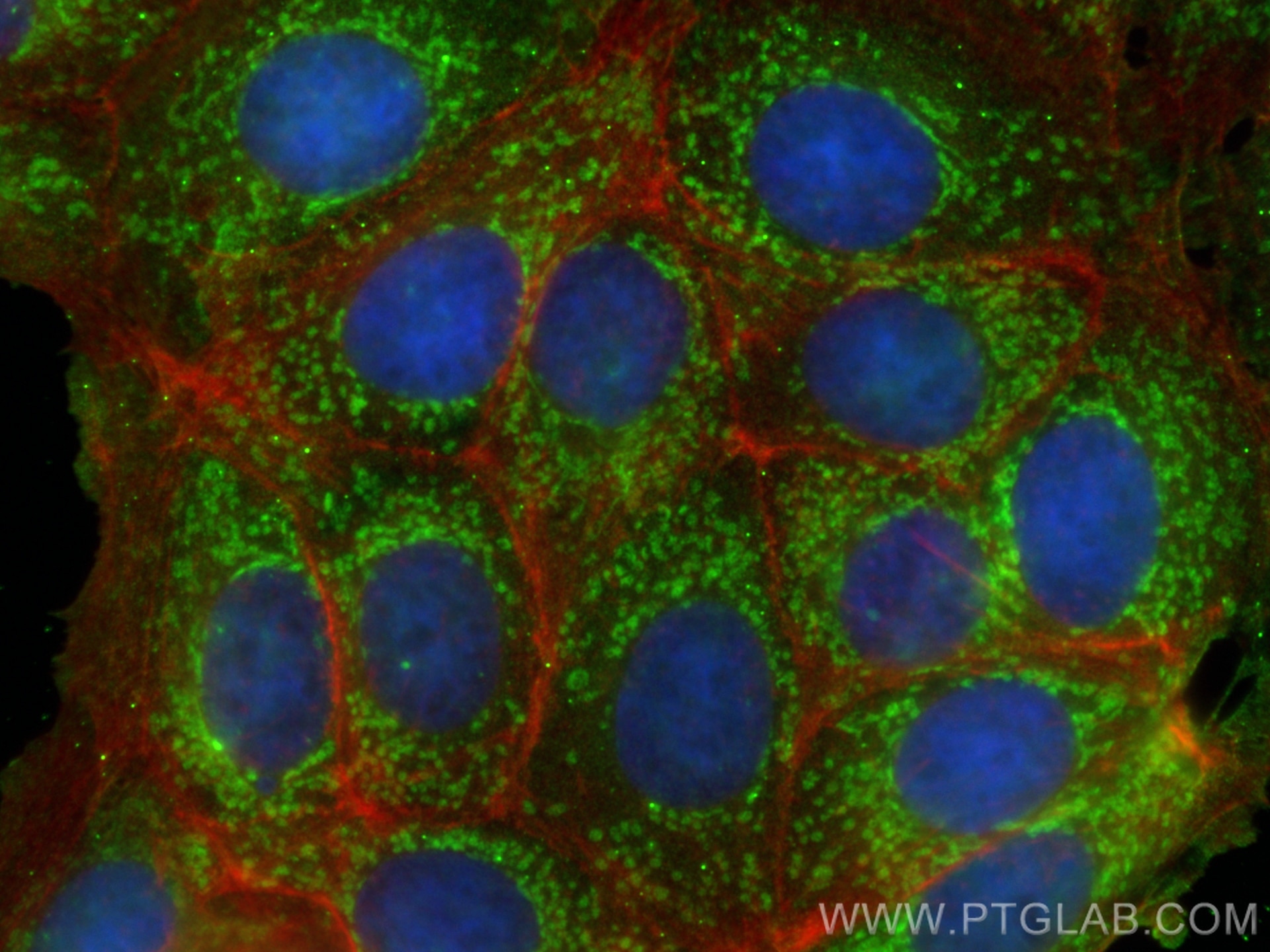
| Positive IF/ICC detected in | MCF-7 cells |
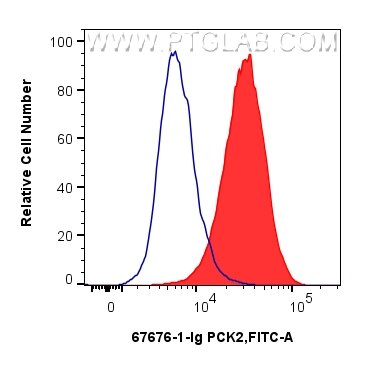
| Positive FC (Intra) detected in | HepG2 cells |
Recommended dilution
| Application | Dilution |
|---|---|
| Western Blot (WB) | WB : 1:2000-1:10000 |
| Immunoprecipitation (IP) | IP : 0.5-4.0 ug for 1.0-3.0 mg of total protein lysate |
| Immunohistochemistry (IHC) | IHC : 1:4000-1:16000 |
| Immunofluorescence (IF)/ICC | IF/ICC : 1:200-1:800 |
| Flow Cytometry (FC) (INTRA) | FC (INTRA) : 0.25 ug per 10^6 cells in a 100 µl suspension |
| It is recommended that this reagent should be titrated in each testing system to obtain optimal results. | |
| Sample-dependent, Check data in validation data gallery. | |
Product Information
67676-1-Ig targets PCK2 in WB, IHC, IF/ICC, FC (Intra), IP, ELISA applications and shows reactivity with human, mouse, rat, pig, rabbit samples.
| Tested Reactivity | human, mouse, rat, pig, rabbit |
| Cited Reactivity | human, mouse, rat |
| Host / Isotype | Mouse / IgG1 |
| Class | Monoclonal |
| Type | Antibody |
| Immunogen |
CatNo: Ag7021 Product name: Recombinant human PCK2 protein Source: e coli.-derived, PET28a Tag: 6*His Domain: 292-640 aa of BC001454 Sequence: AGKKRYVAAAFPSACGKTNLAMMRPALPGWKVECVGDDIAWMRFDSEGRLRAINPENGFFGVAPGTSATTNPNAMATIQSNTIFTNVAETSDGGVYWEGIDQPLPPGVTVTSWLGKPWKPGDKEPCAHPNSRFCAPARQCPIMDPAWEAPEGVPIDAIIFGGRRPKGVPLVYEAFNWRHGVFVGSAMRSESTAAAEHKGKIIMHDPFAMRPFFGYNFGHYLEHWLSMEGRKGAQLPRIFHVNWFRRDEAGHFLWPGFGENARVLDWICRRLEGEDSARETPIGLVPKEGALDLSGLRAIDTTQLFSLPKDFWEQEVRDIRSYLTEQVNQDLPKEVLAELEALERRVHKM Predict reactive species |
| Full Name | phosphoenolpyruvate carboxykinase 2 (mitochondrial) |
| Calculated Molecular Weight | 71 kDa |
| Observed Molecular Weight | 68 kDa |
| GenBank Accession Number | BC001454 |
| Gene Symbol | PCK2 |
| Gene ID (NCBI) | 5106 |
| RRID | AB_2882871 |
| Conjugate | Unconjugated |
| Form | Liquid |
| Purification Method | Protein G purification |
| UNIPROT ID | Q16822 |
| Storage Buffer | PBS with 0.02% sodium azide and 50% glycerol, pH 7.3. |
| Storage Conditions | Store at -20°C. Stable for one year after shipment. Aliquoting is unnecessary for -20oC storage. 20ul sizes contain 0.1% BSA. |
Background Information
PCK2(phosphoenolpyruvate carboxykinase [GTP], mitochondrial) is also named as PEPCK2, PEPCK-M and belongs to the phosphoenolpyruvate carboxykinase [GTP] family. It catalyses the irreversible conversion of oxaloacetate to phosphoenolpyruvate, an important initial step in hepatic gluconeogenesis. Defects in PCK2 are the cause of mitochondrial phosphoenolpyruvate carboxykinase deficiency (M-PEPCKD). It has 2 isoforms produced by alternative splicing with the molecular weight of 71 kDa and 48 kDa.
Protocols
| Product Specific Protocols | |
|---|---|
| FC protocol for PCK2 antibody 67676-1-Ig | Download protocol |
| IF protocol for PCK2 antibody 67676-1-Ig | Download protocol |
| IHC protocol for PCK2 antibody 67676-1-Ig | Download protocol |
| IP protocol for PCK2 antibody 67676-1-Ig | Download protocol |
| WB protocol for PCK2 antibody 67676-1-Ig | Download protocol |
| Standard Protocols | |
|---|---|
| Click here to view our Standard Protocols |
Publications
What published studies show
The PCK2 Monoclonal antibody (1B3F1), catalog number 67676-1-Ig, has 9 citations published in journals including Metabolism, Food & Function, Communications Biology, Frontiers in Pharmacology, Journal of Inflammation Research, FASEB Journal, PLoS One, FEBS Open Bio, and Heliyon. Research fields span hepatic metabolism, type 2 diabetes, non-alcoholic fatty liver disease, oncology (lymphoma, lung cancer), ferroptosis, gut microbiota modulation, mitophagy in ulcerative colitis, mitochondrial stress, and spinal cord injury.
| Species | Application | Title |
|---|---|---|
Metabolism Glutamine synthetase deficiency triggers mitochondrial oxidative stress and a ribotoxic stress response during acute hepatic metabolic crisis. | ||
Food Funct Black bean husk and black rice anthocyanin extracts modulated gut microbiota and serum metabolites for improvement in type 2 diabetic rats. | ||
Commun Biol Spatially and temporally comparative proteomics provide insights into dynamic response patterns to PEDV infection. | ||
Front Pharmacol Berberrubine, a Main Metabolite of Berberine, Alleviates Non-Alcoholic Fatty Liver Disease via Modulating Glucose and Lipid Metabolism and Restoring Gut Microbiota | ||
J Inflamm Res PCK2, a SASP-Associated Gene, Serves as an Independent Prognostic Indicator in Diffuse Large B-Cell Lymphoma. | ||
FASEB J PCK2 Inhibition Reverses Cisplatin Resistance of Non-Small Cell Lung Cancer by Triggering Ferroptosis. |












