

Tested Applications
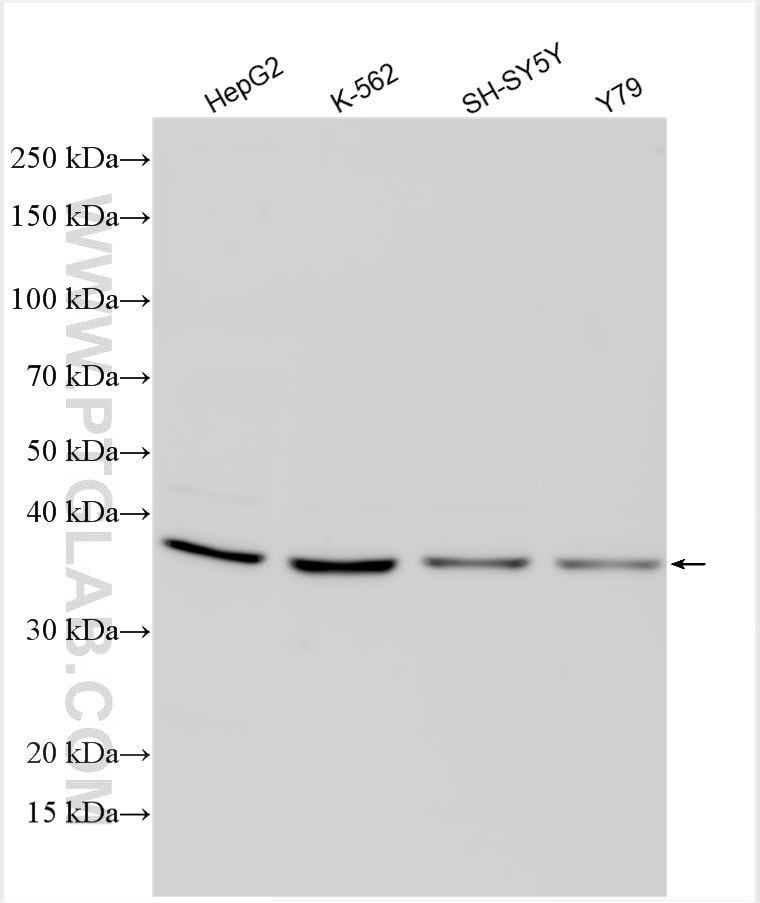
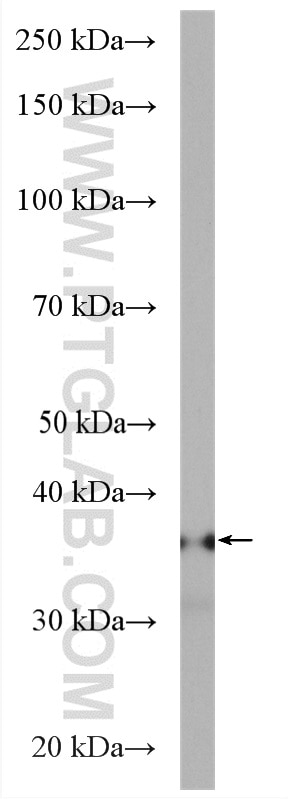
| Positive WB detected in | HepG2 cells, mouse heart tissue, K-562 cells, SH-SY5Y cells, Y79 cells |
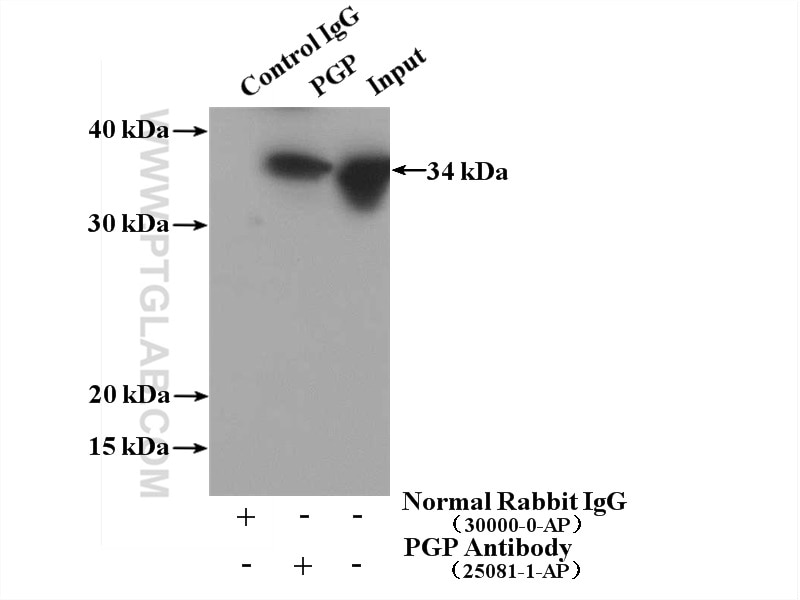
| Positive IP detected in | Y79 cells |
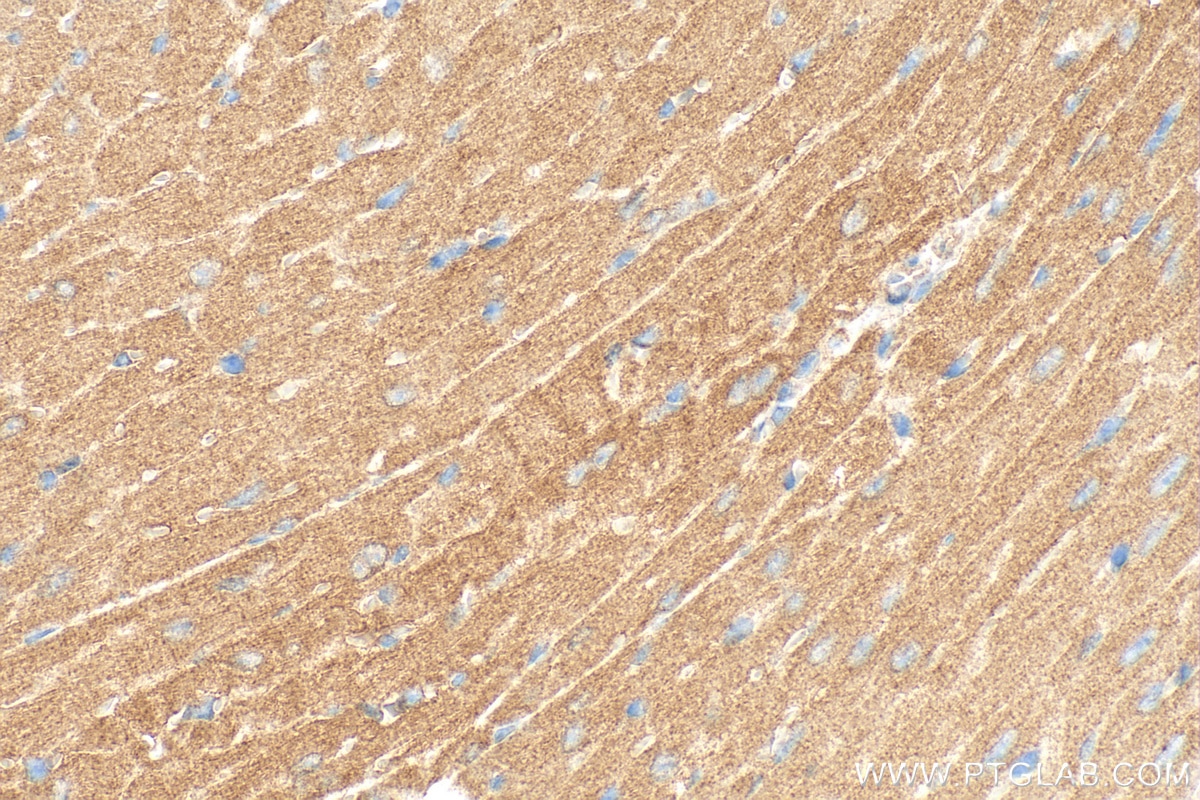
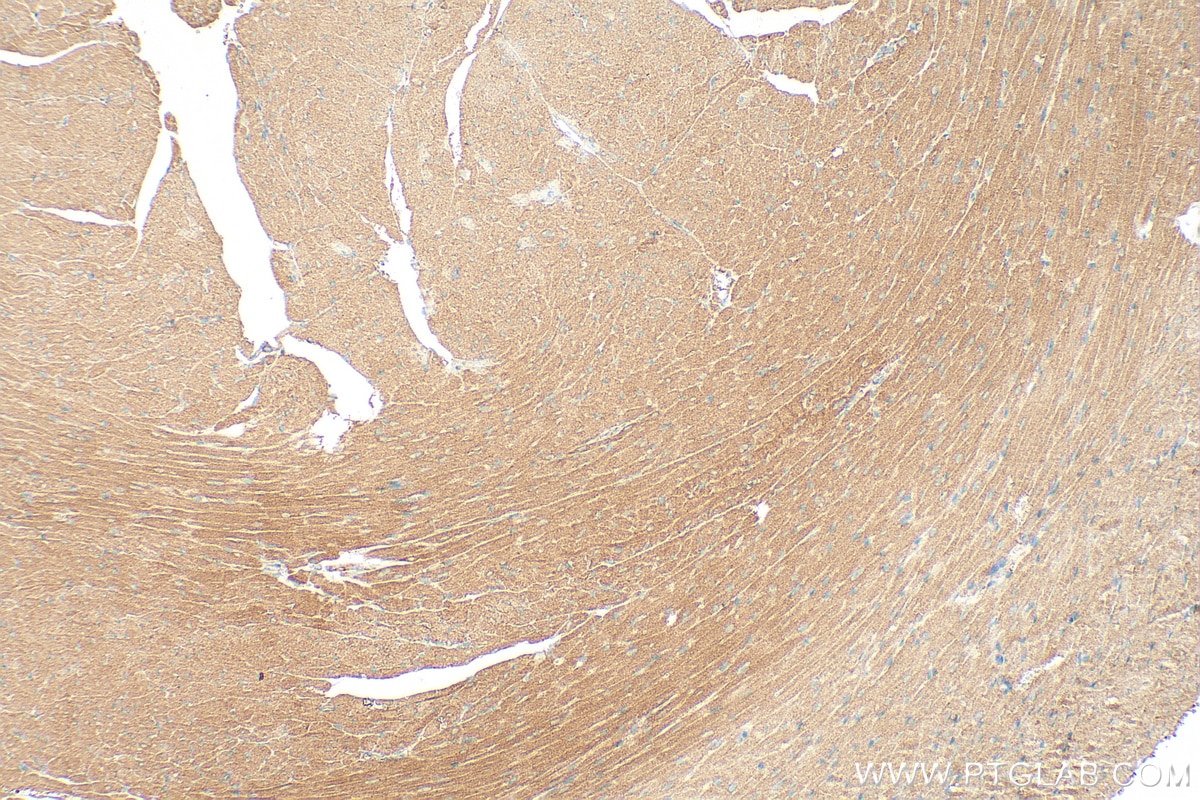
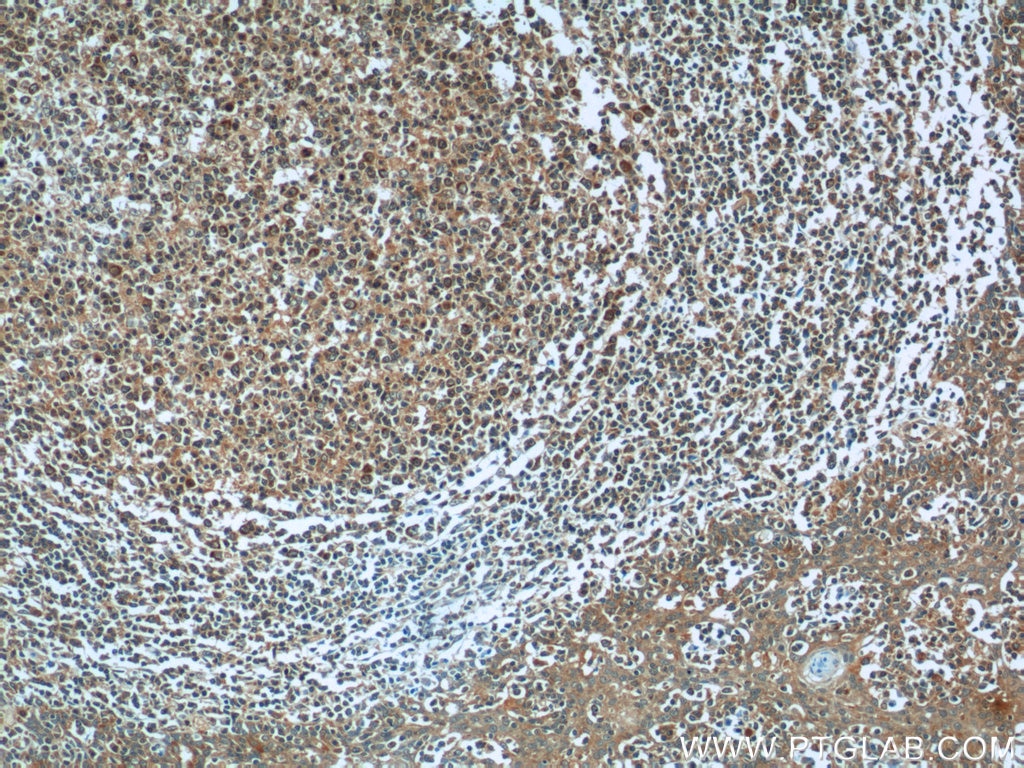
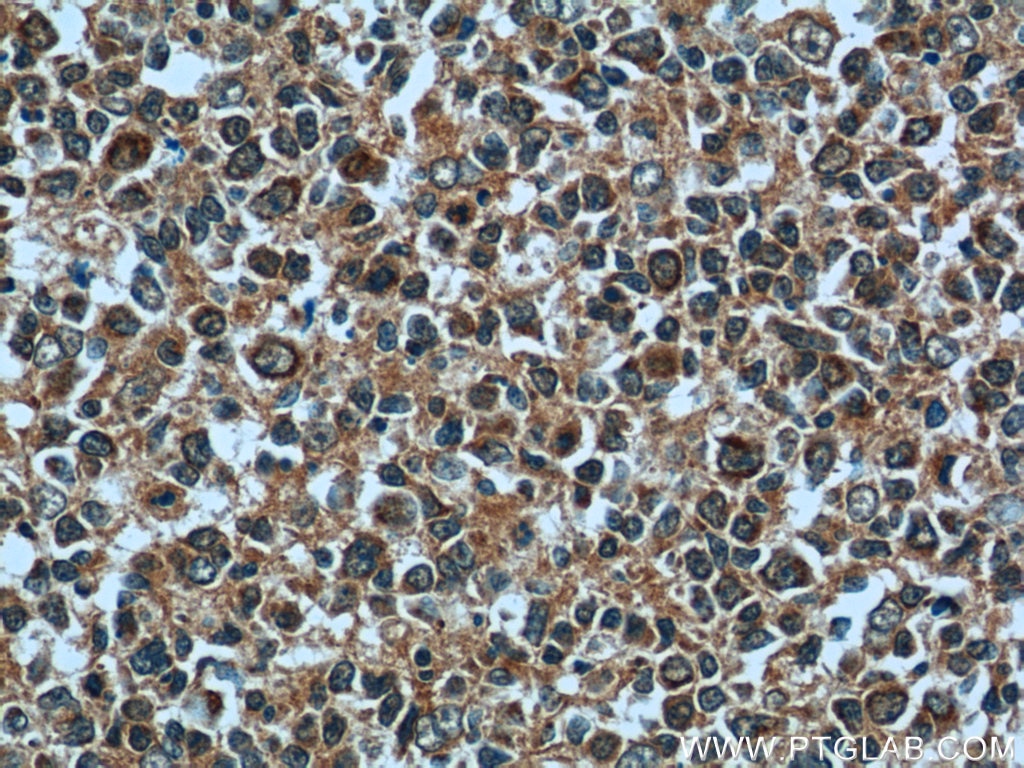
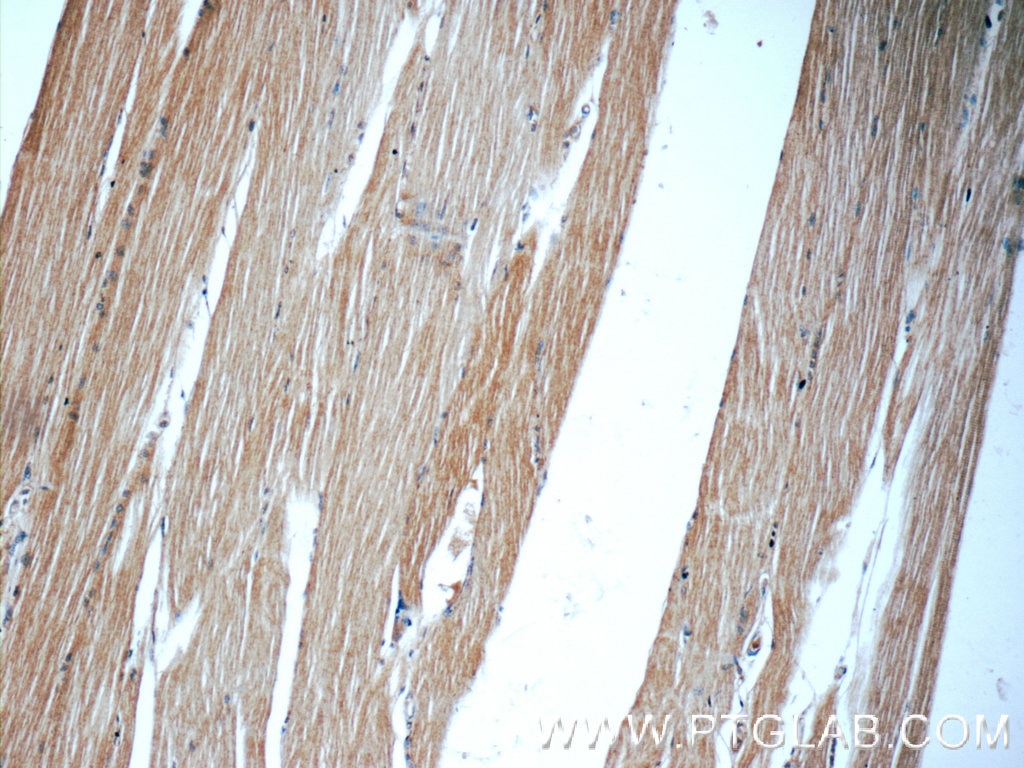
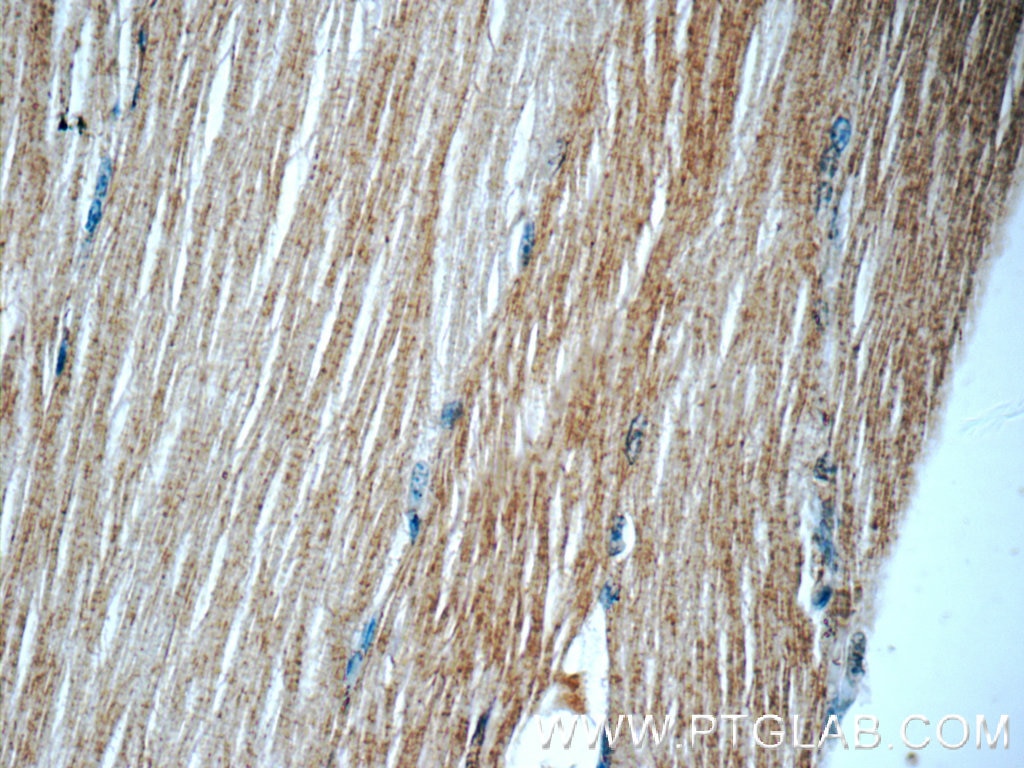
| Positive IHC detected in | mouse heart tissue, human skeletal muscle tissue, human tonsillitis tissue Note: suggested antigen retrieval with TE buffer pH 9.0; (*) Alternatively, antigen retrieval may be performed with citrate buffer pH 6.0 |
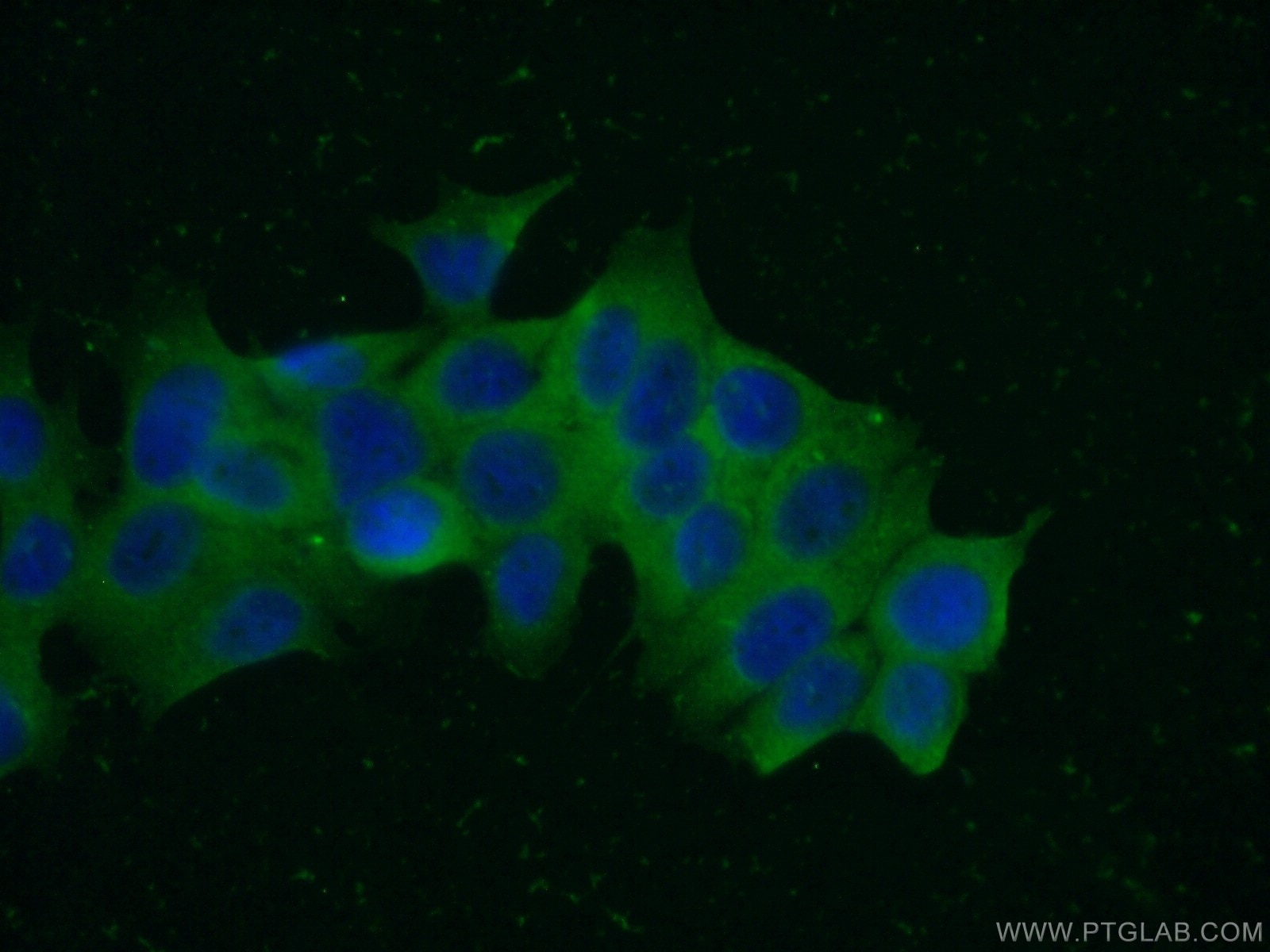
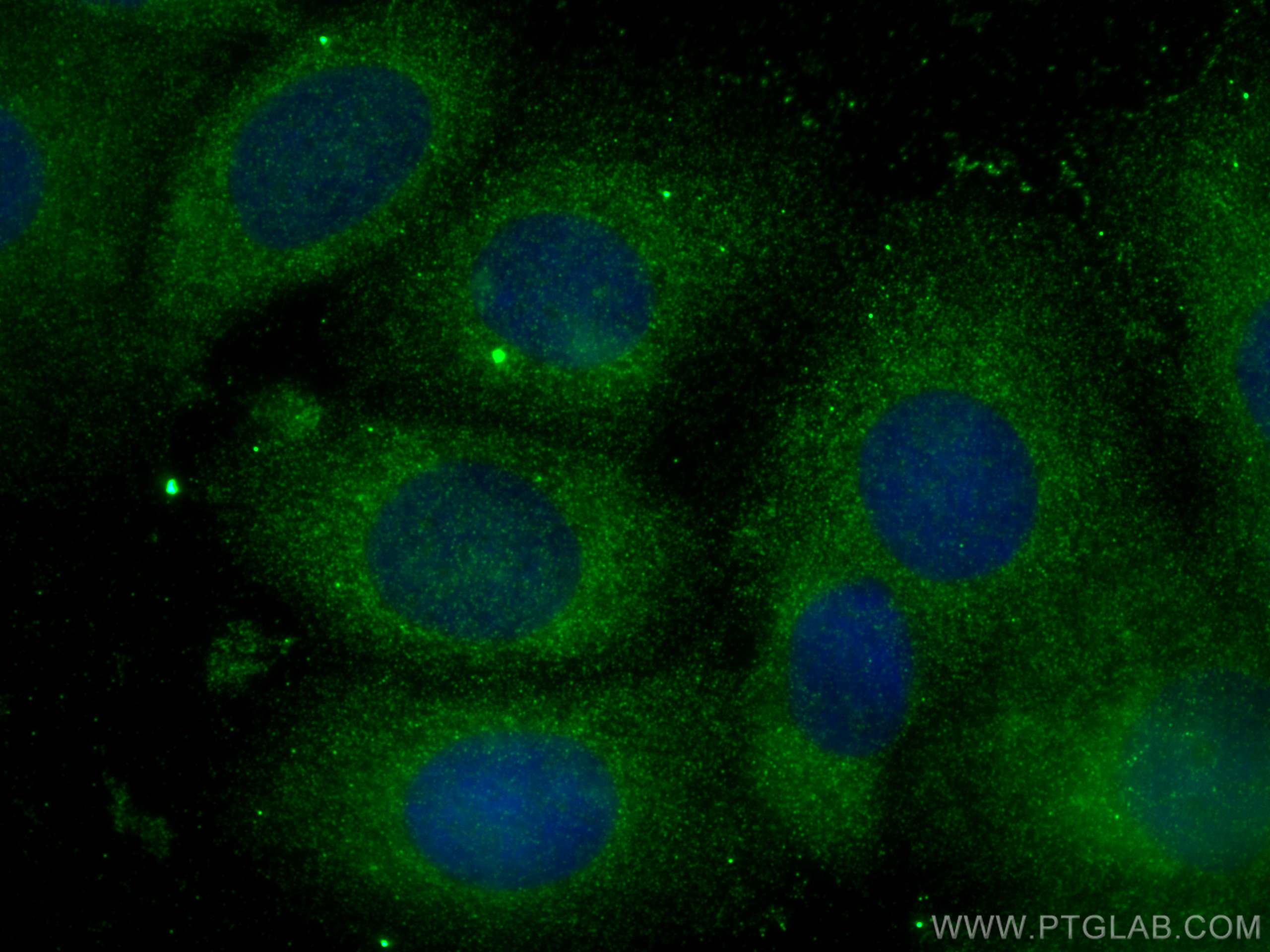
| Positive IF/ICC detected in | MCF-7 cells |
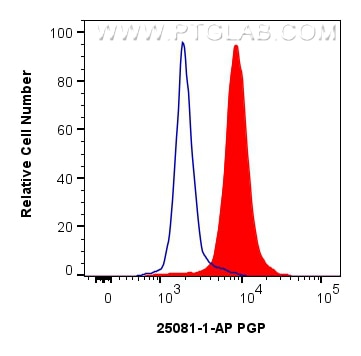
| Positive FC (Intra) detected in | SH-SY5Y cells |
Recommended dilution
| Application | Dilution |
|---|---|
| Western Blot (WB) | WB : 1:2000-1:10000 |
| Immunoprecipitation (IP) | IP : 0.5-4.0 ug for 1.0-3.0 mg of total protein lysate |
| Immunohistochemistry (IHC) | IHC : 1:200-1:800 |
| Immunofluorescence (IF)/ICC | IF/ICC : 1:200-1:800 |
| Flow Cytometry (FC) (INTRA) | FC (INTRA) : 0.40 ug per 10^6 cells in a 100 ul suspension |
| It is recommended that this reagent should be titrated in each testing system to obtain optimal results. | |
| Sample-dependent, Check data in validation data gallery. | |
Product Information
25081-1-AP targets PGP in WB, IHC, IF/ICC, FC (Intra), IP, ELISA applications and shows reactivity with human, mouse samples.
| Tested Reactivity | human, mouse |
| Cited Reactivity | human, mouse, rat |
| Host / Isotype | Rabbit / IgG |
| Class | Polyclonal |
| Type | Antibody |
| Immunogen |
CatNo: Ag18623 Product name: Recombinant human PGP protein Source: e coli.-derived, PGEX-4T Tag: GST Domain: 1-321 aa of BC157035 Sequence: MAAAEAGGDDARCVRLSAERAQALLADVDTLLFDCDGVLWRGETAVPGAPEALRALRARGKRLGFITNNSSKTRAAYAEKLRRLGFGGPAGPGASLEVFGTAYCTALYLRQRLAGAPAPKAYVLGSPALAAELEAVGVASVGVGPEPLQGEGPGDWLHAPLEPDVRAVVVGFDPHFSYMKLTKALRYLQQPGCLLVGTNMDNRLPLENGRFIAGTGCLVRAVEMAAQRQADIIGKPSRFIFDCVSQEYGINPERTVMVGDRLDTDILLGATCGLKTILTLTGVSTLGDVKNNQESDCVSKKKMVPDFYVDSIADLLPALQG Predict reactive species |
| Full Name | phosphoglycolate phosphatase |
| Calculated Molecular Weight | 321 aa, 34 kDa |
| Observed Molecular Weight | 34 kDa |
| GenBank Accession Number | BC157035 |
| Gene Symbol | PGP |
| Gene ID (NCBI) | 283871 |
| RRID | AB_2879888 |
| Conjugate | Unconjugated |
| Form | Liquid |
| Purification Method | Antigen affinity purification |
| UNIPROT ID | A6NDG6 |
| Storage Buffer | PBS with 0.02% sodium azide and 50% glycerol, pH 7.3. |
| Storage Conditions | Store at -20°C. Stable for one year after shipment. Aliquoting is unnecessary for -20oC storage. 20ul sizes contain 0.1% BSA. |
Background Information
PGP(phosphoglycolate phosphatase) belongs to the HAD-like hydrolase superfamily. It is an essential intermediate in the biosynthetic pathway of cardiolipin and a mitochondrial-specific phospholipid regulating the membrane integrity and activities of the organelle. PGP catalyzes the formation of phosphatidylglycerol from phosphatidylglycerophosphate.
Protocols
| Product Specific Protocols | |
|---|---|
| FC protocol for PGP antibody 25081-1-AP | Download protocol |
| IF protocol for PGP antibody 25081-1-AP | Download protocol |
| IHC protocol for PGP antibody 25081-1-AP | Download protocol |
| IP protocol for PGP antibody 25081-1-AP | Download protocol |
| WB protocol for PGP antibody 25081-1-AP | Download protocol |
| Standard Protocols | |
|---|---|
| Click here to view our Standard Protocols |
Publications
What published studies show
The PGP Polyclonal antibody (Cat# 25081-1-AP) has 15 citations published in journals including Nature Chemical Biology, Advanced Science, Acta Biomaterialia, Journal of Nanobiotechnology, European Journal of Medicinal Chemistry, Drug Delivery and Translational Research, Toxicology, and others. Research fields span multidrug resistance, cancer therapy (colorectal, gastric, breast, ovarian, melanoma, laryngeal), drug delivery systems, hepatotoxicity prediction, paclitaxel-induced neurotoxicity, autophagy regulation, and ABC transporter biology.
| Species | Application | Title |
|---|---|---|
Nat Chem Biol Quantitative chemoproteomics reveals dopamine's protective modification of Tau | ||
J Nanobiotechnology Combination of polythyleneimine regulating autophagy prodrug and Mdr1 siRNA for tumor multidrug resistance | ||
Adv Sci (Weinh) Targeting Metabolic Adaptation of Colorectal Cancer with Vanadium-Doped Nanosystem to Enhance Chemotherapy and Immunotherapy | ||
Acta Biomater Systematic evaluation of multifunctional paclitaxel-loaded polymeric mixed micelles as a potential anticancer remedy to overcome multidrug resistance. | ||
Chin Med The inhibitory effect and mechanism of Yi-qi-hua-yu-jie-du decoction on the drug resistance of gastric cancer stem cells based on ABC transporters | ||
Drug Deliv Transl Res Combination therapy using Cel-CSO/Taxol NPs for reversing drug resistance in breast cancer through inhibiting PI3K/AKT/NF-κB/HIF-1α pathway |
Reviews
What customers say
Able is busy answering your previous question. Please try again later.
The reviews below have been submitted by verified Proteintech customers who received an incentive for providing their feedback.
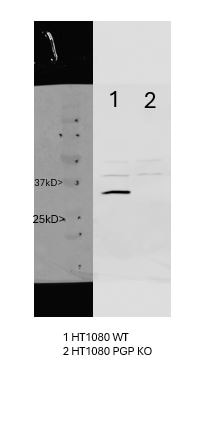
Kerstin (Verified Customer) (10-11-2024) | nice detection of PGP in HT1080 WT cells compared to KO cells, few unspecific bands
 |
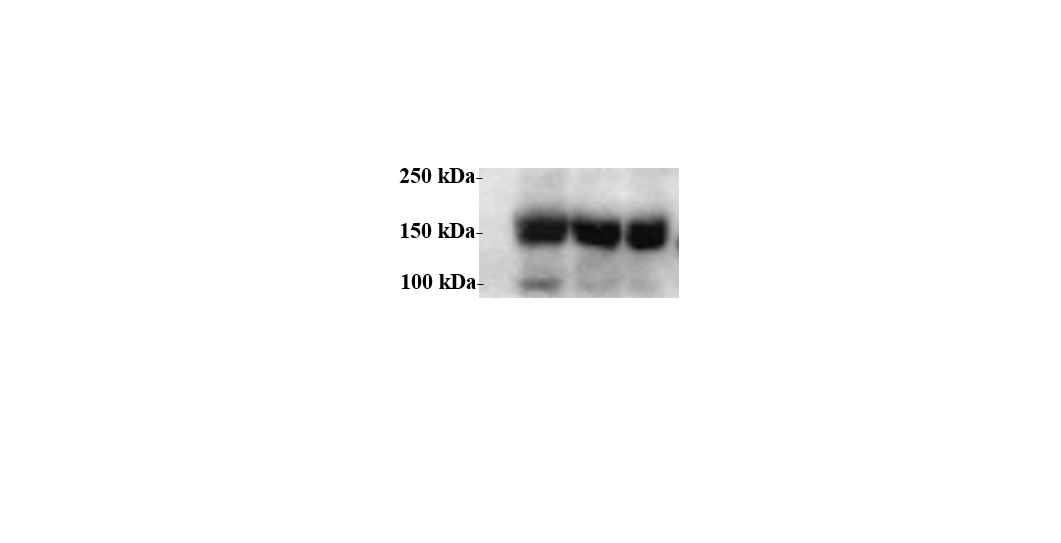
Yu Siong (Verified Customer) (10-13-2019) | 3 protein bands at 150 kDa are of rat liver whole tissue lysate.
 |













