
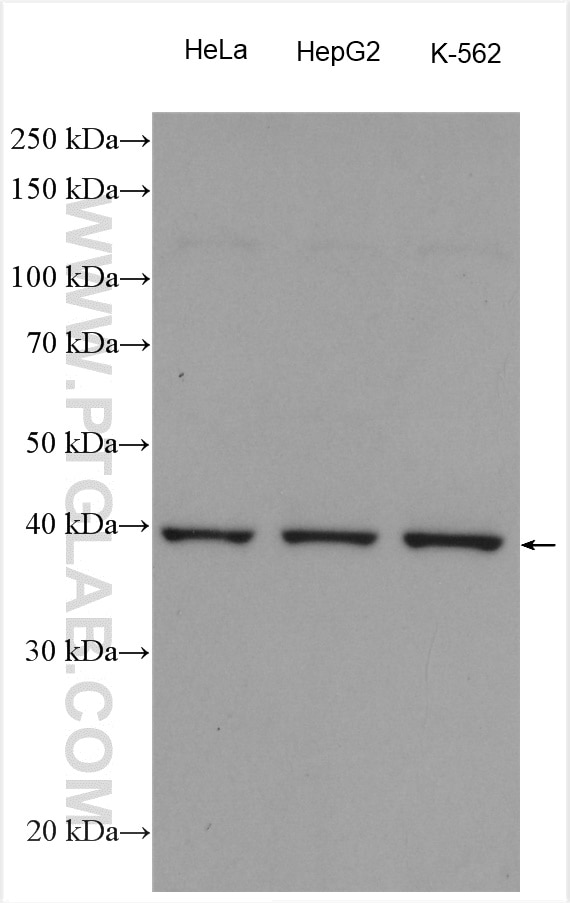
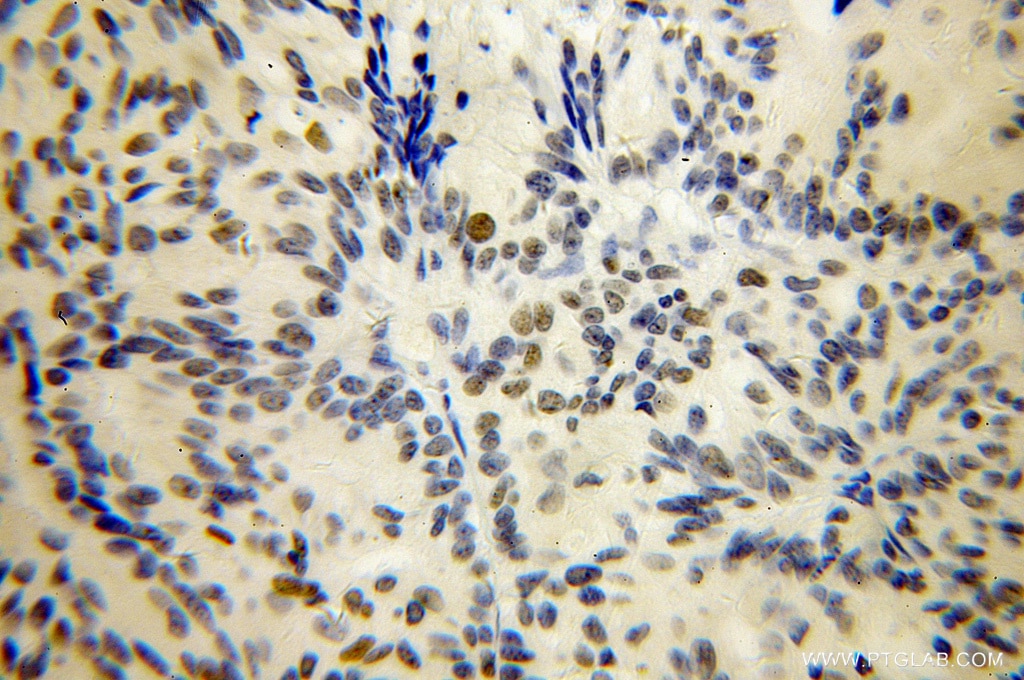
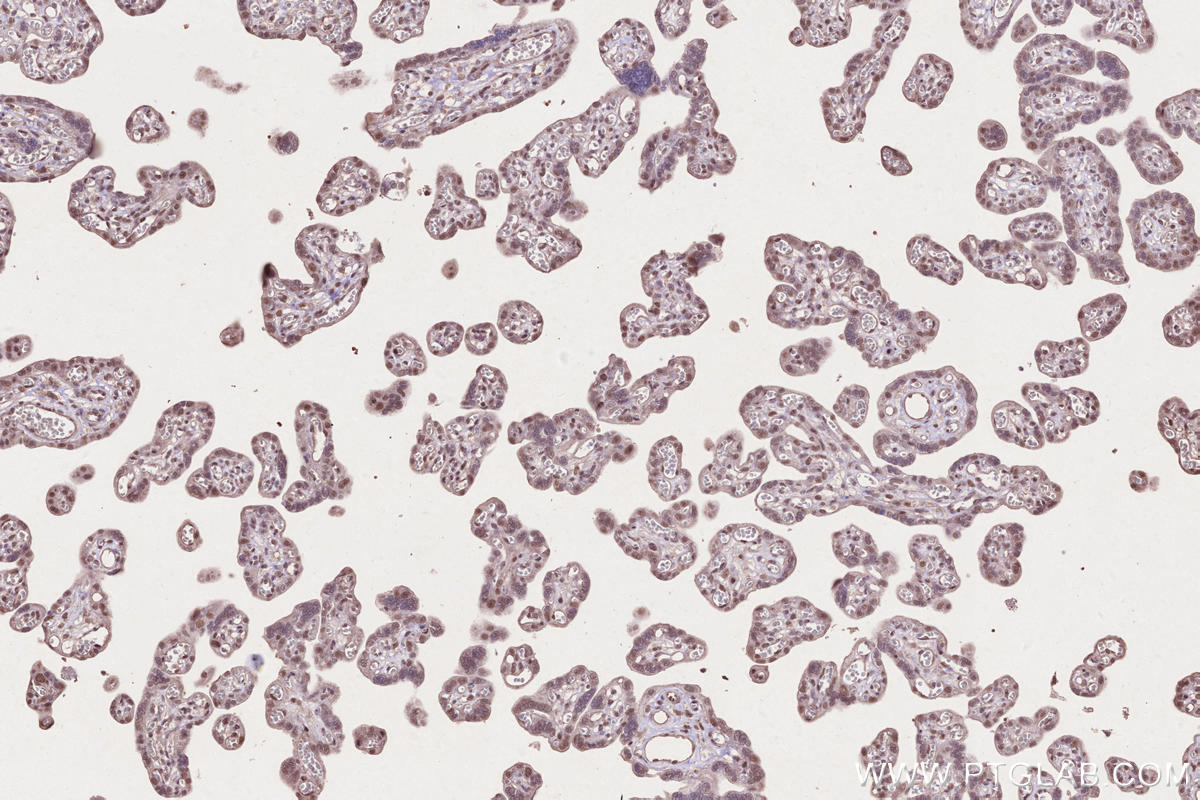
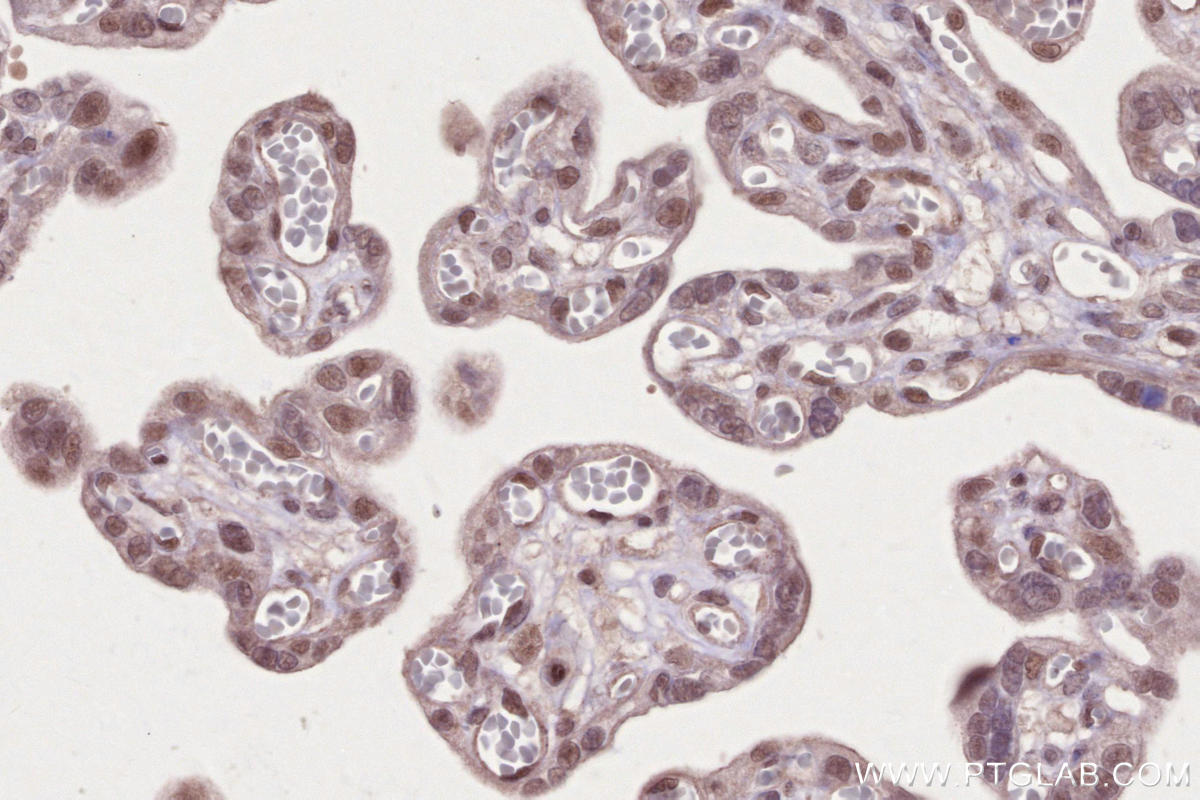

Tested Applications
| Positive WB detected in | HeLa cells, HepG2 cells, K-562 cells |
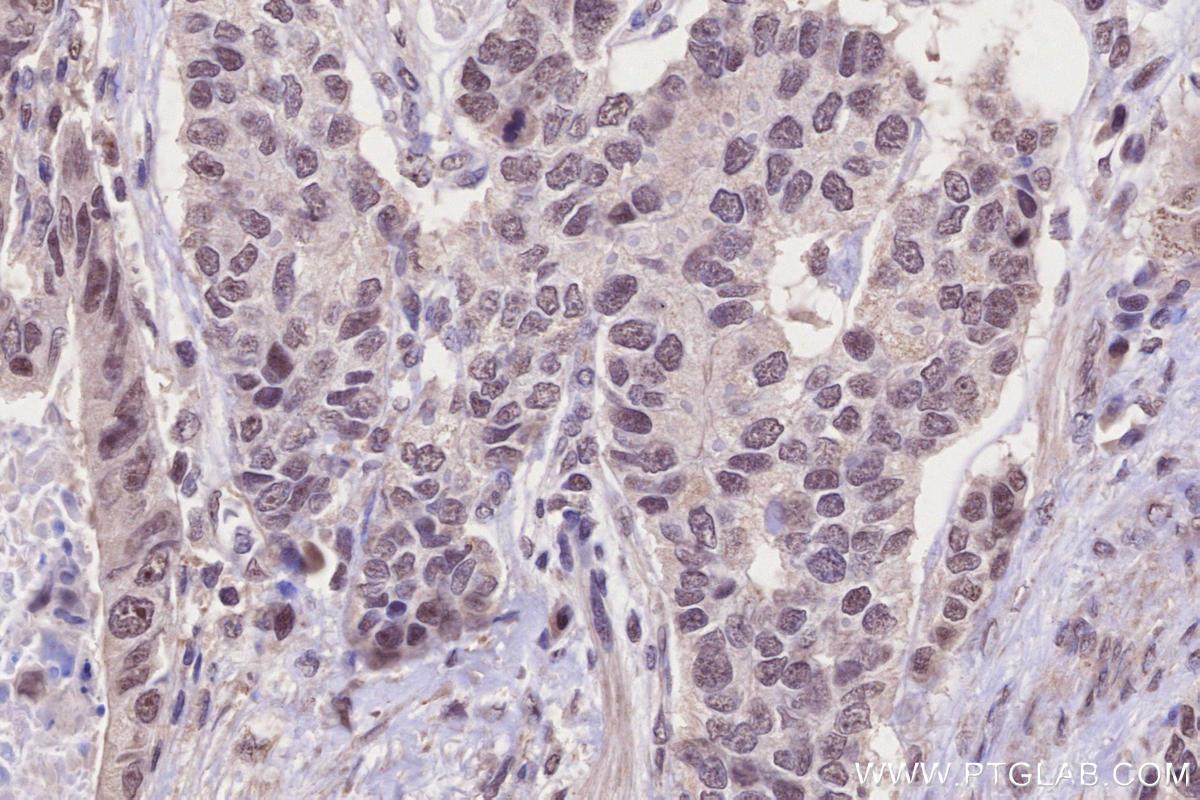
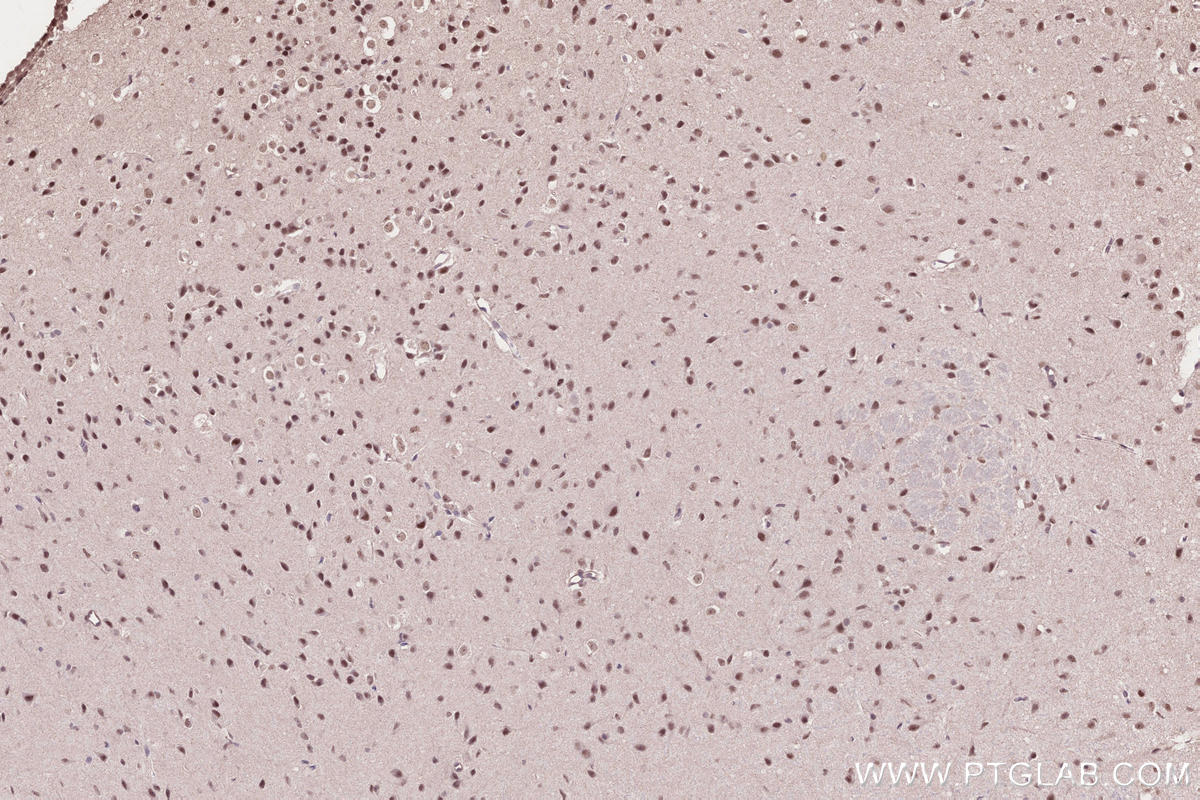
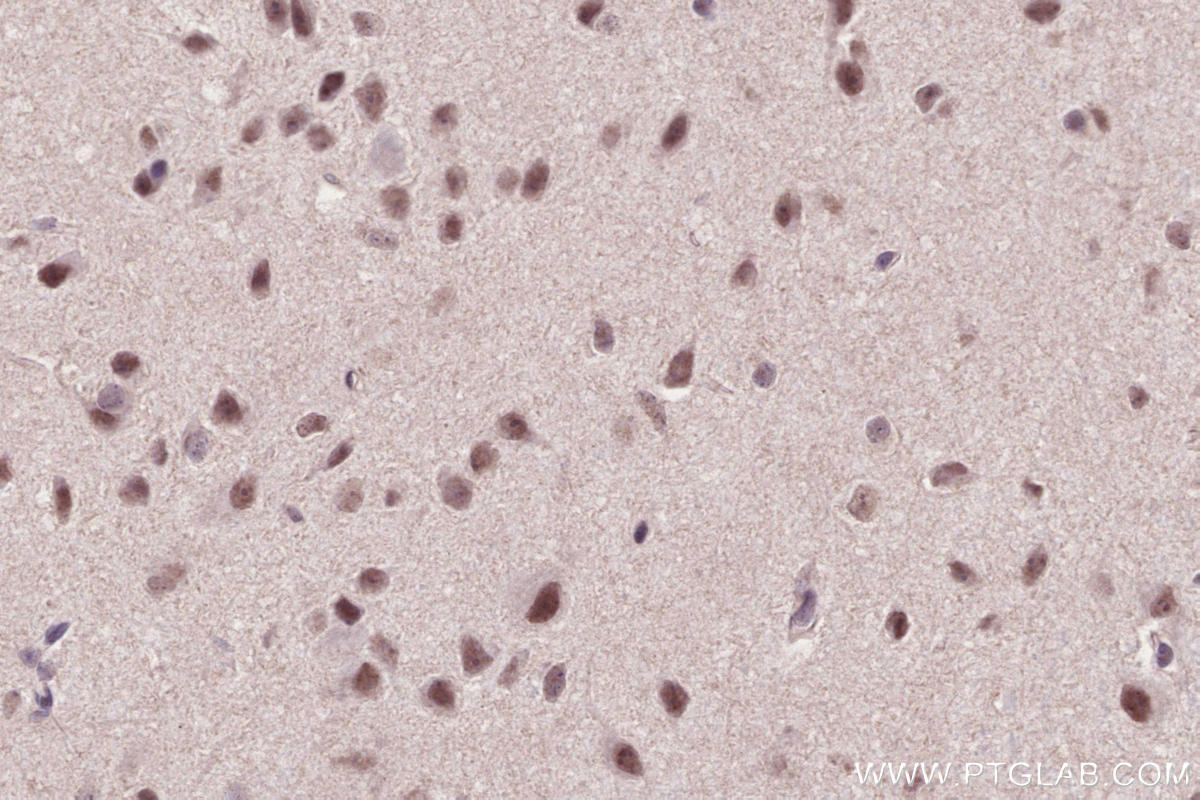
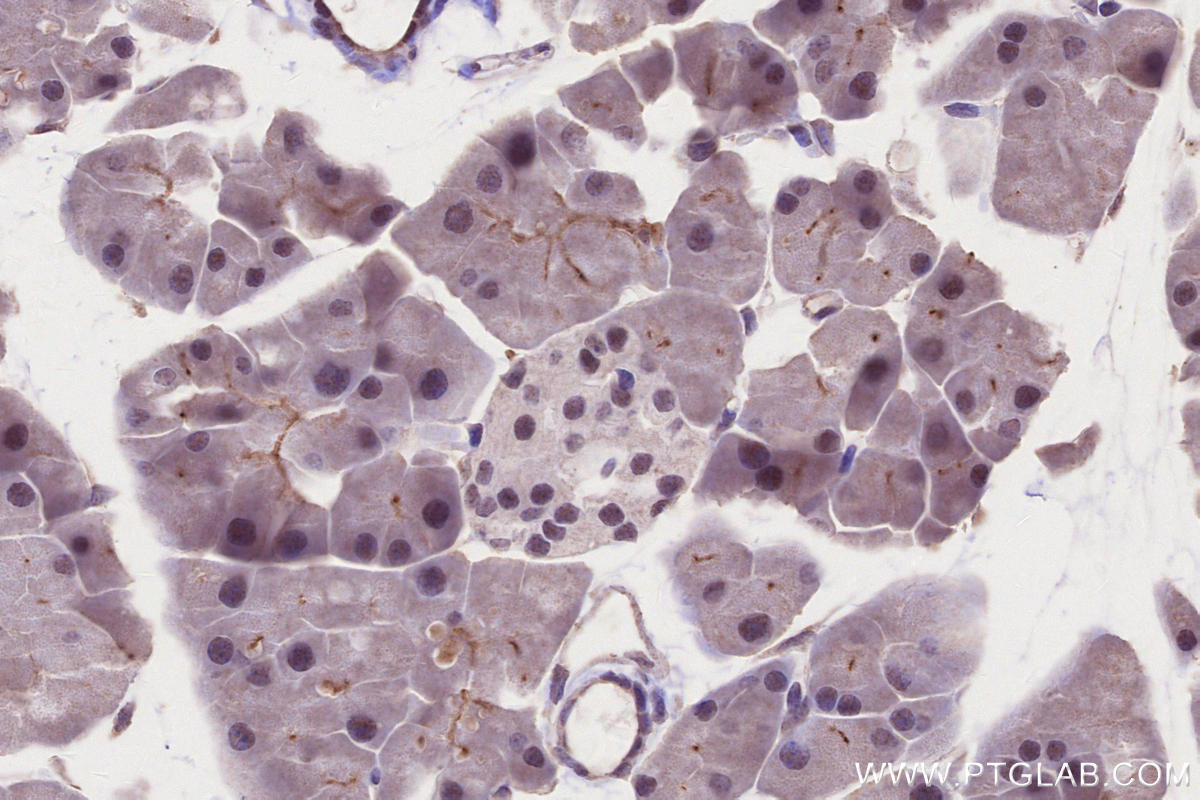
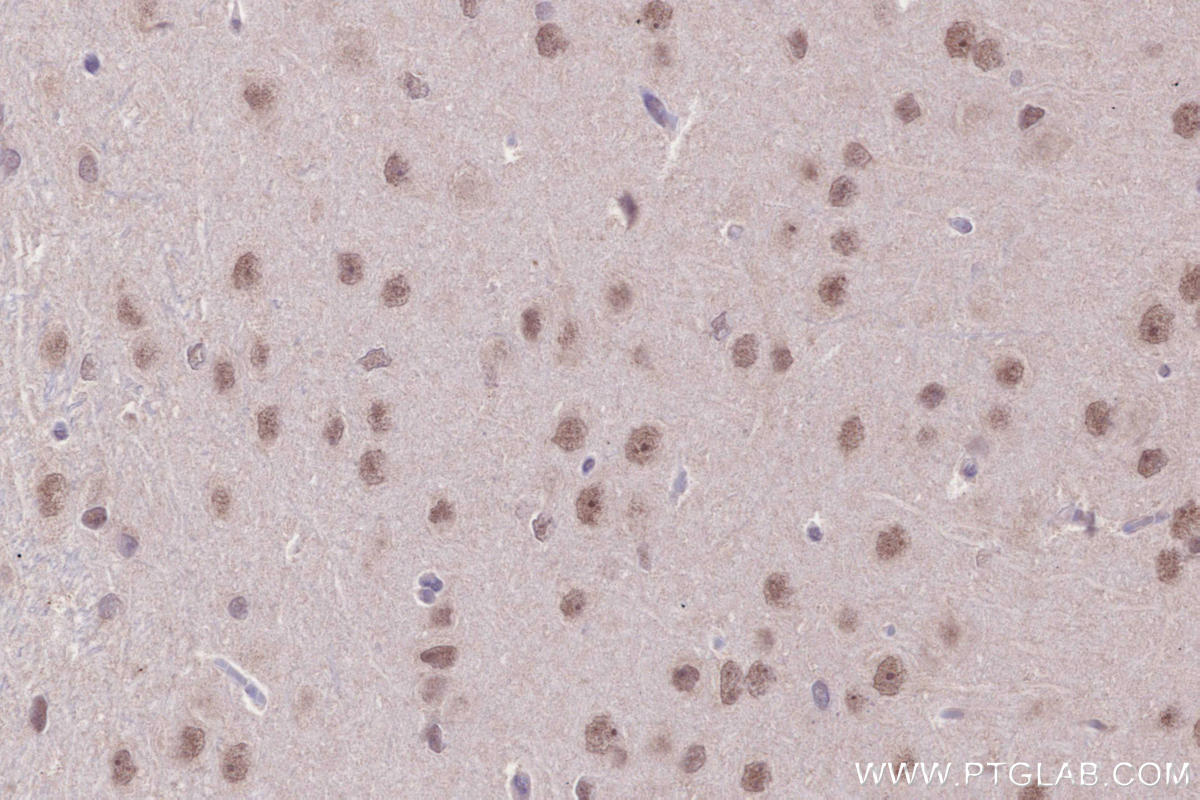
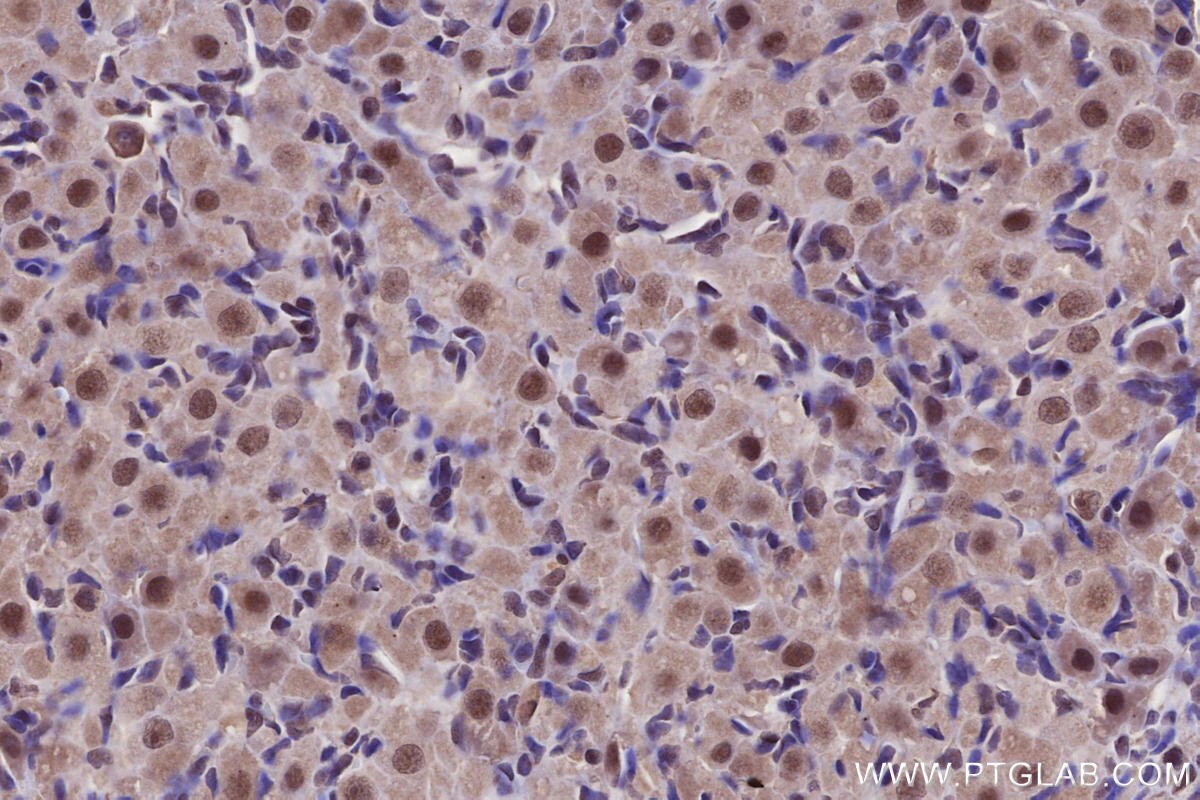
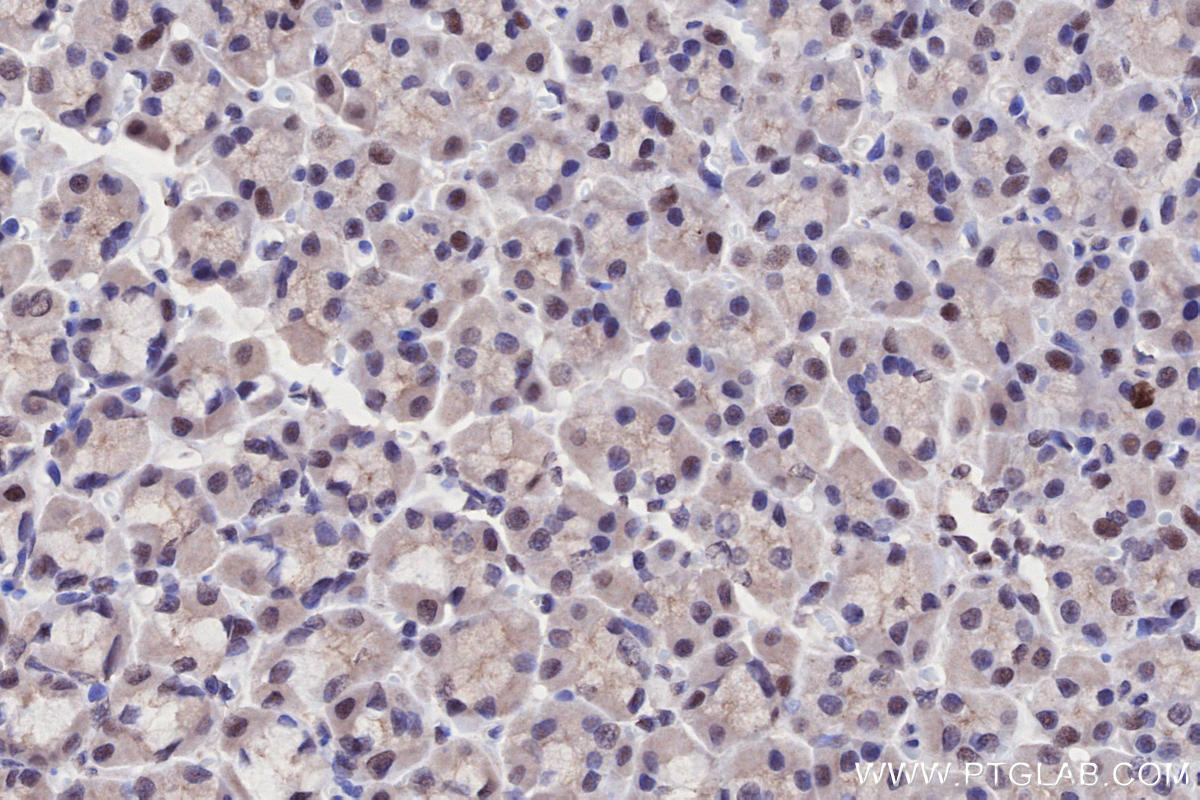
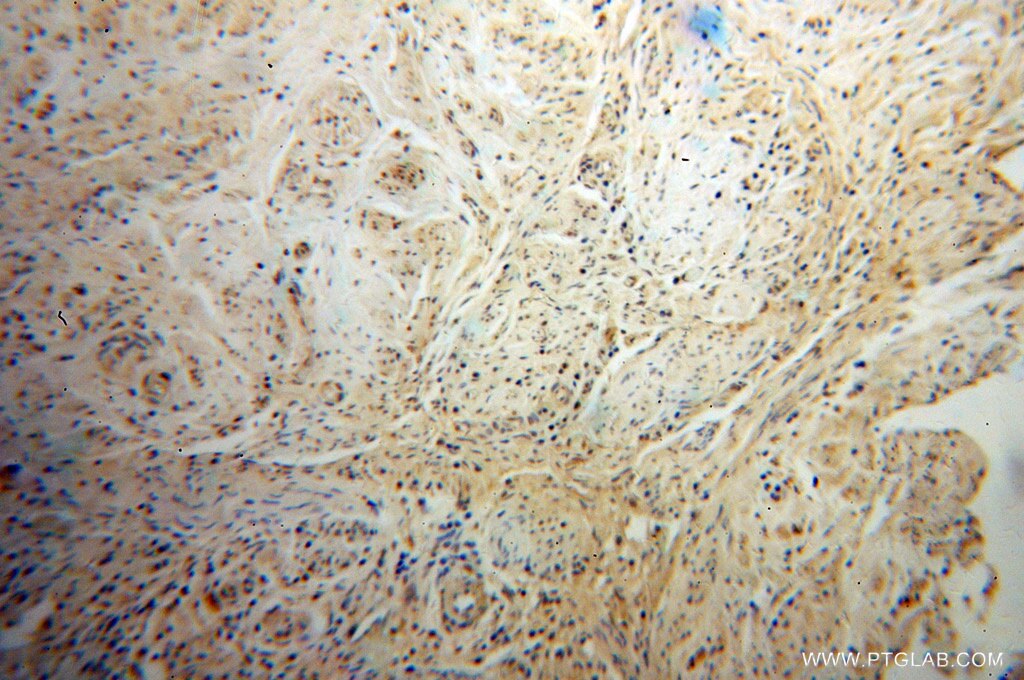
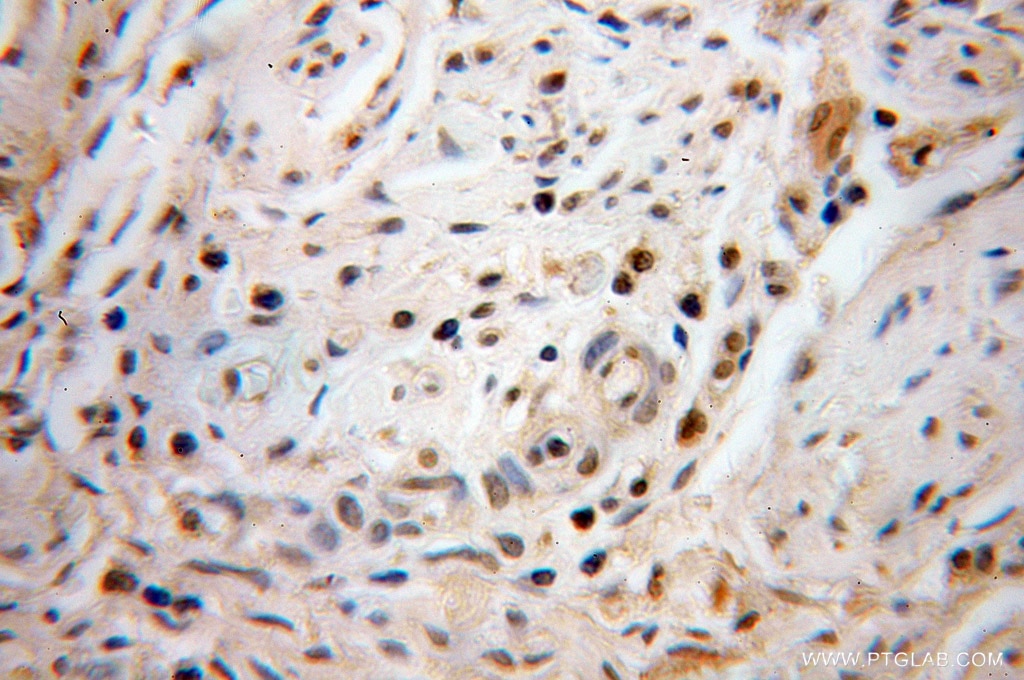
| Positive IHC detected in | human placenta tissue, human cervical cancer tissue, human stomach cancer tissue, rat brain tissue, rat stomach tissue, human ovary tumor tissue, mouse brain tissue, rat ovary tissue, mouse stomach tissue Note: suggested antigen retrieval with TE buffer pH 9.0; (*) Alternatively, antigen retrieval may be performed with citrate buffer pH 6.0 |
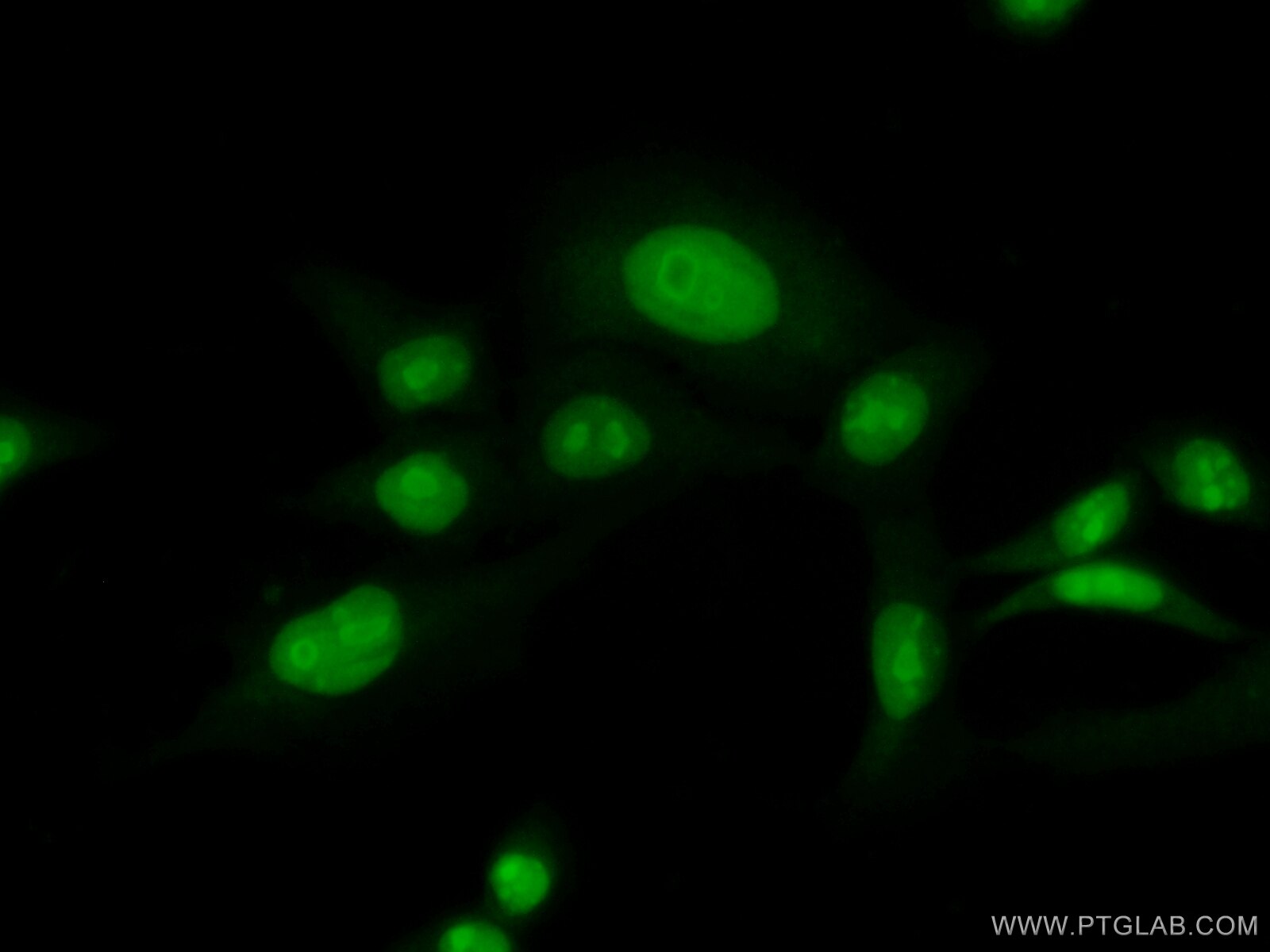
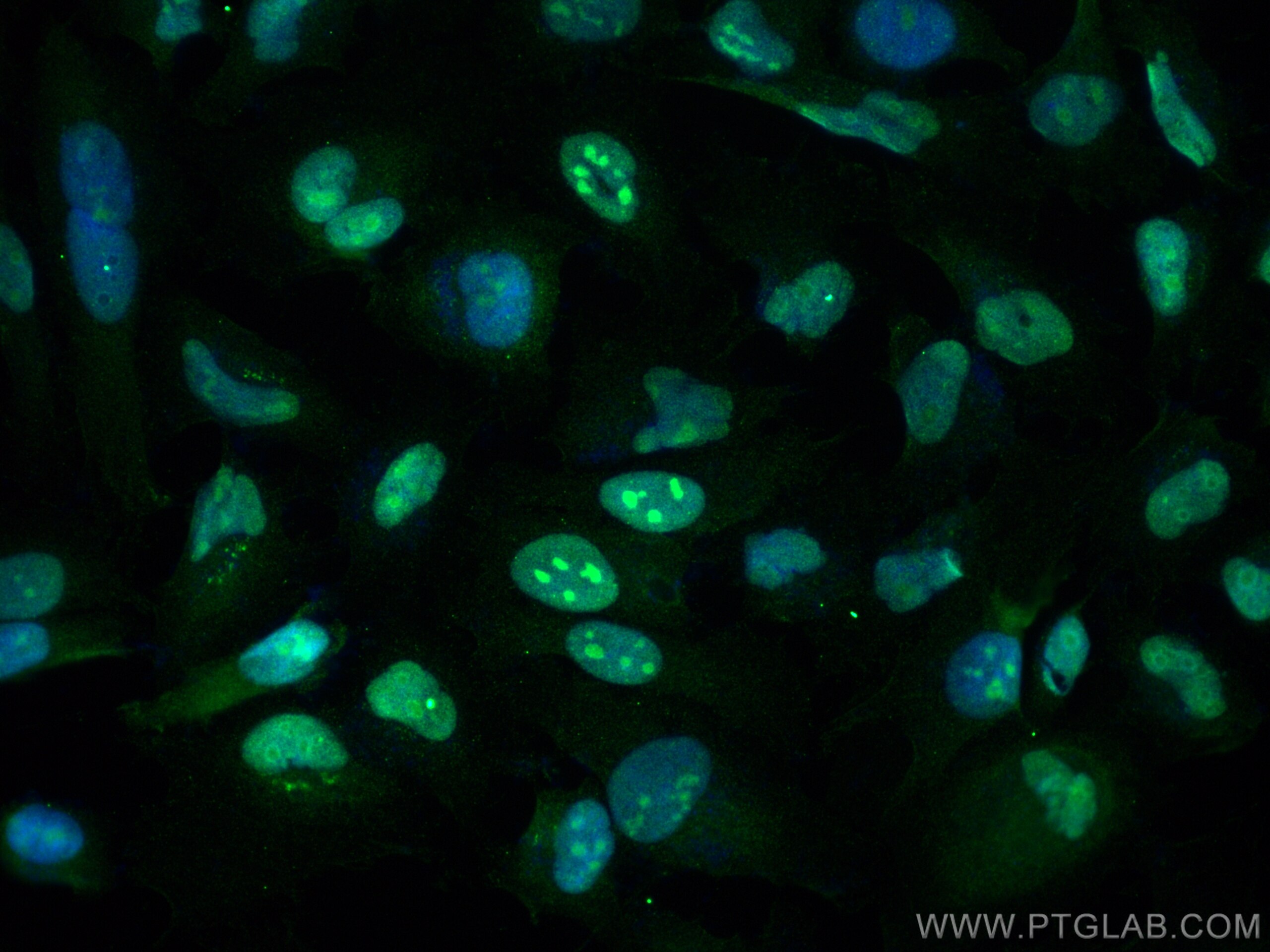
| Positive IF/ICC detected in | HeLa cells |
Recommended dilution
| Application | Dilution |
|---|---|
| Western Blot (WB) | WB : 1:20000-1:100000 |
| Immunohistochemistry (IHC) | IHC : 1:500-1:2000 |
| Immunofluorescence (IF)/ICC | IF/ICC : 1:50-1:500 |
| It is recommended that this reagent should be titrated in each testing system to obtain optimal results. | |
| Sample-dependent, Check data in validation data gallery. | |
Product Information
51062-1-AP targets PHF6 in WB, IHC, IF/ICC, ELISA applications and shows reactivity with human, mouse, rat samples.
| Tested Reactivity | human, mouse, rat |
| Cited Reactivity | human |
| Host / Isotype | Rabbit / IgG |
| Class | Polyclonal |
| Type | Antibody |
| Immunogen |
CatNo: Ag2102 Product name: Recombinant human PHF6 protein Source: e coli.-derived, PGEX-4T Tag: GST Domain: 1-312 aa of BC005994 Sequence: MSSSVEQKKGPTRQRKCGFCKSNRDKECGQLLISENQKVAAHHKCMLFSSALVSSHSDNESLGGFSIEDVQKEIKRGTKLMCSLCHCPGATIGCDVKTCHRTYHYHCALHDKAQIREKPSQGIYMAYCRKHKKTAHNSEAADLEESFNEHELEPSSPKSKKKSRKGRPRKTNFKGLSEDTRSTSSHGTDEMESSSYRDRSPHRSSPSDTRPKCGFCHVGEEENEARGKLHIFNAKKAAAHYKCMLFSSGTVQLTTTSRAEFGDFDIKTVLQEIKRGKRMVCSFYICYATLHLICCFKFRVHPKFIQSSENLK Predict reactive species |
| Full Name | PHD finger protein 6 |
| Calculated Molecular Weight | 365aa,41 kDa; 312aa,35 kDa |
| Observed Molecular Weight | 41 kDa |
| GenBank Accession Number | BC005994 |
| Gene Symbol | PHF6 |
| Gene ID (NCBI) | 84295 |
| RRID | AB_2165369 |
| Conjugate | Unconjugated |
| Form | Liquid |
| Purification Method | Antigen affinity purification |
| UNIPROT ID | Q8IWS0 |
| Storage Buffer | PBS with 0.02% sodium azide and 50% glycerol, pH 7.3. |
| Storage Conditions | Store at -20°C. Stable for one year after shipment. Aliquoting is unnecessary for -20oC storage. 20ul sizes contain 0.1% BSA. |
Background Information
PHF6 protein is highly conserved in vertebrates. Structurally, PHF6 protein contains two plant homeodomain (PHD)-like zinc fingers, two nuclear localization sequences and a nucleolar localization sequence, suggesting that PHF6 may play a role in the regulation of transcription. PHD zinc fingers are structurally conserved modules that interact with chromatin or mediate protein-protein interactions. PHF6 associates with subunits of the PAF1 transcription elongation complex including PAF1, LEO1, CTR9 and CDC73.The interaction of PHF6 with the PAF1 complex plays a critical role in PHF6 function in neuronal migration in the cerebral cortex.
Protocols
| Product Specific Protocols | |
|---|---|
| IF protocol for PHF6 antibody 51062-1-AP | Download protocol |
| IHC protocol for PHF6 antibody 51062-1-AP | Download protocol |
| WB protocol for PHF6 antibody 51062-1-AP | Download protocol |
| Standard Protocols | |
|---|---|
| Click here to view our Standard Protocols |
Publications
What published studies show
The PHF6 polyclonal antibody (Cat# 51062-1-AP) has 1 citation. It was used in a Western blot study published in Leukemia Research (2022), investigating how miR-1306-5p promotes cell proliferation and inhibits apoptosis in acute myeloid leukemia by downregulating PHF6 expression. The research field is hematology/oncology, specifically acute myeloid leukemia biology.
| Species | Application | Title |
|---|---|---|
Leuk Res MiR-1306-5p promotes cell proliferation and inhibits cell apoptosis in acute myeloid leukemia by downregulating PHF6 expression. |
















