

Product Information
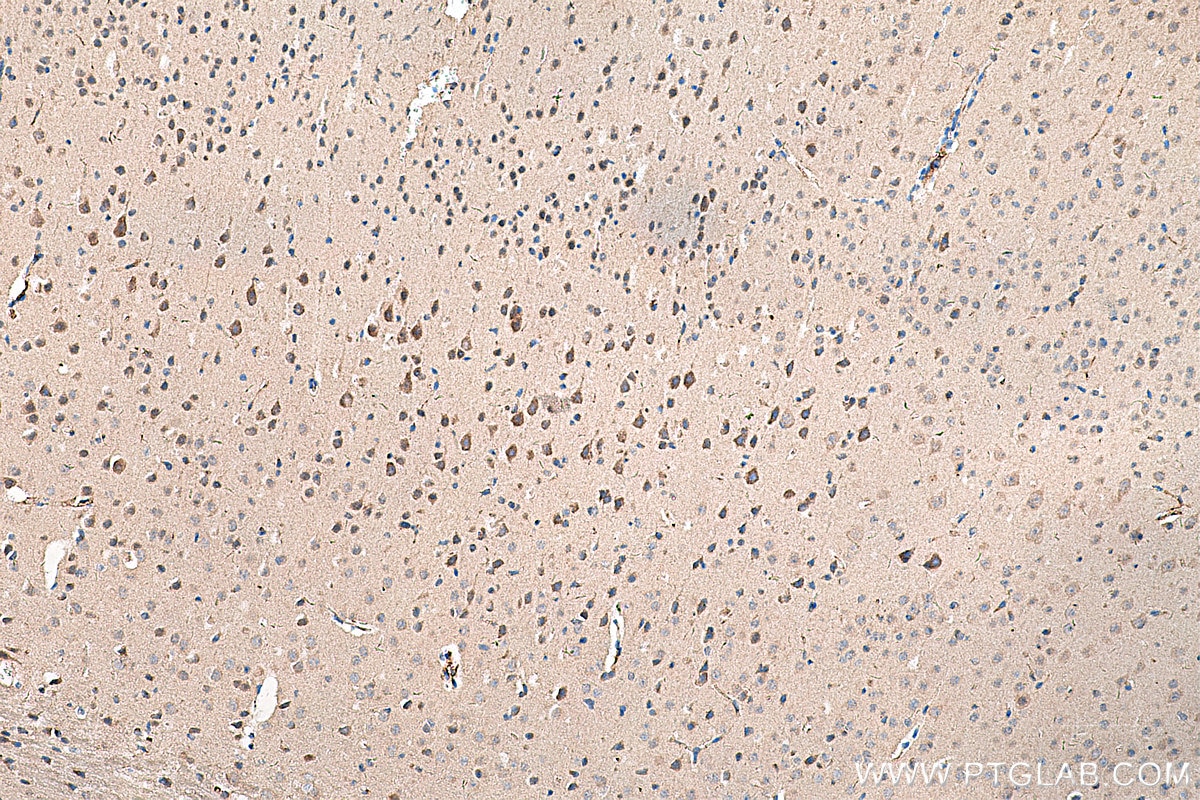
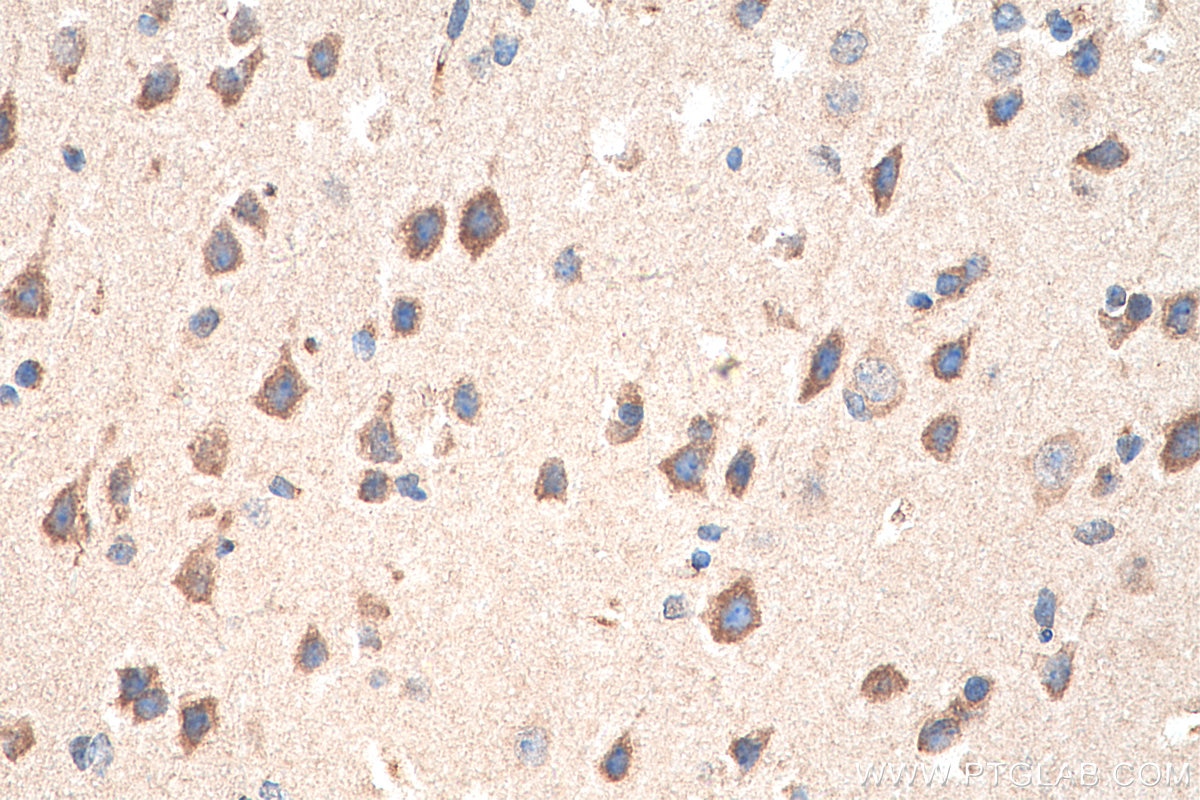
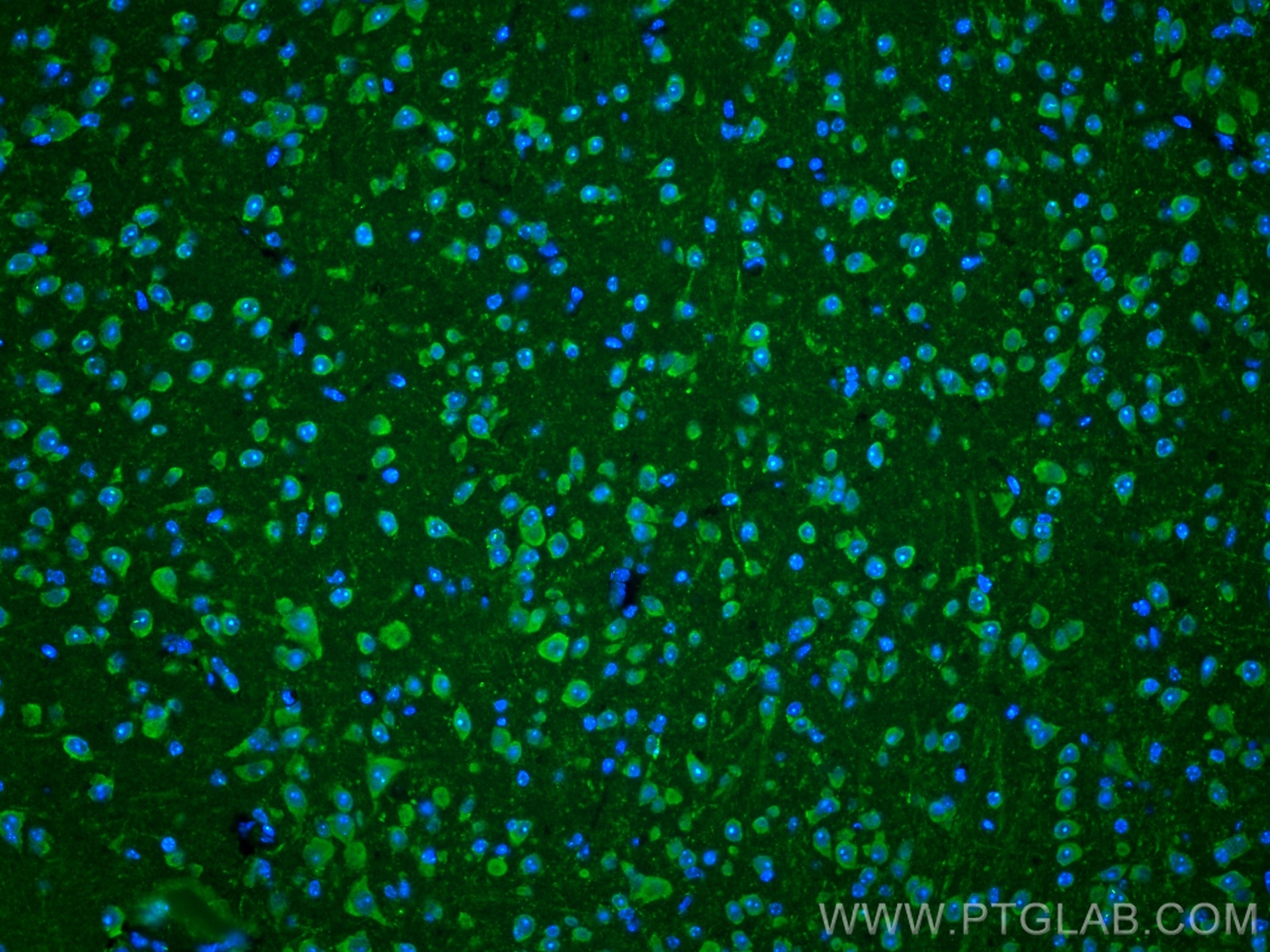
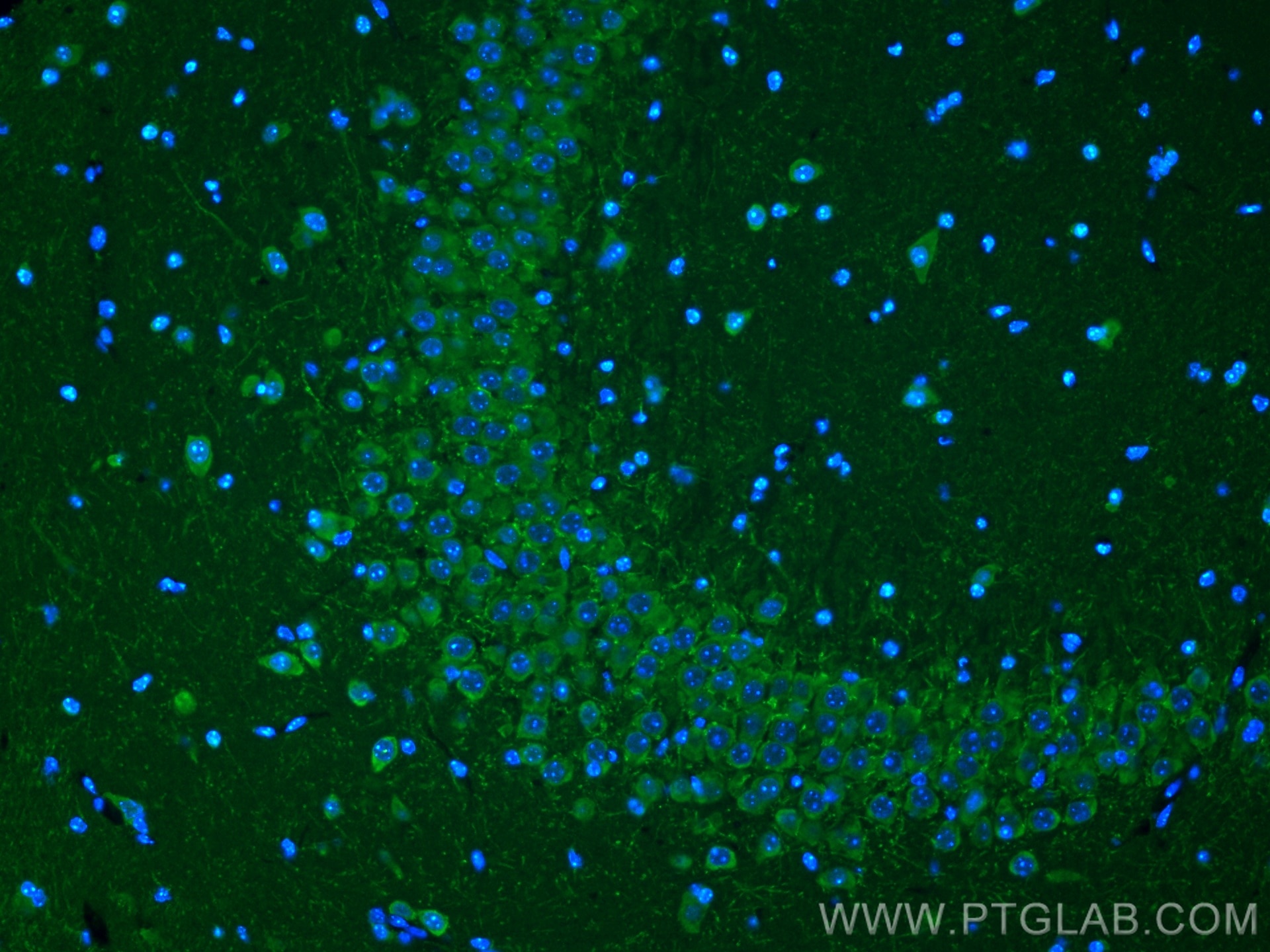
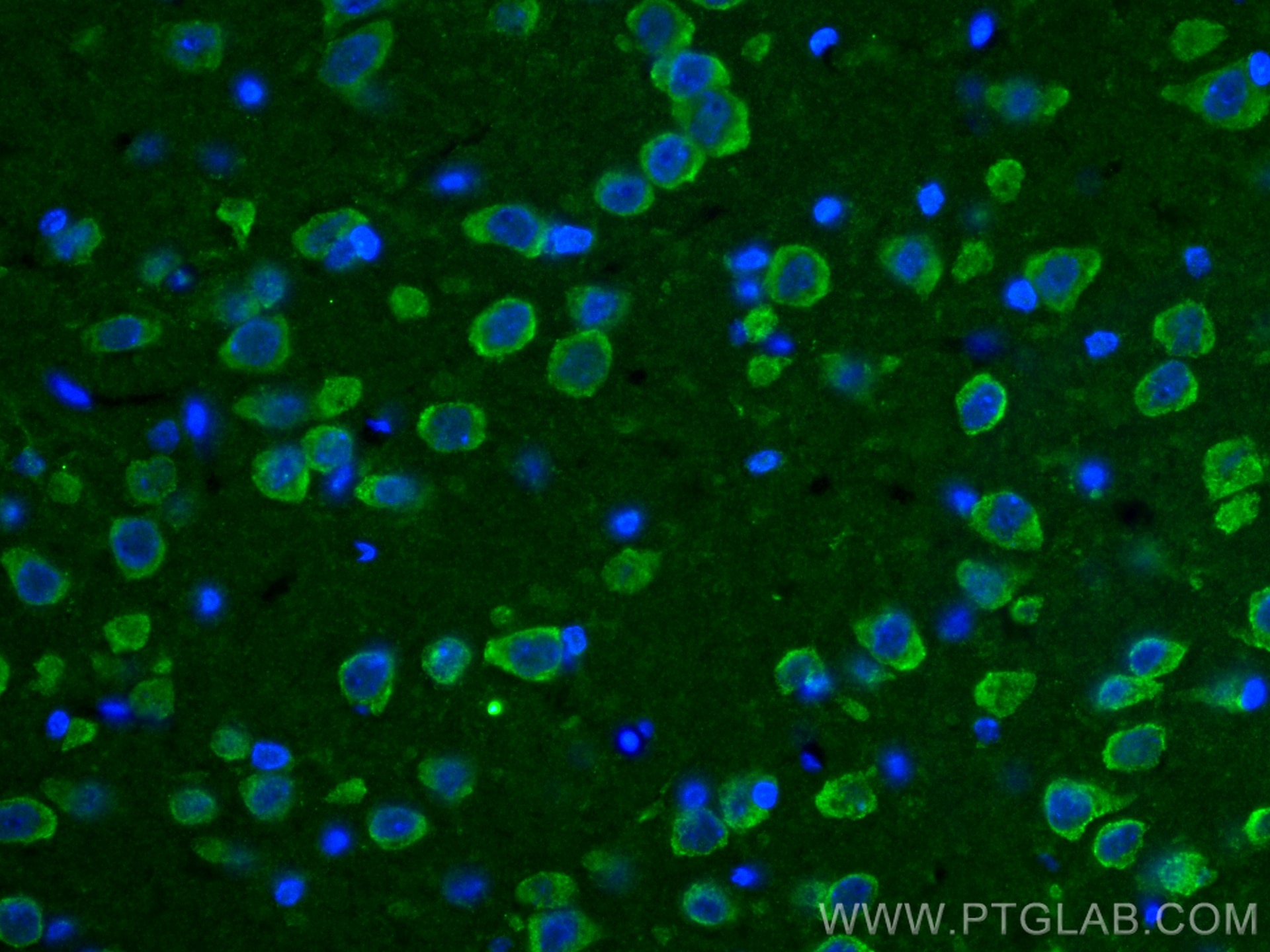
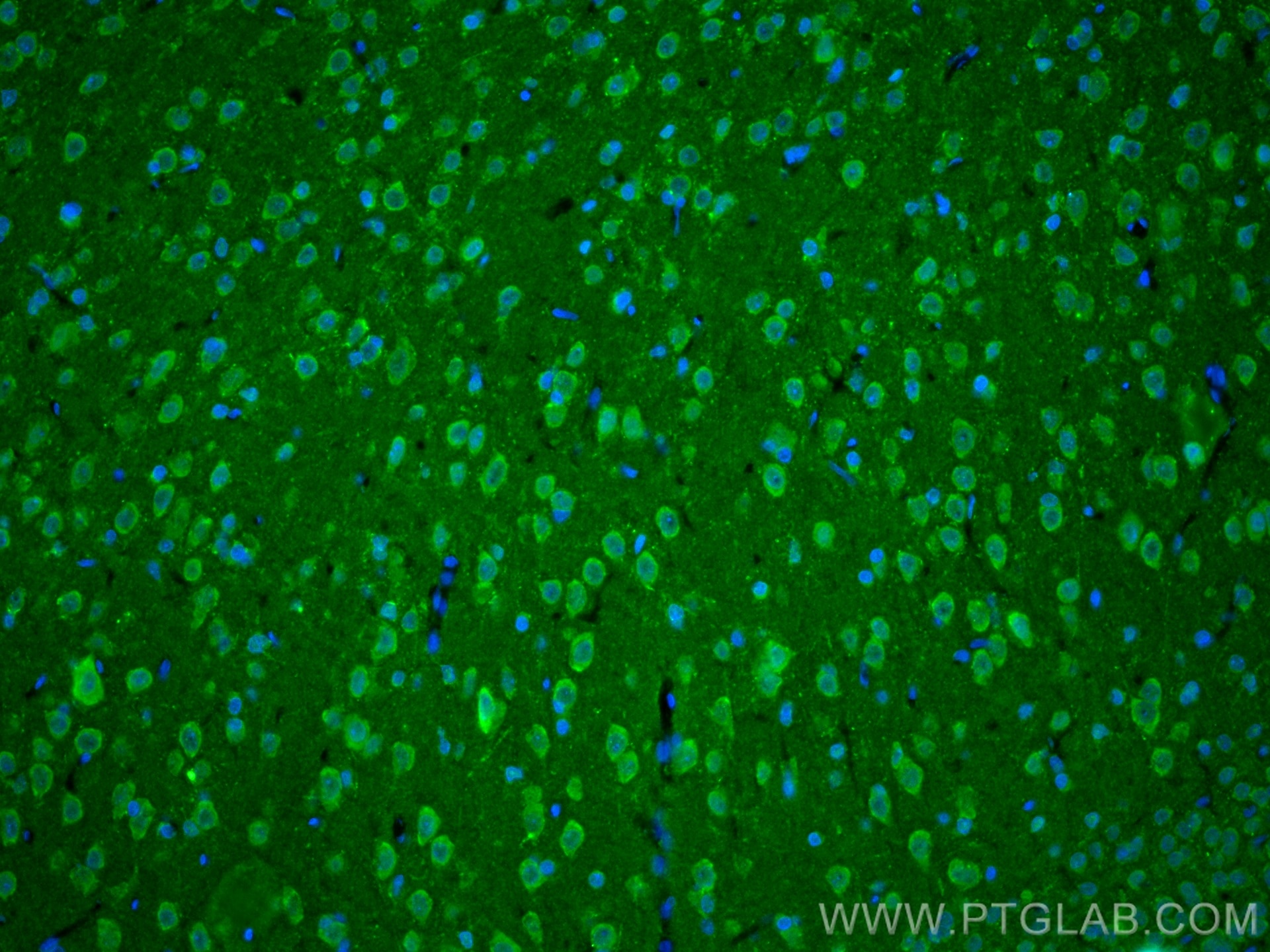
23274-1-PBS targets PINK1 in WB, IHC, IF-P, ELISA applications and shows reactivity with human, mouse, rat samples.
| Tested Reactivity | human, mouse, rat |
| Host / Isotype | Rabbit / IgG |
| Class | Polyclonal |
| Type | Antibody |
| Immunogen |
CatNo: Ag19825 Product name: Recombinant human PINK1 protein Source: e coli.-derived, PGEX-4T Tag: GST Domain: 336-581 aa of BC028215 Sequence: PRLAAMMLLQLLEGVDHLVQQGIAHRDLKSDNILVELDPDGCPWLVIADFGCCLADESIGLQLPFSSWYVDRGGNGCLMAPEVSTARPGPRAVIDYSKADAWAVGAIAYEIFGLVNPFYGQGKAHLESRSYQEAQLPALPESVPPDVRQLVRALLQREASKRPSARVAANVLHLSLWGEHILALKNLKLDKMVGWLLQQSAATLLANRLTEKCCVETKMKMLFLANLECETLCQAALLLCSWRAAL Predict reactive species |
| Full Name | PTEN induced putative kinase 1 |
| Calculated Molecular Weight | 581 aa, 63 kDa |
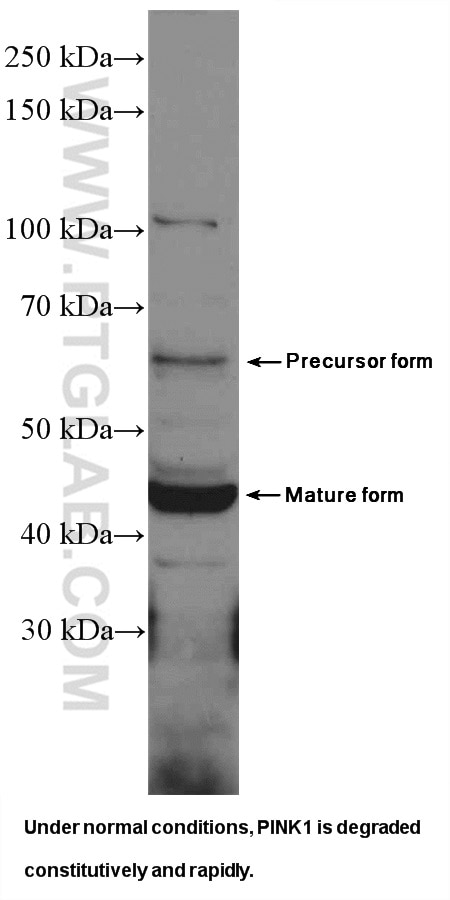
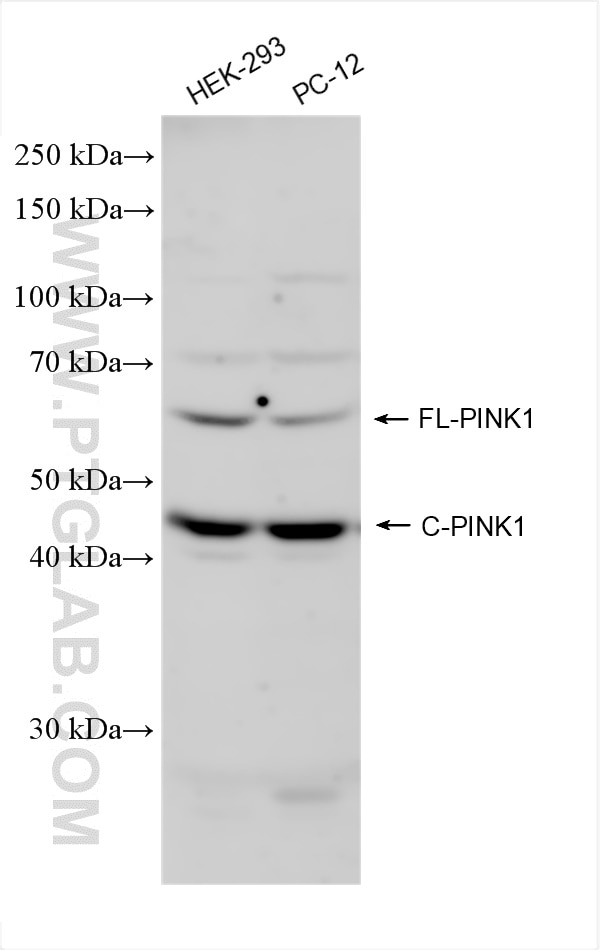
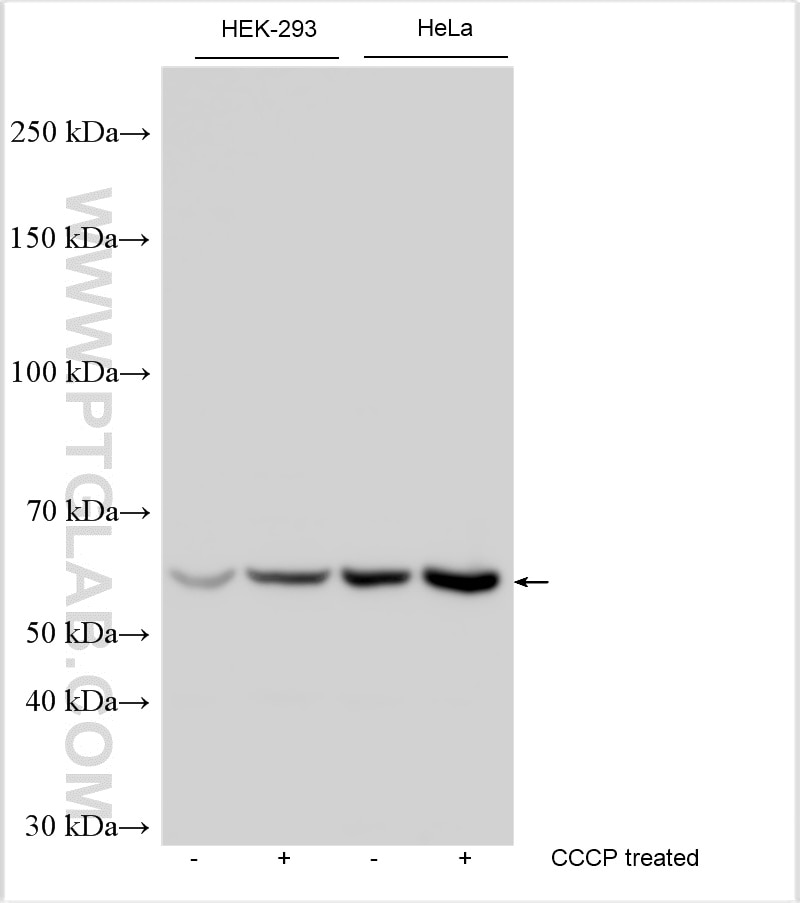
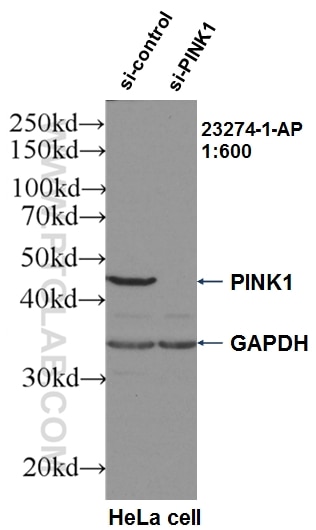
| Observed Molecular Weight | 65 kDa, 45 kDa |
| GenBank Accession Number | BC028215 |
| Gene Symbol | PINK1 |
| Gene ID (NCBI) | 65018 |
| RRID | AB_2879244 |
| Conjugate | Unconjugated |
| Form | Liquid |
| Purification Method | Antigen Affinity purified |
| UNIPROT ID | Q9BXM7 |
| Storage Buffer | PBS only, pH 7.3. |
| Storage Conditions | Store at -80°C. |
Background Information
PINK1 is a mitochondrial serine/threonine-protein kinase that protects cells from stress-induced mitochondrial dysfunction. The precursor of PINK1 (65 kDa) is synthesized in the cytosol and is imported into the outer membrane of mitochondria. PINK1 is further transferred into the inner membrane. The full-length PINK1 can be proteolytically processed into 52-55 kDa and 45-46 kDa forms (PMID: 18221368; 25108683; 18031932). The half-life of the mature form of PINK1 is very short and it was proposed that the proteasome is involved in its degradation (PMID: 23472196). The gene of PINK1 maps to chromosome 1p36.12. Two alternatively spliced variants exist, the shorter isoform (30 kDa) produced by alternative splicing. Mutations in the PINK1 gene cause autosomal recessive early-onset Parkinson's disease.











