
Product Information
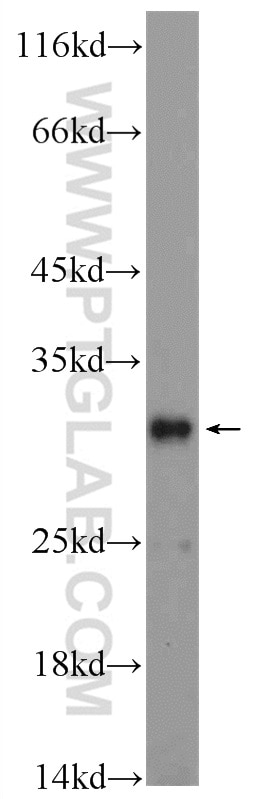
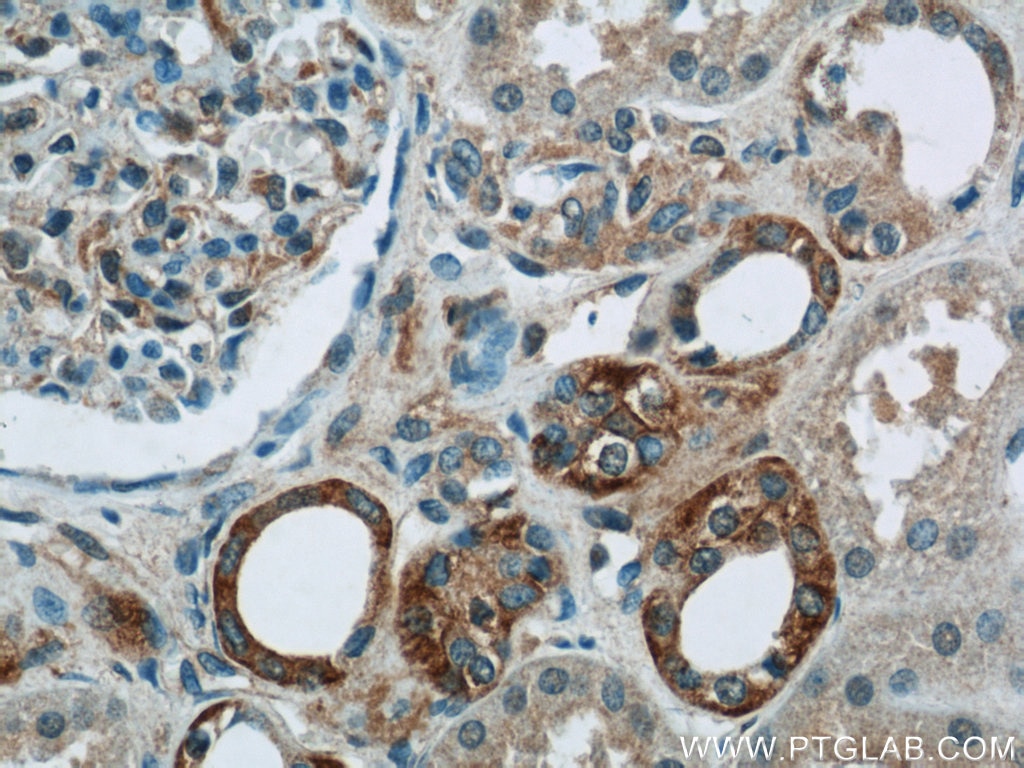
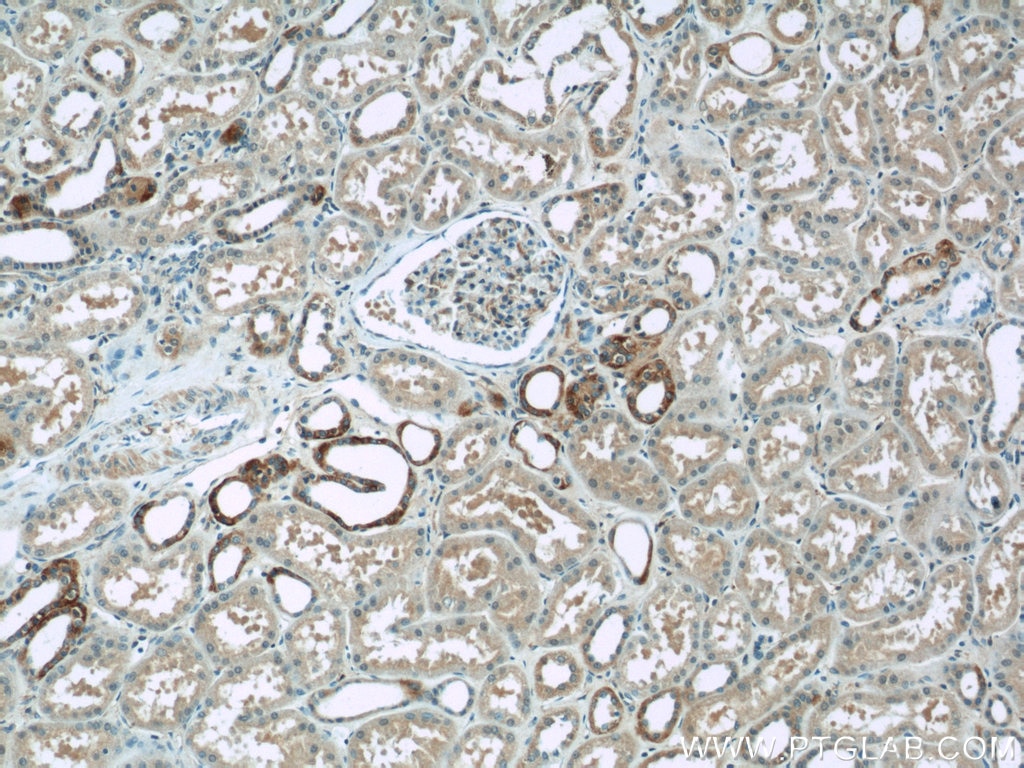
25013-1-PBS targets PIPPIN in WB, IHC, Indirect ELISA applications and shows reactivity with human, mouse samples.
| Tested Reactivity | human, mouse |
| Host / Isotype | Rabbit / IgG |
| Class | Polyclonal |
| Type | Antibody |
| Immunogen |
CatNo: Ag16216 Product name: Recombinant human CSDC2 protein Source: e coli.-derived, PGEX-4T Tag: GST Domain: 1-103 aa of BC067113 Sequence: MTSESTSPPVVPPLHSPKSPVWPTFPFHREGSRVWERGGVPPRDLPSPLPTKRTRTYSATARASAGPVFKGVCKQFSRSQGHGFITPENGSEDIFVHVSDIEG Predict reactive species |
| Full Name | cold shock domain containing C2, RNA binding |
| Calculated Molecular Weight | 153 aa, 17 kDa |
| Observed Molecular Weight | 30 kDa |
| GenBank Accession Number | BC067113 |
| Gene Symbol | CSDC2 |
| Gene ID (NCBI) | 27254 |
| RRID | AB_2879845 |
| Conjugate | Unconjugated |
| Form | Liquid |
| Purification Method | Antigen affinity purification |
| UNIPROT ID | Q9Y534 |
| Storage Buffer | PBS only, pH 7.3. |
| Storage Conditions | Store at -80°C. |
Background Information
PIPPIN, also known as CSDC2 (Cold shock domain-containing protein C2) is an RNA‐binding protein (RBP), highly enriched in the rat brain, specifically enriched in some pyramidal neurons of the cerebral cortex and in the Purkinje cells of the cerebellum (PMID: 10446180). PIPPIN has the potential to undergo different posttranslational modifications and might be a good candidate to regulate the synthesis of specific proteins in response to extracellular stimuli. Nuclear CSDC2 is connected to proliferation and cytoplasmic CSDC2 to terminal differentiation in the decidua and that CSDC2 could regulate differentiation during decidua development (PMID: 30078185, PMID: 17053029).




