
Product Information
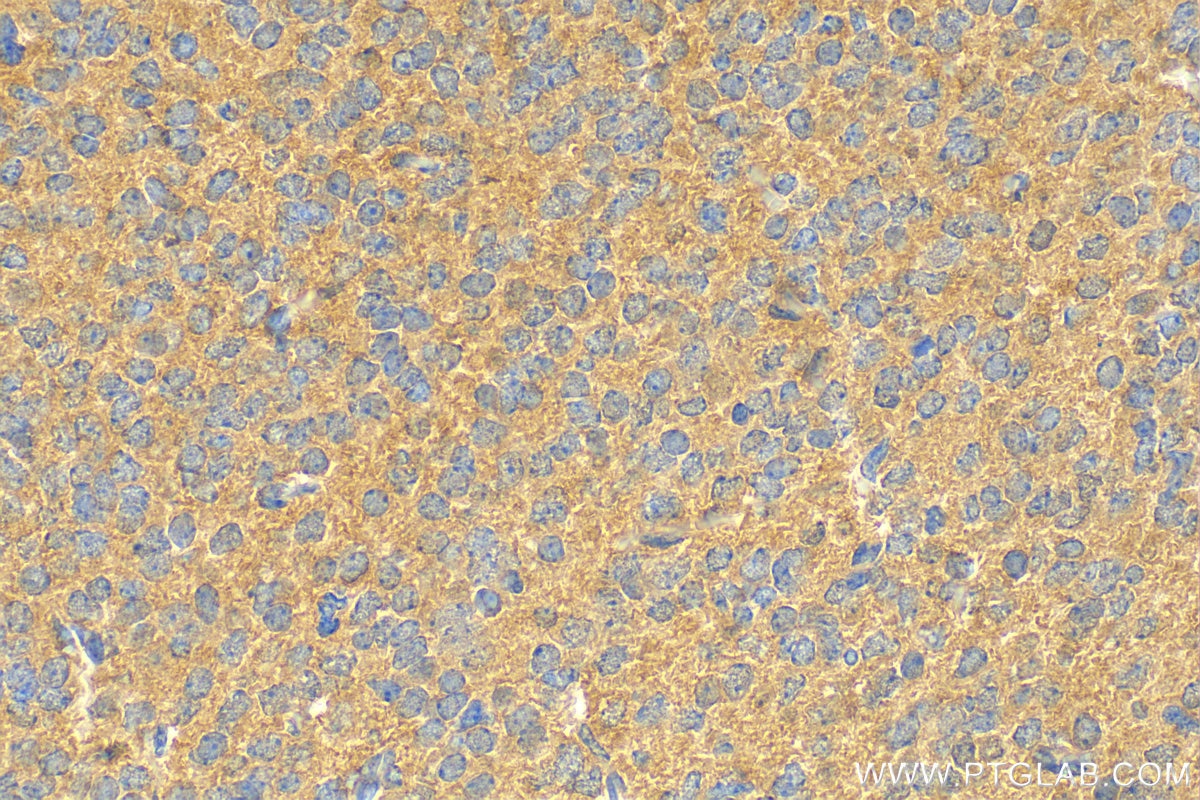
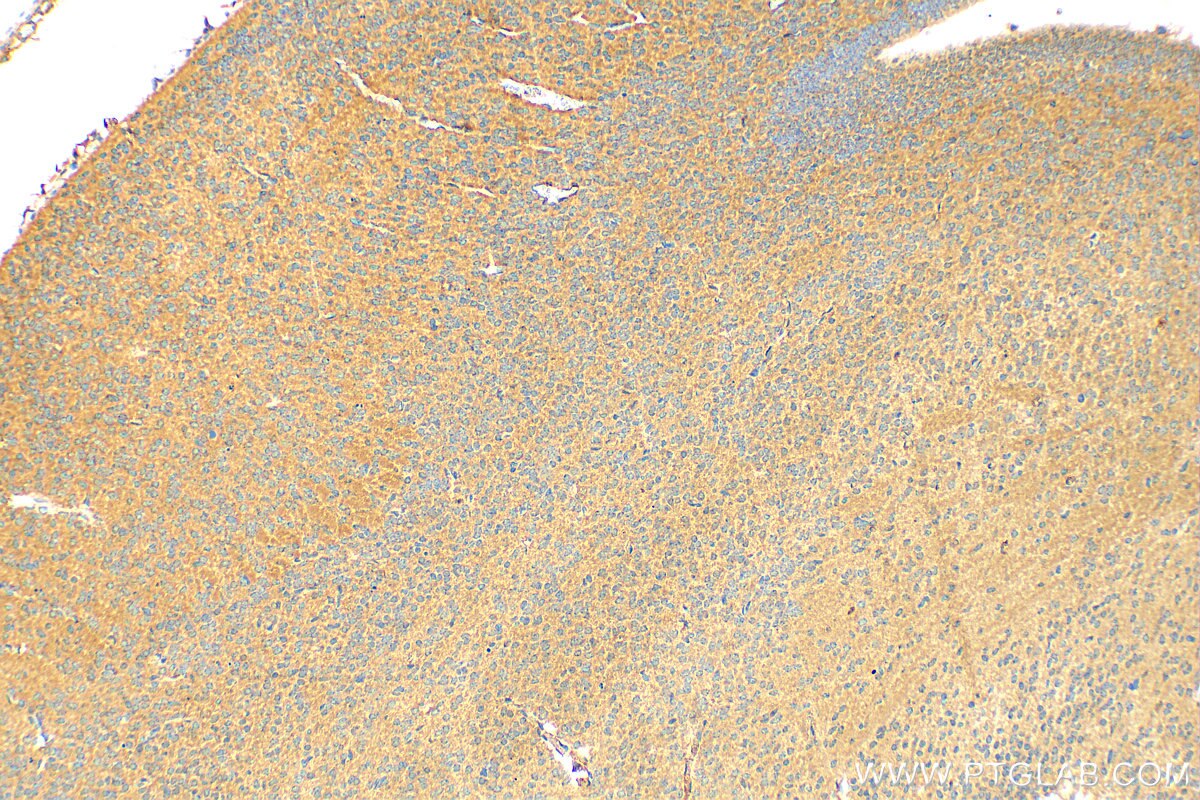
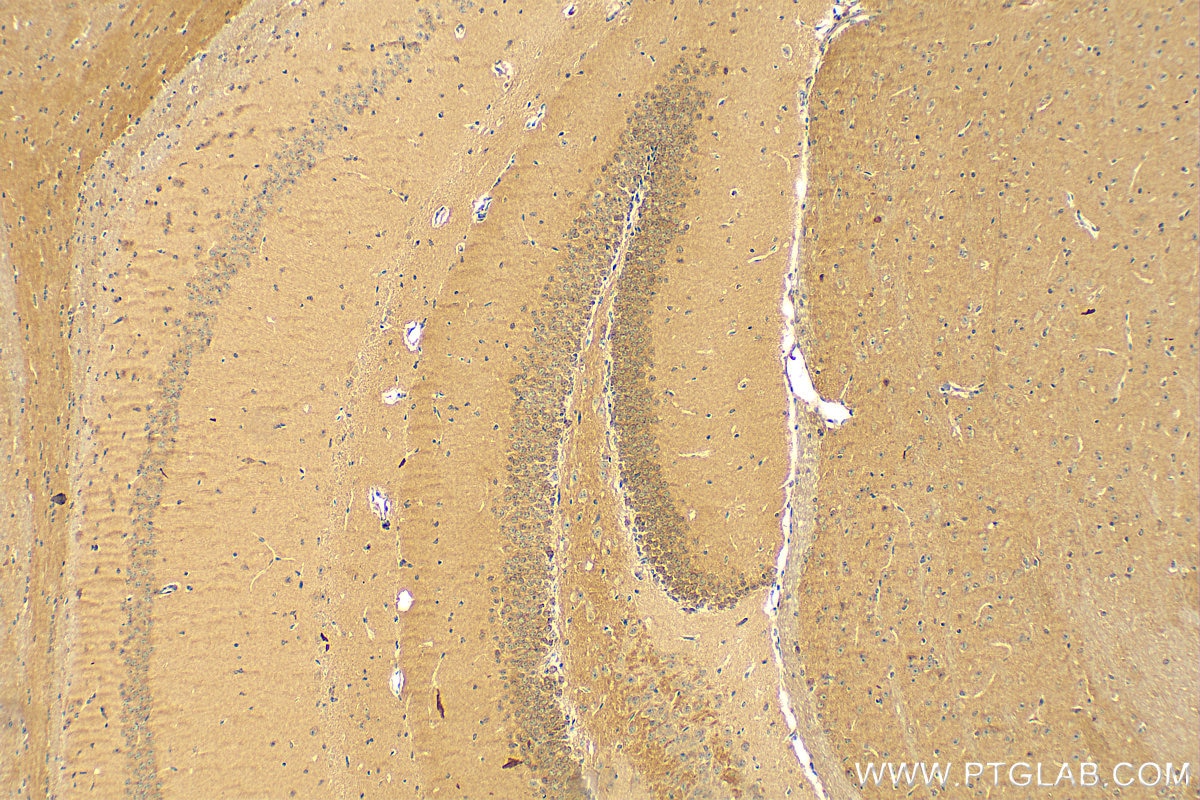
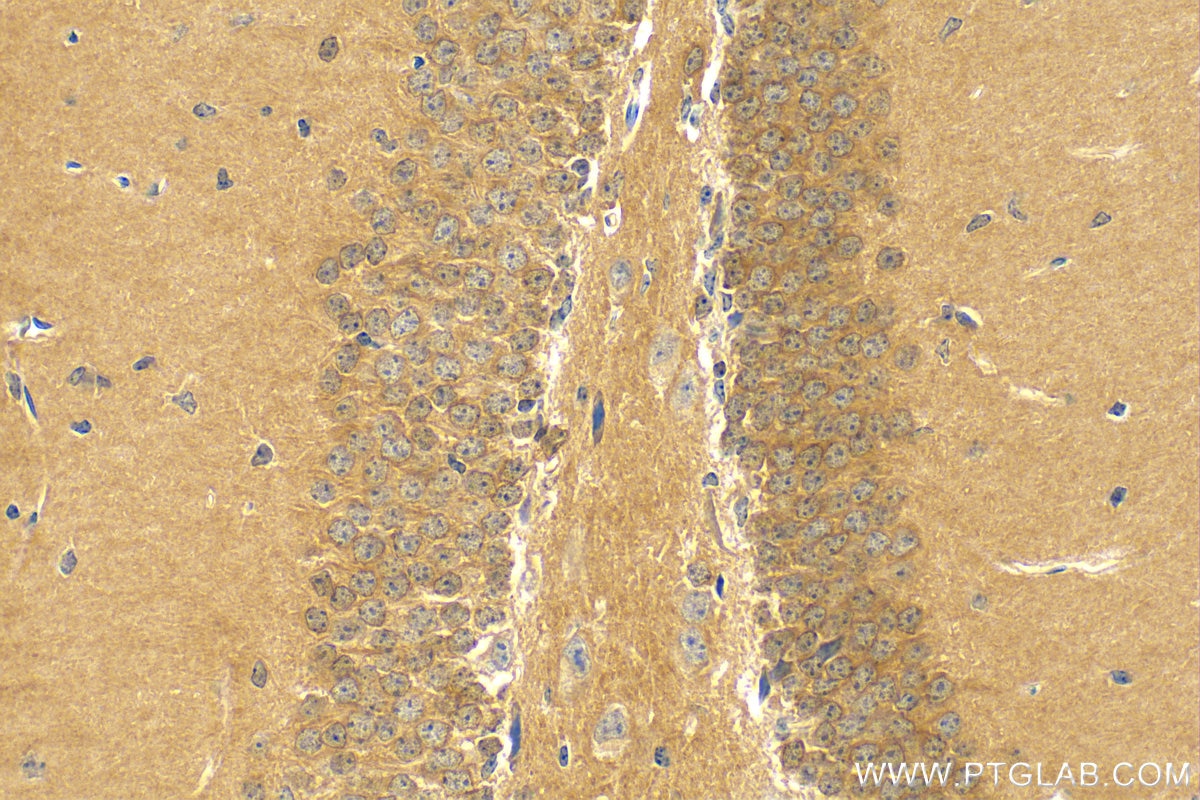
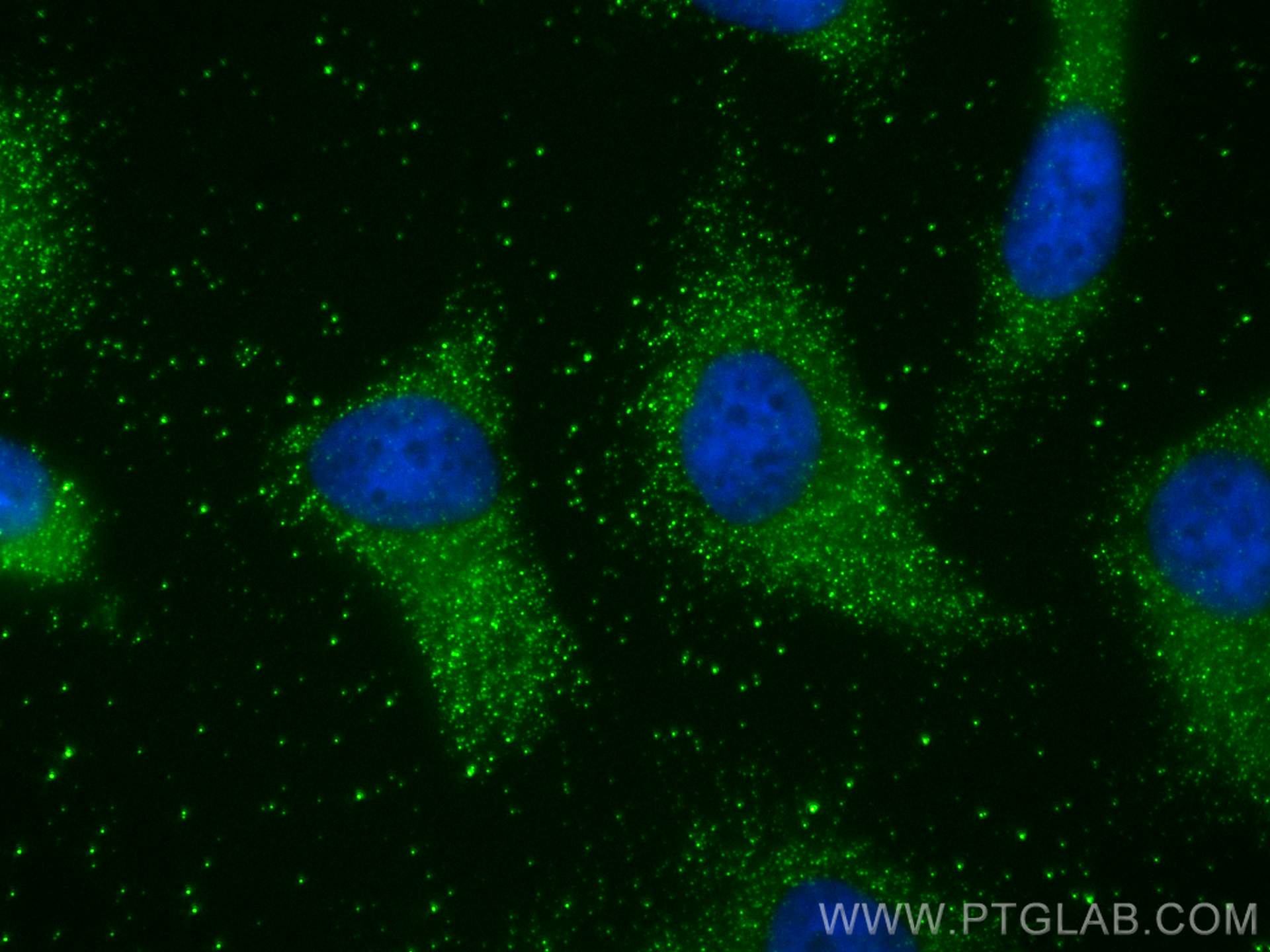
11743-1-PBS targets PKIA in IHC, IF/ICC, Indirect ELISA applications and shows reactivity with human, mouse, rat samples.
| Tested Reactivity | human, mouse, rat |
| Host / Isotype | Rabbit / IgG |
| Class | Polyclonal |
| Type | Antibody |
| Immunogen |
CatNo: Ag2338 Product name: Recombinant human PKIA protein Source: e coli.-derived, PGEX-4T Tag: GST Domain: 1-76 aa of BC022265 Sequence: MTDVETTYADFIASGRTGRRNAIHDILVSSASGNSNELALKLAGLDINKTEGEEDAQRSSTEQSGEAQGEAAKSES Predict reactive species |
| Full Name | protein kinase (cAMP-dependent, catalytic) inhibitor alpha |
| Calculated Molecular Weight | 76 aa, 8 kDa |
| GenBank Accession Number | BC022265 |
| Gene Symbol | PKIA |
| Gene ID (NCBI) | 5569 |
| RRID | AB_3085380 |
| Conjugate | Unconjugated |
| Form | Liquid |
| Purification Method | Antigen affinity purification |
| UNIPROT ID | P61925 |
| Storage Buffer | PBS only, pH 7.3. |
| Storage Conditions | Store at -80°C. |
Background Information
cAMP-dependent protein kinase inhibitor alpha (PKIA) is also named as PRKACN1, and belongs to the PKI family. Among them, PKIA, a member of protein kinase A (PKA) inhibitor family, was found to be most significantly and highly expressed in susceptible animals (PMID:24910983). Decreased PKIA signaling would directly impact PKA activation, potentially inducing DRP1 phosphorylation and increasing ER Ca2+ stores (PMID:32152556). miR-129-5p activated PKA to regulate the phosphorylation of beta-catenin and cAMP-response element binding protein (CREB) by inhibiting PKIA (PMID:36222334).






