

Tested Applications
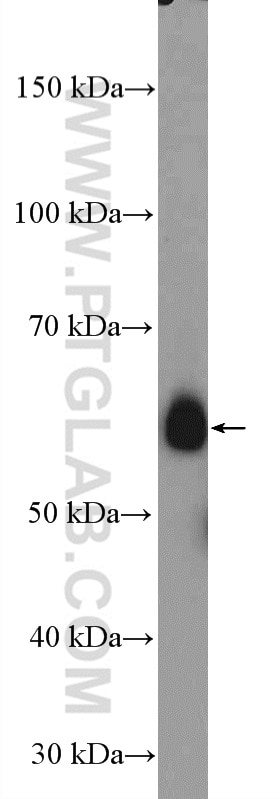
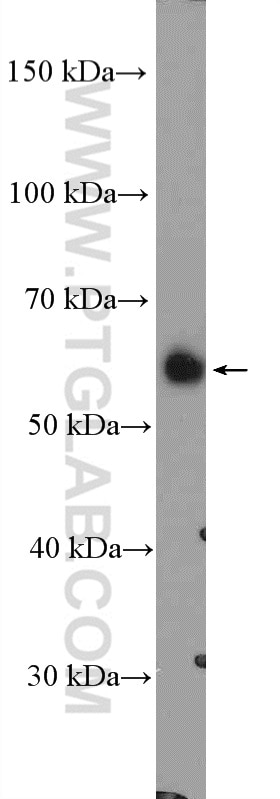
| Positive WB detected in | mouse spleen tissue, mouse kidney tissue |
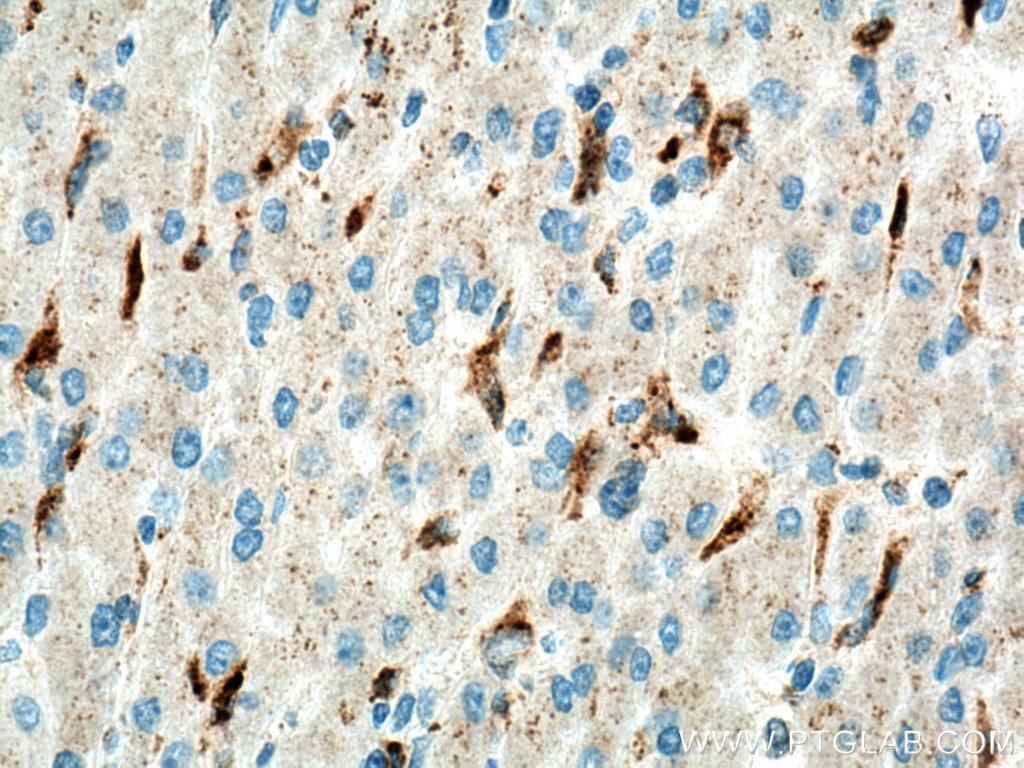
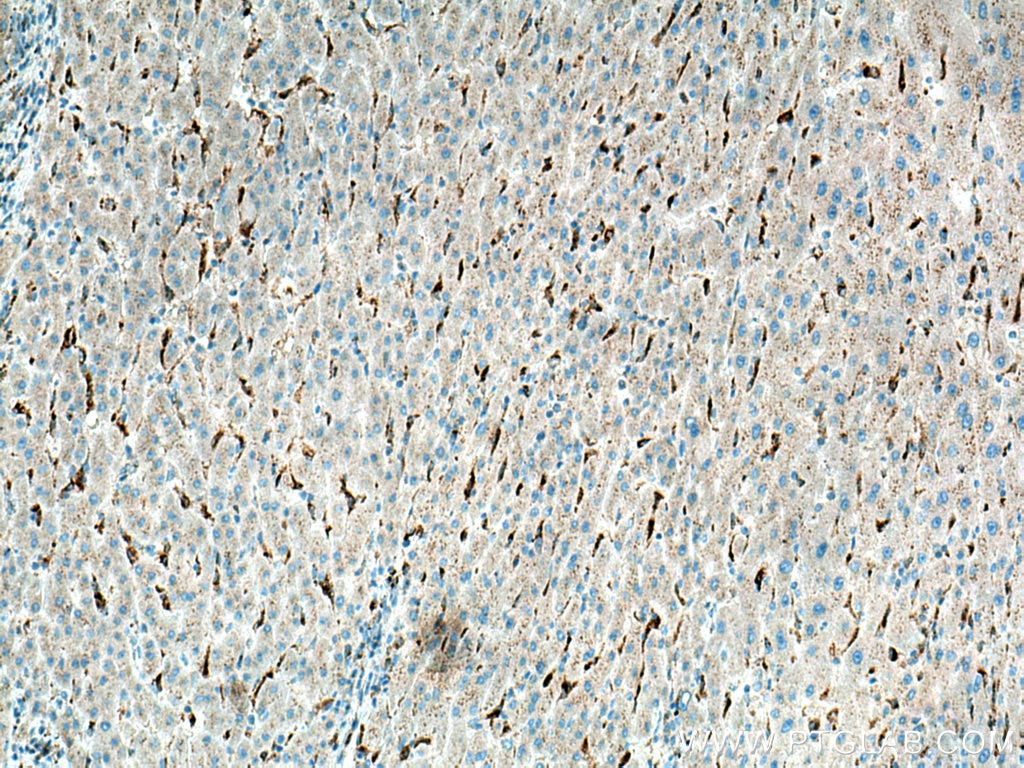
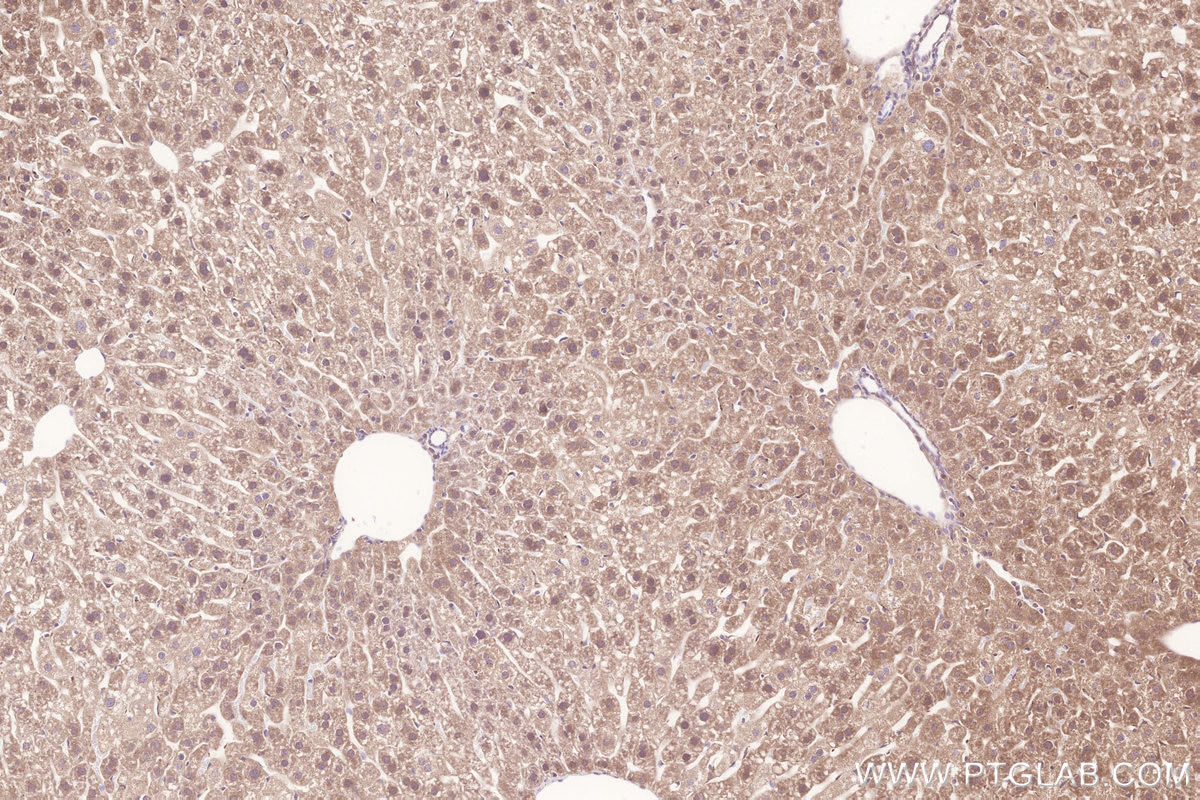
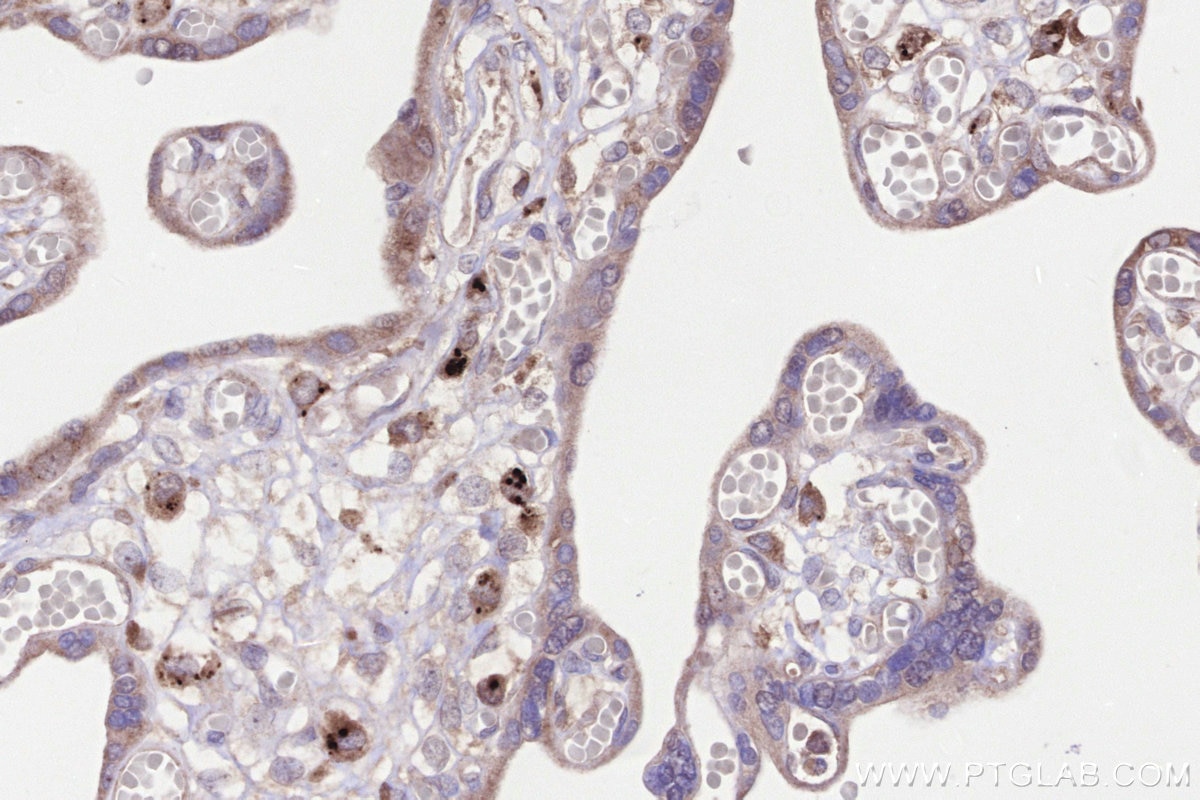
| Positive IHC detected in | human liver cancer tissue, mouse liver tissue, human placenta tissue Note: suggested antigen retrieval with TE buffer pH 9.0; (*) Alternatively, antigen retrieval may be performed with citrate buffer pH 6.0 |
Recommended dilution
| Application | Dilution |
|---|---|
| Western Blot (WB) | WB : 1:500-1:2000 |
| Immunohistochemistry (IHC) | IHC : 1:50-1:500 |
| It is recommended that this reagent should be titrated in each testing system to obtain optimal results. | |
| Sample-dependent, Check data in validation data gallery. | |
Product Information
10863-2-AP targets LYPLA3 in WB, IHC, IF, ELISA applications and shows reactivity with human, mouse samples.
| Tested Reactivity | human, mouse |
| Cited Reactivity | human |
| Host / Isotype | Rabbit / IgG |
| Class | Polyclonal |
| Type | Antibody |
| Immunogen |
CatNo: Ag1304 Product name: Recombinant human PLA2G15 protein Source: e coli.-derived, PGEX-4T Tag: GST Domain: 1-277 aa of BC011640 Sequence: SYFHTMVESLVGWGYTRGEDVRGAPYDWRRAPNENGPYFLALREMIEEMYQLYGGPVVLVAHSMGNMYTLYFLQRQPQAWKDKYIRAFVSLGAPWGGVAKTLRVLASGDNNRIPVIGPLKIREQQRSAVSTSWLLPYNYTWSPEKVFVQTPTINYTLRDYRKFFQDIGFEDGWLMRQDTEGLVEATMPPGVQLHCLYGTGVPTPDSFYYESFPDRDPKICFGDGDGTVNLKSALQCQAWQSRQEHQVLLQELPGSEHIEMLANATTLAYLKRVLLGP Predict reactive species |
| Full Name | phospholipase A2, group XV |
| Calculated Molecular Weight | 47 kDa |
| Observed Molecular Weight | 42-57 kDa |
| GenBank Accession Number | BC011640 |
| Gene Symbol | PLA2G15 |
| Gene ID (NCBI) | 23659 |
| RRID | AB_2283832 |
| Conjugate | Unconjugated |
| Form | Liquid |
| Purification Method | Antigen affinity purification |
| UNIPROT ID | Q8NCC3 |
| Storage Buffer | PBS with 0.02% sodium azide and 50% glycerol, pH 7.3. |
| Storage Conditions | Store at -20°C. Stable for one year after shipment. Aliquoting is unnecessary for -20oC storage. 20ul sizes contain 0.1% BSA. |
Background Information
PLA2G15 is also named as LYPLA3 and belongs to the AB hydrolase superfamily. It has transacylase and calcium-independent phospholipase A2 activity. PLA2G15 catalyzes the formation of 1-O-acyl-N-acetylsphingosine and the concomitant release of a lyso-phospholipid. It can be detected as 42-47 kDa and 57 kDa due to the N-glycosylated modification (PMID:11790796).
Protocols
| Product Specific Protocols | |
|---|---|
| IHC protocol for LYPLA3 antibody 10863-2-AP | Download protocol |
| WB protocol for LYPLA3 antibody 10863-2-AP | Download protocol |
| Standard Protocols | |
|---|---|
| Click here to view our Standard Protocols |
Publications
What published studies show
The LYPLA3 (PLA2G15) polyclonal antibody, catalog number 10863-2-AP, has a total of 3 citations. These appear in Cell Metabolism, JOR Spine, and bioRxiv. The associated research fields include tumor metabolism and skeletal muscle weakness upon irradiation, intervertebral disc degeneration involving lysosomal membrane permeabilization, and lysosomal protein loss affecting nuclear envelope lipid content with DNA damage and pro-apoptotic signaling.
| Species | Application | Title |
|---|---|---|
Cell Metab Arachidonic acid triggers spermidine synthase secretion from primary tumor to induce skeletal muscle weakness upon irradiation | ||
JOR Spine Inhibition of PLA2G15 Alleviates Palmitic Acid-Induced Lysosomal Membrane Permeabilization in Human Nucleus Pulposus Cells During Intervertebral Disc Degeneration. | ||
bioRxiv Loss of the lysosomal protein CLN3 modifies the lipid content of the nuclear envelope leading to DNA damage and activation of YAP1 pro-apoptotic signaling |







