

Tested Applications
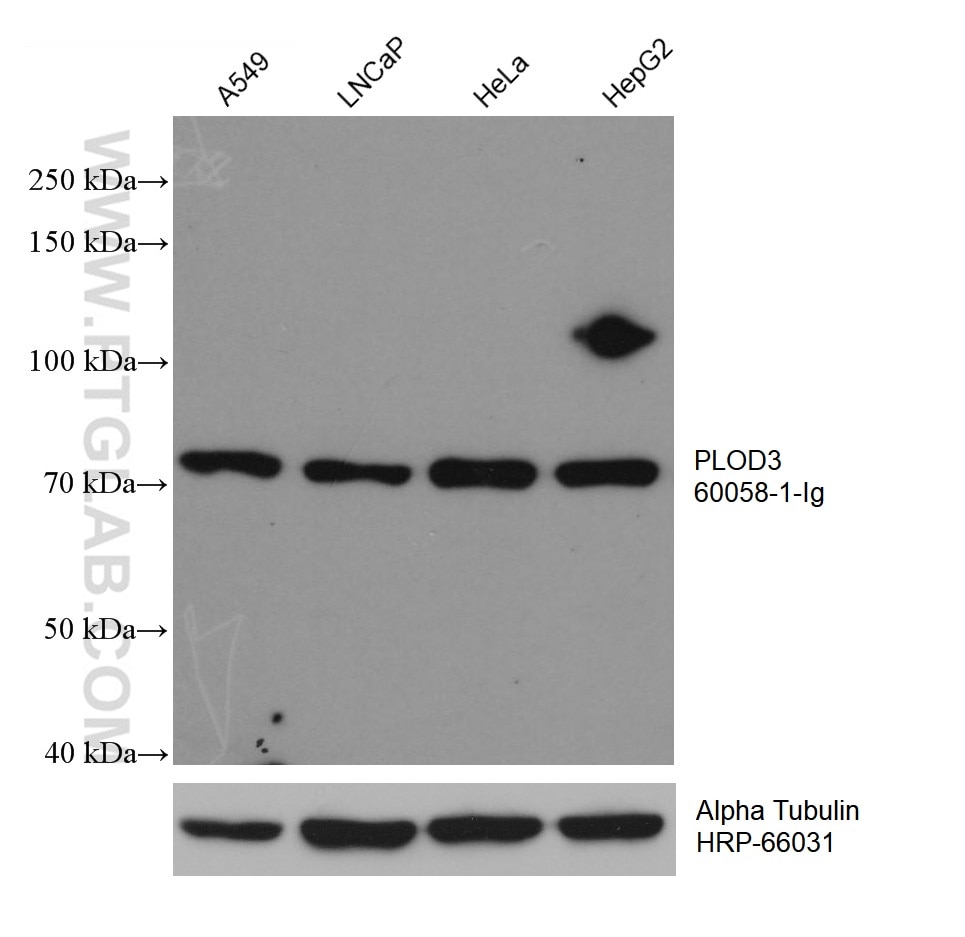
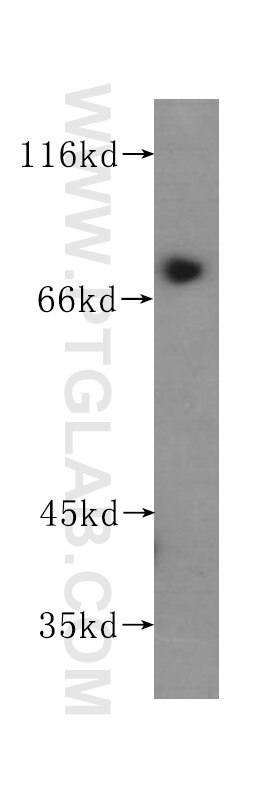
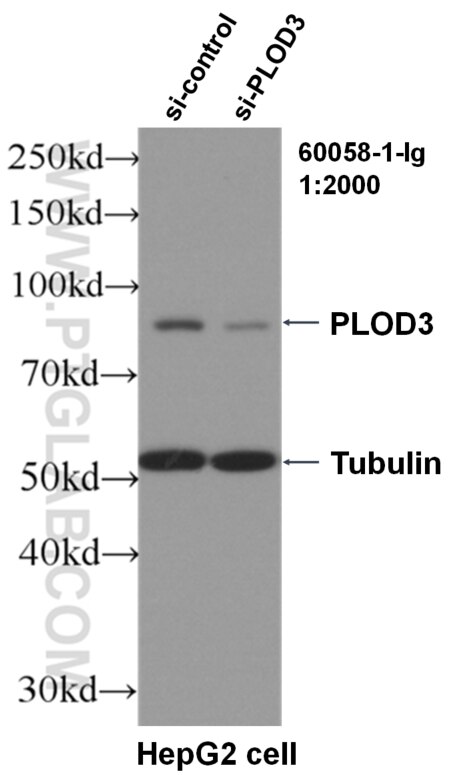
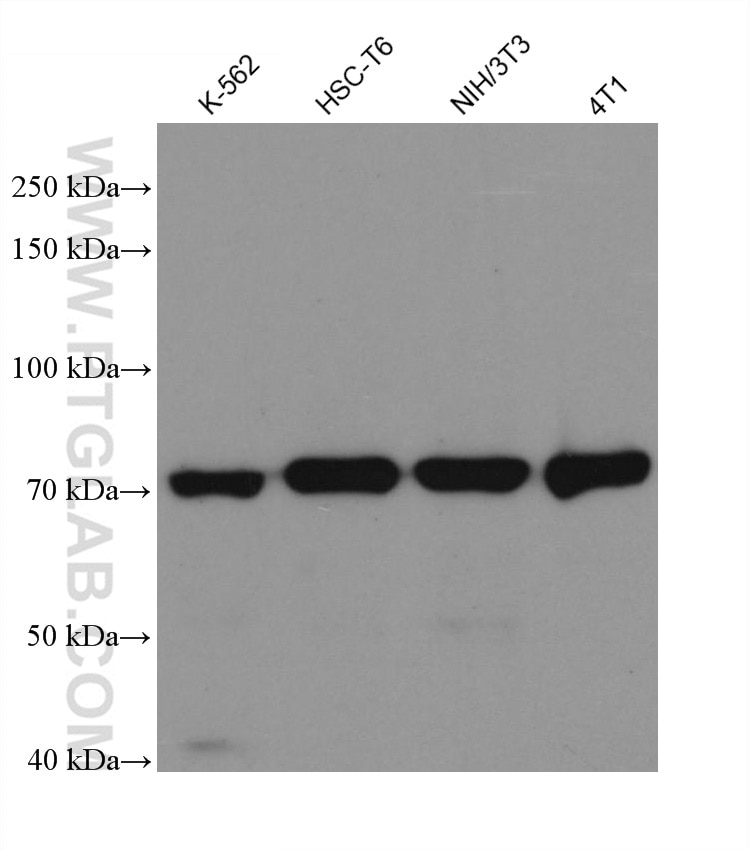
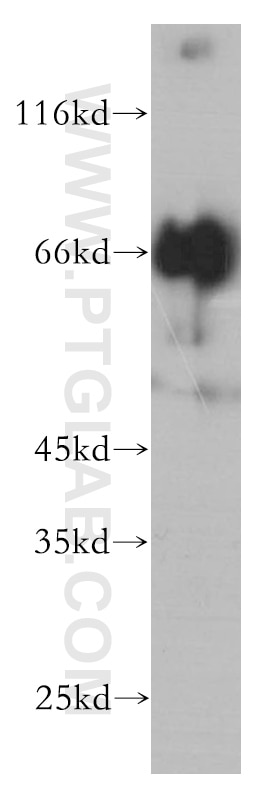
| Positive WB detected in | A549 cells, HepG2 cells, human placenta tissue, PC-3 cells, K-562 cells, LNCaP cells, HeLa cells, HSC-T6 cells, NIH/3T3 cells, 4T1 cells |
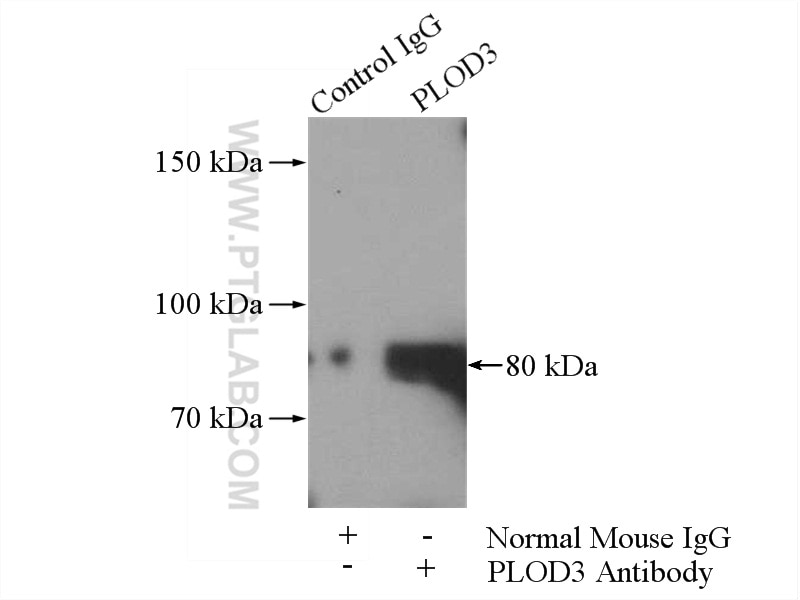
| Positive IP detected in | HeLa cells |
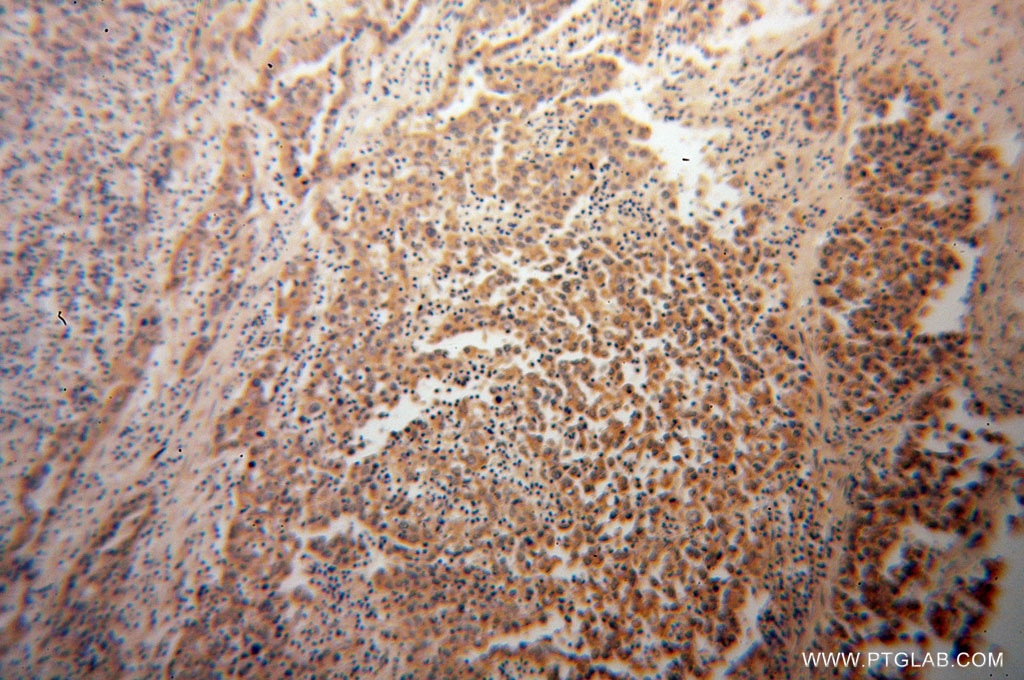
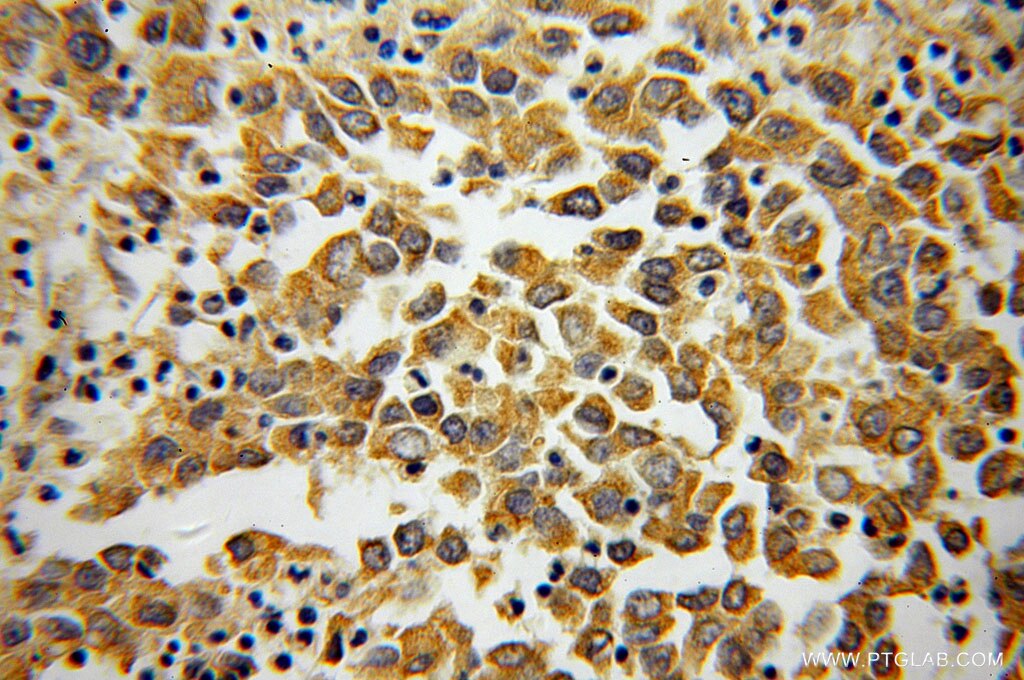
| Positive IHC detected in | human pancreas cancer tissue Note: suggested antigen retrieval with TE buffer pH 9.0; (*) Alternatively, antigen retrieval may be performed with citrate buffer pH 6.0 |
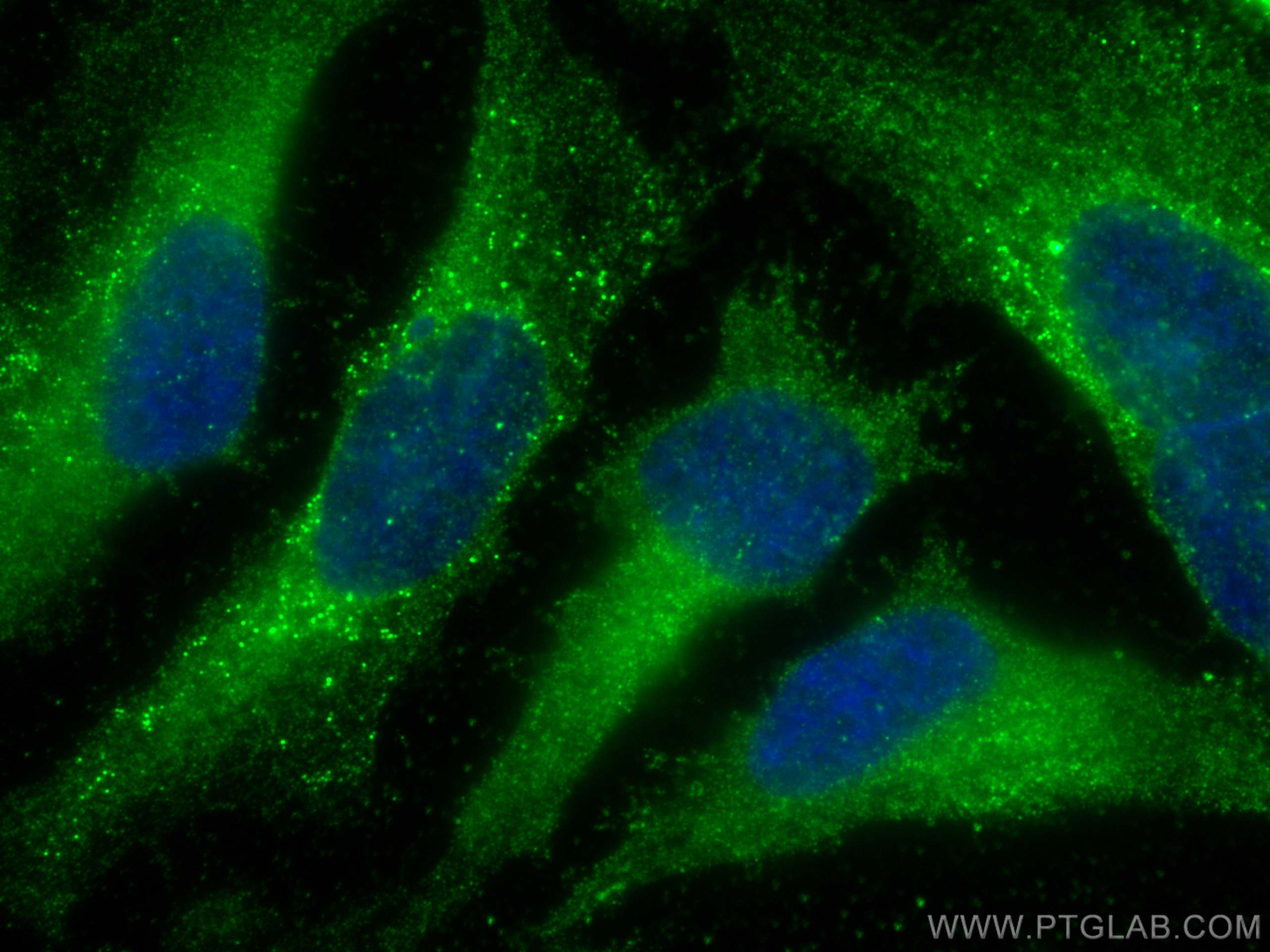
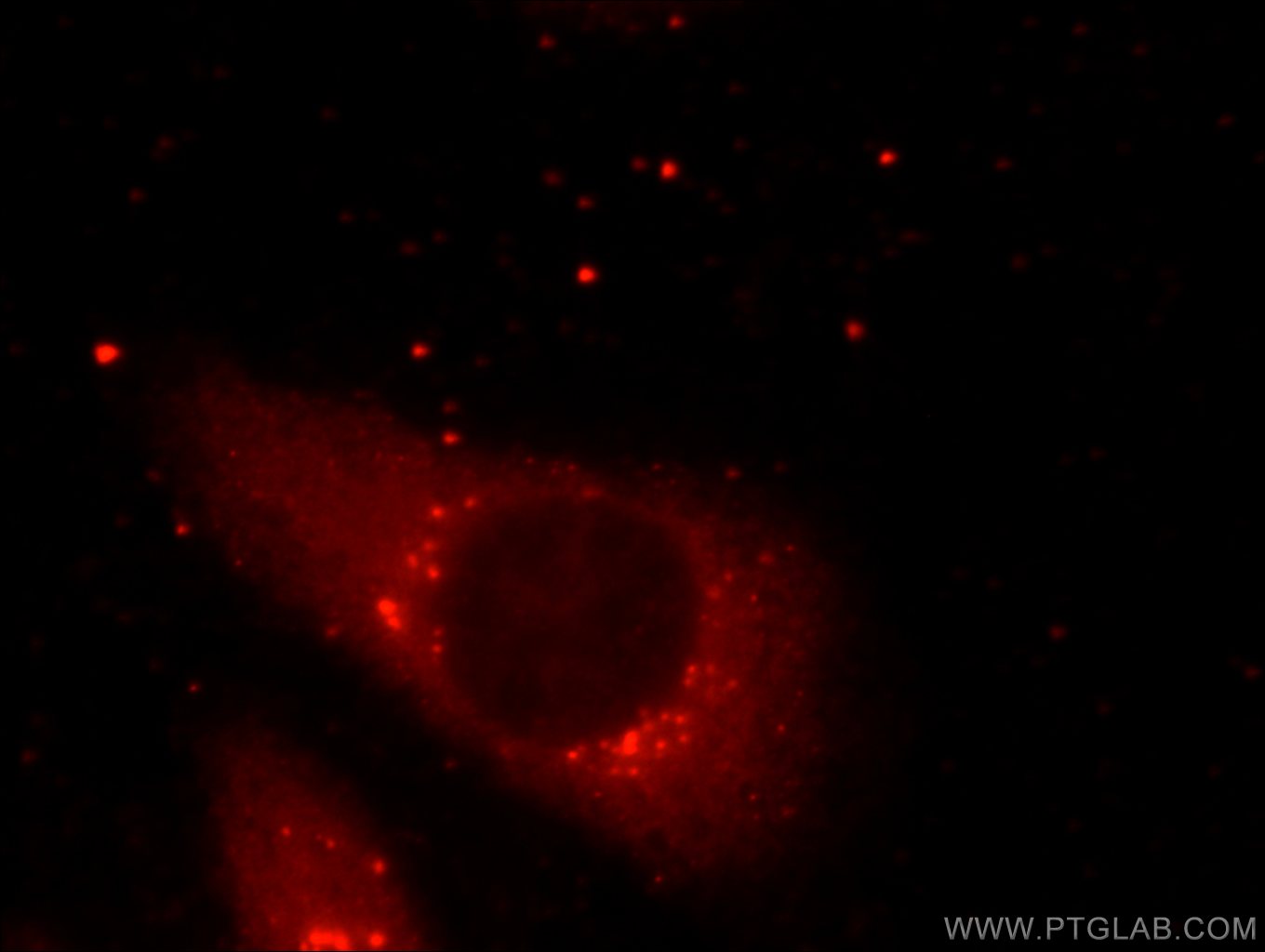
| Positive IF/ICC detected in | HeLa cells |
Recommended dilution
| Application | Dilution |
|---|---|
| Western Blot (WB) | WB : 1:5000-1:50000 |
| Immunoprecipitation (IP) | IP : 0.5-4.0 ug for 1.0-3.0 mg of total protein lysate |
| Immunohistochemistry (IHC) | IHC : 1:20-1:200 |
| Immunofluorescence (IF)/ICC | IF/ICC : 1:200-1:800 |
| It is recommended that this reagent should be titrated in each testing system to obtain optimal results. | |
| Sample-dependent, Check data in validation data gallery. | |
Product Information
60058-1-Ig targets PLOD3 in WB, IHC, IF/ICC, IP, ELISA applications and shows reactivity with human, mouse, rat samples.
| Tested Reactivity | human, mouse, rat |
| Cited Reactivity | human, mouse |
| Host / Isotype | Mouse / IgG2a |
| Class | Monoclonal |
| Type | Antibody |
| Immunogen |
CatNo: Ag1480 Product name: Recombinant human PLOD3 protein Source: e coli.-derived, PGEX-4T Tag: GST Domain: 339-738 aa of BC011674 Sequence: HEPHIADSWPQLQDHFSAVKLVGPEEALSPGEARDMAMDLCRQDPECEFYFSLDADAVLTNLQTLRILIEENRKVIAPMLSRHGKLWSNFWGALSPDEYYARSEDYVELVQRKRVGVWNVPYISQAYVIRGDTLRMELPQRDVFSGSDTDPDMAFCKSFRDKGIFLHLSNQHEFGRLLATSRYDTEHLHPDLWQIFDNPVDWKEQYIHENYSRALEGEGIVEQPCPDVYWFPLLSEQMCDELVAEMEHYGQWSGGRHEDSRLAGGYENVPTVDIHMKQVGYEDQWLQLLRTYVGPMTESLFPGYHTKARAVMNFVVRYRPDEQPSLRPHHDSSTFTLNVALNHKGLDYEGGGCRFLRYDCVISSPRKGWALLHPGRLTHYHEGLPTTWGTRYIMVSFVDP Predict reactive species |
| Full Name | procollagen-lysine, 2-oxoglutarate 5-dioxygenase 3 |
| Calculated Molecular Weight | 738 aa, 85 kDa |
| Observed Molecular Weight | 80-85 kDa |
| GenBank Accession Number | BC011674 |
| Gene Symbol | PLOD3 |
| Gene ID (NCBI) | 8985 |
| RRID | AB_2165779 |
| Conjugate | Unconjugated |
| Form | Liquid |
| Purification Method | Protein A purification |
| UNIPROT ID | O60568 |
| Storage Buffer | PBS with 0.02% sodium azide and 50% glycerol, pH 7.3. |
| Storage Conditions | Store at -20°C. Stable for one year after shipment. Aliquoting is unnecessary for -20oC storage. 20ul sizes contain 0.1% BSA. |
Background Information
PLOD3, also named as LH3, forms hydroxylysine residues in -Xaa-Lys-Gly- sequences in collagens. These hydroxylysines serve as sites of attachment for carbohydrate units and are essential for the stability of the intermolecular collagen cross-links. The major function of PLOD3 in osteoblasts is to glucosylate galactosylhydroxylysine residues in type I collagen.
Protocols
| Product Specific Protocols | |
|---|---|
| IF protocol for PLOD3 antibody 60058-1-Ig | Download protocol |
| IHC protocol for PLOD3 antibody 60058-1-Ig | Download protocol |
| IP protocol for PLOD3 antibody 60058-1-Ig | Download protocol |
| WB protocol for PLOD3 antibody 60058-1-Ig | Download protocol |
| Standard Protocols | |
|---|---|
| Click here to view our Standard Protocols |
Publications
What published studies show
The PLOD3 Monoclonal antibody (2G12B8), catalog number 60058-1-Ig, has 4 total citations. These appear in JCI Insight, Frontiers in Oncology, PLoS ONE, and Matrix Biology Plus. The cited research spans lung adenocarcinoma metastasis, clear cell renal cell carcinoma prognostic biomarkers, recessive dystrophic epidermolysis bullosa, and collagen modification effects on cancer cells. All citations used Western blot as the application.
| Species | Application | Title |
|---|---|---|
JCI Insight Transcriptional control of a collagen deposition and adhesion process that promotes lung adenocarcinoma growth and metastasis. | ||
Front Oncol Prognostic biomarker and clinical significance of PLOD gene family in clear cell renal cell carcinoma. | ||
PLoS One Lysyl Hydroxylase 3 Localizes to Epidermal Basement Membrane and Is Reduced in Patients with Recessive Dystrophic Epidermolysis Bullosa. | ||
Matrix Biol Plus Use of osteoblast-derived matrix to assess the influence of collagen modifications on cancer cells. |












