

Tested Applications
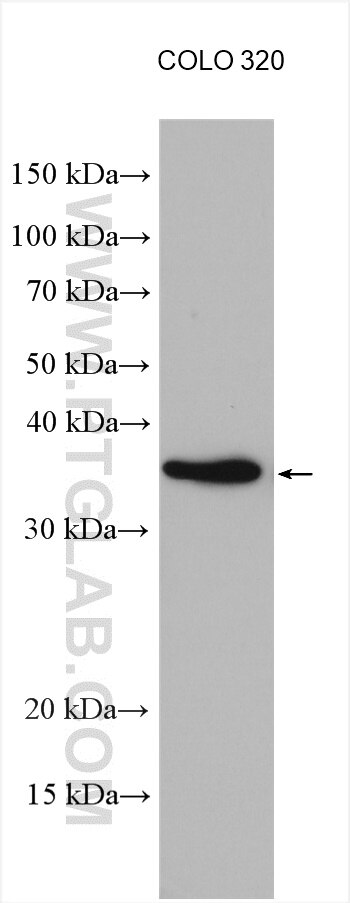
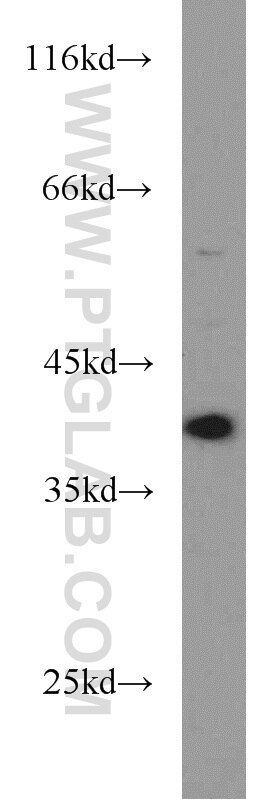
| Positive WB detected in | COLO 320 cells, K-562 cells |
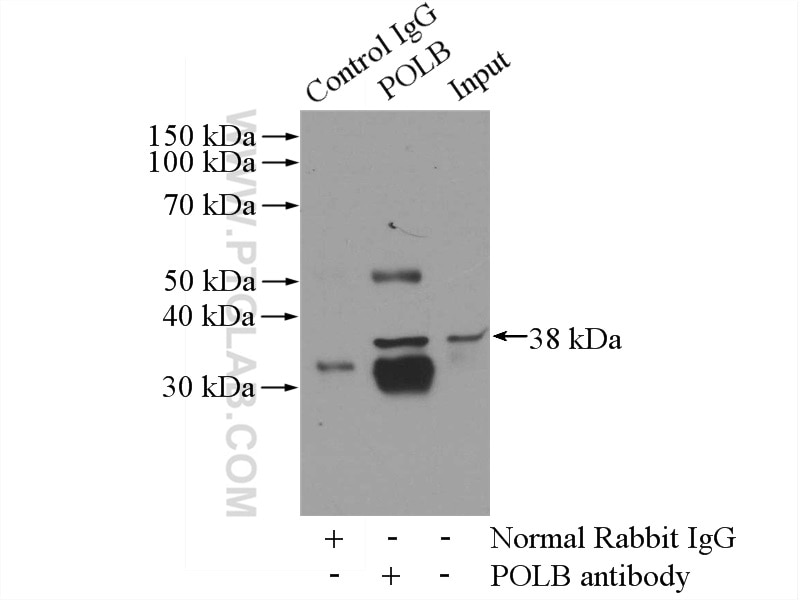
| Positive IP detected in | K-562 cells |
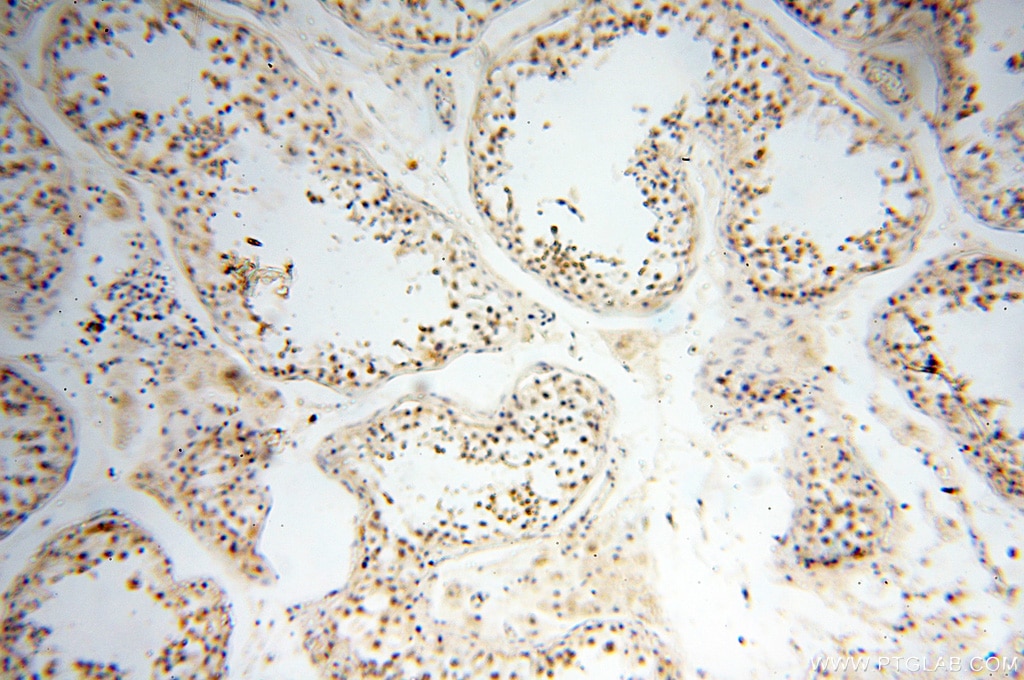
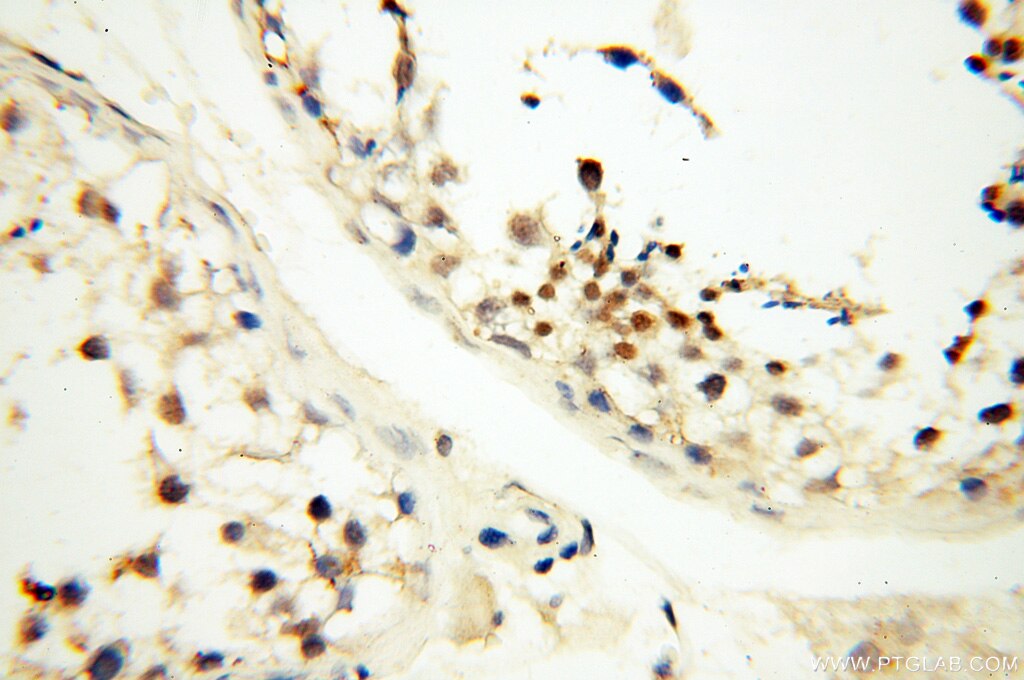
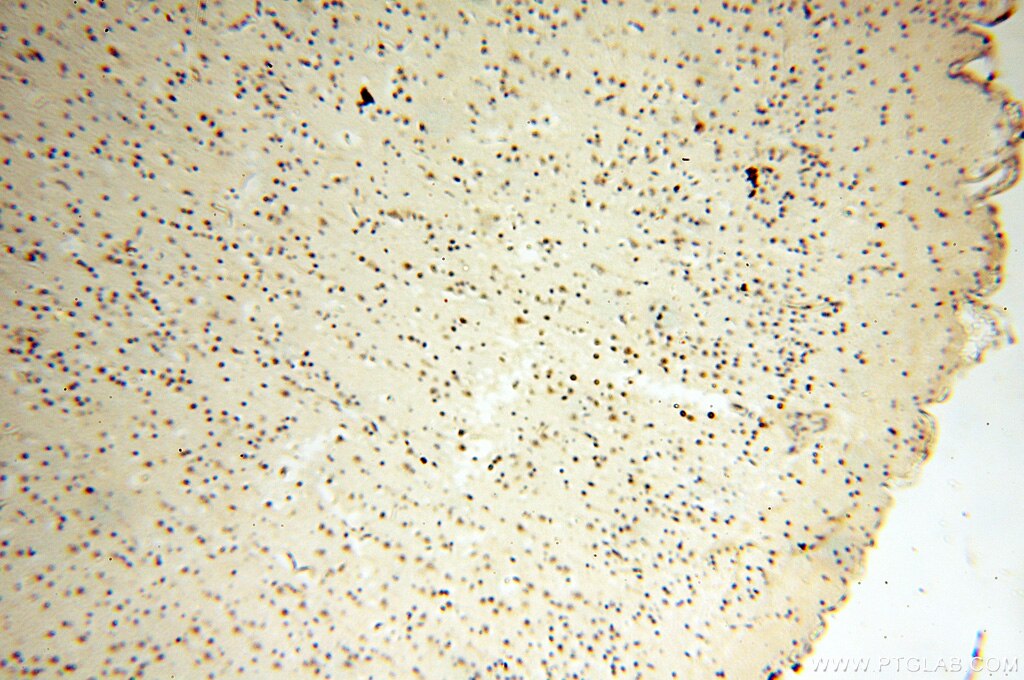
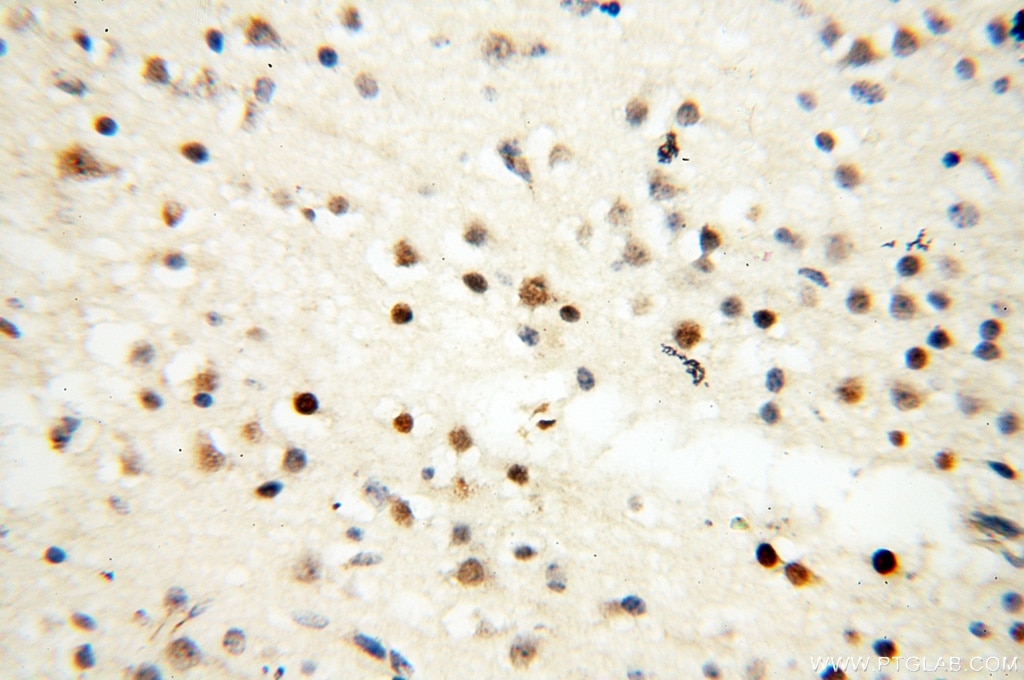
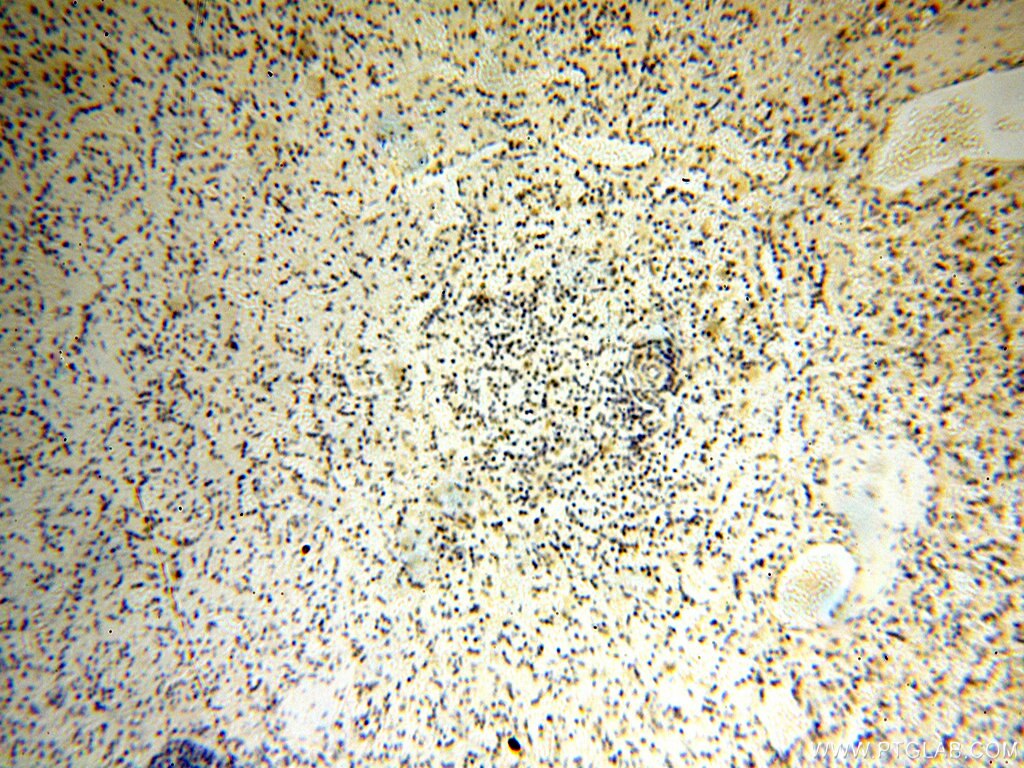
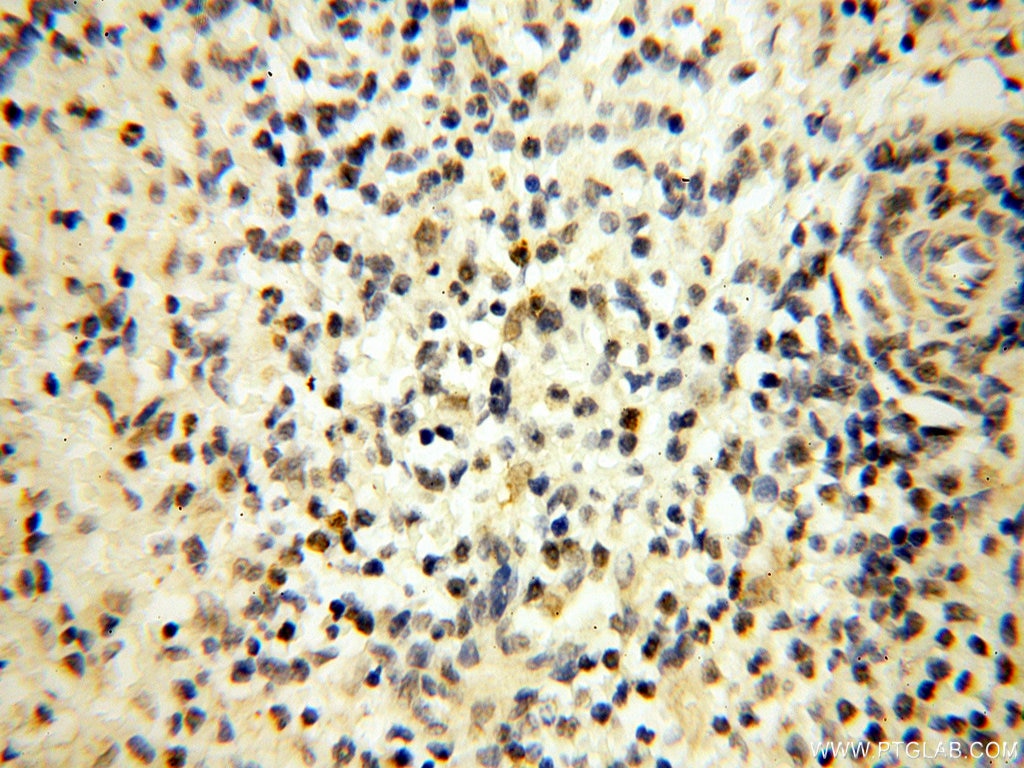
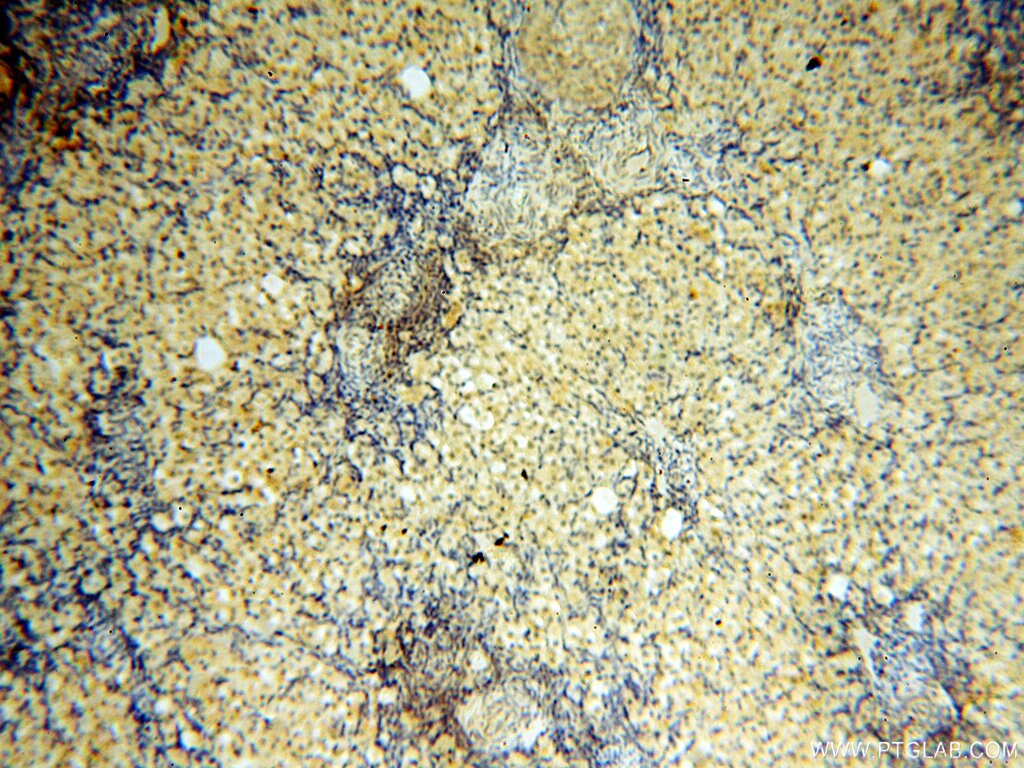
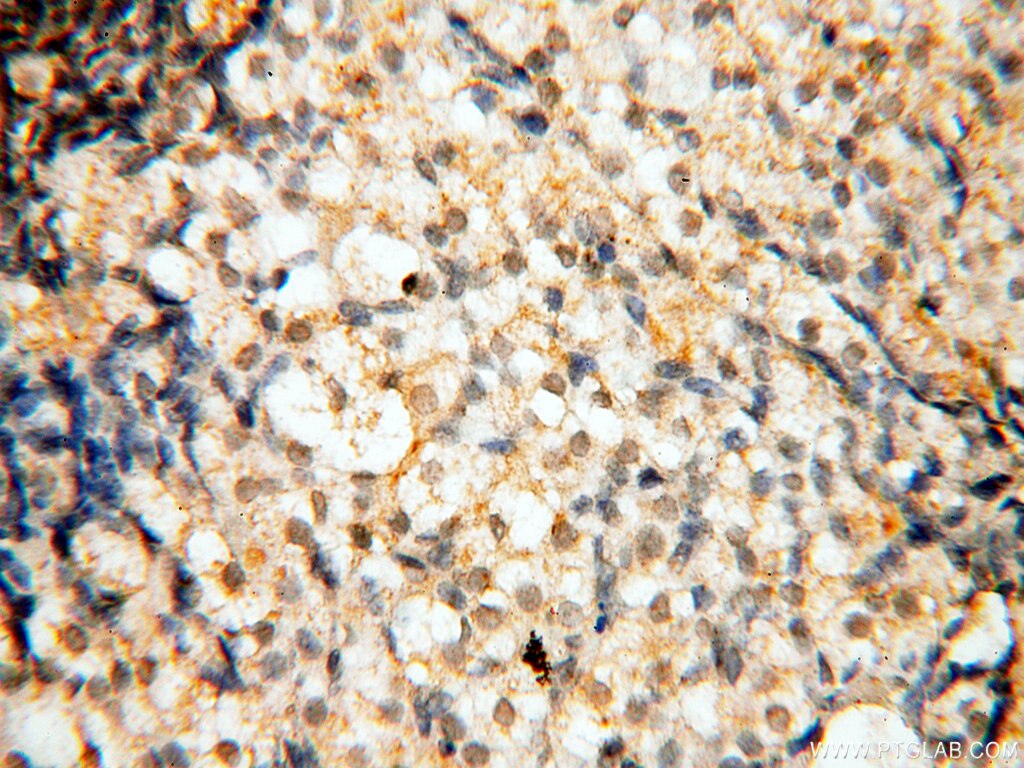
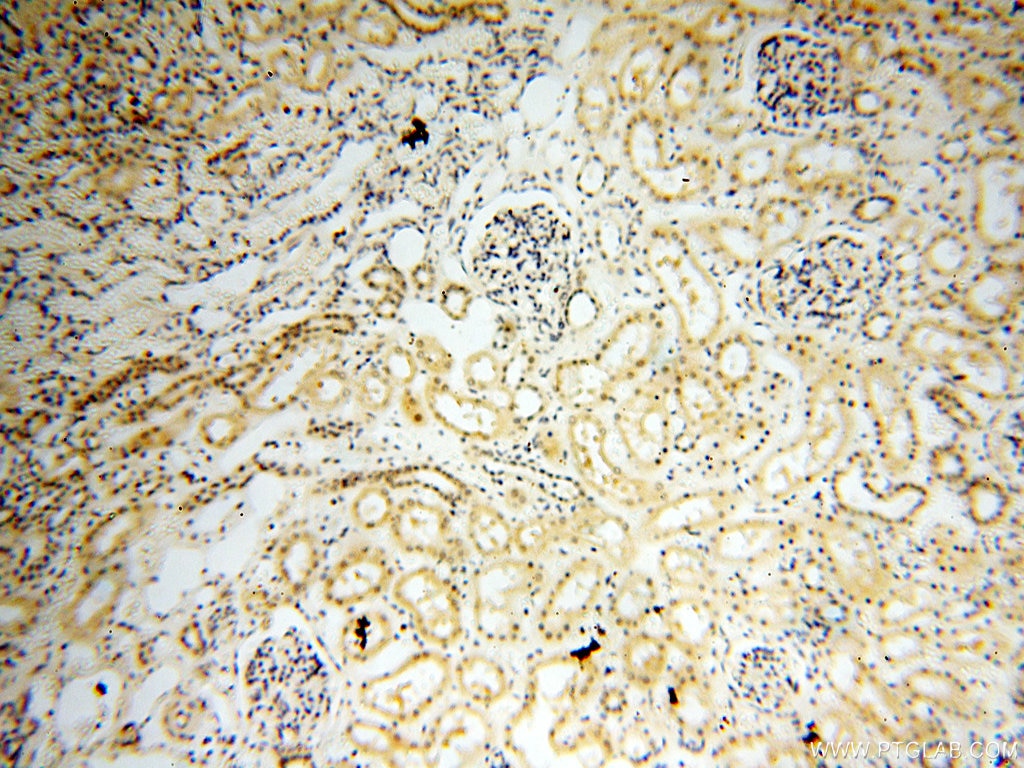
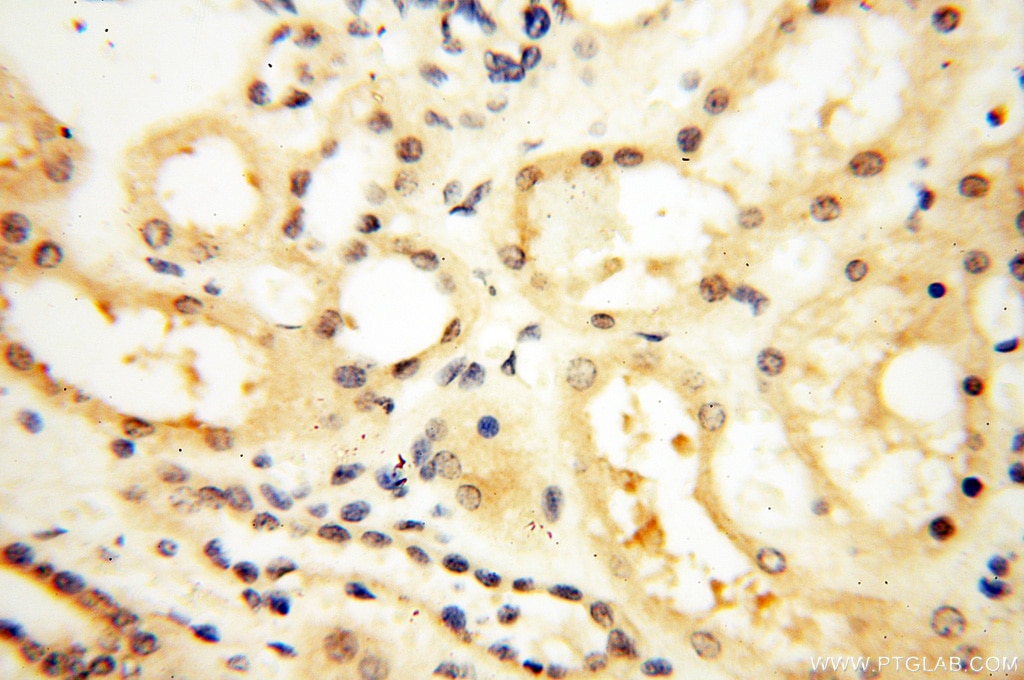
| Positive IHC detected in | human testis tissue, human brain tissue, human kidney tissue, human ovary tissue, human spleen tissue Note: suggested antigen retrieval with TE buffer pH 9.0; (*) Alternatively, antigen retrieval may be performed with citrate buffer pH 6.0 |
Recommended dilution
| Application | Dilution |
|---|---|
| Western Blot (WB) | WB : 1:500-1:2000 |
| Immunoprecipitation (IP) | IP : 0.5-4.0 ug for 1.0-3.0 mg of total protein lysate |
| Immunohistochemistry (IHC) | IHC : 1:20-1:200 |
| It is recommended that this reagent should be titrated in each testing system to obtain optimal results. | |
| Sample-dependent, Check data in validation data gallery. | |
Product Information
18003-1-AP targets DNA Polymerase Beta in WB, IHC, IP, ELISA applications and shows reactivity with human samples.
| Tested Reactivity | human |
| Cited Reactivity | human, mouse, rat |
| Host / Isotype | Rabbit / IgG |
| Class | Polyclonal |
| Type | Antibody |
| Immunogen |
CatNo: Ag12496 Product name: Recombinant human POLB protein Source: e coli.-derived, PET28a Tag: 6*His Domain: 1-335 aa of BC100288 Sequence: MSKRKAPQETLNGGITDMLTELANFEKNVSQAIHKYNAYRKAASVIAKYPHKIKSGAEAKKLPGVGTKIAEKIDEFLATGKLRKLEKIRQDDTSSSINFLTRVSGIGPSAARKFVDEGIKTLEDLRKNEDKLNHHQRIGLKYFGDFEKRIPREEMLQMQDIVLNEVKKVDSEYIATVCGSFRRGAESSGDMDVLLTHPSFTSESTKQPKLLHQVVEQLQKVHFITDTLSKGETKFMGVCQLPSKNDEKEYPHRRIDIRLIPKDQYYCGVLYFTGSDIFNKNMRAHALEKGFTINEYTIRPLGVTGVAGEPLPVDSEKDIFDYIQWKYREPKDRSE Predict reactive species |
| Full Name | polymerase (DNA directed), beta |
| Calculated Molecular Weight | 335 aa, 38 kDa |
| Observed Molecular Weight | 38 kDa |
| GenBank Accession Number | BC100288 |
| Gene Symbol | DNA Polymerase Beta |
| Gene ID (NCBI) | 5423 |
| RRID | AB_2299845 |
| Conjugate | Unconjugated |
| Form | Liquid |
| Purification Method | Antigen affinity purification |
| UNIPROT ID | P06746 |
| Storage Buffer | PBS with 0.02% sodium azide and 50% glycerol, pH 7.3. |
| Storage Conditions | Store at -20°C. Stable for one year after shipment. Aliquoting is unnecessary for -20oC storage. 20ul sizes contain 0.1% BSA. |
Background Information
DNA polymerase β (DNA polymerase beta (POLB)) belongs to a member of the DNA polymerase X family, mainly involved in various biological metabolic processes, such as eukaryotic DNA replication, DNA damage repair, gene recombination, and cell cycle regulation (PMID: 38731327).
Protocols
| Product Specific Protocols | |
|---|---|
| IHC protocol for DNA Polymerase Beta antibody 18003-1-AP | Download protocol |
| IP protocol for DNA Polymerase Beta antibody 18003-1-AP | Download protocol |
| WB protocol for DNA Polymerase Beta antibody 18003-1-AP | Download protocol |
| Standard Protocols | |
|---|---|
| Click here to view our Standard Protocols |
Publications
What published studies show
The DNA Polymerase Beta Polyclonal antibody (Cat# 18003-1-AP) has 12 total citations. These appear in journals including Nature Communications, Molecular Cell, Journal of Biological Chemistry, Nucleic Acids Research, Science Advances, PNAS, Cell Proliferation, Cancer Cell International, NAR Cancer, DNA Repair, and bioRxiv. The research fields span DNA repair mechanisms, genome stability, cell cycle regulation, and cancer biology (including leukemia, colon cancer, hepatocellular carcinoma, and esophageal cancer).
| Species | Application | Title |
|---|---|---|
Nat Commun Targeting USP47 overcomes tyrosine kinase inhibitor resistance and eradicates leukemia stem/progenitor cells in chronic myelogenous leukemia. | ||
Nucleic Acids Res Armadillo domain of ARID1A directly interacts with DNA-PKcs to couple chromatin remodeling with nonhomologous end joining (NHEJ) pathway | ||
J Biol Chem EZH2 W113C is a gain-of-function mutation in B-cell lymphoma enabling both PRC2 methyltransferase activation and tazemetostat resistance | ||
Sci Adv Deficiency in mammalian STN1 promotes colon cancer development via inhibiting DNA repair | ||
Proc Natl Acad Sci U S A Ligand-induced gene activation is associated with oxidative genome damage whose repair is required for transcription. |














