
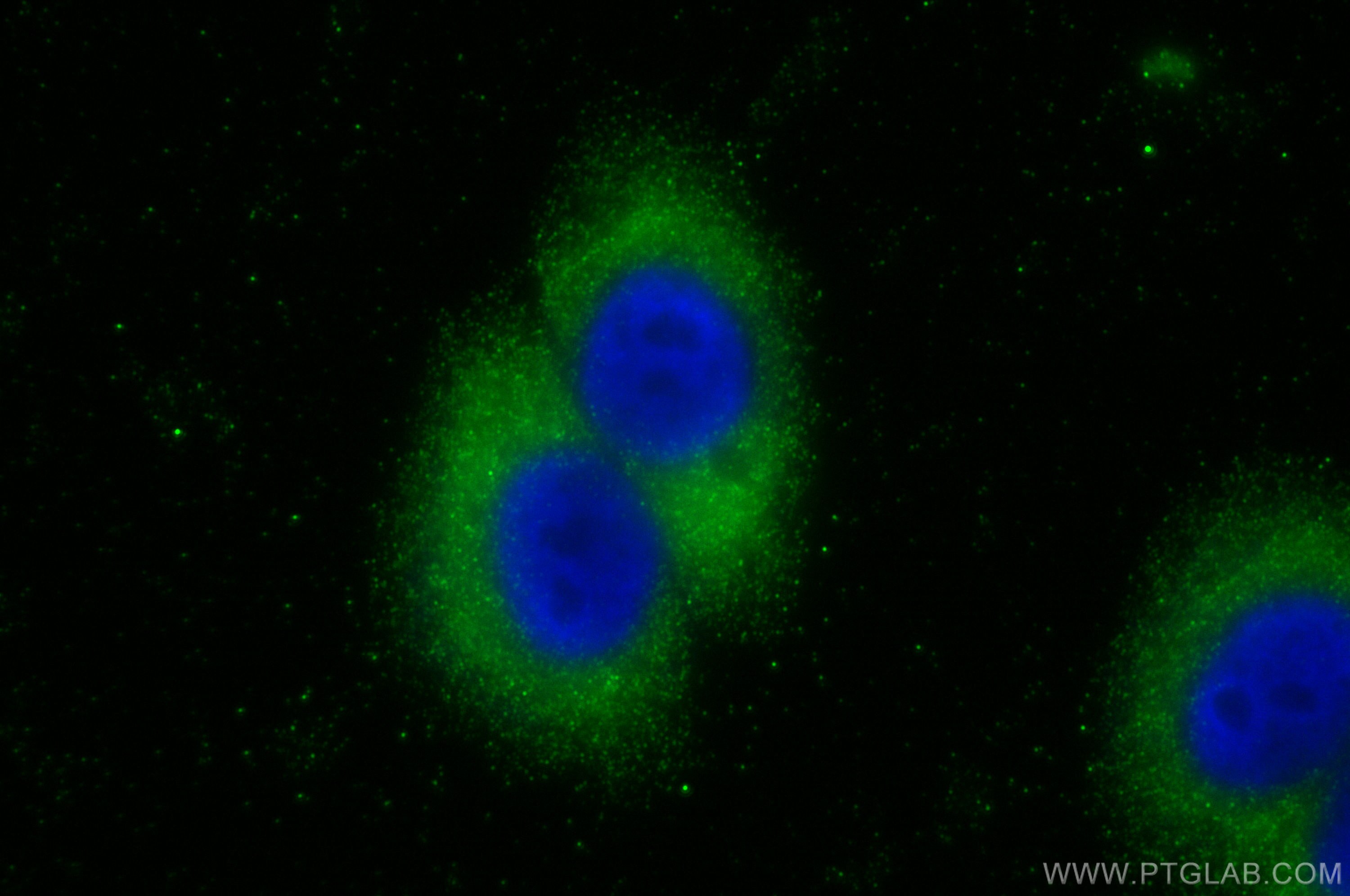

Tested Applications
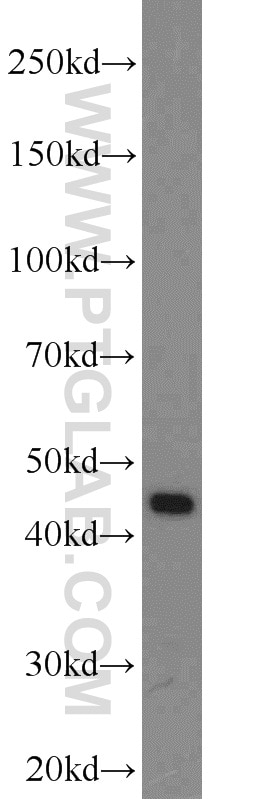
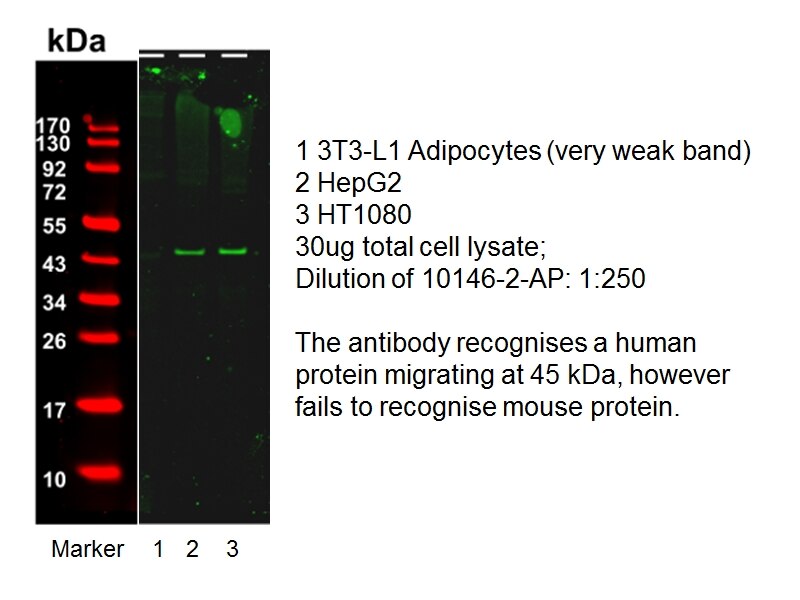
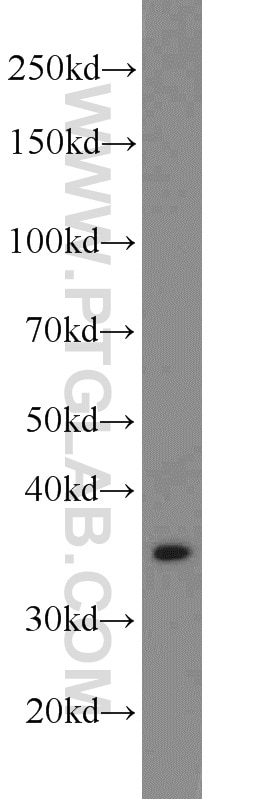
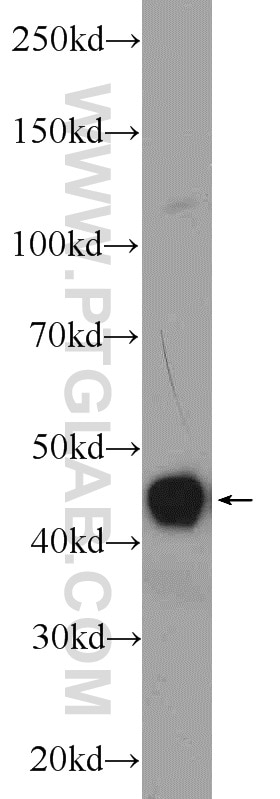
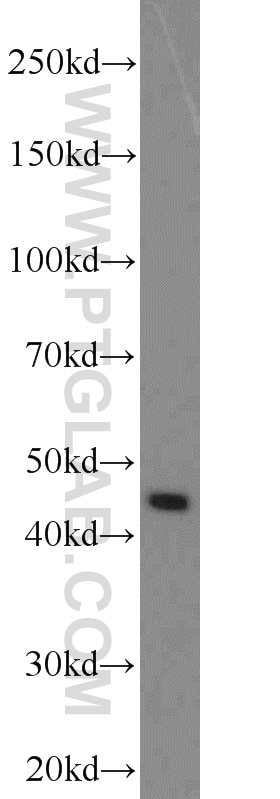
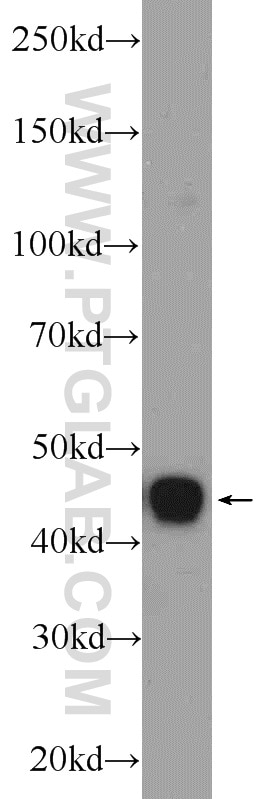
| Positive WB detected in | SKOV-3 cells, 3T3-L1 cells , HT-1080 cells, HepG2 cells |
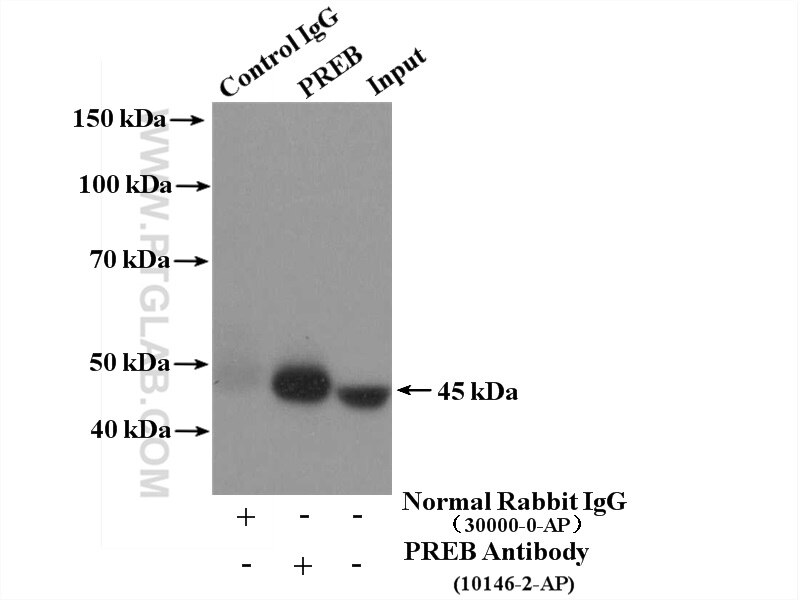
| Positive IP detected in | SKOV-3 cells |
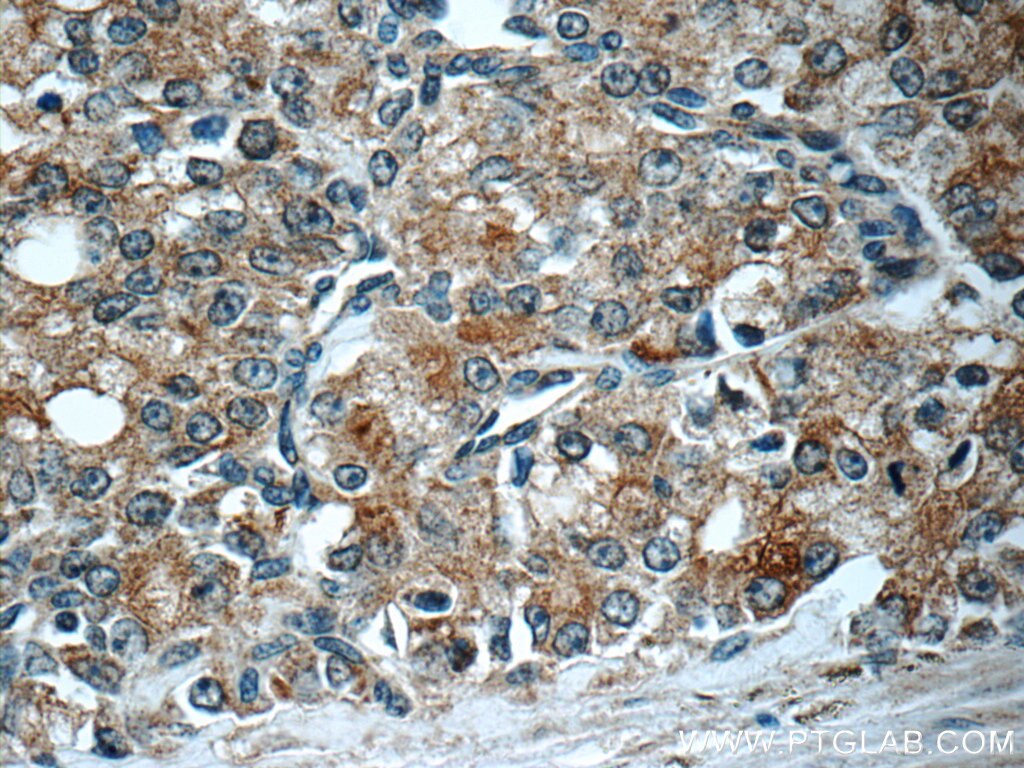
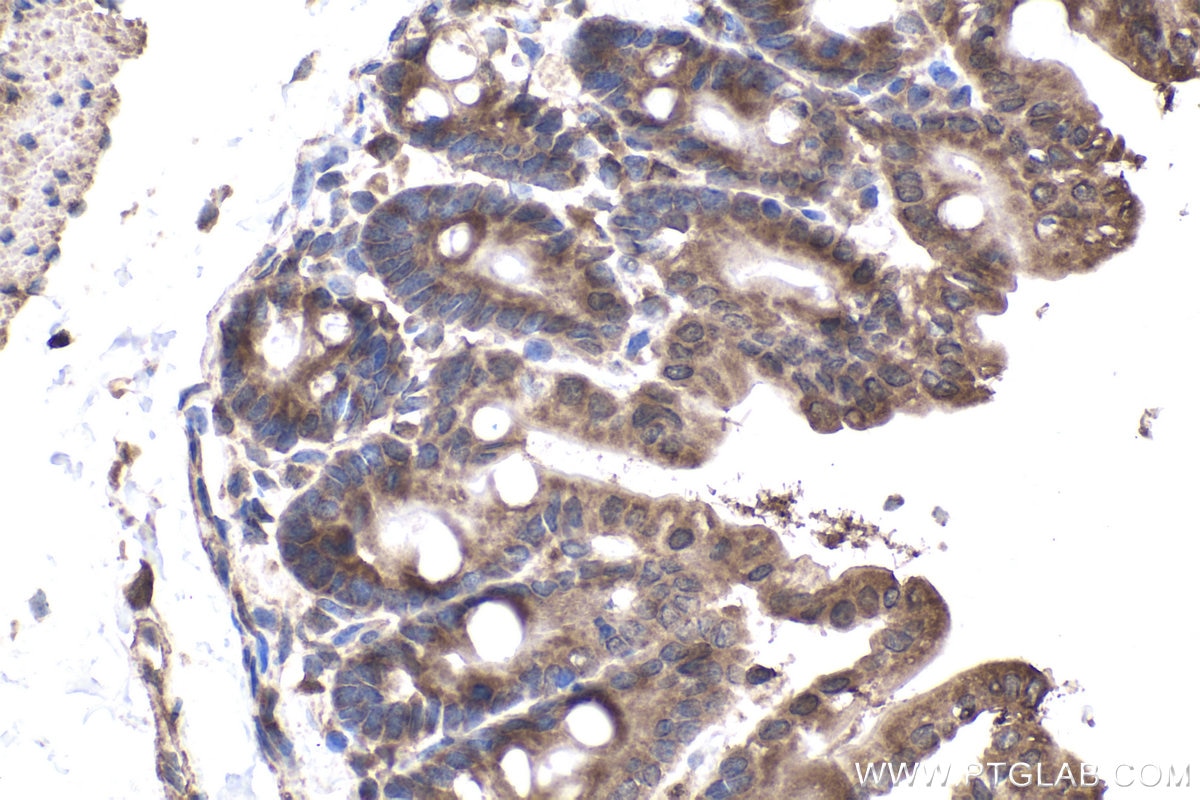
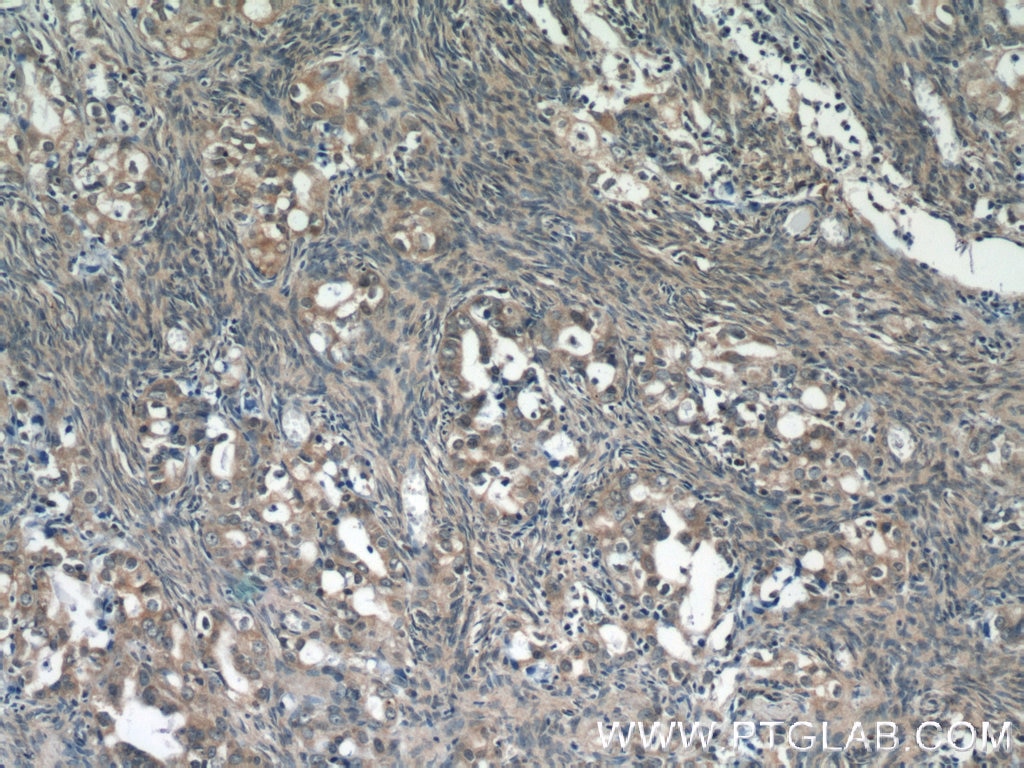
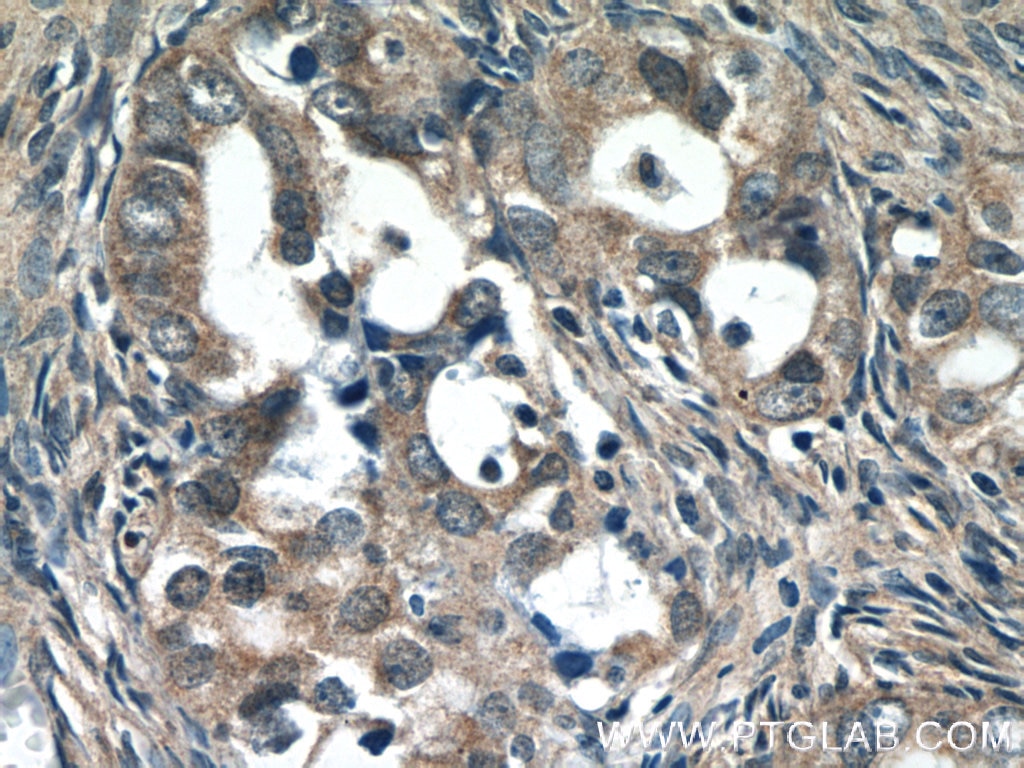
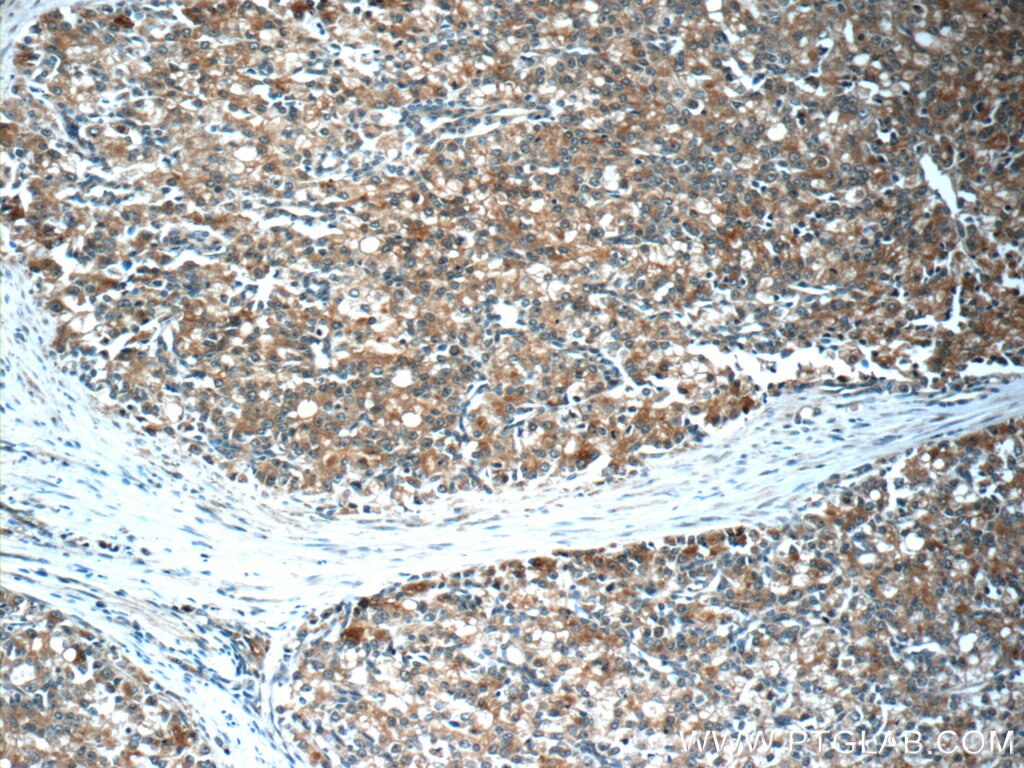
| Positive IHC detected in | mouse intestine, human ovary tumor tissue, human prostate cancer tissue Note: suggested antigen retrieval with TE buffer pH 9.0; (*) Alternatively, antigen retrieval may be performed with citrate buffer pH 6.0 |
| Positive IF/ICC detected in | HepG2 cells |
Recommended dilution
| Application | Dilution |
|---|---|
| Western Blot (WB) | WB : 1:500-1:1000 |
| Immunoprecipitation (IP) | IP : 0.5-4.0 ug for 1.0-3.0 mg of total protein lysate |
| Immunohistochemistry (IHC) | IHC : 1:500-1:2000 |
| Immunofluorescence (IF)/ICC | IF/ICC : 1:50-1:500 |
| It is recommended that this reagent should be titrated in each testing system to obtain optimal results. | |
| Sample-dependent, Check data in validation data gallery. | |
Product Information
10146-2-AP targets PREB in WB, IHC, IF/ICC, IP, CoIP, ELISA applications and shows reactivity with human, mouse samples.
| Tested Reactivity | human, mouse |
| Cited Reactivity | human, mouse, rat |
| Host / Isotype | Rabbit / IgG |
| Class | Polyclonal |
| Type | Antibody |
| Immunogen |
CatNo: Ag0202 Product name: Recombinant human PREB protein Source: e coli.-derived, PGEX-4T Tag: GST Domain: 13-202 aa of BC002765 Sequence: PFPLYALQVDPSTGLLIAAGGGGAAKTGIKNGVHFLQLELINGRLSASLLHSHDTETRATMNLALAGDILAAGQDAHCQLLRFQAHQQQGNKAEKAGSKEQGPRQRKGAAPAEKKCGAETQHEGLELRVENLQAVQTDFSSDPLQKVVCFNHDNTLLATGGTDGYVRVWKVPSLEKVLEFKAHEGEIEDL Predict reactive species |
| Full Name | prolactin regulatory element binding |
| Calculated Molecular Weight | 45 kDa |
| Observed Molecular Weight | 45 kDa |
| GenBank Accession Number | BC002765 |
| Gene Symbol | PREB |
| Gene ID (NCBI) | 10113 |
| RRID | AB_2168779 |
| Conjugate | Unconjugated |
| Form | Liquid |
| Purification Method | Antigen affinity purification |
| UNIPROT ID | Q9HCU5 |
| Storage Buffer | PBS with 0.02% sodium azide and 50% glycerol, pH 7.3. |
| Storage Conditions | Store at -20°C. Stable for one year after shipment. Aliquoting is unnecessary for -20oC storage. 20ul sizes contain 0.1% BSA. |
Background Information
PREB contains two PQ-rich potential transactivation domains, but no apparent DNA-binding motif, and exhibits sequence-specific binding to Pit1-binding element of the prolactin (PRL) promoter. It may act as a transcriptional regulator and is thought to be involved in some of the developmental abnormalities observed in patients with partial trisomy 2p.
Protocols
| Product Specific Protocols | |
|---|---|
| IF protocol for PREB antibody 10146-2-AP | Download protocol |
| IHC protocol for PREB antibody 10146-2-AP | Download protocol |
| IP protocol for PREB antibody 10146-2-AP | Download protocol |
| WB protocol for PREB antibody 10146-2-AP | Download protocol |
| Standard Protocols | |
|---|---|
| Click here to view our Standard Protocols |
Publications
What published studies show
The PREB Polyclonal antibody (Cat# 10146-2-AP) has 9 citations published in journals including Cancer Cell, EMBO J, Cell Death & Differentiation, Redox Biology, International Journal of Biological Macromolecules, Biochimica et Biophysica Acta, Virology Journal, Journal of Cell Science, and Biochemical and Biophysical Research Communications. Research fields span cancer biology, lipid metabolism, hepatic steatosis, viral replication, ER stress, bone development, glucose homeostasis, Wnt signaling, and GTPase regulation.
| Species | Application | Title |
|---|---|---|
Cancer Cell Lipid oxidation reprogramming in cancer-associated fibroblasts enhances CD8(+) T cell cytotoxicity and therapeutic response. | ||
Redox Biol Selenoprotein K contributes to CD36 subcellular trafficking in hepatocytes by accelerating nascent COPII vesicle formation and aggravates hepatic steatosis | ||
Cell Death Differ C9orf72 controls hepatic lipid metabolism by regulating SREBP1 transport | ||
Int J Biol Macromol Cellular OCIAD2 protein is a proviral factor for hepatitis C virus replication. | ||
EMBO J The unfolded protein response regulates ER exit sites via SNRPB-dependent RNA splicing and contributes to bone development | ||
Biochim Biophys Acta Prolactin regulatory element-binding (PREB) protein regulates hepatic glucose homeostasis. |














