

Tested Applications
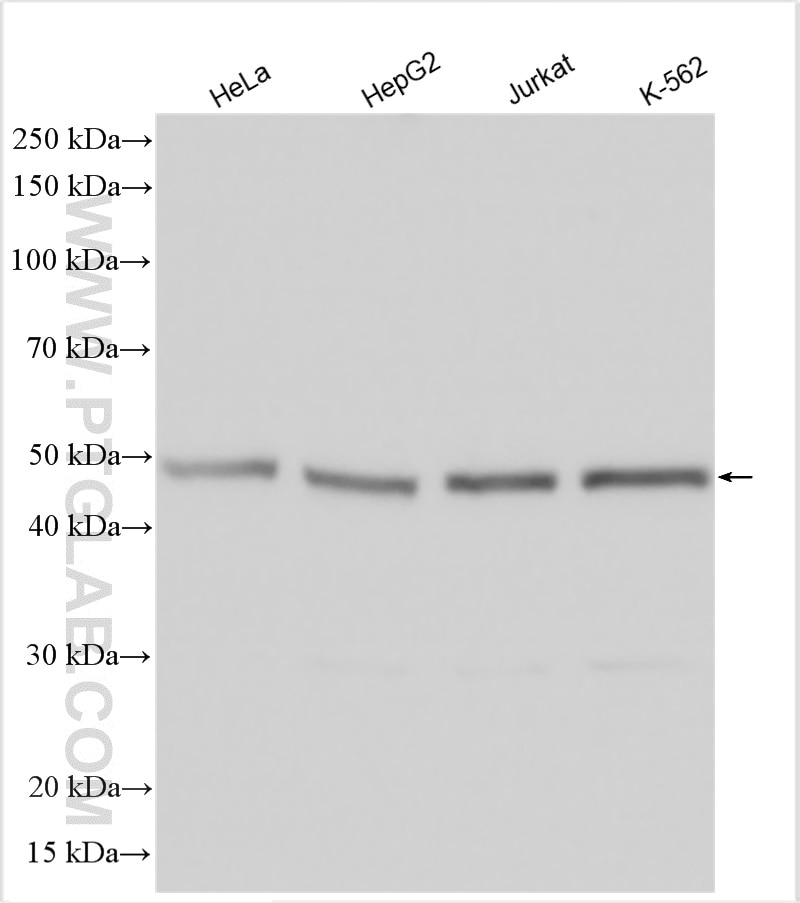
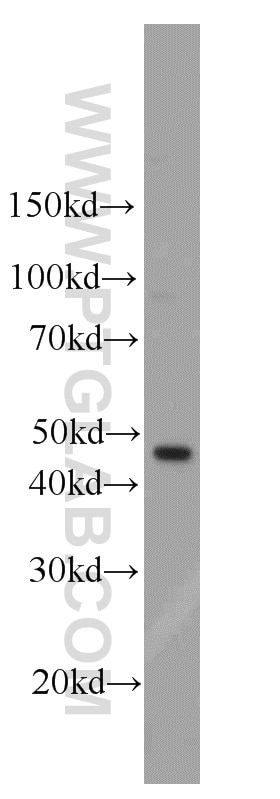
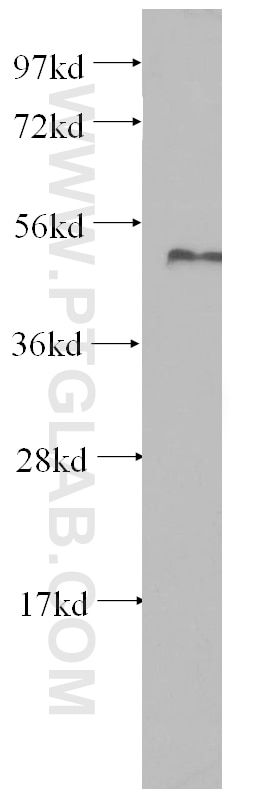
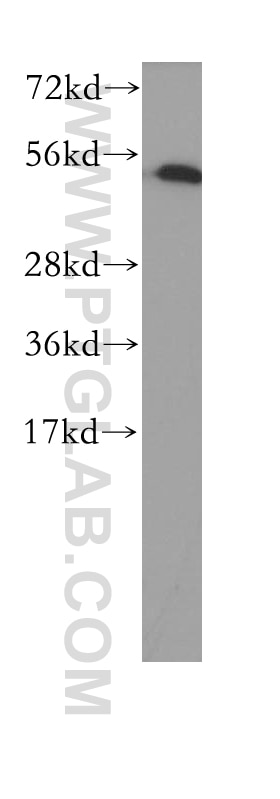
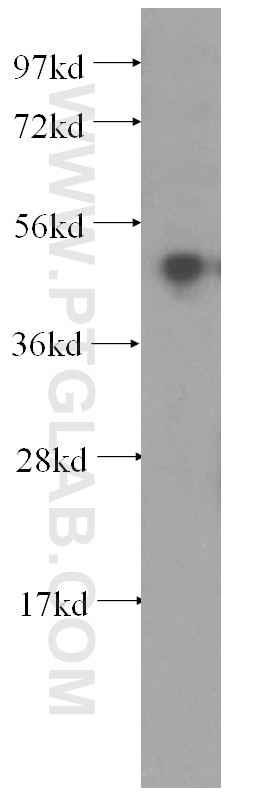
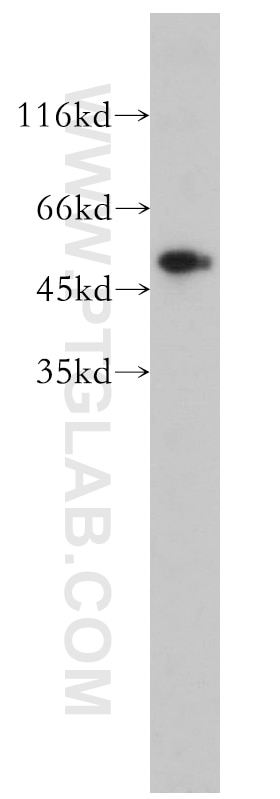
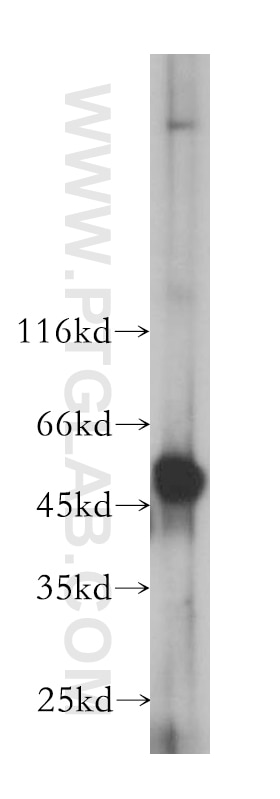
| Positive WB detected in | HeLa cells, Sp2/0 cells, K-562 cells, HepG2 cells, Jurkat cells |
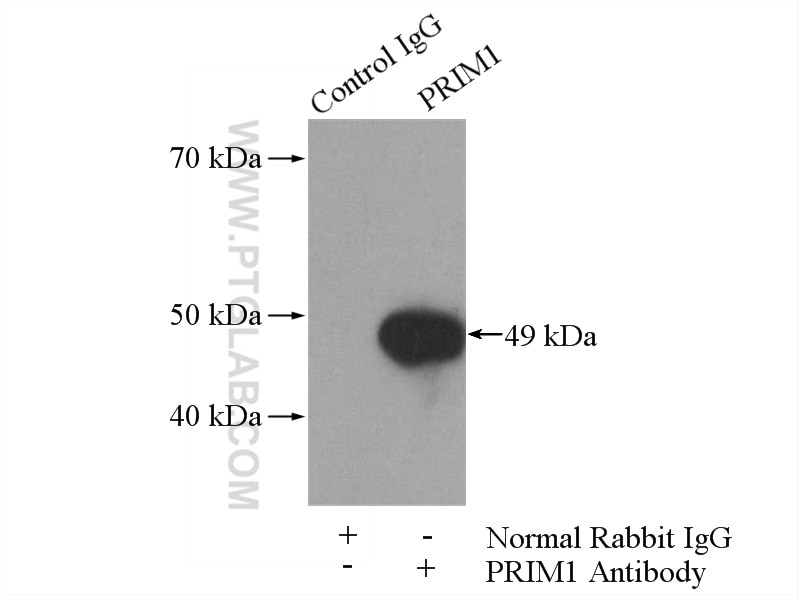
| Positive IP detected in | HeLa cells |
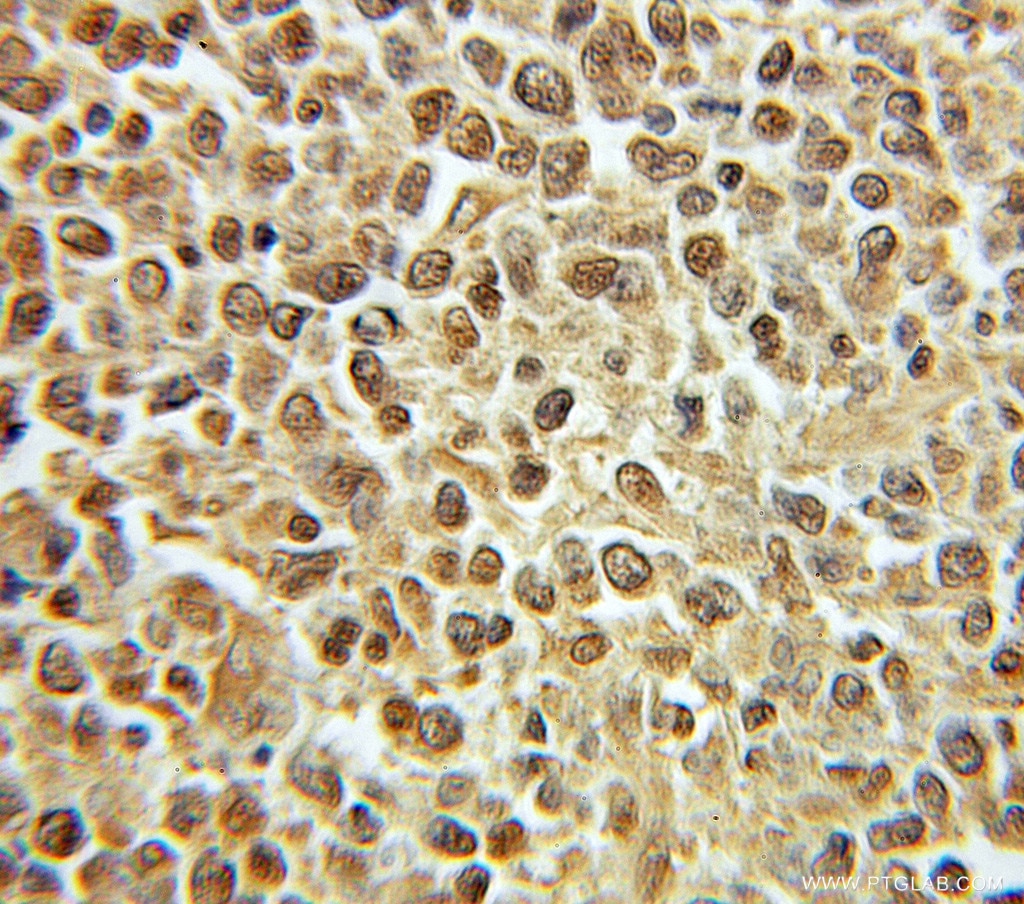
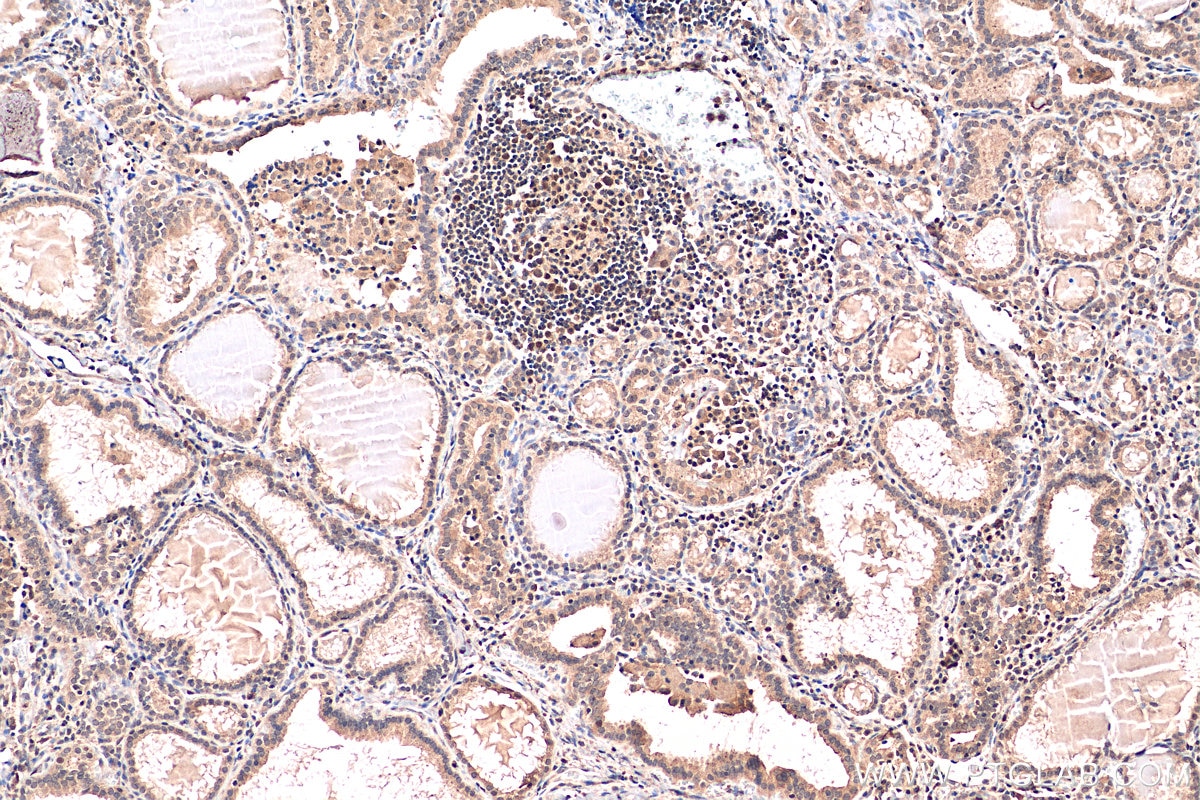
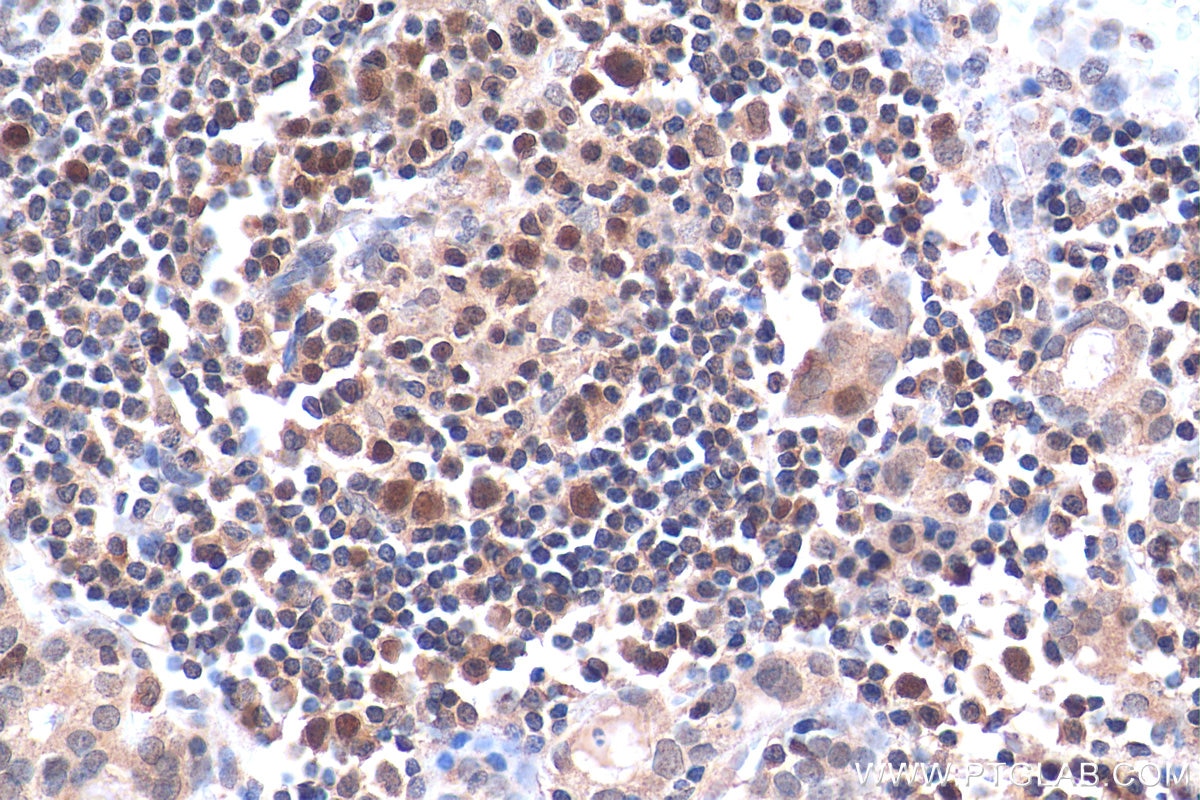
| Positive IHC detected in | human lymphoma tissue, human thyroid cancer tissue Note: suggested antigen retrieval with TE buffer pH 9.0; (*) Alternatively, antigen retrieval may be performed with citrate buffer pH 6.0 |
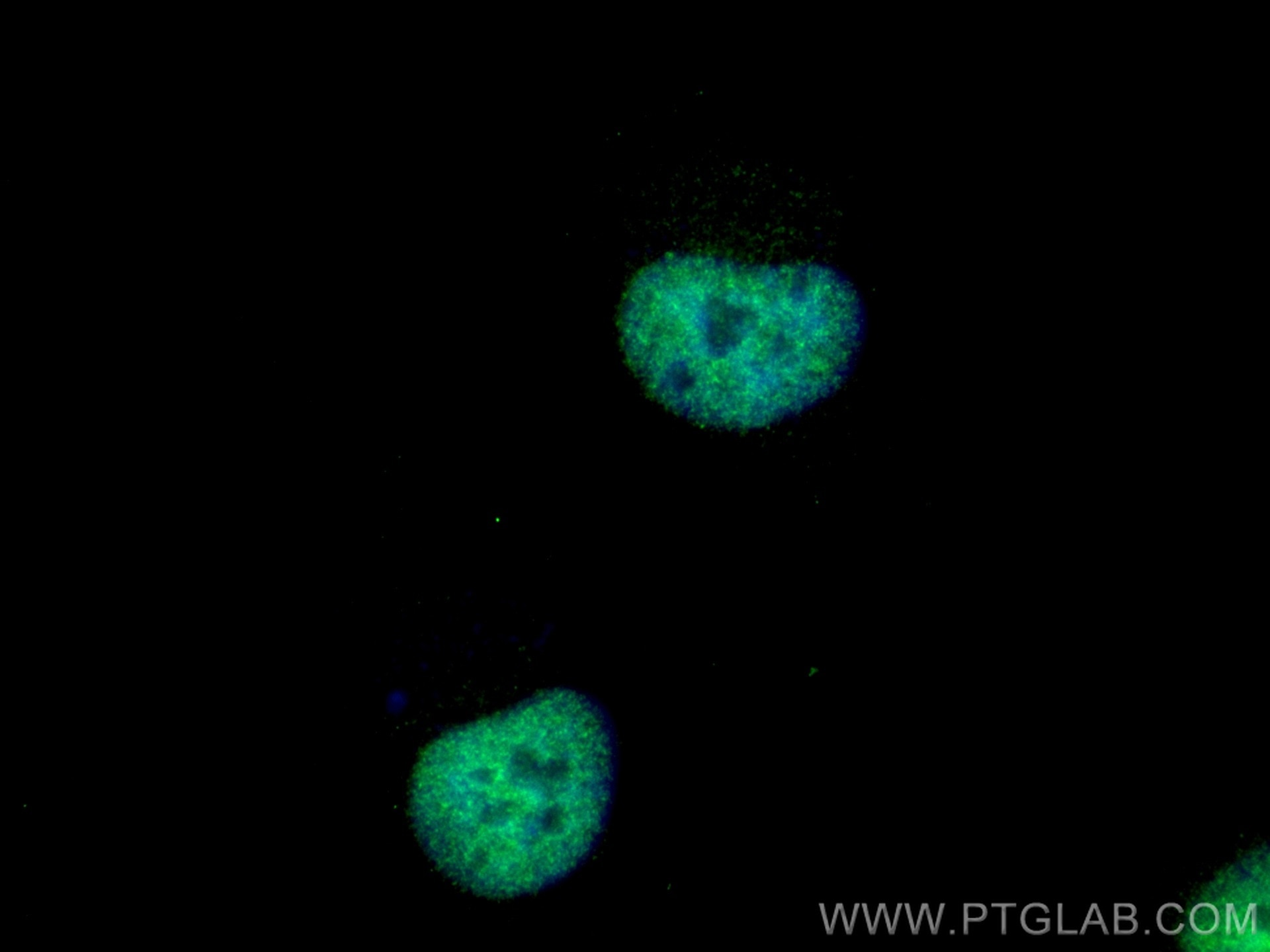
| Positive IF/ICC detected in | HeLa cells |
Recommended dilution
| Application | Dilution |
|---|---|
| Western Blot (WB) | WB : 1:500-1:3000 |
| Immunoprecipitation (IP) | IP : 0.5-4.0 ug for 1.0-3.0 mg of total protein lysate |
| Immunohistochemistry (IHC) | IHC : 1:20-1:200 |
| Immunofluorescence (IF)/ICC | IF/ICC : 1:50-1:500 |
| It is recommended that this reagent should be titrated in each testing system to obtain optimal results. | |
| Sample-dependent, Check data in validation data gallery. | |
Product Information
10773-1-AP targets PRIM1 in WB, IHC, IF/ICC, IP, ChIP, ELISA applications and shows reactivity with human, mouse, rat samples.
| Tested Reactivity | human, mouse, rat |
| Cited Reactivity | human, mouse |
| Host / Isotype | Rabbit / IgG |
| Class | Polyclonal |
| Type | Antibody |
| Immunogen |
CatNo: Ag1124 Product name: Recombinant human PRIM1 protein Source: e coli.-derived, PGEX-4T Tag: GST Domain: 121-420 aa of BC005266 Sequence: CCSSADICPKCWTLMTMAIRIIDRALKEDFGFKHRLWVYSGRRGVHCWVCDESVRKLSSAVRSGIVEYLSLVKGGQDVKKKVHLSEKIHPFIRKSINIIKKYFEEYALVNQDILENKESWDKILALVPETIHDELQQSFQKSHNSLQRWEHLKKVASRYQNNIKNDKYGPWLEWEIMLQYCFPRLDINVSKGINHLLKSPFSVHPKTGRISVPIDLQKVDQFDPFTVPTISFICRELDAISTNEEEKEENEAESDVKHRTRDYKKTSLAPYVKVFEHFLENLDKSRKGELLKKSDLQKDF Predict reactive species |
| Full Name | primase, DNA, polypeptide 1 (49kDa) |
| Calculated Molecular Weight | 50 kDa |
| Observed Molecular Weight | 50 kDa |
| GenBank Accession Number | BC005266 |
| Gene Symbol | PRIM1 |
| Gene ID (NCBI) | 5557 |
| RRID | AB_2237549 |
| Conjugate | Unconjugated |
| Form | Liquid |
| Purification Method | Antigen affinity purification |
| UNIPROT ID | P49642 |
| Storage Buffer | PBS with 0.02% sodium azide and 50% glycerol, pH 7.3. |
| Storage Conditions | Store at -20°C. Stable for one year after shipment. Aliquoting is unnecessary for -20oC storage. 20ul sizes contain 0.1% BSA. |
Background Information
DNA replication in human cells is initiated by a complex apparatus containing a DNA polymerase-alpha/primase complex. Primase synthesizes oligoribonucleotides that serve as primers for the initiation of DNA synthesis. It plays a role in both the initiation of DNA replication and the synthesis of Okazaki fragments for lagging strand synthesis. PRIM1 is a subnuit of this complex.
Protocols
| Product Specific Protocols | |
|---|---|
| IF protocol for PRIM1 antibody 10773-1-AP | Download protocol |
| IHC protocol for PRIM1 antibody 10773-1-AP | Download protocol |
| IP protocol for PRIM1 antibody 10773-1-AP | Download protocol |
| WB protocol for PRIM1 antibody 10773-1-AP | Download protocol |
| Standard Protocols | |
|---|---|
| Click here to view our Standard Protocols |
Publications
What published studies show
The PRIM1 polyclonal antibody (Cat# 10773-1-AP) has 12 citations published in journals including Nature Cell Biology, Nature Communications, Nucleic Acids Research, Cell Reports, International Journal of Molecular Sciences, DNA Repair, PLoS One, and bioRxiv. The research fields span DNA replication and repriming, double-strand break repair, break-induced replication, telomerase regulation, BRCA1-deficient cell biology, and osteosarcoma modeling.
| Species | Application | Title |
|---|---|---|
Nat Cell Biol 53BP1-shieldin-dependent DSB processing in BRCA1-deficient cells requires CST-Polα-primase fill-in synthesis. | ||
Nat Commun RTF2 controls replication repriming and ribonucleotide excision at the replisome | ||
Nat Commun 53BP1 deficiency leads to hyperrecombination using break-induced replication (BIR) | ||
Nucleic Acids Res CST does not evict elongating telomerase but prevents initiation by ssDNA binding. | ||
Cell Rep Break-induced replication is activated to repair R-loop-associated double-strand breaks in SETX-deficient cells.
| ||
Cell Rep A Key Role for the Ubiquitin Ligase UBR4 in Myofiber Hypertrophy in Drosophila and Mice. |













