

Tested Applications
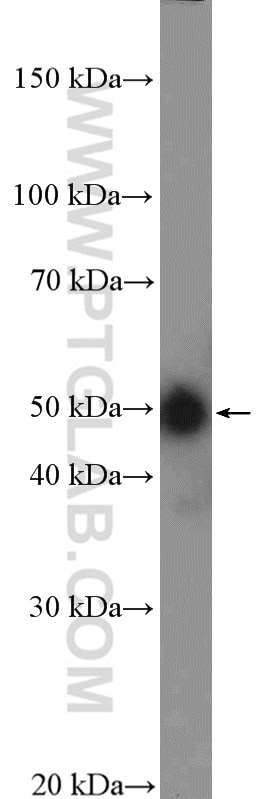
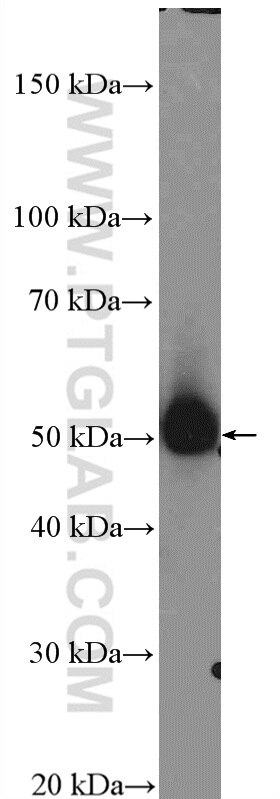
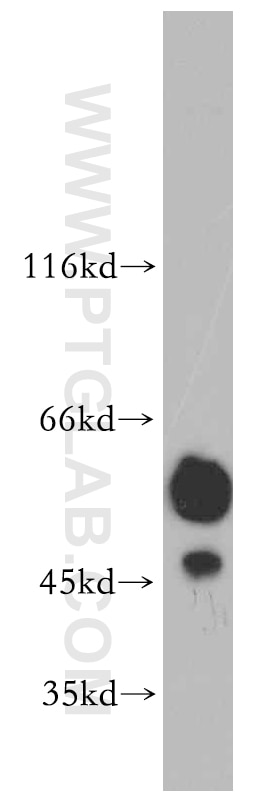
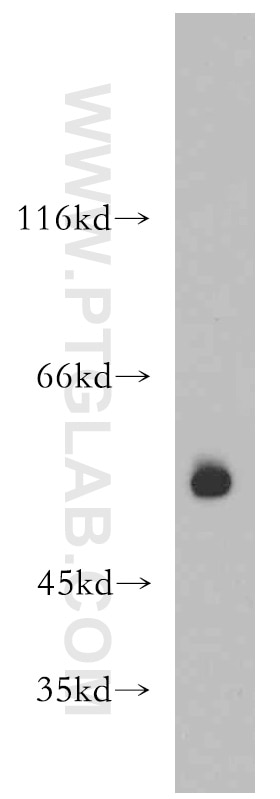
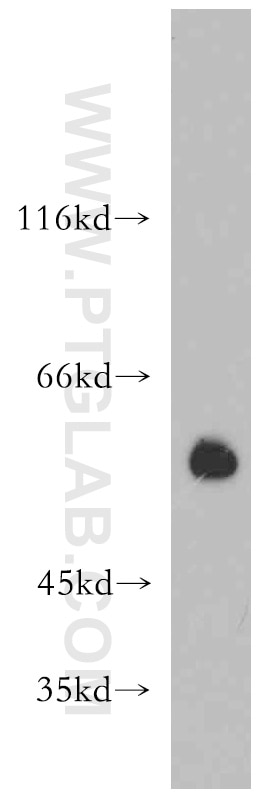
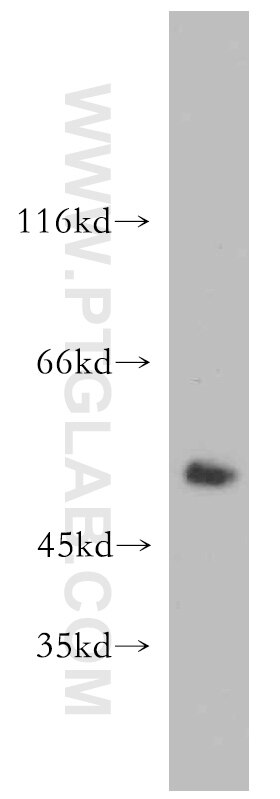
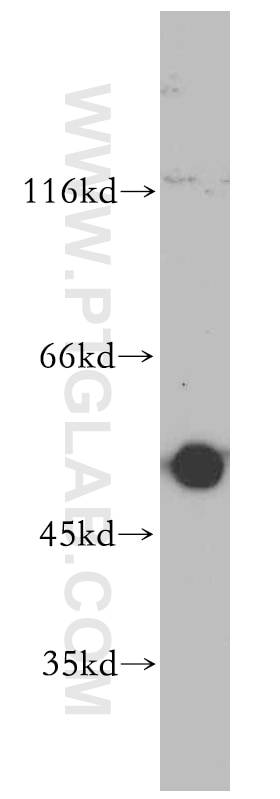
| Positive WB detected in | MCF-7 cells, A549 cells, HT-1080 cells, mouse brain tissue, mouse heart tissue, PC-3 cells |
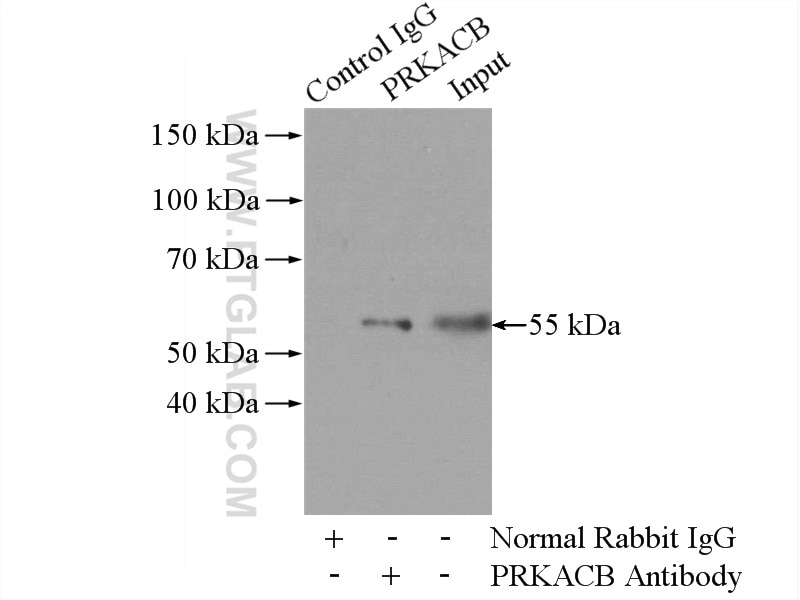
| Positive IP detected in | mouse brain tissue |
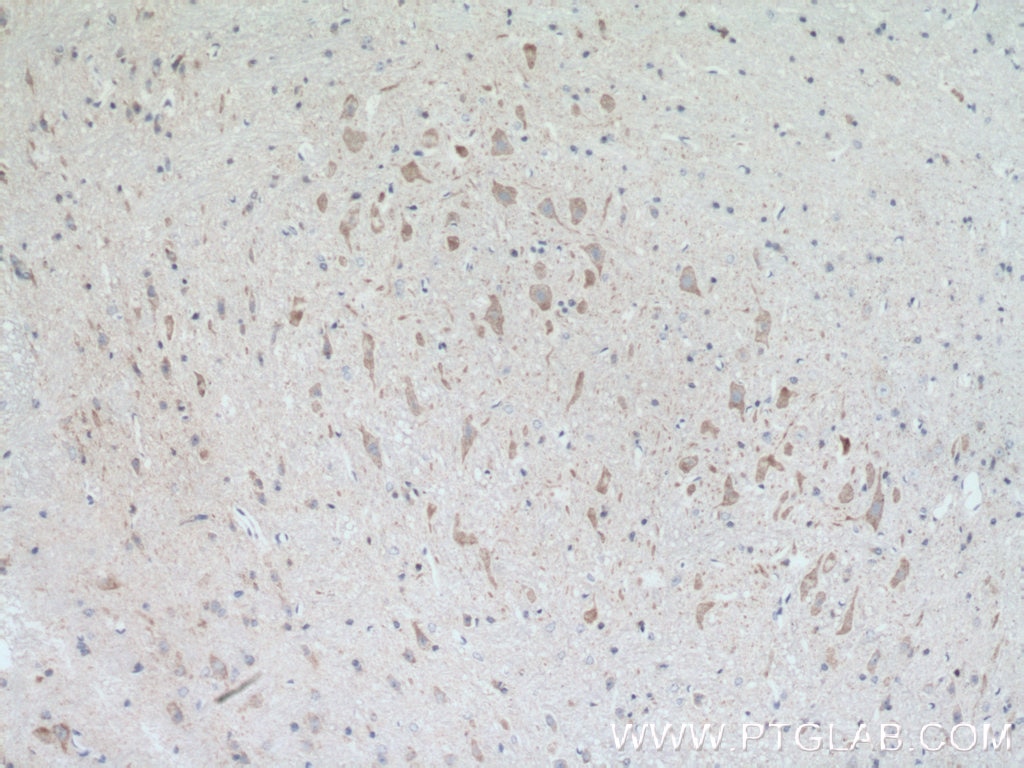
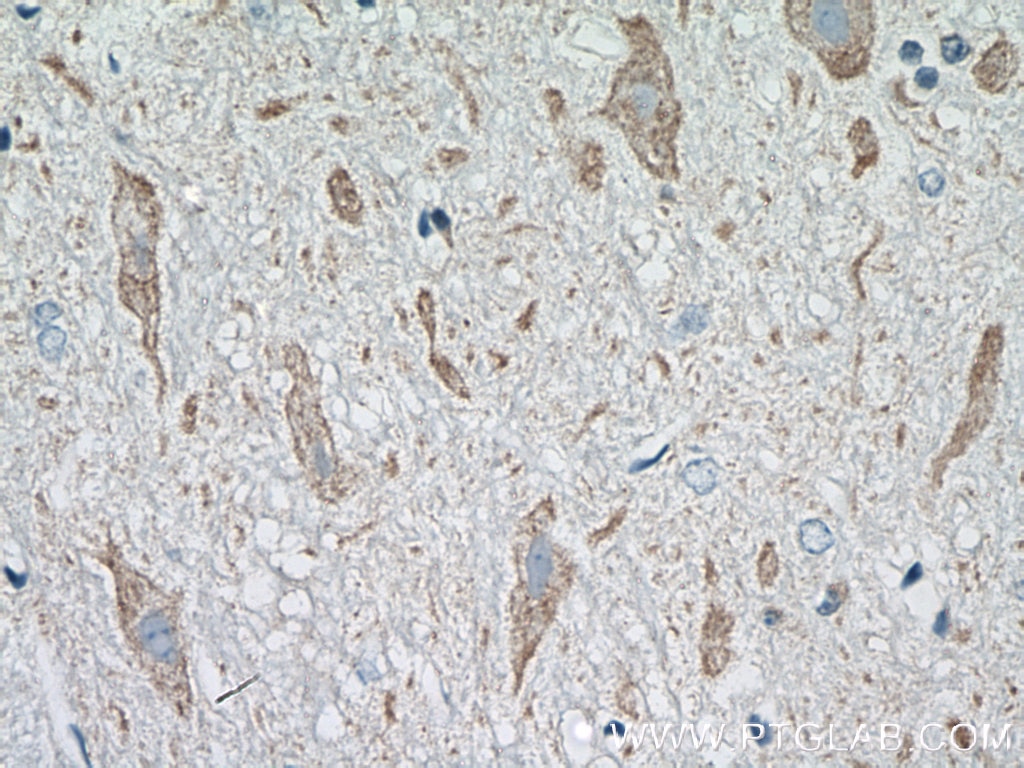
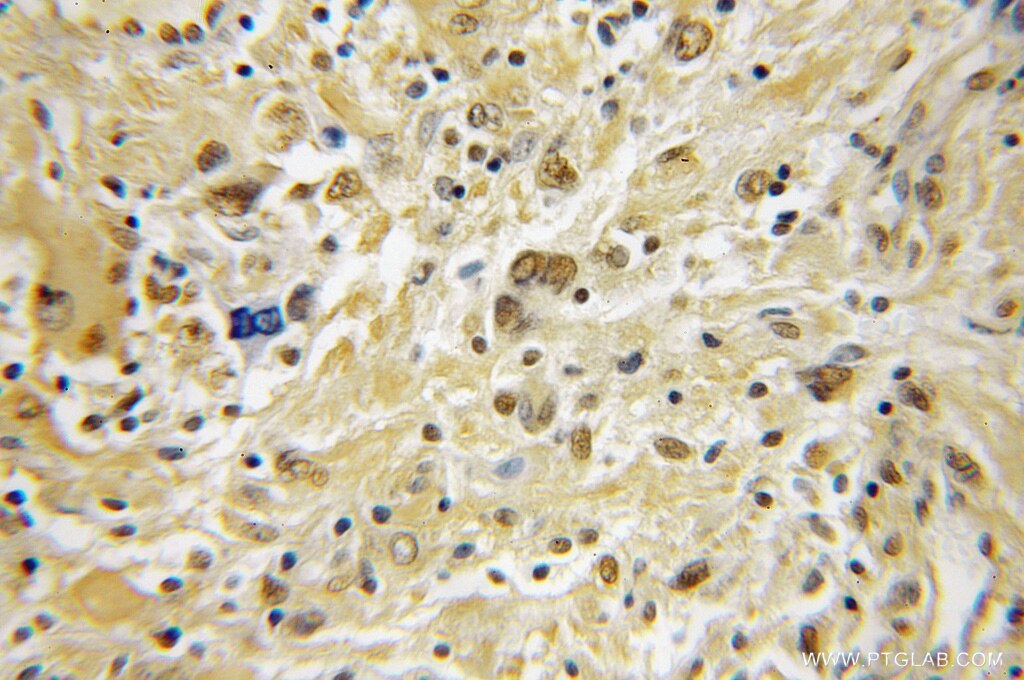
| Positive IHC detected in | mouse brain tissue, human medulloblastoma tissue Note: suggested antigen retrieval with TE buffer pH 9.0; (*) Alternatively, antigen retrieval may be performed with citrate buffer pH 6.0 |
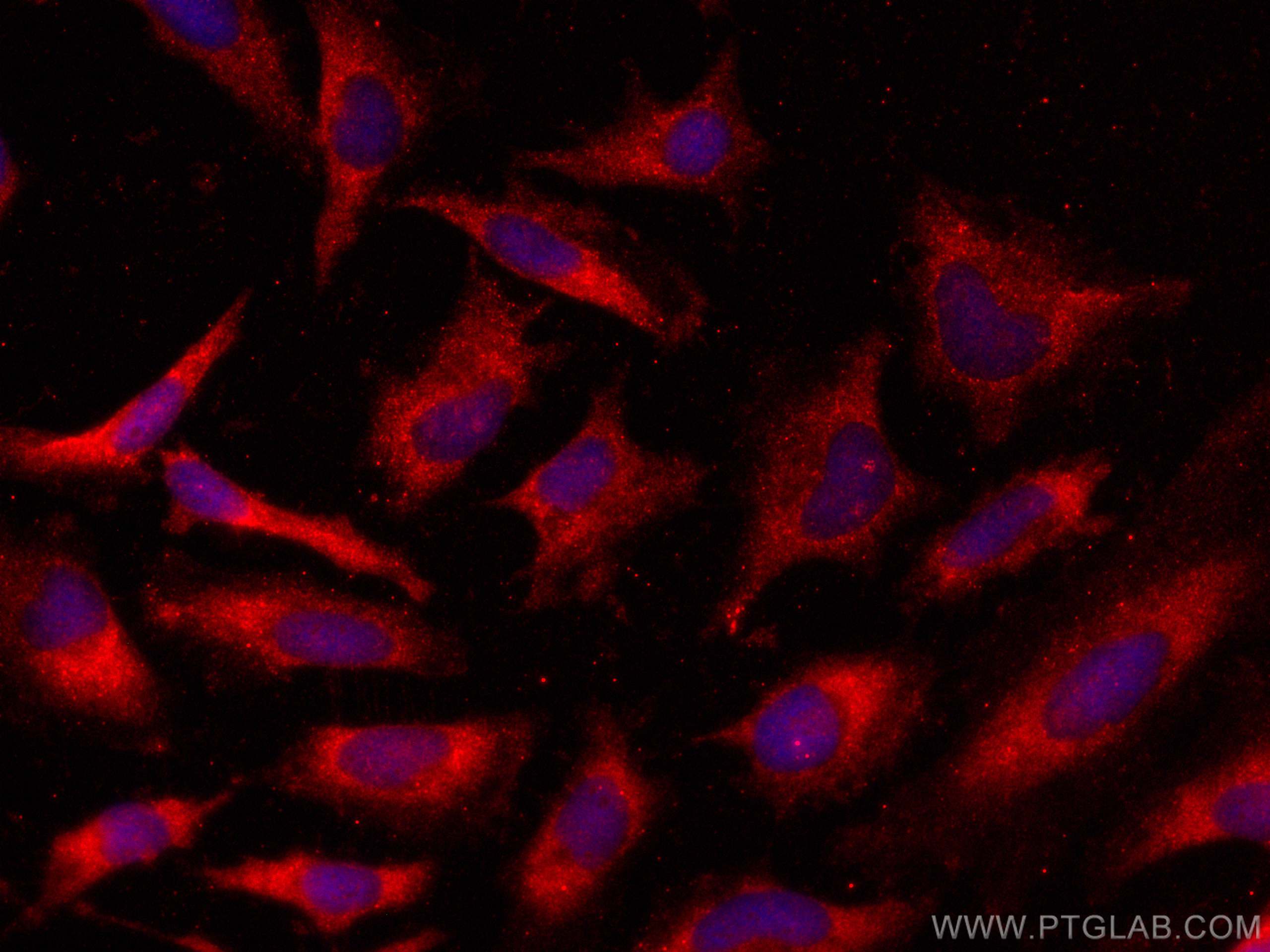
| Positive IF/ICC detected in | HeLa cells |
Recommended dilution
| Application | Dilution |
|---|---|
| Western Blot (WB) | WB : 1:500-1:1000 |
| Immunoprecipitation (IP) | IP : 0.5-4.0 ug for 1.0-3.0 mg of total protein lysate |
| Immunohistochemistry (IHC) | IHC : 1:50-1:500 |
| Immunofluorescence (IF)/ICC | IF/ICC : 1:50-1:500 |
| It is recommended that this reagent should be titrated in each testing system to obtain optimal results. | |
| Sample-dependent, Check data in validation data gallery. | |
Product Information
12232-1-AP targets PRKACB in WB, IHC, IF/ICC, IP, CoIP, ELISA applications and shows reactivity with human, mouse, rat samples.
| Tested Reactivity | human, mouse, rat |
| Cited Reactivity | human, mouse, rat |
| Host / Isotype | Rabbit / IgG |
| Class | Polyclonal |
| Type | Antibody |
| Immunogen |
CatNo: Ag2870 Product name: Recombinant human PRKACB protein Source: e coli.-derived, PGEX-4T Tag: GST Domain: 1-257 aa of BC016285 Sequence: MGNAATAKKGSEVESVKEFLAKAKEDFLKKWENPTQNNAGLEDFERKKTLGTGSFGRVMLVKHKATEQYYAMKILDKQKVVKLKQIEHTLNEKRILQAVNFPFLVRLEYAFKDNSNLYMVMEYVPGGEMFSHLRRIGRFSEPHARFYAAQIVLTFEYLHSLDLIYRDLKPENLLIDHQGYIQVTDFGFAKRVKGRTWTLCGTPEYLAPEIILSKGYNKAVDWWALGVLIYEMAAGYPPFFADQPIQIYEKIVSGKNF Predict reactive species |
| Full Name | protein kinase, cAMP-dependent, catalytic, beta |
| Calculated Molecular Weight | 41 kDa, 46 kDa |
| Observed Molecular Weight | 36-55 kDa |
| GenBank Accession Number | BC016285 |
| Gene Symbol | PRKACB |
| Gene ID (NCBI) | 5567 |
| RRID | AB_2170177 |
| Conjugate | Unconjugated |
| Form | Liquid |
| Purification Method | Antigen affinity purification |
| UNIPROT ID | P22694 |
| Storage Buffer | PBS with 0.02% sodium azide and 50% glycerol, pH 7.3. |
| Storage Conditions | Store at -20°C. Stable for one year after shipment. Aliquoting is unnecessary for -20oC storage. 20ul sizes contain 0.1% BSA. |
Background Information
PRKACB, also named as PKA C-beta, belongs to the protein kinase superfamily. AGC Ser/Thr protein kinase family and cAMP subfamily. It mediates cAMP-dependent signaling triggered by receptor binding to GPCRs. PKA activation regulates diverse cellular processes such as cell proliferation, the cell cycle, differentiation and regulation of microtubule dynamics, chromatin condensation and decondensation, nuclear envelope disassembly and reassembly, as well as regulation of intracellular transport mechanisms and ion flux.
Protocols
| Product Specific Protocols | |
|---|---|
| IF protocol for PRKACB antibody 12232-1-AP | Download protocol |
| IHC protocol for PRKACB antibody 12232-1-AP | Download protocol |
| IP protocol for PRKACB antibody 12232-1-AP | Download protocol |
| WB protocol for PRKACB antibody 12232-1-AP | Download protocol |
| Standard Protocols | |
|---|---|
| Click here to view our Standard Protocols |
Publications
What published studies show
The anti-PRKACB antibody (Cat# 12232-1-AP) has 12 total citations published in journals including Nature Communications, Acta Pharm Sin B, Advanced Science, International Journal of Nanomedicine, CNS Neuroscience & Therapeutics, International Journal of Molecular Sciences, Frontiers in Pharmacology, Biomedical Pharmacotherapy, Frontiers in Medicine, Toxicology Letters, and Biomedical Research International. Research fields span obesity/metabolism, cell cycle, liver fibrosis, cancer (breast, gastric, osteosarcoma, thyroid), reproductive toxicity, epilepsy, RNA m6A modification, and endocrine-metabolic regulation.
| Species | Application | Title |
|---|---|---|
Nat Commun Myristoylated Eepd1 Enhances Lipolysis and Thermogenesis through PKA Activation to Combat Obesity | ||
Acta Pharm Sin B Taxifolin attenuates liver fibrosis by regulating the phosphorylation of NDRG1 at Thr328 via hepatocyte-stellate cell cross talk | ||
Adv Sci (Weinh) Osmotic Tension Asymmetry Drives Electrotactic Migration via PDLIM7-Polarized Microfilament Coordination in Breast Cancer Cells. | ||
Int J Nanomedicine Pseudoephedrine Nanoparticles Alleviate Adriamycin-Induced Reproductive Toxicity Through the GnRhR Signaling Pathway. | ||
CNS Neurosci Ther Inhibition of ANXA2 activity attenuates epileptic susceptibility and GluA1 phosphorylation |













