

Tested Applications
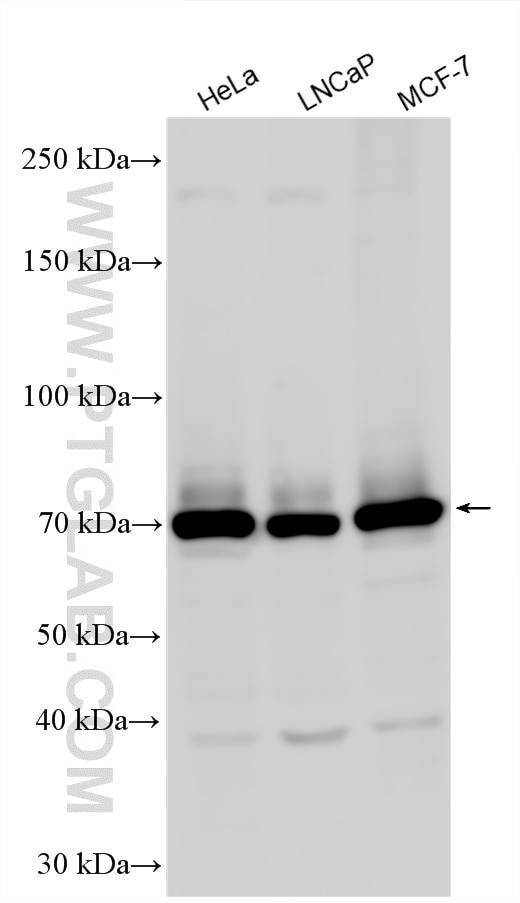
| Positive WB detected in | HeLa cells, MCF-7 cells, LNCaP cells |
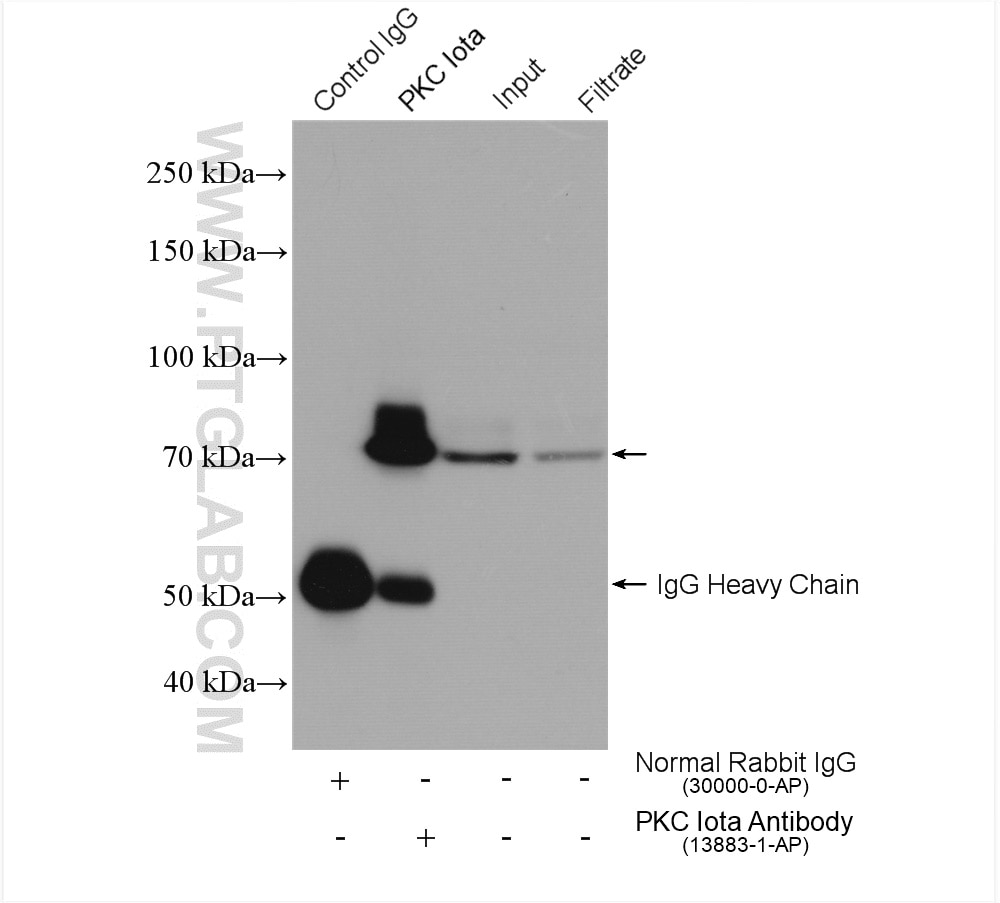
| Positive IP detected in | HeLa cells |
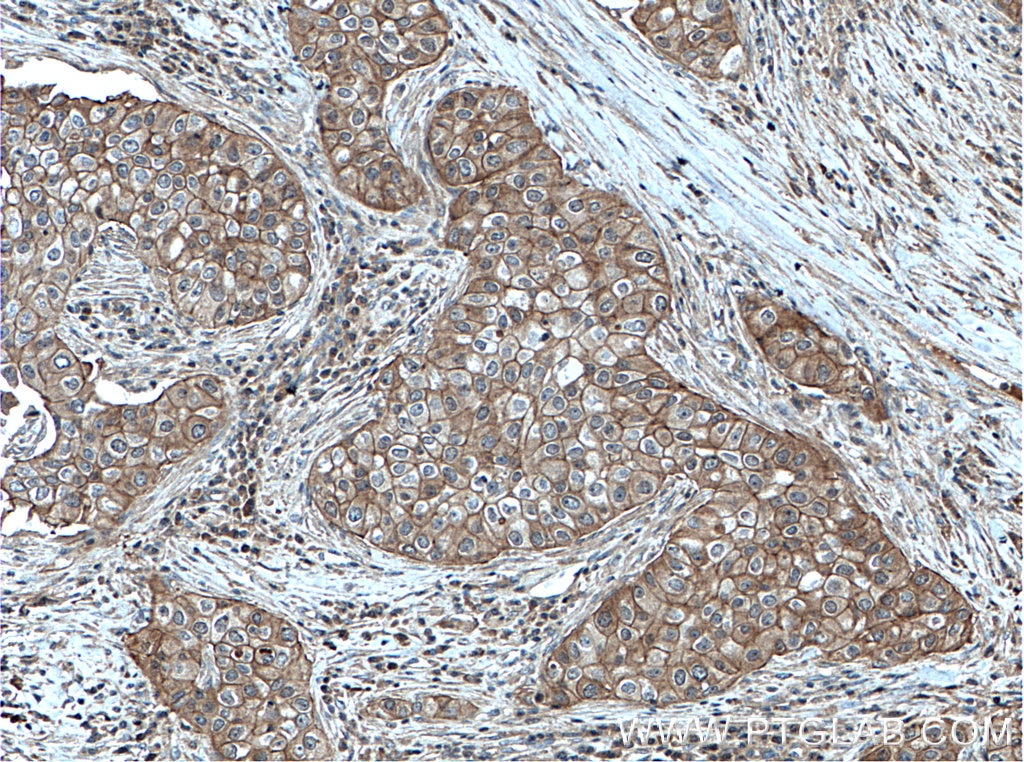
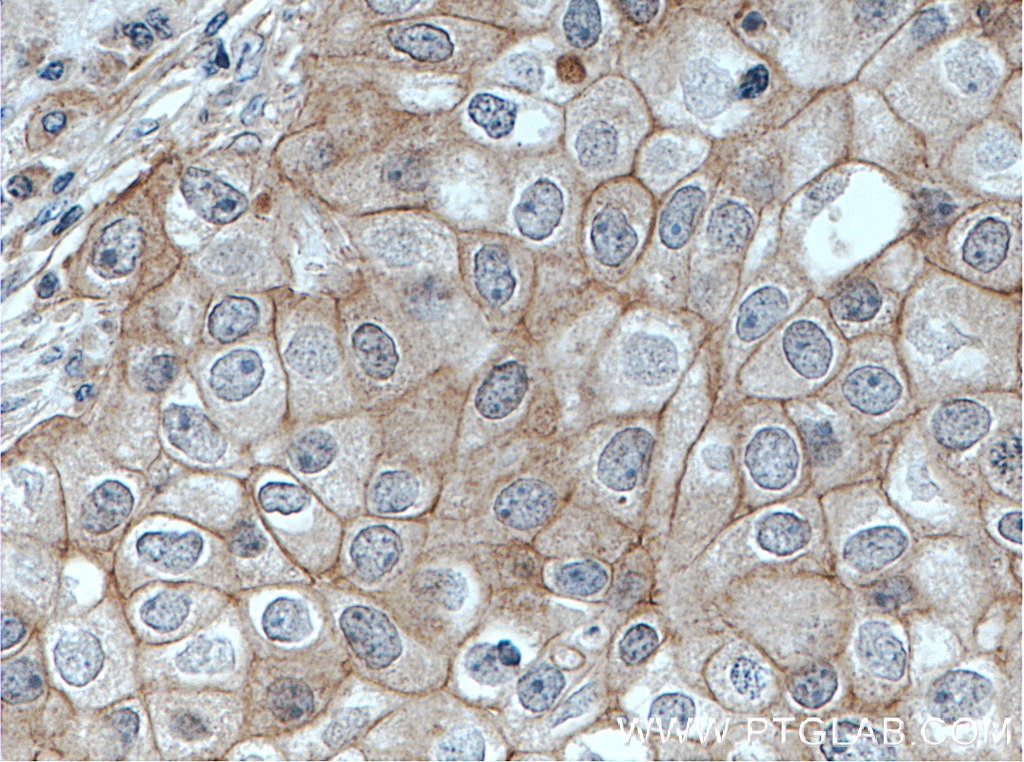
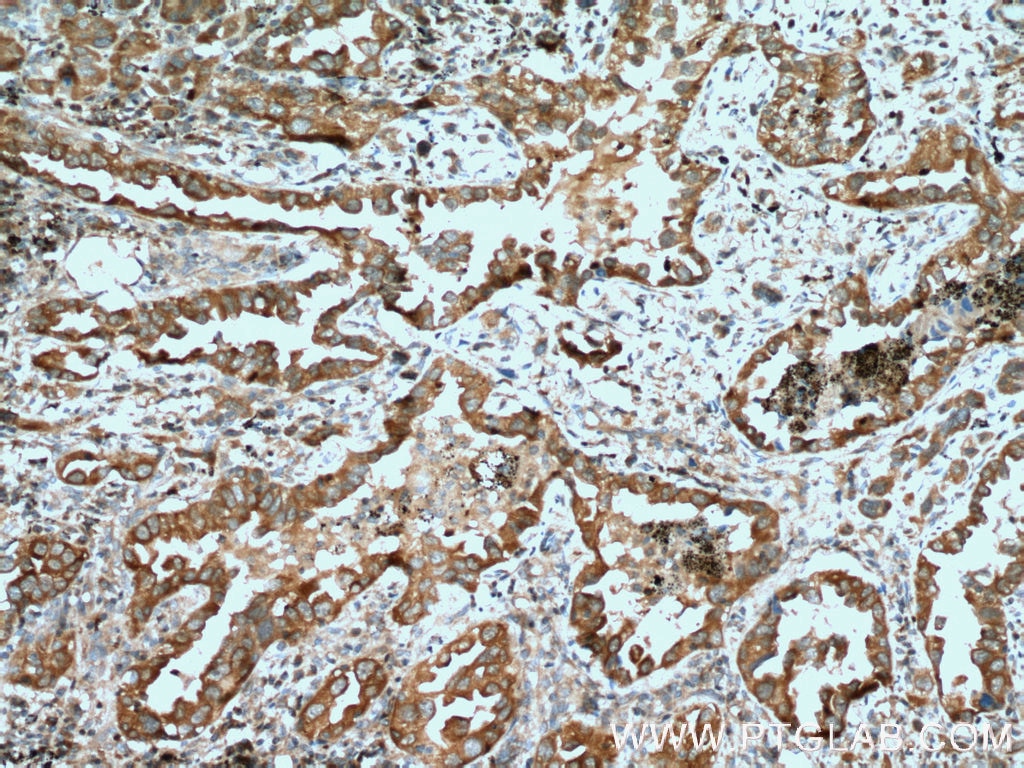
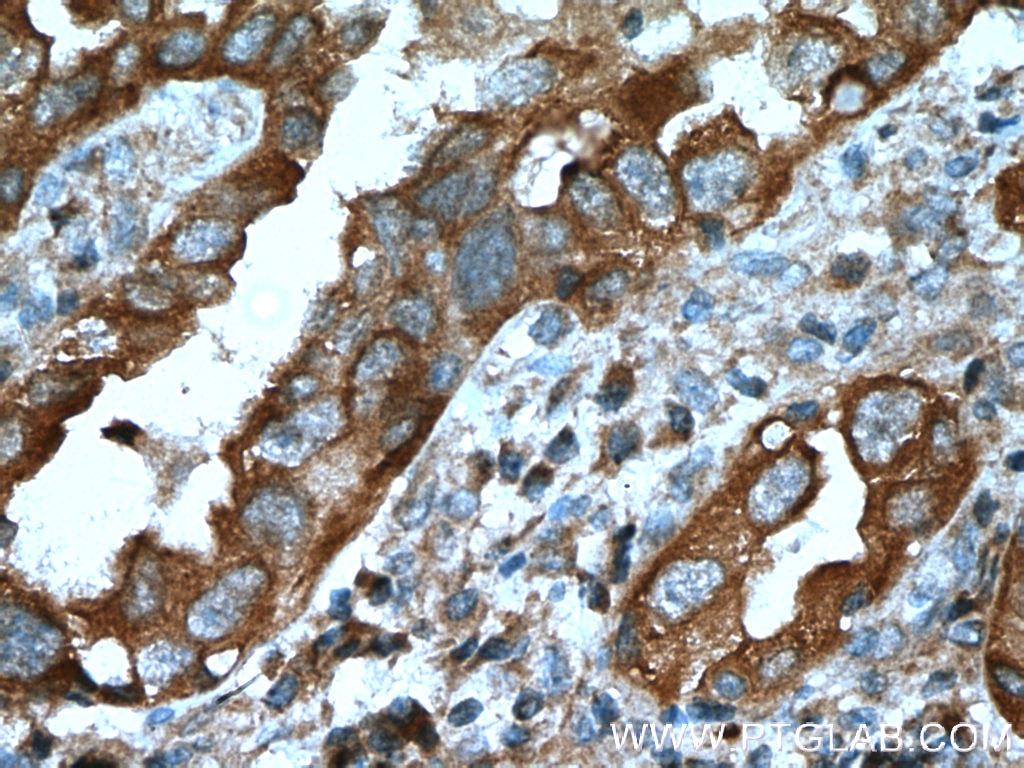
| Positive IHC detected in | human breast cancer tissue, human lung cancer tissue Note: suggested antigen retrieval with TE buffer pH 9.0; (*) Alternatively, antigen retrieval may be performed with citrate buffer pH 6.0 |
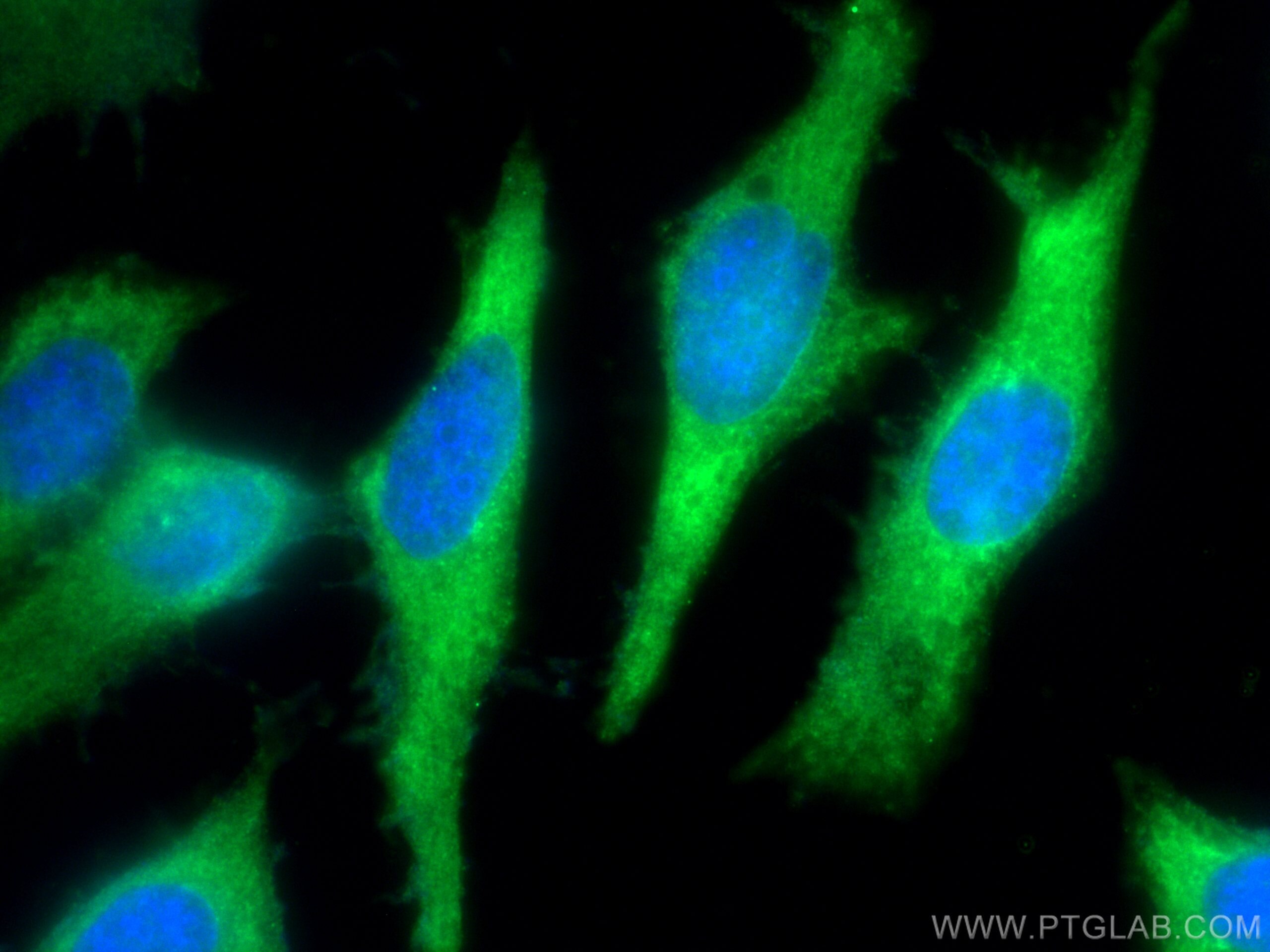
| Positive IF/ICC detected in | HeLa cells |
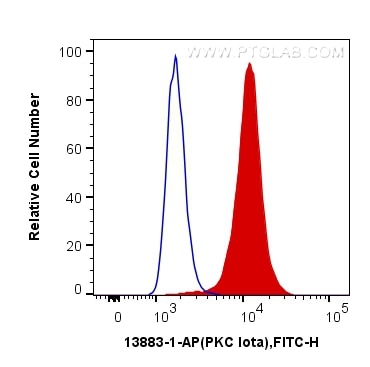
| Positive FC (Intra) detected in | HeLa cells |
Recommended dilution
| Application | Dilution |
|---|---|
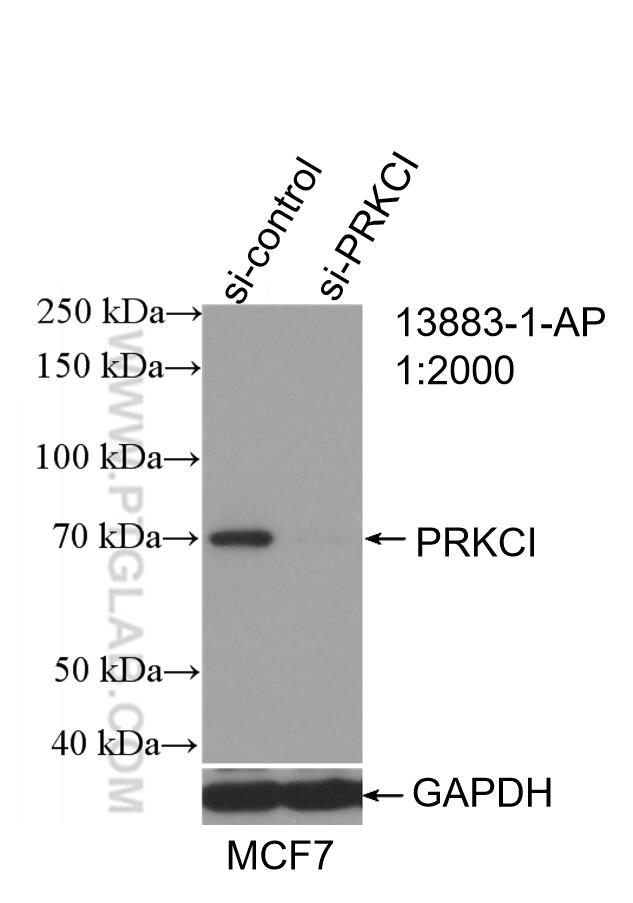
| Western Blot (WB) | WB : 1:2000-1:12000 |
| Immunoprecipitation (IP) | IP : 0.5-4.0 ug for 1.0-3.0 mg of total protein lysate |
| Immunohistochemistry (IHC) | IHC : 1:50-1:500 |
| Immunofluorescence (IF)/ICC | IF/ICC : 1:200-1:800 |
| Flow Cytometry (FC) (INTRA) | FC (INTRA) : 0.20 ug per 10^6 cells in a 100 µl suspension |
| It is recommended that this reagent should be titrated in each testing system to obtain optimal results. | |
| Sample-dependent, Check data in validation data gallery. | |
Product Information
13883-1-AP targets PKC Iota in WB, IHC, IF/ICC, FC (Intra), IP, CoIP, ELISA applications and shows reactivity with human samples.
| Tested Reactivity | human |
| Cited Reactivity | human, mouse, chicken |
| Host / Isotype | Rabbit / IgG |
| Class | Polyclonal |
| Type | Antibody |
| Immunogen |
CatNo: Ag4990 Product name: Recombinant human PRKCI protein Source: e coli.-derived, PGEX-4T Tag: GST Domain: 238-587 aa of BC022016 Sequence: SSLGLQDFDLLRVIGRGSYAKVLLVRLKKTDRIYAMKVVKKELVNDDEDIDWVQTEKHVFEQASNHPFLVGLHSCFQTESRLFFVIEYVNGGDLMFHMQRQRKLPEEHARFYSAEISLALNYLHERGIIYRDLKLDNVLLDSEGHIKLTDYGMCKEGLRPGDTTSTFCGTPNYIAPEILRGEDYGFSVDWWALGVLMFEMMAGRSPFDIVGSSDNPDQNTEDYLFQVILEKQIRIPRSMSVKAASVLKSFLNKDPKERLGCLPQTGFADIQGHPFFRNVDWDMMEQKQVVPPFKPNISGEFGLDNFDSQFTNERVQLTPDDDDIVRKIDQSEFEGFEYINPLLMSAEECV Predict reactive species |
| Full Name | protein kinase C, iota |
| Calculated Molecular Weight | 68 kDa |
| Observed Molecular Weight | 67 kDa |
| GenBank Accession Number | BC022016 |
| Gene Symbol | PKC Iota |
| Gene ID (NCBI) | 5584 |
| RRID | AB_2171777 |
| Conjugate | Unconjugated |
| Form | Liquid |
| Purification Method | Antigen affinity purification |
| UNIPROT ID | P41743 |
| Storage Buffer | PBS with 0.02% sodium azide and 50% glycerol, pH 7.3. |
| Storage Conditions | Store at -20°C. Stable for one year after shipment. Aliquoting is unnecessary for -20oC storage. 20ul sizes contain 0.1% BSA. |
Background Information
The atypical protein kinase C isoform PRKC iota (PRKCI) is a member of the protein kinase C (PKC) family of serine/threonine protein kinases. PKC family comprises at least eight members, which are differentially expressed and are involved in a wide variety of cellular processes. PRKC iota is calcium-independent and phospholipid-dependent. It is not activated by phorbolesters or diacylglycerol. This kinase can be recruited to vesicle tubular clusters (VTCs) by direct interaction with the small GTPase RAB2, where this kinase phosphorylates glyceraldehyde-3-phosphate dehydrogenase (GAPD/GAPDH) and plays a role in microtubule dynamics in the early secretory pathway. This kinase is found to be necessary for BCL-ABL-mediated resistance to drug-induced apoptosis and therefore protects leukemia cells against drug-induced apoptosis. PRKC iota plays a key role in cell proliferation, differentiation, and carcinogenesis, and it has been shown to be a human oncogene.
Protocols
| Product Specific Protocols | |
|---|---|
| FC protocol for PKC Iota antibody 13883-1-AP | Download protocol |
| IF protocol for PKC Iota antibody 13883-1-AP | Download protocol |
| IHC protocol for PKC Iota antibody 13883-1-AP | Download protocol |
| IP protocol for PKC Iota antibody 13883-1-AP | Download protocol |
| WB protocol for PKC Iota antibody 13883-1-AP | Download protocol |
| Standard Protocols | |
|---|---|
| Click here to view our Standard Protocols |
Publications
What published studies show
PKC Iota Polyclonal antibody (Cat# 13883-1-AP) has 12 citations published in journals including Cell, Mol Cancer, Cell Discov, Cancer Lett, Int J Biol Sci, Mol Med, Antioxidants, Stem Cell Res Ther, Chin Med, Cancer Sci, Development, and Onco Targets Ther. Research fields span oncology (lung, pancreatic, esophageal, colorectal, laryngeal, and ampullary cancers), ferroptosis, pulmonary fibrosis, emphysema, pre-implantation development, and developmental biology.
| Species | Application | Title |
|---|---|---|
Cell Two distinct causes contribute to the low efficiency of human pre-implantation development. | ||
Mol Cancer circPARD3 drives malignant progression and chemoresistance of laryngeal squamous cell carcinoma by inhibiting autophagy through the PRKCI-Akt-mTOR pathway.
| ||
Cancer Lett Protein kinase Cι-driven macrophage infiltration mediates immunosuppression in non-small cell lung cancer.
| ||
Int J Biol Sci Poly (ADP-ribose) polymerase 1 (PARP1) inhibition promotes pulmonary metastasis of osteosarcoma by boosting ezrin phosphorylation. | ||
Mol Med Paired protein kinases PRKCI-RIPK2 promote pancreatic cancer growth and metastasis via enhancing NF-κB/JNK/ERK phosphorylation |
Reviews
What customers say
The single review for 13883-1-AP (a PKC antibody) is highly positive. A researcher rated it 5 stars after using it at a 1:1000 dilution for Western Blot with lot 00107281. They noted that the antibody produces sharp bands when detecting PKC, indicating good specificity and signal quality in their application.
The reviews below have been submitted by verified Proteintech customers who received an incentive for providing their feedback.
Sai Sindhura (Verified Customer) (08-19-2026) | PKC gives sharp bands
|










