
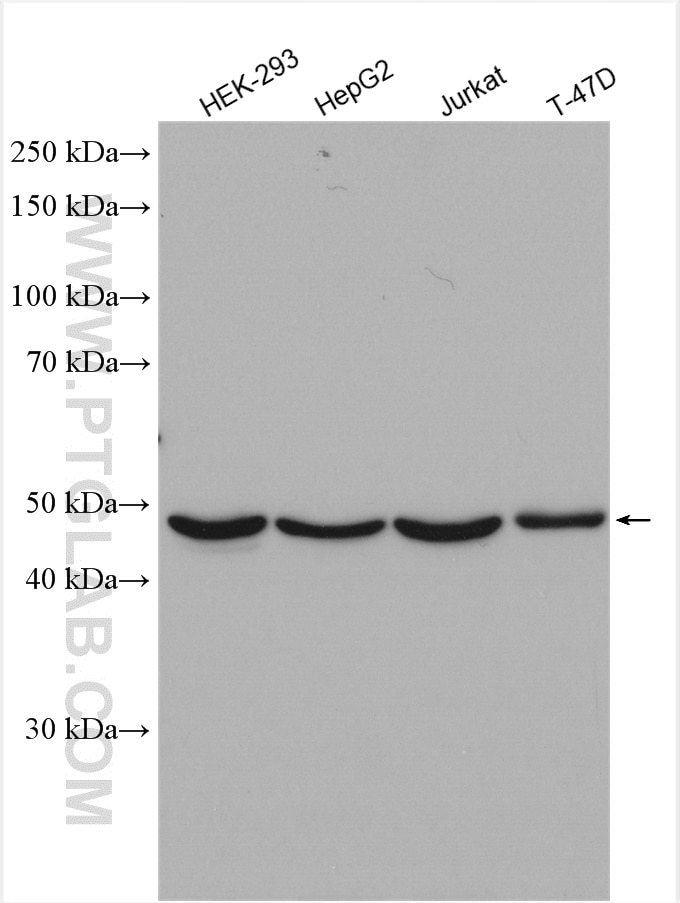
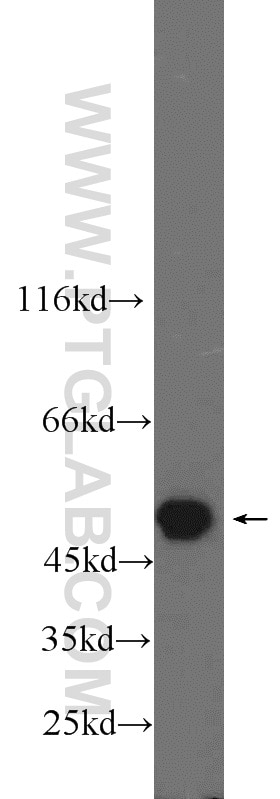
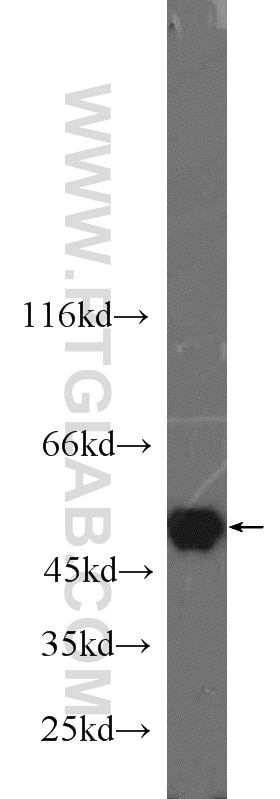
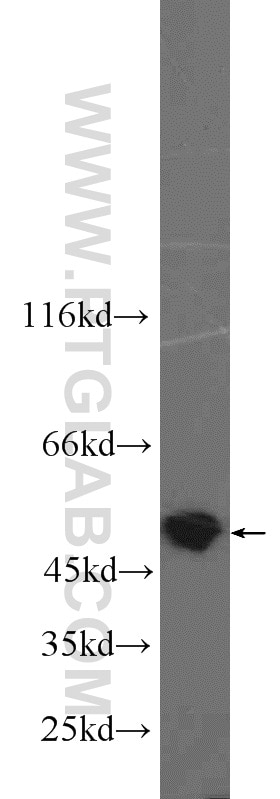
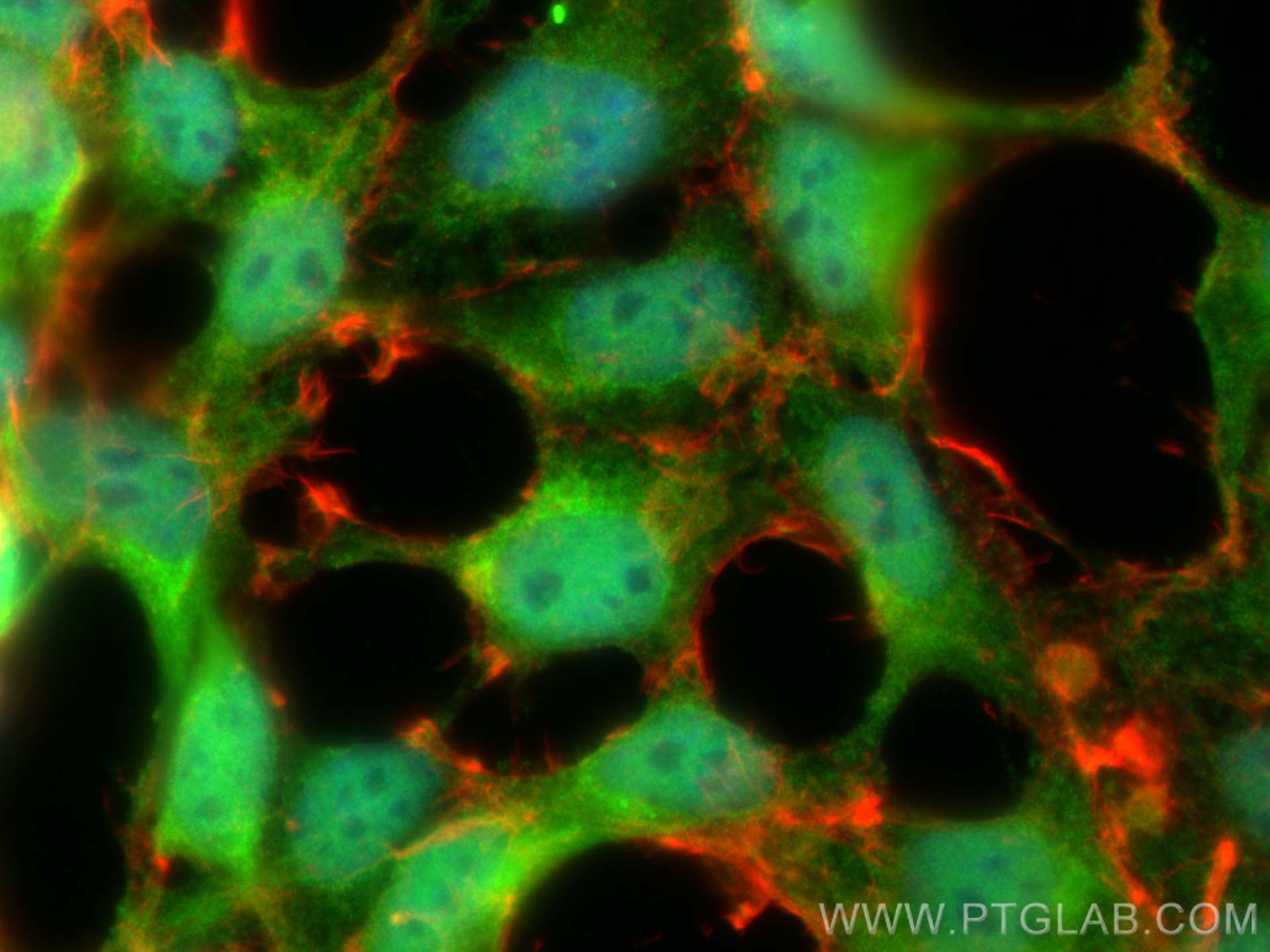

Tested Applications
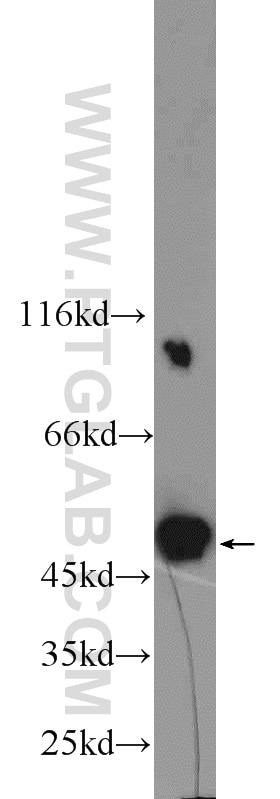
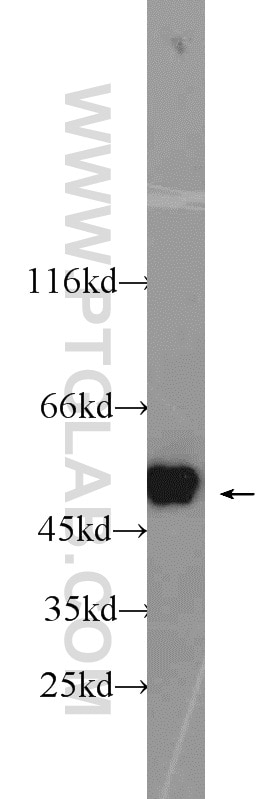
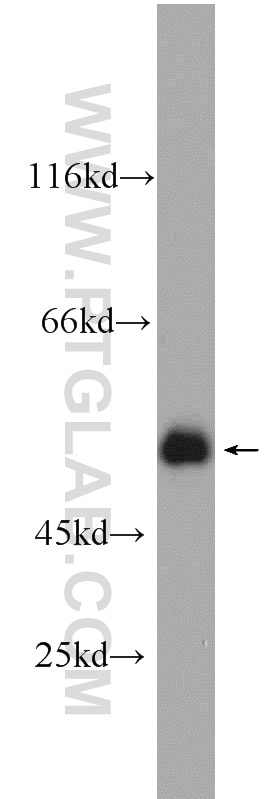
| Positive WB detected in | HEK-293 cells, A431 cells, HeLa cells, HepG2 cells, Jurkat cells, MCF-7 cells, T-47D cells |
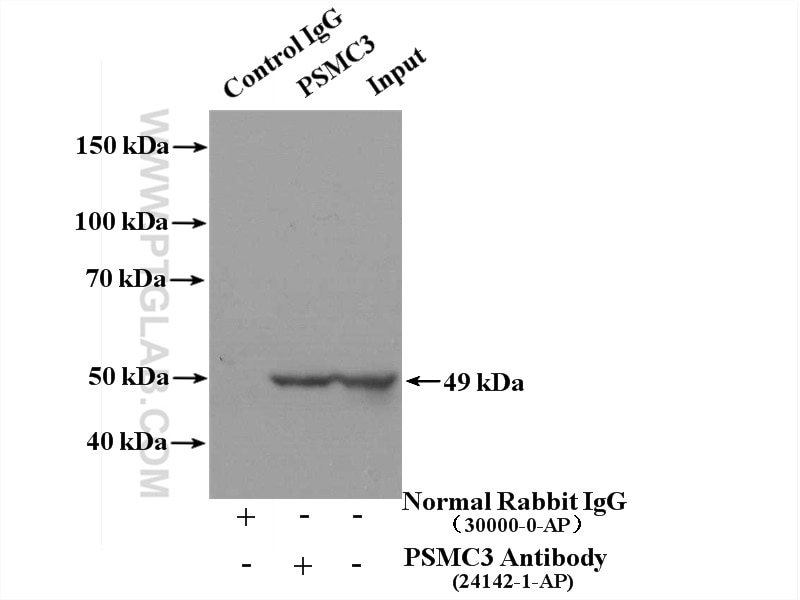
| Positive IP detected in | HeLa cells |
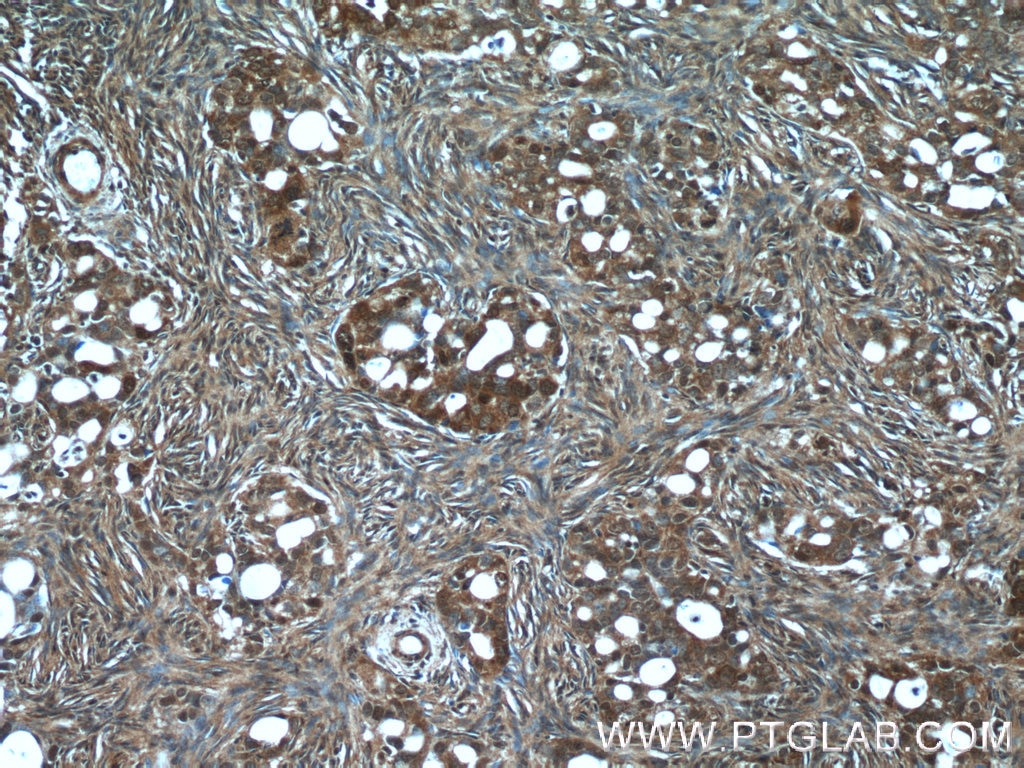
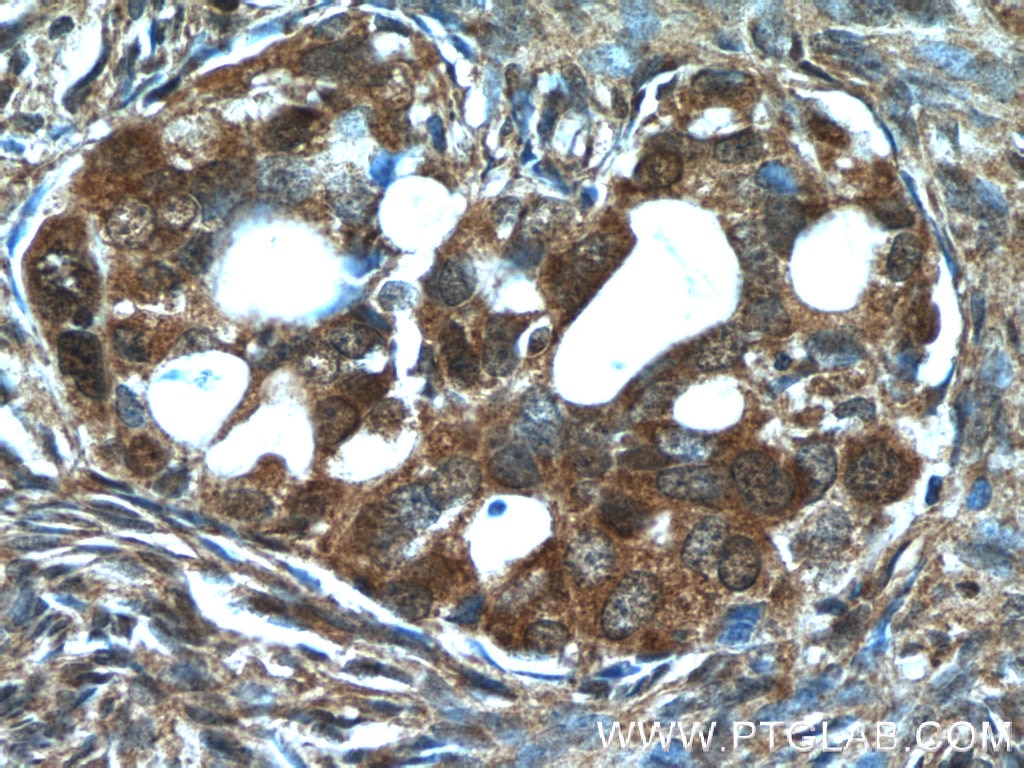
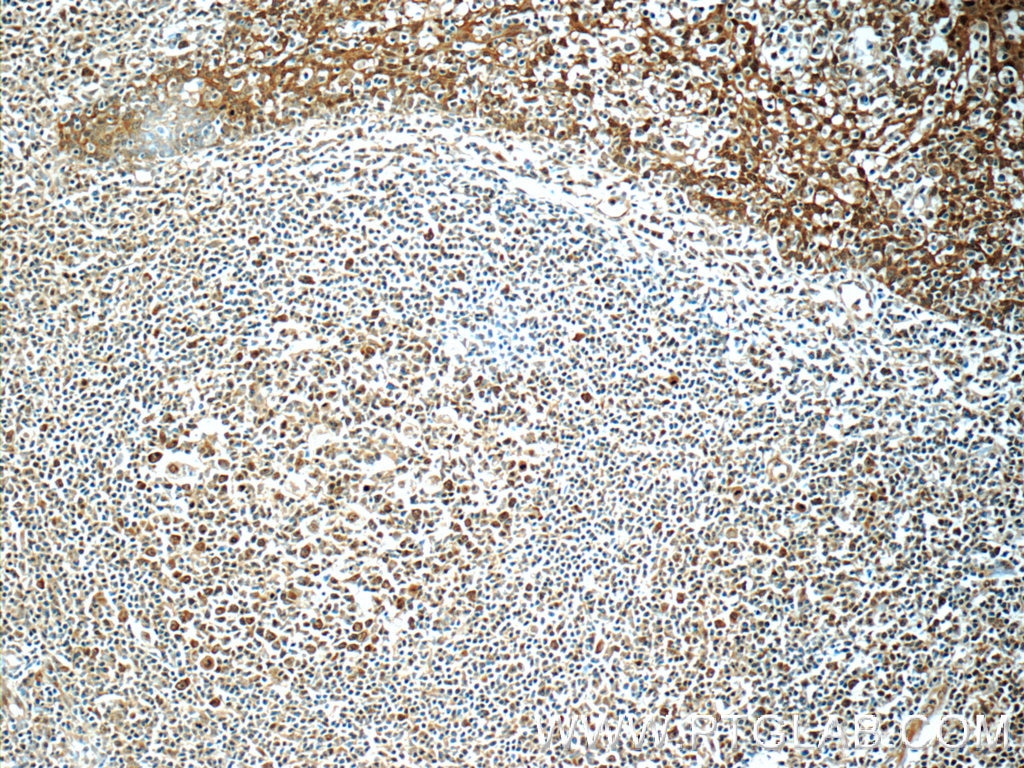
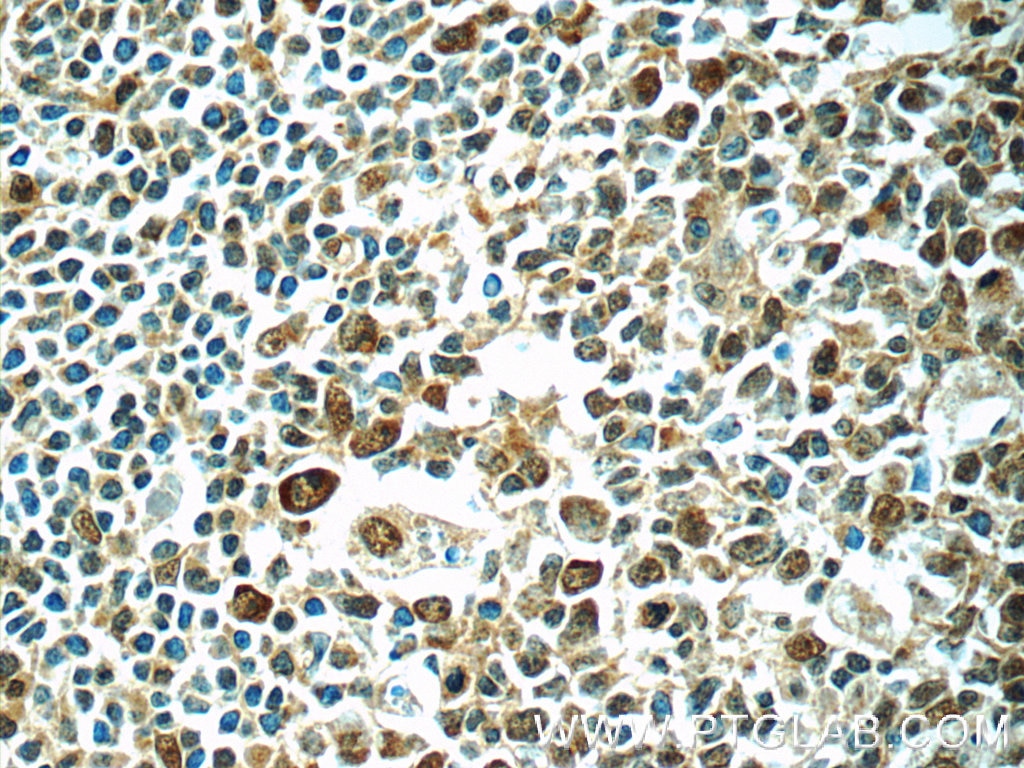
| Positive IHC detected in | human ovary tumor tissue, human tonsillitis tissue Note: suggested antigen retrieval with TE buffer pH 9.0; (*) Alternatively, antigen retrieval may be performed with citrate buffer pH 6.0 |
| Positive IF/ICC detected in | HEK-293 cells |
Recommended dilution
| Application | Dilution |
|---|---|
| Western Blot (WB) | WB : 1:1000-1:8000 |
| Immunoprecipitation (IP) | IP : 0.5-4.0 ug for 1.0-3.0 mg of total protein lysate |
| Immunohistochemistry (IHC) | IHC : 1:20-1:200 |
| Immunofluorescence (IF)/ICC | IF/ICC : 1:200-1:800 |
| It is recommended that this reagent should be titrated in each testing system to obtain optimal results. | |
| Sample-dependent, Check data in validation data gallery. | |
Product Information
24142-1-AP targets PSMC3 in WB, IHC, IF/ICC, IP, ELISA applications and shows reactivity with human samples.
| Tested Reactivity | human |
| Cited Reactivity | human, mouse |
| Host / Isotype | Rabbit / IgG |
| Class | Polyclonal |
| Type | Antibody |
| Immunogen |
CatNo: Ag21408 Product name: Recombinant human PSMC3 protein Source: e coli.-derived, PET28a Tag: 6*His Domain: 1-200 aa of BC008713 Sequence: MNLLPNIESPVTRQEKMATVWDEAEQDGIGEEVLKMSTEEIIQRTRLLDSEIKIMKSEVLRVTHELQAMKDKIKENSEKIKVNKTLPYLVSNVIELLDVDPNDQEEDGANIDLDSQRKGKCAVIKTSTRQTYFLPVIGLVDAEKLKPGDLVGVNKDSYLILETLPTEYDSRVKAMEVDERPTEQYSDIGGLDKQIQELVE Predict reactive species |
| Full Name | proteasome (prosome, macropain) 26S subunit, ATPase, 3 |
| Calculated Molecular Weight | 49 kDa |
| Observed Molecular Weight | 49 kDa |
| GenBank Accession Number | BC008713 |
| Gene Symbol | PSMC3 |
| Gene ID (NCBI) | 5702 |
| RRID | AB_2879440 |
| Conjugate | Unconjugated |
| Form | Liquid |
| Purification Method | Antigen Affinity purified |
| UNIPROT ID | P17980 |
| Storage Buffer | PBS with 0.02% sodium azide and 50% glycerol, pH 7.3. |
| Storage Conditions | Store at -20°C. Stable for one year after shipment. Aliquoting is unnecessary for -20oC storage. 20ul sizes contain 0.1% BSA. |
Background Information
PSMC3(26S protease regulatory subunit 6A) is also named as TBP1, Proteasome 26S subunit ATPase 3 and belongs to the AAA ATPase family. The 26S protease is involved in the ATP-dependent degradation of ubiquitinated proteins. It is a multifunctional protein, component of the regulatory subunit of the proteasome, involved in different cellular processes.
Protocols
| Product Specific Protocols | |
|---|---|
| IF protocol for PSMC3 antibody 24142-1-AP | Download protocol |
| IHC protocol for PSMC3 antibody 24142-1-AP | Download protocol |
| IP protocol for PSMC3 antibody 24142-1-AP | Download protocol |
| WB protocol for PSMC3 antibody 24142-1-AP | Download protocol |
| Standard Protocols | |
|---|---|
| Click here to view our Standard Protocols |
Publications
What published studies show
The PSMC3 Polyclonal antibody (Cat# 24142-1-AP) has 4 citations. These appear in ChemMedChem, Human Molecular Genetics, Molecular Biology of the Cell, and eLife. Research fields span proteasome activation and neuronal protection from β-amyloid toxicity, PSMC5-related proteasome dysfunction, proteostasis in cystic fibrosis transmembrane conductance regulator misfolding, and cleaved METTL3-driven breast cancer progression. All cited applications are Western blot in human (and one mouse) samples.
| Species | Application | Title |
|---|---|---|
ChemMedChem Pyrazolones Activate the Proteasome by Gating Mechanisms and Protect Neuronal Cells from β-Amyloid Toxicity. | ||
Mol Biol Cell Distinct proteostasis states drive pharmacologic chaperone susceptibility for cystic fibrosis transmembrane conductance regulator misfolding mutants | ||
Elife A cleaved METTL3 potentiates the METTL3-WTAP interaction and breast cancer progression |
Reviews
What customers say
The single review rates the product 4 out of 5 stars. It was used for Western Blot and Immunofluorescence at a 1:1000 dilution on A549 and H1299 cells. The reviewer reports that the antibody works well, noting that while some additional bands appeared on the Western blot—possibly representing alternative spliced isoforms or degradation products—the major band is dominant and easy to detect. Overall, the feedback is positive, with the product performing reliably across both tested applications.
The reviews below have been submitted by verified Proteintech customers who received an incentive for providing their feedback.
Tanel (Verified Customer) (01-02-2026) | works well; additional bands on WB could be alternative spliced isoforms or degradation products. However, the major band is dominant and easy to detect.
|














