

Tested Applications
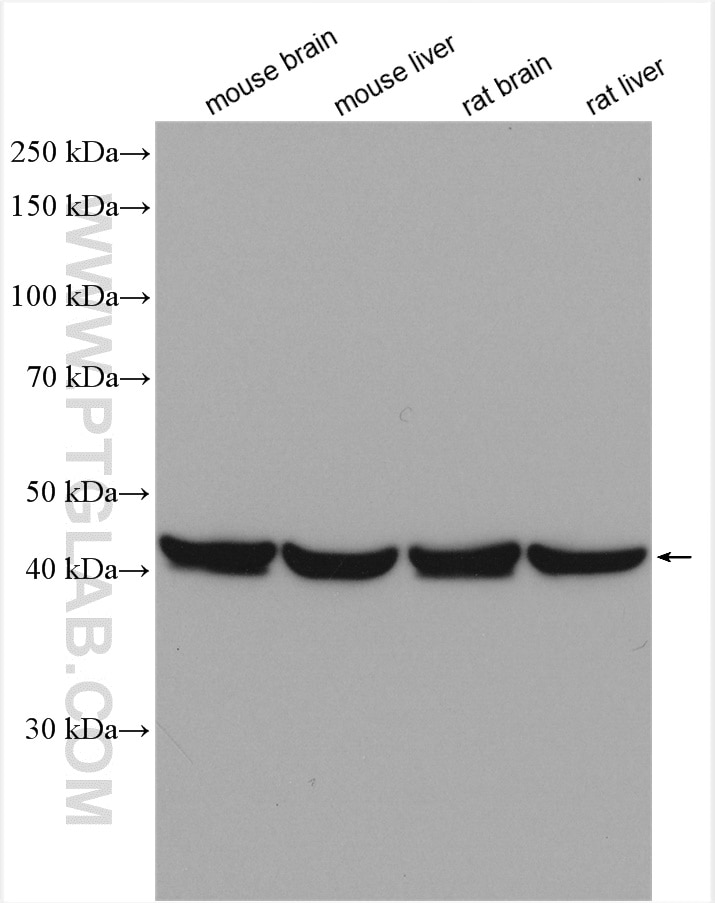
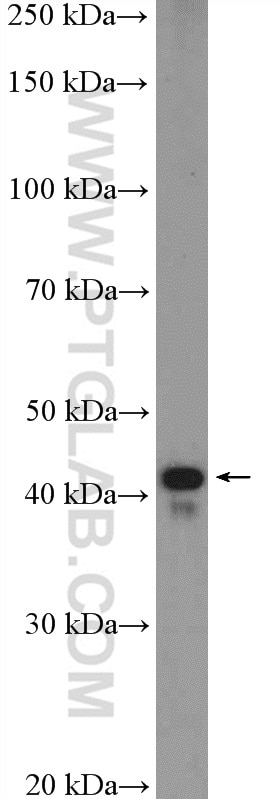
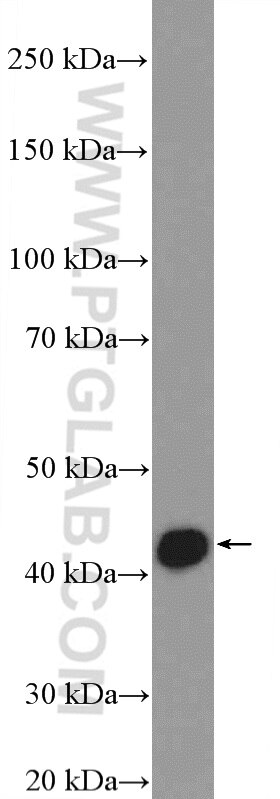
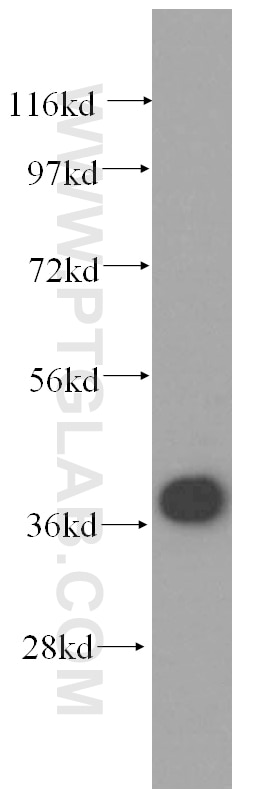
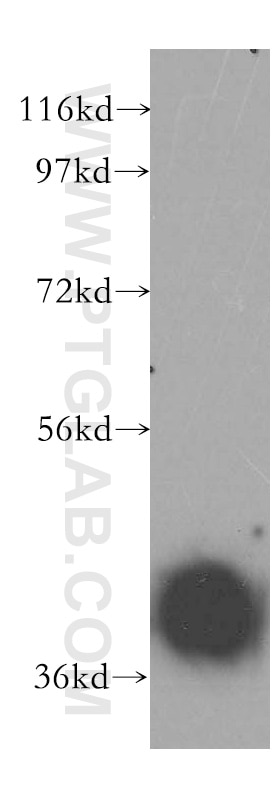
| Positive WB detected in | mouse brain tissue, human brain tissue, human testis tissue, rat liver tissue, mouse liver tissue, rat brain tissue |
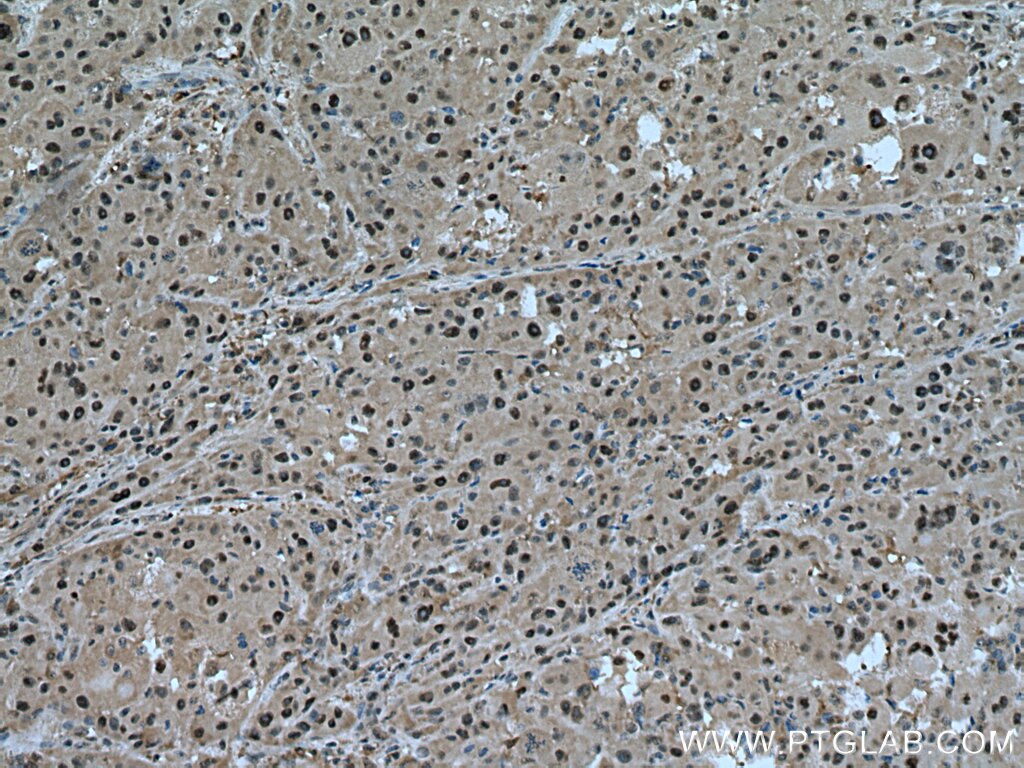
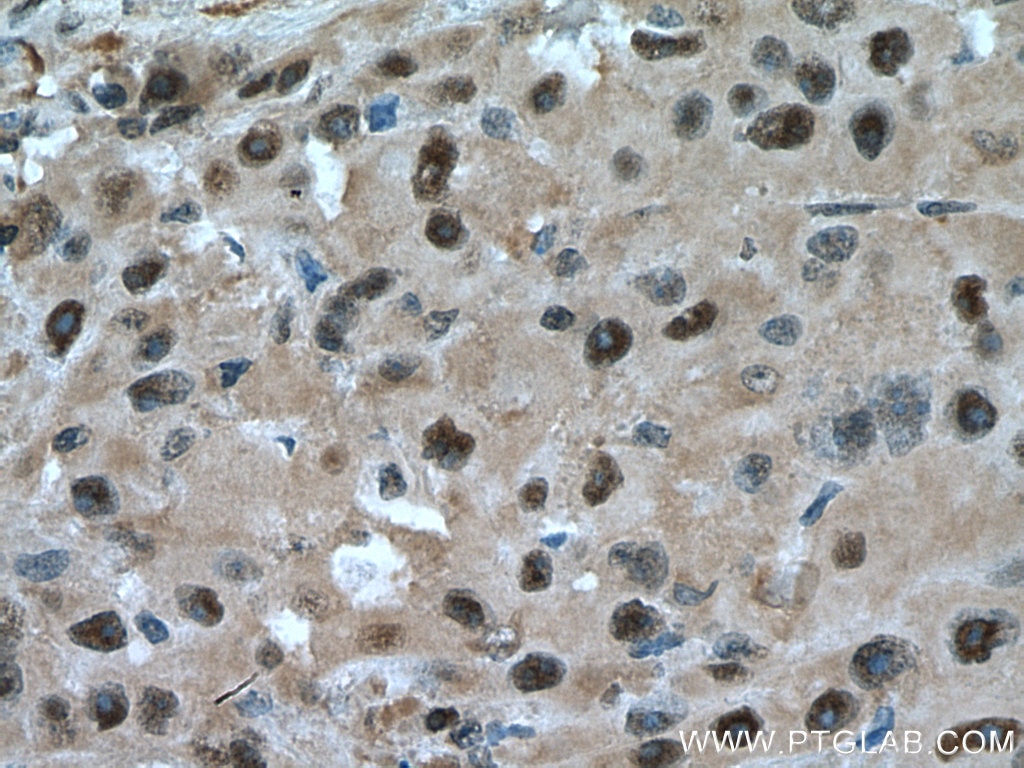
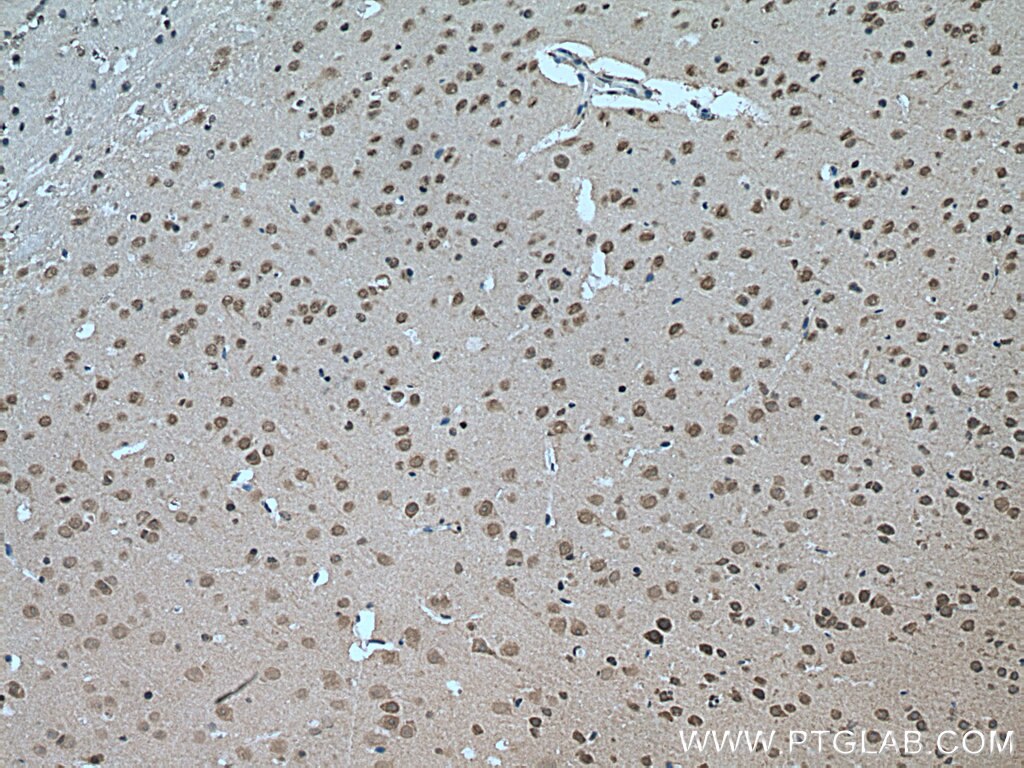
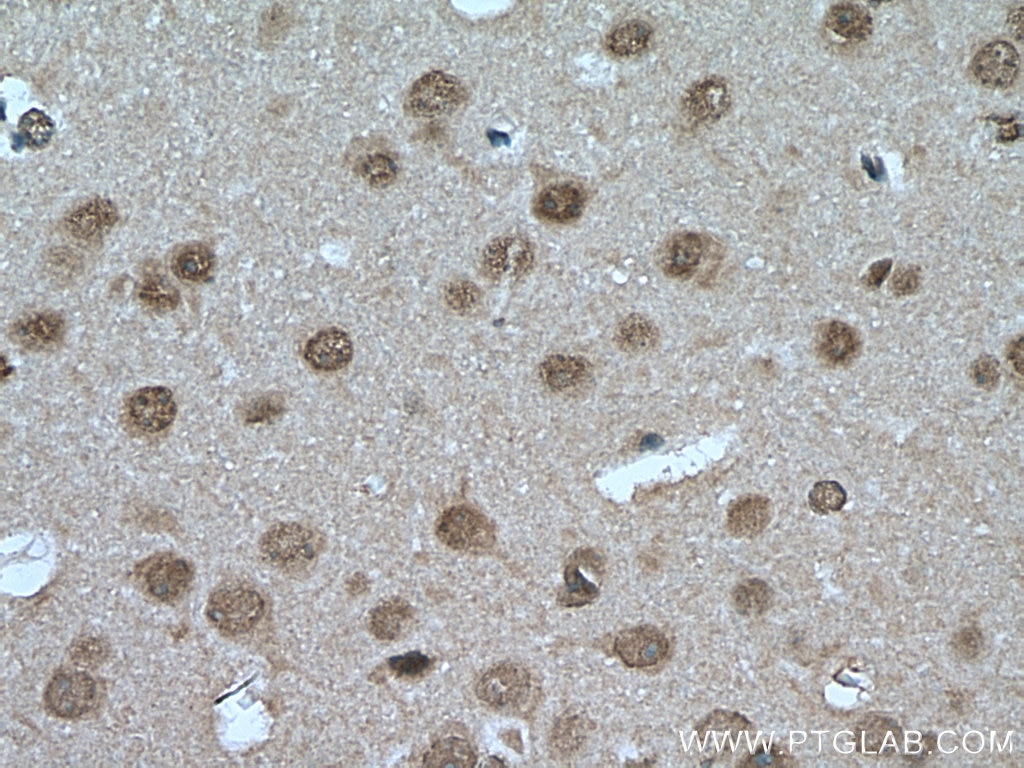
| Positive IHC detected in | human liver cancer tissue, mouse brain tissue Note: suggested antigen retrieval with TE buffer pH 9.0; (*) Alternatively, antigen retrieval may be performed with citrate buffer pH 6.0 |
Recommended dilution
| Application | Dilution |
|---|---|
| Western Blot (WB) | WB : 1:1000-1:8000 |
| Immunohistochemistry (IHC) | IHC : 1:250-1:1000 |
| It is recommended that this reagent should be titrated in each testing system to obtain optimal results. | |
| Sample-dependent, Check data in validation data gallery. | |
Product Information
15839-1-AP targets PSMC6 in WB, IHC, ELISA applications and shows reactivity with human, mouse, rat samples.
| Tested Reactivity | human, mouse, rat |
| Cited Reactivity | mouse, rat |
| Host / Isotype | Rabbit / IgG |
| Class | Polyclonal |
| Type | Antibody |
| Immunogen |
CatNo: Ag8589 Product name: Recombinant human PSMC6 protein Source: e coli.-derived, PGEX-4T Tag: GST Domain: 1-389 aa of BC005390 Sequence: MADPRDKALQDYRKKLLEHKEIDGRLKELREQLKELTKQYEKSENDLKALQSVGQIVGEVLKQLTEEKFIVKATNGPRYVVGCRRQLDKSKLKPGTRVALDMTTLTIMRYLPREVDPLVYNMSHEDPGNVSYSEIGGLSEQIRELREVIELPLTNPELFQRVGIIPPKGCLLYGPPGTGKTLLARAVASQLDCNFLKVVSSSIVDKYIGESARLIREMFNYARDHQPCIIFMDEIDAIGGRRFSEGTSADREIQRTLMELLNQMDGFDTLHRVKMIMATNRPDTLDPALLRPGRLDRKIHIDLPNEQARLDILKIHAGPITKHGEIDYEAIVKLSDGFNGADLRNVCTEAGMFAIRADHDFVVQEDFMKAVRKVADSKKLESKLDYKPV Predict reactive species |
| Full Name | proteasome (prosome, macropain) 26S subunit, ATPase, 6 |
| Calculated Molecular Weight | 389 aa, 44 kDa |
| Observed Molecular Weight | 42 kDa |
| GenBank Accession Number | BC005390 |
| Gene Symbol | PSMC6 |
| Gene ID (NCBI) | 5706 |
| RRID | AB_2237797 |
| Conjugate | Unconjugated |
| Form | Liquid |
| Purification Method | Antigen affinity purification |
| UNIPROT ID | P62333 |
| Storage Buffer | PBS with 0.02% sodium azide and 50% glycerol, pH 7.3. |
| Storage Conditions | Store at -20°C. Stable for one year after shipment. Aliquoting is unnecessary for -20oC storage. 20ul sizes contain 0.1% BSA. |
Background Information
PSMC6(proteasome (prosome, macropain) 26S subunit, ATPase, 6) is also named as CADP44, MGC12520, P44, SUG2, p42 and belongs to the AAA ATPase family. It is a component of the 26S protease, which is involved in the ATP-dependent degradation of ubiquitinated proteins. The regulatory (or ATPase) complex confers ATP dependency and substrate specificity to the 26S complex. The gene encodes a 44 kDa PSMC6.
Protocols
| Product Specific Protocols | |
|---|---|
| IHC protocol for PSMC6 antibody 15839-1-AP | Download protocol |
| WB protocol for PSMC6 antibody 15839-1-AP | Download protocol |
| Standard Protocols | |
|---|---|
| Click here to view our Standard Protocols |
Publications
What published studies show
The PSMC6 Polyclonal antibody (Cat# 15839-1-AP) has 6 citations spanning journals including Nature Cell Biology, Journal of Biomedical Science, Cell Reports Medicine, Acta Pharmacologica Sinica, FASEB Journal, and Cardiovascular Drugs and Therapy. Research fields covered include aggrephagy and proteasome-mediated fragmentation, TDP-43-related neurodegeneration, colorectal cancer biomarker profiling, pressure overload-induced myocardial hypertrophy, glucose-induced renal injury, and proteasome-GSK-3 pathway in cardiac hypertrophy. Applications cited include Western blot and IHC in mouse, rat, and human studies.
| Species | Application | Title |
|---|---|---|
Nat Cell Biol A chaperone-proteasome-based fragmentation machinery is essential for aggrephagy | ||
J Biomed Sci Znf179 E3 ligase-mediated TDP-43 polyubiquitination is involved in TDP-43- ubiquitinated inclusions (UBI) (+)-related neurodegenerative pathology. | ||
Cell Rep Med Integrative proteomic profiling of tumor and plasma extracellular vesicles identifies a diagnostic biomarker panel for colorectal cancer | ||
Acta Pharmacol Sin Zonisamide attenuates pressure overload-induced myocardial hypertrophy in mice through proteasome inhibition | ||
Cardiovasc Drugs Ther Quercetin Prevents In Vivo and In Vitro Myocardial Hypertrophy Through the Proteasome-GSK-3 Pathway. |










