

Tested Applications
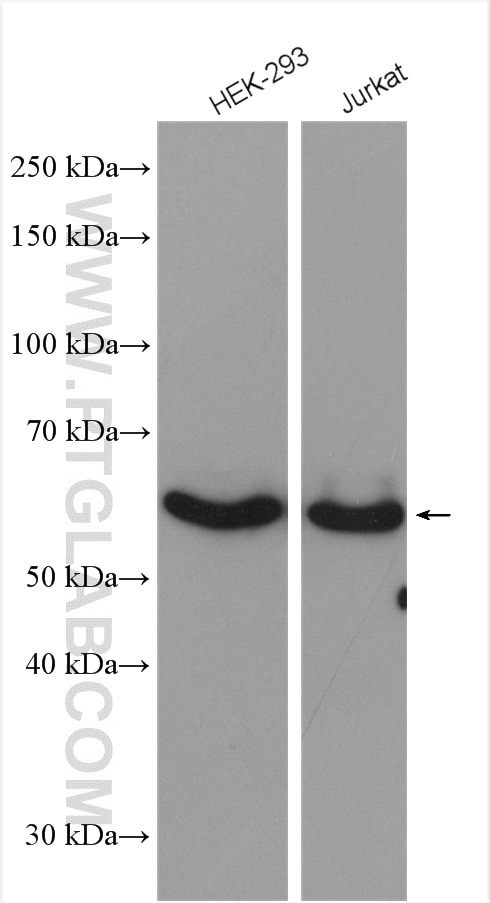
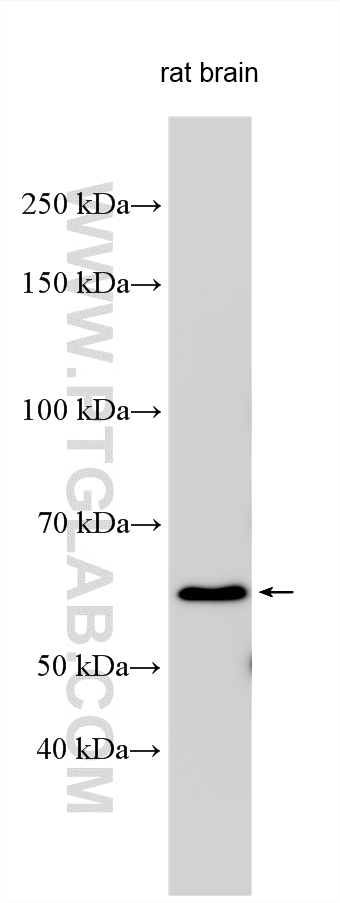
| Positive WB detected in | HEK-293 cells, rat brain tissue, Jurkat cells |
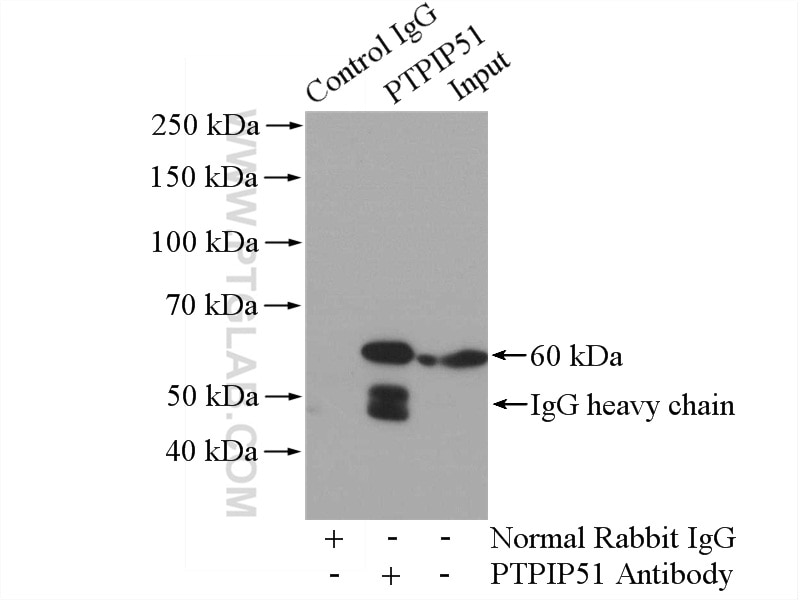
| Positive IP detected in | HEK-293 cells |
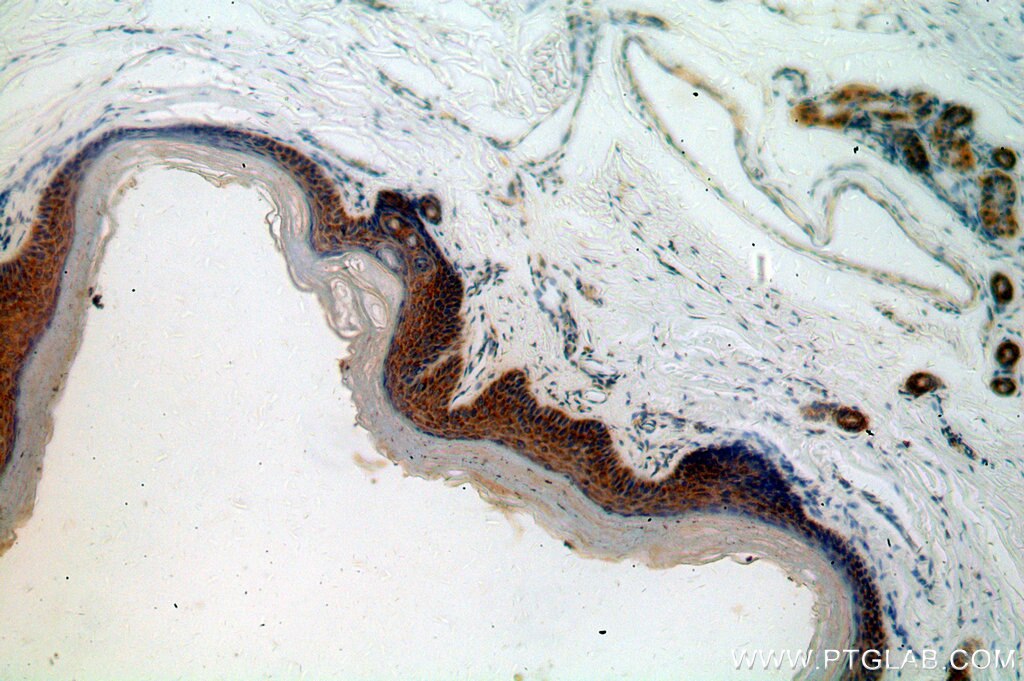
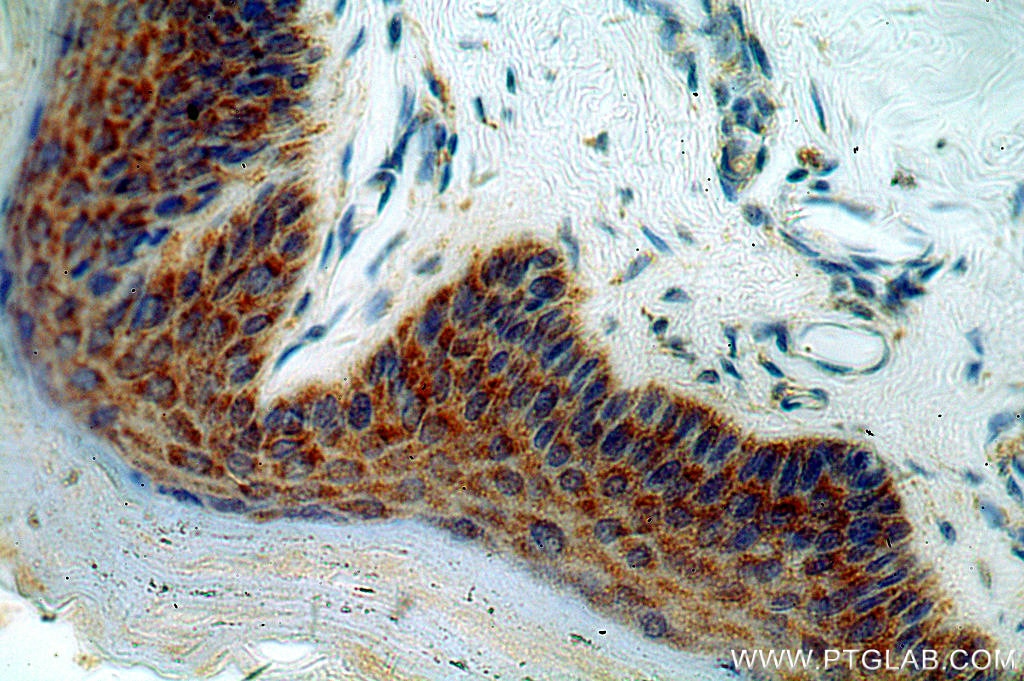
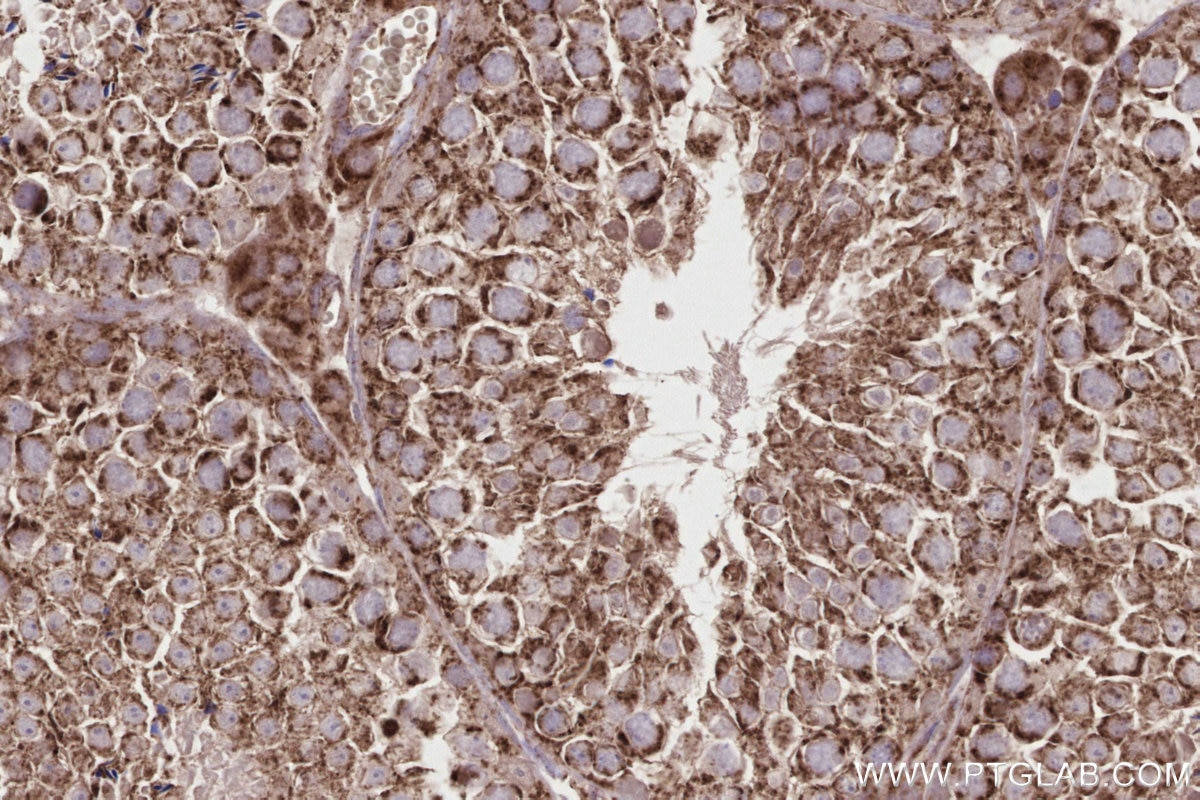
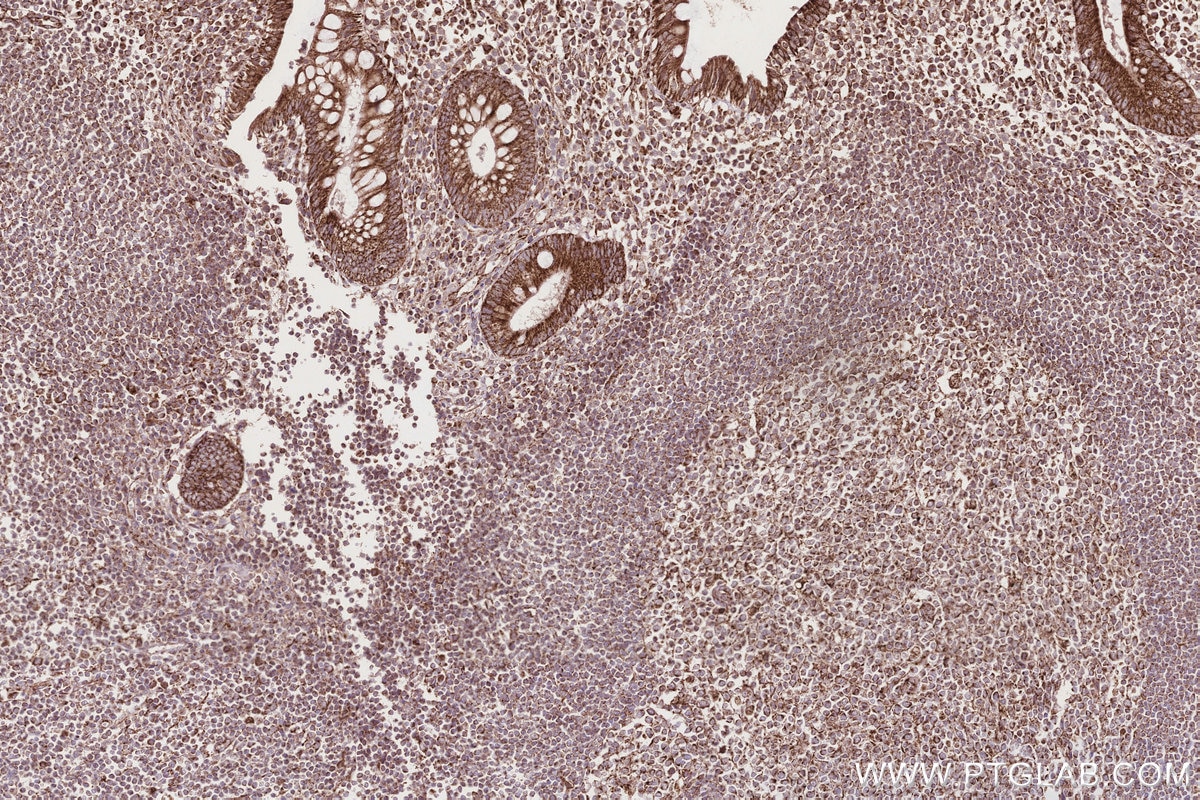
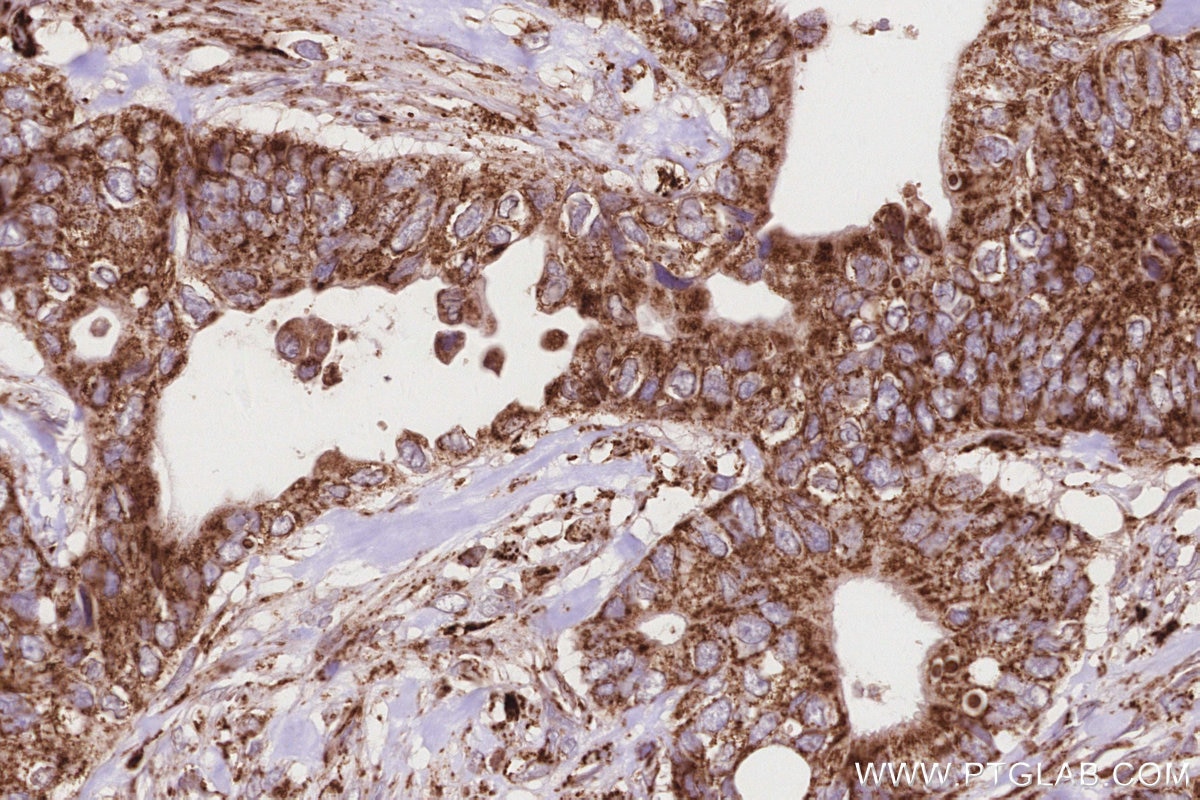
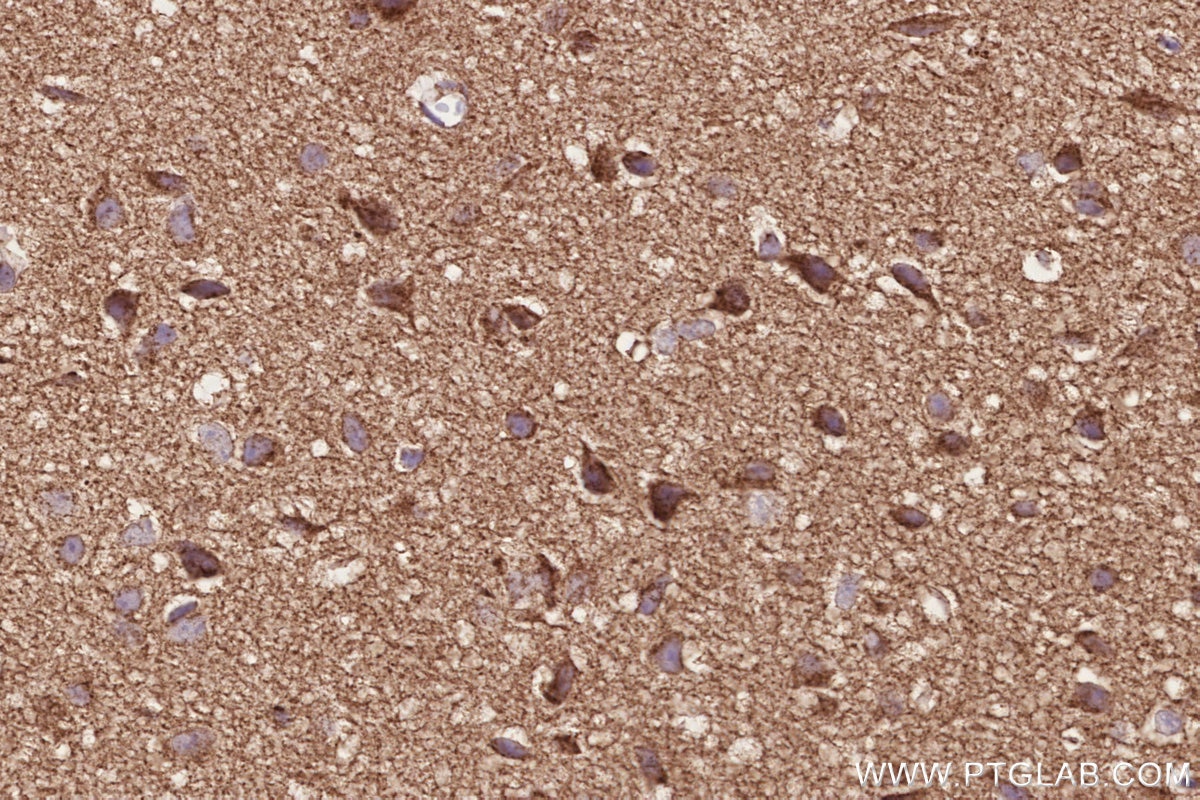
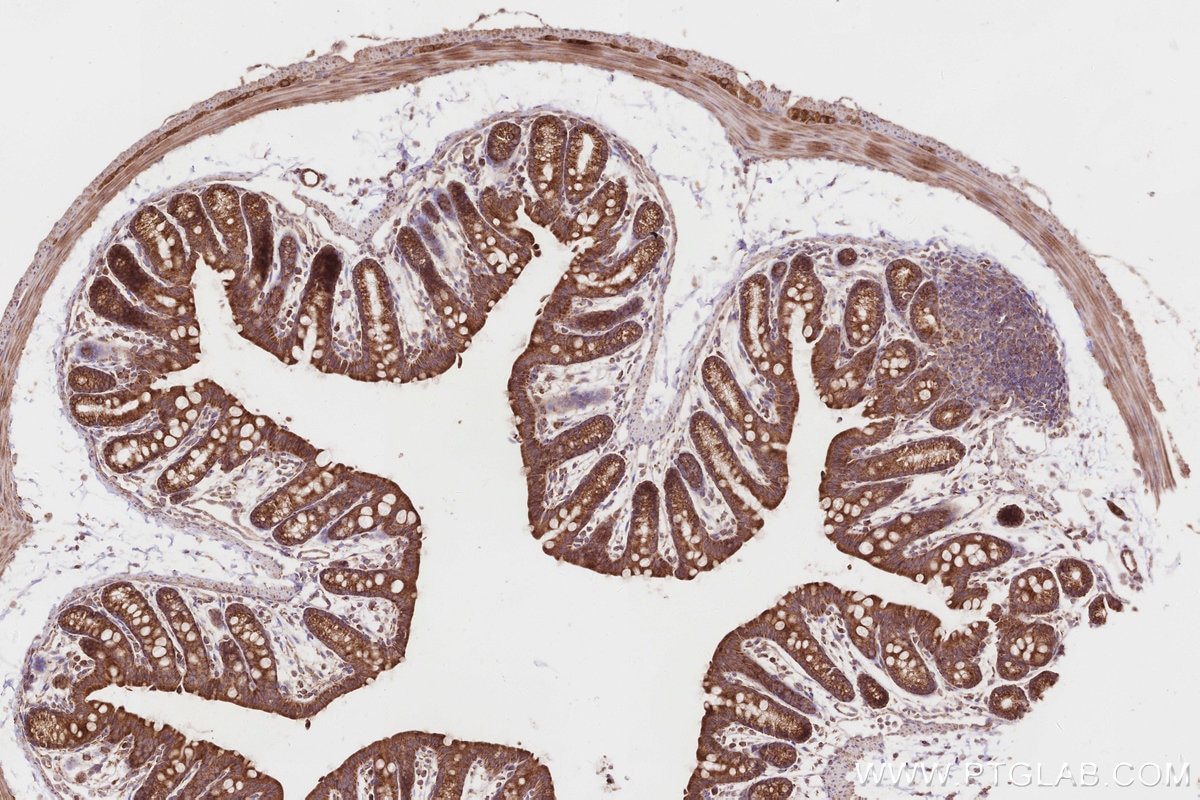
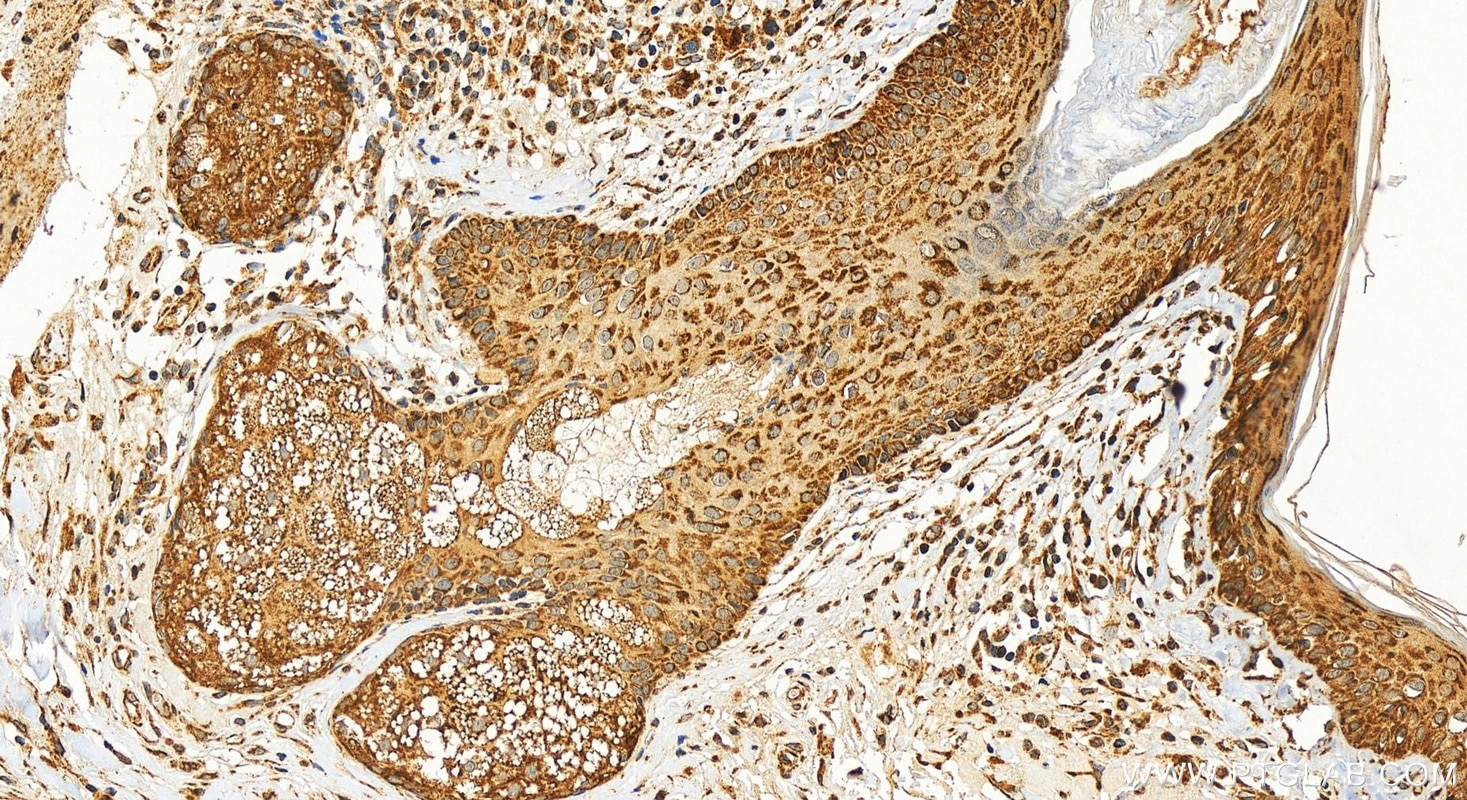
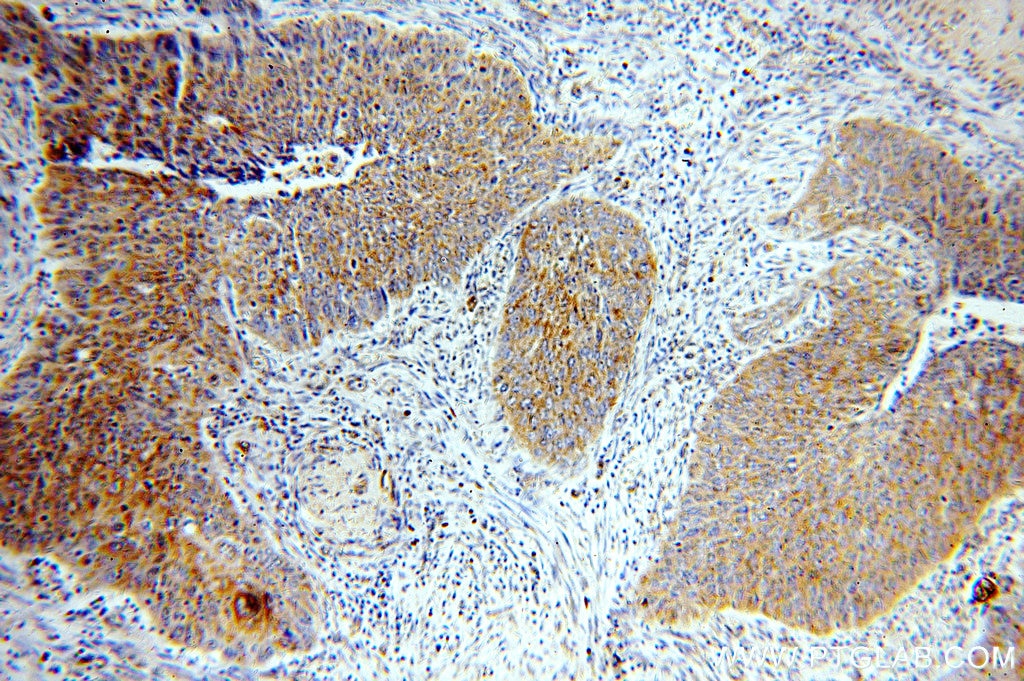
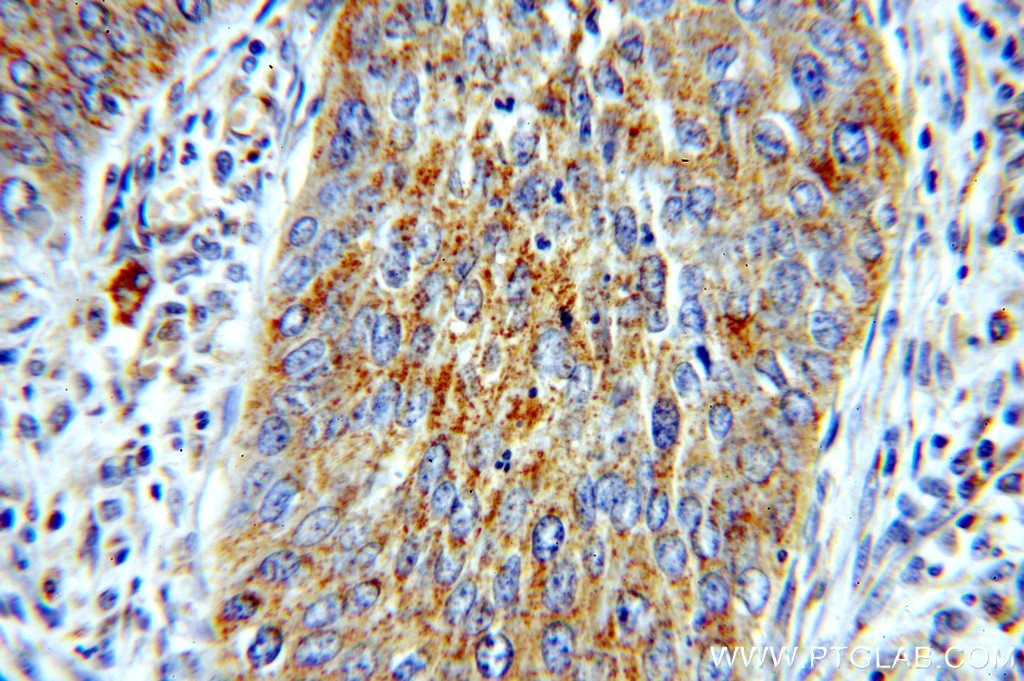
| Positive IHC detected in | human paracancerous of skin cancer, mouse testis tissue, mouse brain tissue, human rectal cancer tissue, human skin tissue, mouse colon tissue, human appendicitis tissue, human cervical cancer tissue Note: suggested antigen retrieval with TE buffer pH 9.0; (*) Alternatively, antigen retrieval may be performed with citrate buffer pH 6.0 |
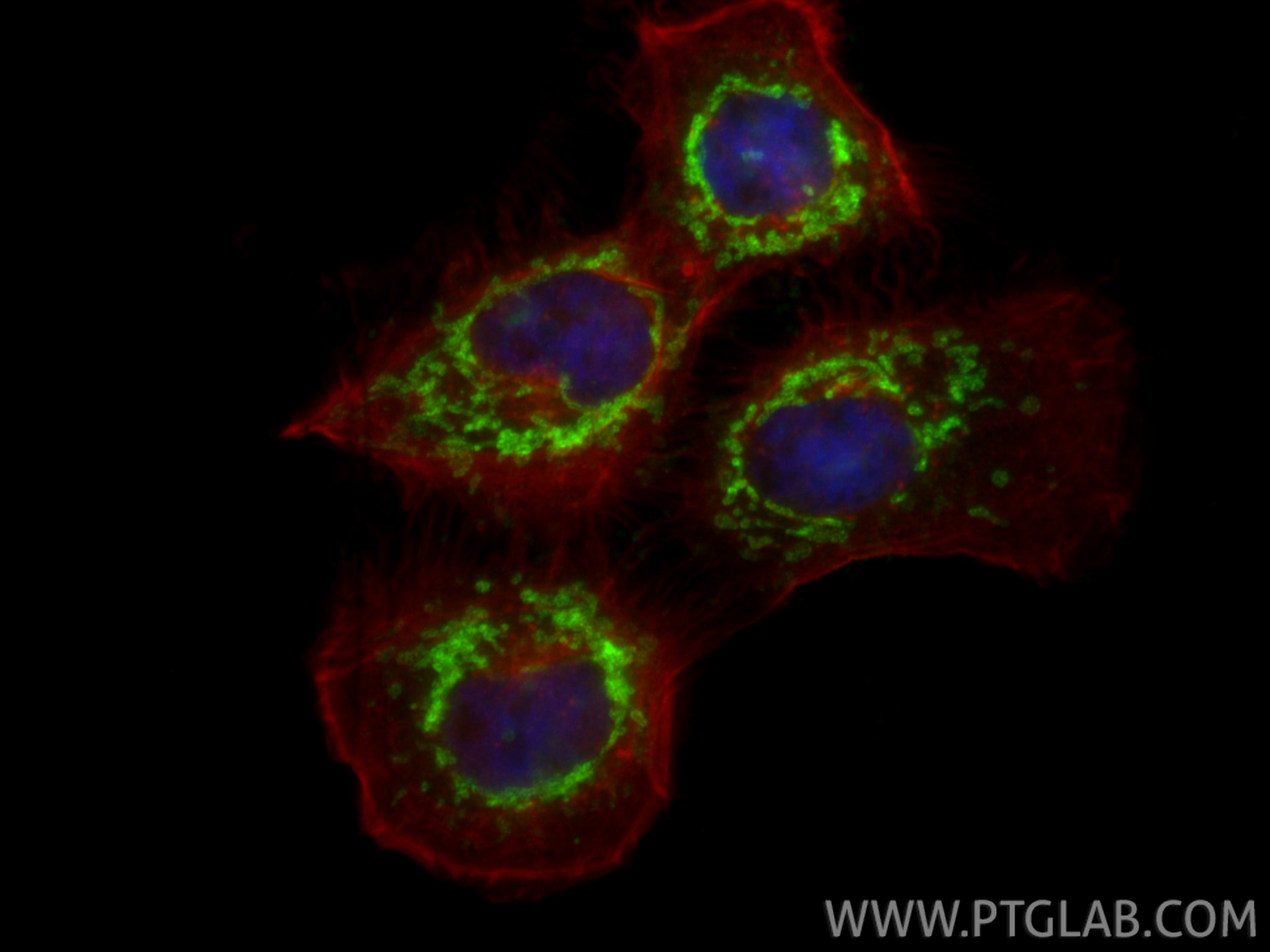
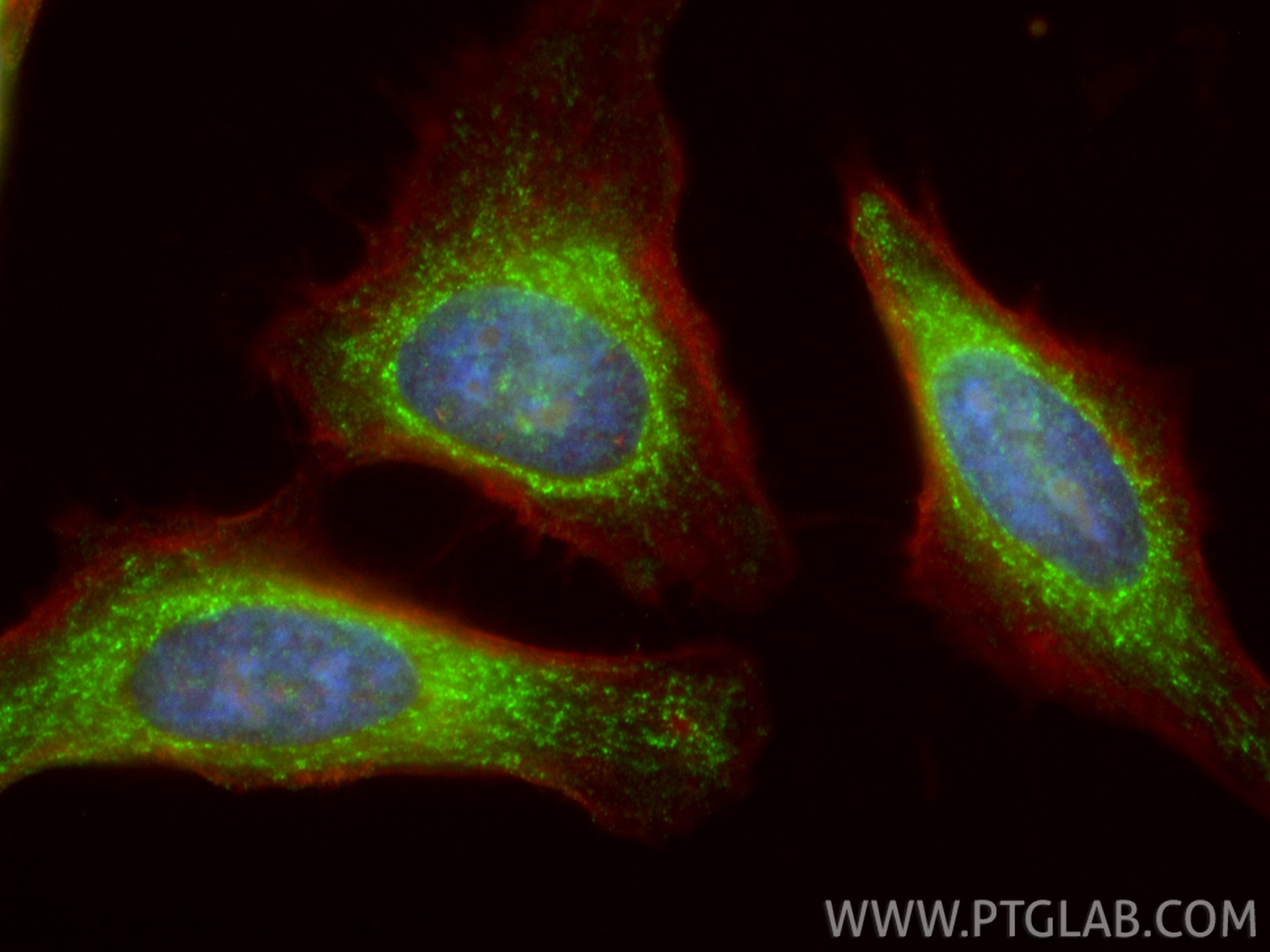
| Positive IF/ICC detected in | A431 cells, HeLa cells |
Recommended dilution
| Application | Dilution |
|---|---|
| Western Blot (WB) | WB : 1:500-1:3000 |
| Immunoprecipitation (IP) | IP : 0.5-4.0 ug for 1.0-3.0 mg of total protein lysate |
| Immunohistochemistry (IHC) | IHC : 1:100-1:1200 |
| Immunofluorescence (IF)/ICC | IF/ICC : 1:50-1:500 |
| It is recommended that this reagent should be titrated in each testing system to obtain optimal results. | |
| Sample-dependent, Check data in validation data gallery. | |
Product Information
20641-1-AP targets PTPIP51 in WB, IHC, IF/ICC, IP, COIP, ELISA applications and shows reactivity with human, mouse, rat samples.
| Tested Reactivity | human, mouse, rat |
| Cited Reactivity | human, mouse, rat, monkey |
| Host / Isotype | Rabbit / IgG |
| Class | Polyclonal |
| Type | Antibody |
| Immunogen |
CatNo: Ag14708 Product name: Recombinant human PTPIP51 protein Source: e coli.-derived, PGEX-4T Tag: GST Domain: 1-141 aa of BC008970 Sequence: ESDNERDSDKESEDGEDEVSCETVKMGRKDSLDLEEEAASGASSALEAGGSSGLEDVLPLLQQADELHRGDEQGKREGFQLLLNNKLVYGSRQDFLWRLARAYSDMCELTEEVSEKKSYALDGKEEAEAALEKGDESADCH Predict reactive species |
| Full Name | family with sequence similarity 82, member A2 |
| Calculated Molecular Weight | 470 aa, 52 kDa |
| Observed Molecular Weight | 52-60 kDa |
| GenBank Accession Number | BC008970 |
| Gene Symbol | PTPIP51 |
| Gene ID (NCBI) | 55177 |
| RRID | AB_10695187 |
| Conjugate | Unconjugated |
| Form | Liquid |
| Purification Method | Antigen affinity purification |
| UNIPROT ID | Q96TC7 |
| Storage Buffer | PBS with 0.02% sodium azide and 50% glycerol, pH 7.3. |
| Storage Conditions | Store at -20°C. Stable for one year after shipment. Aliquoting is unnecessary for -20oC storage. 20ul sizes contain 0.1% BSA. |
Background Information
Protein tyrosine phosphatase-interacting protein 51 (PTPIP51),also known as RMDN3, is a mitochondrial membrane-anchored protein that interacts with ER membrane-bound VAPB. The VAPB-PTPIP51 interaction impacts on intracellular Ca2+ handling (PMID: 22131369, 28345618). PTPIP51 participates in multiple cellular processes, and dysfunction of PTPIP51 is implicated in diseases such as cancer and neurodegenerative disorders (PMID: 28345618). The known initiation sites in the Ptpip51 gene would lead to molecular protein masses of 52, 38 and 30 kDa (PMID: 18854601,19844996).
Protocols
| Product Specific Protocols | |
|---|---|
| IF protocol for PTPIP51 antibody 20641-1-AP | Download protocol |
| IHC protocol for PTPIP51 antibody 20641-1-AP | Download protocol |
| IP protocol for PTPIP51 antibody 20641-1-AP | Download protocol |
| WB protocol for PTPIP51 antibody 20641-1-AP | Download protocol |
| Standard Protocols | |
|---|---|
| Click here to view our Standard Protocols |
Publications
What published studies show
The anti-VAPB antibody (Cat# 20641-1-AP) has 37 citations across 28 journals, including Nature Communications, Nature Cell Biology, Cell Metabolism, EMBO Journal, Developmental Cell, Molecular Cell, Current Biology, and Autophagy. Research fields span ER-mitochondria contact sites (MAMs), autophagy, neurodegeneration (ALS, Parkinson's disease), cancer, lipid metabolism, calcium signaling, viral replication, ischemic stroke, and metabolic disorders.
| Species | Application | Title |
|---|---|---|
Nat Cell Biol MIROs and DRP1 drive mitochondrial-derived vesicle biogenesis and promote quality control.
| ||
Autophagy Organelle contact reorganization drives calcium-dependent autophagy under proteostatic stress. | ||
Nat Commun ER-mitochondria contacts mediate lipid radical transfer via RMDN3/PTPIP51 phosphorylation to reduce mitochondrial oxidative stress | ||
Nat Commun RHOA regulates mitochondria-ER contact sites through modulation of the VAPB/PTPIP51 tether. | ||
Exp Mol Med The anticancer effect of metformin targets VDAC1 via ER-mitochondria interactions-mediated autophagy in HCC |
Reviews
What customers say
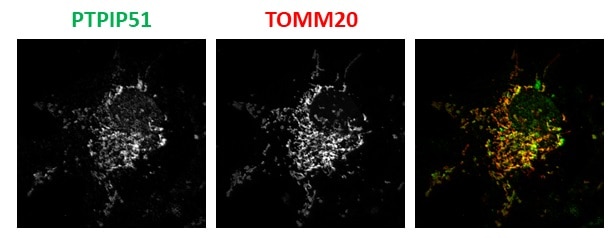
One reviewer (Tom Ryan, March 2021) rated this antibody 4 out of 5 stars for immunofluorescence on Cos7 cells using a 1/100 dilution. The protocol involved 4% PFA fixation, 0.1% Triton X-100 permeabilization, and 1% BSA blocking, with mitochondria co-labeled using TOMM20. The primary antibody was incubated for 1 hour. The reviewer provided an image showing clear mitochondrial staining, indicating good performance under these conditions.
The reviews below have been submitted by verified Proteintech customers who received an incentive for providing their feedback.
Tom (Verified Customer) (03-23-2021) | Cos7 cells fixed in 4% PFA, perm in 0.1% Triton then blocked in 1% BSA. Mitochondria also labelled with TOMM20. Cells incubated with primary antibody (1/100) for 1 hour.
 |
















