

Tested Applications
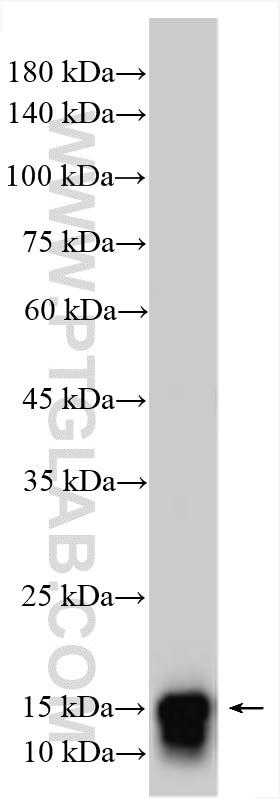
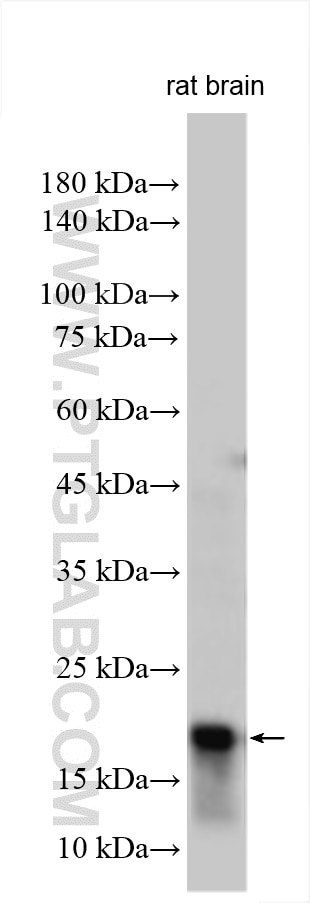
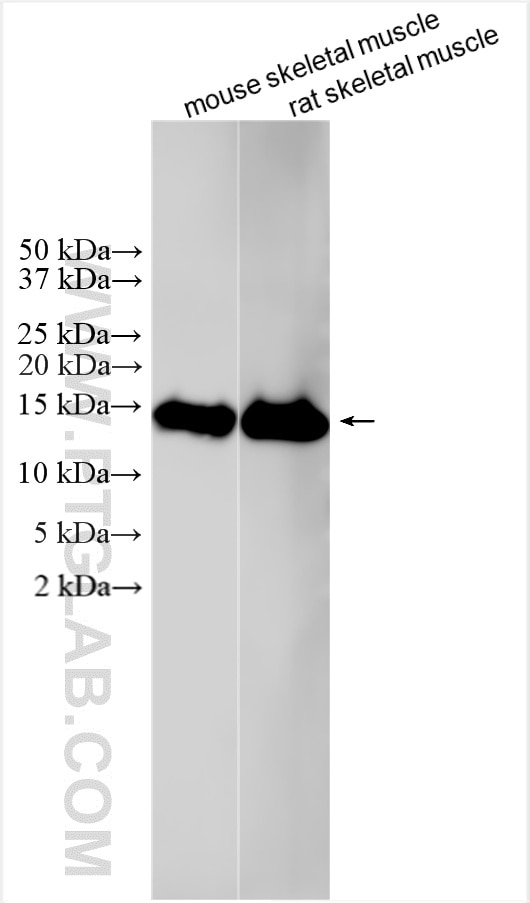
| Positive WB detected in | mouse brain tissue, mouse skeletal muscle tissue, rat brain tissue, rat skeletal muscle tissue |
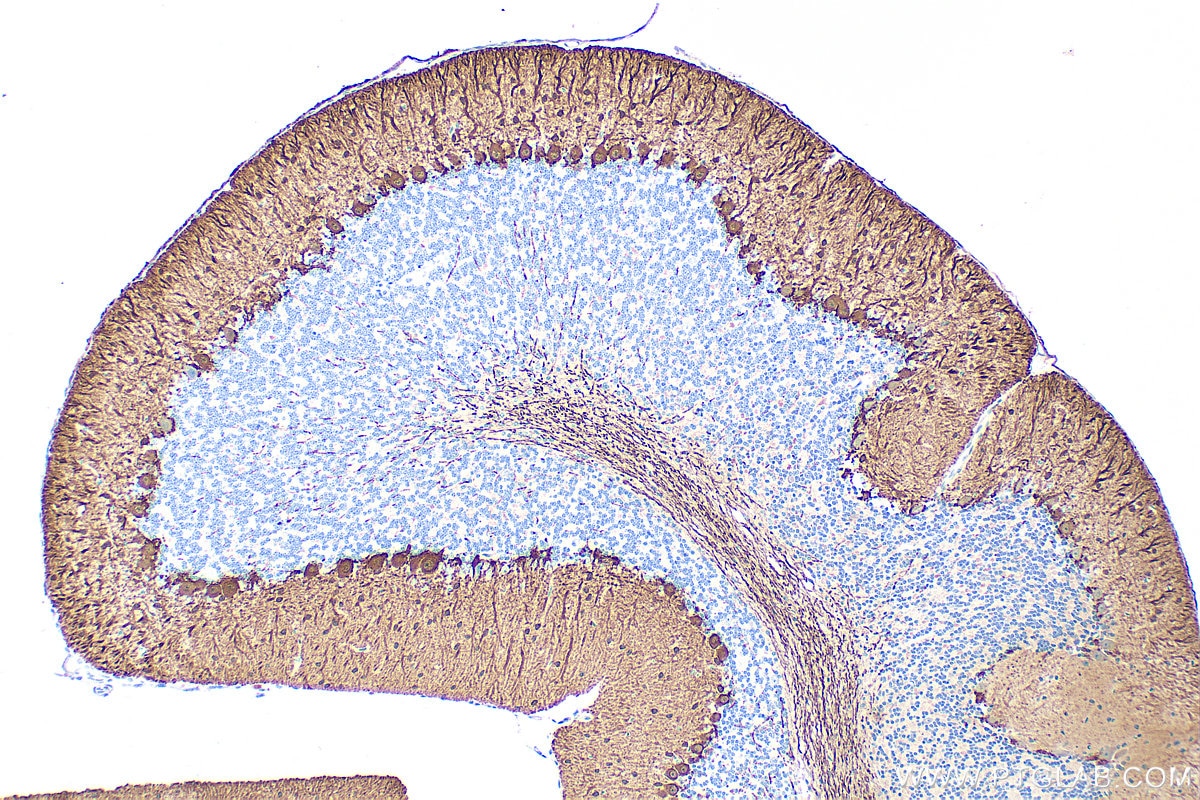
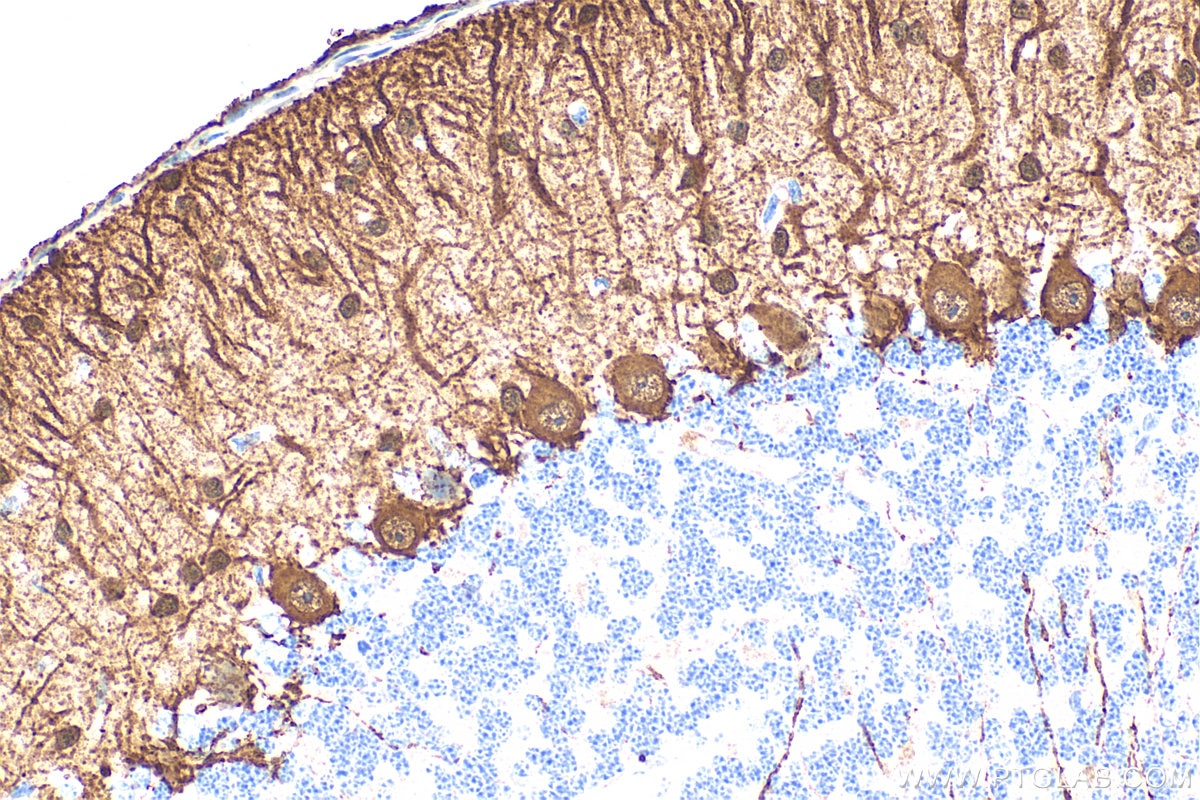
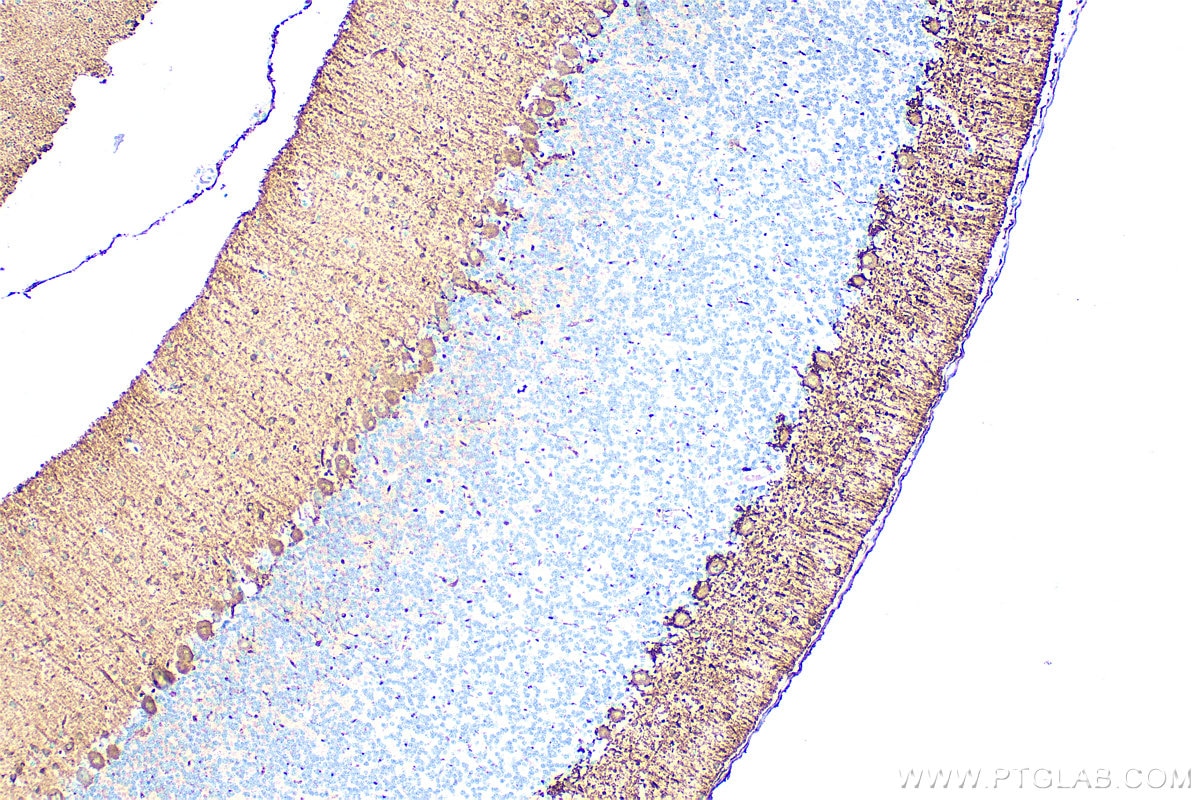
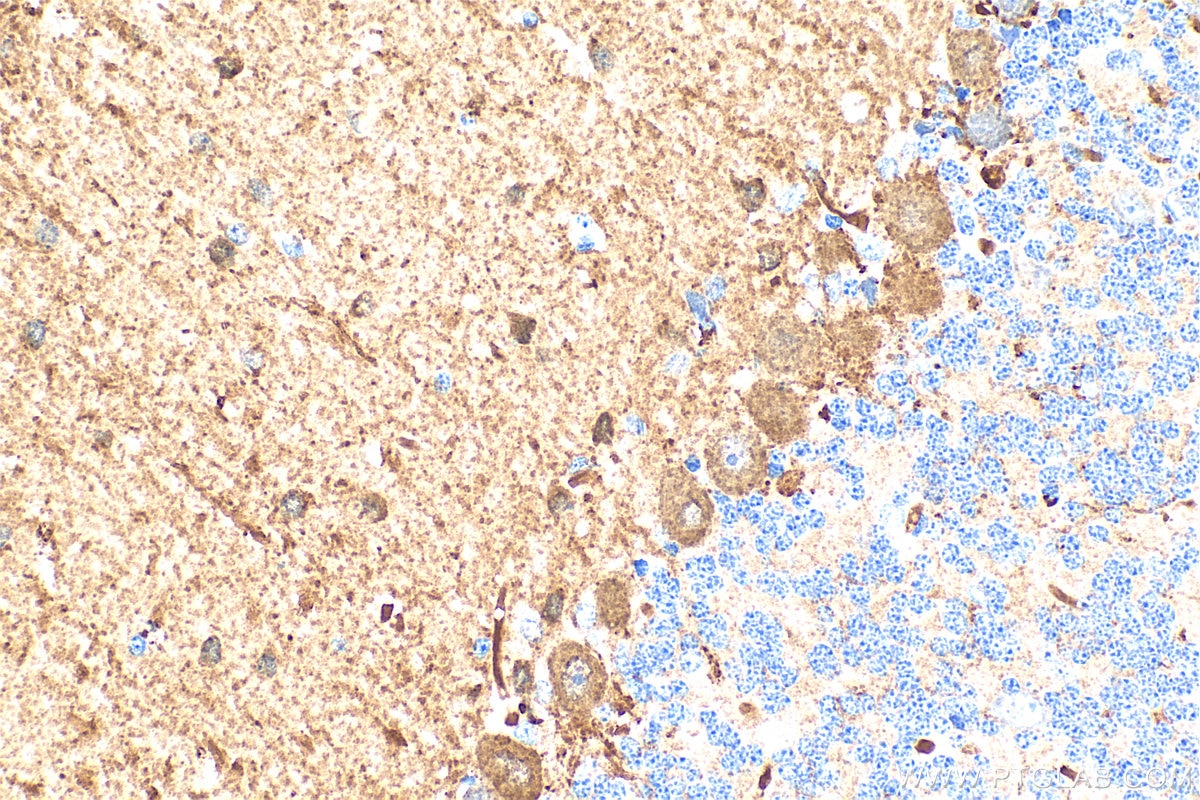
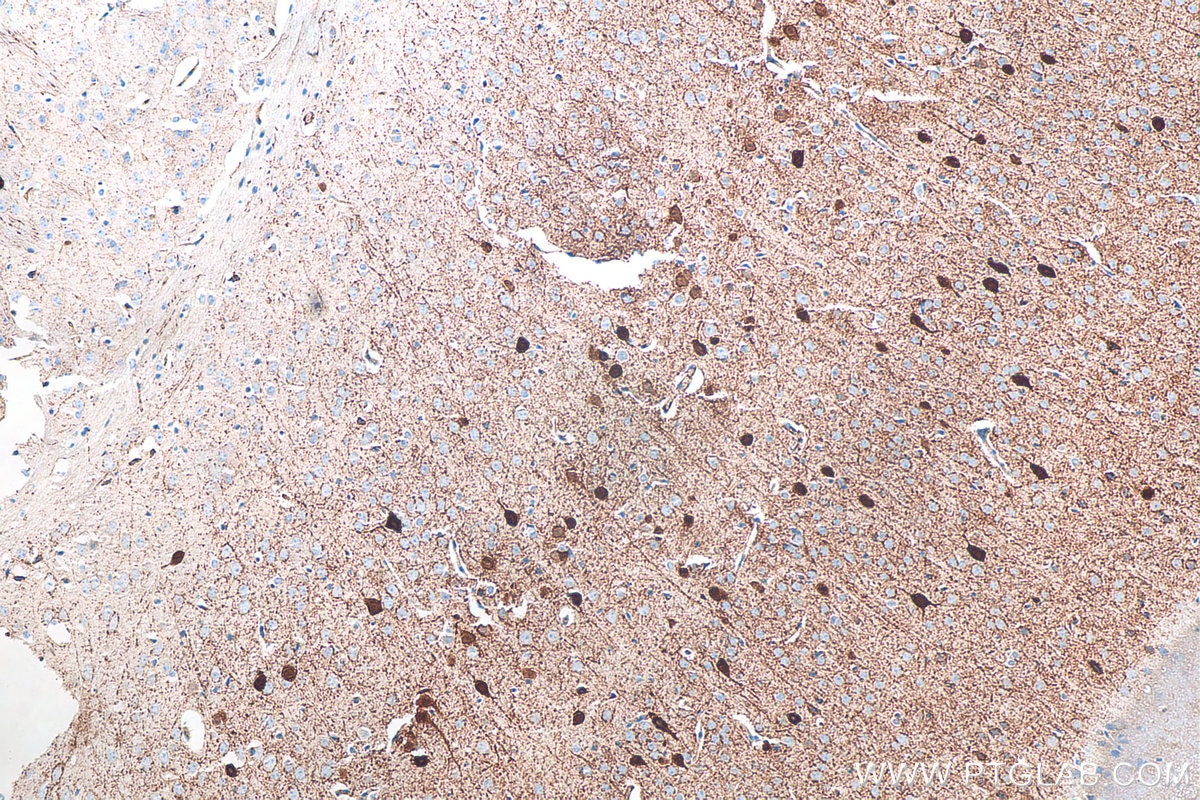
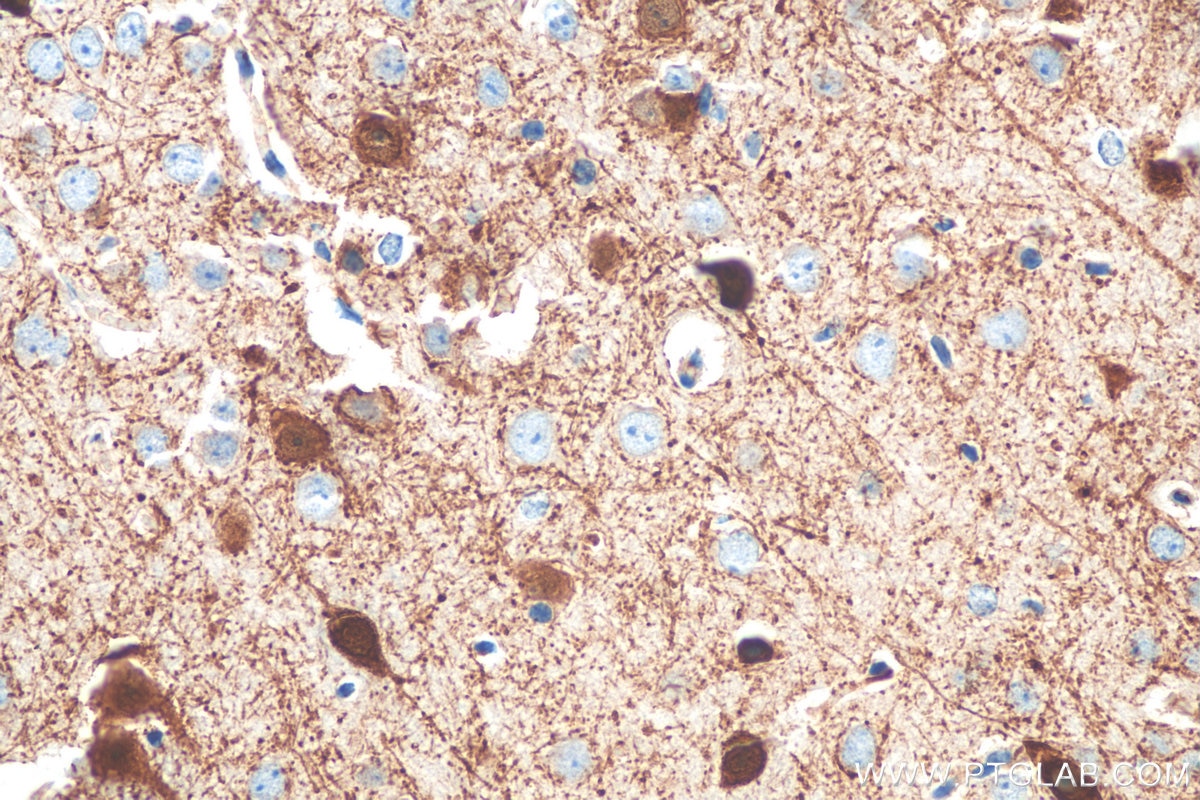
| Positive IHC detected in | mouse cerebellum tissue, mouse brain tissue, rat cerebellum tissue Note: suggested antigen retrieval with TE buffer pH 9.0; (*) Alternatively, antigen retrieval may be performed with citrate buffer pH 6.0 |
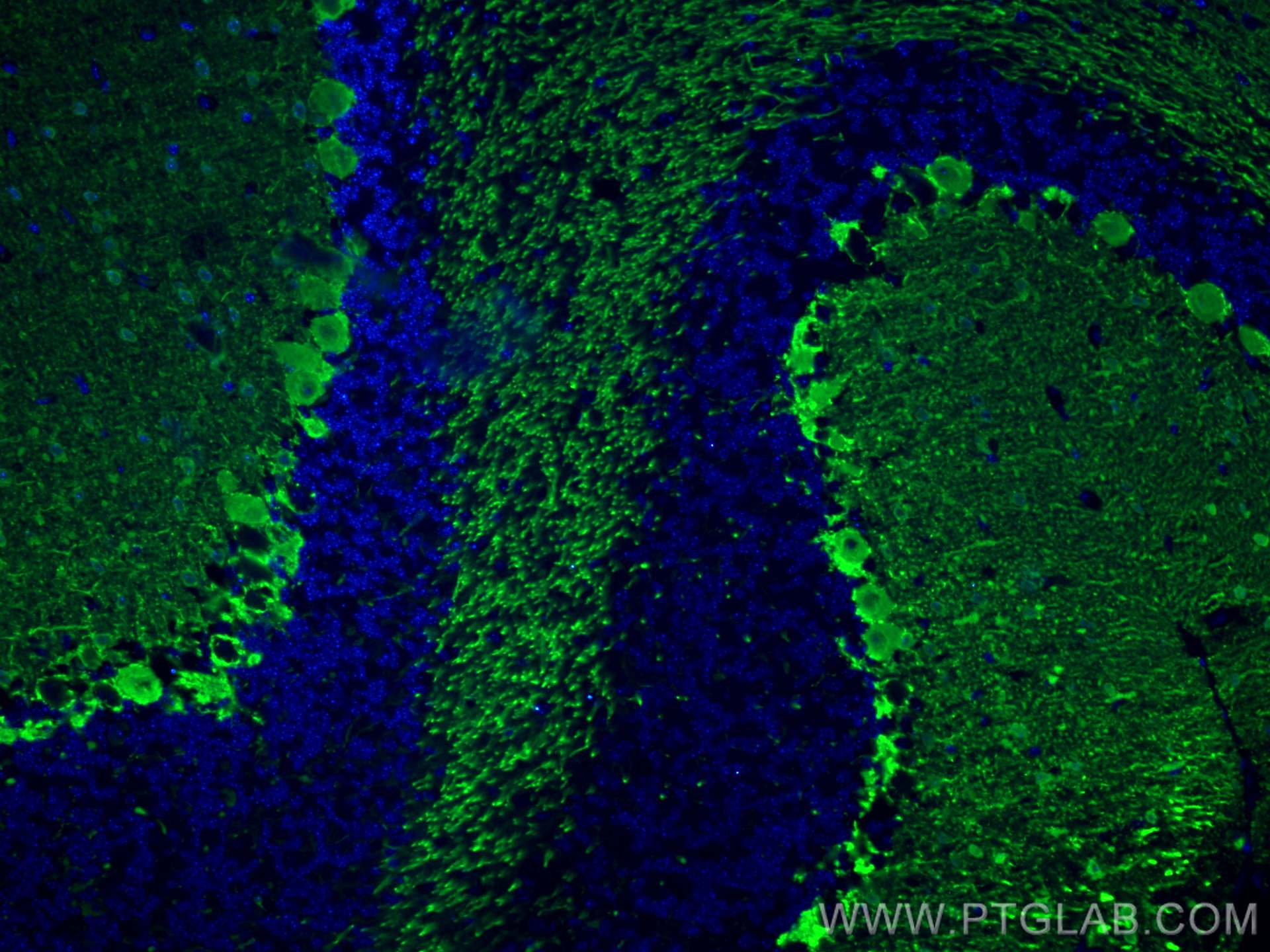
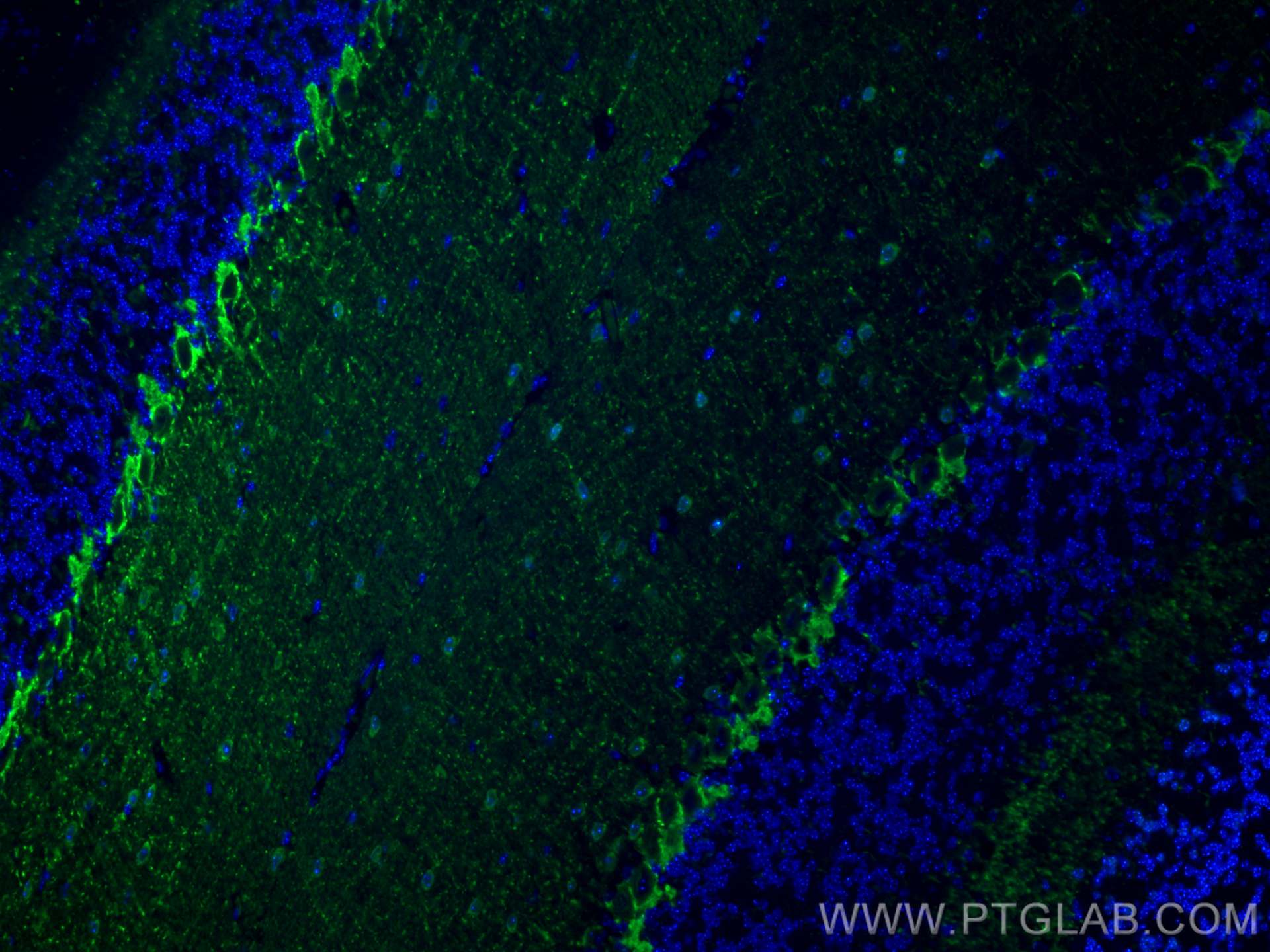
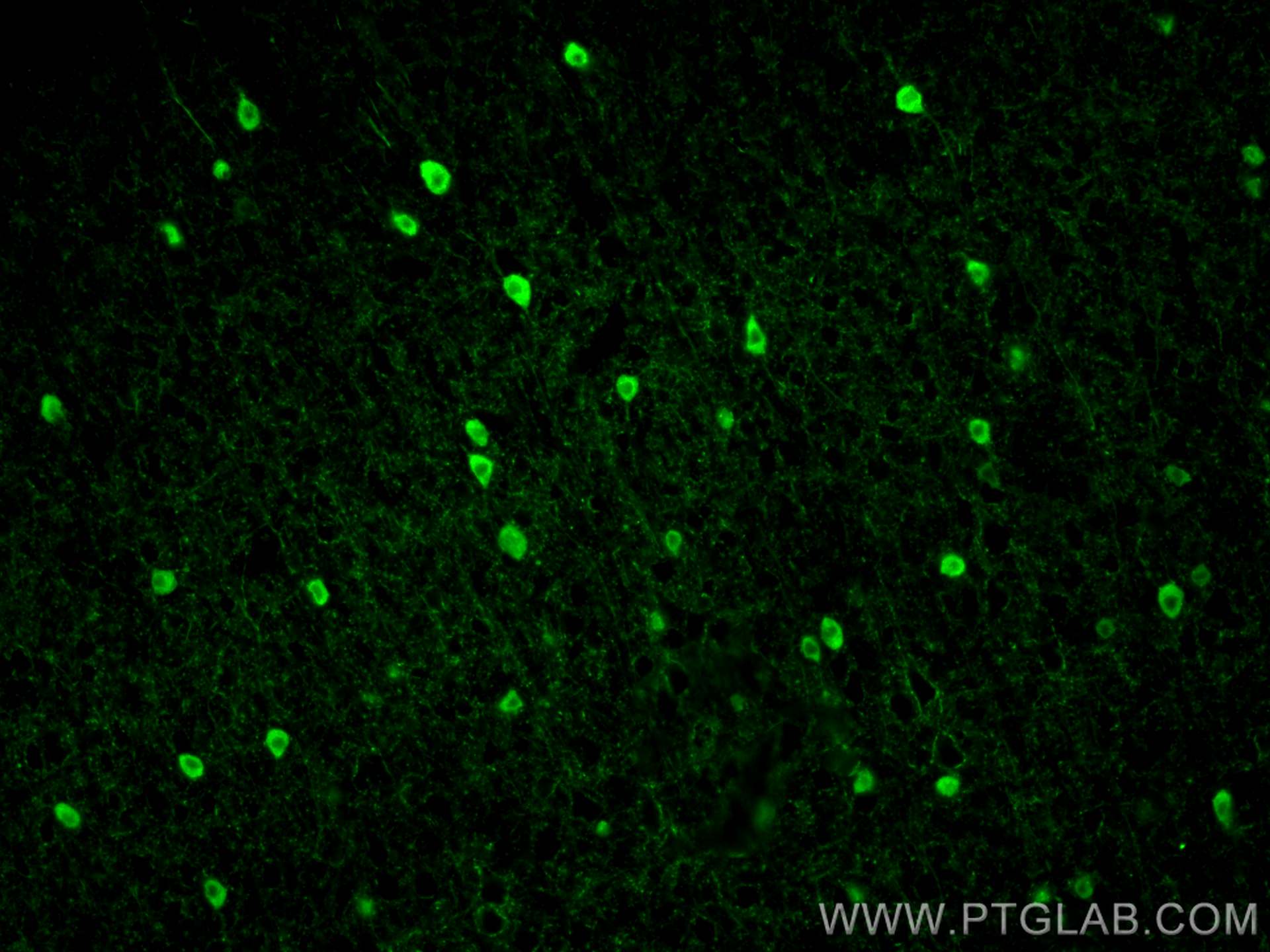
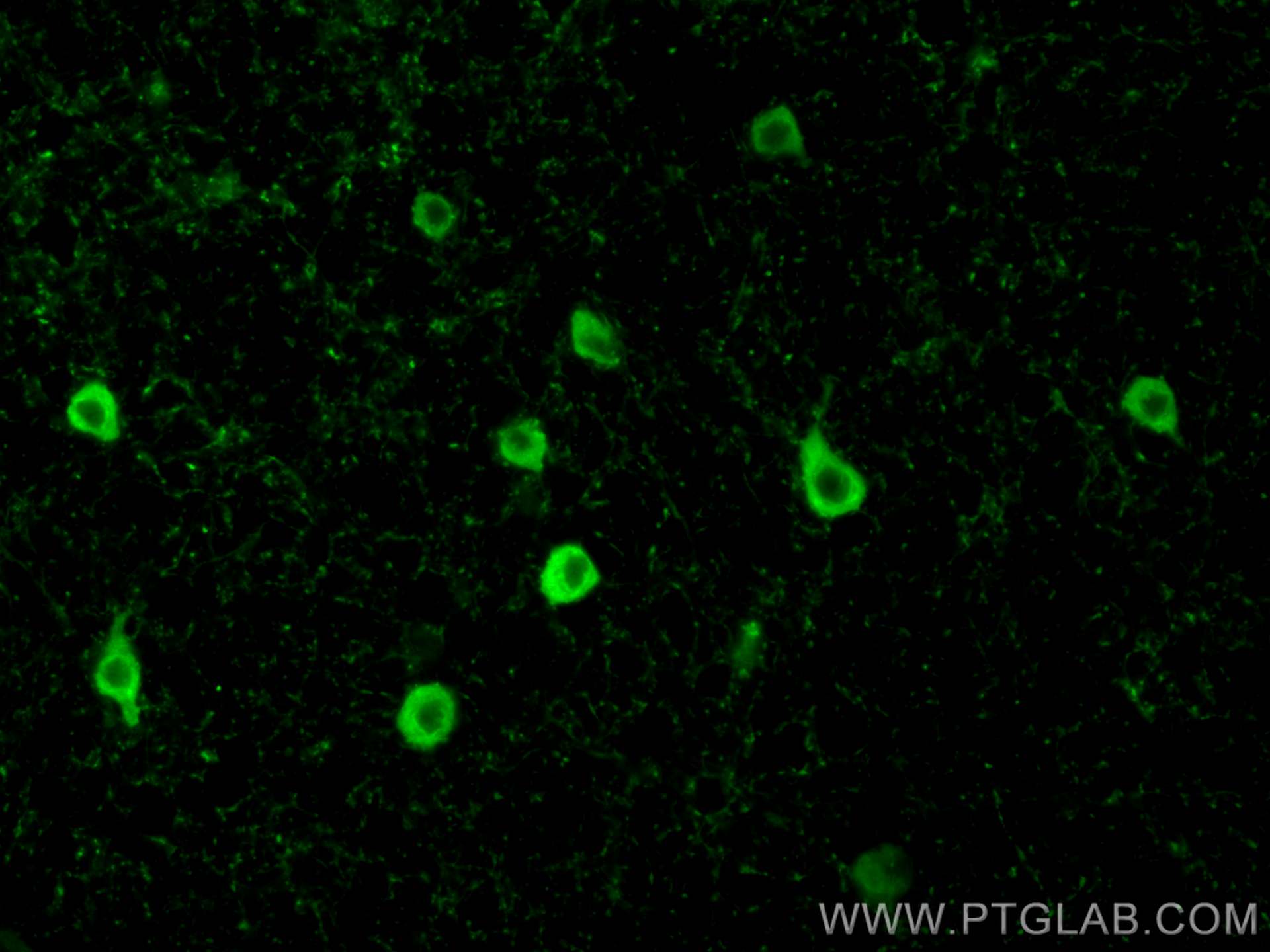
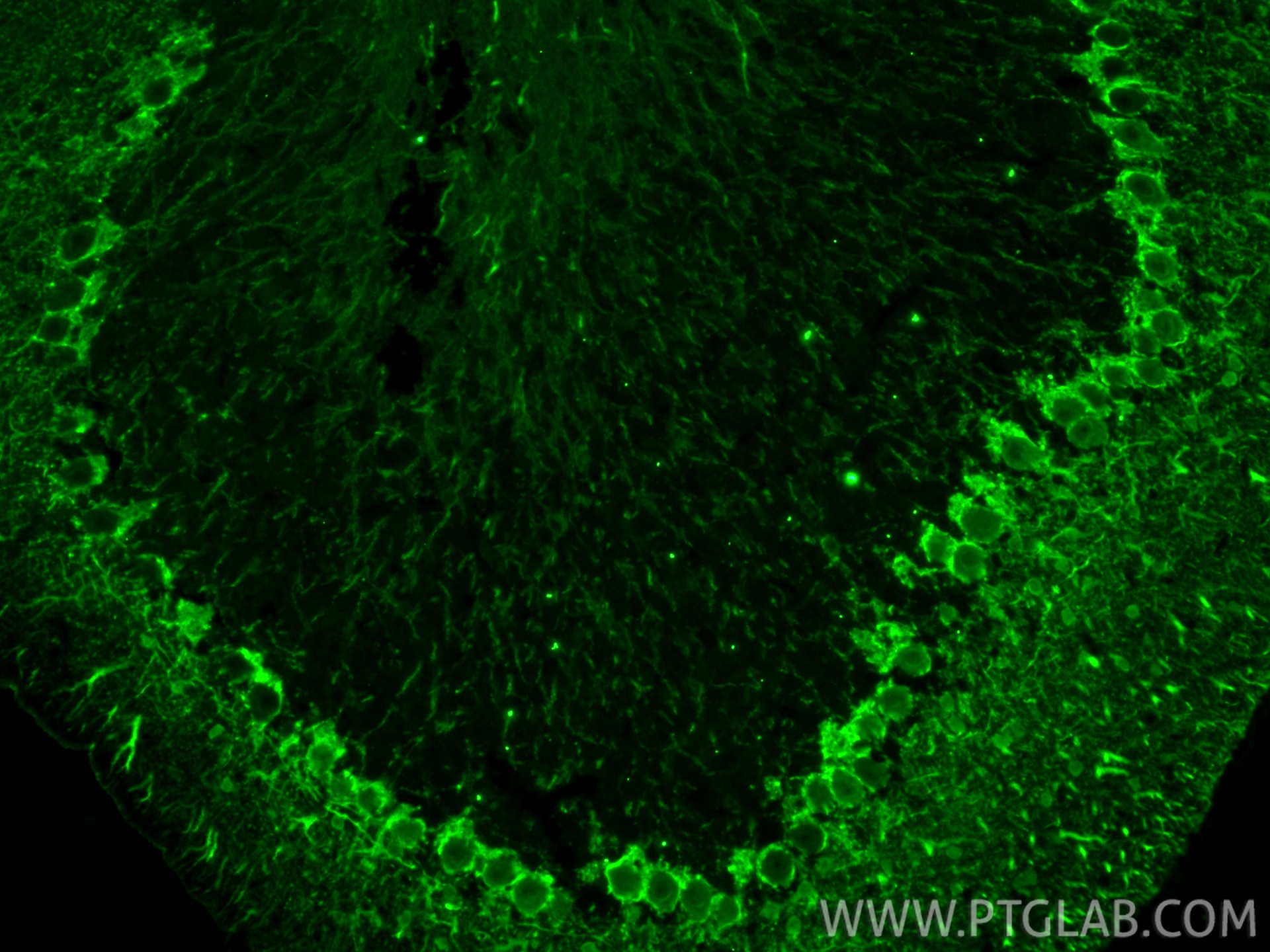
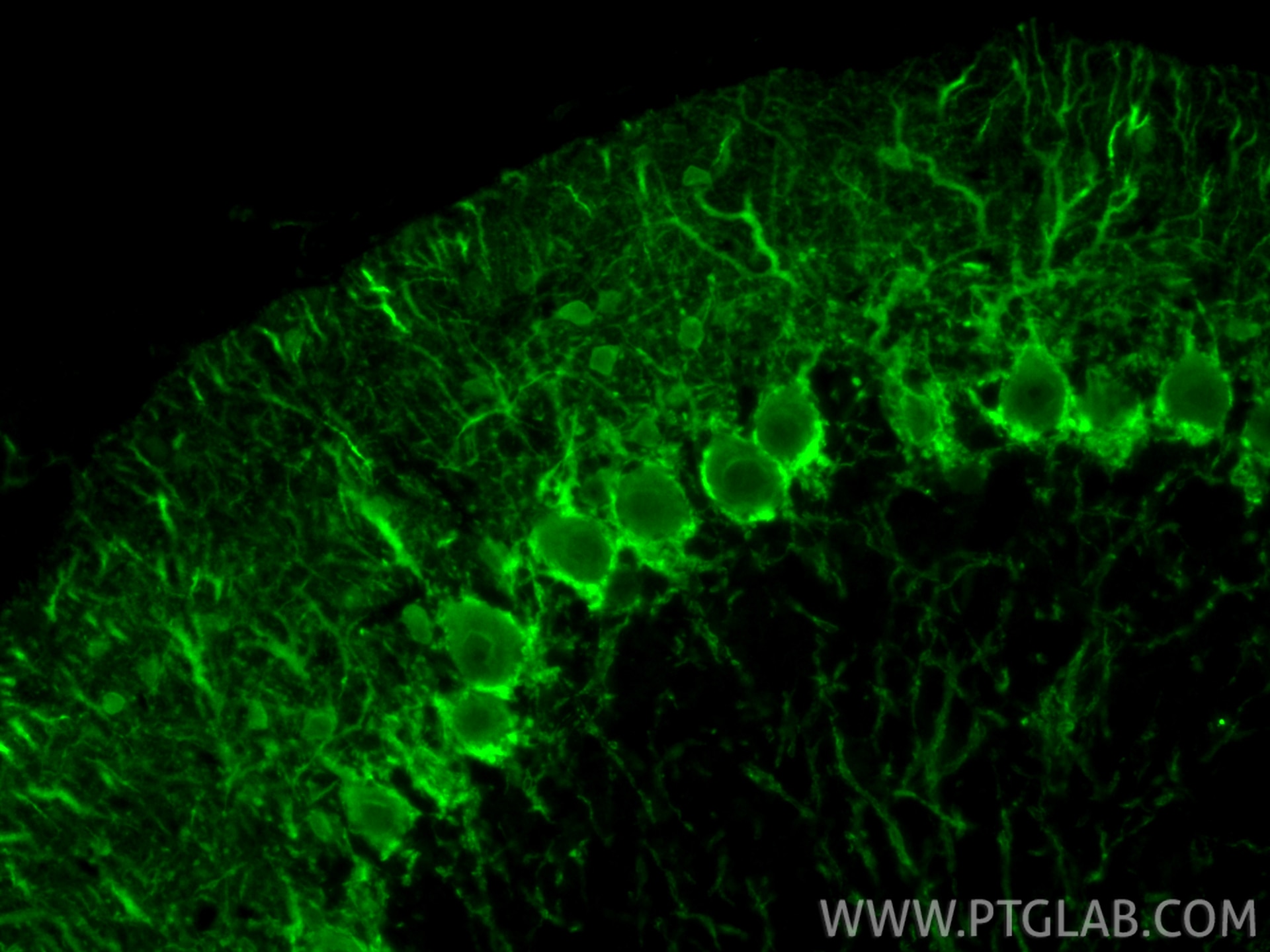
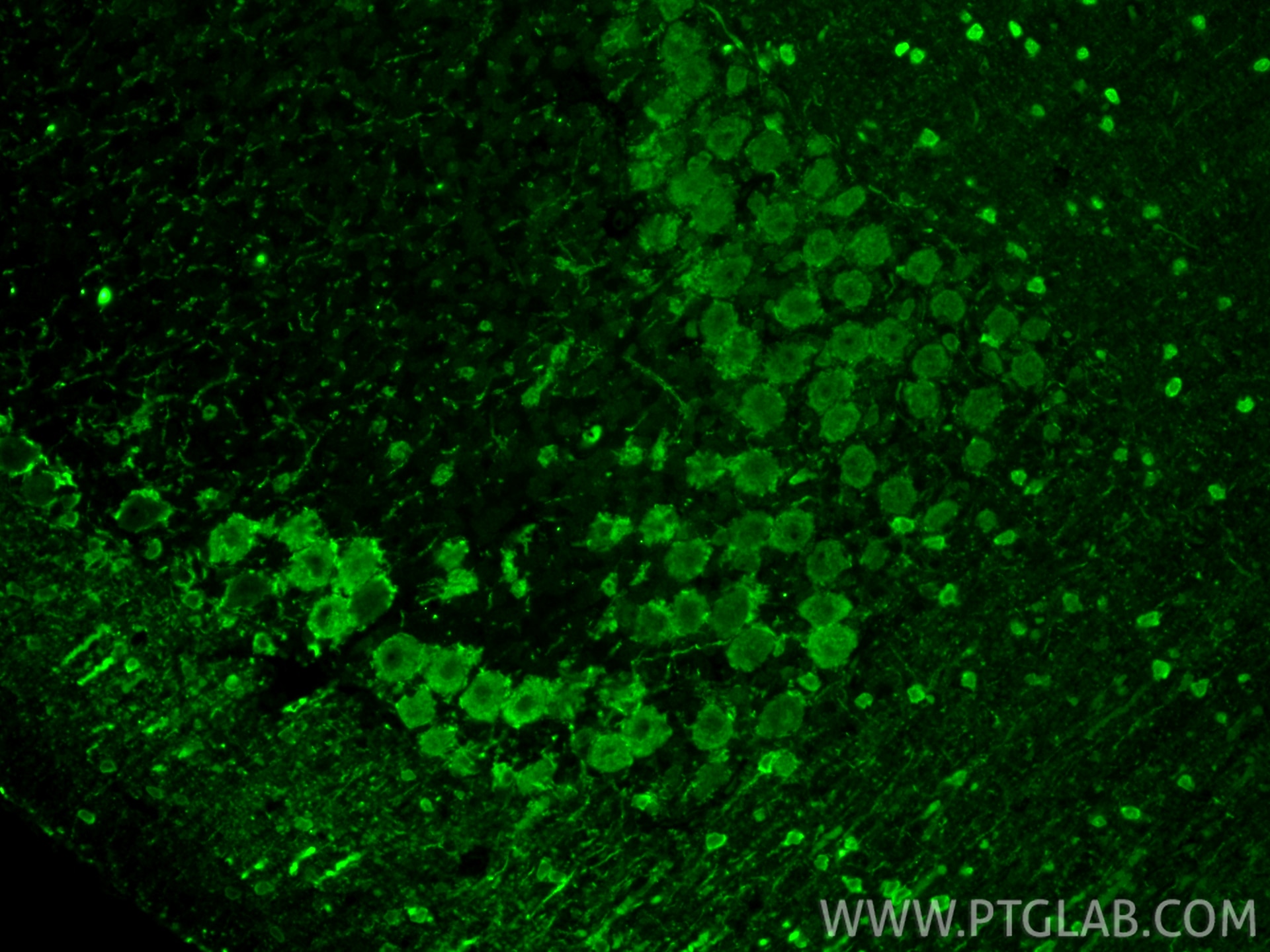
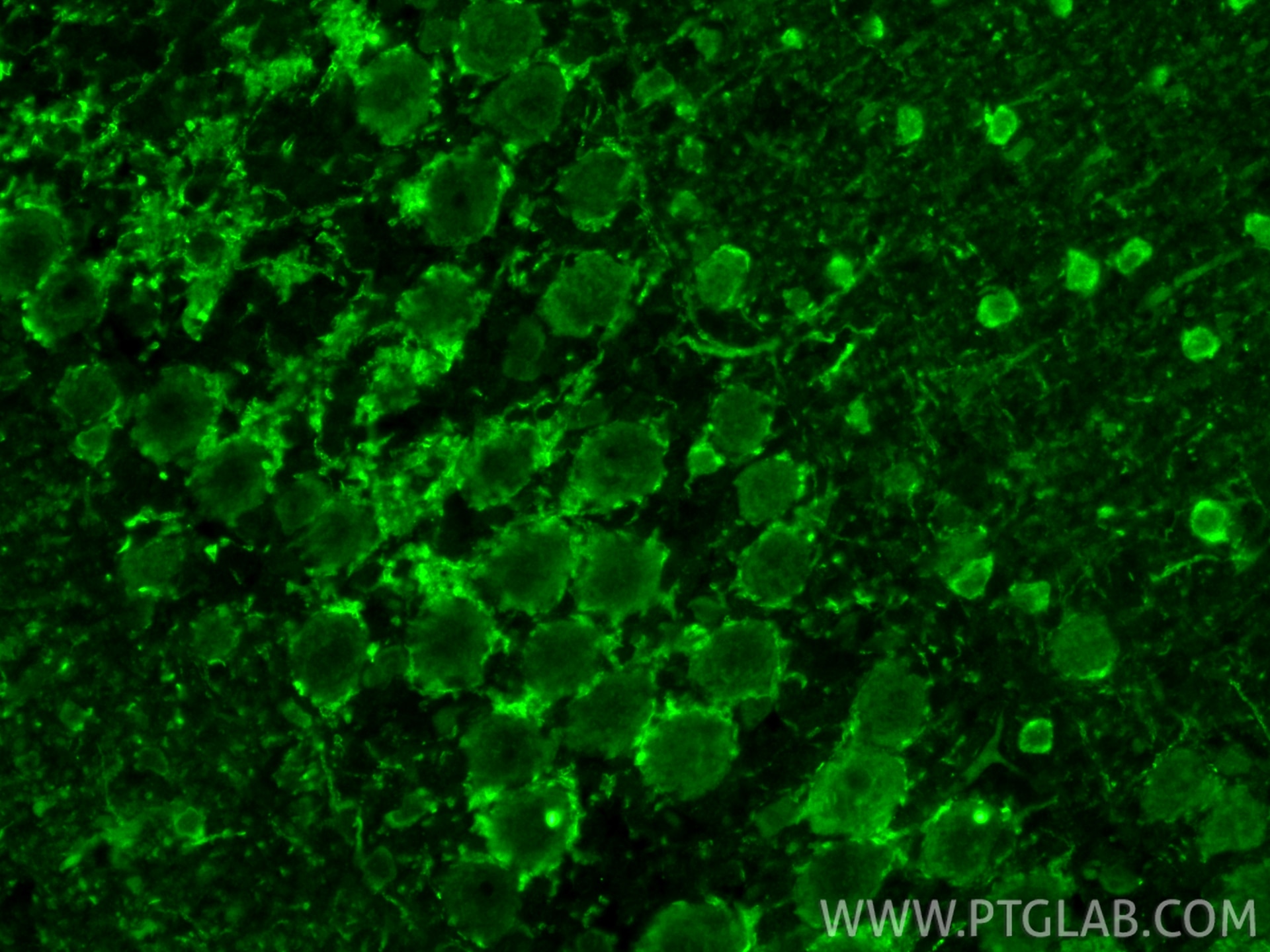
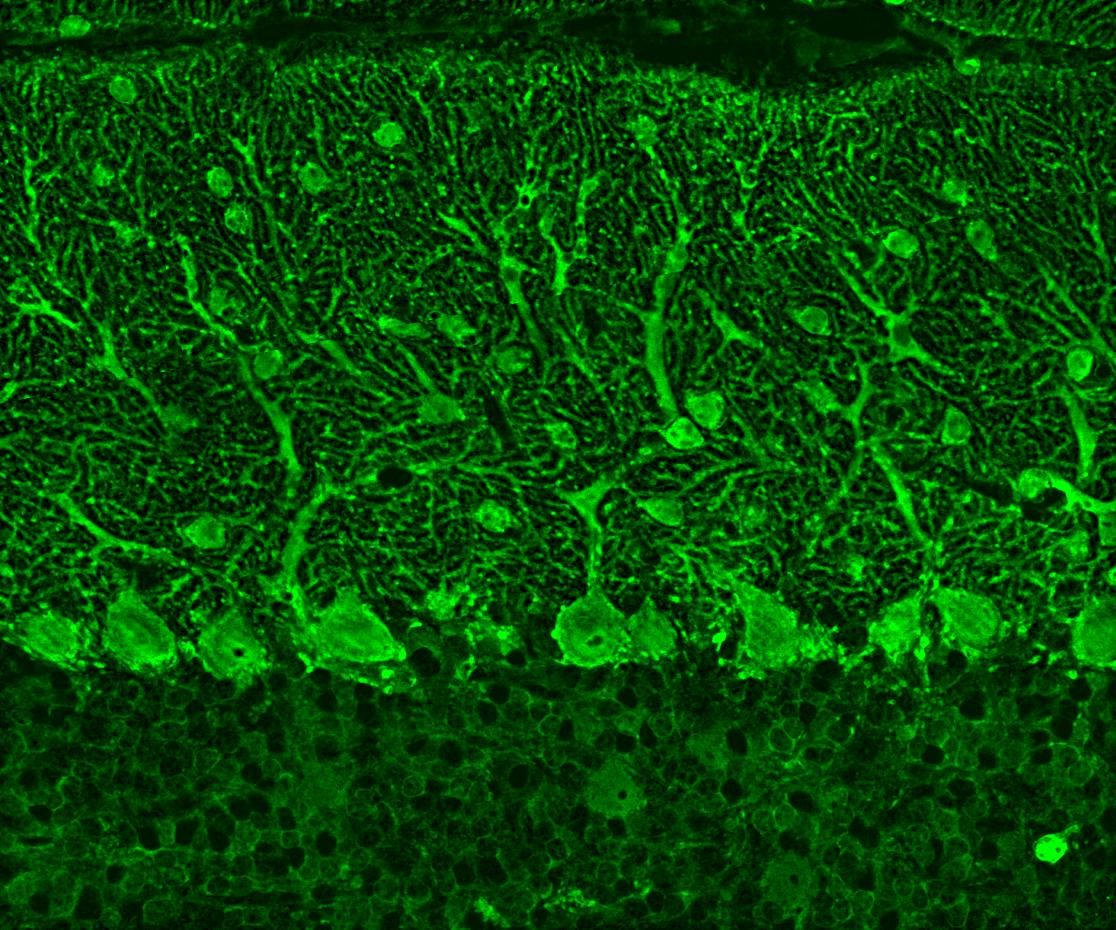
| Positive IF-P detected in | mouse cerebellum tissue, mouse brain tissue, rat cerebellum tissue |
Recommended dilution
| Application | Dilution |
|---|---|
| Western Blot (WB) | WB : 1:500-1:2000 |
| Immunohistochemistry (IHC) | IHC : 1:500-1:2000 |
| Immunofluorescence (IF)-P | IF-P : 1:50-1:500 |
| It is recommended that this reagent should be titrated in each testing system to obtain optimal results. | |
| Sample-dependent, Check data in validation data gallery. | |
Product Information
29312-1-AP targets Parvalbumin in WB, IHC, IF-P, ELISA applications and shows reactivity with human, mouse, rat samples.
| Tested Reactivity | human, mouse, rat |
| Cited Reactivity | mouse, rat |
| Host / Isotype | Rabbit / IgG |
| Class | Polyclonal |
| Type | Antibody |
| Immunogen |
CatNo: Ag30189 Product name: Recombinant human PVALB protein Source: e coli.-derived, PGEX-4T Tag: GST Domain: 2-110 aa of NM_002854 Sequence: SMTDLLNAEDIKKAVGAFSATDSFDHKKFFQMVGLKKKSADDVKKVFHMLDKDKSGFIEEDELGFILKGFSPDARDLSAKETKMLMAAGDKDGDGKIGVDEFSTLVAES Predict reactive species |
| Full Name | parvalbumin |
| Calculated Molecular Weight | 12 kDa |
| Observed Molecular Weight | 15 kDa |
| GenBank Accession Number | NM_002854 |
| Gene Symbol | Parvalbumin |
| Gene ID (NCBI) | 5816 |
| RRID | AB_2918280 |
| Conjugate | Unconjugated |
| Form | Liquid |
| Purification Method | Antigen affinity purification |
| UNIPROT ID | P20472 |
| Storage Buffer | PBS with 0.02% sodium azide and 50% glycerol, pH 7.3. |
| Storage Conditions | Store at -20°C. Stable for one year after shipment. Aliquoting is unnecessary for -20oC storage. 20ul sizes contain 0.1% BSA. |
Background Information
PVALB is a high affinity calcium ion-binding protein that is structurally and functionally similar to calmodulin and troponin C. PVALB is expressed in high levels only in fast-contracting muscles and at lower levels in brain and several endocrine tissues. It is thought to be involved in muscle relaxation. Monomeric (12 kDa) and dimeric (24 kDa) forms, as well as trimeric Parvalbumin (38 kDa), have been described in a literature (PMID: 19616851).
Protocols
| Product Specific Protocols | |
|---|---|
| IF protocol for Parvalbumin antibody 29312-1-AP | Download protocol |
| IHC protocol for Parvalbumin antibody 29312-1-AP | Download protocol |
| WB protocol for Parvalbumin antibody 29312-1-AP | Download protocol |
| Standard Protocols | |
|---|---|
| Click here to view our Standard Protocols |
Publications
What published studies show
Parvalbumin Polyclonal antibody (29312-1-AP) has 16 total citations. Citations appear in journals including Nature Communications, Acta Pharmaceutica Sinica B, Translational Psychiatry, British Journal of Pharmacology, Cell Reports Methods, International Journal of Molecular Sciences, Molecular Neurobiology, Scientific Reports, iScience, Frontiers in Molecular Neuroscience, FASEB Journal, Physiological Research, Neurobiology of Learning and Memory, Translational Andrology and Urology, and STAR Protocols. Research fields span neuroscience, pain biology, vascular imaging, muscle physiology, and mitochondrial biology.
| Species | Application | Title |
|---|---|---|
Nat Commun A distinct PP2A subunit regulates local protein phosphorylation at the axon initial segment. | ||
Nat Commun An attention-demanding hunting paradigm engages the superior colliculus-zona incerta circuit mediating analgesia in male mice. | ||
Acta Pharm Sin B The Kv4.3 channel on c-low threshold mechanoreceptors in DRG is a key mediator transforming tactile stimuli into nociceptive signals in chemotherapy-induced neuropathy. | ||
Br J Pharmacol In rats, neurodevelopmental disorders induced by maternal hypoxia are associated with attenuated excitatory neurotransmission in the cingulate cortex. | ||
Transl Psychiatry Prenatal valproic acid exposure alters striatal proteomic signatures associated with autism spectrum disorder in mice. | ||
Cell Rep Methods A versatile vessel casting method for fine mapping of vascular networks using a hydrogel-based lipophilic dye solution |
Reviews
What customers say
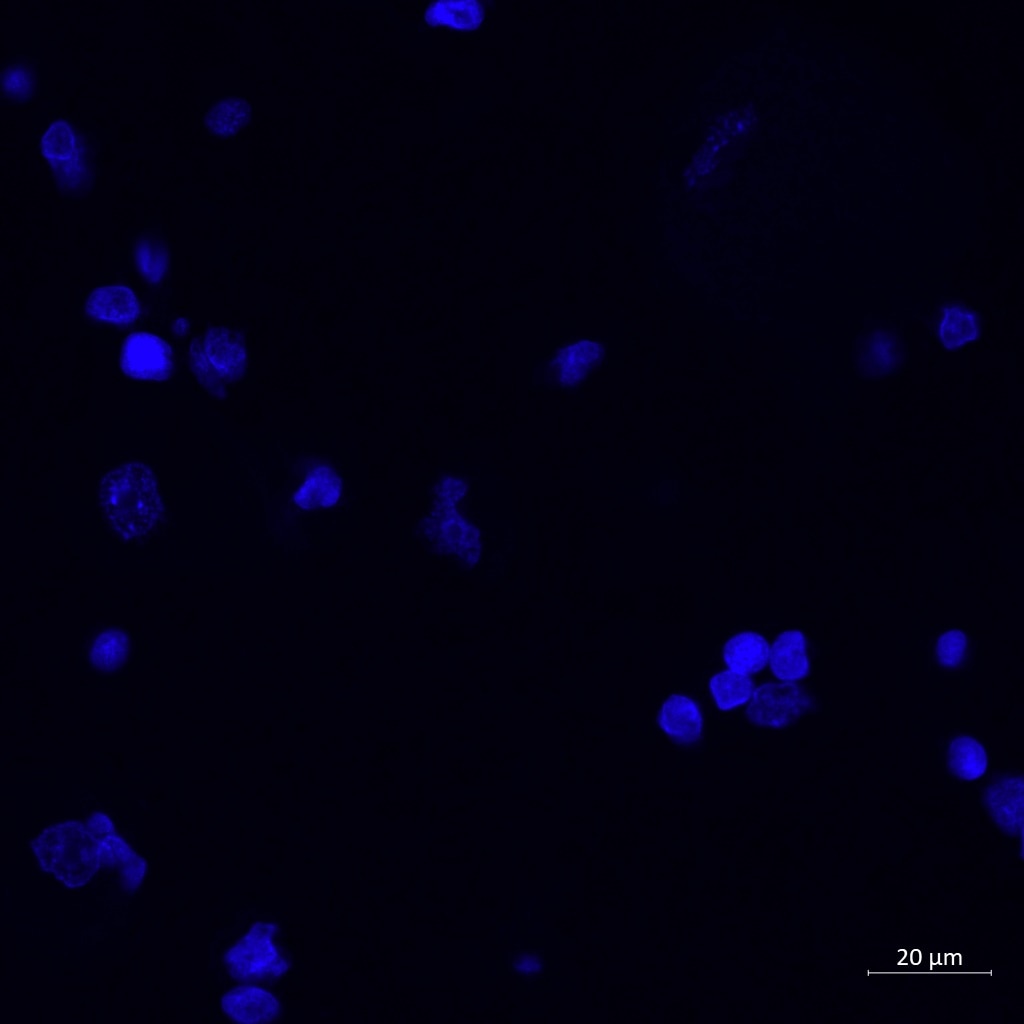
One user rated this antibody 4 out of 5 stars for immunofluorescence on human brain cortex sections at a 1:100 dilution. They reported that the Parvalbumin (red) antibody worked well, noting that it predominantly labeled synaptic terminals rather than the soma of parvalbumin-positive cells. Overall, the reviewer found the product functional for their application.
The reviews below have been submitted by verified Proteintech customers who received an incentive for providing their feedback.
Reyes (Verified Customer) (03-01-2024) | Parvalbumin (red) antibody worked in my human brain cortex sections, although it marks mostly the synaptic terminals more than the soma of the parvalbumin cells
 |



















