
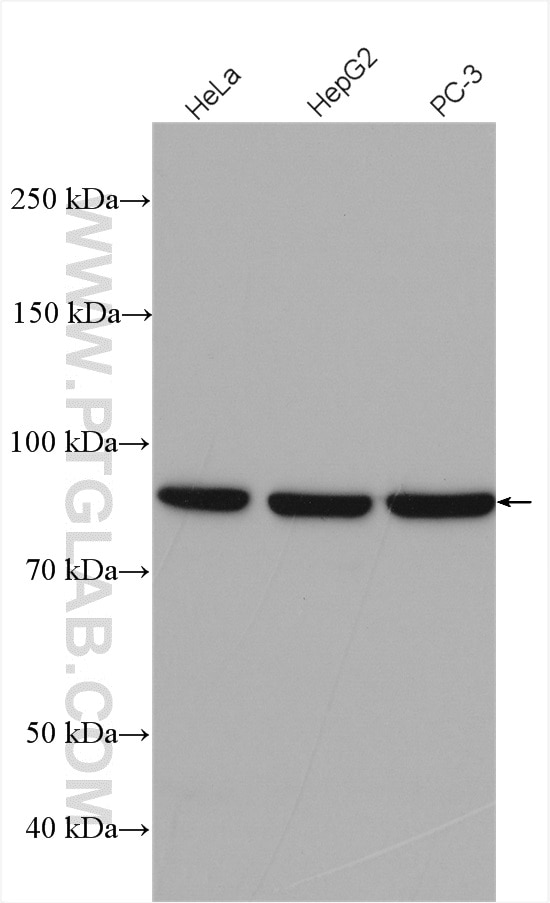
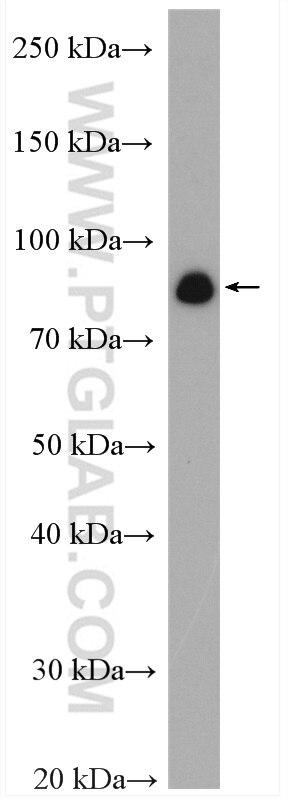
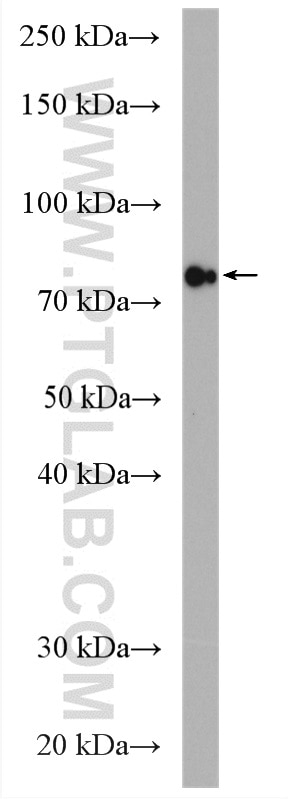
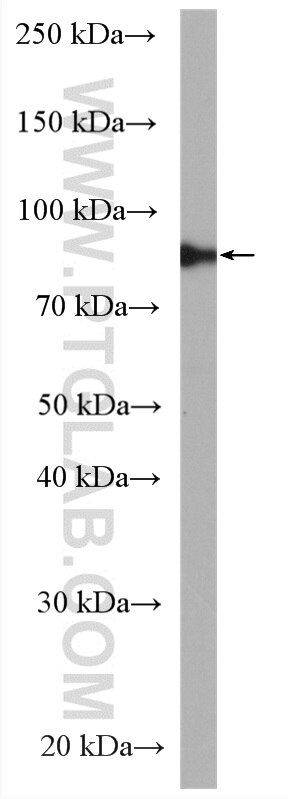
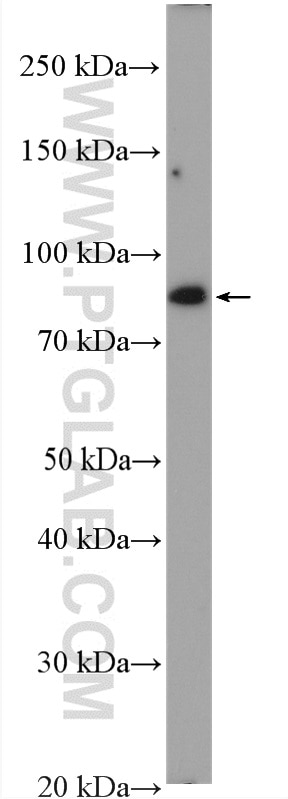
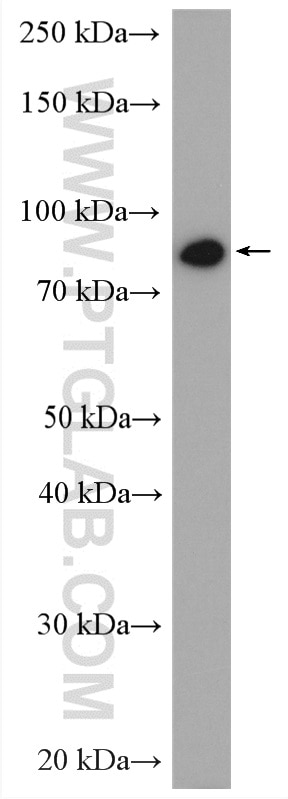
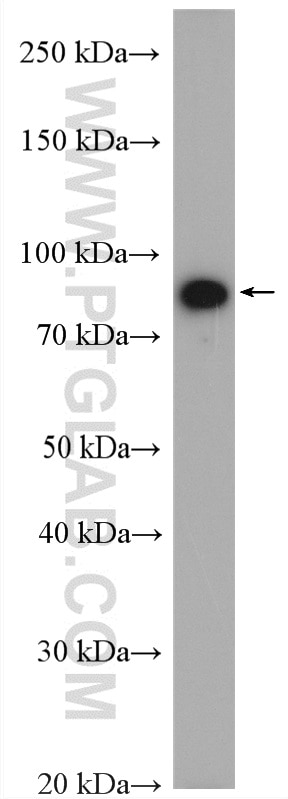
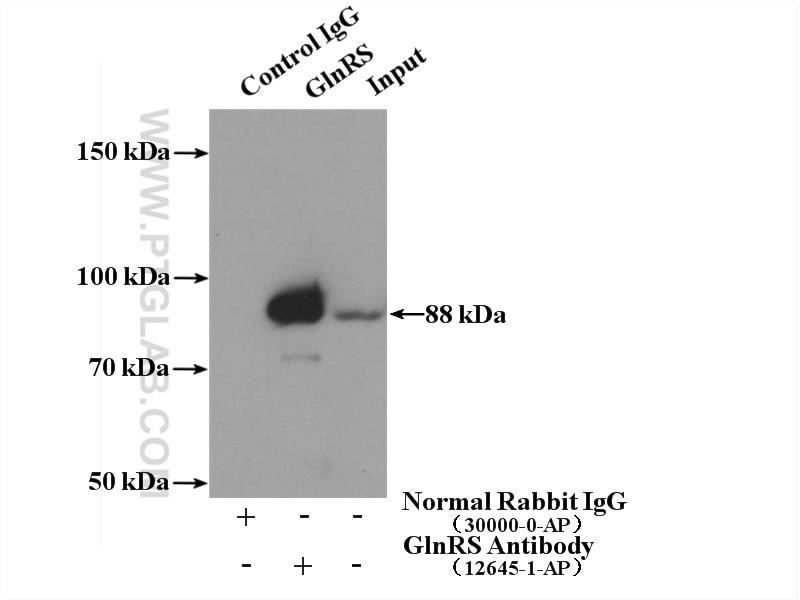

Tested Applications
| Positive WB detected in | HeLa cells, HepG2 cells, NIH/3T3 cells, PC-3 cells |
| Positive IP detected in | PC-3 cells |
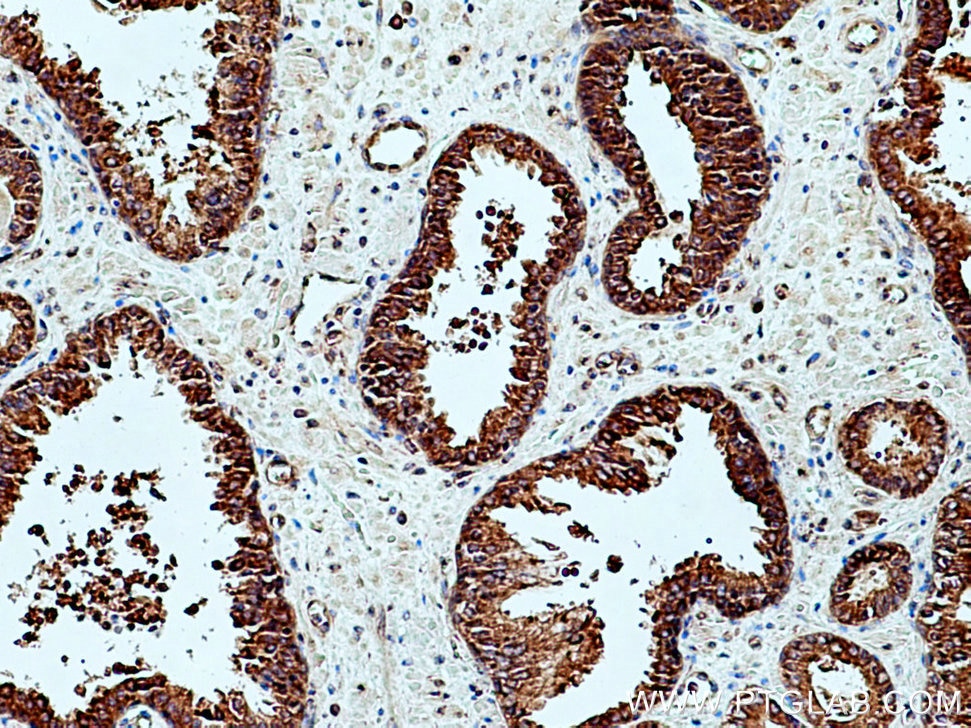
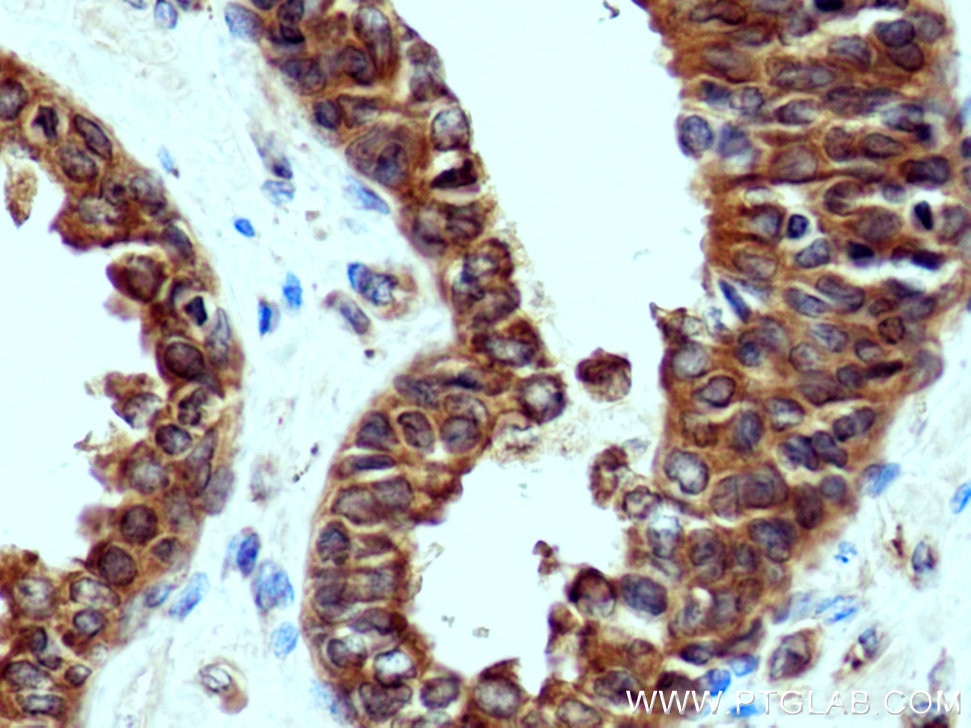
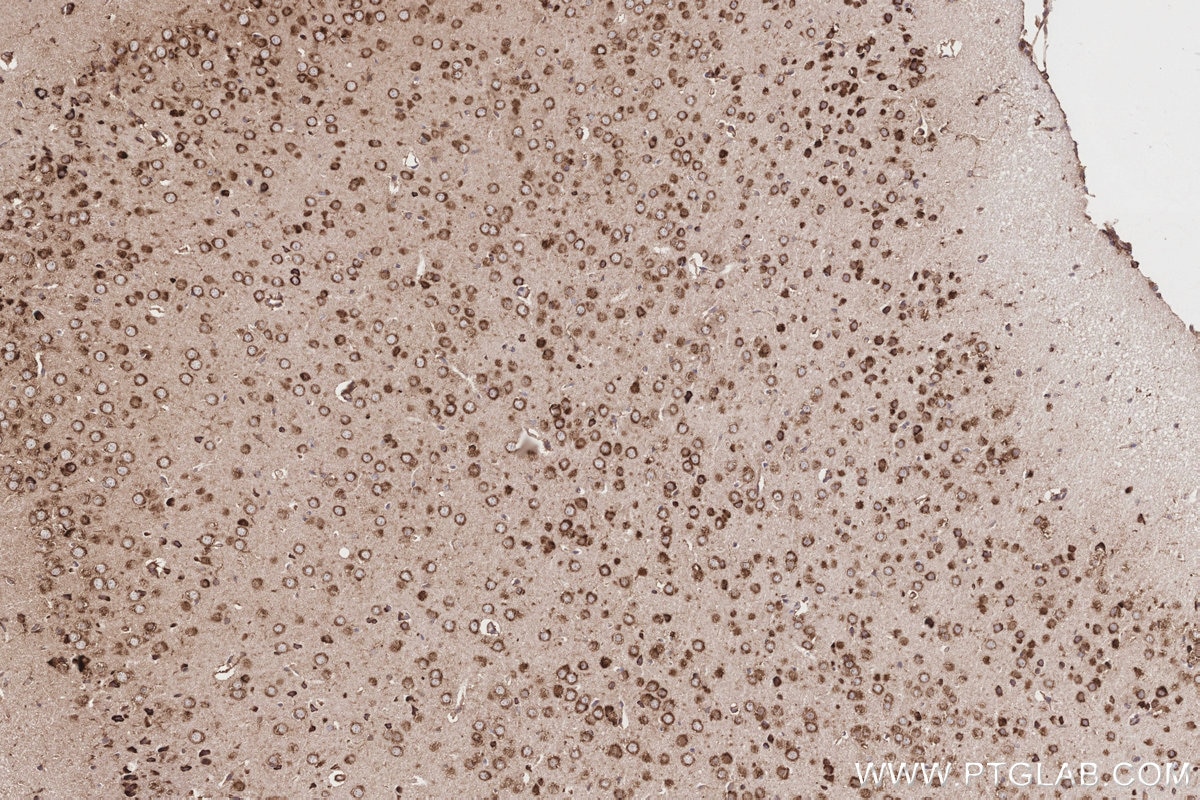
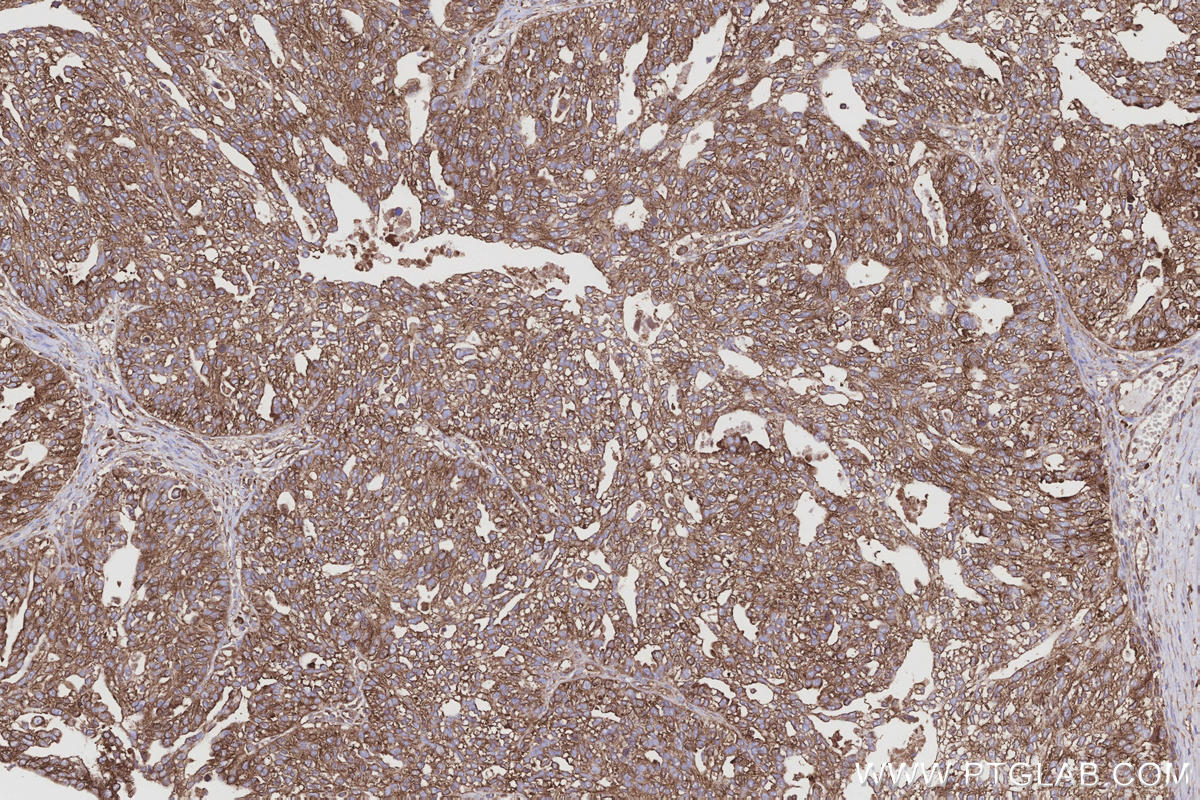
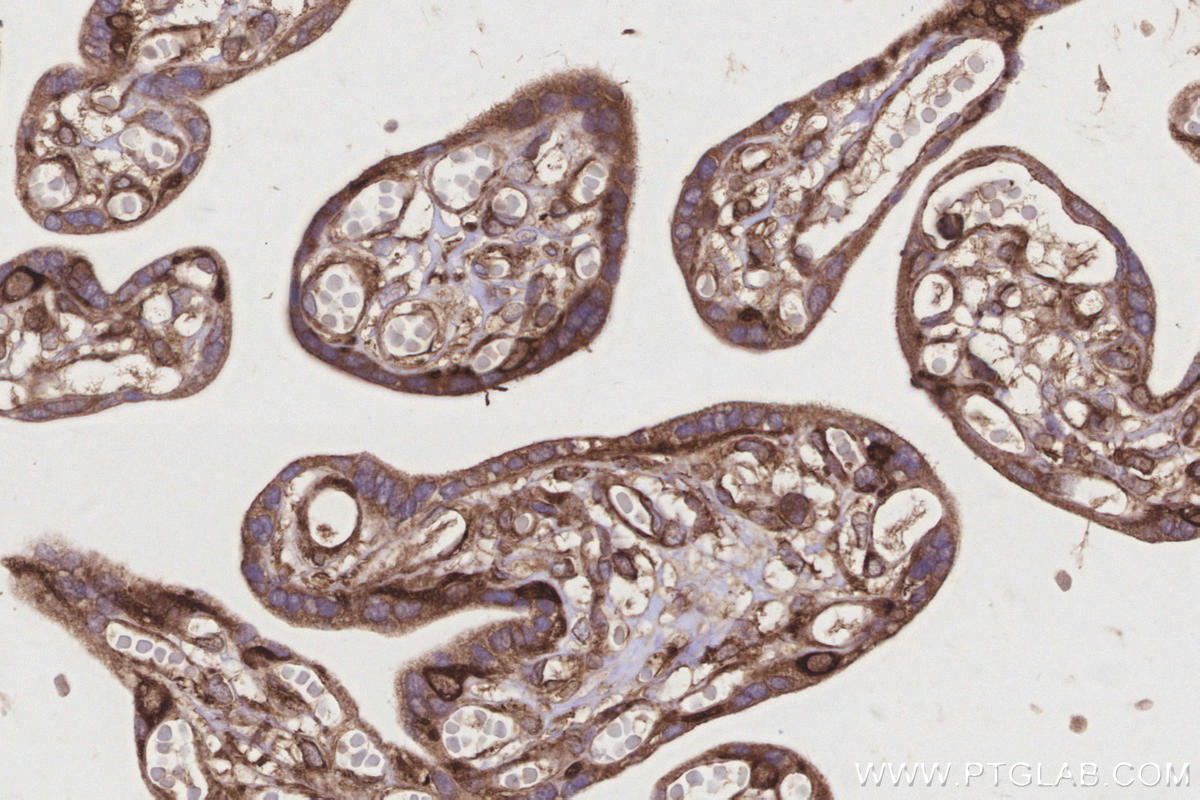
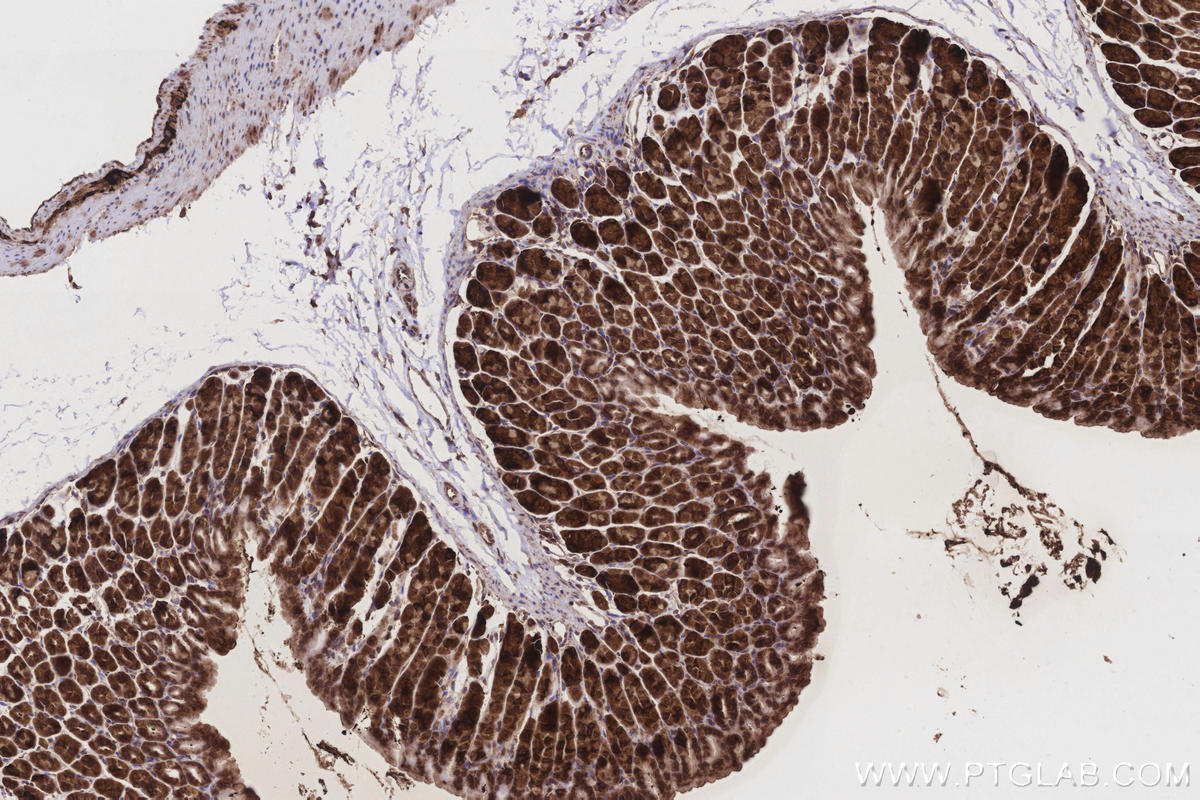
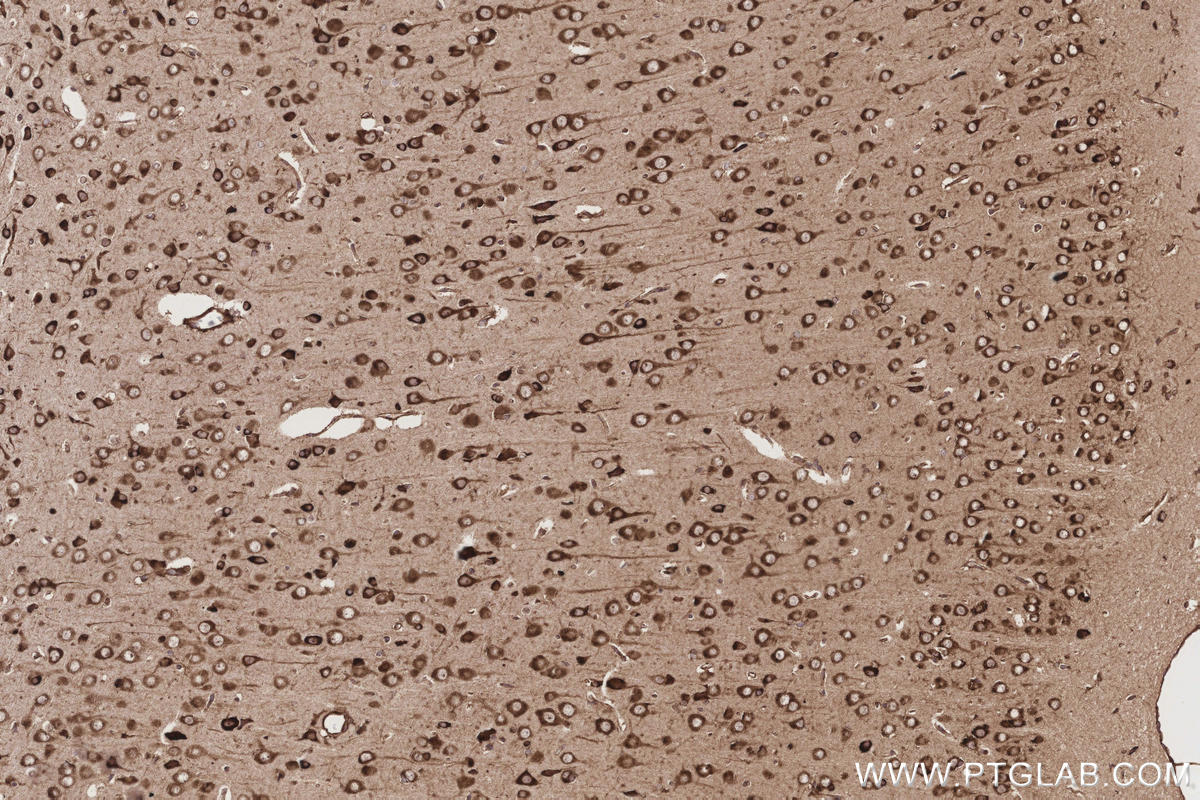
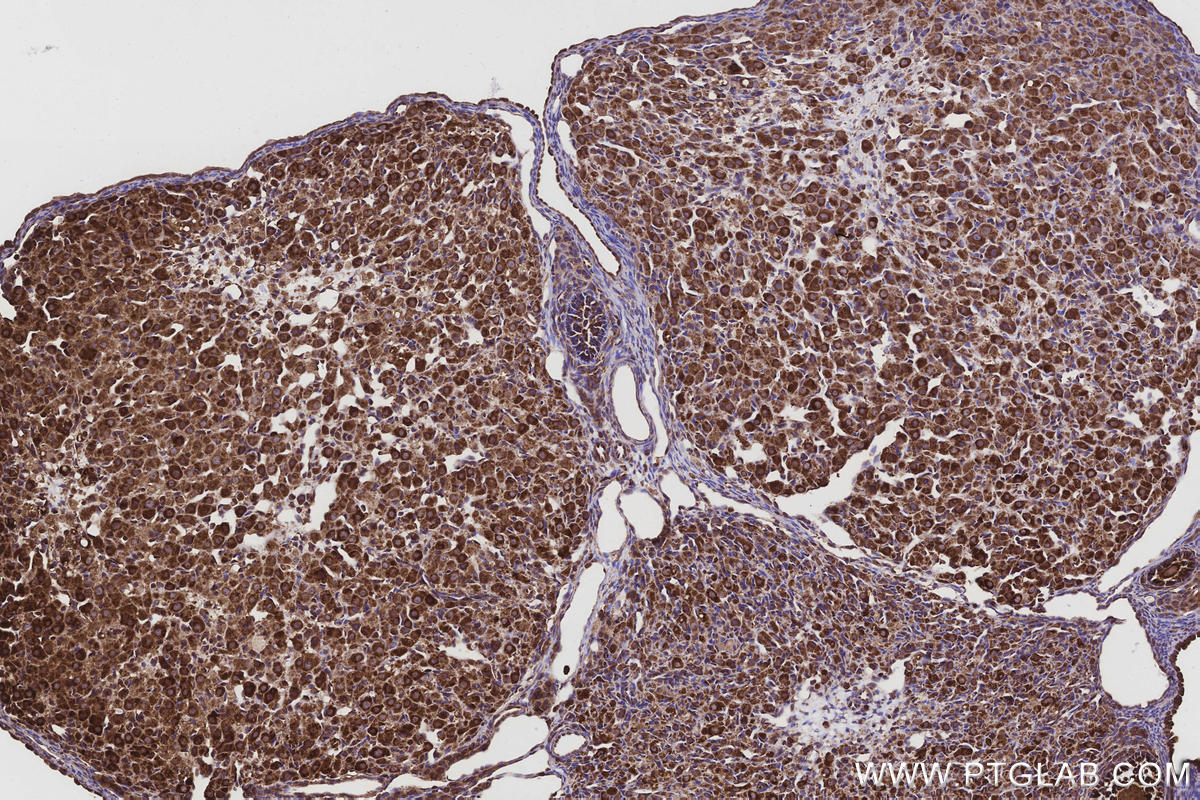
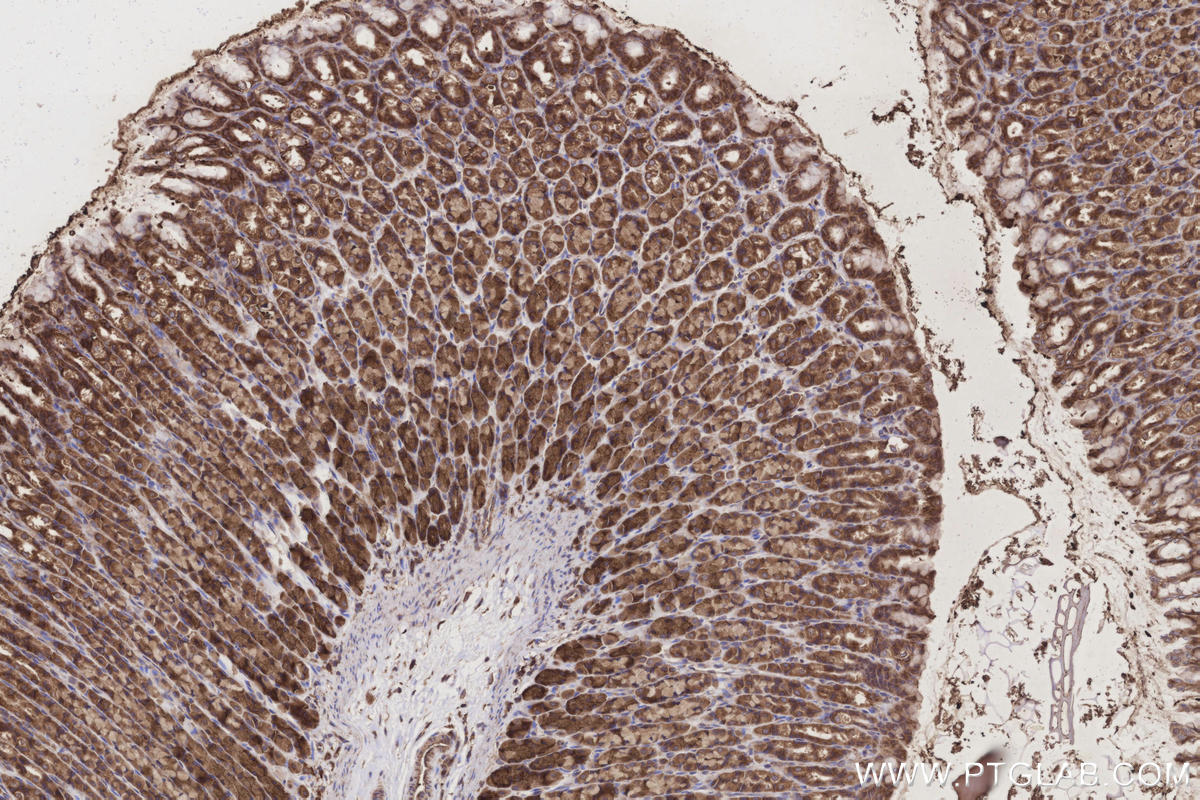
| Positive IHC detected in | human prostate cancer tissue, rat brain tissue, mouse stomach tissue, human placenta tissue, rat ovary tissue, mouse brain tissue, human ovary cancer tissue, rat stomach tissue Note: suggested antigen retrieval with TE buffer pH 9.0; (*) Alternatively, antigen retrieval may be performed with citrate buffer pH 6.0 |
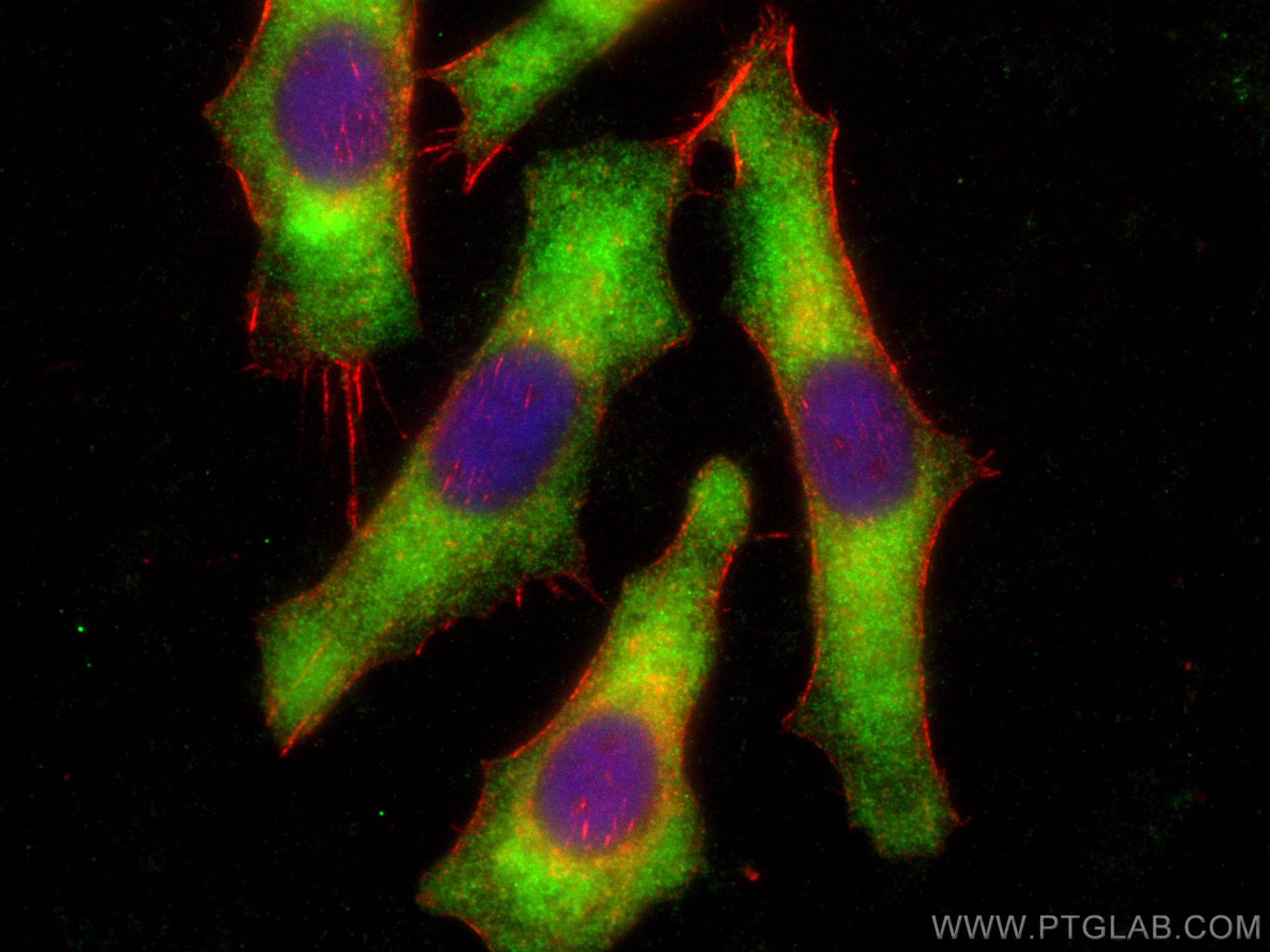
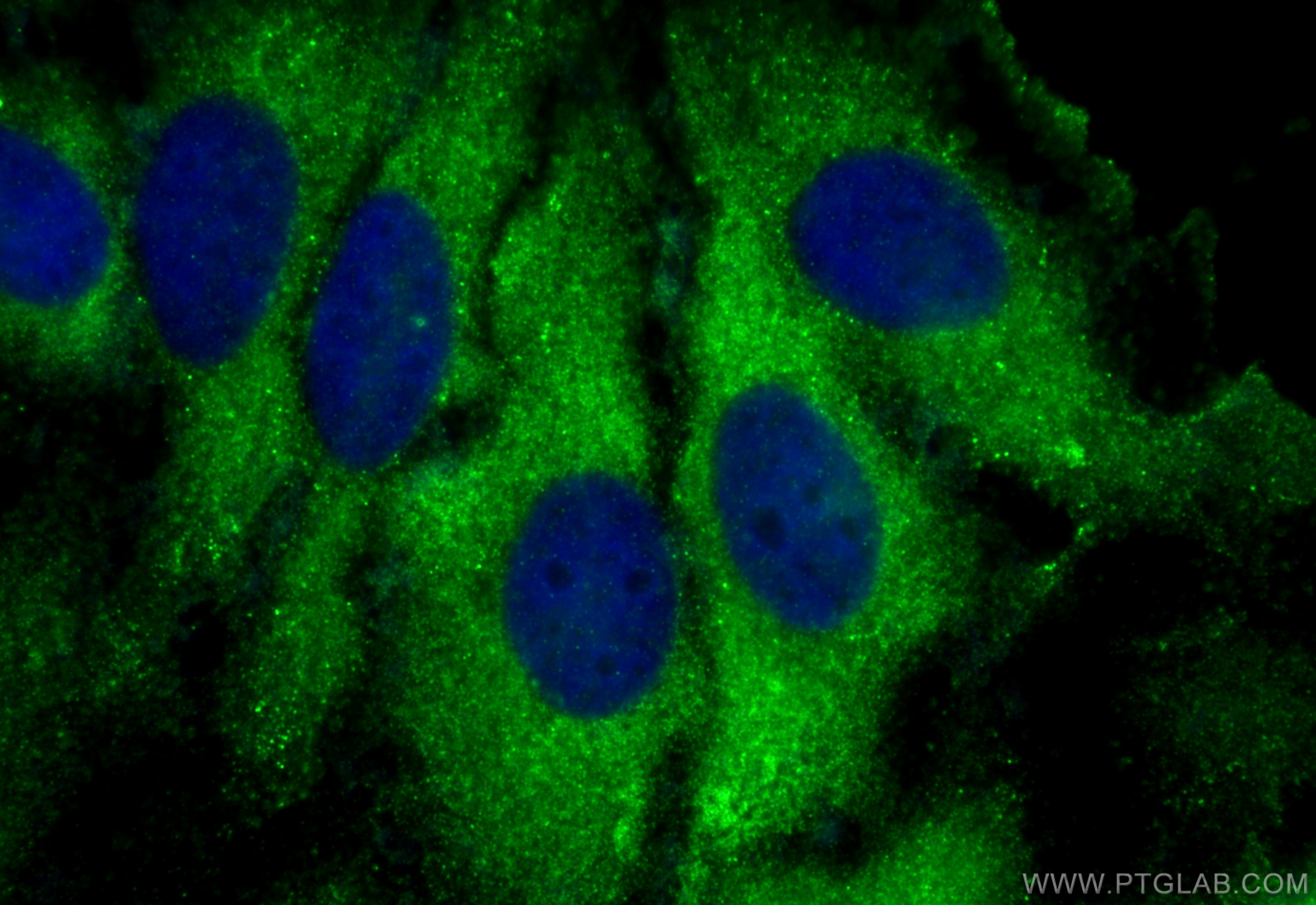
| Positive IF/ICC detected in | HeLa cells, PC-3 cells |
Recommended dilution
| Application | Dilution |
|---|---|
| Western Blot (WB) | WB : 1:2000-1:8000 |
| Immunoprecipitation (IP) | IP : 0.5-4.0 ug for 1.0-3.0 mg of total protein lysate |
| Immunohistochemistry (IHC) | IHC : 1:500-1:1500 |
| Immunofluorescence (IF)/ICC | IF/ICC : 1:200-1:800 |
| It is recommended that this reagent should be titrated in each testing system to obtain optimal results. | |
| Sample-dependent, Check data in validation data gallery. | |
Product Information
12645-1-AP targets GlnRS in WB, IHC, IF/ICC, IP, RIP, ELISA applications and shows reactivity with human, mouse, rat samples.
| Tested Reactivity | human, mouse, rat |
| Cited Reactivity | human, mouse, rat |
| Host / Isotype | Rabbit / IgG |
| Class | Polyclonal |
| Type | Antibody |
| Immunogen |
CatNo: Ag3375 Product name: Recombinant human QARS protein Source: e coli.-derived, PGEX-4T Tag: GST Domain: 362-717 aa of BC016634 Sequence: VKYTPHHRTGDKWCIYPTYDYTHCLCDSIEHITHSLCTKEFQARRSSYFWLCNALDVYCPVQWEYGRLNLHYAVVSKRKILQLVATGAVRDWDDPRLFTLTALRRRGFPPEAINNFCARVGVTVAQTTMEPHLLEACVRDVLNDTAPRAMAVLESLRVIITNFPAAKSLDIQVPNFPADETKGFHQVPFAPIVFIERTDFKEEPEPGFKRLAWGQPVGLRHTGYVIELQHVVKGPSGCVESLEVTCRRADAGEKPKAFIHWVSQPLMCEVRLYERLFQHKNPEDPTEVPGGFLSDLNLASLHVVDAALVDCSVALAKPFDKFQFERLGYFSVDPDSHQGKLVFNRTVTLKEDPGKV Predict reactive species |
| Full Name | glutaminyl-tRNA synthetase |
| Calculated Molecular Weight | 775 aa, 88 kDa |
| Observed Molecular Weight | 88 kDa |
| GenBank Accession Number | BC016634 |
| Gene Symbol | GlnRS |
| Gene ID (NCBI) | 5859 |
| RRID | AB_2098676 |
| Conjugate | Unconjugated |
| Form | Liquid |
| Purification Method | Antigen affinity purification |
| UNIPROT ID | P47897 |
| Storage Buffer | PBS with 0.02% sodium azide and 50% glycerol, pH 7.3. |
| Storage Conditions | Store at -20°C. Stable for one year after shipment. Aliquoting is unnecessary for -20oC storage. 20ul sizes contain 0.1% BSA. |
Background Information
GLnRS(glutaminyl-tRNA synthetase) is a class I aminoacyl-tRNA synthetase. Aminoacyl-tRNA synthetases are enzymes that charge tRNAs with their cognate amino acids. The specificity of this reaction determines the fidelity of mRNA translation. At least 1 synthetase exists in the cytoplasm for each amino acid.GlnRS is present in eukaryotes but is absent from many prokaryotes, mitochondria, and chloroplasts, in which Gln-tRNA(Gln) is formed by transamidation of the misacylated Glu-tRNA(Gln)(PMID:8078941).
Protocols
| Product Specific Protocols | |
|---|---|
| IF protocol for GlnRS antibody 12645-1-AP | Download protocol |
| IHC protocol for GlnRS antibody 12645-1-AP | Download protocol |
| IP protocol for GlnRS antibody 12645-1-AP | Download protocol |
| WB protocol for GlnRS antibody 12645-1-AP | Download protocol |
| Standard Protocols | |
|---|---|
| Click here to view our Standard Protocols |
Publications
What published studies show
The GlnRS polyclonal antibody (Cat# 12645-1-AP) has 10 citations in journals including Nature Cell Biology, Protein & Cell, Molecular Cell, Nucleic Acids Research, EMBO Reports, Journal of Physiological Biochemistry, iScience, Journal of Virology, and bioRxiv. Research fields encompass cancer biology (breast cancer, oncogenic transformation), tRNA/translation biology, amino acid metabolism, multi-tRNA synthetase complex function, interferon response, and endoplasmic reticulum organization.
| Species | Application | Title |
|---|---|---|
Nat Cell Biol Leucyl-tRNA synthetase is a tumour suppressor in breast cancer and regulates codon-dependent translation dynamics. | ||
Protein Cell Glutamine signaling specifically activates c-Myc and Mcl-1 to Facilitate cancer cell proliferation and survival | ||
Protein Cell Follicle stimulating hormone controls granulosa cell glutamine synthesis to regulate ovulation | ||
Mol Cell A methyltransferase-independent role for METTL1 in tRNA aminoacylation and oncogenic transformation | ||
Nucleic Acids Res Regulation of ex-translational activities is the primary function of the multi-tRNA synthetase complex. | ||
EMBO Rep The tRNA-like small noncoding RNA mascRNA promotes global protein translation.
|




















