
Tested Applications
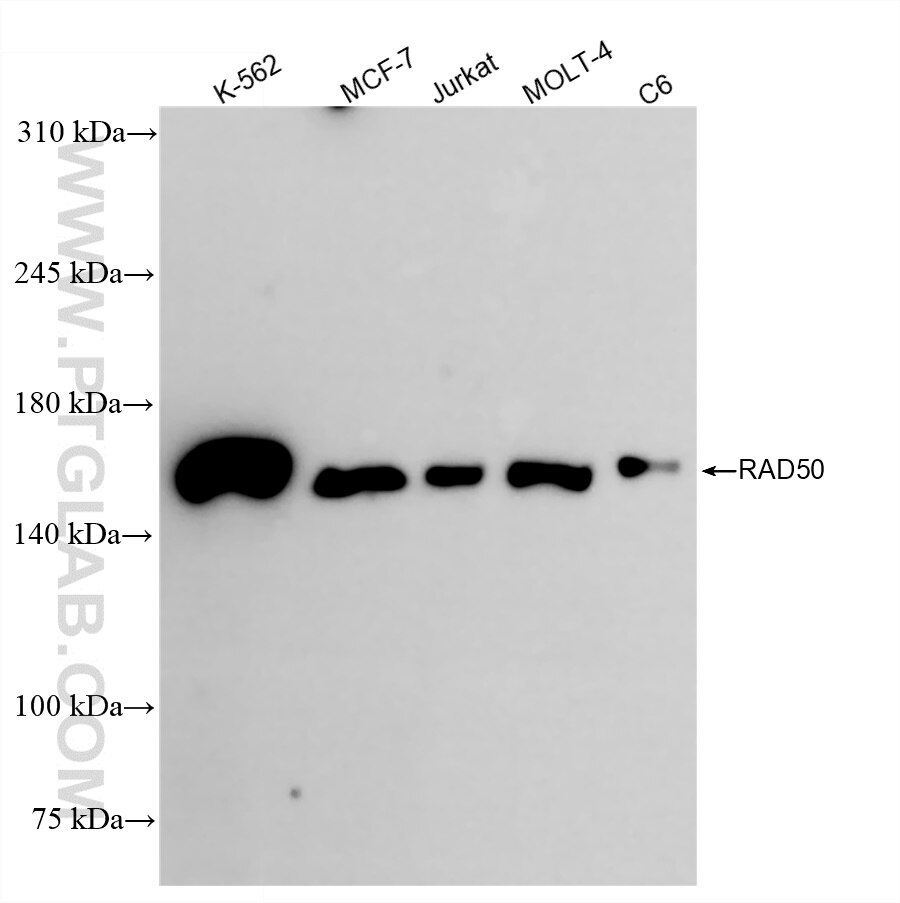
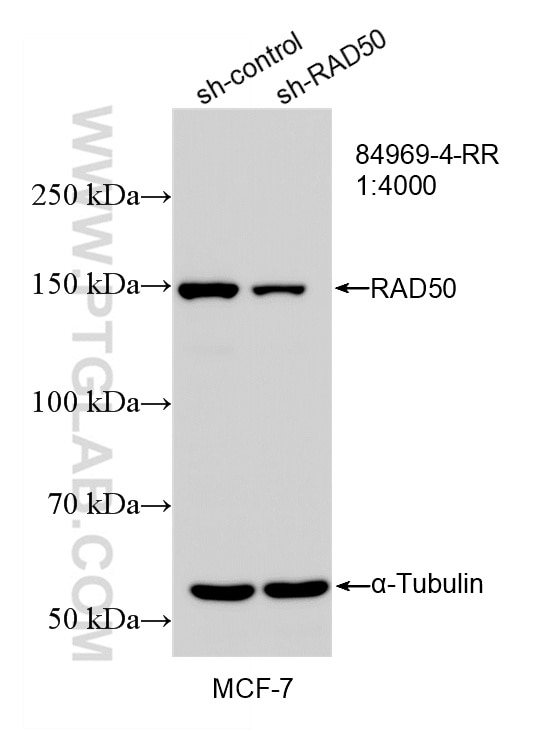
| Positive WB detected in | K-562 cells, MCF-7 cells, Jurkat cells, MOLT-4 cells, C6 cells |
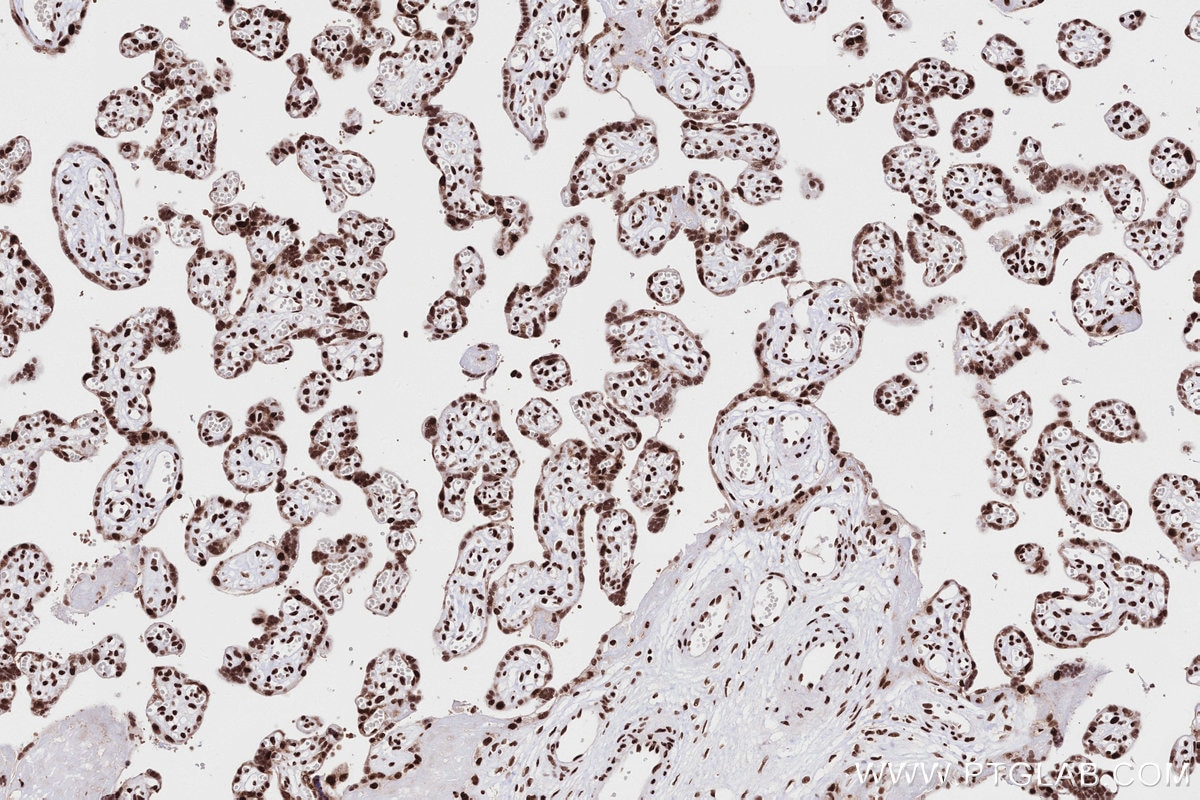
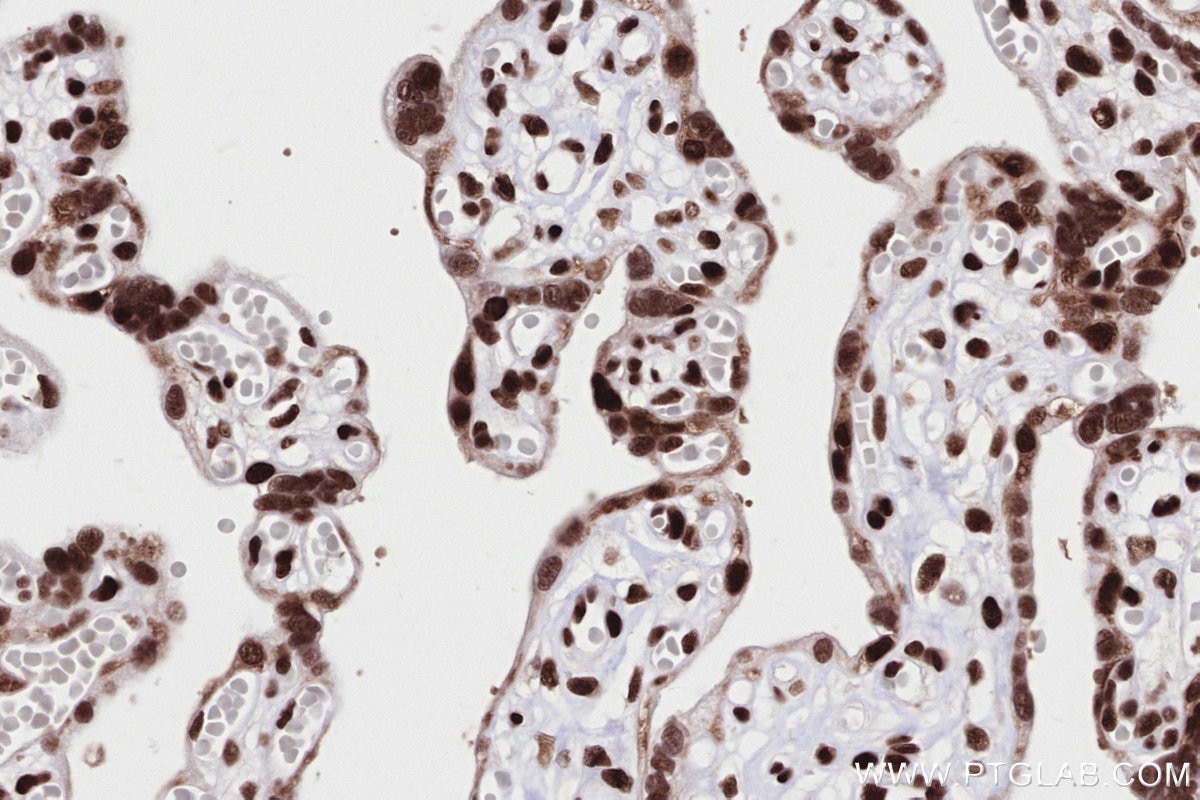
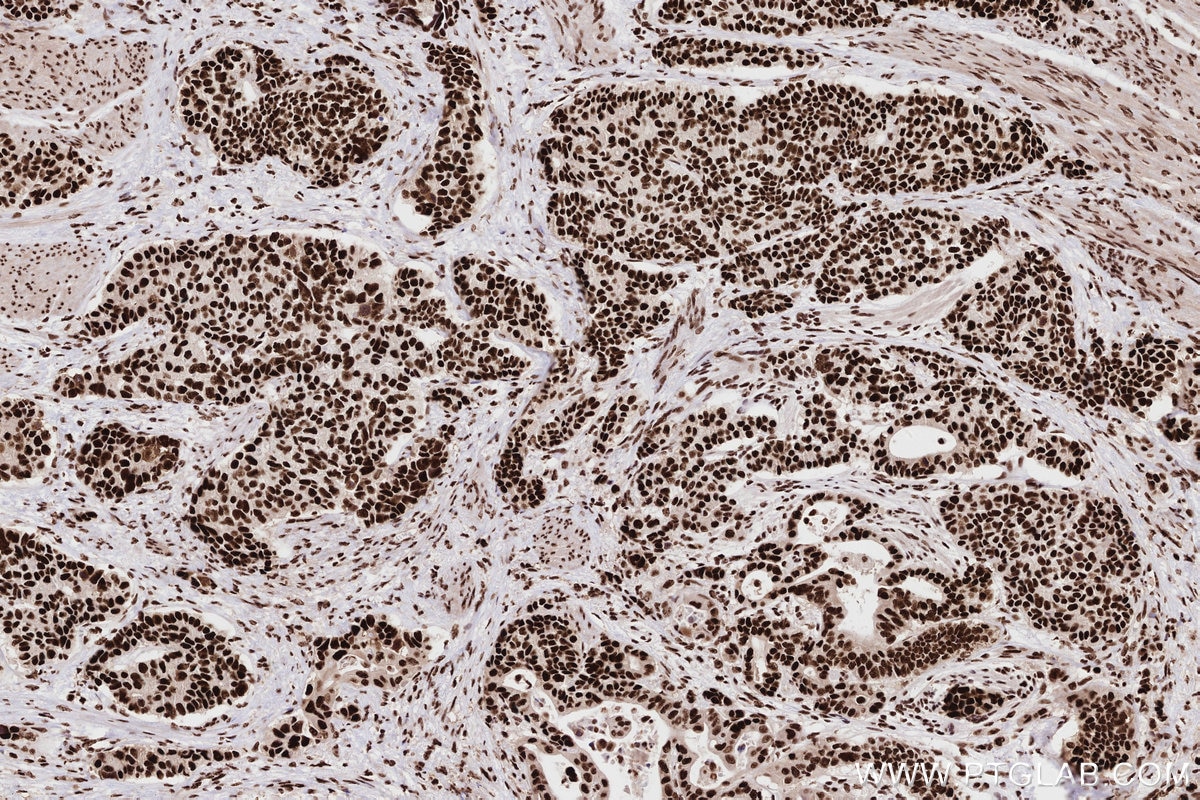
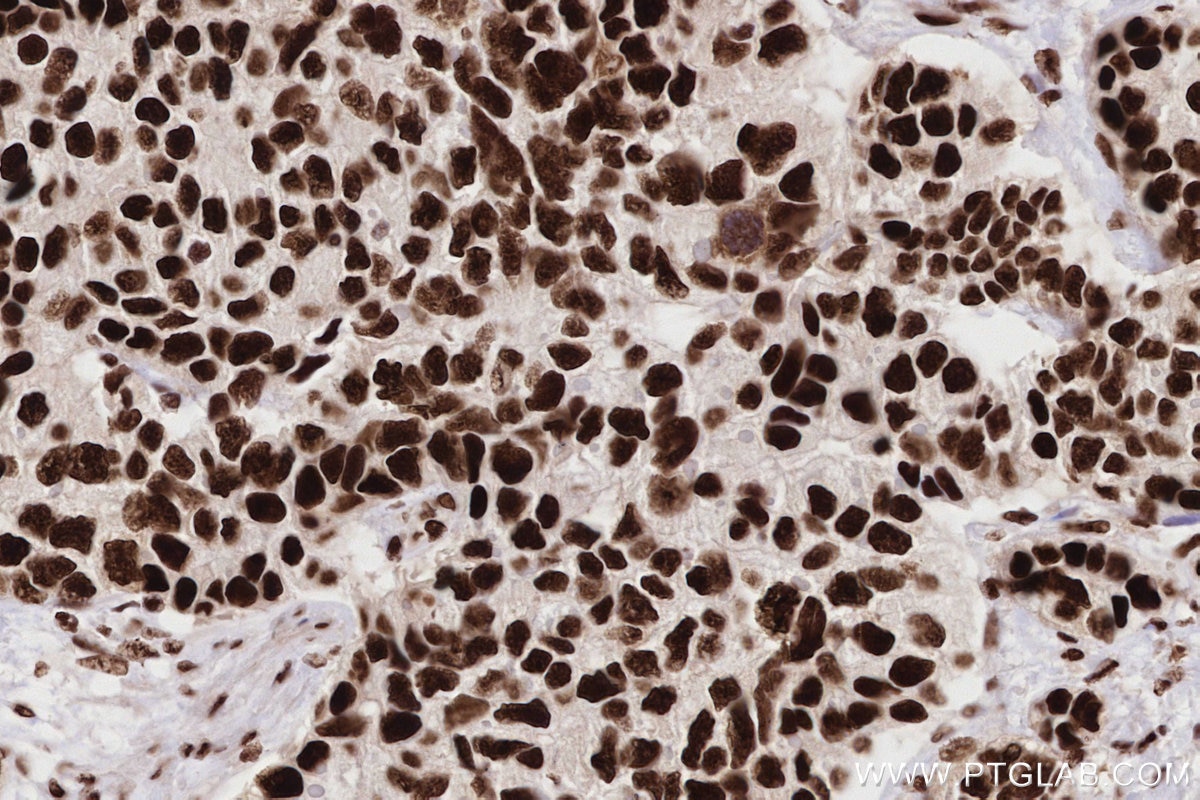
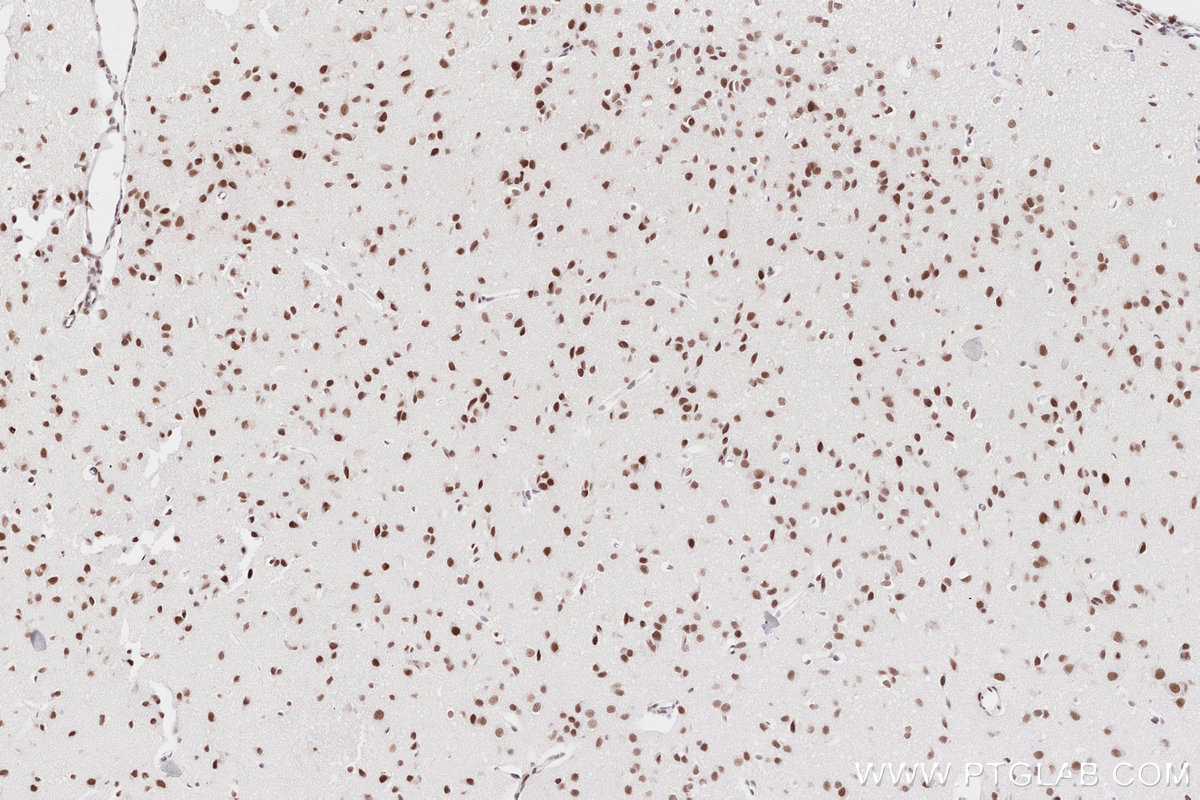
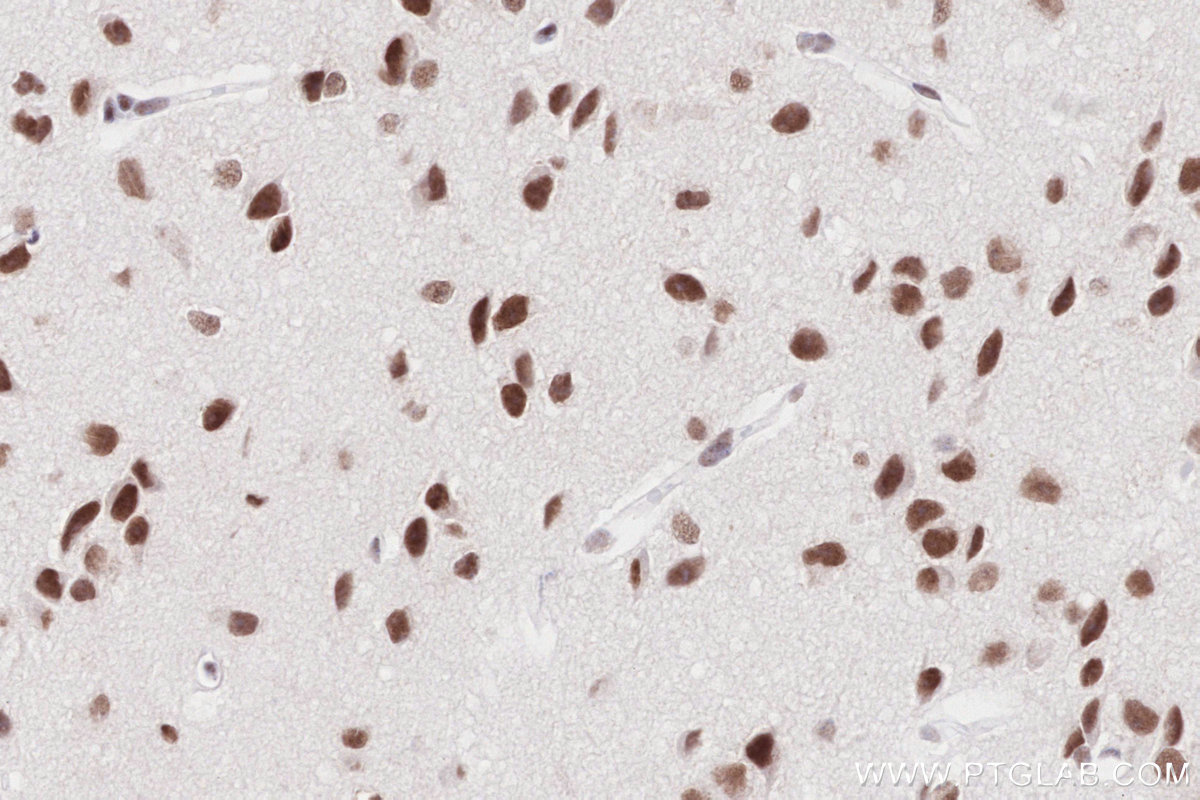
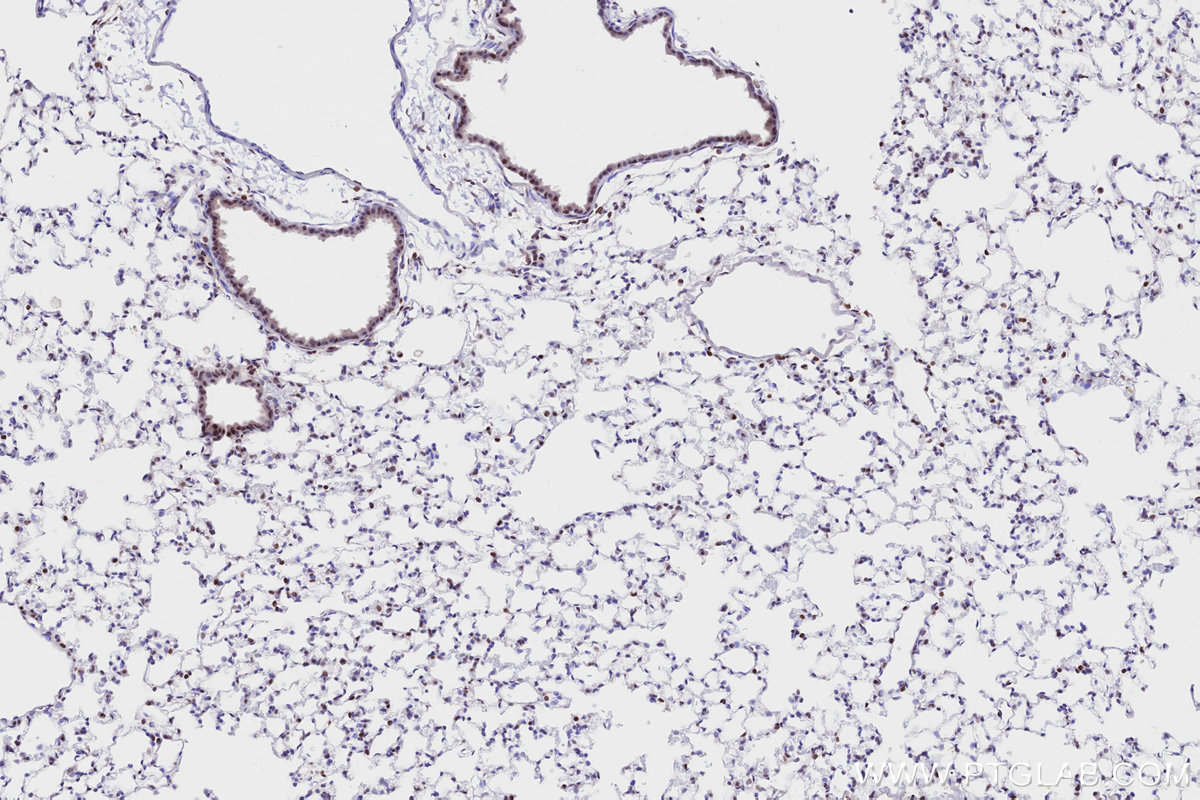
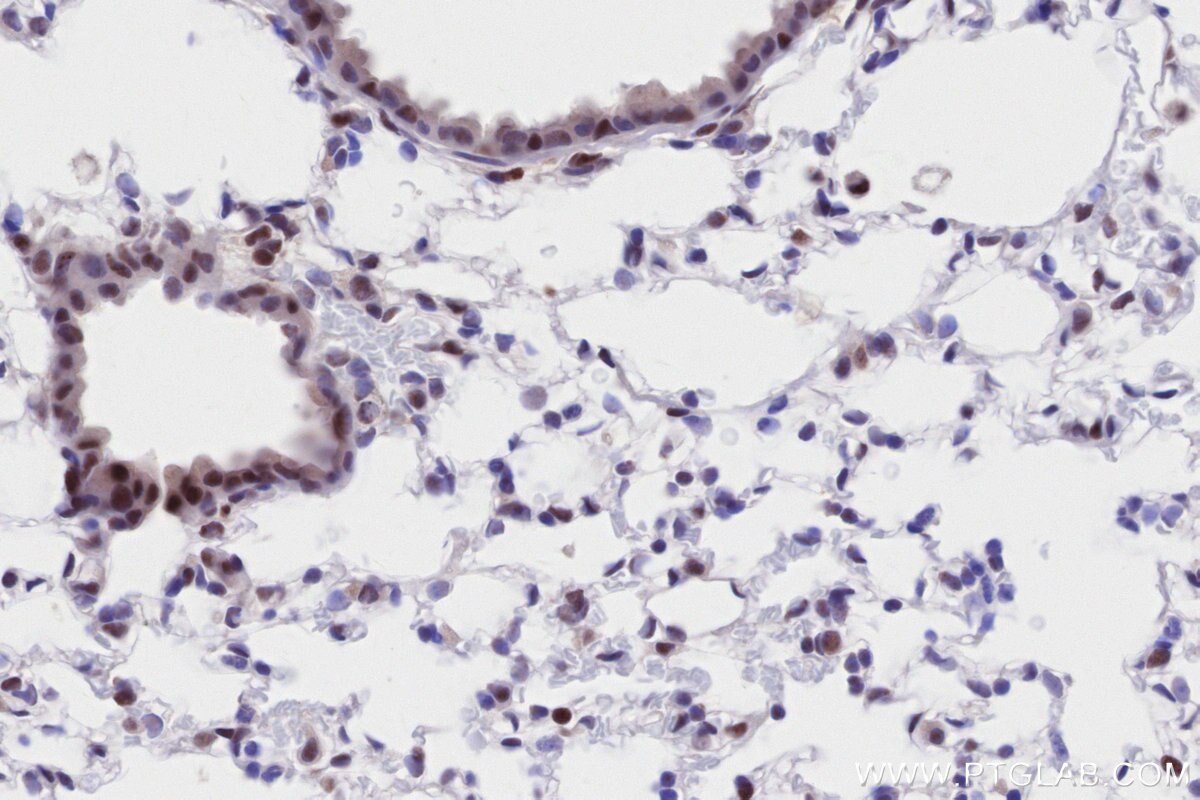
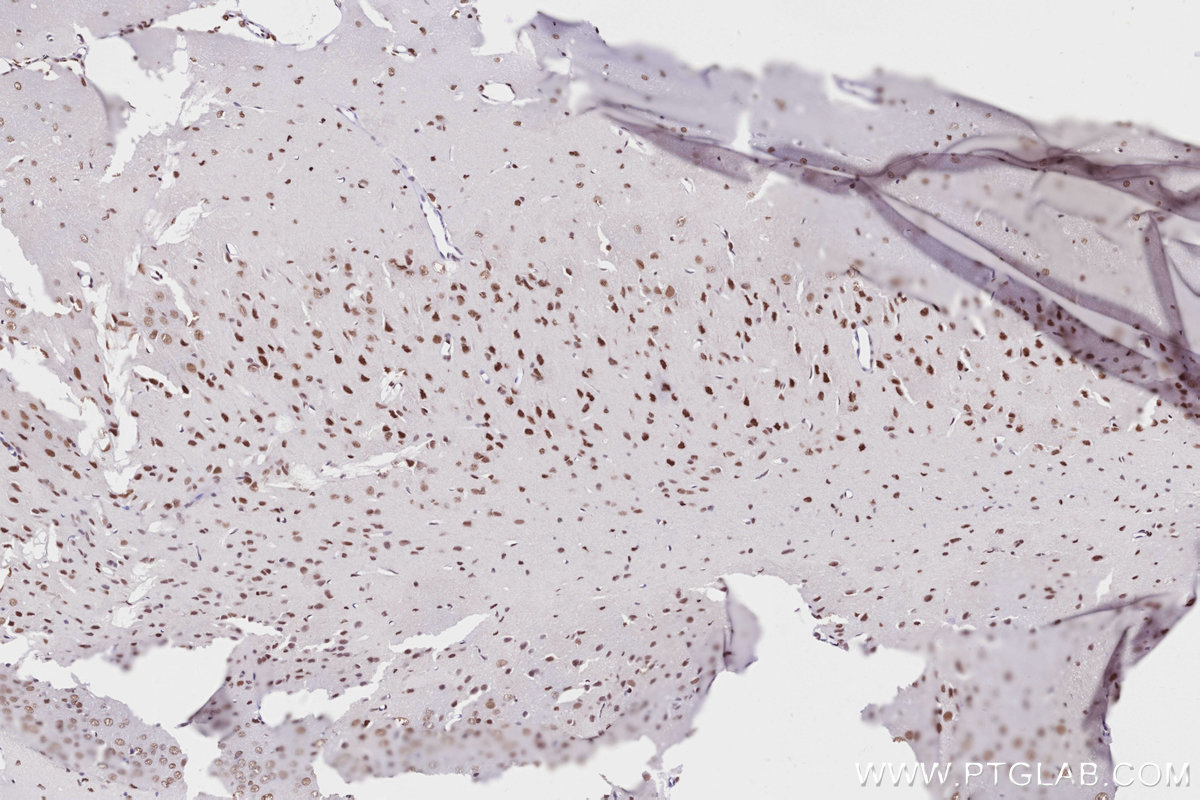
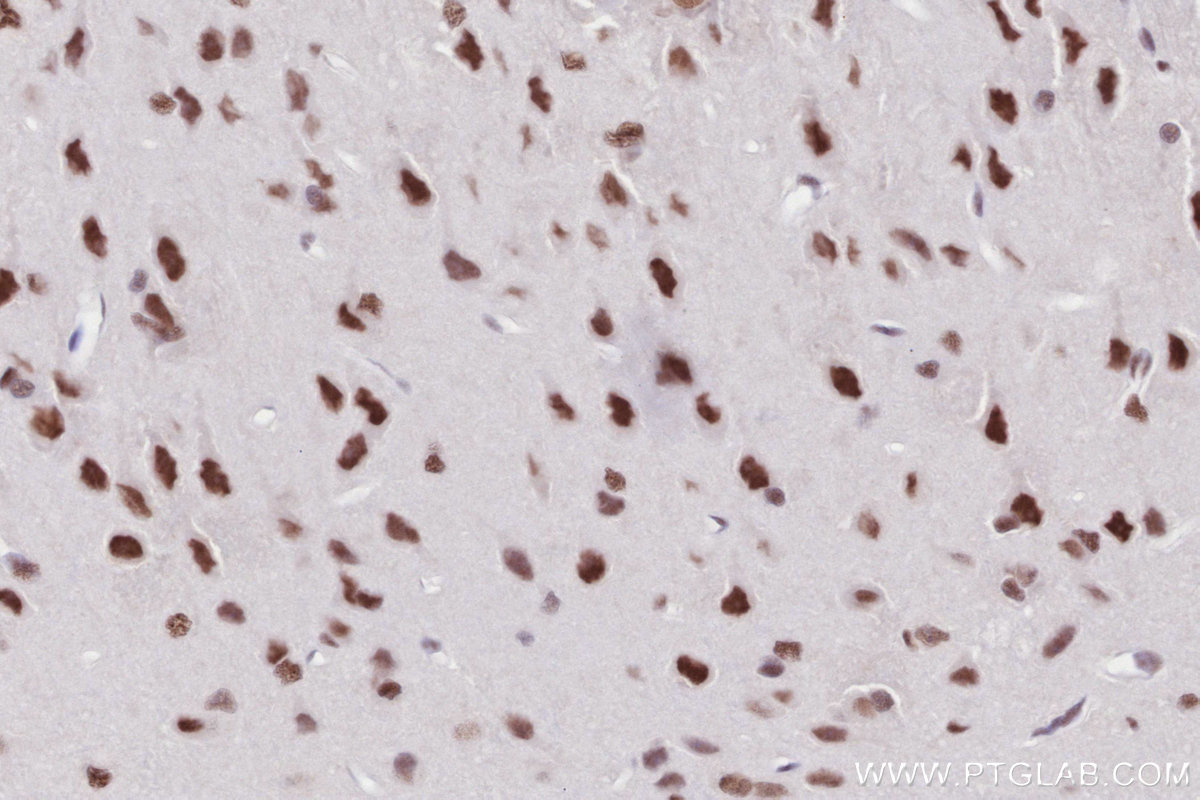
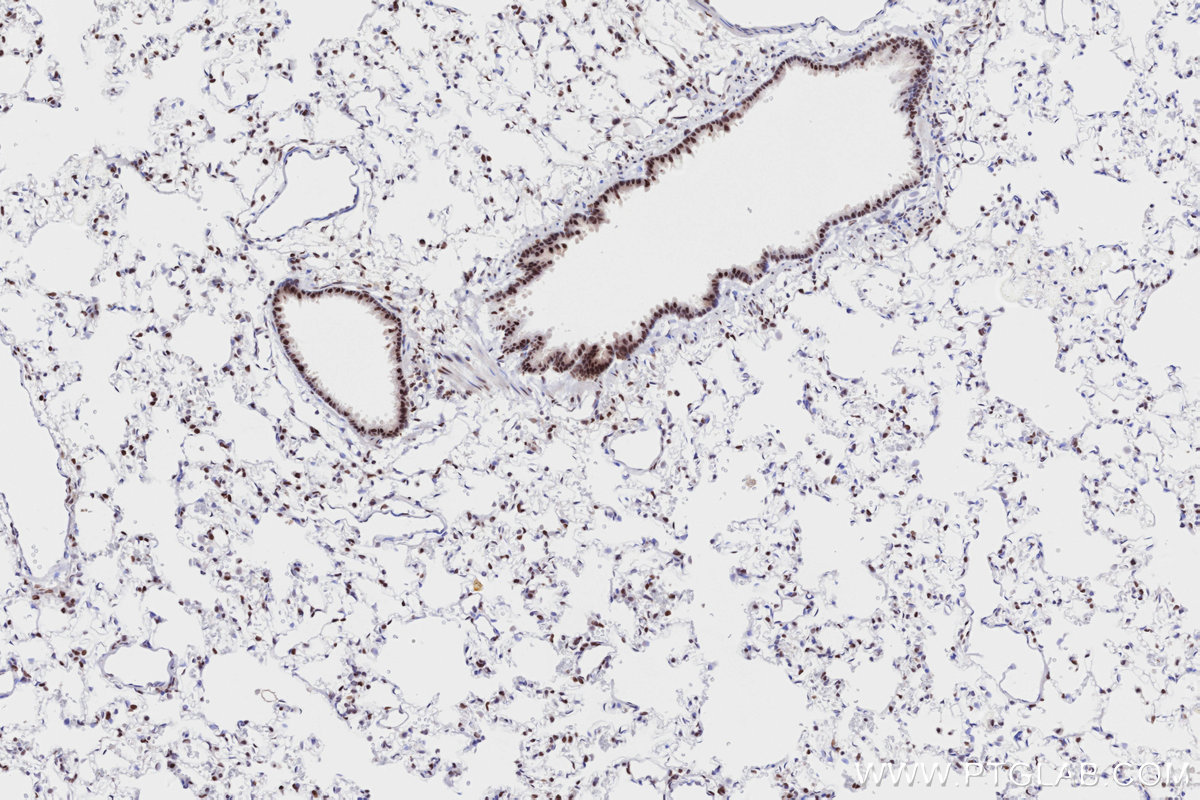
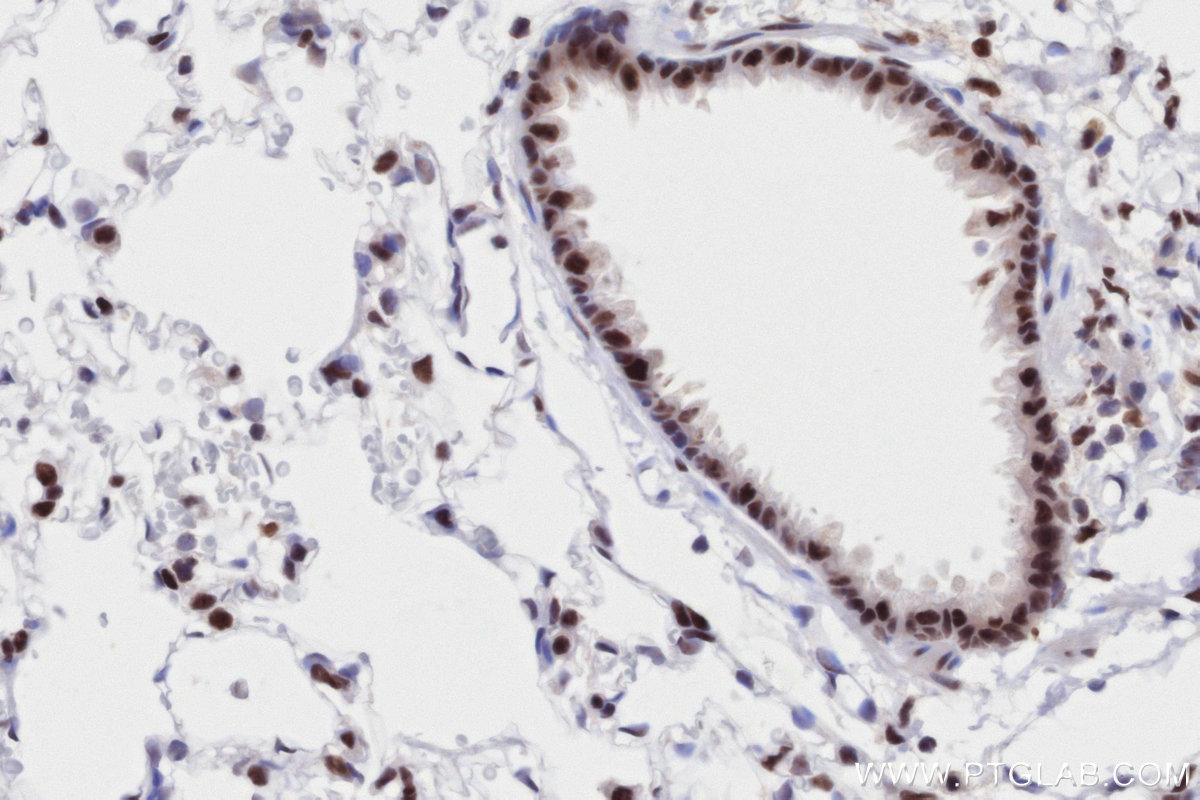
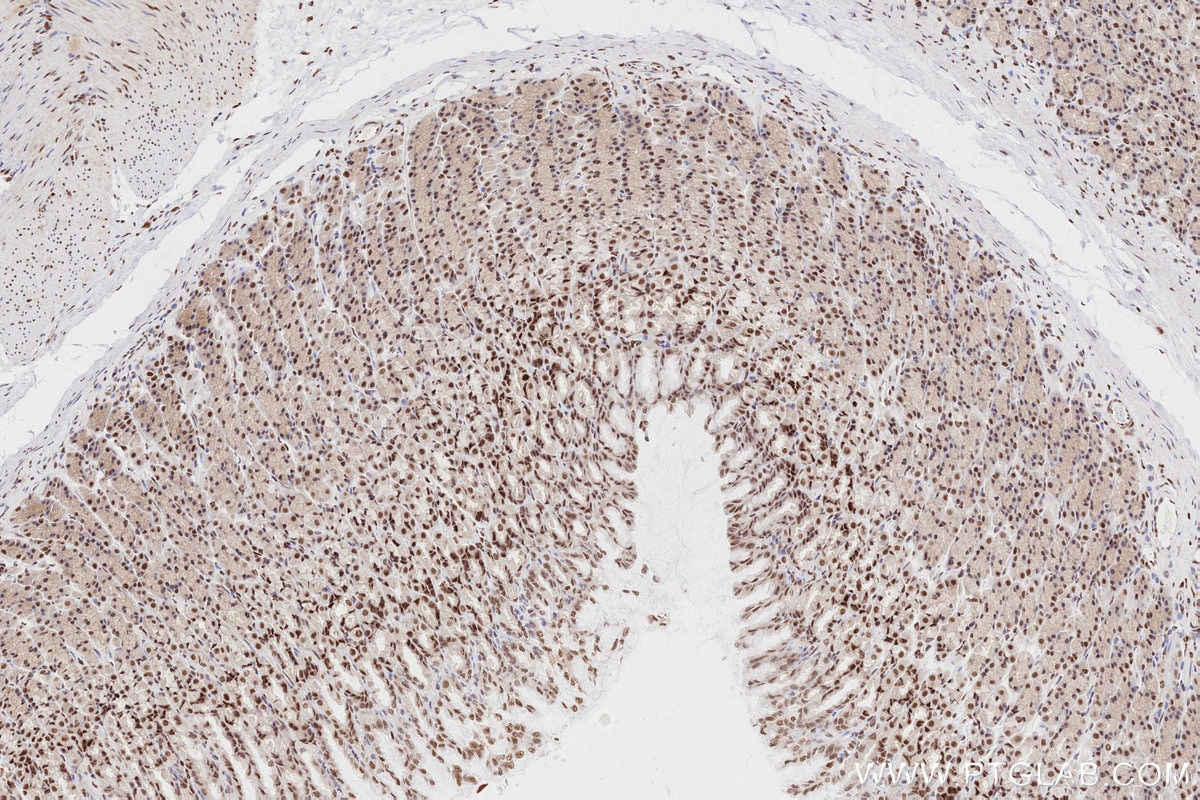
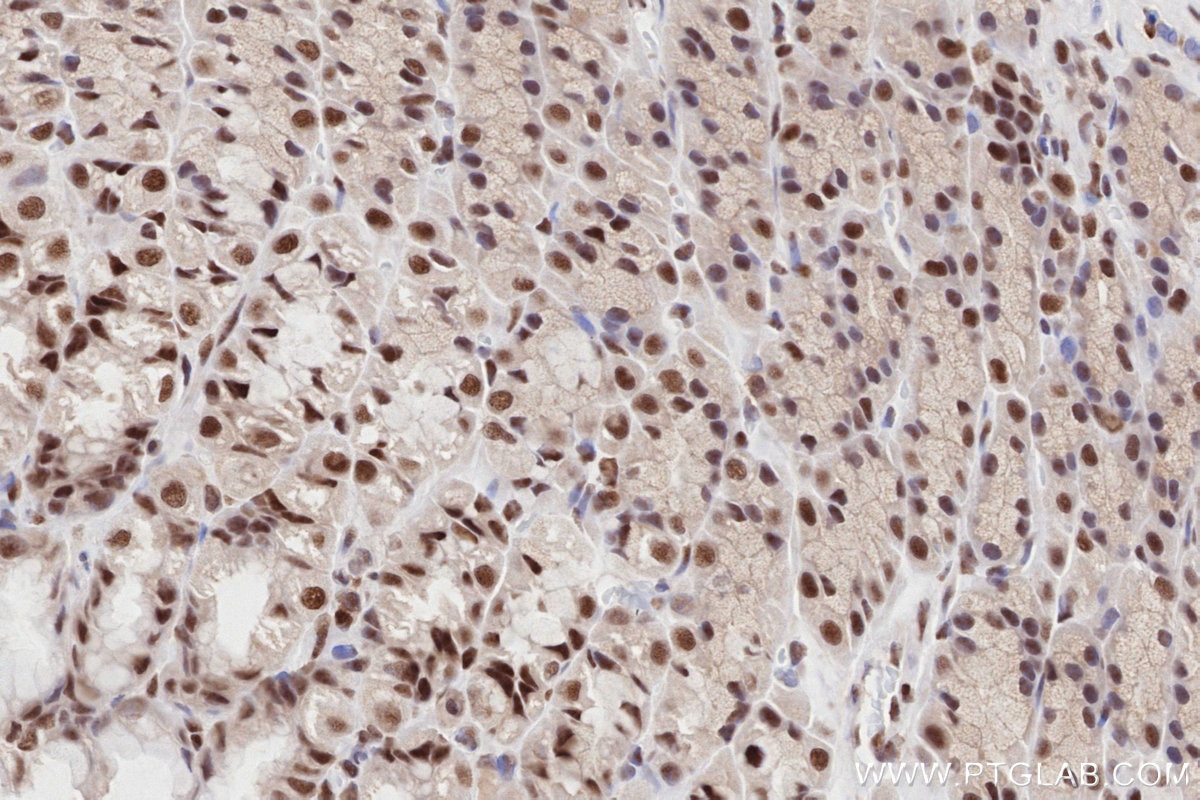
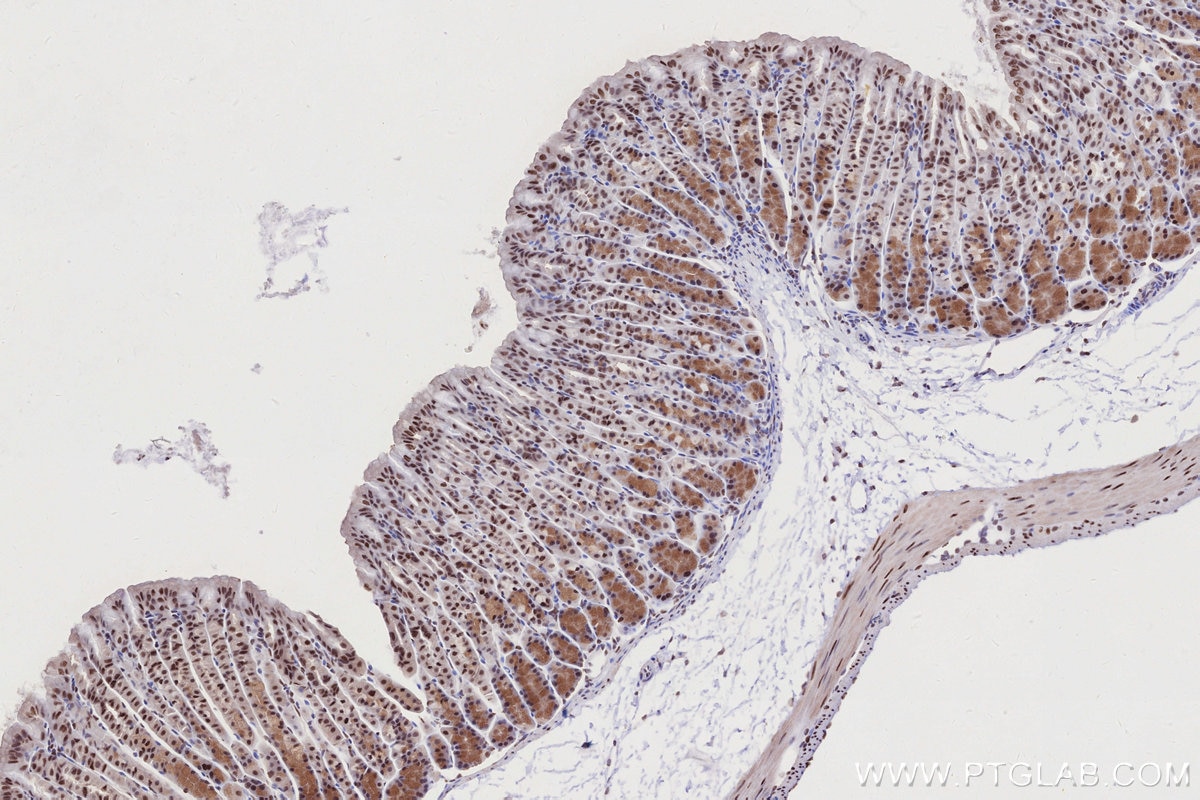
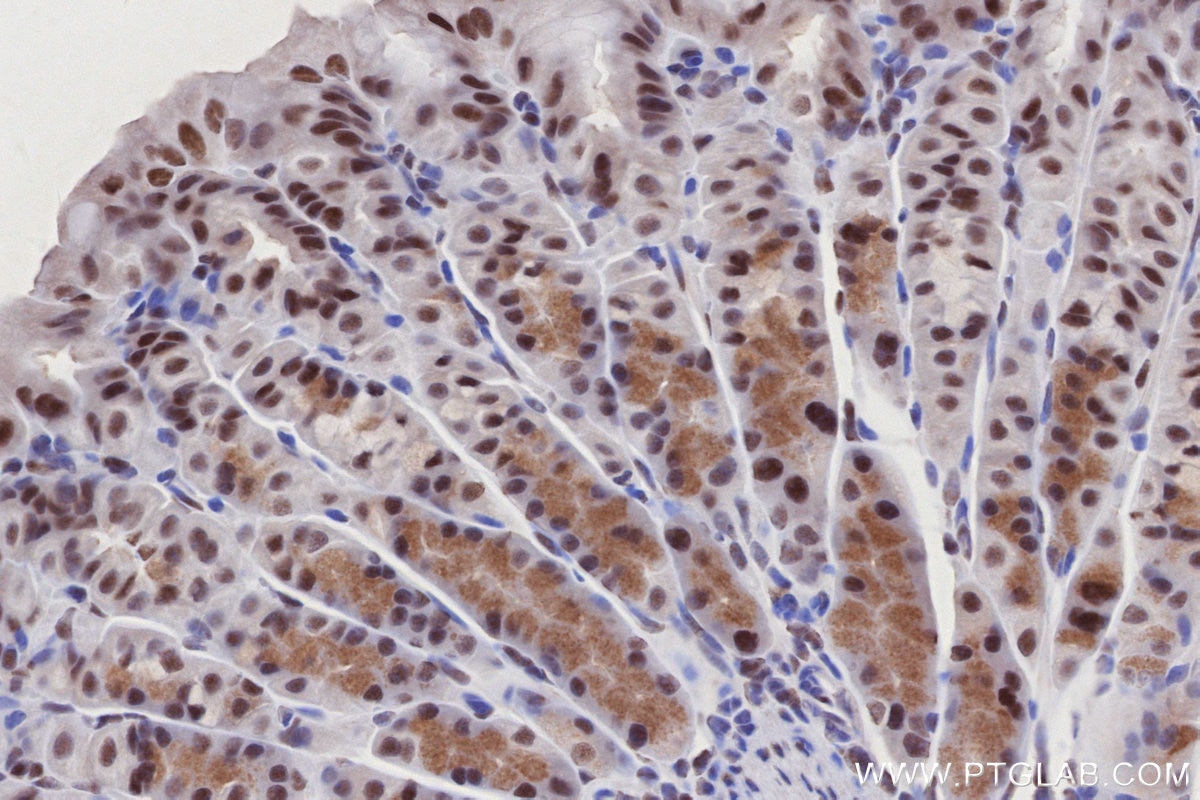
| Positive IHC detected in | human placenta tissue, human stomach cancer tissue, mouse brain tissue, mouse lung tissue, mouse stomach tissue, rat brain tissue, rat lung tissue, rat stomach tissue Note: suggested antigen retrieval with TE buffer pH 9.0; (*) Alternatively, antigen retrieval may be performed with citrate buffer pH 6.0 |
Recommended dilution
| Application | Dilution |
|---|---|
| Western Blot (WB) | WB : 1:5000-1:50000 |
| Immunohistochemistry (IHC) | IHC : 1:1000-1:4000 |
| It is recommended that this reagent should be titrated in each testing system to obtain optimal results. | |
| Sample-dependent, Check data in validation data gallery. | |
Product Information
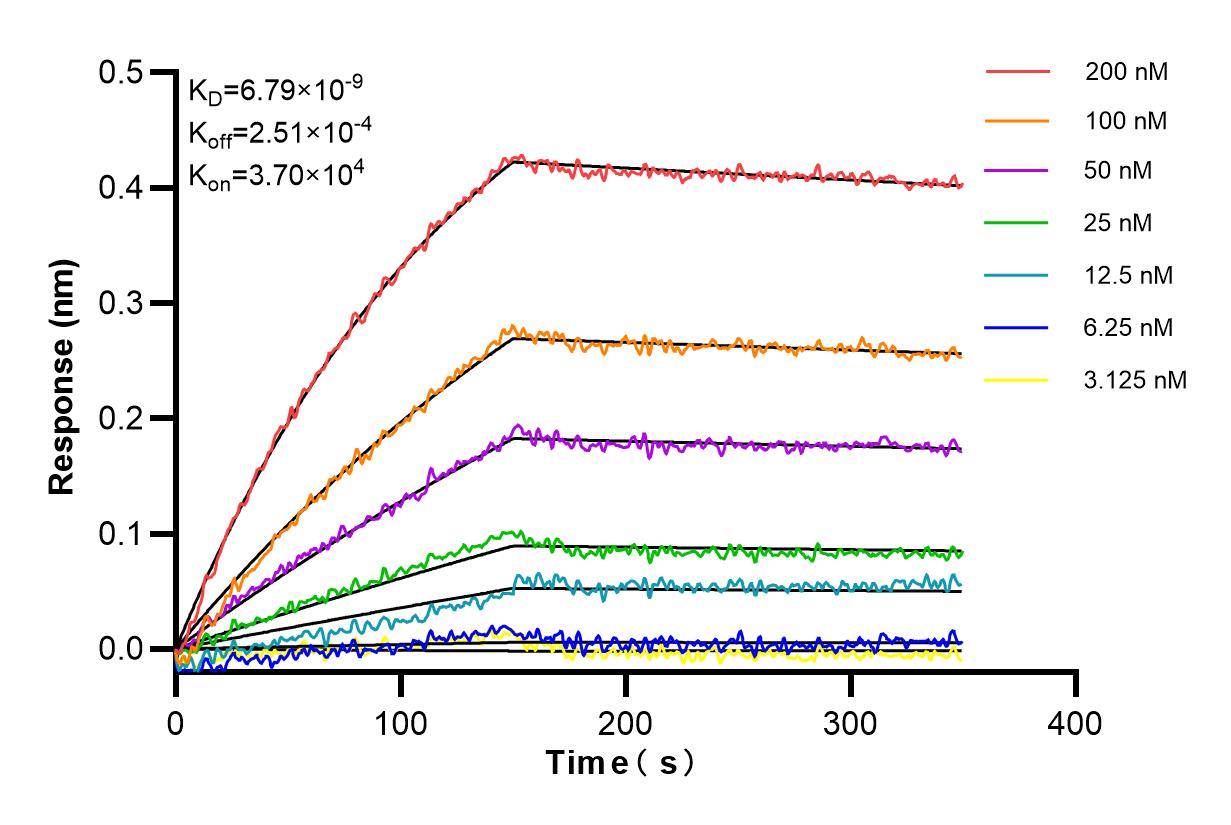
84969-4-RR targets RAD50 in WB, IHC, ELISA applications and shows reactivity with human, mouse, rat samples.
| Tested Reactivity | human, mouse, rat |
| Host / Isotype | Rabbit / IgG |
| Class | Recombinant |
| Type | Antibody |
| Immunogen |
CatNo: Ag29949 Product name: Recombinant human RAD50 protein Source: e coli.-derived, PGEX-4T Tag: GST Domain: 275-425 aa of NM_005732 Sequence: LDSRKKQMEKDNSELEEKMEKVFQGTDEQLNDLYHNHQRTVREKERKLVDCHRELEKLNKESRLLNQEKSELLVEQGRLQLQADRHQEHIRARDSLIQSLATQLELDGFERGPFSERQIKNFHKLVRERQEGEAKTANQLMNDFAEKETLK Predict reactive species |
| Full Name | RAD50 homolog (S. cerevisiae) |
| Calculated Molecular Weight | 154 kDa |
| Observed Molecular Weight | 154 kDa |
| GenBank Accession Number | NM_005732 |
| Gene Symbol | RAD50 |
| Gene ID (NCBI) | 10111 |
| RRID | AB_3743896 |
| Conjugate | Unconjugated |
| Form | Liquid |
| Purification Method | Protein A purification |
| UNIPROT ID | Q92878 |
| Storage Buffer | PBS with 0.02% sodium azide and 50% glycerol, pH 7.3. |
| Storage Conditions | Store at -20°C. Stable for one year after shipment. Aliquoting is unnecessary for -20oC storage. 20ul sizes contain 0.1% BSA. |
Background Information
RAD50 belongs to the ABC-ATPase protein family that concurs in forming the Nucleotide Binding Domain (NBD). ATP binding to Rad50 induces a conformational change that dramatically increases the Rad50 NBD affinity for itself, allowing for its dimerization (PMID: 37569756). The Mre11-Rad50 (MR) complex has key functions in the detection, signaling and repair of DNA breaks (PMID: 35501303).
Protocols
| Product Specific Protocols | |
|---|---|
| IHC protocol for RAD50 antibody 84969-4-RR | Download protocol |
| WB protocol for RAD50 antibody 84969-4-RR | Download protocol |
| Standard Protocols | |
|---|---|
| Click here to view our Standard Protocols |




















