

Tested Applications
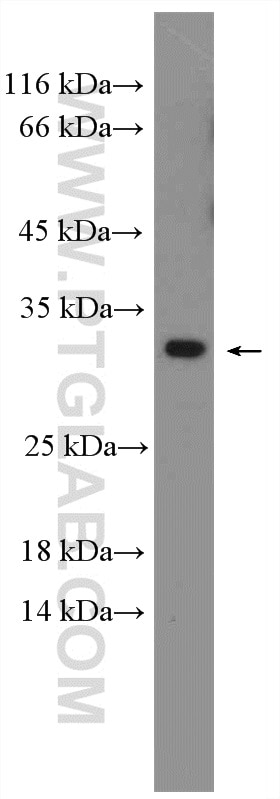
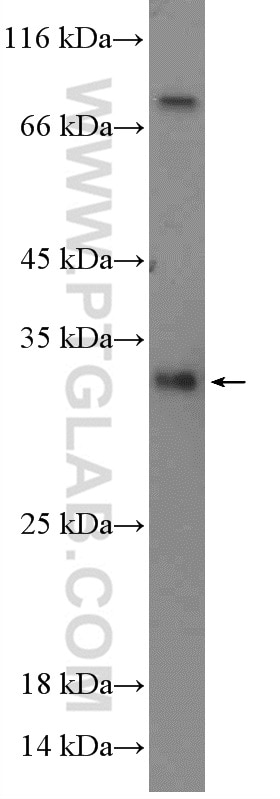
| Positive WB detected in | mouse testis tissue, rat testis tissue |
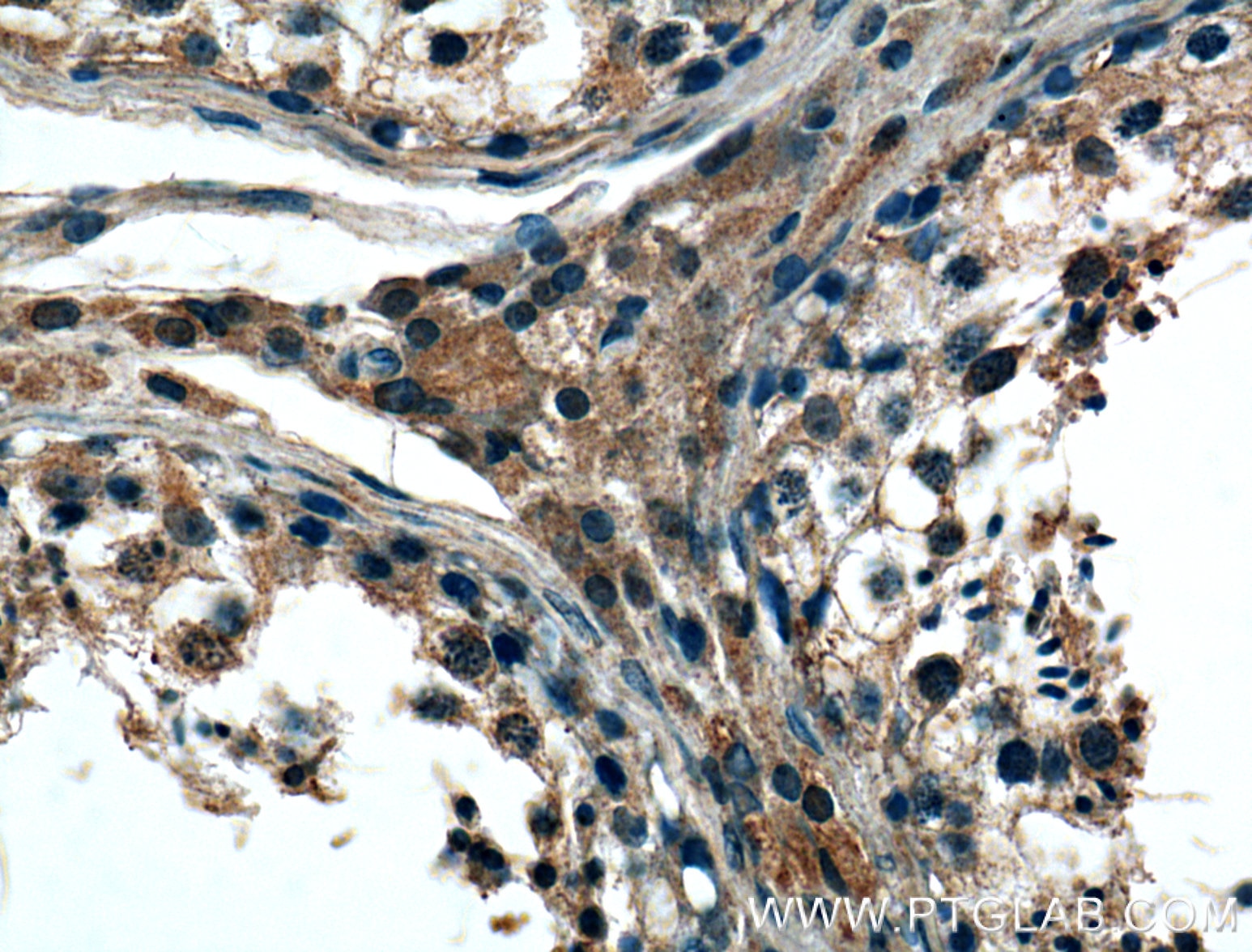
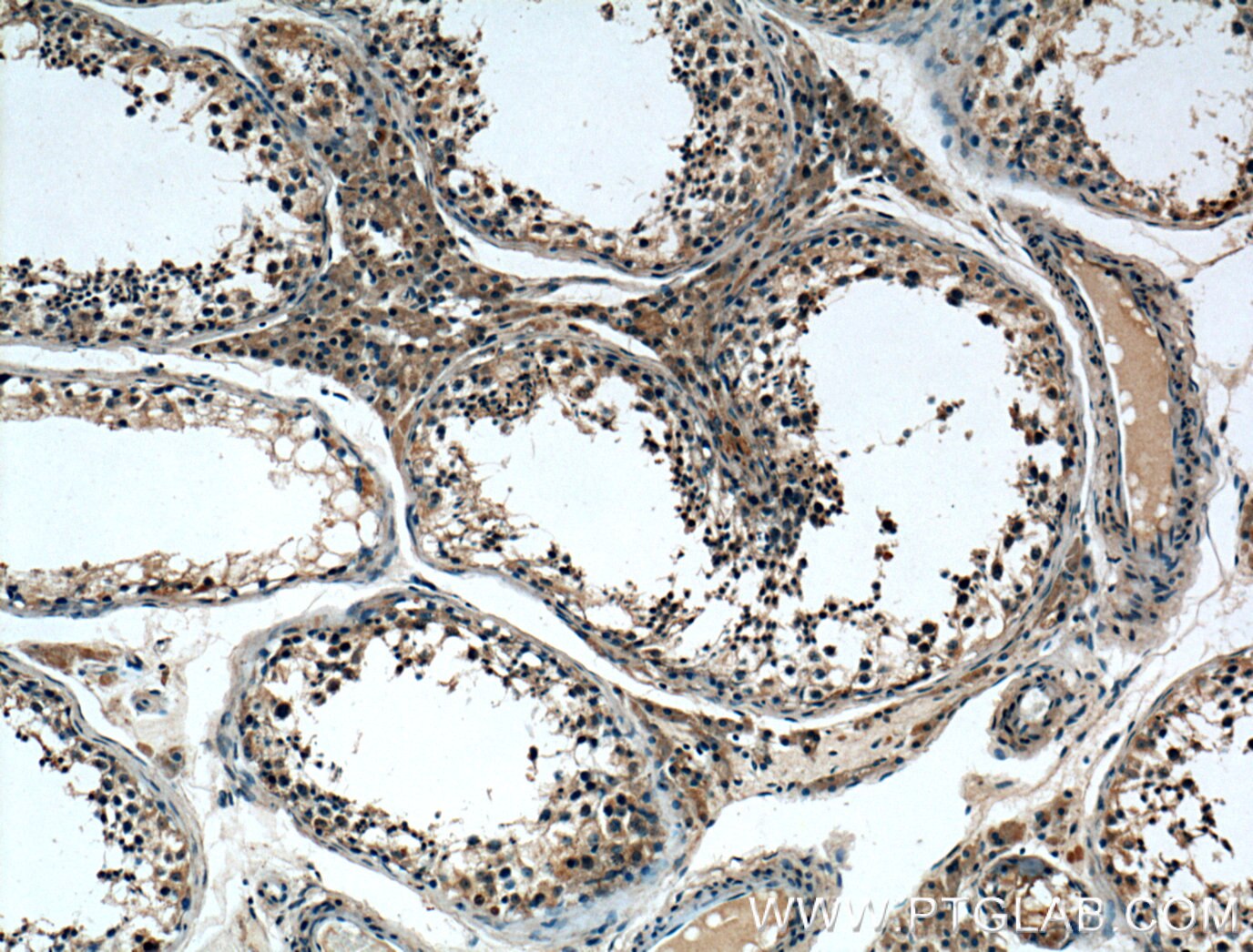
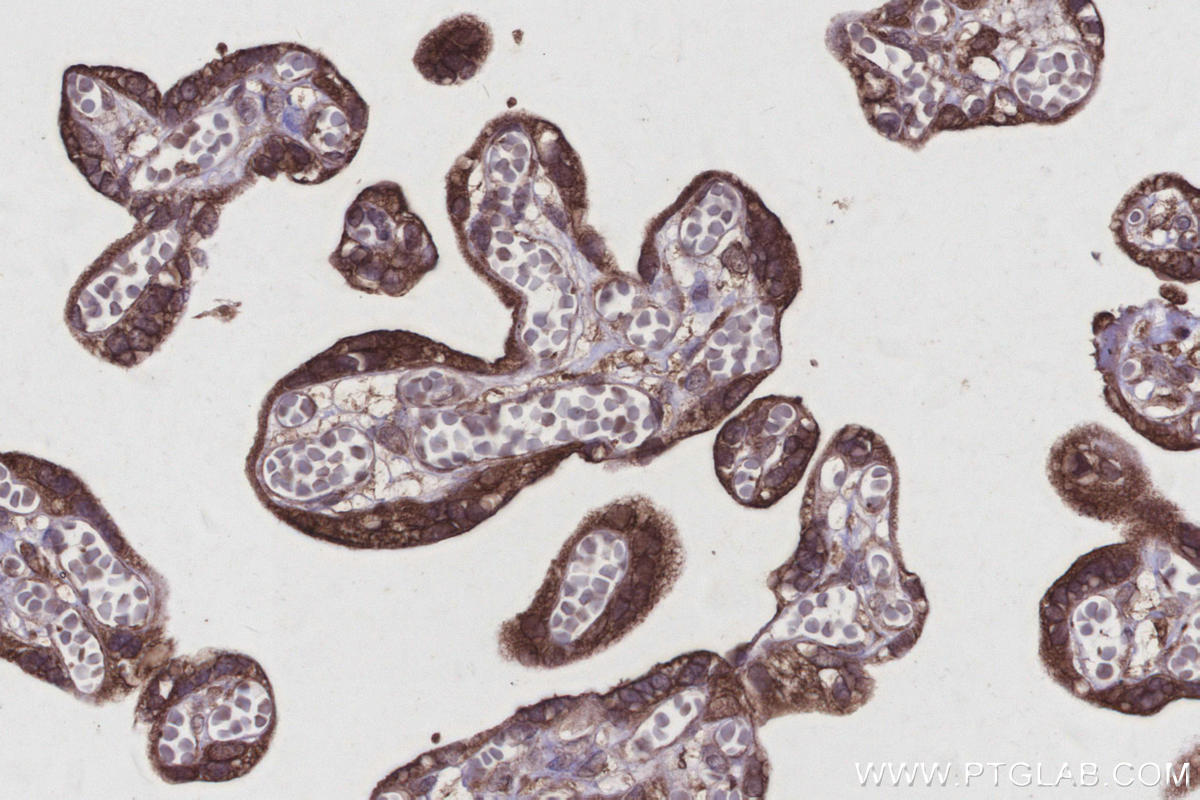
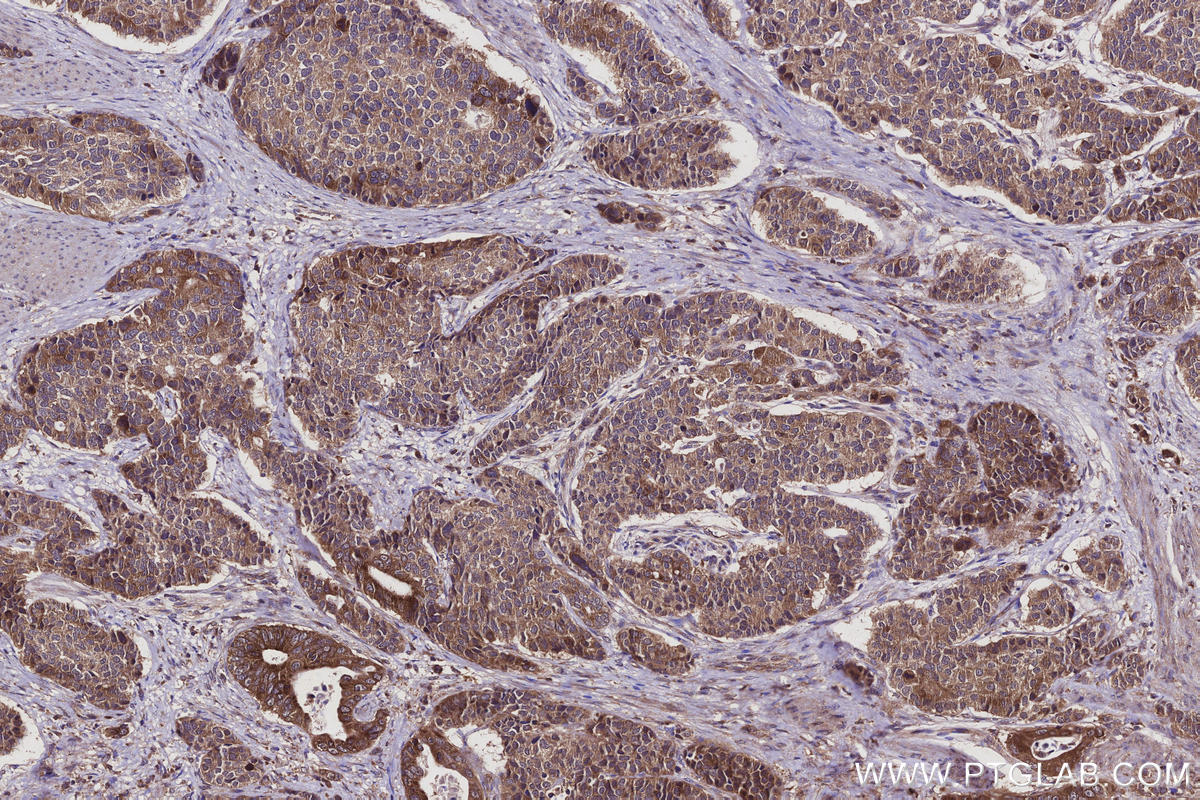
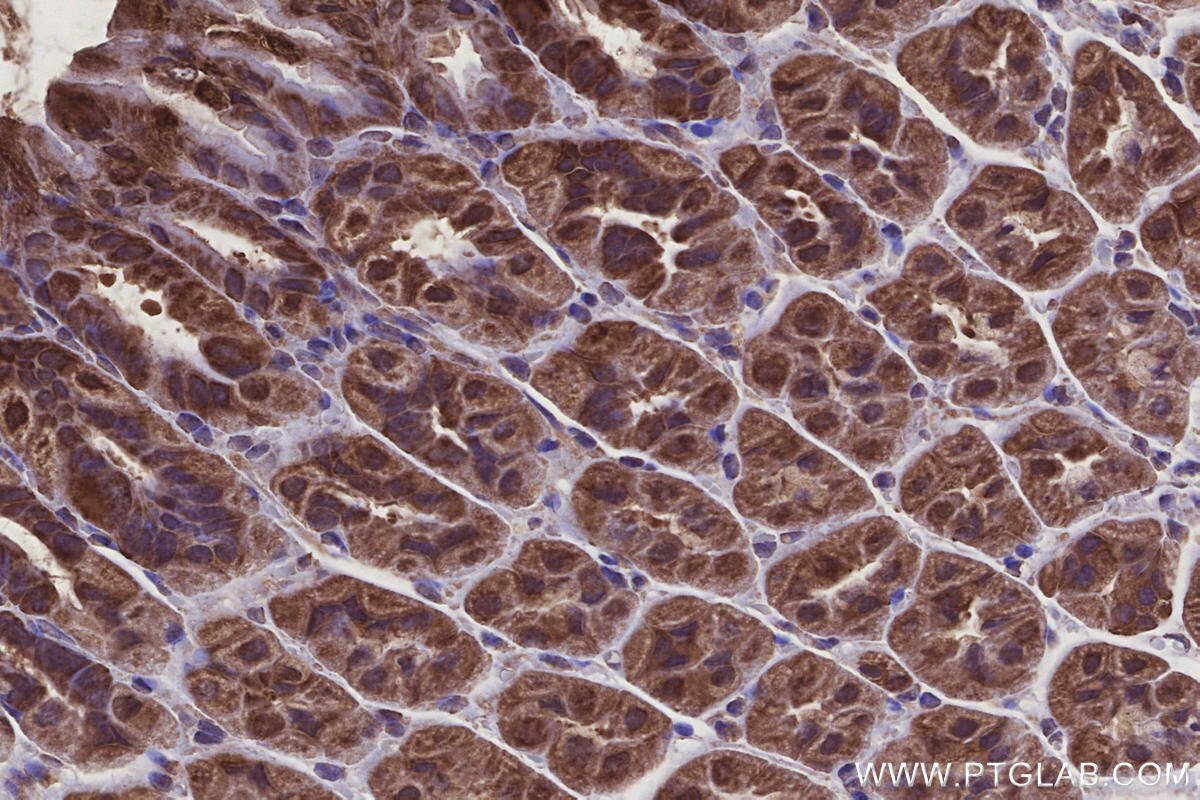
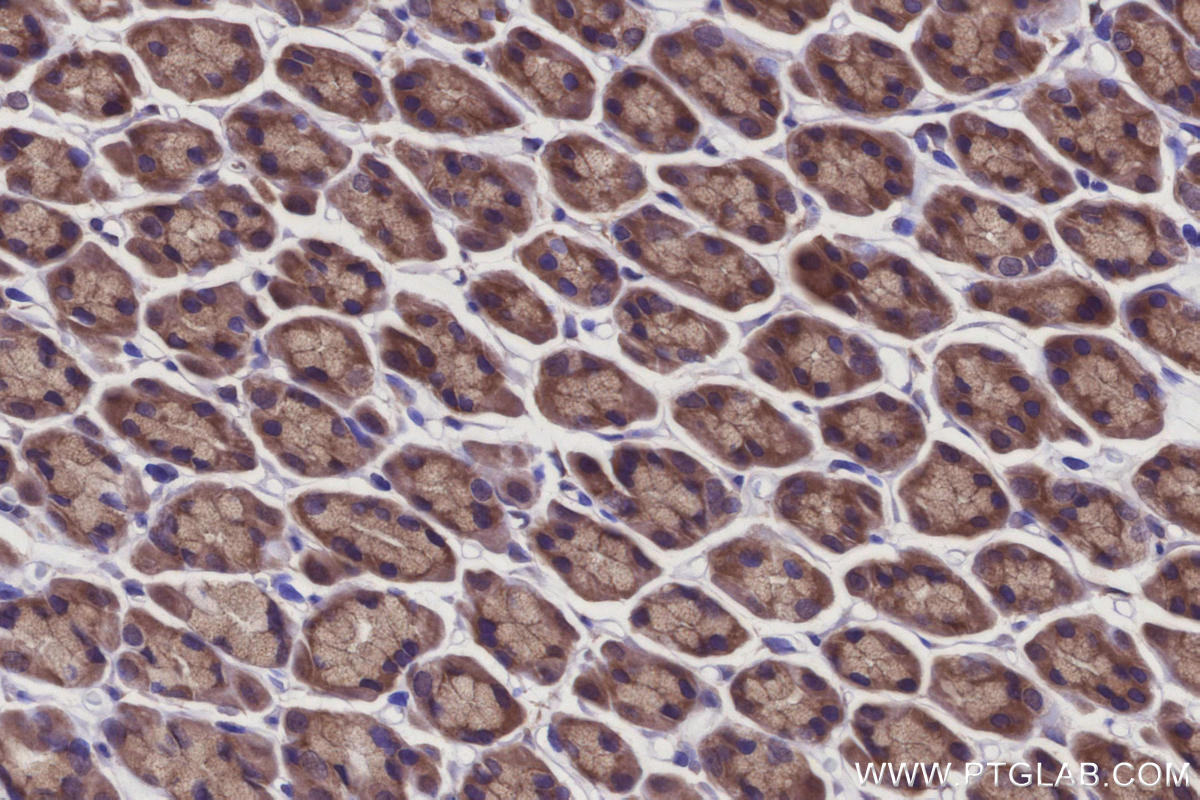
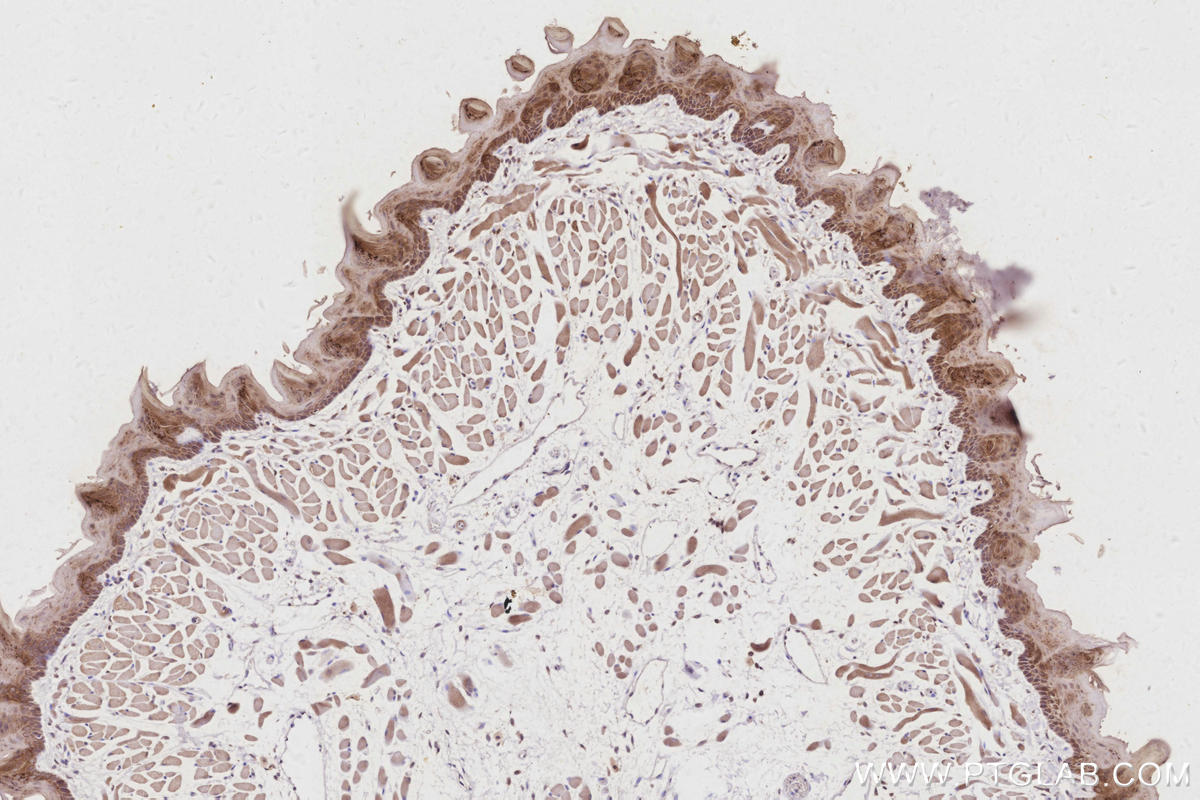
| Positive IHC detected in | human testis tissue, rat stomach tissue, mouse tongue tissue, human stomach cancer tissue, human placenta tissue, mouse stomach tissue Note: suggested antigen retrieval with TE buffer pH 9.0; (*) Alternatively, antigen retrieval may be performed with citrate buffer pH 6.0 |
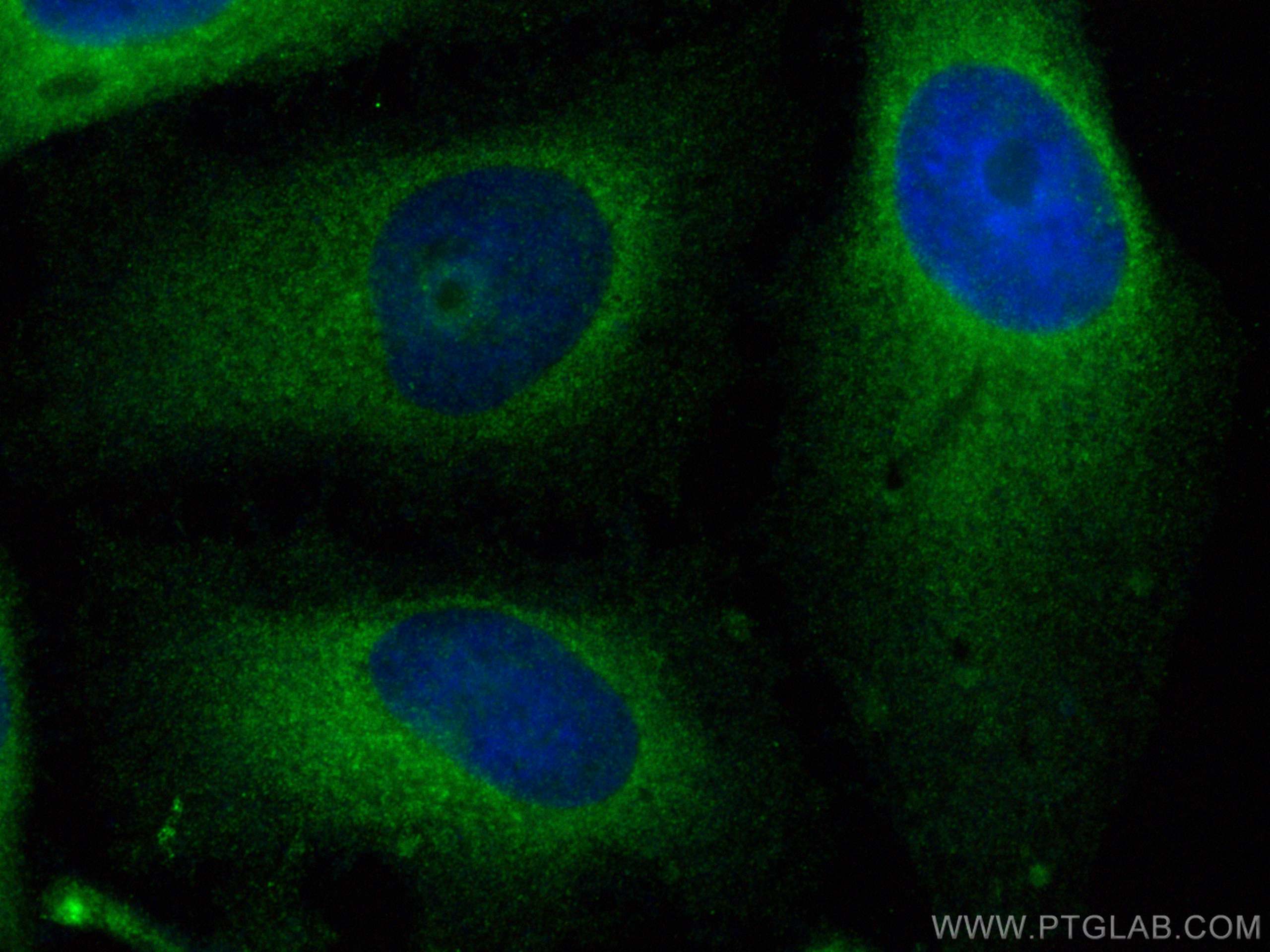
| Positive IF/ICC detected in | HeLa cells |
Recommended dilution
| Application | Dilution |
|---|---|
| Western Blot (WB) | WB : 1:500-1:1000 |
| Immunohistochemistry (IHC) | IHC : 1:50-1:500 |
| Immunofluorescence (IF)/ICC | IF/ICC : 1:50-1:500 |
| It is recommended that this reagent should be titrated in each testing system to obtain optimal results. | |
| Sample-dependent, Check data in validation data gallery. | |
Product Information
26650-1-AP targets REEP4 in WB, IHC, IF/ICC, ELISA applications and shows reactivity with human, mouse, rat samples.
| Tested Reactivity | human, mouse, rat |
| Cited Reactivity | human, mouse |
| Host / Isotype | Rabbit / IgG |
| Class | Polyclonal |
| Type | Antibody |
| Immunogen |
CatNo: Ag24569 Product name: Recombinant human REEP4 protein Source: e coli.-derived, PGEX-4T Tag: GST Domain: 157-257 aa of BC013048 Sequence: RSISDAPAPAYHDPLYLEDQVSHRRPPIGYRAGGLQDSDTEDECWSDTEAVPRAPARPREKPLIRSQSLRVVKRKPPVREGTSRSLKVRTRKKTVPSDVDS Predict reactive species |
| Full Name | receptor accessory protein 4 |
| Calculated Molecular Weight | 29 kDa |
| Observed Molecular Weight | 29 kDa |
| GenBank Accession Number | BC013048 |
| Gene Symbol | REEP4 |
| Gene ID (NCBI) | 80346 |
| RRID | AB_2880589 |
| Conjugate | Unconjugated |
| Form | Liquid |
| Purification Method | Antigen affinity purification |
| UNIPROT ID | Q9H6H4 |
| Storage Buffer | PBS with 0.02% sodium azide and 50% glycerol, pH 7.3. |
| Storage Conditions | Store at -20°C. Stable for one year after shipment. Aliquoting is unnecessary for -20oC storage. 20ul sizes contain 0.1% BSA. |
Protocols
| Product Specific Protocols | |
|---|---|
| IF protocol for REEP4 antibody 26650-1-AP | Download protocol |
| IHC protocol for REEP4 antibody 26650-1-AP | Download protocol |
| WB protocol for REEP4 antibody 26650-1-AP | Download protocol |
| Standard Protocols | |
|---|---|
| Click here to view our Standard Protocols |
Publications
What published studies show
The REEP4 Polyclonal antibody (Cat# 26650-1-AP) has 9 total citations. These appear in journals including Nature, Advanced Science, Cell Chemical Biology, Journal of Cell Biology, Journal of Biological Chemistry, Journal of Cancer, Human Molecular Genetics, and Aging. The associated research fields span endoplasmic reticulum biology, organelle distribution and inheritance, mitochondrial dynamics, neurodegenerative diseases (spinal motoneuron degeneration, hereditary spastic paraplegia), cancer (kidney clear cell carcinoma, glioma), and protein degradation pathways.
| Species | Application | Title |
|---|---|---|
Adv Sci (Weinh) REEP1 Accumulation Disrupts ER Integrity and Drives Spinal Motoneuron Degeneration in Distal Hereditary Motor Neuropathy. | ||
Adv Sci (Weinh) Pericentrosomal Redistribution of the Endoplasmic Reticulum Ensures Organelle Symmetric Inheritance and Mitotic Progression | ||
Cell Chem Biol A nature-inspired nanoplatform for multi-protein targeted degradation via the autophagy-lysosome pathway. | ||
J Cell Biol Dynamic interaction of REEP5-MFN1/2 enables mitochondrial hitchhiking on tubular ER | ||
J Biol Chem Comparative proximity biotinylation implicates the small GTPase RAB18 in sterol mobilization and biosynthesis |











