
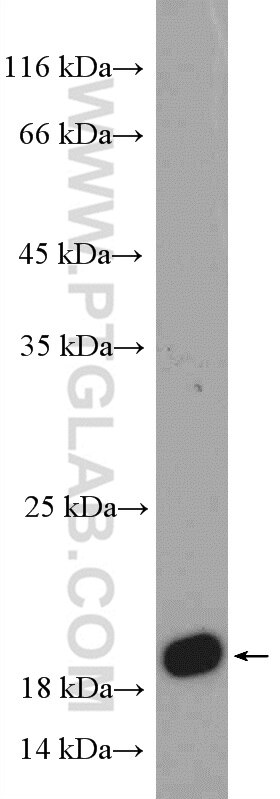
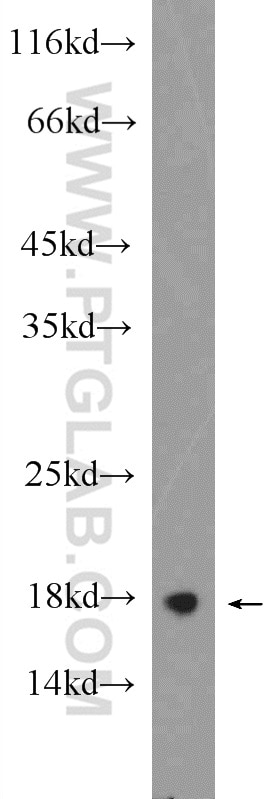
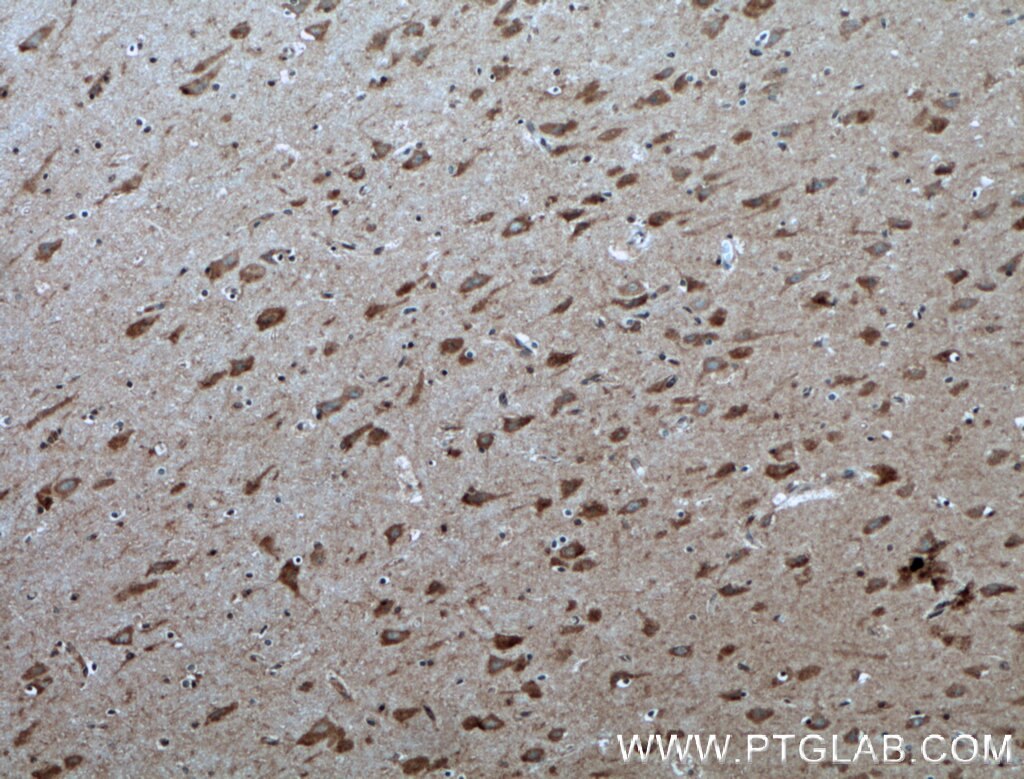
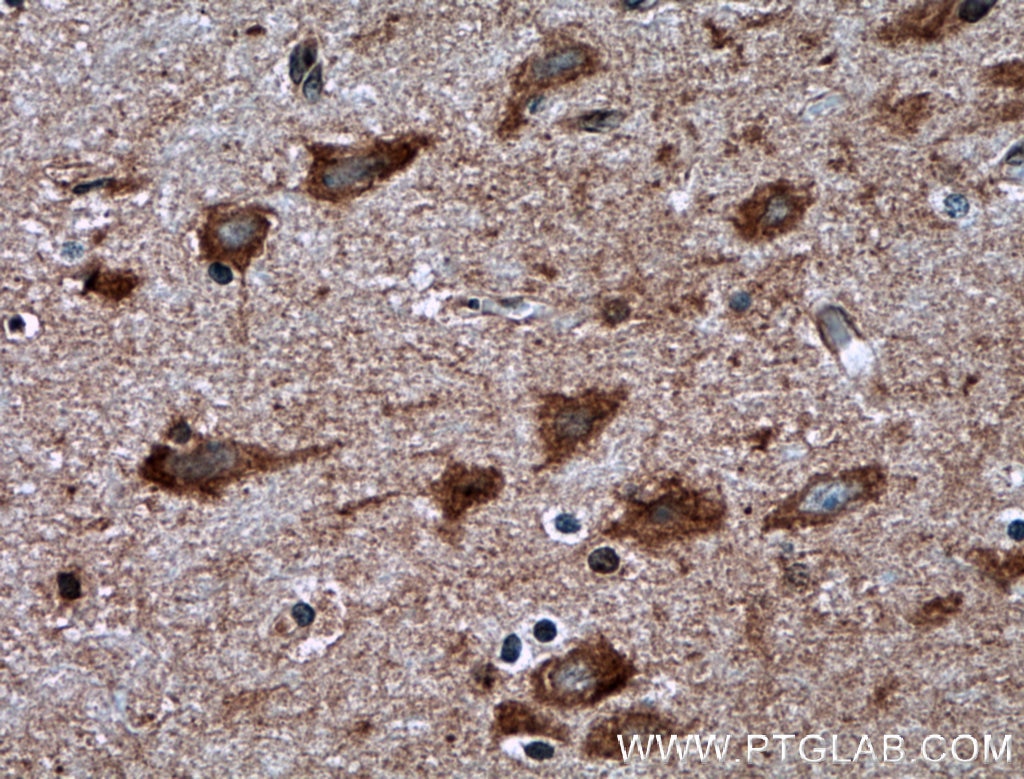

Tested Applications
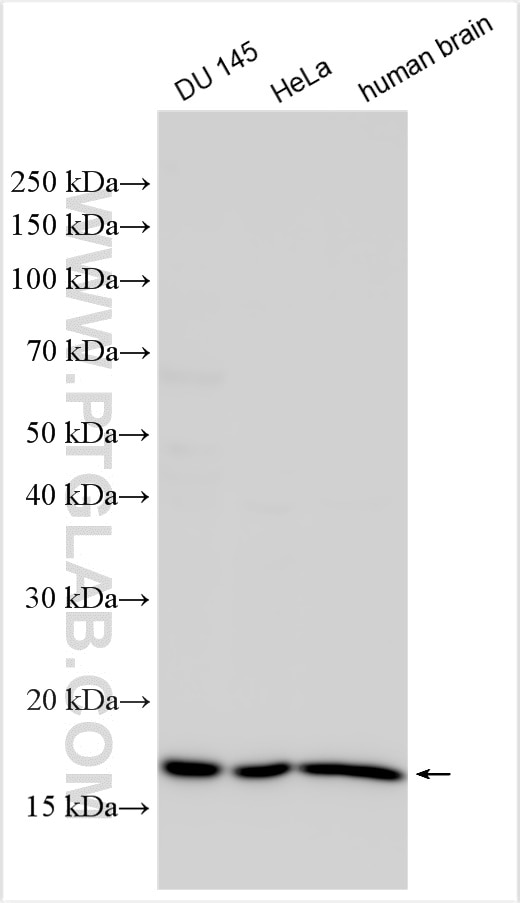
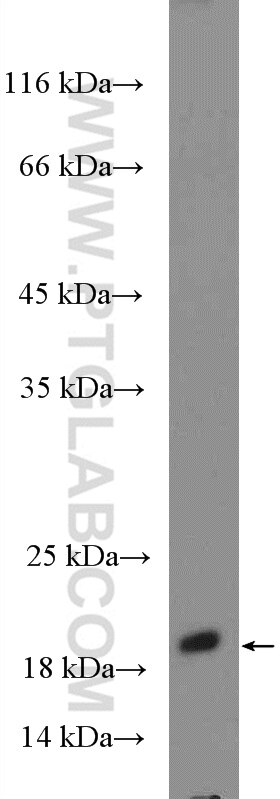
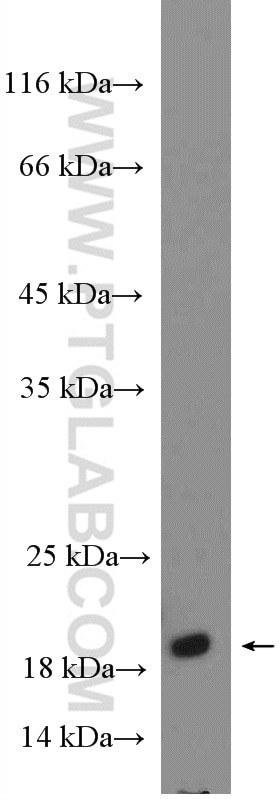
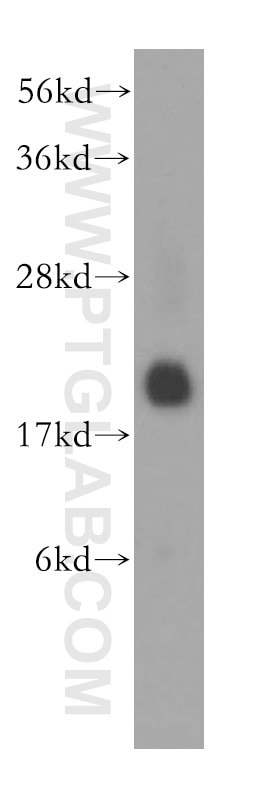
| Positive WB detected in | DU 145 cells, human brain tissue, HeLa cells, 3T3-L1 cells, fetal human brain tissue |
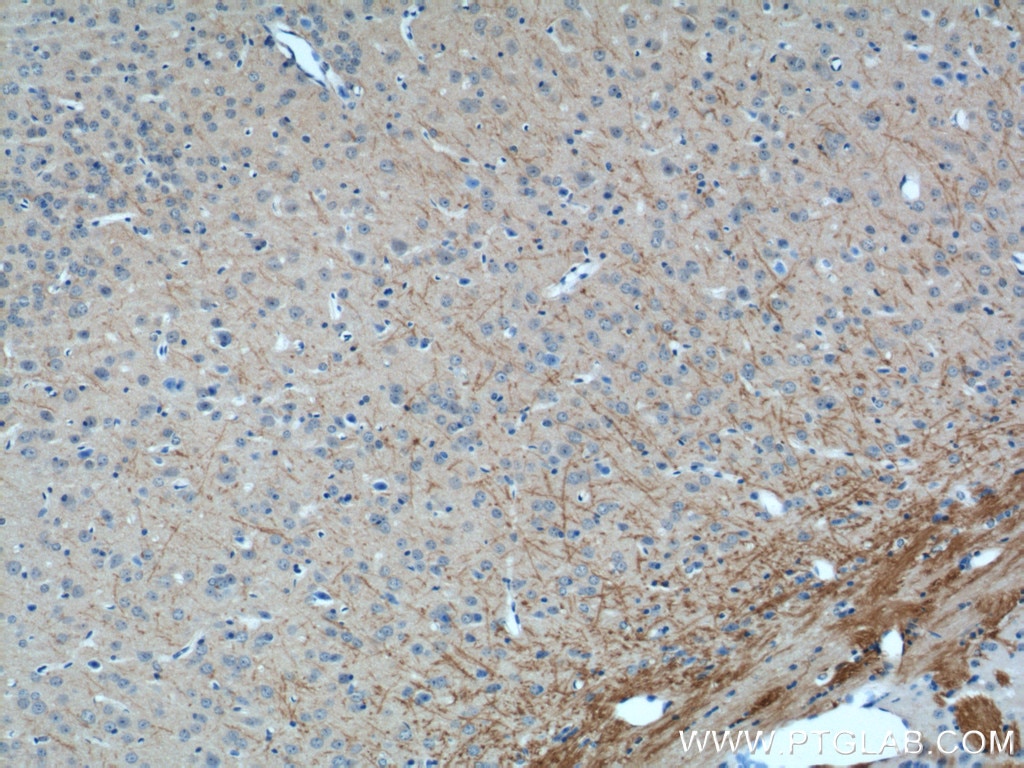
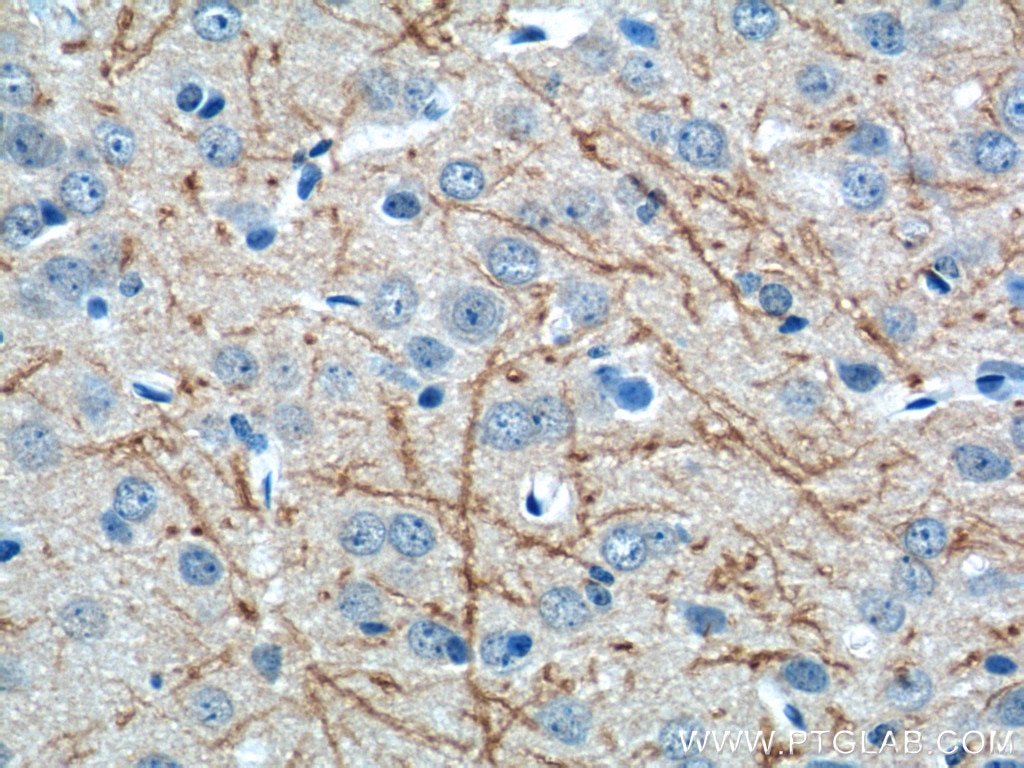
| Positive IHC detected in | human brain tissue, mouse brain tissue Note: suggested antigen retrieval with TE buffer pH 9.0; (*) Alternatively, antigen retrieval may be performed with citrate buffer pH 6.0 |
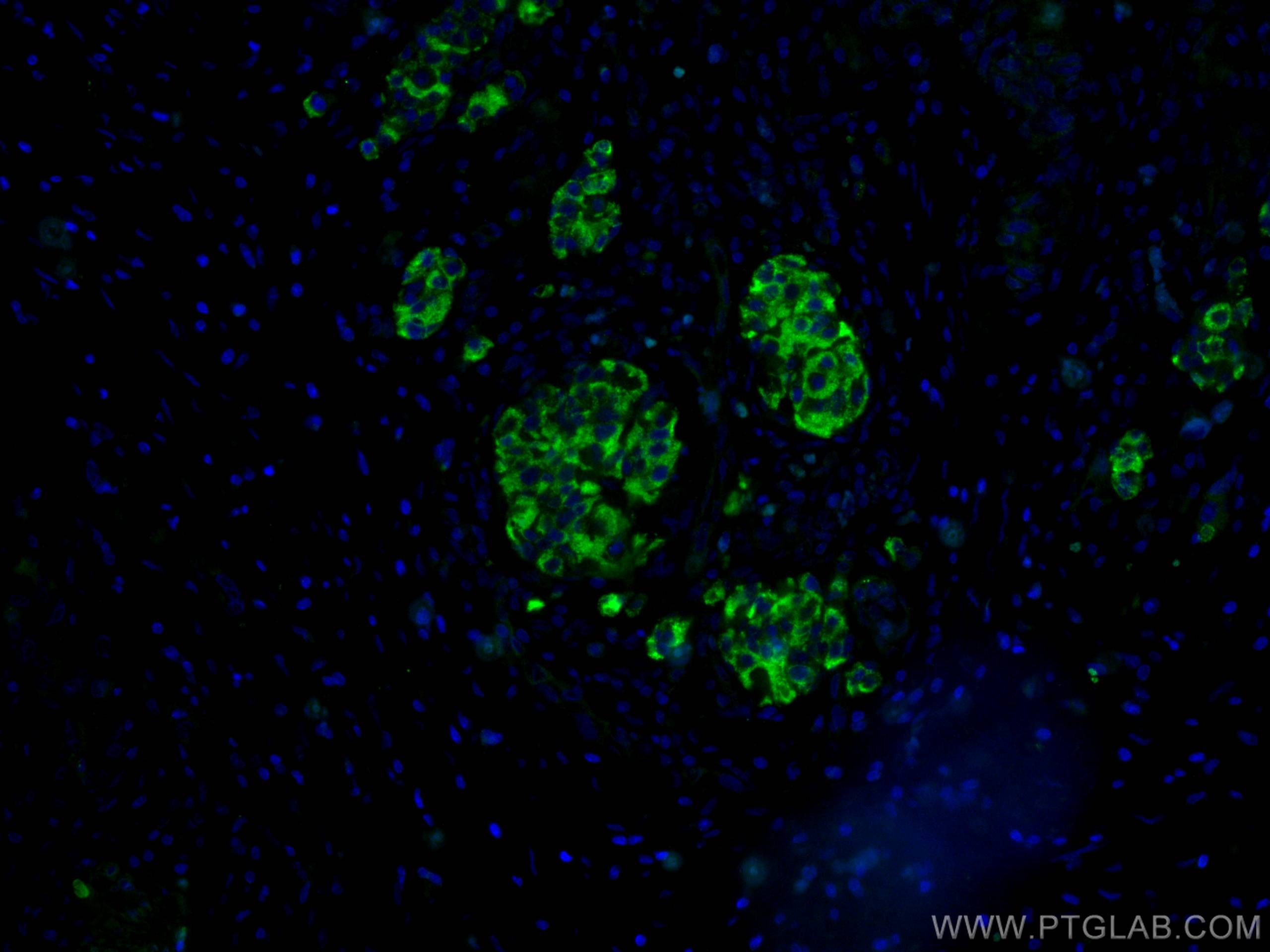
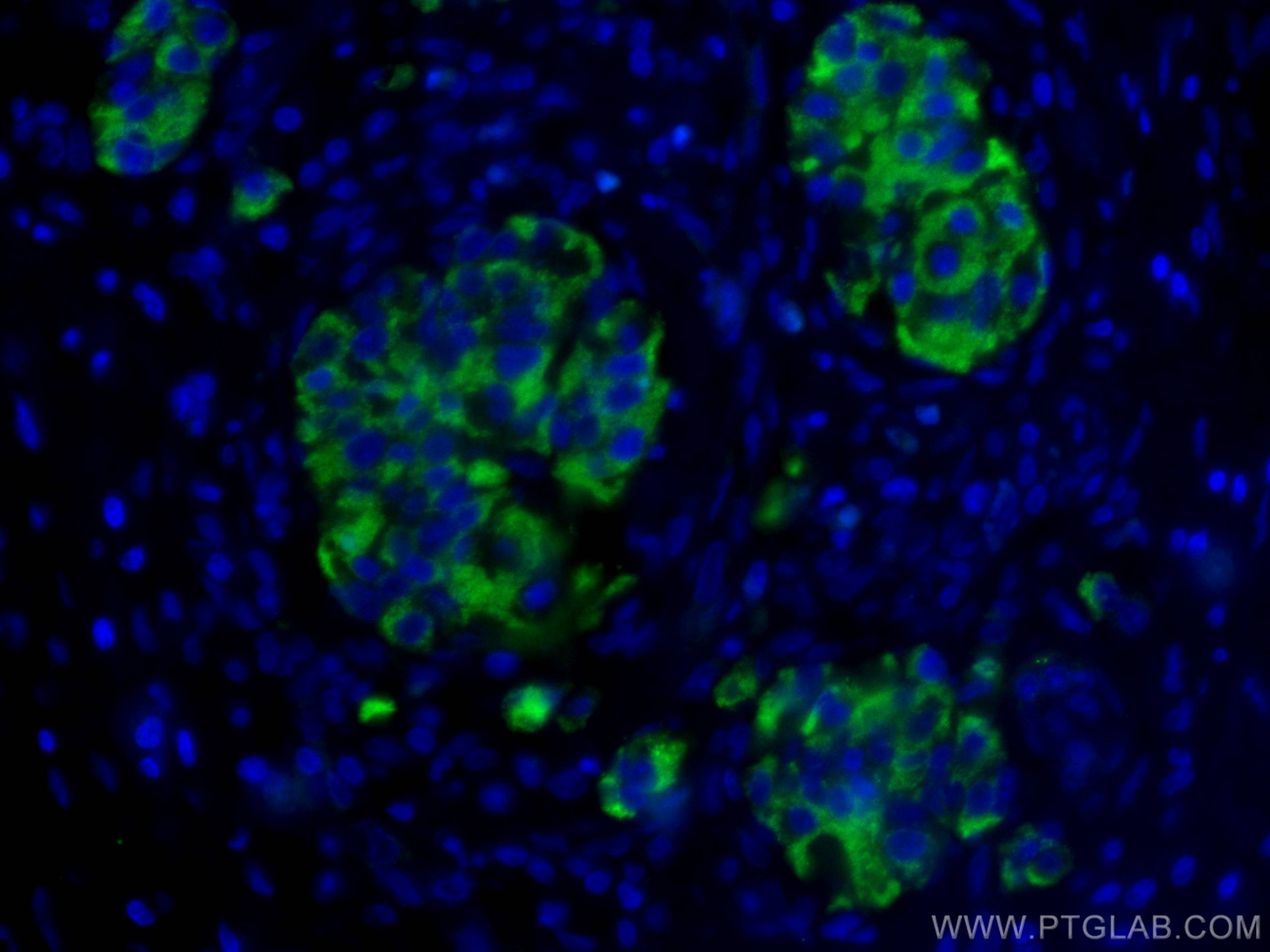
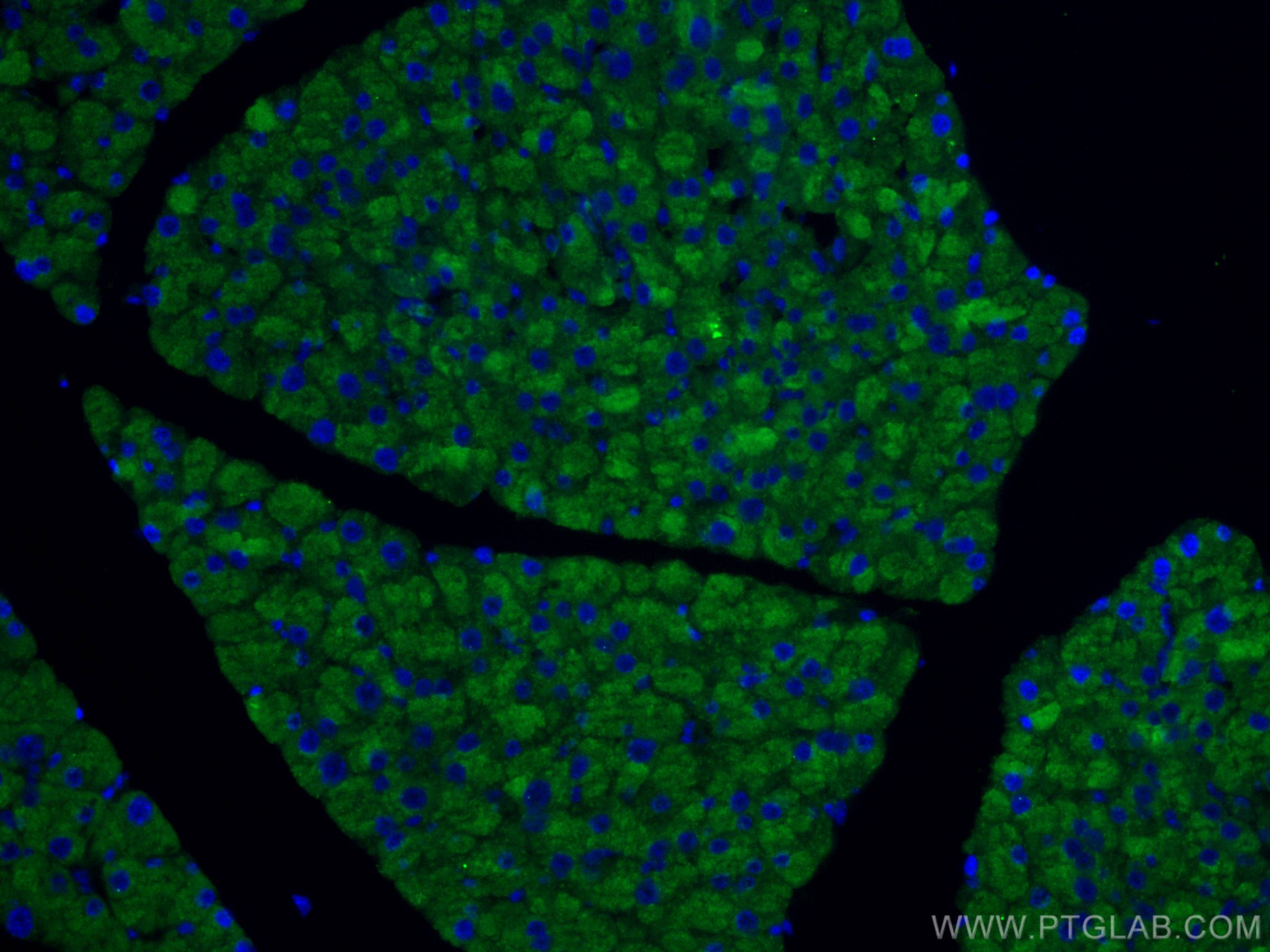
| Positive IF-P detected in | human pancreas cancer tissue |
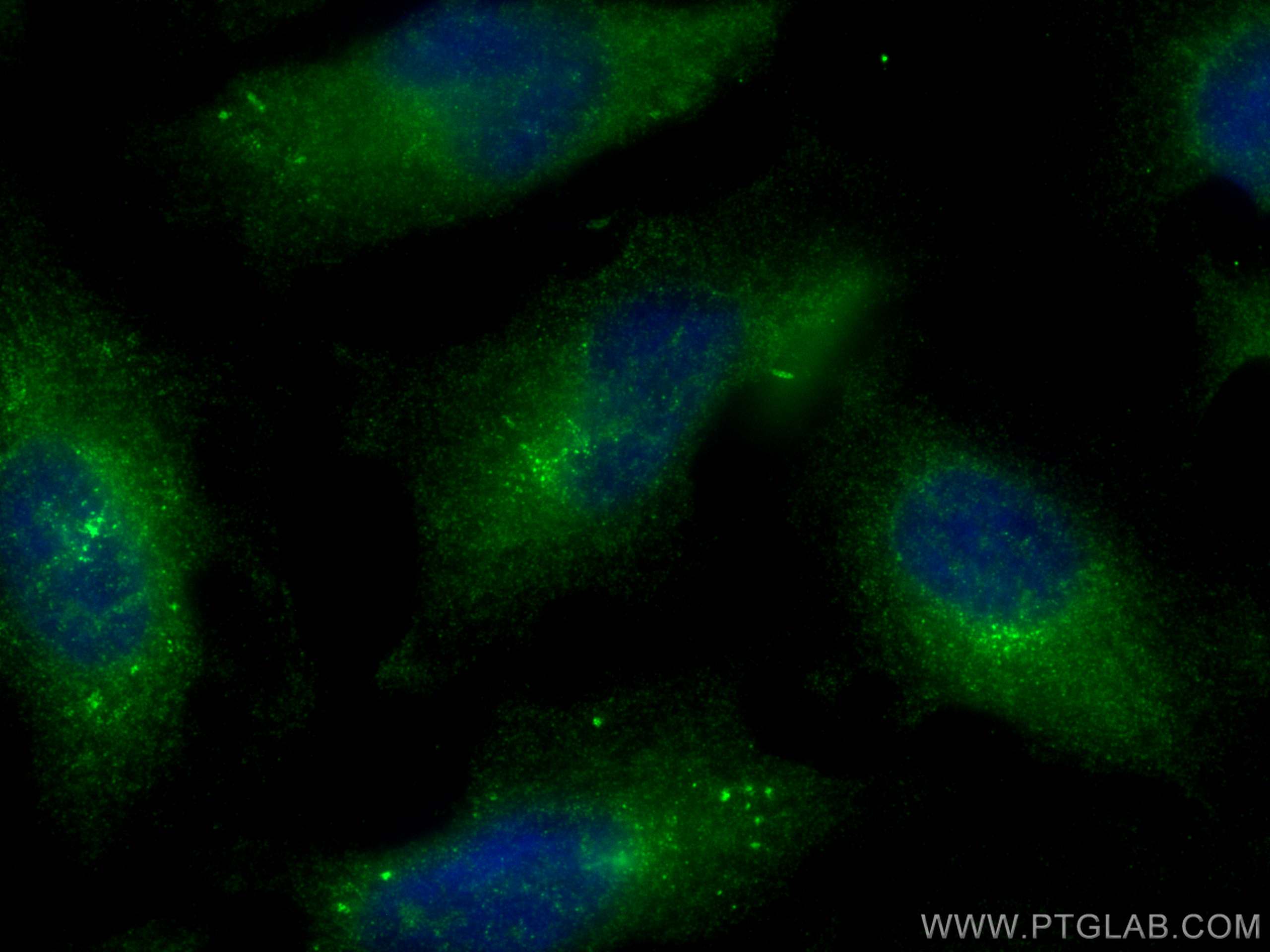
| Positive IF/ICC detected in | HeLa cells |
Recommended dilution
| Application | Dilution |
|---|---|
| Western Blot (WB) | WB : 1:1000-1:4000 |
| Immunohistochemistry (IHC) | IHC : 1:50-1:500 |
| Immunofluorescence (IF)-P | IF-P : 1:50-1:500 |
| Immunofluorescence (IF)/ICC | IF/ICC : 1:50-1:500 |
| It is recommended that this reagent should be titrated in each testing system to obtain optimal results. | |
| Sample-dependent, Check data in validation data gallery. | |
Product Information
15924-1-AP targets RHEB in WB, IHC, IF/ICC, IF-P, ELISA applications and shows reactivity with human, mouse samples.
| Tested Reactivity | human, mouse |
| Cited Reactivity | human, mouse, rat |
| Host / Isotype | Rabbit / IgG |
| Class | Polyclonal |
| Type | Antibody |
| Immunogen |
CatNo: Ag8747 Product name: Recombinant human RHEB protein Source: e coli.-derived, PGEX-4T Tag: GST Domain: 1-184 aa of BC016155 Sequence: MPQSKSRKIAILGYRSVGKSSLTIQFVEGQFVDSYDPTIENTFTKLITVNGQEYHLQLVDTAGQDEYSIFPQTYSIDINGYILVYSVTSIKSFEVIKVIHGKLLDMVGKVQIPIMLVGNKKDLHMERVISYEEGKALAESWNAAFLESSAKENQTAVDVFRRIILEAEKMDGAASQGKSSCSVM Predict reactive species |
| Full Name | Ras homolog enriched in brain |
| Calculated Molecular Weight | 184 aa, 20 kDa |
| Observed Molecular Weight | 15-20 kDa |
| GenBank Accession Number | BC016155 |
| Gene Symbol | RHEB |
| Gene ID (NCBI) | 6009 |
| RRID | AB_2285084 |
| Conjugate | Unconjugated |
| Form | Liquid |
| Purification Method | Antigen affinity purification |
| UNIPROT ID | Q15382 |
| Storage Buffer | PBS with 0.02% sodium azide and 50% glycerol, pH 7.3. |
| Storage Conditions | Store at -20°C. Stable for one year after shipment. Aliquoting is unnecessary for -20oC storage. 20ul sizes contain 0.1% BSA. |
Background Information
Rheb is a member of the Ras superfamily small GTPases that plays important roles in the regulation of protein synthesis and growth in response to nutrient and growth factors. It is well known to bind and activate mTOR, a serine/threonine kinase which augments protein synthesis. Rheb has GTPase activity and shuttles between a GDP-bound form and a GTP-bound form, and farnesylation of the protein is required for this activity.
Protocols
| Product Specific Protocols | |
|---|---|
| IF protocol for RHEB antibody 15924-1-AP | Download protocol |
| IHC protocol for RHEB antibody 15924-1-AP | Download protocol |
| WB protocol for RHEB antibody 15924-1-AP | Download protocol |
| Standard Protocols | |
|---|---|
| Click here to view our Standard Protocols |
Publications
What published studies show
The anti-Rheb antibody (Cat# 15924-1-AP) has 17 citations spanning journals including Cell Metabolism, PLoS Biology, Experimental Molecular Medicine, Metabolism, Cell Death & Disease, Cell Death Discovery, Molecular Medicine, iScience, and others. Research fields cover mTOR/Rheb signaling, autophagy, cancer (lung, ovarian, oral, hepatocellular, glioblastoma), neurological disorders (cortical dysplasia, SCA2, epilepsy), metabolic regulation, fibrosis, and osteoarthritis. Applications include WB, IF, and IHC across human, mouse, and rat species.
| Species | Application | Title |
|---|---|---|
Cell Metab Crosstalk between glucocorticoid receptor and nutritional sensor mTOR in skeletal muscle. | ||
Exp Mol Med A brain somatic RHEB doublet mutation causes focal cortical dysplasia type II. | ||
Metabolism Rheb1 promotes glucose-stimulated insulin secretion in human and mouse β-cells by upregulating GLUT expression.
| ||
Cell Death Dis Synergistic antifibrotic effects of miR-451 with miR-185 partly by co-targeting EphB2 on hepatic stellate cells. | ||
Acta Pharmacol Sin Intracerebellar upregulation of Rheb(S16H) ameliorates motor dysfunction in mice with SCA2 | ||
Cell Death Discov MYH9 is crucial for stem cell-like properties in non-small cell lung cancer by activating mTOR signaling. |
Reviews
What customers say
The single review for this product reports a 4-star rating. The user tested it for Western Blot on mouse brain tissue at a 1:500 dilution and found it worked well. Overall, the feedback is positive, with the antibody performing as expected in the stated application.
The reviews below have been submitted by verified Proteintech customers who received an incentive for providing their feedback.
Tanusree (Verified Customer) (12-18-2019) | Product worked well in WB at 1:500 dilution
|















