

Product Information
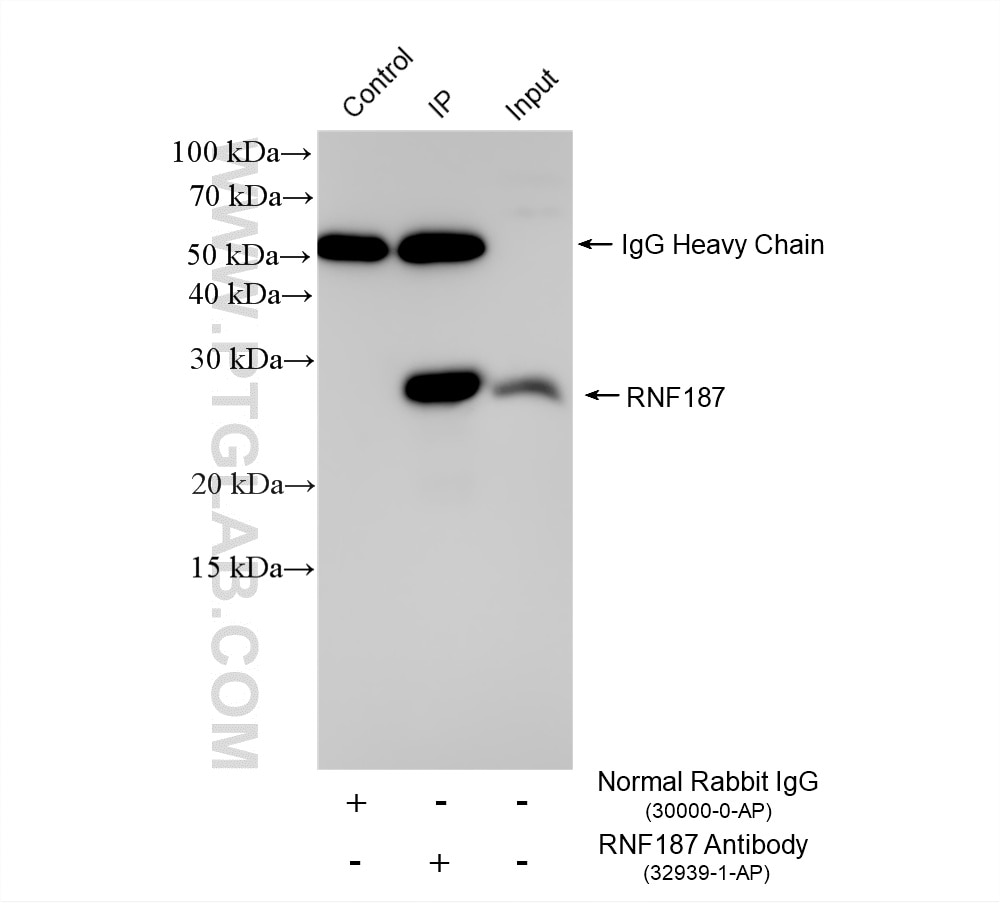
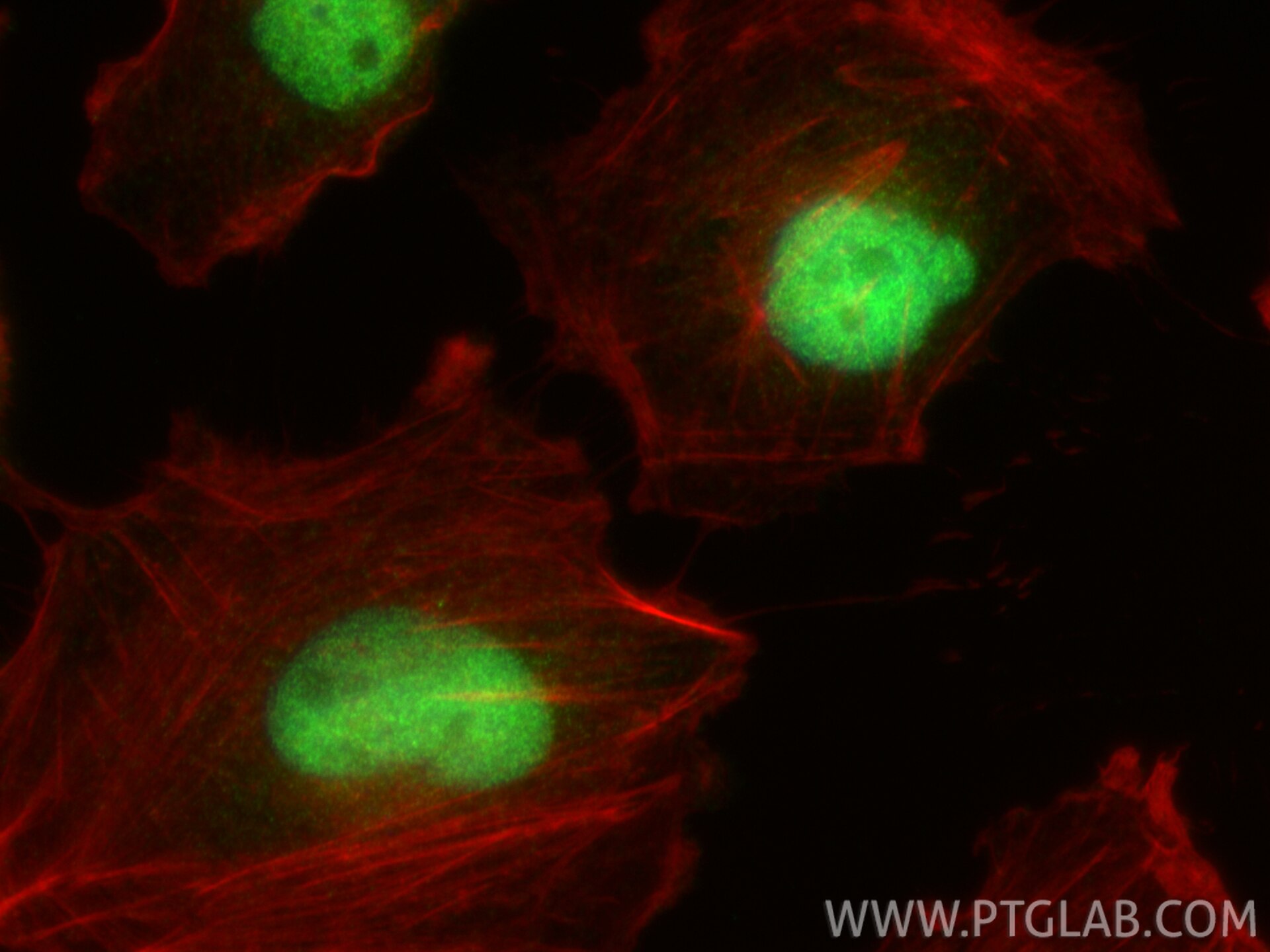
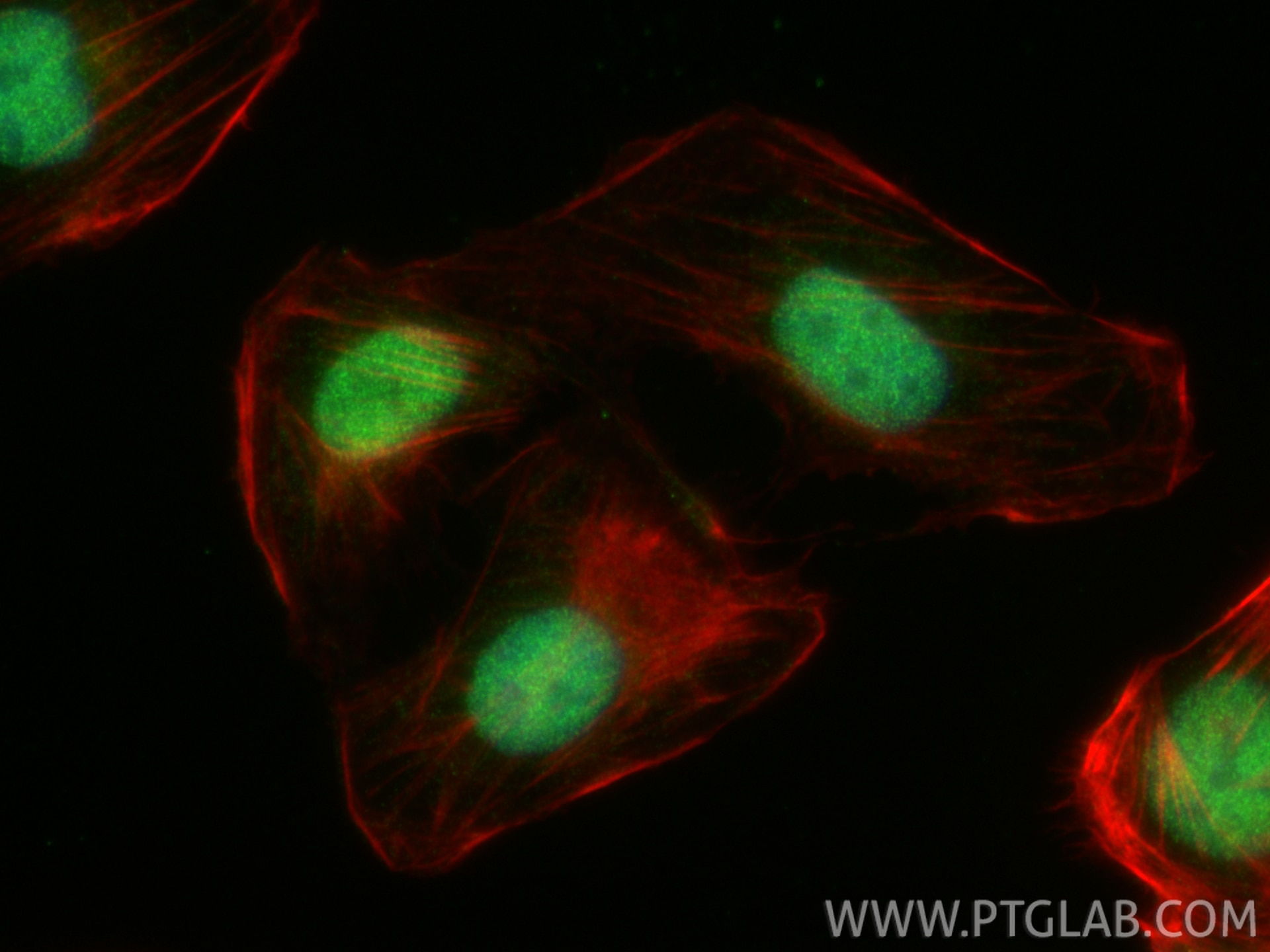
32939-1-PBS targets RNF187 in IF/ICC, IP, Indirect ELISA applications and shows reactivity with human samples.
| Tested Reactivity | human |
| Host / Isotype | Rabbit / IgG |
| Class | Polyclonal |
| Type | Antibody |
| Immunogen |
CatNo: Ag36665 Product name: Recombinant human RNF187 protein Source: e coli.-derived, PGEX-4T Tag: GST Domain: 120-235 aa of BC012758 Sequence: EPRWRKALRGKENKGSVEIMRKDLNDARDLHGQAESAAAVWKGHVMDRRKKALTDYKKLRAFFVEEEEHFLQEAEKEEGLPEDELADPTERFRSLLQAVSELEKKHRNLGLSMLLQ Predict reactive species |
| Full Name | ring finger protein 187 |
| Observed Molecular Weight | 29 kDa |
| GenBank Accession Number | BC012758 |
| Gene Symbol | RNF187 |
| Gene ID (NCBI) | 149603 |
| Conjugate | Unconjugated |
| Form | Liquid |
| Purification Method | Antigen affinity Purification |
| UNIPROT ID | Q5TA31 |
| Storage Buffer | PBS only, pH 7.3. |
| Storage Conditions | Store at -80°C. |
Background Information
RNF187 (Ring Finger Protein 187) is an E3 ubiquitin ligase with a molecular weight of approximately 28 kDa. It belongs to the RING finger protein family and participates in protein degradation and signal transduction regulation by catalyzing the ubiquitination of substrate proteins. In cancer research, RNF187 is upregulated in various malignant tumors, including melanoma and breast cancer, where it promotes tumor proliferation and invasion through ubiquitin-mediated degradation of tumor suppressors or regulation of cyclins. Additionally, RNF187 is involved in oxidative stress responses and DNA damage repair, playing a role in cell survival and maintenance of genomic stability. In research settings, anti-RNF187 antibodies are widely used for studying ubiquitination mechanisms, analyzing tumor signaling pathways, and exploring skin disease models.




