

Tested Applications
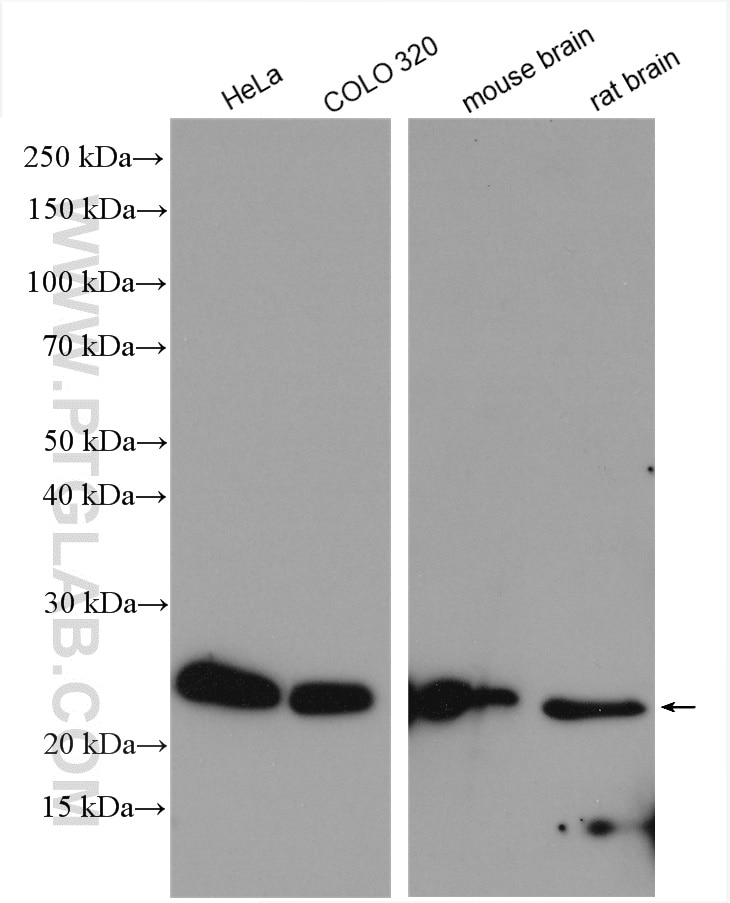
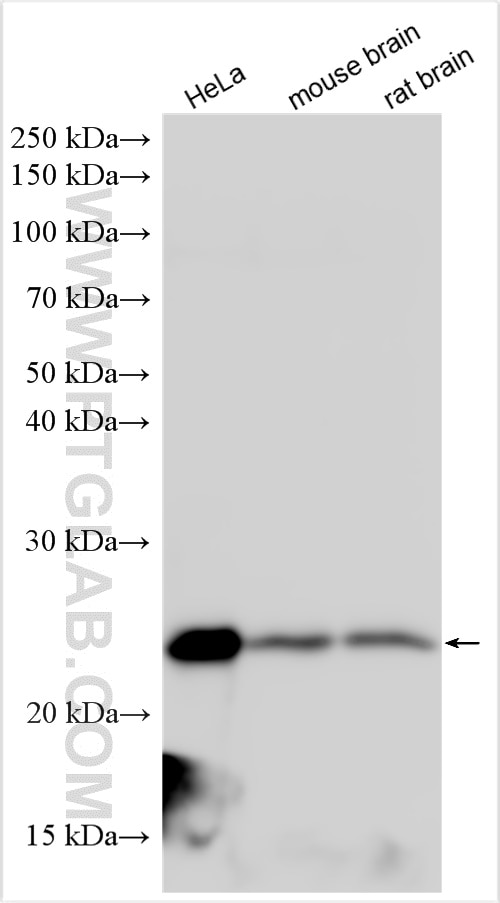
| Positive WB detected in | HeLa cells, COLO 320 cells, mouse brain tissue, rat brain tissue |
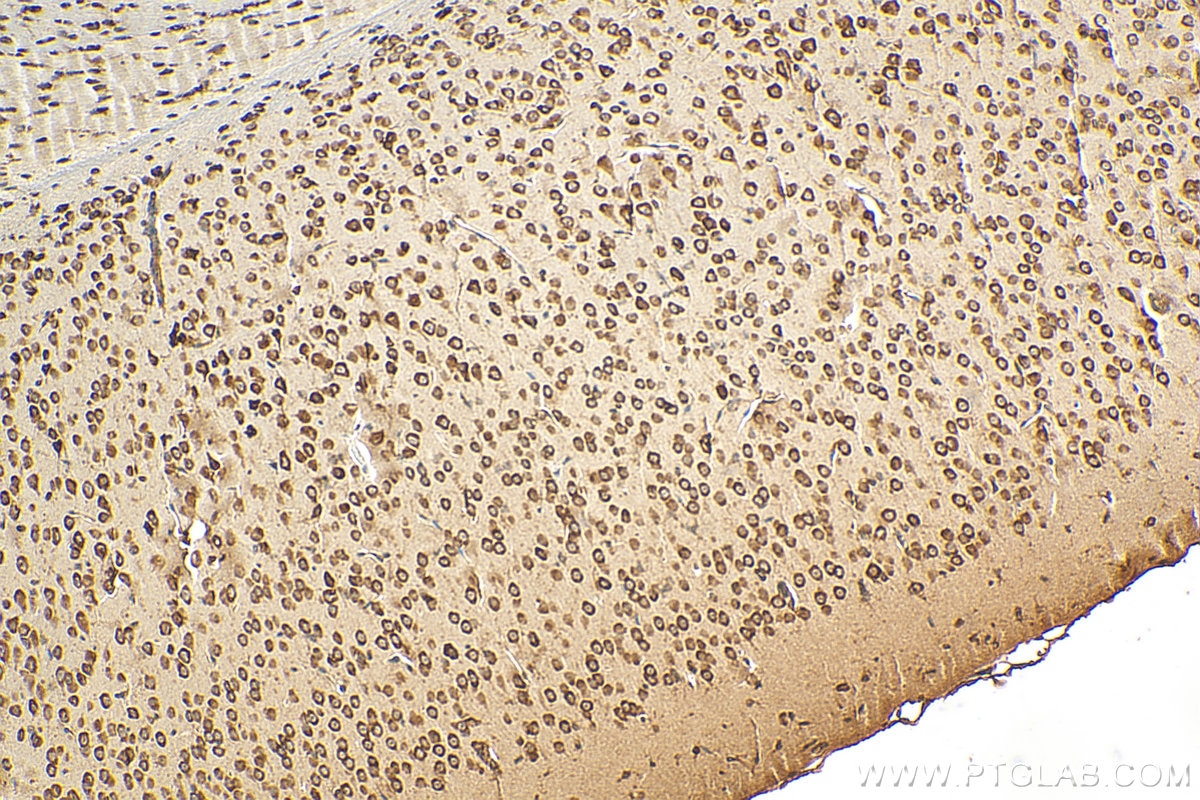
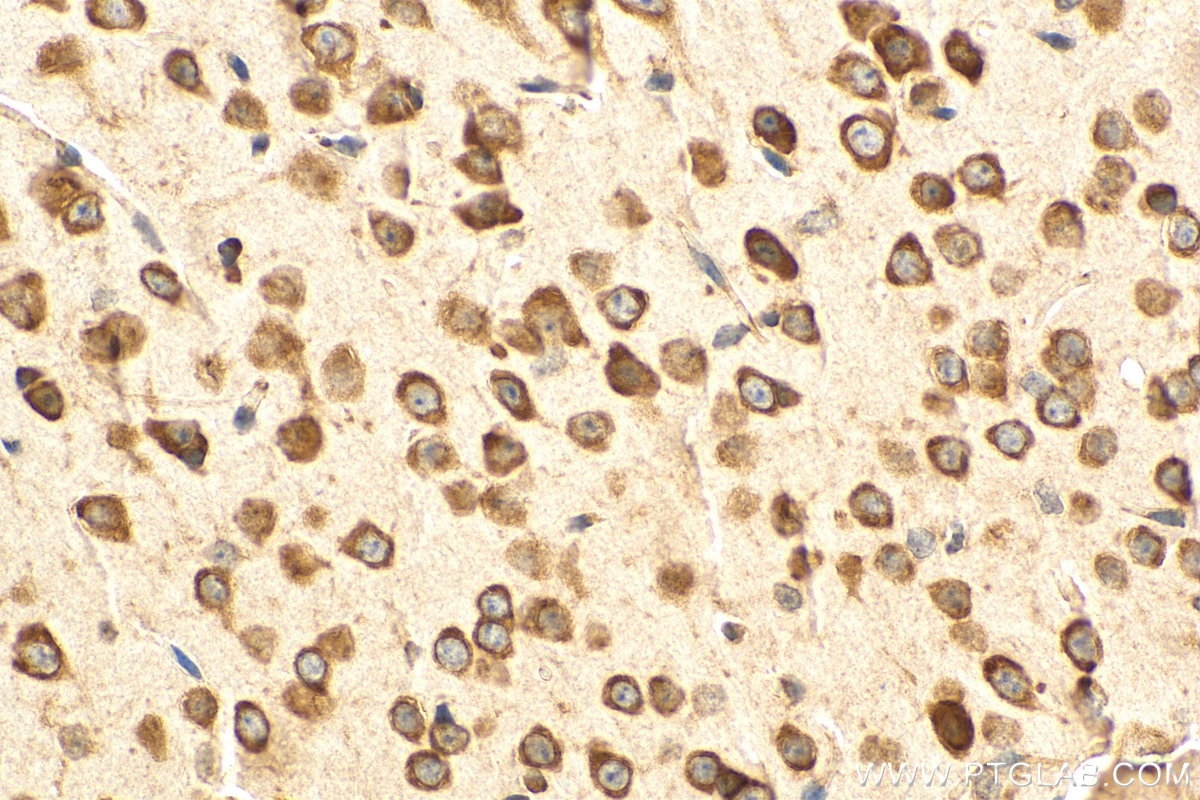
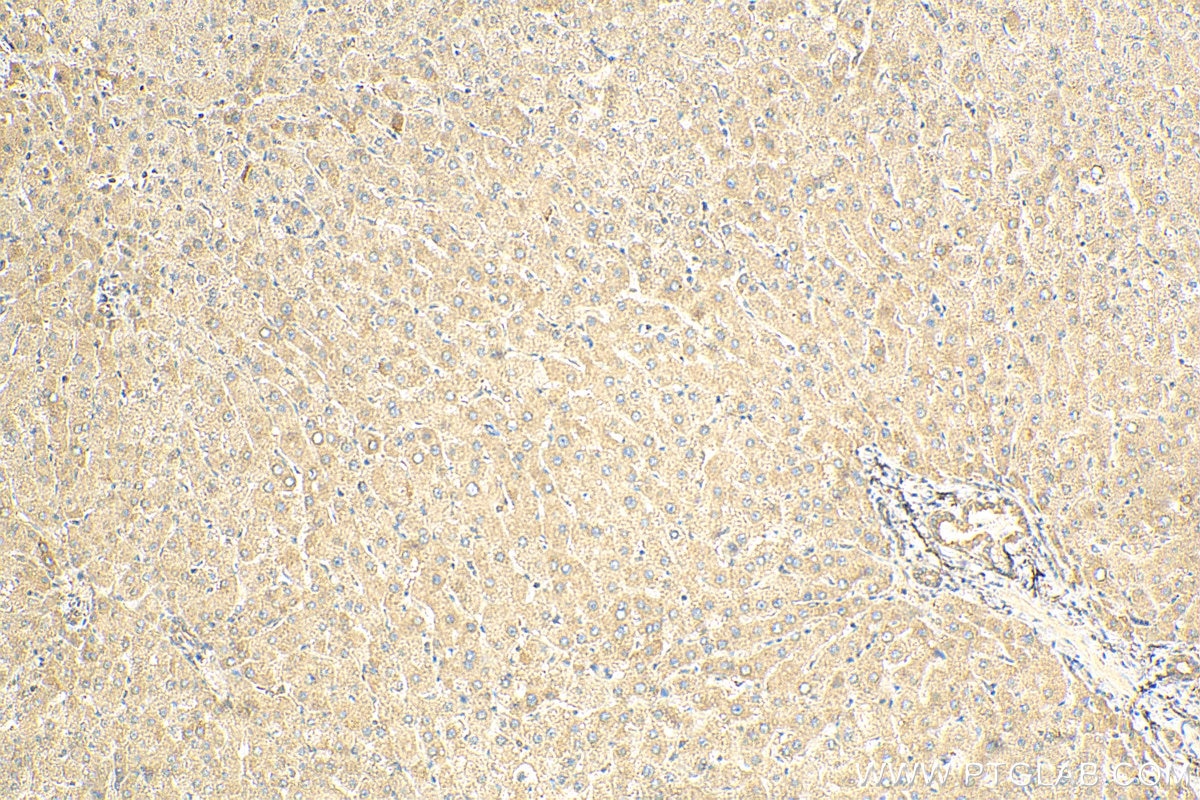
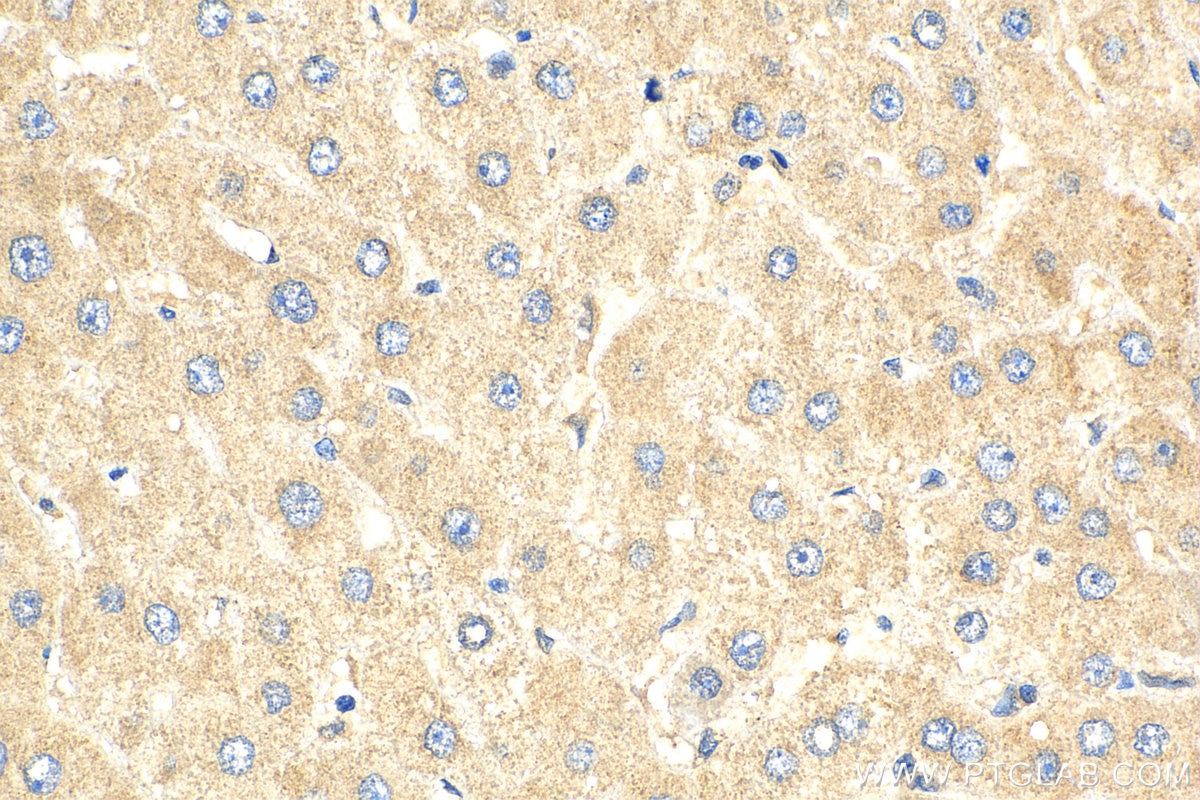
| Positive IHC detected in | mouse brain tissue, human liver tissue Note: suggested antigen retrieval with TE buffer pH 9.0; (*) Alternatively, antigen retrieval may be performed with citrate buffer pH 6.0 |
Recommended dilution
| Application | Dilution |
|---|---|
| Western Blot (WB) | WB : 1:1000-1:6000 |
| Immunohistochemistry (IHC) | IHC : 1:50-1:500 |
| It is recommended that this reagent should be titrated in each testing system to obtain optimal results. | |
| Sample-dependent, Check data in validation data gallery. | |
Product Information
17013-1-AP targets RPL10 in WB, IHC, IF, IP, RIP, ELISA applications and shows reactivity with human, mouse, rat samples.
| Tested Reactivity | human, mouse, rat |
| Cited Reactivity | human, mouse |
| Host / Isotype | Rabbit / IgG |
| Class | Polyclonal |
| Type | Antibody |
| Immunogen |
CatNo: Ag9969 Product name: Recombinant human RPL10 protein Source: e coli.-derived, PGEX-4T Tag: GST Domain: 1-214 aa of BC003358 Sequence: MGRRPARCYRYCKNKPYPKSRFCRGVPDAKIRIFDLGRKKAKVDEFPLCGHMVSDEYEQLSSEALEAARICANKYMVKSCGKDGFHIRVRLHPFHVIRINKMLSCAGADRLQTGMRGAFGKPQGTVARVHIGQVIMSIRTKLQNKEHVIEALRRAKFKFPGRQKIHISKKWGFTKFNADEFEDMVAEKRLIPDGCGVKYIPSRGPLDKWRALHS Predict reactive species |
| Full Name | ribosomal protein L10 |
| Calculated Molecular Weight | 25 kDa |
| Observed Molecular Weight | 25 kDa |
| GenBank Accession Number | BC003358 |
| Gene Symbol | RPL10 |
| Gene ID (NCBI) | 6134 |
| RRID | AB_2181278 |
| Conjugate | Unconjugated |
| Form | Liquid |
| Purification Method | Antigen affinity purification |
| UNIPROT ID | P27635 |
| Storage Buffer | PBS with 0.02% sodium azide and 50% glycerol, pH 7.3. |
| Storage Conditions | Store at -20°C. Stable for one year after shipment. Aliquoting is unnecessary for -20oC storage. 20ul sizes contain 0.1% BSA. |
Background Information
RPL10, also named as Large ribosomal subunit protein uL16, is a 214 amino acid protein, which belongs to the universal ribosomal protein uL16 family. RPL10 is a component of the large ribosomal subunit and is down-regulated during adipocyte, kidney, and heart differentiation. RPL10 shares 98% amino acid sequence with RPL10L, so RPL10 antibody is able to recognize RPL10 and RPL10L protein.
Protocols
| Product Specific Protocols | |
|---|---|
| IHC protocol for RPL10 antibody 17013-1-AP | Download protocol |
| WB protocol for RPL10 antibody 17013-1-AP | Download protocol |
| Standard Protocols | |
|---|---|
| Click here to view our Standard Protocols |
Publications
What published studies show
The RPL10 Polyclonal antibody (Cat# 17013-1-AP) has 11 citations spanning journals including Nature Communications, Cell Discovery, Brain, Cardiovascular Research, EMBO Molecular Medicine, Molecular Therapy Nucleic Acids, Frontiers in Endocrinology, Translational Oncology, Development, Journal of Cellular Communication and Signaling, and bioRxiv. Research fields cover ribosome biogenesis, translation regulation, genome integrity, colorectal cancer metastasis, neural development, spermatogenesis, mitochondrial dysfunction, and inflammasome-mediated inflammation.
| Species | Application | Title |
|---|---|---|
Nat Commun DDX41 resolves G-quadruplexes to maintain erythroid genome integrity and prevent cGAS-mediated cell death | ||
Brain GGC repeat expansion in NOTCH2NLC induces dysfunction in ribosome biogenesis and translation | ||
Cardiovasc Res The translational landscape of human vascular smooth muscle cells identifies novel short ORF-encoded peptide regulators for phenotype alteration | ||
EMBO Mol Med Portimine A toxin causes skin inflammation through ZAKα-dependent NLRP1 inflammasome activation | ||
Mol Ther Nucleic Acids An inflammation-associated lncRNA induces neuronal damage via mitochondrial dysfunction |







