

Tested Applications
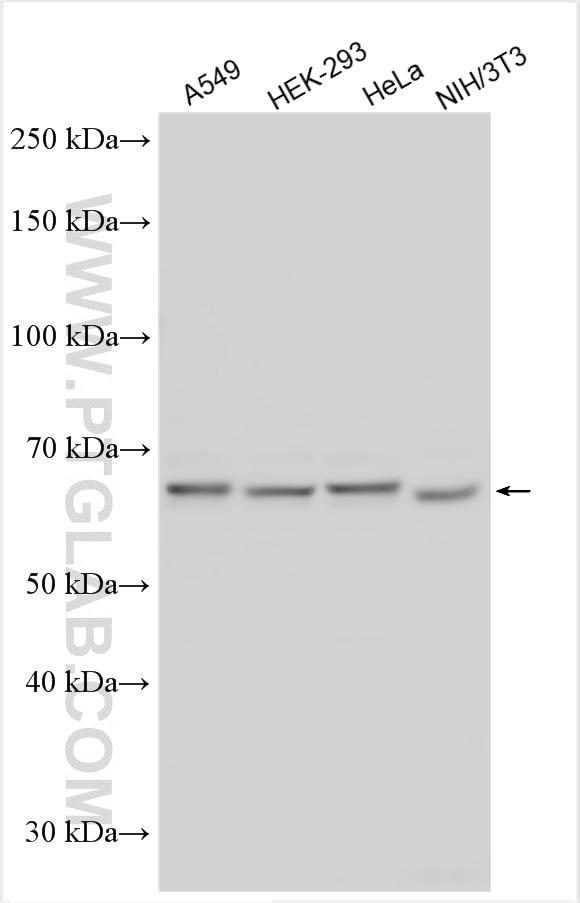
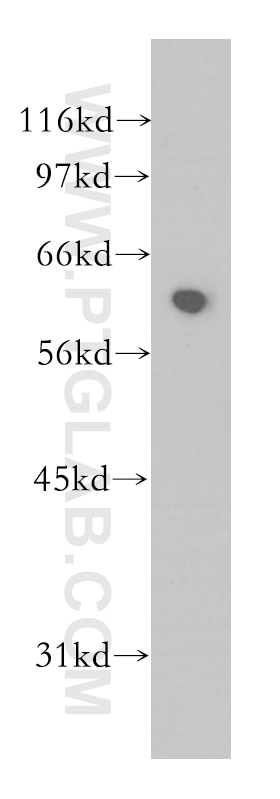
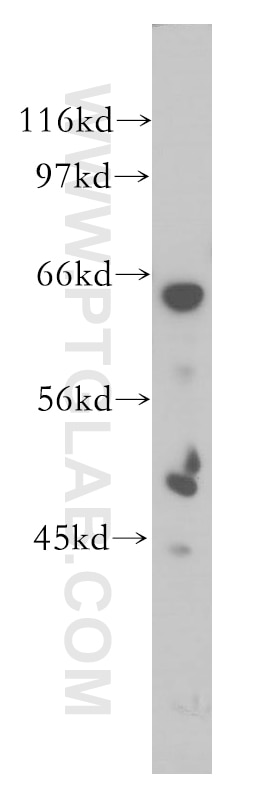
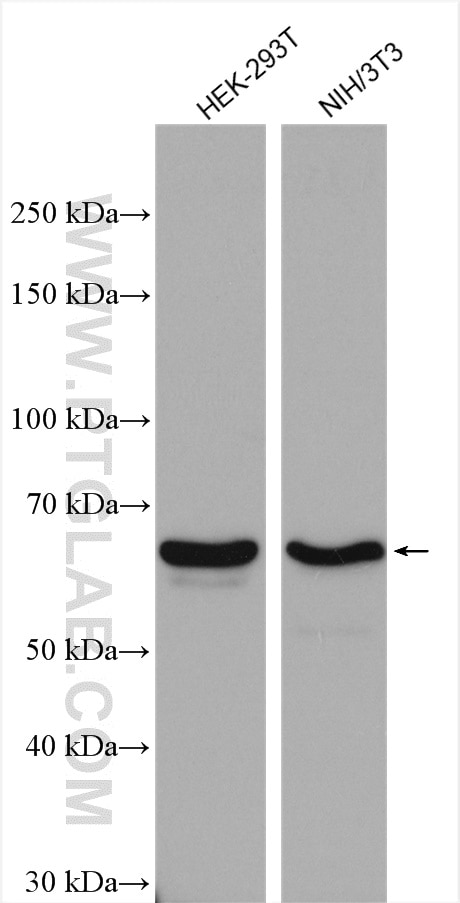
| Positive WB detected in | A549 cells, HEK-293T cells, human kidney tissue, human liver tissue, HEK-293 cells, HeLa cells, NIH/3T3 cells |
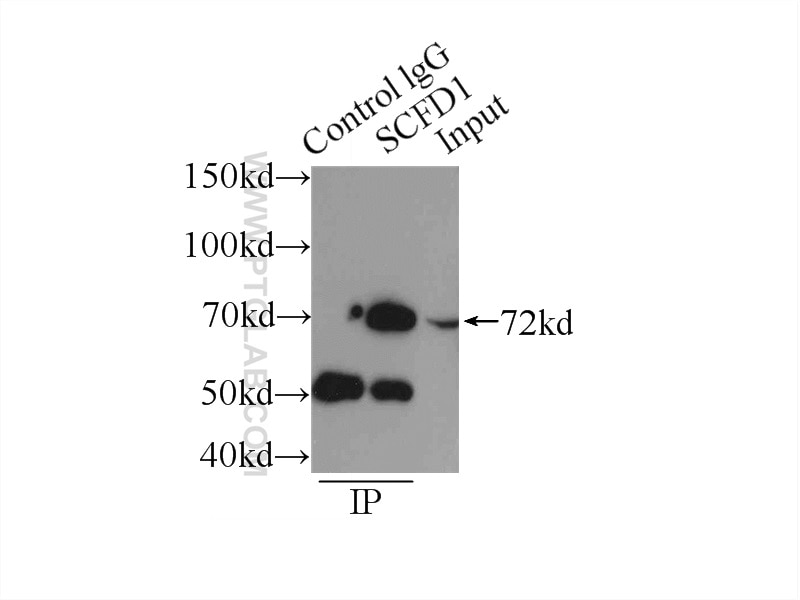
| Positive IP detected in | HeLa cells |
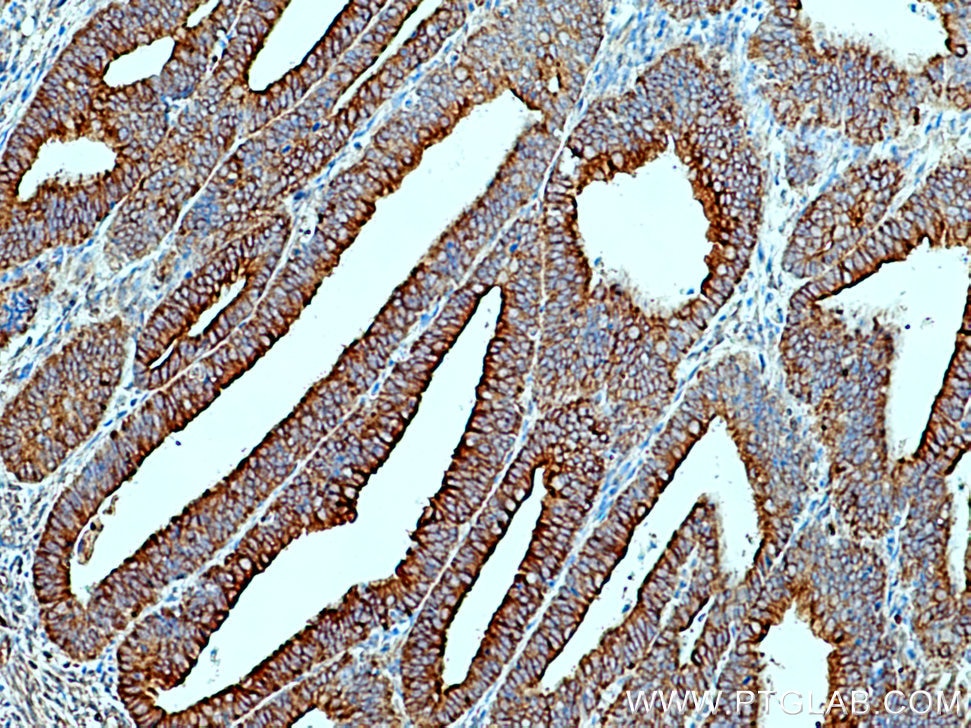
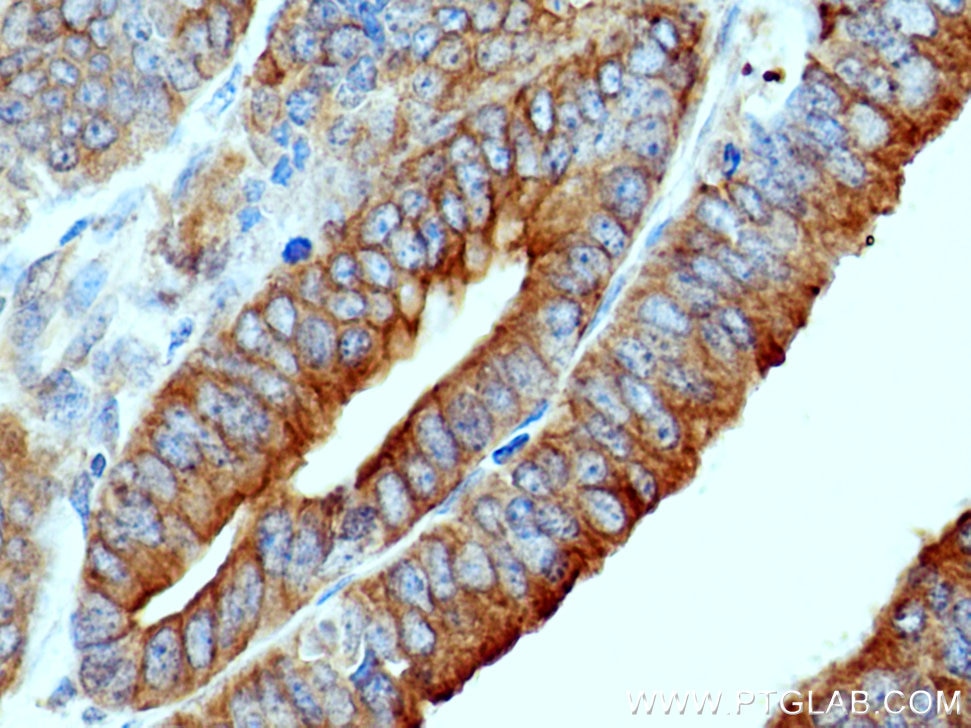
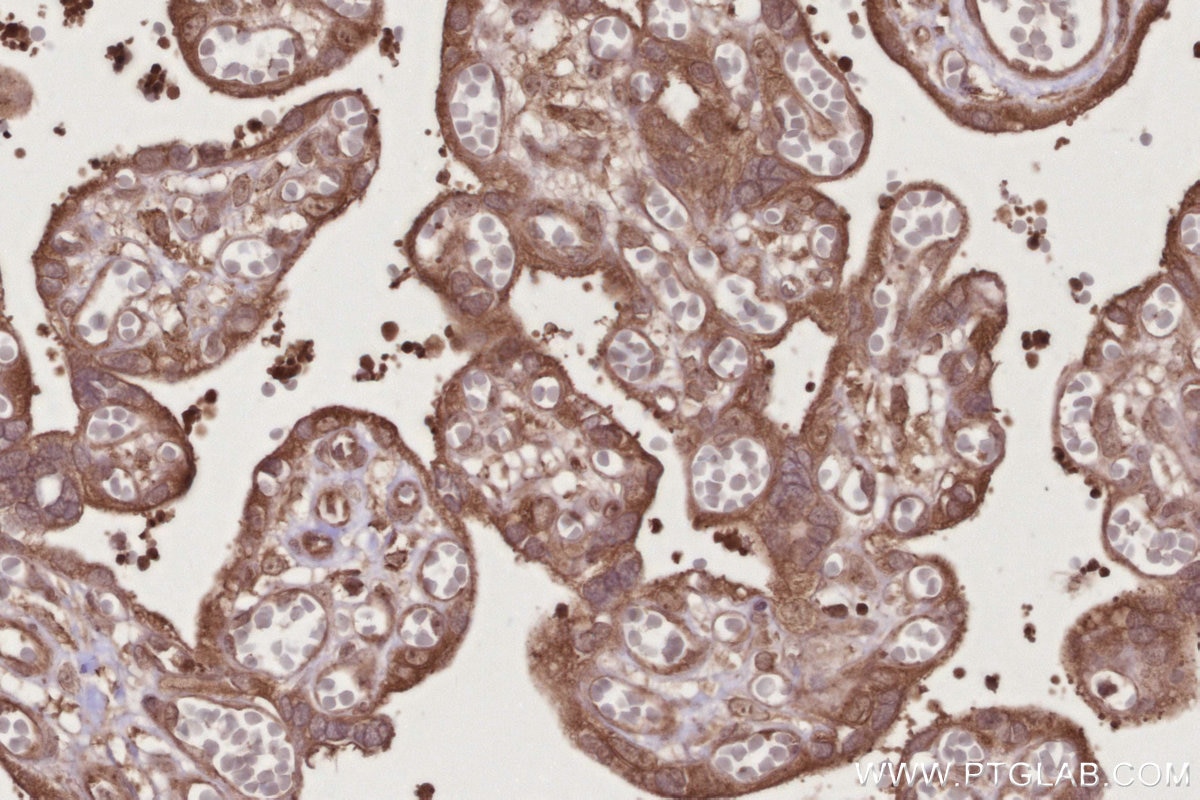
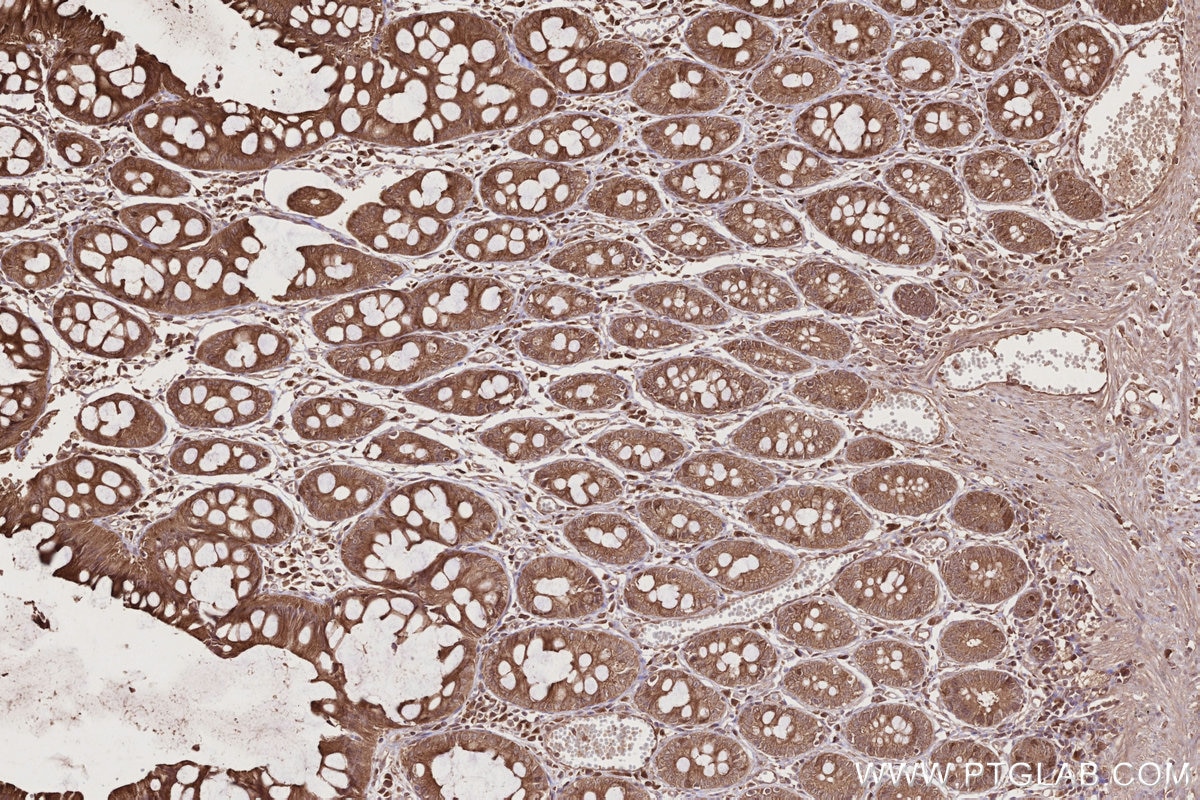
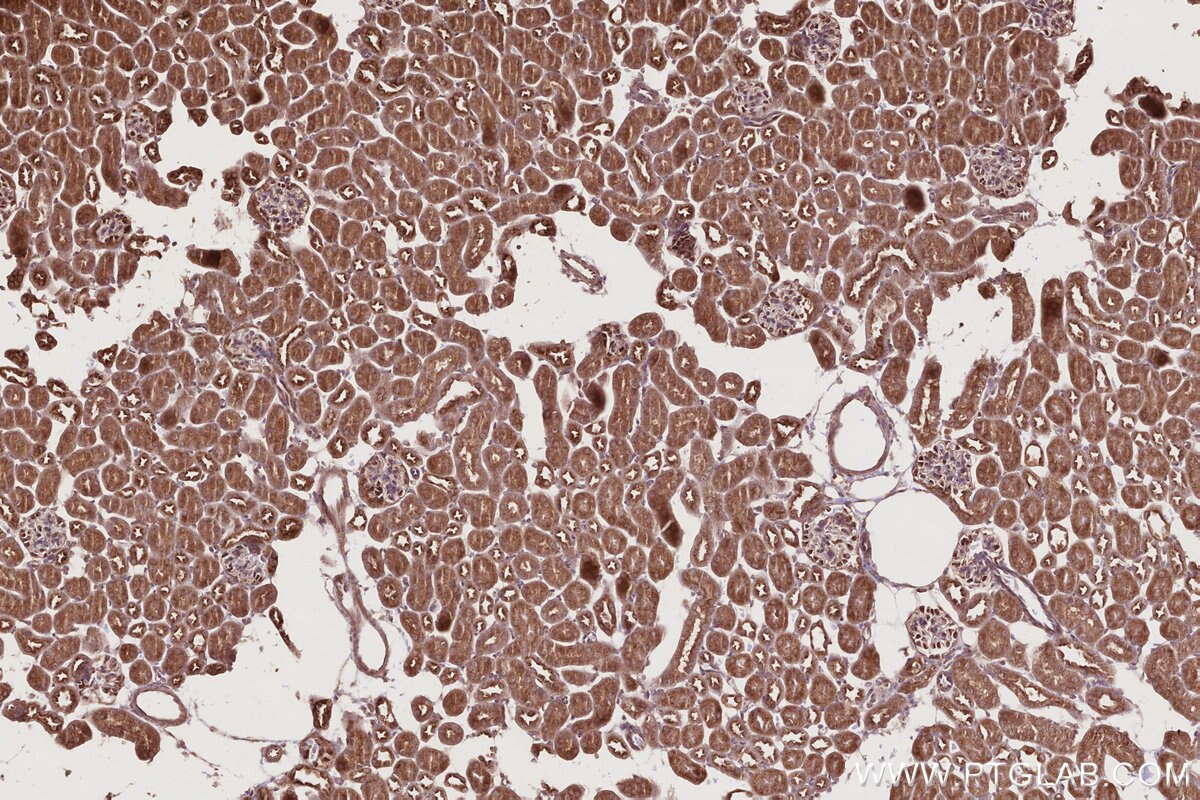
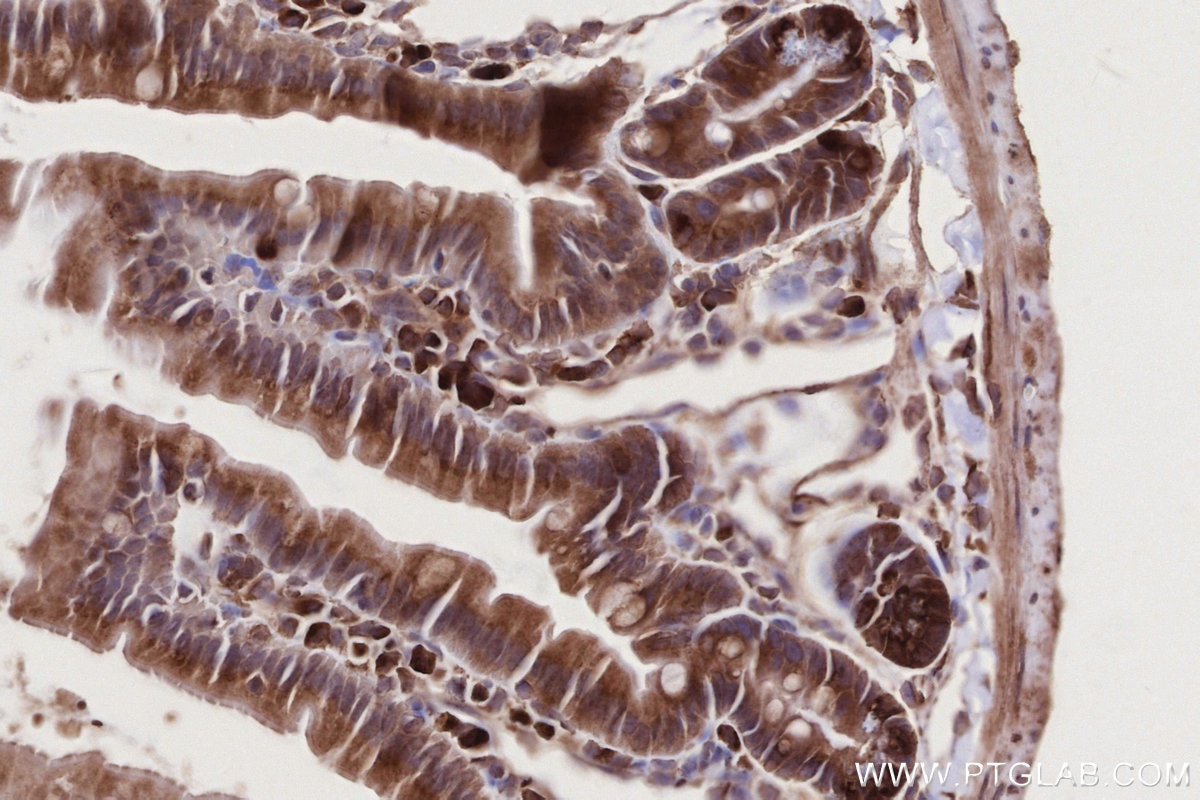
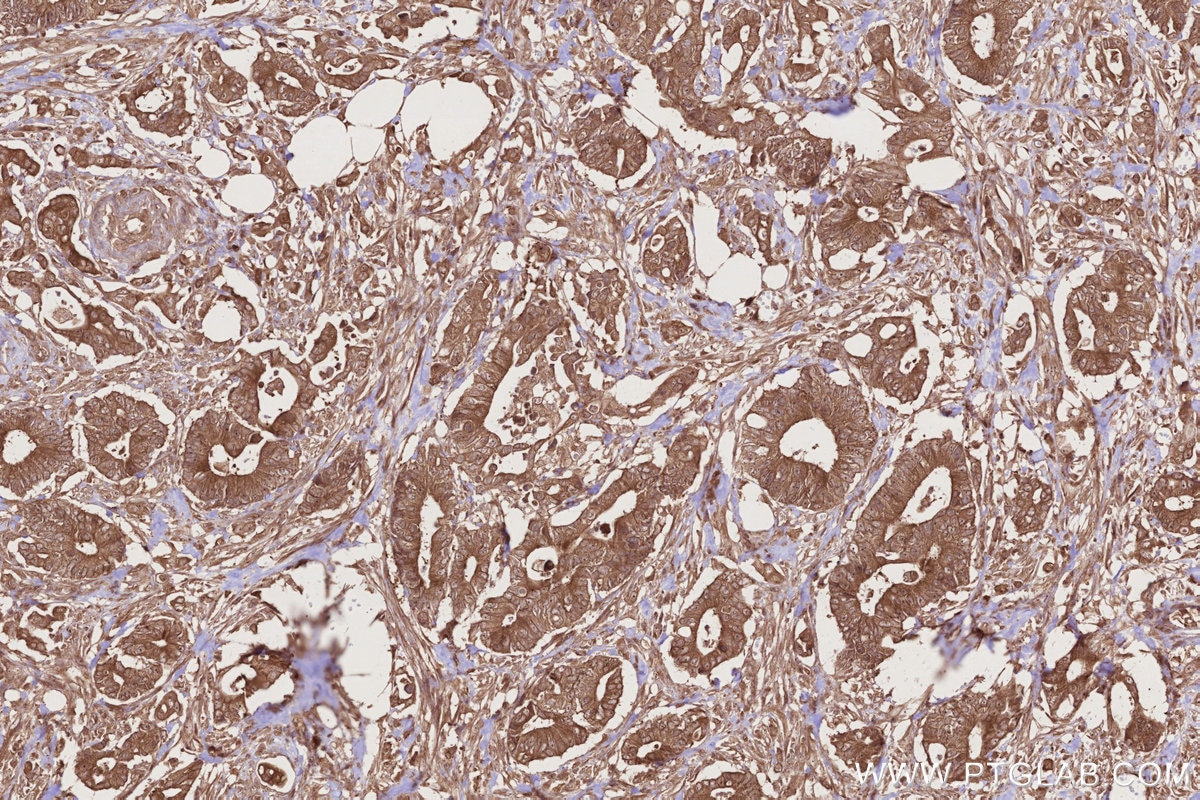
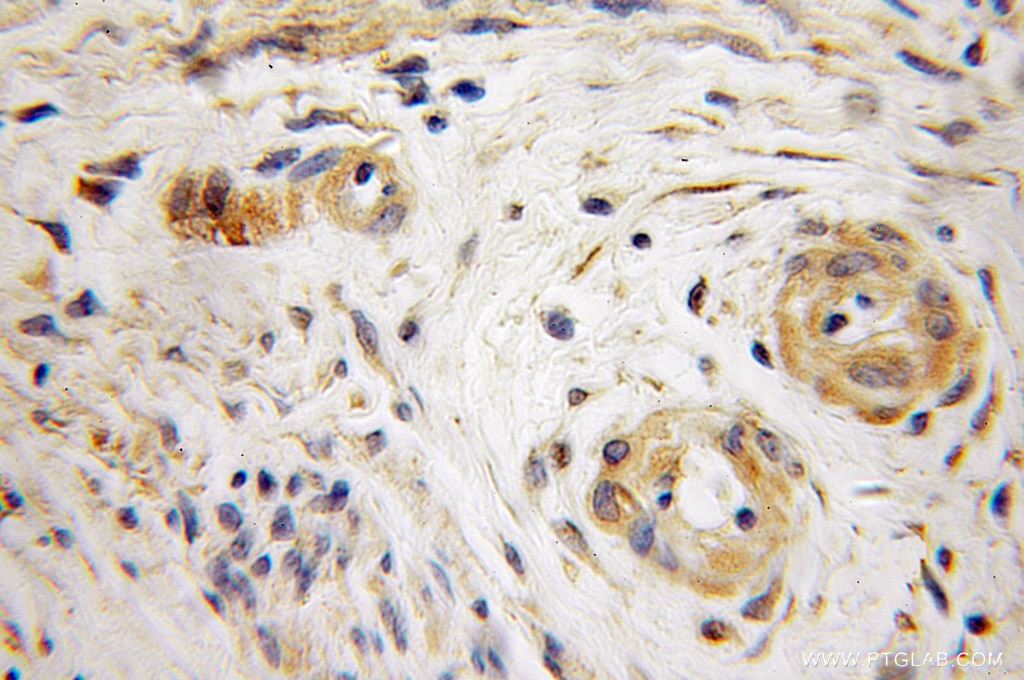
| Positive IHC detected in | human endometrial cancer tissue, human rectal cancer tissue, human endometrial cancer tissue, mouse small intestine tissue, human placenta tissue, mouse kidney tissue Note: suggested antigen retrieval with TE buffer pH 9.0; (*) Alternatively, antigen retrieval may be performed with citrate buffer pH 6.0 |
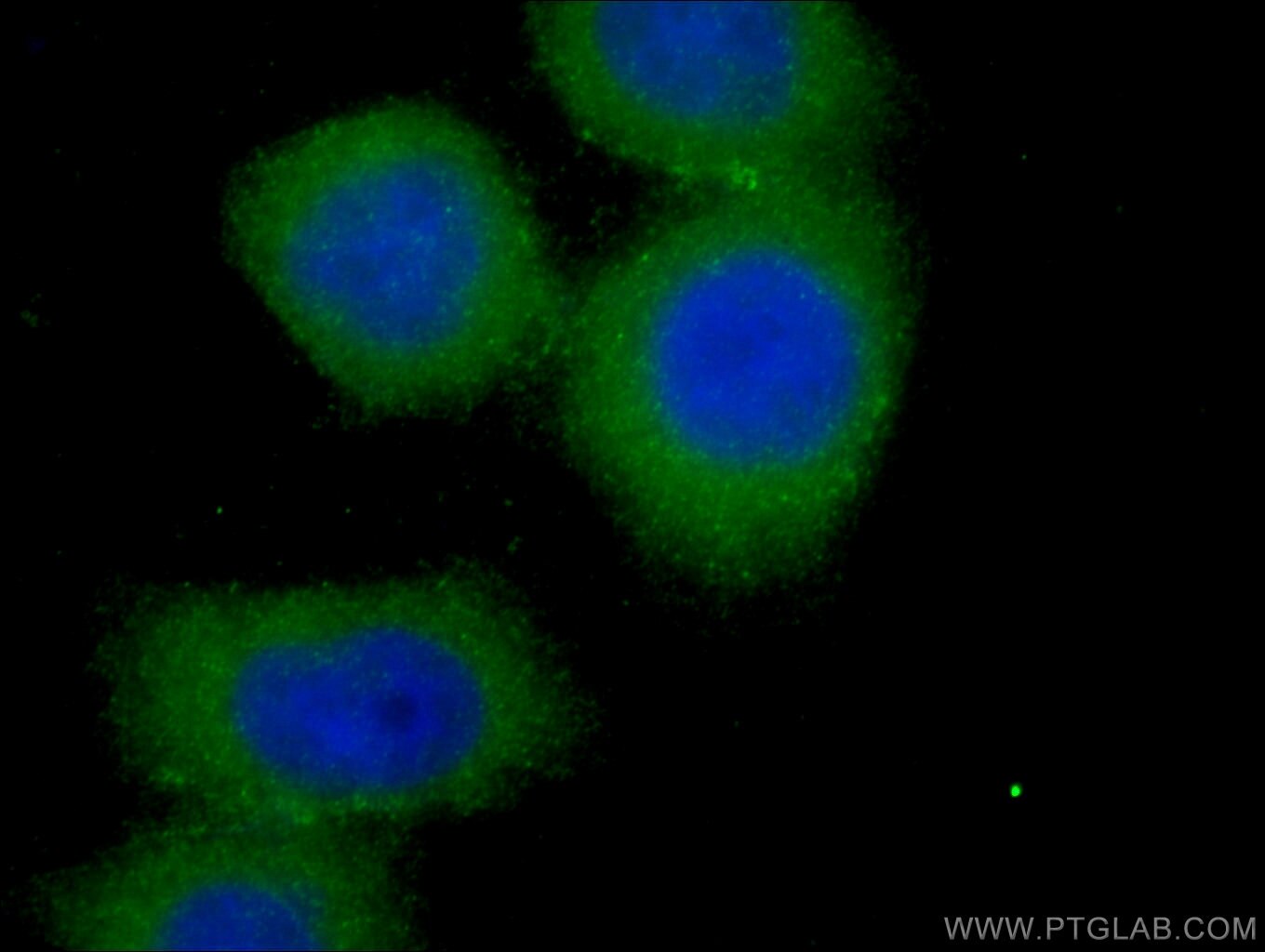
| Positive IF/ICC detected in | HeLa cells |
Recommended dilution
| Application | Dilution |
|---|---|
| Western Blot (WB) | WB : 1:5000-1:50000 |
| Immunoprecipitation (IP) | IP : 0.5-4.0 ug for 1.0-3.0 mg of total protein lysate |
| Immunohistochemistry (IHC) | IHC : 1:50-1:500 |
| Immunofluorescence (IF)/ICC | IF/ICC : 1:50-1:500 |
| It is recommended that this reagent should be titrated in each testing system to obtain optimal results. | |
| Sample-dependent, Check data in validation data gallery. | |
Product Information
12569-1-AP targets SCFD1 in WB, IHC, IF/ICC, IP, ELISA applications and shows reactivity with human, mouse, rat samples.
| Tested Reactivity | human, mouse, rat |
| Cited Reactivity | human, bacteria |
| Host / Isotype | Rabbit / IgG |
| Class | Polyclonal |
| Type | Antibody |
| Immunogen |
CatNo: Ag3234 Product name: Recombinant human SCFD1 protein Source: e coli.-derived, PGEX-4T Tag: GST Domain: 342-642 aa of BC017734 Sequence: QQELESYRAQEDEVKRLKSIMGLEGEDEGAISMLSDNTAKLTSAVSSLPELLEKKRLIDLHTNVATAVLEHIKARKLDVYFEYEEKIMSKTTLDKSLLDIISDPDAGTPEDKMRLFLIYYISTQQAPSEADLEQYKKALTDAGCNLNPLQYIKQWKAFTKMASAPASYGSTTTKPMGLLSRVMNTGSQFVMEGVKNLVLKQQNLPVTRILDNLMEMKSNPETDDYRYFDPKMLRGNDSSVPRNKNPFQEAIVFVVGGGNYIEYQNLVDYIKGKQGKHILYGCSELFNATQFIKQLSQLGQK Predict reactive species |
| Full Name | sec1 family domain containing 1 |
| Calculated Molecular Weight | 642 aa, 72 kDa |
| Observed Molecular Weight | 66-72 kDa |
| GenBank Accession Number | BC017734 |
| Gene Symbol | SCFD1 |
| Gene ID (NCBI) | 23256 |
| RRID | AB_2183266 |
| Conjugate | Unconjugated |
| Form | Liquid |
| Purification Method | Antigen affinity purification |
| UNIPROT ID | Q8WVM8 |
| Storage Buffer | PBS with 0.02% sodium azide and 50% glycerol, pH 7.3. |
| Storage Conditions | Store at -20°C. Stable for one year after shipment. Aliquoting is unnecessary for -20oC storage. 20ul sizes contain 0.1% BSA. |
Background Information
SCFD1, also named as C14orf163, KIAA0917, STXBP1L2, Sly1p and SLY1, belongs to the STXBP/unc-18/SEC1 family. It is a component of the syntaxin-5 SNARE complex which regulates the early secretory pathway of eukaryotic cells at the level of endoplasmic reticulum (ER) to Golgi transport.(PMID:21242315) SCFD1 plays a role in SNARE-pin assembly and Golgi-to-ER retrograde transport via its interaction with COG4. It is involved in vesicular transport between the endoplasmic reticulum and the Golgi.
Protocols
| Product Specific Protocols | |
|---|---|
| IF protocol for SCFD1 antibody 12569-1-AP | Download protocol |
| IHC protocol for SCFD1 antibody 12569-1-AP | Download protocol |
| IP protocol for SCFD1 antibody 12569-1-AP | Download protocol |
| WB protocol for SCFD1 antibody 12569-1-AP | Download protocol |
| Standard Protocols | |
|---|---|
| Click here to view our Standard Protocols |
Publications
What published studies show
The SCFD1 Polyclonal antibody (Cat# 12569-1-AP) has 6 total citations. These appear in Autophagy, EMBO Journal, Journal of Cell Science, Microbial Pathogenesis, Molecular Biology of the Cell, and Journal of Applied Microbiology. The research fields span autophagy and lysosome fusion, Golgi SNARE complex assembly, vesicular transport between ER and Golgi, PI4KIIIβ recruitment to the Golgi, and bacterial pathogenesis (Streptococcus suis infection). Applications cited include WB and IP.
| Species | Application | Title |
|---|---|---|
Autophagy Acetylation of SCFD1 regulates SNARE complex formation and autophagosome-lysosome fusion.
| ||
EMBO J Direct interaction between the COG complex and the SM protein, Sly1, is required for Golgi SNARE pairing. | ||
Microb Pathog Formononetin alleviates Streptococcus suis infection by targeting suilysin. | ||
J Cell Sci Autophagic substrate clearance requires activity of the syntaxin-5 SNARE complex.
| ||
Mol Biol Cell Recruitment of PI4KIIIβ to the Golgi by ACBD3 is dependent on an upstream pathway of a SNARE complex and golgins
| ||
J Appl Microbiol Silibinin attenuates Streptococcus suis serotype 2 virulence by targeting suilysin. |















