

Tested Applications
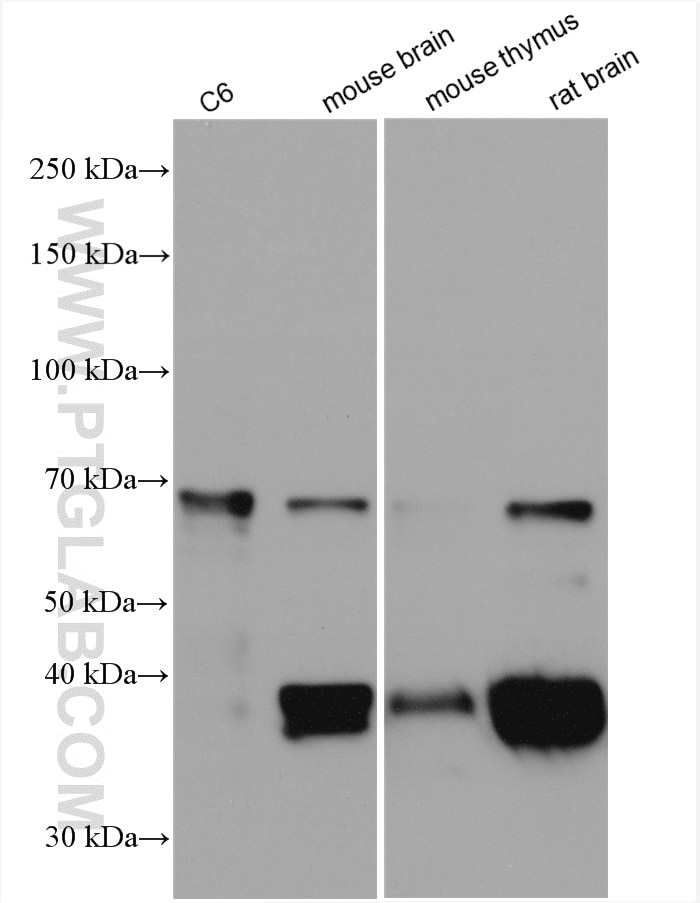
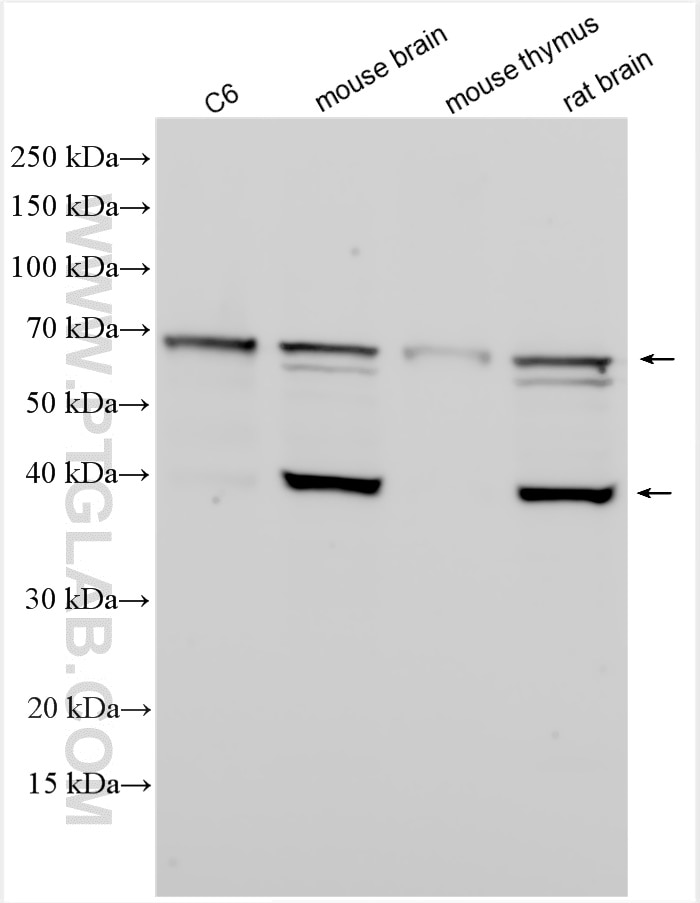
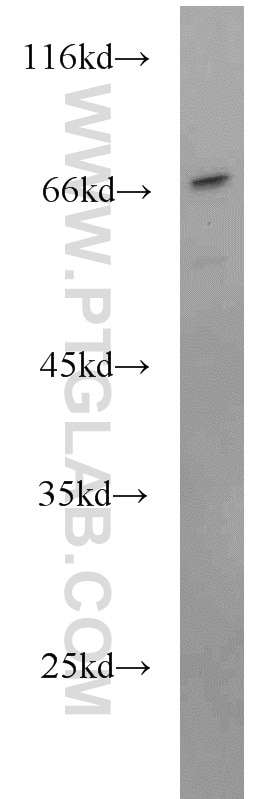
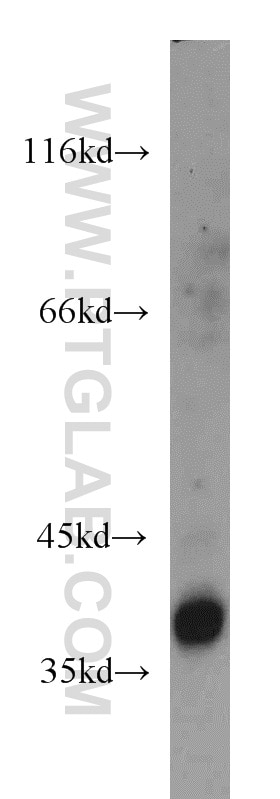
| Positive WB detected in | C6 cells, HeLa cells, mouse spleen tissue, mouse brain tissue, mouse thymus tissue, rat brain tissue |
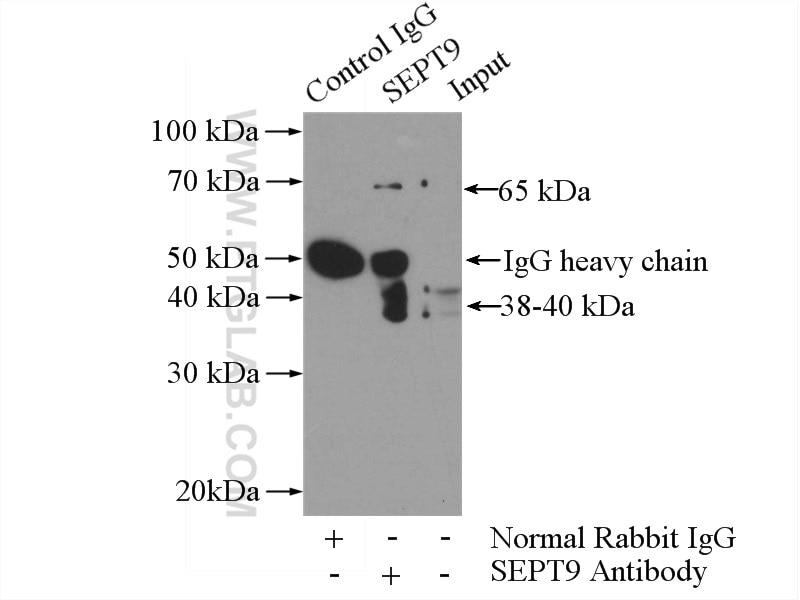
| Positive IP detected in | mouse brain tissue |
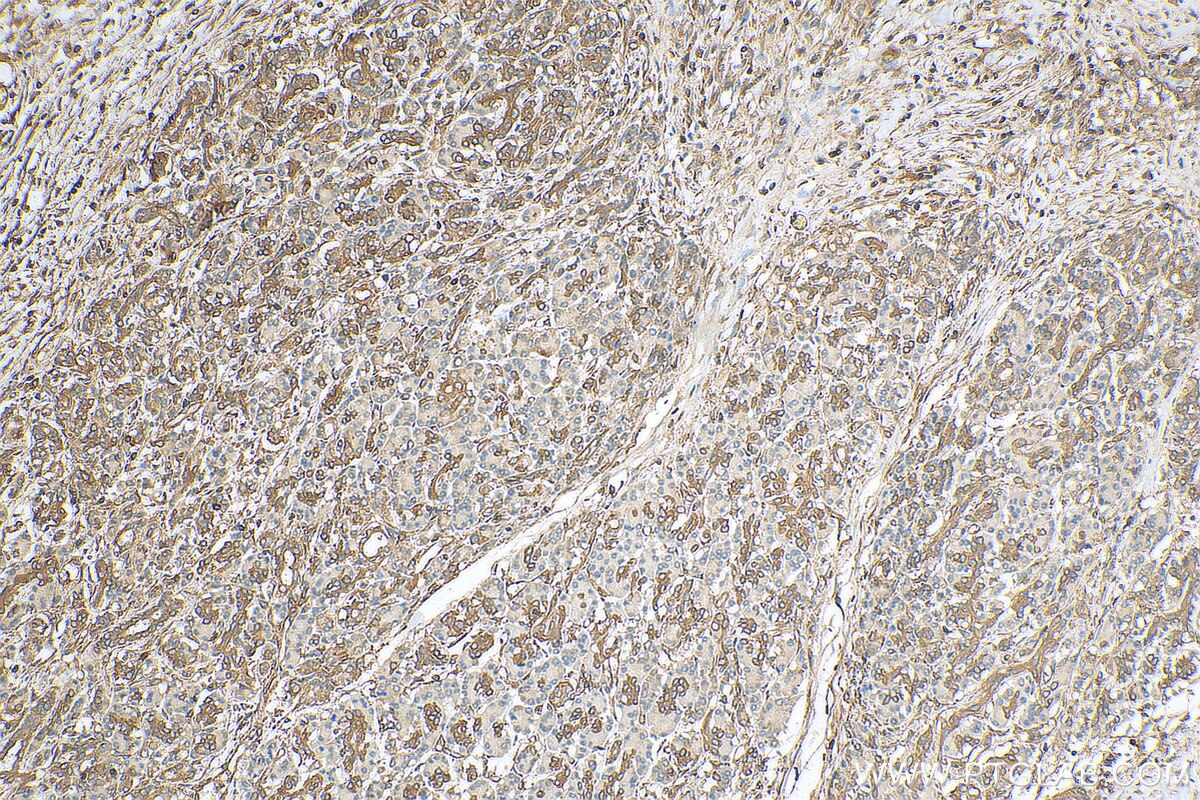
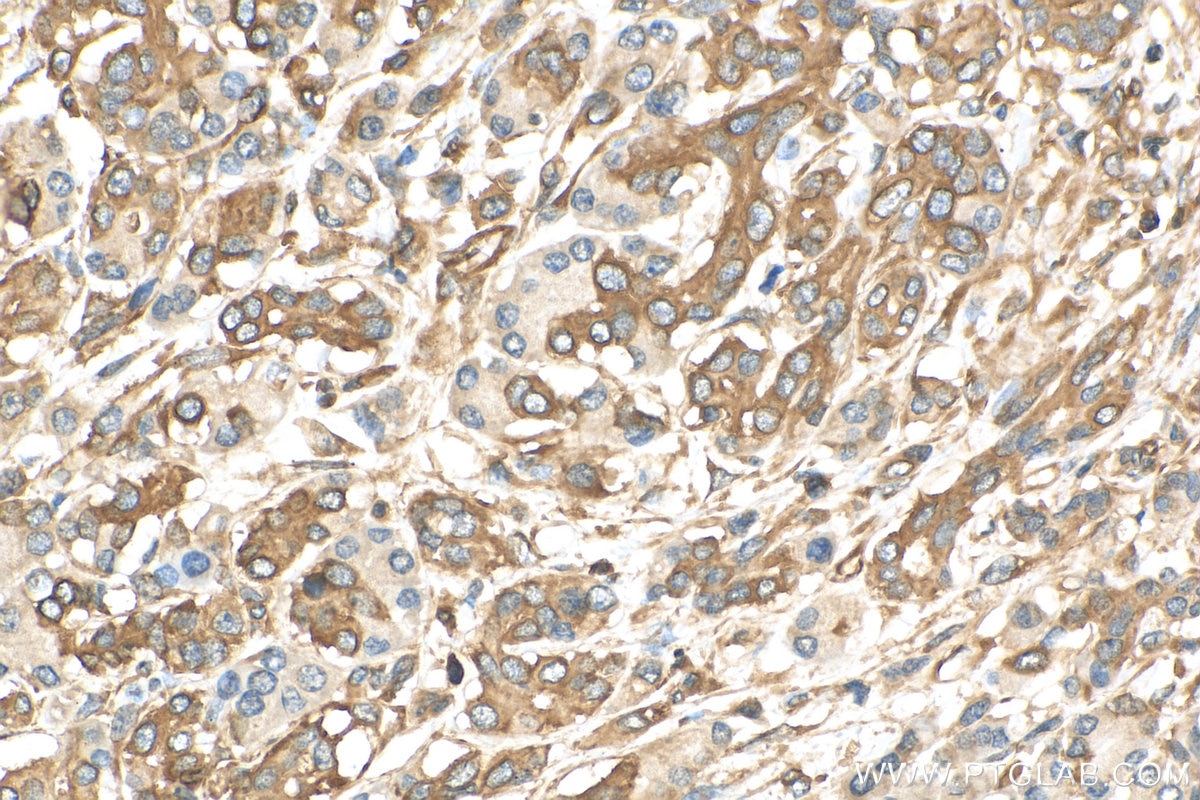
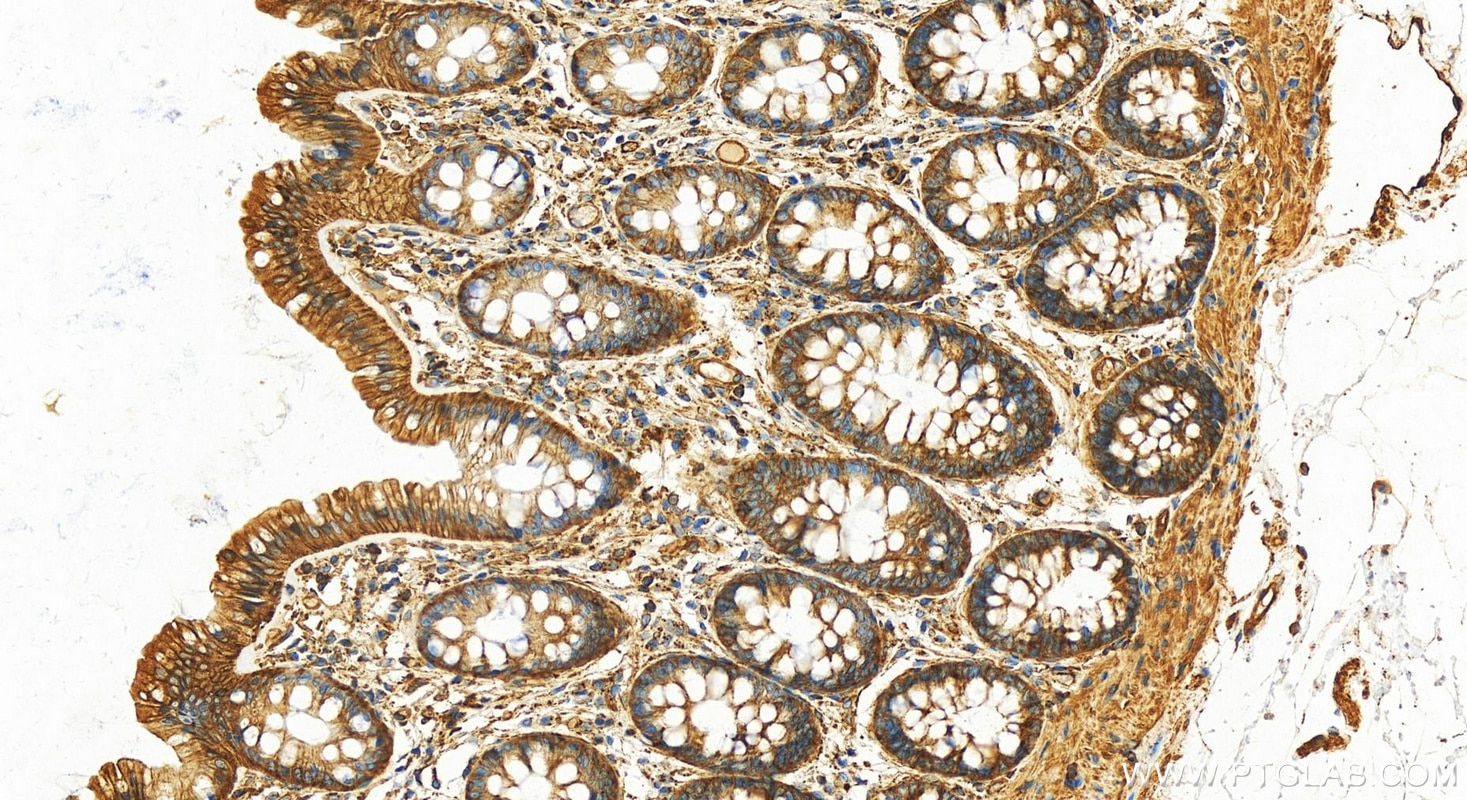
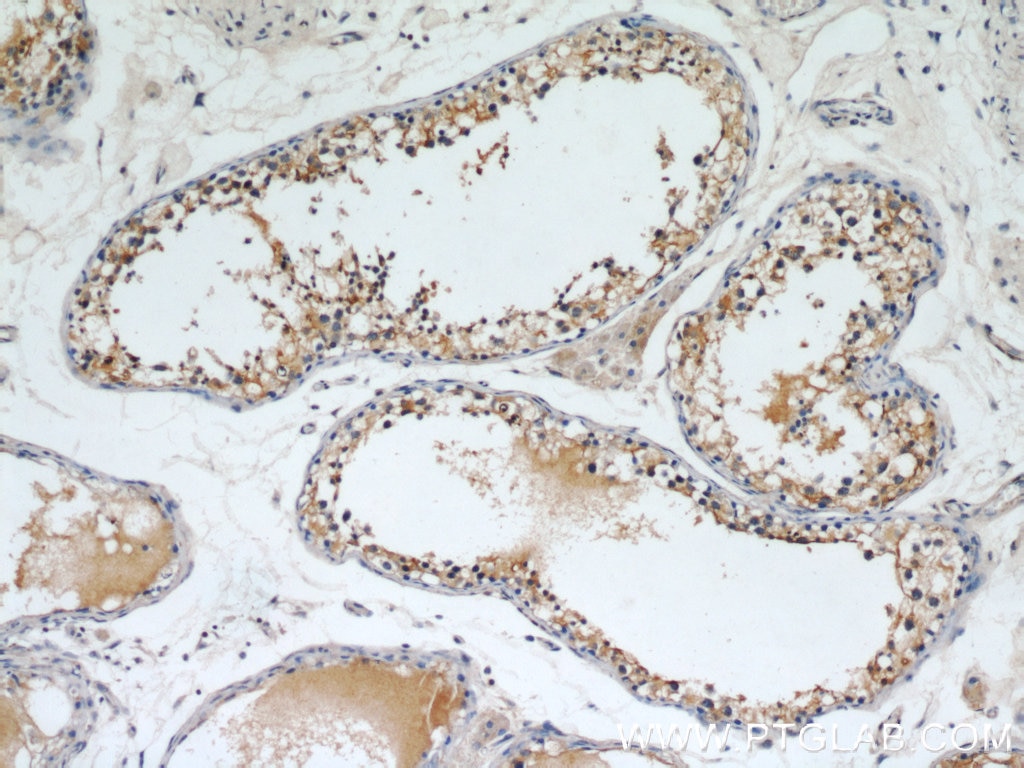
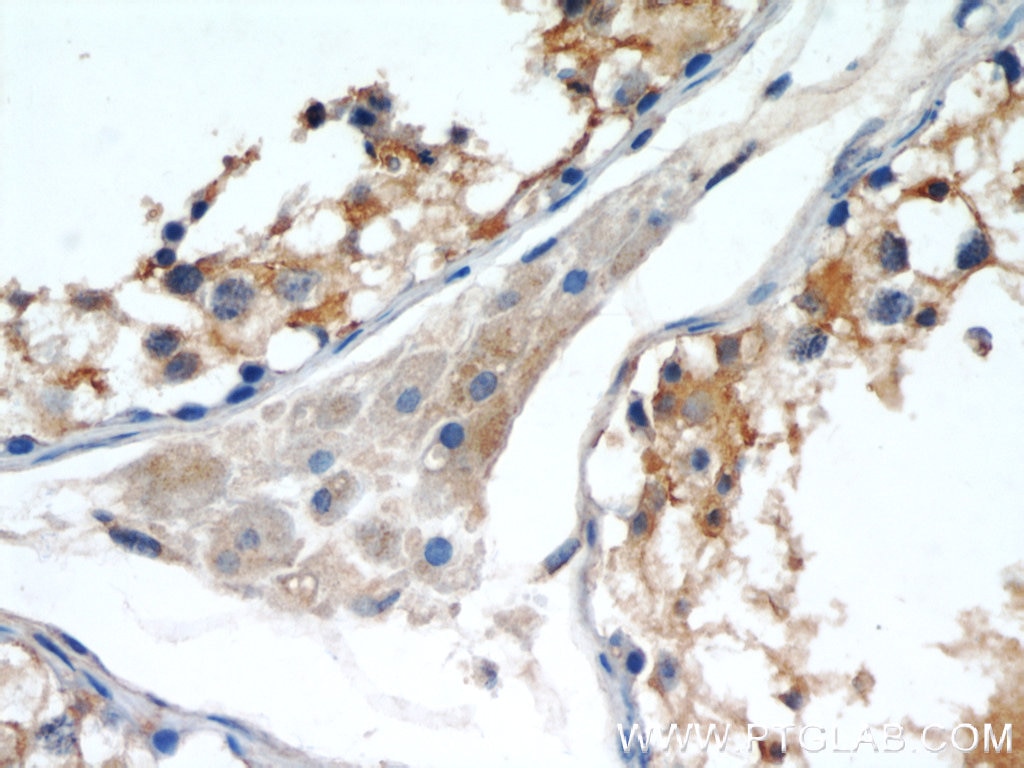
| Positive IHC detected in | human pancreas cancer tissue, human colon tissue, human testis tissue Note: suggested antigen retrieval with TE buffer pH 9.0; (*) Alternatively, antigen retrieval may be performed with citrate buffer pH 6.0 |
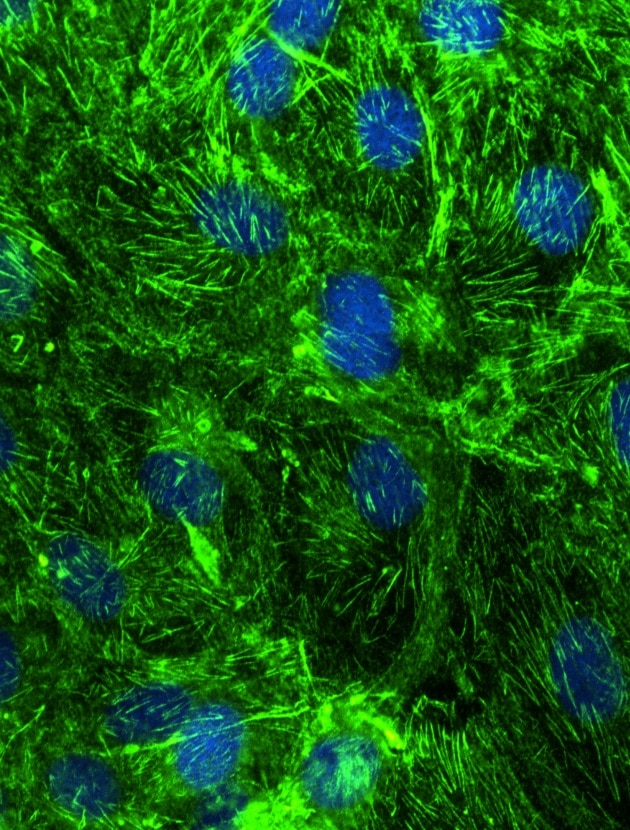
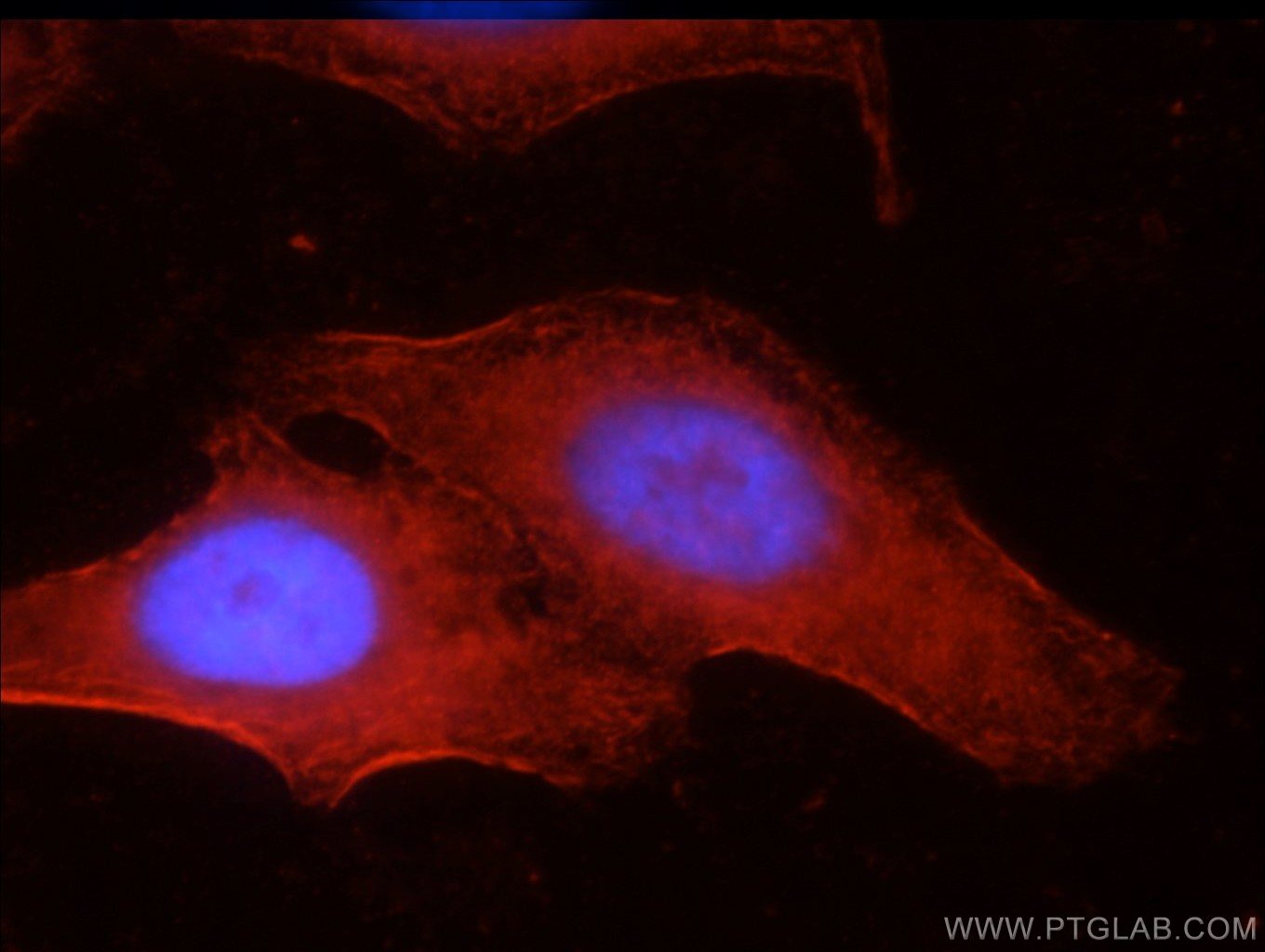
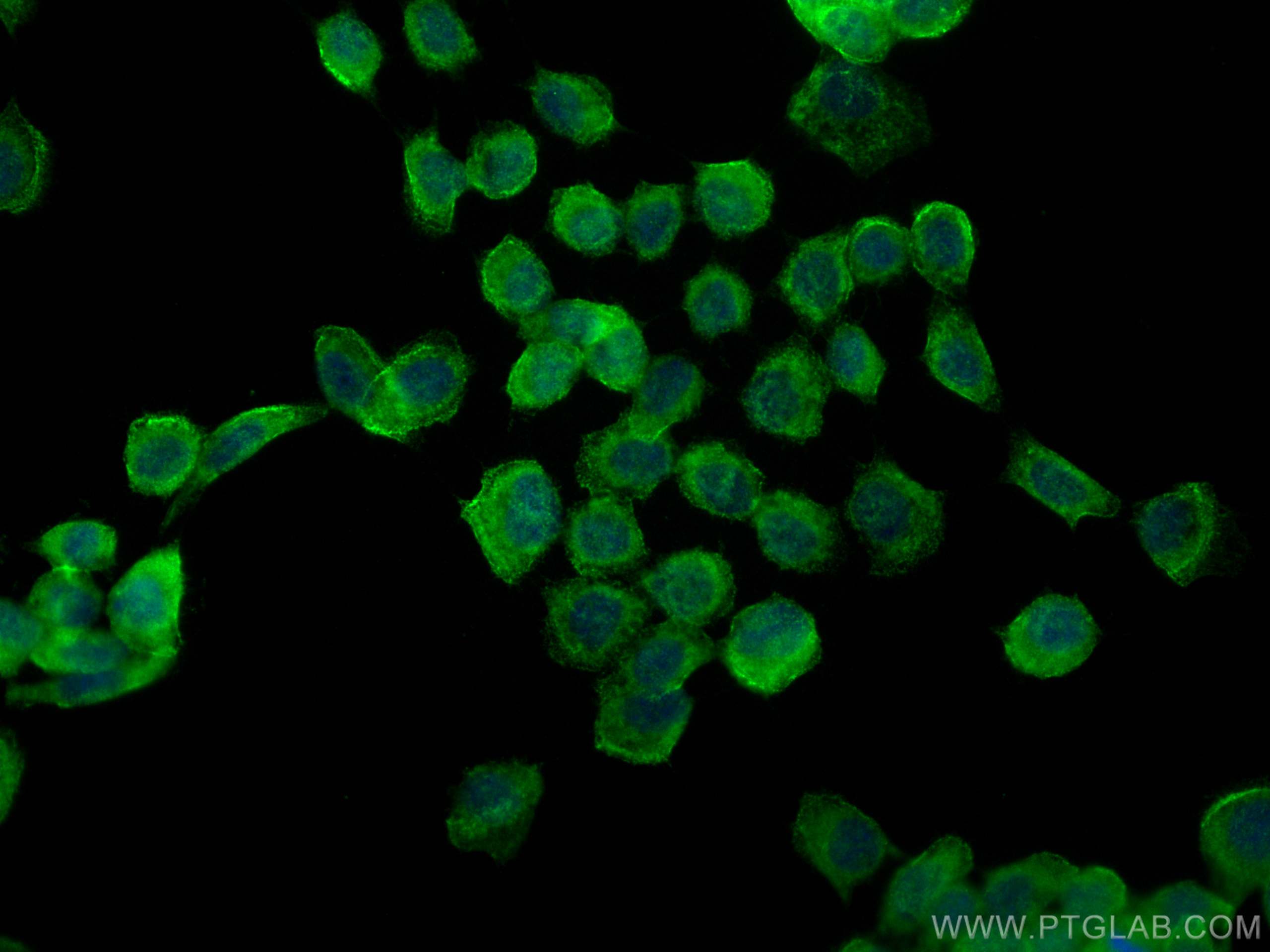
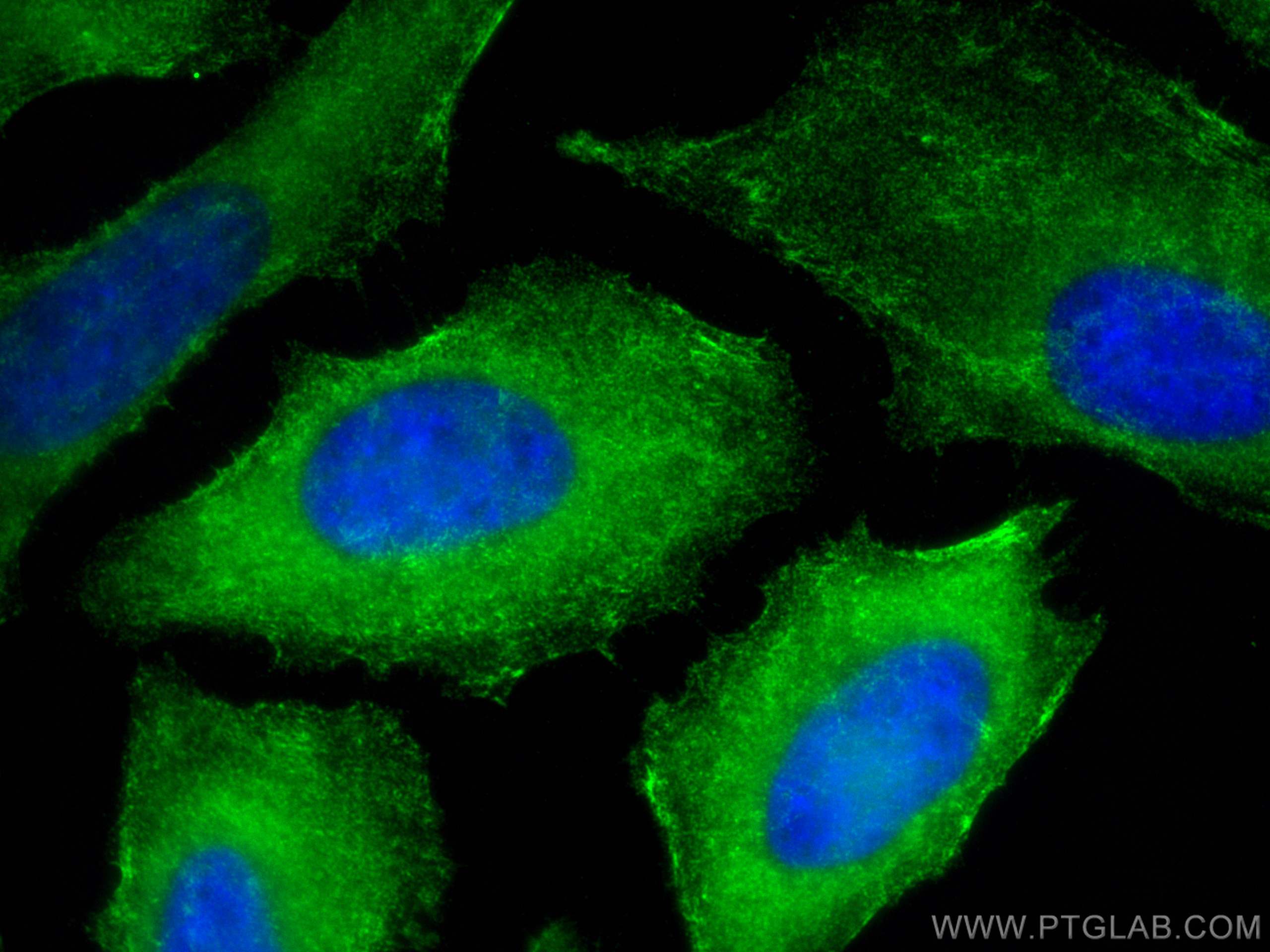
| Positive IF/ICC detected in | HeLa cells, hTERT-RPE cells, HepG2 cells, A431 cells |
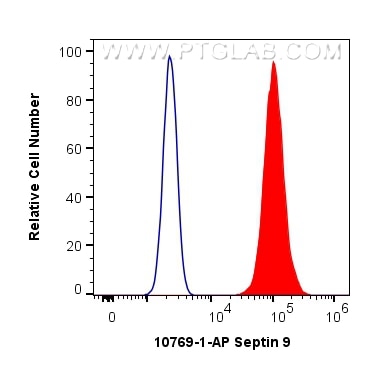
| Positive FC (Intra) detected in | HepG2 cells |
Recommended dilution
| Application | Dilution |
|---|---|
| Western Blot (WB) | WB : 1:5000-1:50000 |
| Immunoprecipitation (IP) | IP : 0.5-4.0 ug for 1.0-3.0 mg of total protein lysate |
| Immunohistochemistry (IHC) | IHC : 1:200-1:2000 |
| Immunofluorescence (IF)/ICC | IF/ICC : 1:50-1:500 |
| Flow Cytometry (FC) (INTRA) | FC (INTRA) : 0.40 ug per 10^6 cells in a 100 µl suspension |
| It is recommended that this reagent should be titrated in each testing system to obtain optimal results. | |
| Sample-dependent, Check data in validation data gallery. | |
Product Information
10769-1-AP targets Septin 9 in WB, IHC, IF/ICC, FC (Intra), IP, ELISA applications and shows reactivity with human, mouse, rat samples.
| Tested Reactivity | human, mouse, rat |
| Cited Reactivity | human, mouse, rat, canine, drosophila |
| Host / Isotype | Rabbit / IgG |
| Class | Polyclonal |
| Type | Antibody |
| Immunogen |
CatNo: Ag1218 Product name: Recombinant human SEPT9 protein Source: e coli.-derived, PGEX-4T Tag: GST Domain: 250-568 aa of BC021192 Sequence: RNEKAPVDFGYVGIDSILEQMRRKAMKQGFEFNIMVVGQSGLGKSTLINTLFKSKISRKSVQPTSEERIPKTIEIKSITHDIEEKGVRMKLTVIDTPGFGDHINNENCWQPIMKFINDQYEKYLQEEVNINRKKRIPDTRVHCCLYFIPATGHSLRPLDIEFMKRLSKVVNIVPVIAKADTLTLEERVHFKQRITADLLSNGIDVYPQKEFDEDSEDRLVNEKFREMIPFAVVGSDHEYQVNGKRILGRKTKWGTIEVENTTHCEFAYLRDLLIRTHMQNIKDITSSIHFEAYRVKRLNEGSSAMANGVEEKEPEAPEM Predict reactive species |
| Full Name | septin 9 |
| Calculated Molecular Weight | 64 kDa |
| Observed Molecular Weight | 65 kDa, 38-40 kDa |
| GenBank Accession Number | BC021192 |
| Gene Symbol | SEPT9 |
| Gene ID (NCBI) | 10801 |
| RRID | AB_2185012 |
| Conjugate | Unconjugated |
| Form | Liquid |
| Purification Method | Antigen affinity purification |
| UNIPROT ID | Q9UHD8 |
| Storage Buffer | PBS with 0.02% sodium azide and 50% glycerol, pH 7.3. |
| Storage Conditions | Store at -20°C. Stable for one year after shipment. Aliquoting is unnecessary for -20oC storage. 20ul sizes contain 0.1% BSA. |
Background Information
SEPT9 belongs to the septin family which is a group of highly conserved GTP-binding proteins in eukaryotes. SEPT9 plays a role in cytokinesis, the final stage of cell division. SEPT9 gene methylation has been implicated as a biomarker for colorectal cancer(CRC).
Protocols
| Product Specific Protocols | |
|---|---|
| FC protocol for Septin 9 antibody 10769-1-AP | Download protocol |
| IF protocol for Septin 9 antibody 10769-1-AP | Download protocol |
| IHC protocol for Septin 9 antibody 10769-1-AP | Download protocol |
| IP protocol for Septin 9 antibody 10769-1-AP | Download protocol |
| WB protocol for Septin 9 antibody 10769-1-AP | Download protocol |
| Standard Protocols | |
|---|---|
| Click here to view our Standard Protocols |
Publications
What published studies show
Anti-SEPT9 antibody (Cat# 10769-1-AP) has 38 citations across 25 journals, including Nature Communications, Current Biology, Journal of Cell Biology, Oncogene, Developmental Cell, and PLoS Genetics. Research fields span septin cytoskeleton biology, cytokinesis, microtubule dynamics, cancer (breast, colorectal, cervical), neuroscience, diabetes, Huntington's disease, cardiology, virology, and proteomics.
| Species | Application | Title |
|---|---|---|
Nat Commun Quantitative determination of the spatial distribution of components in single cells with CellDetail | ||
Pharmacol Res BET degrader exhibits lower antiproliferative activity than its inhibitor via EGR1 recruiting septins to promote E2F1-3 transcription in triple-negative breast cancer
| ||
Cell Death Dis Septin filament coalignment with microtubules depends on SEPT9_i1 and tubulin polyglutamylation, and is an early feature of acquired cell resistance to paclitaxel. | ||
Dev Cell Polarity of Neuronal Membrane Traffic Requires Sorting of Kinesin Motor Cargo during Entry into Dendrites by a Microtubule-Associated Septin.
| ||
Oncogene Septin 9 isoforms promote tumorigenesis in mammary epithelial cells by increasing migration and ECM degradation through metalloproteinase secretion at focal adhesions. | ||
Curr Biol Cdc42 and its BORG2 and BORG3 effectors control the subcellular localization of septins between actin stress fibers and microtubules. |
















