

Product Information
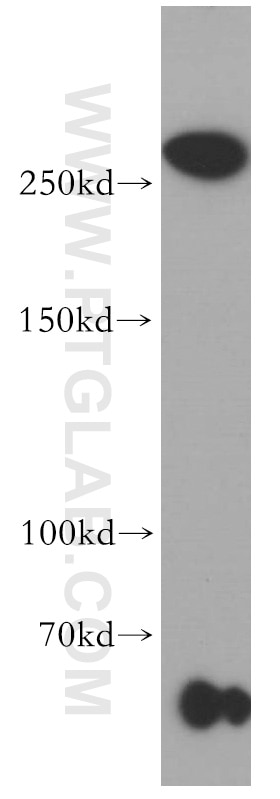
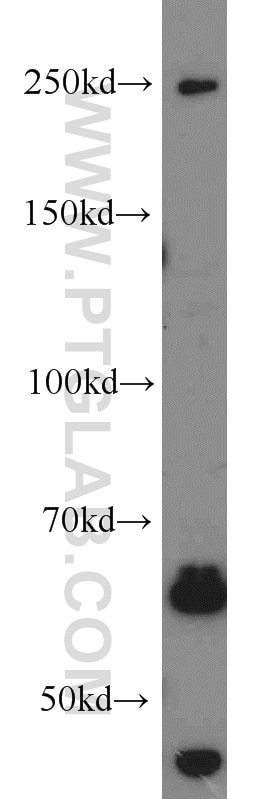
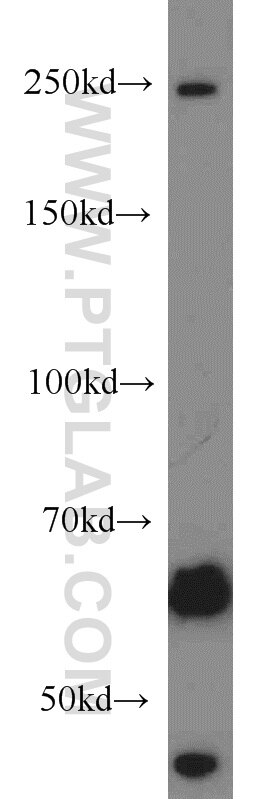
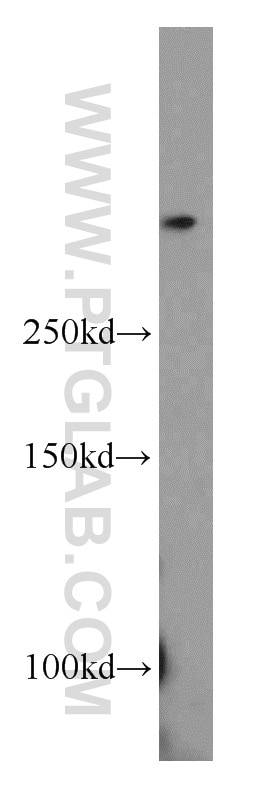
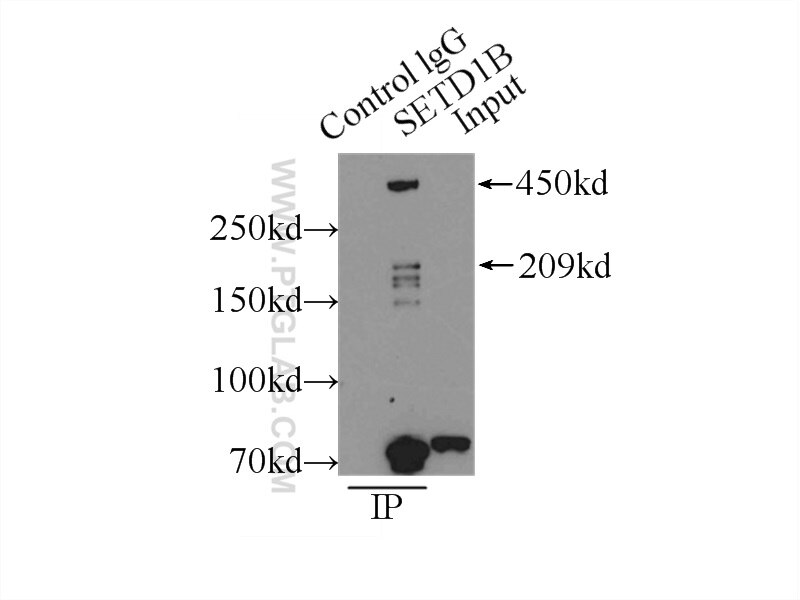
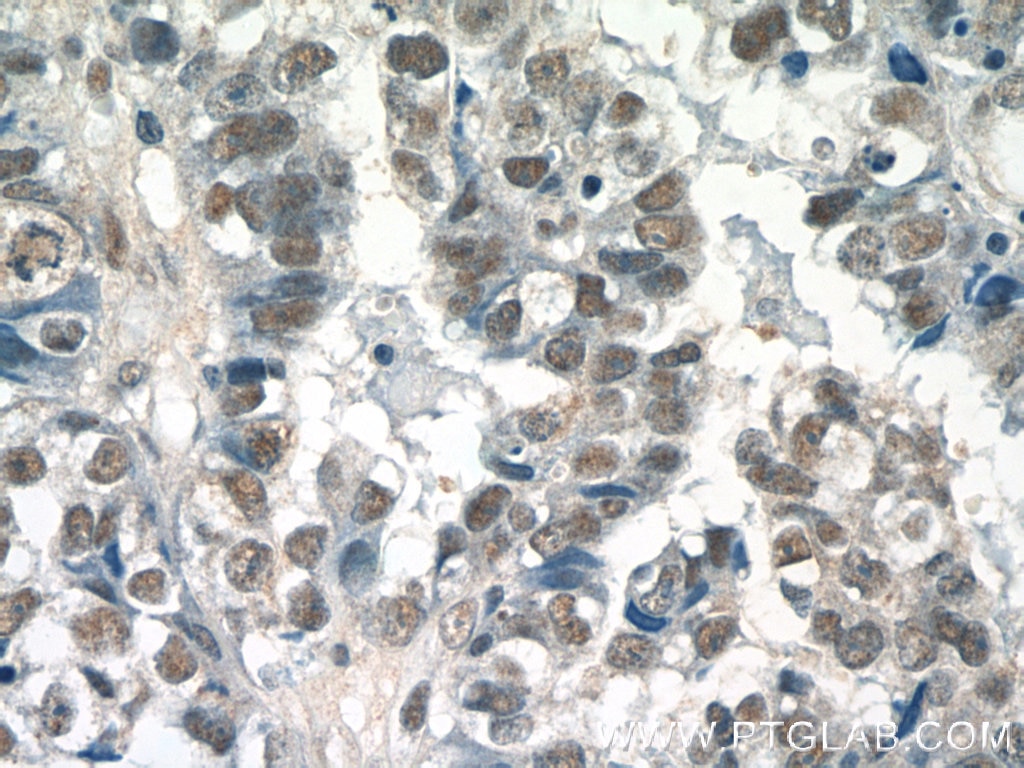
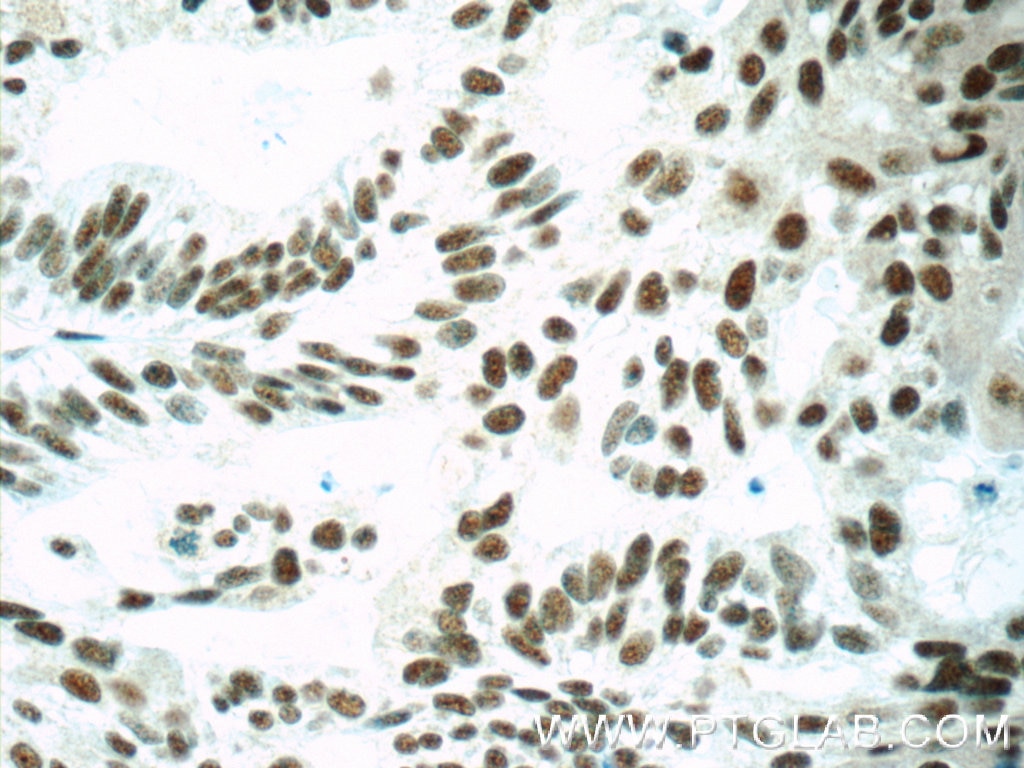
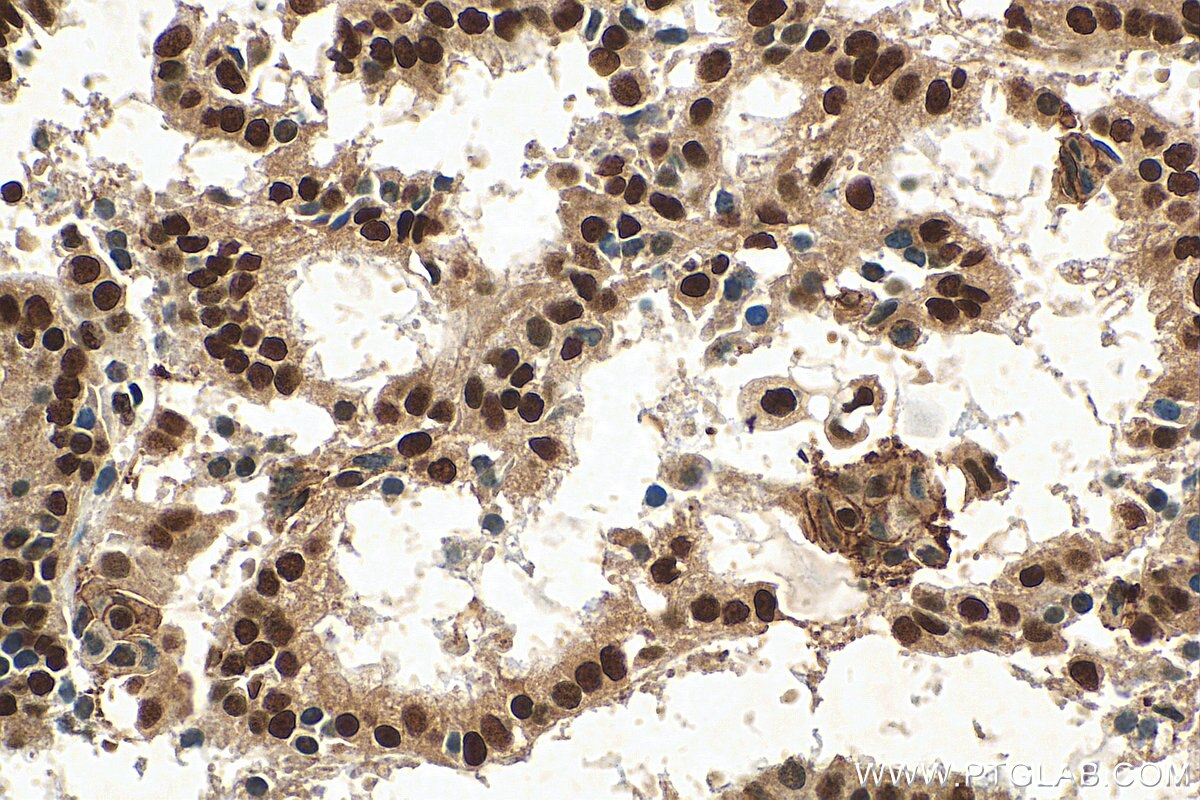
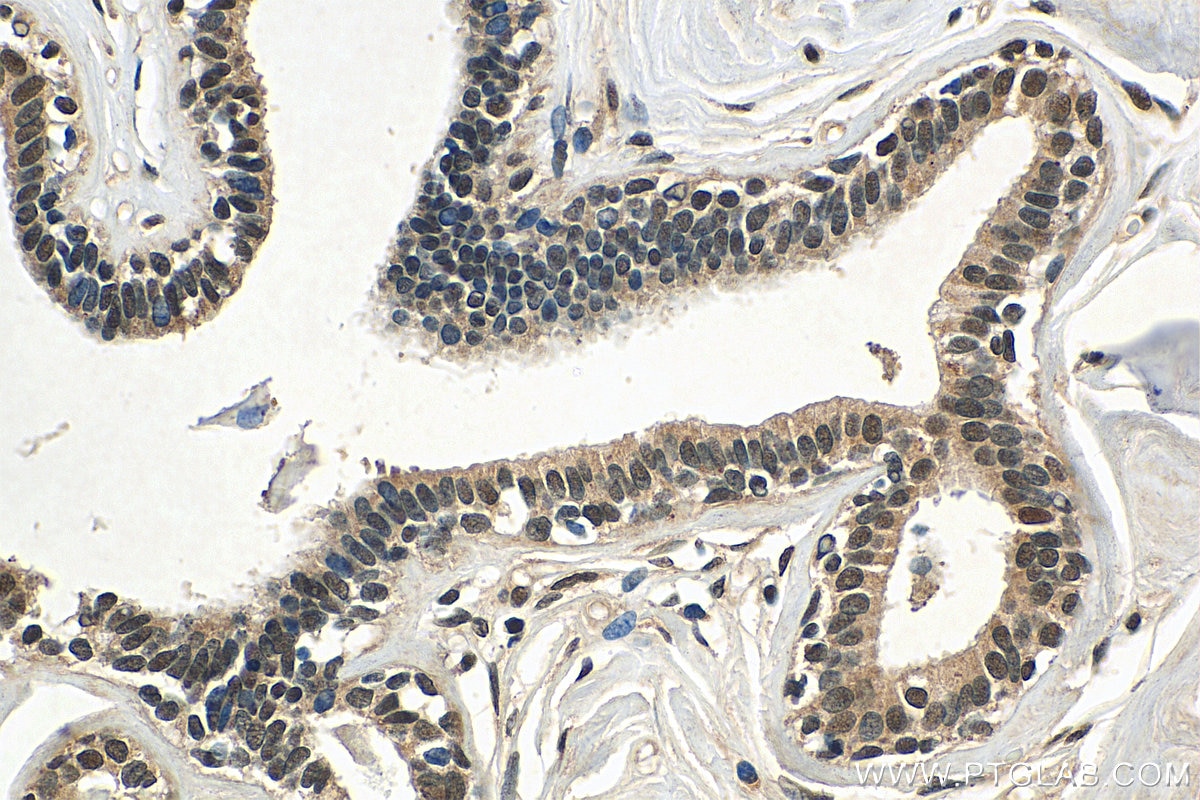
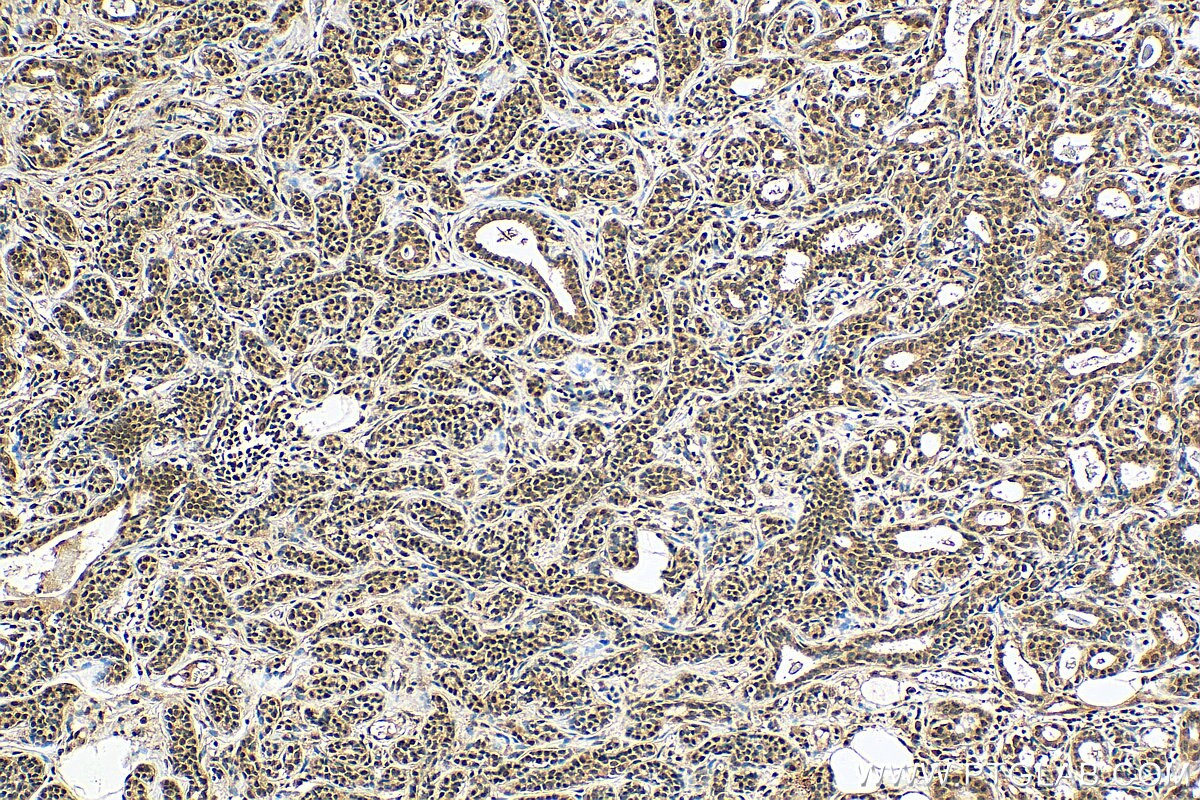
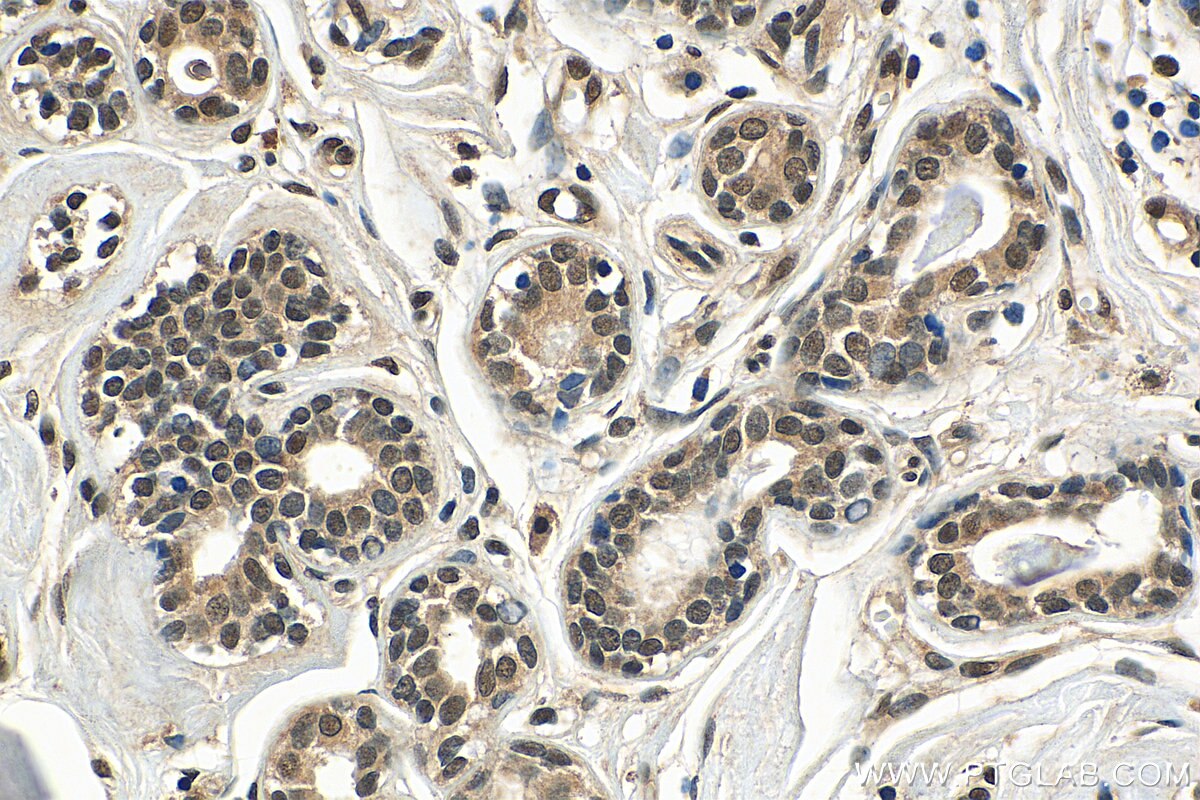
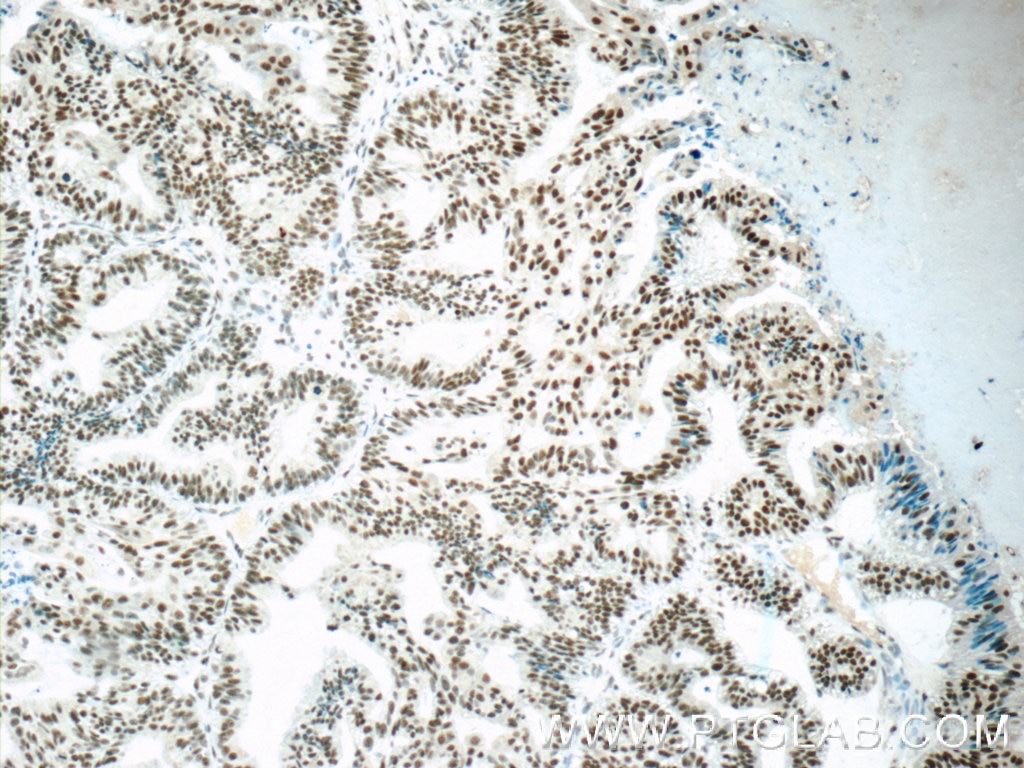
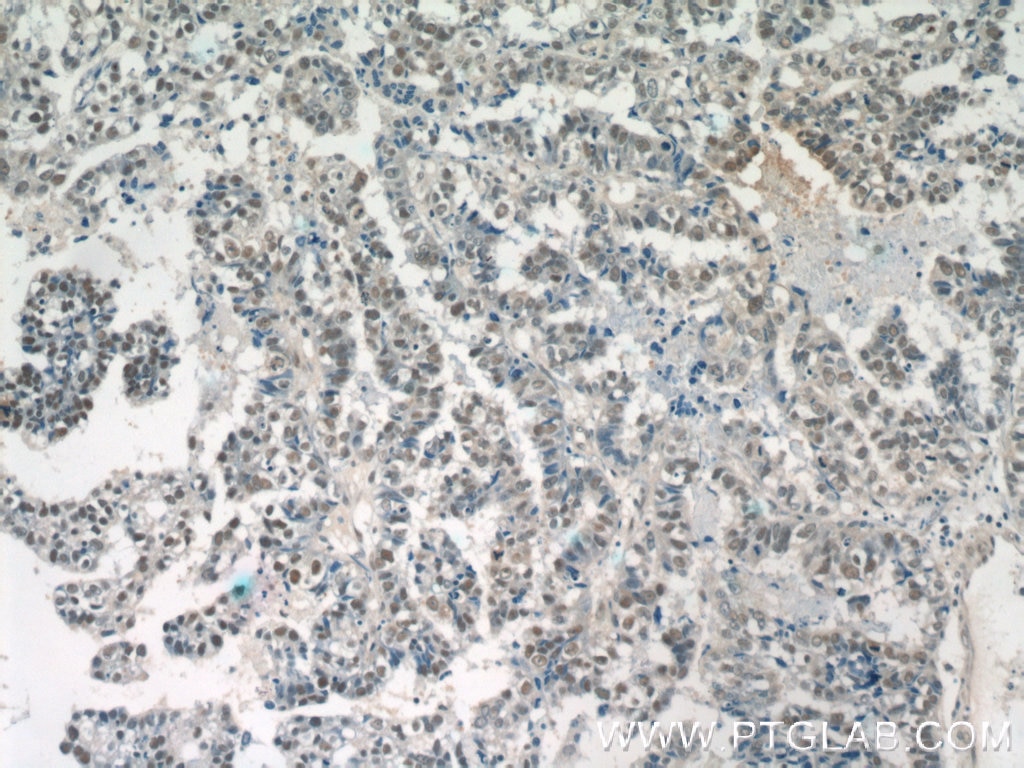
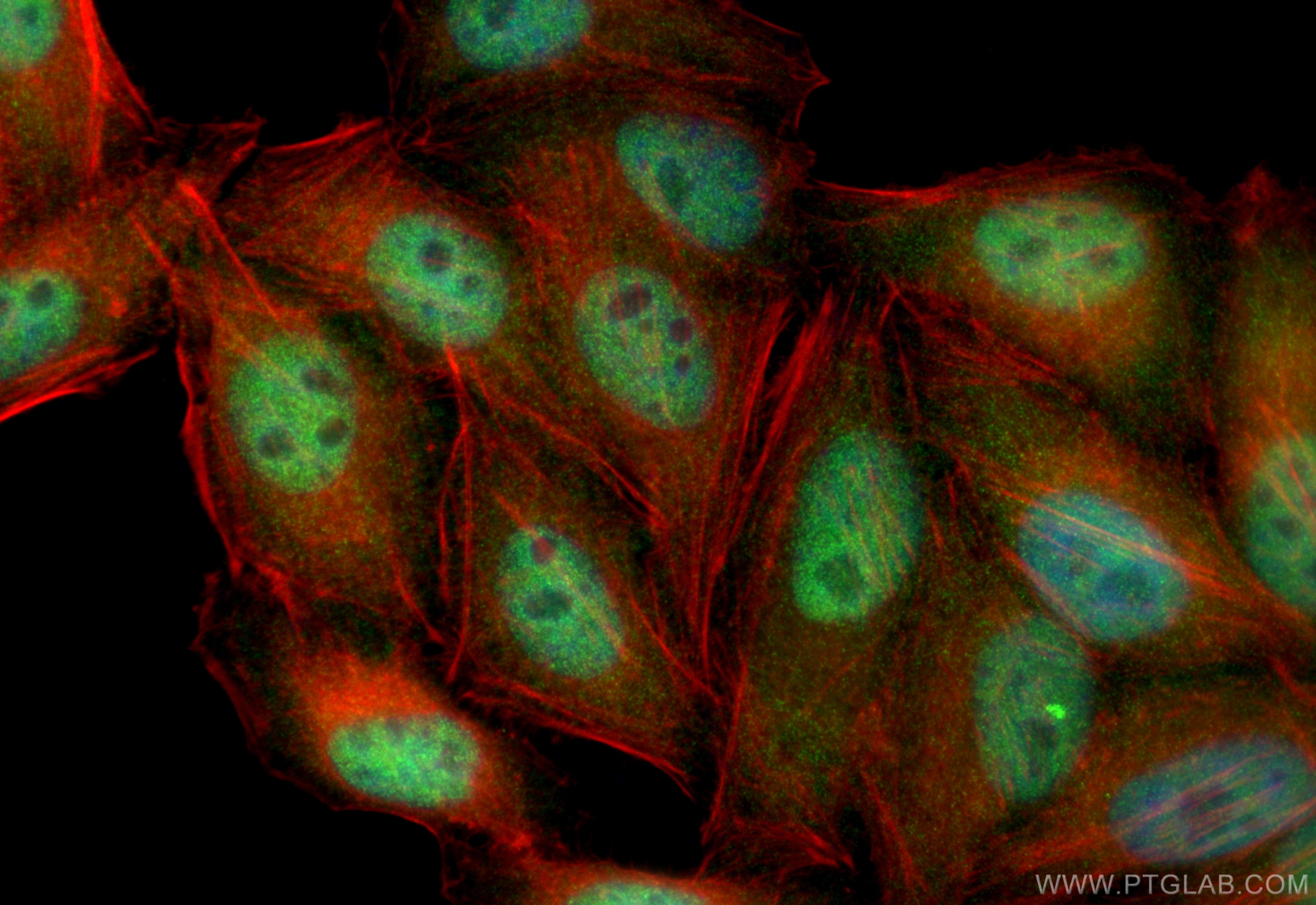
55005-1-PBS targets SETD1B in WB, IHC, IF/ICC, IP, Indirect ELISA applications and shows reactivity with human, mouse samples.
| Tested Reactivity | human, mouse |
| Host / Isotype | Rabbit / IgG |
| Class | Polyclonal |
| Type | Antibody |
| Immunogen |
Peptide Predict reactive species |
| Full Name | SET domain containing 1B |
| Calculated Molecular Weight | 209 kDa |
| Observed Molecular Weight | 250-260 kDa, 450 kDa |
| GenBank Accession Number | NM_015048 |
| Gene Symbol | SETD1B |
| Gene ID (NCBI) | 23067 |
| RRID | AB_10858389 |
| Conjugate | Unconjugated |
| Form | Liquid |
| Purification Method | Antigen affinity purification |
| UNIPROT ID | Q9UPS6 |
| Storage Buffer | PBS only, pH 7.3. |
| Storage Conditions | Store at -80°C. |
Background Information
SETD1B, also named as KMT2G. Set1B associates with a about 450 kDa complex that contains all five non-catalytic components of the Set1A complex, including CFP1, Rbbp5, Ash2, Wdr5, and Wdr82. The complex is a histone methyltransferase that produces trimethylated histone H3 at Lys4. Set1B is widely expressed, and localize to a largely non-overlapping set of euchromatic nuclear speckles, suggesting that Set1B bind to a unique set of target genes and thus make non-redundant contributions to the epigenetic control of chromatin structure and gene expression( PMID: 17355966). The antibody is specific to SETD1B and, in westernbloting experiments, two specific bands can be detected, about 250 kDa, 450 kDa respectively, in addition, a unknown band around 70 kDa. This antibody is a rabbit polyclonal antibody raised against a region of human SETD1B.















