

Tested Applications
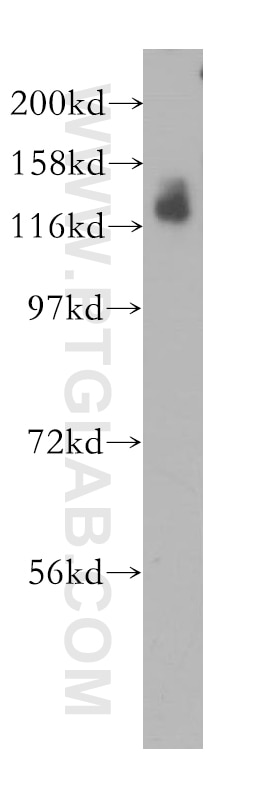
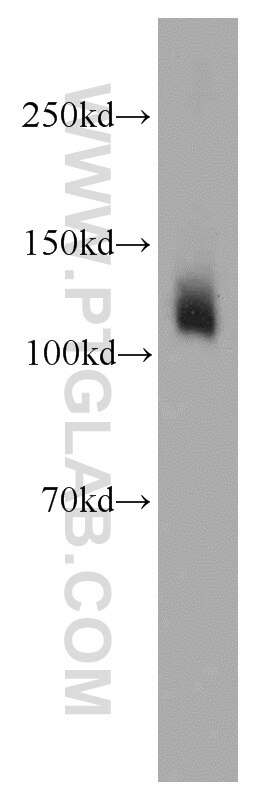
| Positive WB detected in | HEK-293 cells, mouse kidney tissue |
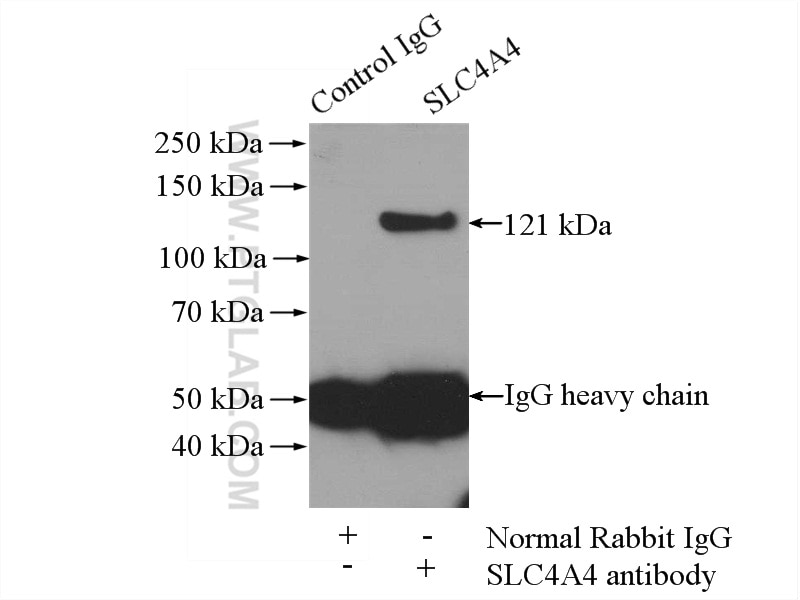
| Positive IP detected in | HEK-293 cells |
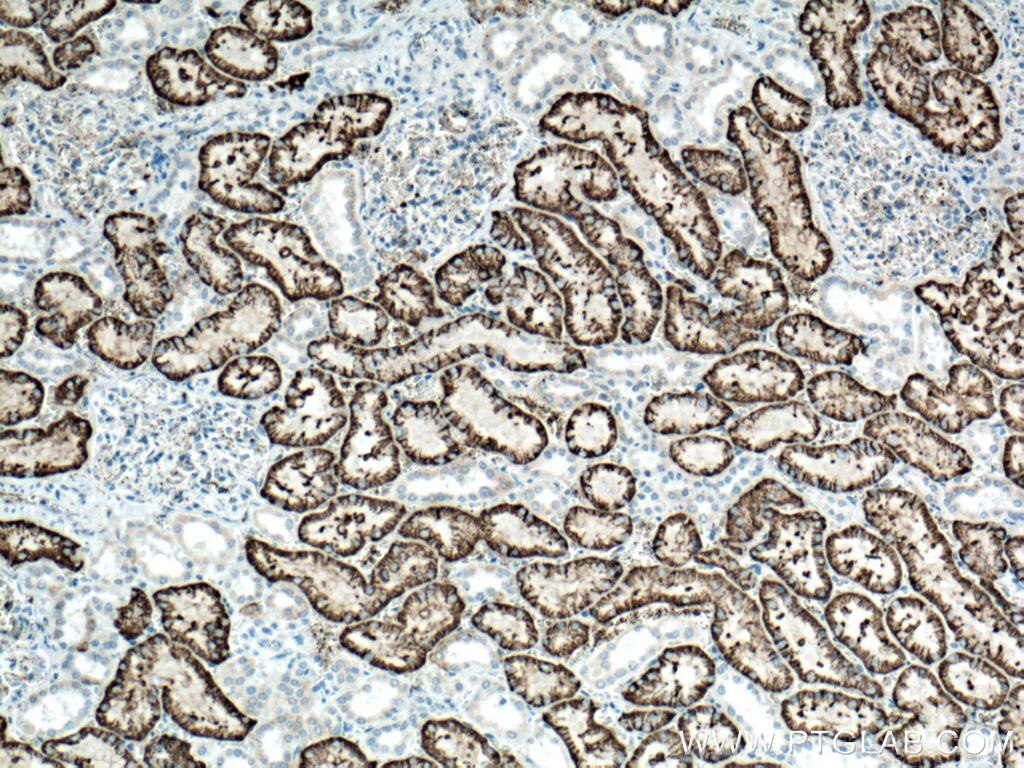
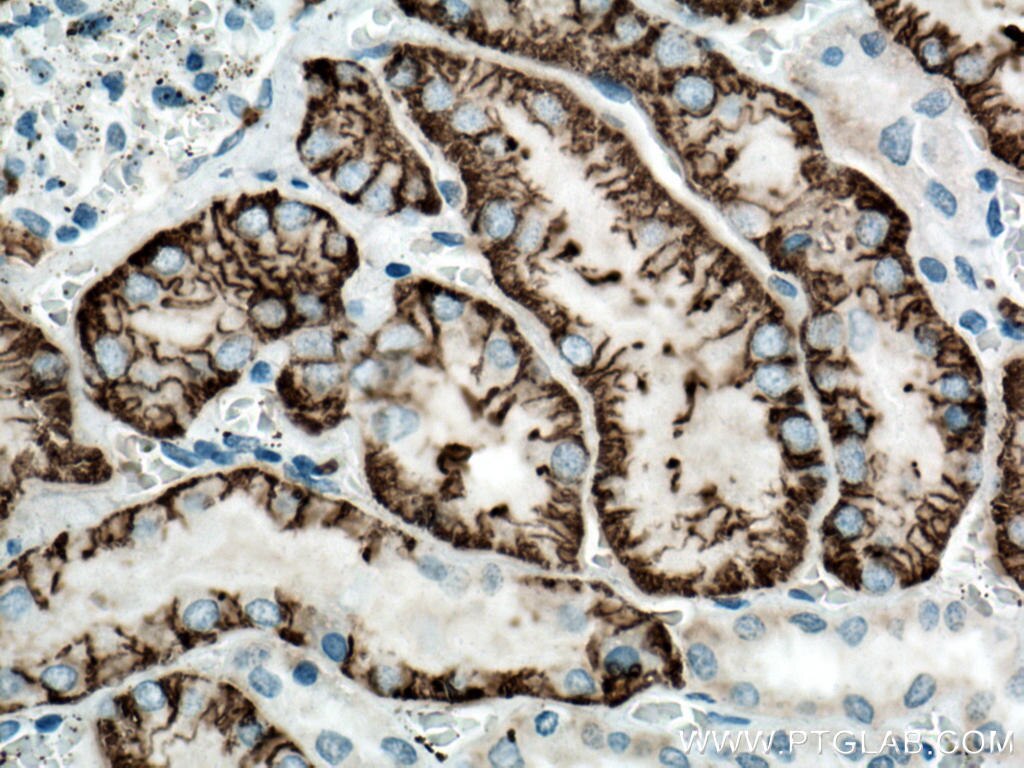
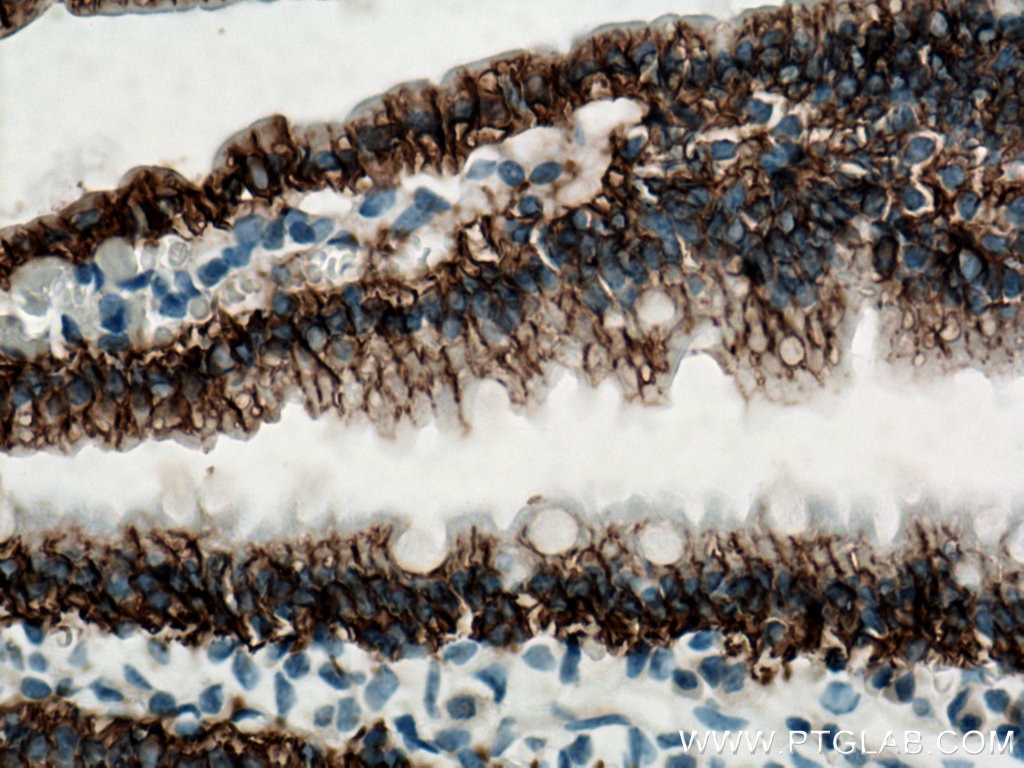
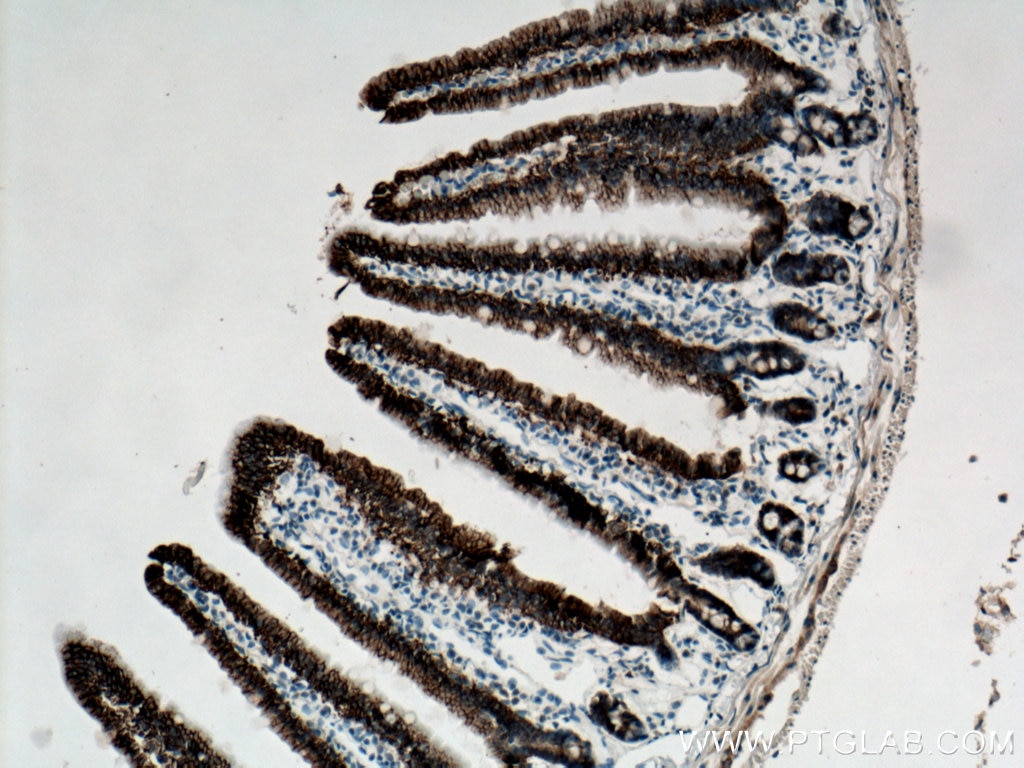
| Positive IHC detected in | human kidney tissue, mouse small intestine tissue Note: suggested antigen retrieval with TE buffer pH 9.0; (*) Alternatively, antigen retrieval may be performed with citrate buffer pH 6.0 |
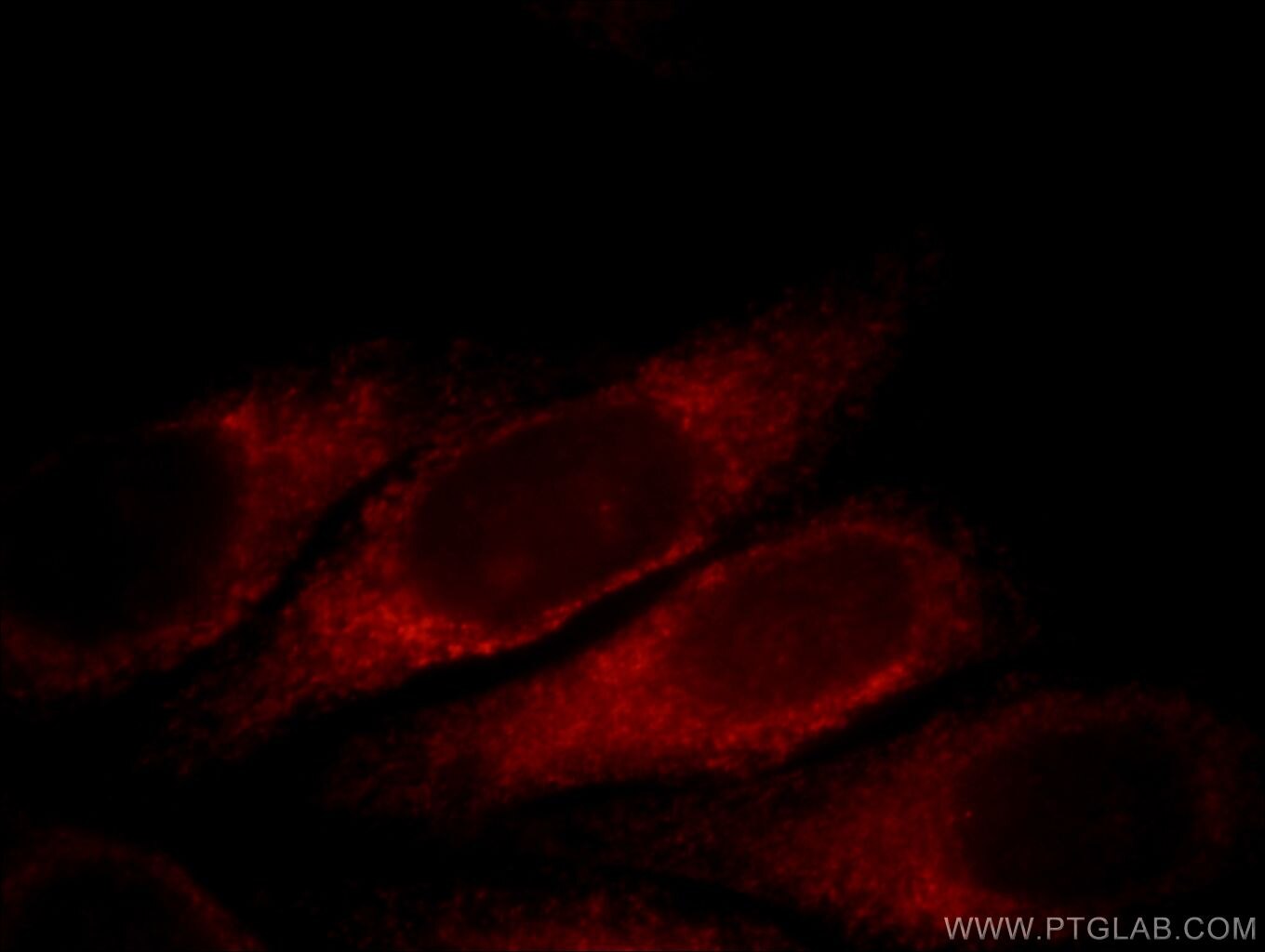
| Positive IF/ICC detected in | HepG2 cells |
Recommended dilution
| Application | Dilution |
|---|---|
| Western Blot (WB) | WB : 1:500-1:1000 |
| Immunoprecipitation (IP) | IP : 0.5-4.0 ug for 1.0-3.0 mg of total protein lysate |
| Immunohistochemistry (IHC) | IHC : 1:200-1:800 |
| Immunofluorescence (IF)/ICC | IF/ICC : 1:10-1:100 |
| It is recommended that this reagent should be titrated in each testing system to obtain optimal results. | |
| Sample-dependent, Check data in validation data gallery. | |
Product Information
11885-1-AP targets SLC4A4 in WB, IHC, IF/ICC, IP, CoIP, ELISA applications and shows reactivity with human, mouse, rat samples.
| Tested Reactivity | human, mouse, rat |
| Cited Reactivity | human, mouse, rat |
| Host / Isotype | Rabbit / IgG |
| Class | Polyclonal |
| Type | Antibody |
| Immunogen |
CatNo: Ag2490 Product name: Recombinant human SLC4A4 protein Source: e coli.-derived, PGEX-4T Tag: GST Domain: 25-354 aa of BC030977 Sequence: LRVVQPMFNHSIFTSAVSPAAERIRFILGEEDDSPAPPQLFTELDELLAVDGQEMEWKETARWIKFEEKVEQGGERWSKPHVATLSLHSLFELRTCMEKGSIMLDREASSLPQLVEMIVDHQIETGLLKPELKDKVTYTLLRKHRHQTKKSNLRSLADIGKTVSSASRMFTNPDNGSPAMTHRNLTSSSLNDISDKPEKDQLKNKFMKKLPRDAEASNVLVGEVDFLDTPFIAFVRLQQAVMLGALTEVPVPTRFLFILLGPKGKAKSYHEIGRAIATLMSDEVFHDIAYKAKDRHDLIAGIDEFLDEVIVLPPGEWDPAIRIEPPKSLP Predict reactive species |
| Full Name | solute carrier family 4, sodium bicarbonate cotransporter, member 4 |
| Calculated Molecular Weight | 121 kDa |
| Observed Molecular Weight | 121 kDa |
| GenBank Accession Number | BC030977 |
| Gene Symbol | SLC4A4 |
| Gene ID (NCBI) | 8671 |
| RRID | AB_2191458 |
| Conjugate | Unconjugated |
| Form | Liquid |
| Purification Method | Antigen affinity purification |
| UNIPROT ID | Q9Y6R1 |
| Storage Buffer | PBS with 0.02% sodium azide and 50% glycerol, pH 7.3. |
| Storage Conditions | Store at -20°C. Stable for one year after shipment. Aliquoting is unnecessary for -20oC storage. 20ul sizes contain 0.1% BSA. |
Protocols
| Product Specific Protocols | |
|---|---|
| IF protocol for SLC4A4 antibody 11885-1-AP | Download protocol |
| IHC protocol for SLC4A4 antibody 11885-1-AP | Download protocol |
| IP protocol for SLC4A4 antibody 11885-1-AP | Download protocol |
| WB protocol for SLC4A4 antibody 11885-1-AP | Download protocol |
| Standard Protocols | |
|---|---|
| Click here to view our Standard Protocols |
Publications
What published studies show
Anti-SLC4A4 (NBCe1) antibody (Cat# 11885-1-AP) has 29 citations published across 17 journals, including Molecular Cell, Cell Reports, International Immunopharmacology, American Journal of Physiology–Renal Physiology, Scientific Reports, and Frontiers in Physiology. Research fields span renal physiology (ammonia metabolism, acid–base homeostasis, nephrolithiasis), ion transport (bicarbonate/sodium cotransport), oncology (HCC, lung adenocarcinoma, prostate cancer), gastrointestinal motility, and neurobiology. Applications include WB, IHC, IF, and CoIP in human, mouse, and rat models.
| Species | Application | Title |
|---|---|---|
Mol Cell The mTORC1-SLC4A7 axis stimulates bicarbonate import to enhance de novo nucleotide synthesis. | ||
Cell Rep Carbonic anhydrase 2 facilitates sorafenib resistance by counteracting MCT4-mediated intracellular pH dysregulation in HCC | ||
Int Immunopharmacol Role of declined electrogenic Na+/HCO3- cotransporter NBCe1 in mucus barrier impairment and colonic inflammation | ||
Int Immunopharmacol SLC4A4 as a novel biomarker involved in immune system response and lung adenocarcinoma progression | ||
Int J Mol Sci Modulation of Tubular pH by Acetazolamide in a Ca2+ Transport Deficient Mice Facilitates Calcium Nephrolithiasis. | ||
Am J Physiol Cell Physiol Nascent shifts in renal cellular metabolism, structure, and function due to chronic empagliflozin in prediabetic mice |









