

Tested Applications
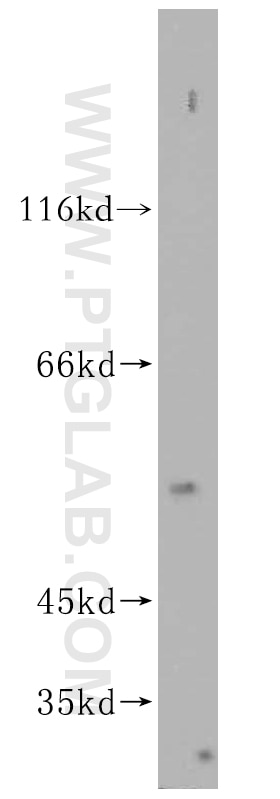
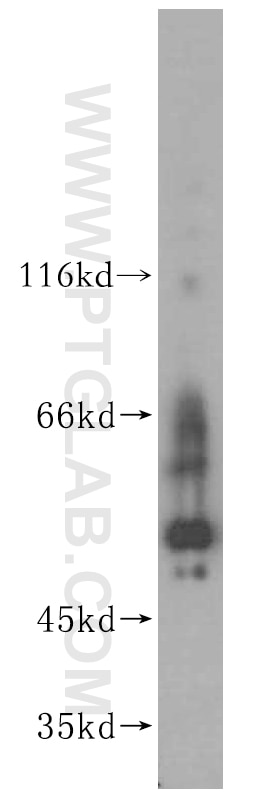
| Positive WB detected in | HepG2 cells, mouse kidney tissue |
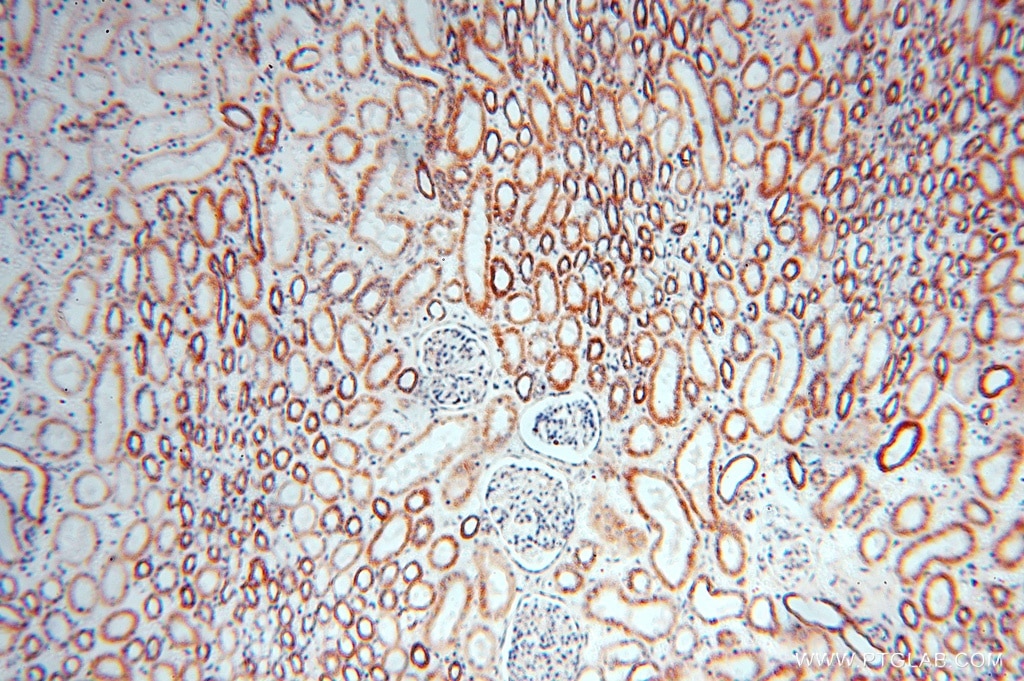
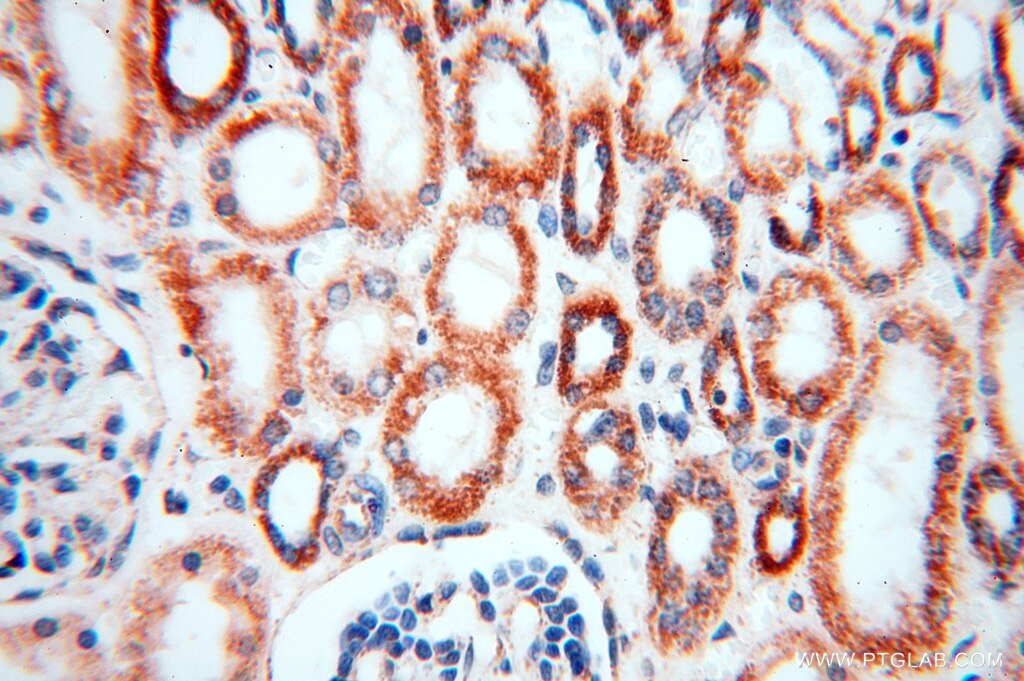
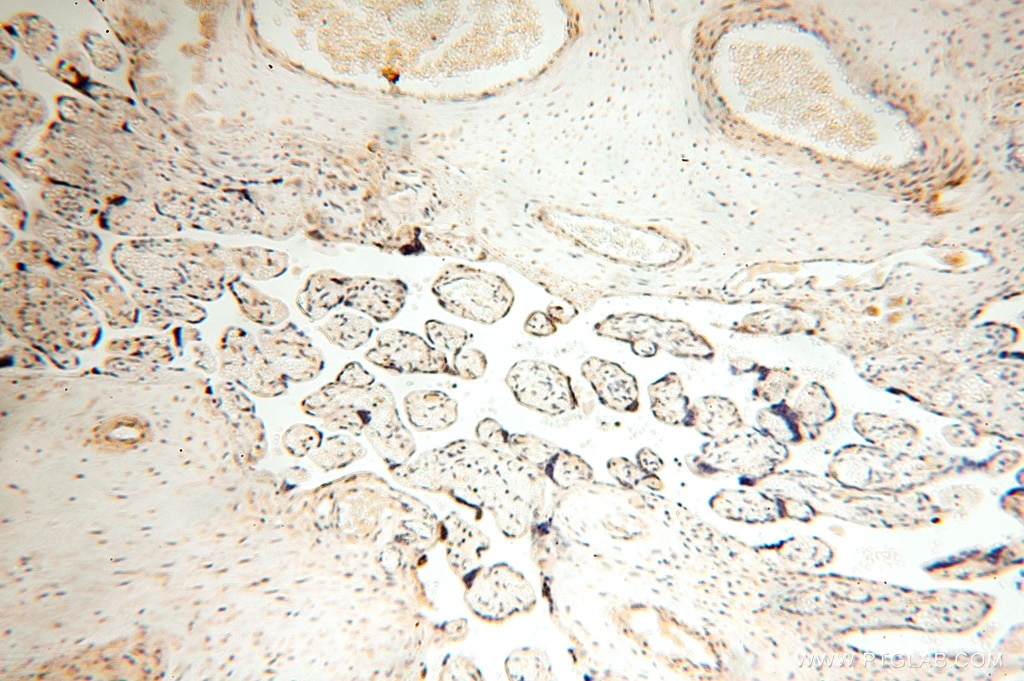
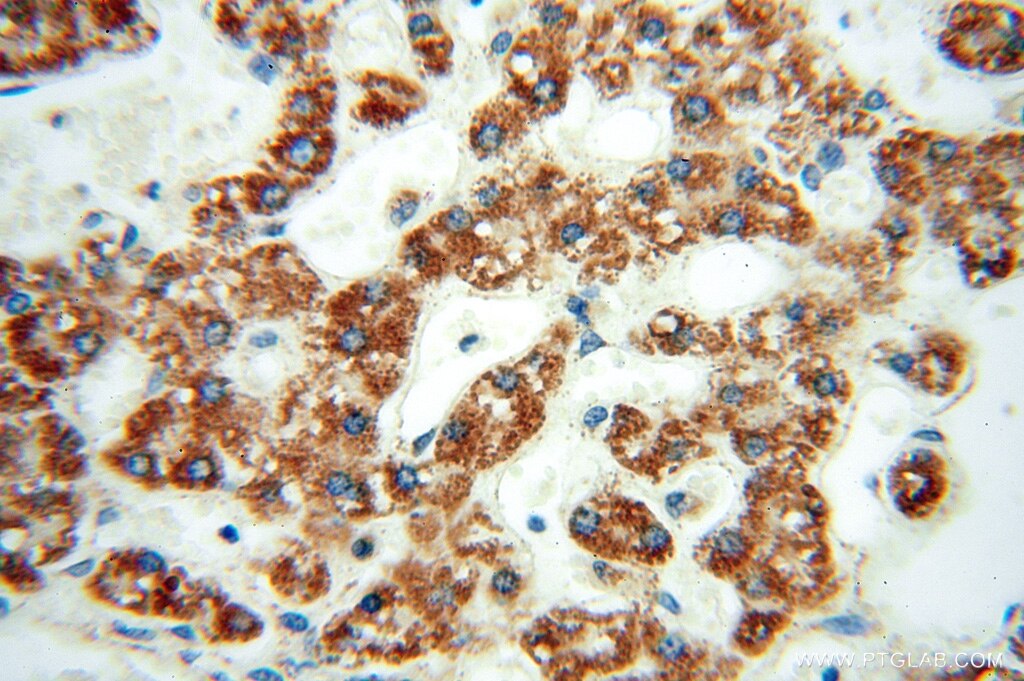
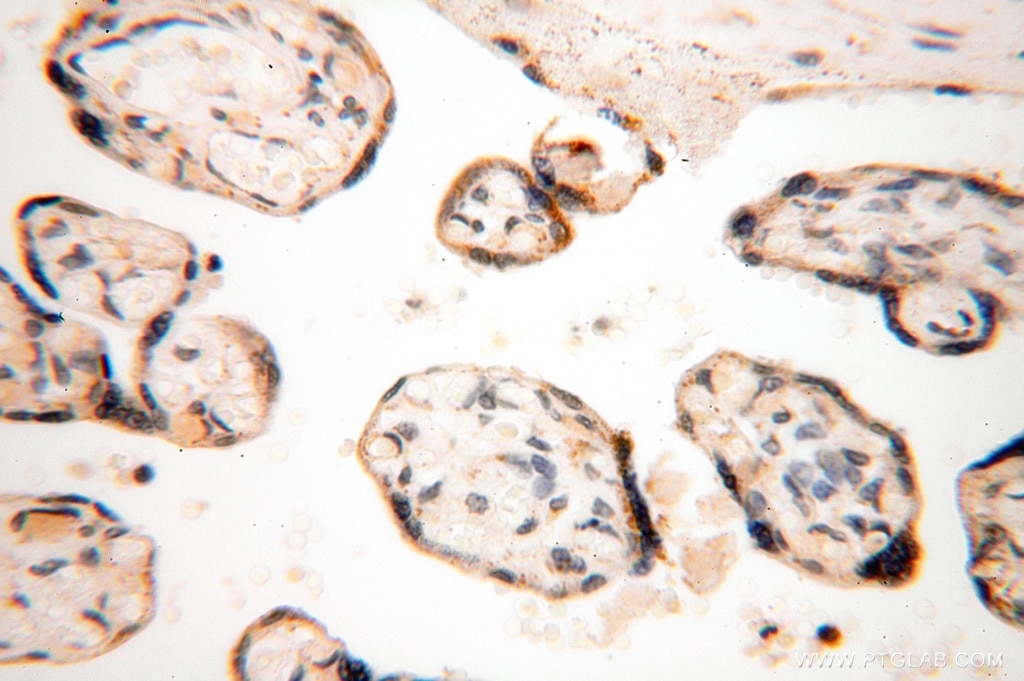
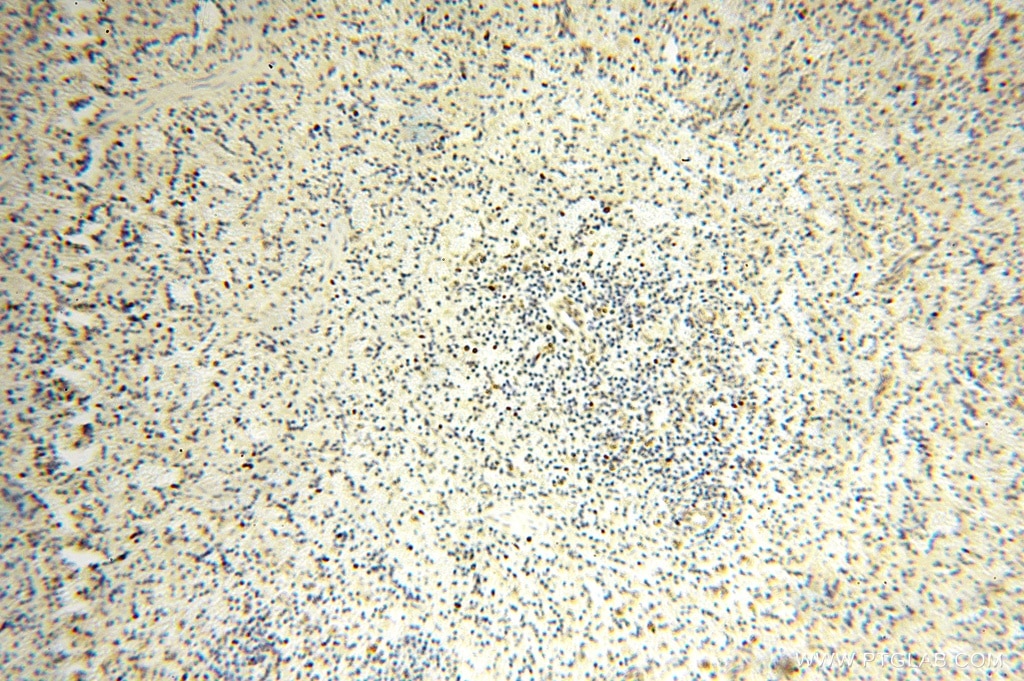
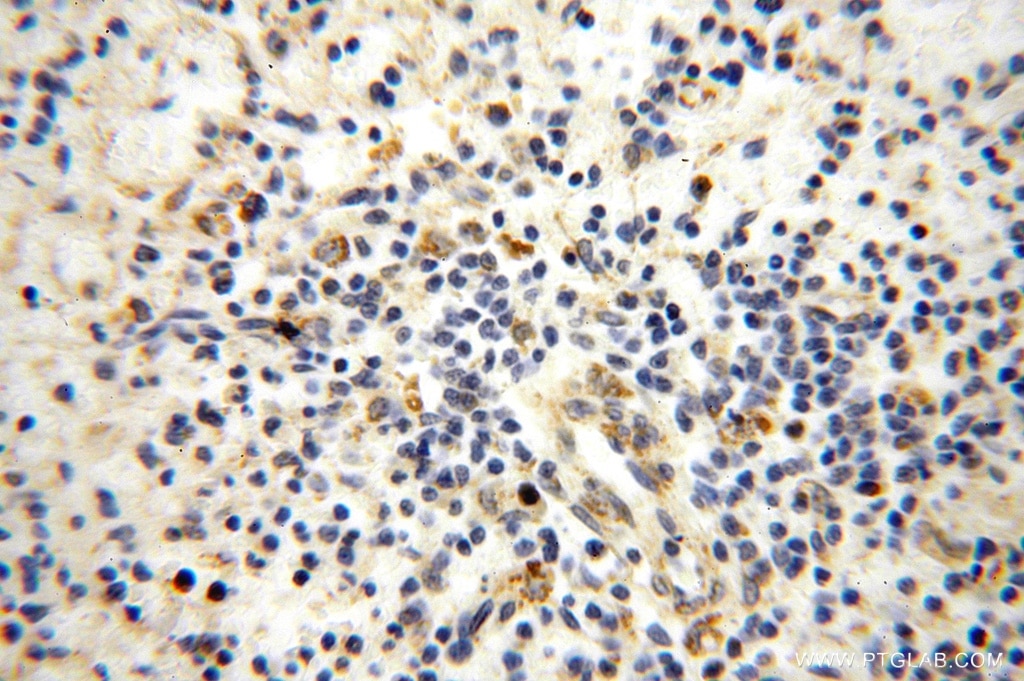
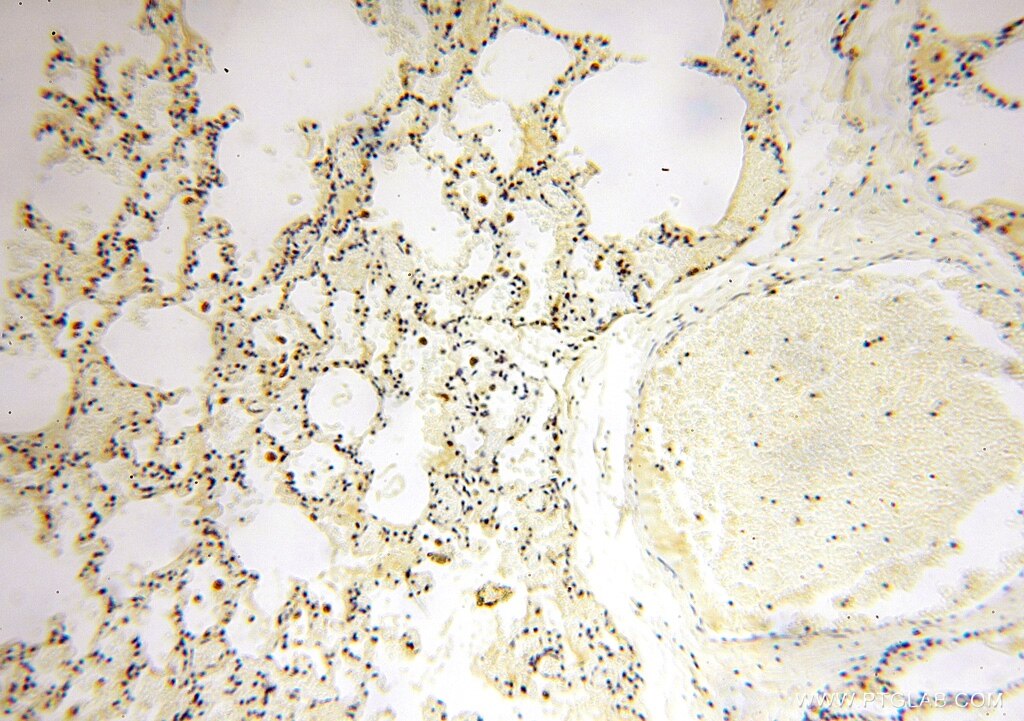
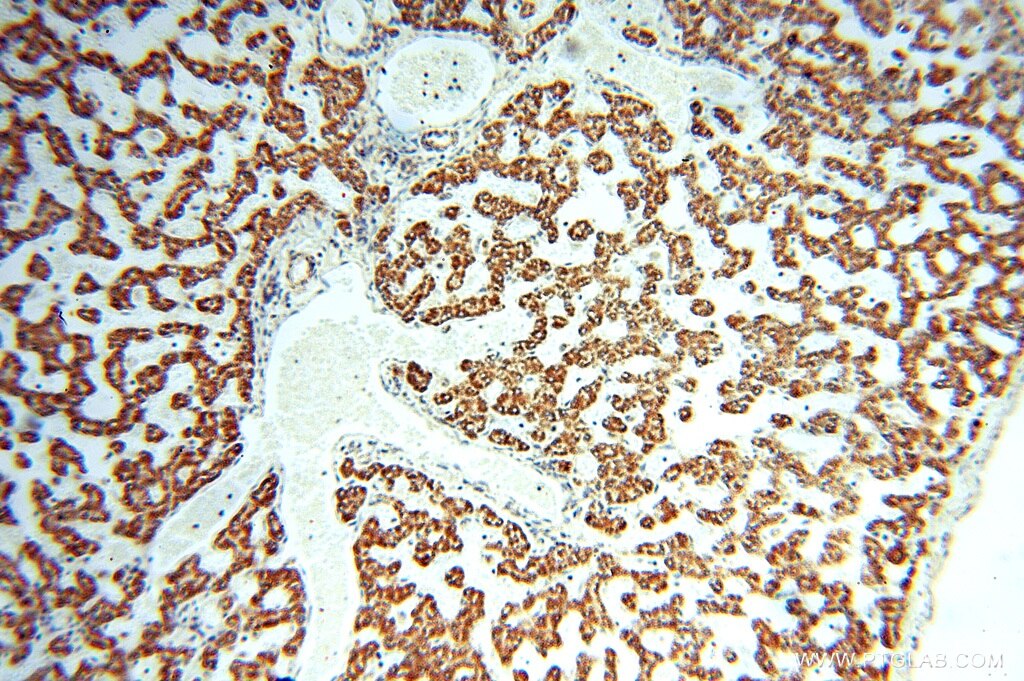
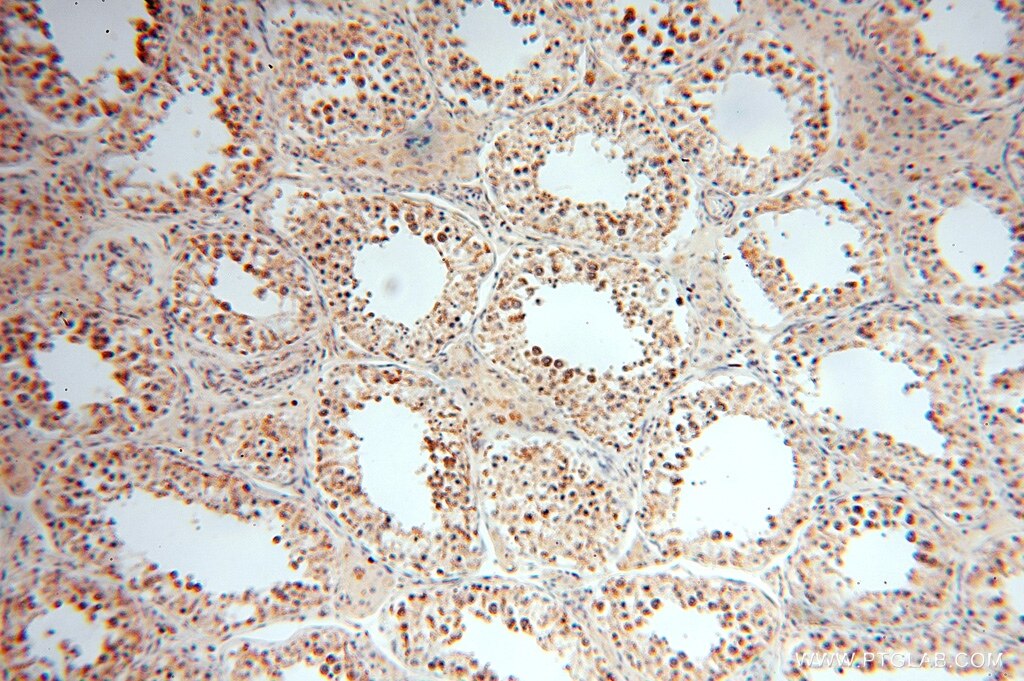
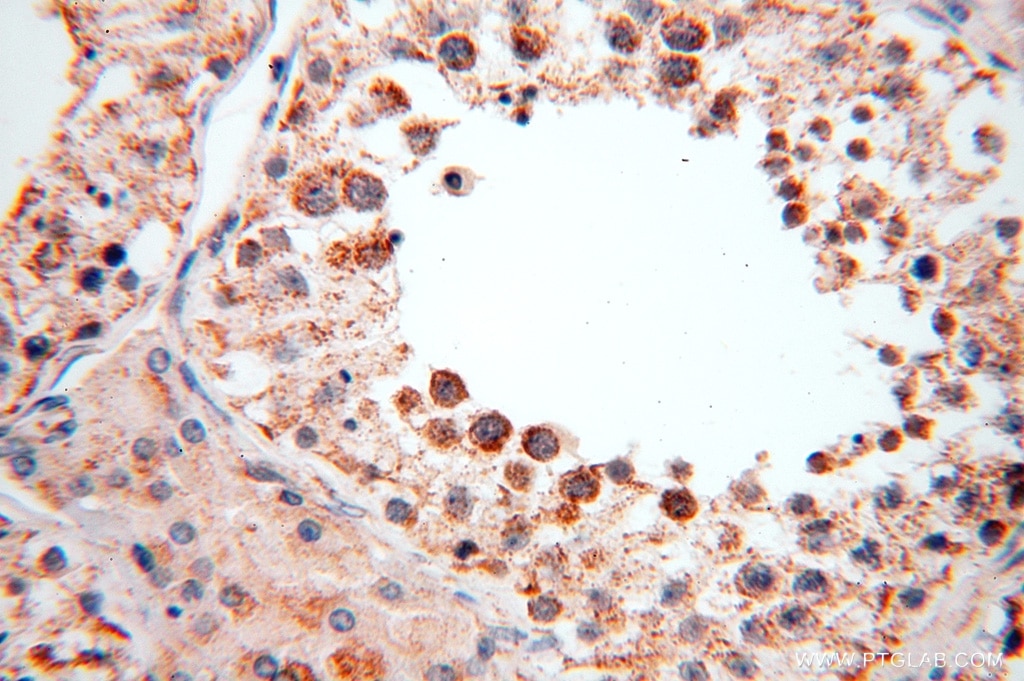
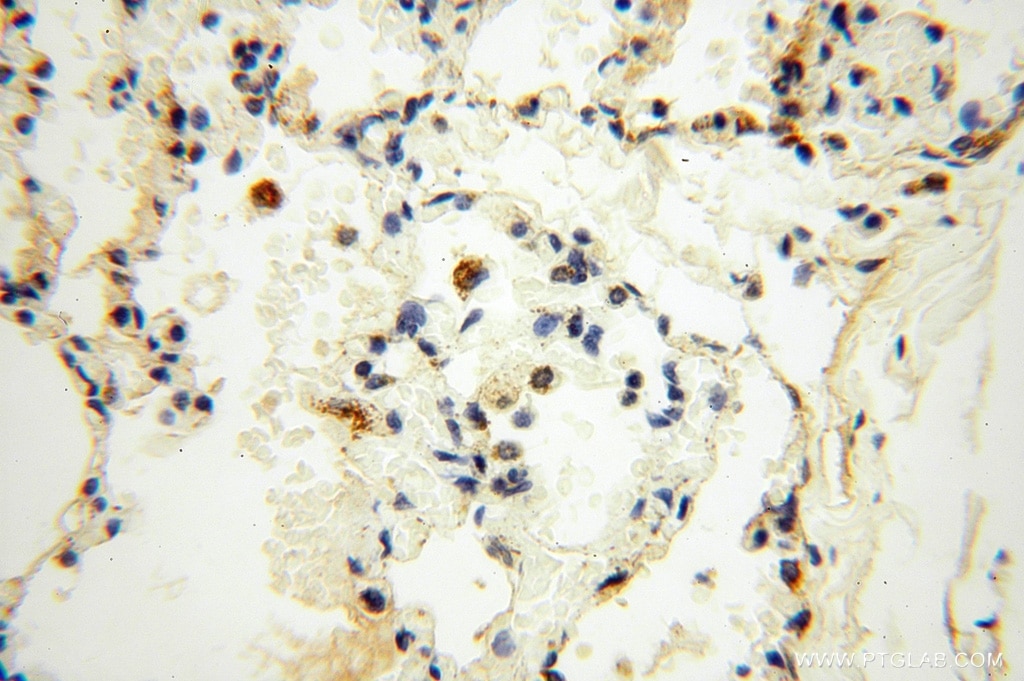
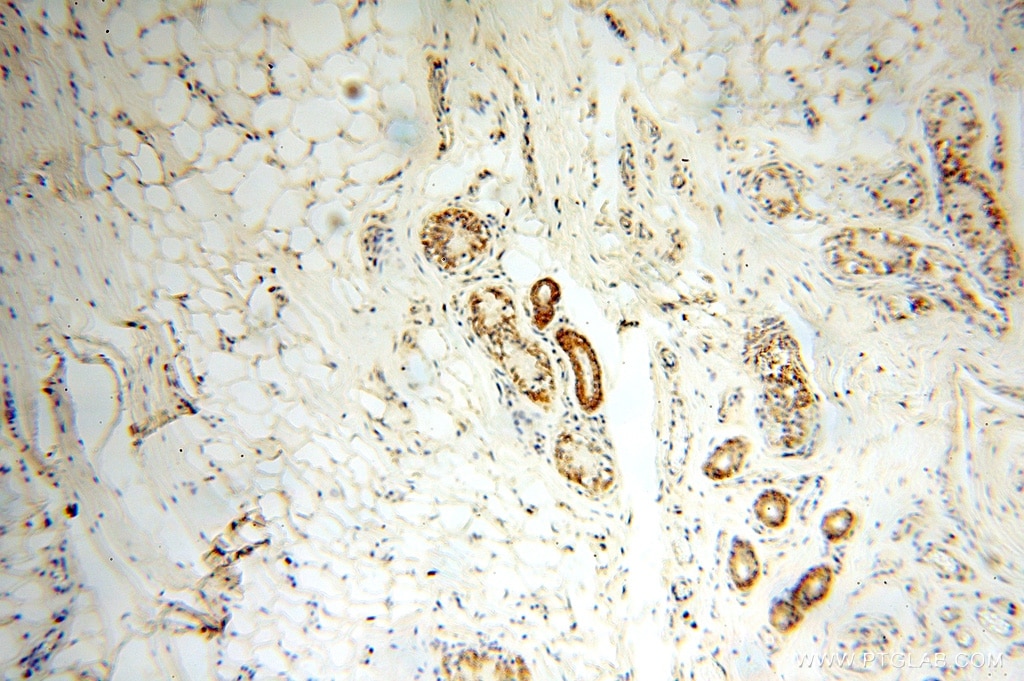
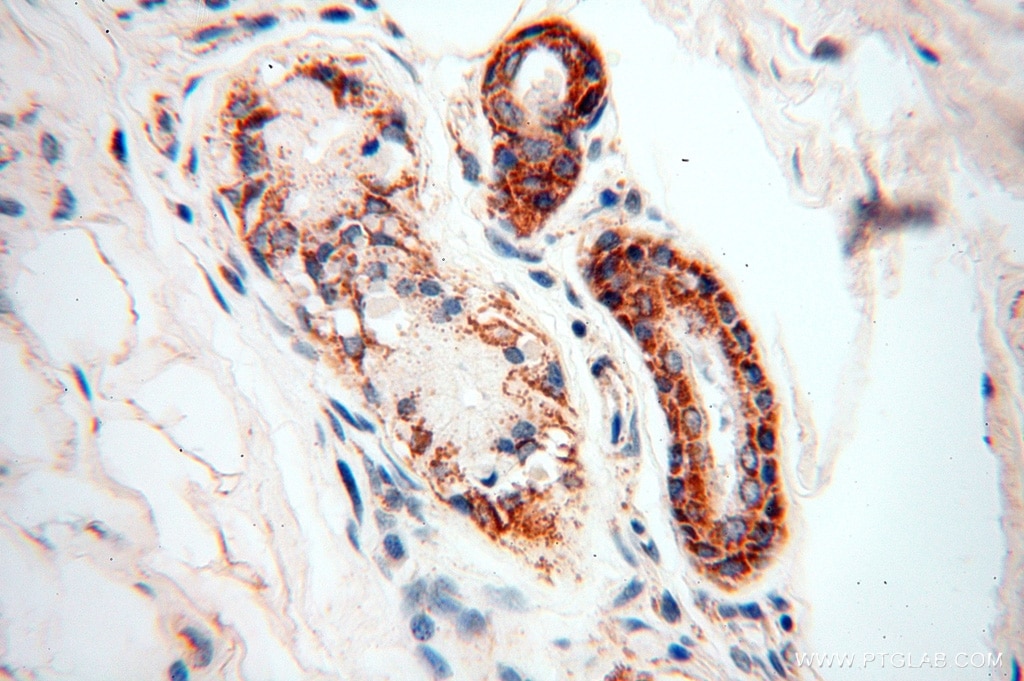
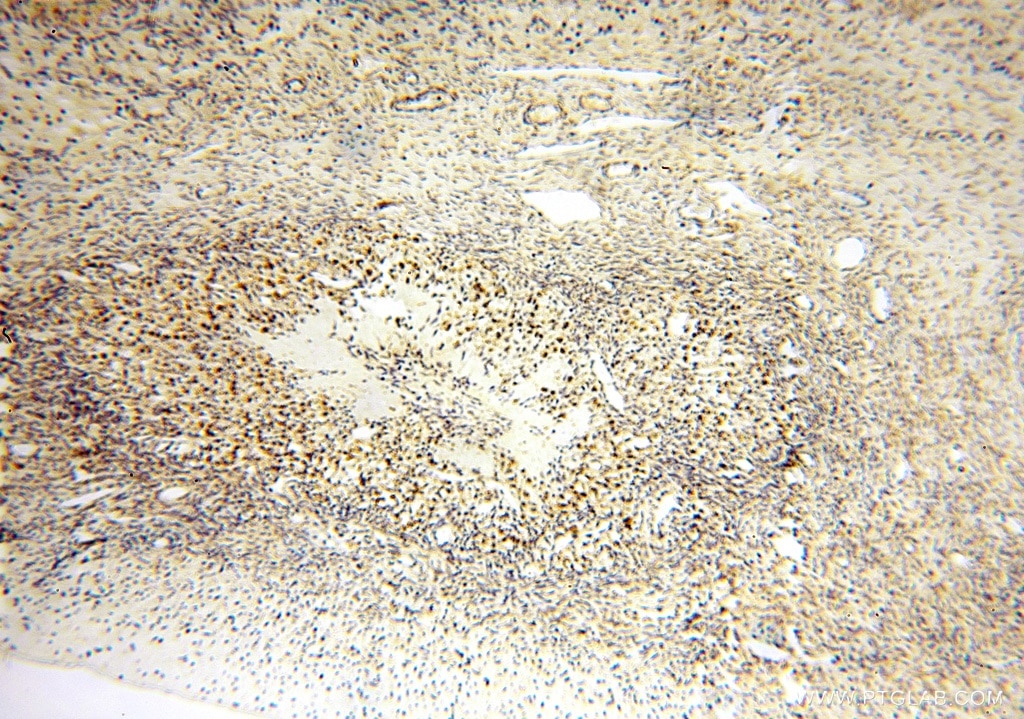
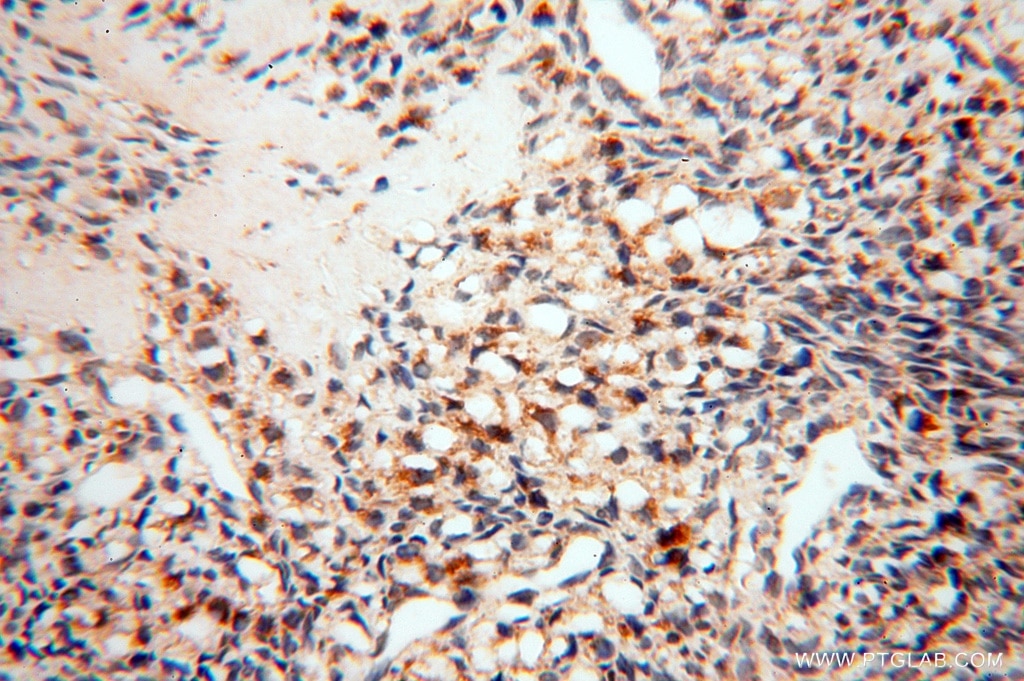
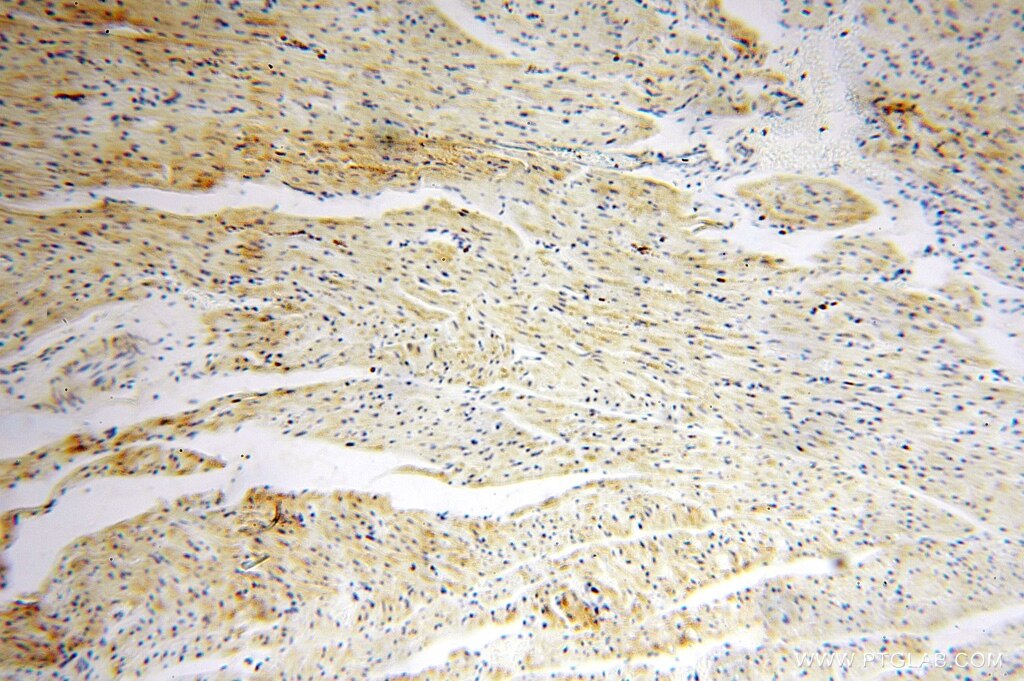
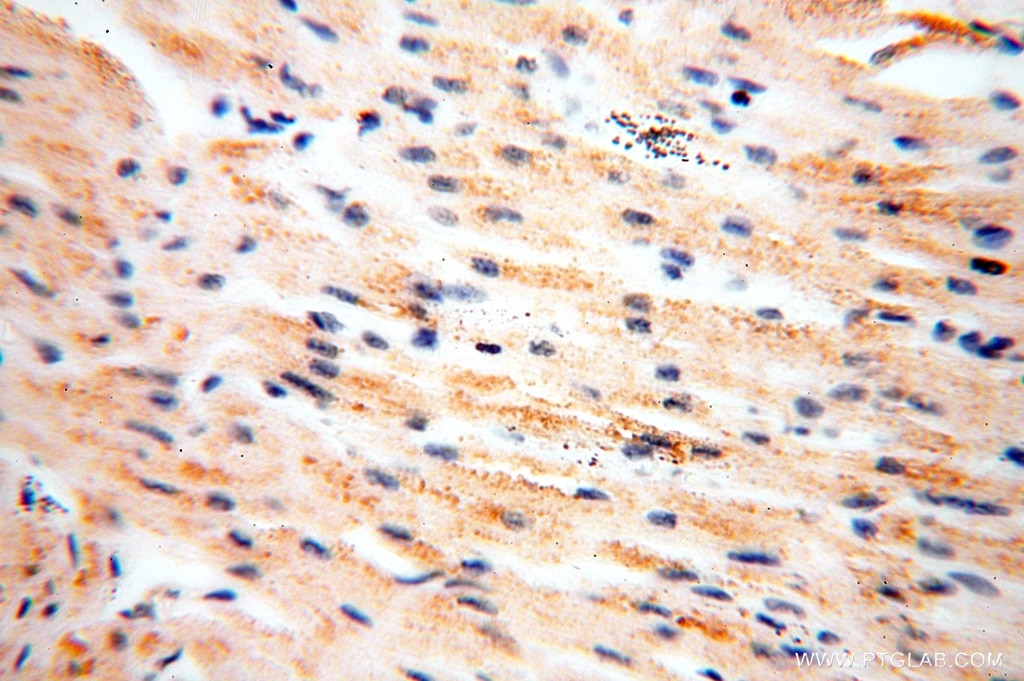
| Positive IHC detected in | human kidney tissue, human heart tissue, human liver tissue, human lung tissue, human ovary tissue, human placenta tissue, human skin tissue, human spleen tissue, human testis tissue Note: suggested antigen retrieval with TE buffer pH 9.0; (*) Alternatively, antigen retrieval may be performed with citrate buffer pH 6.0 |
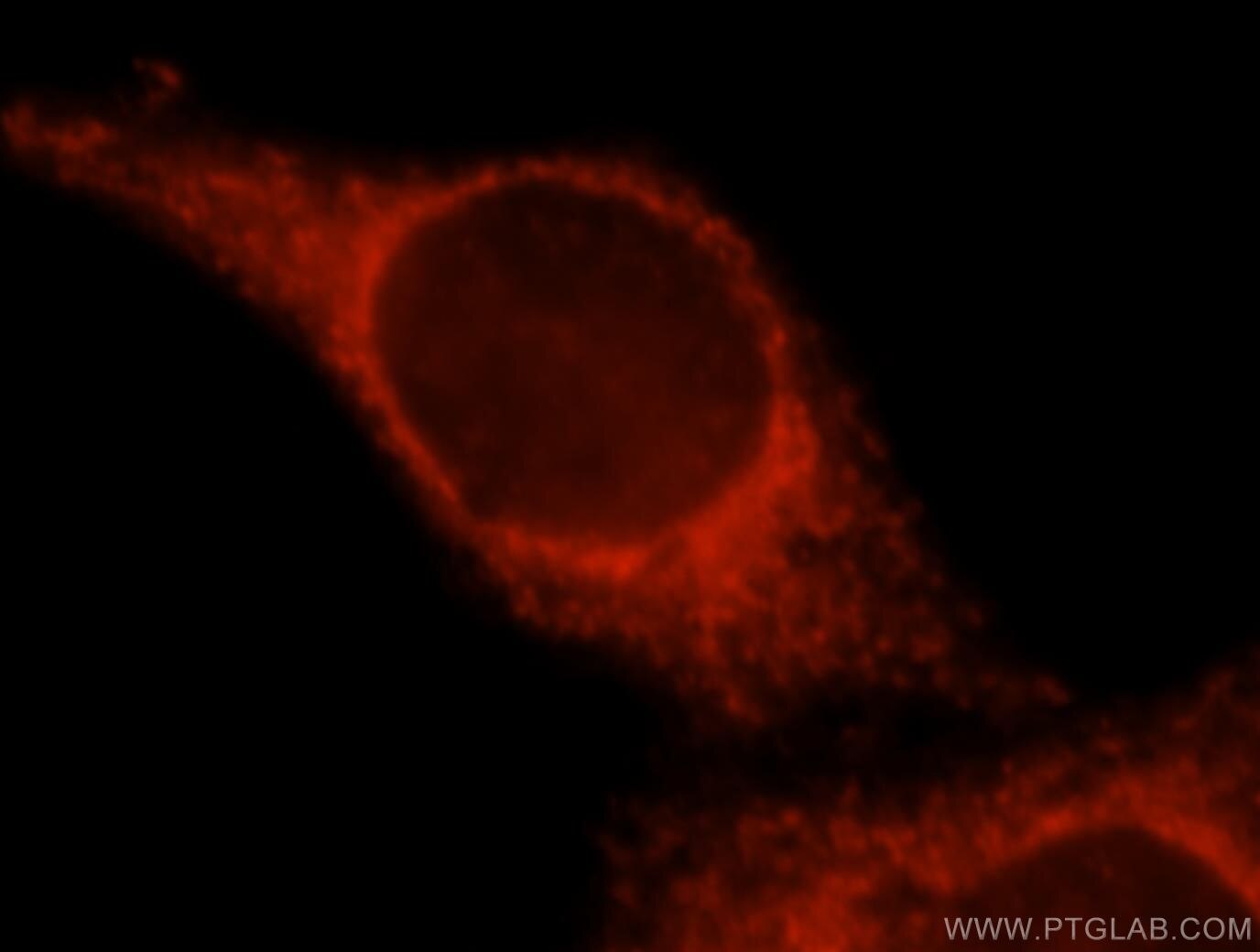
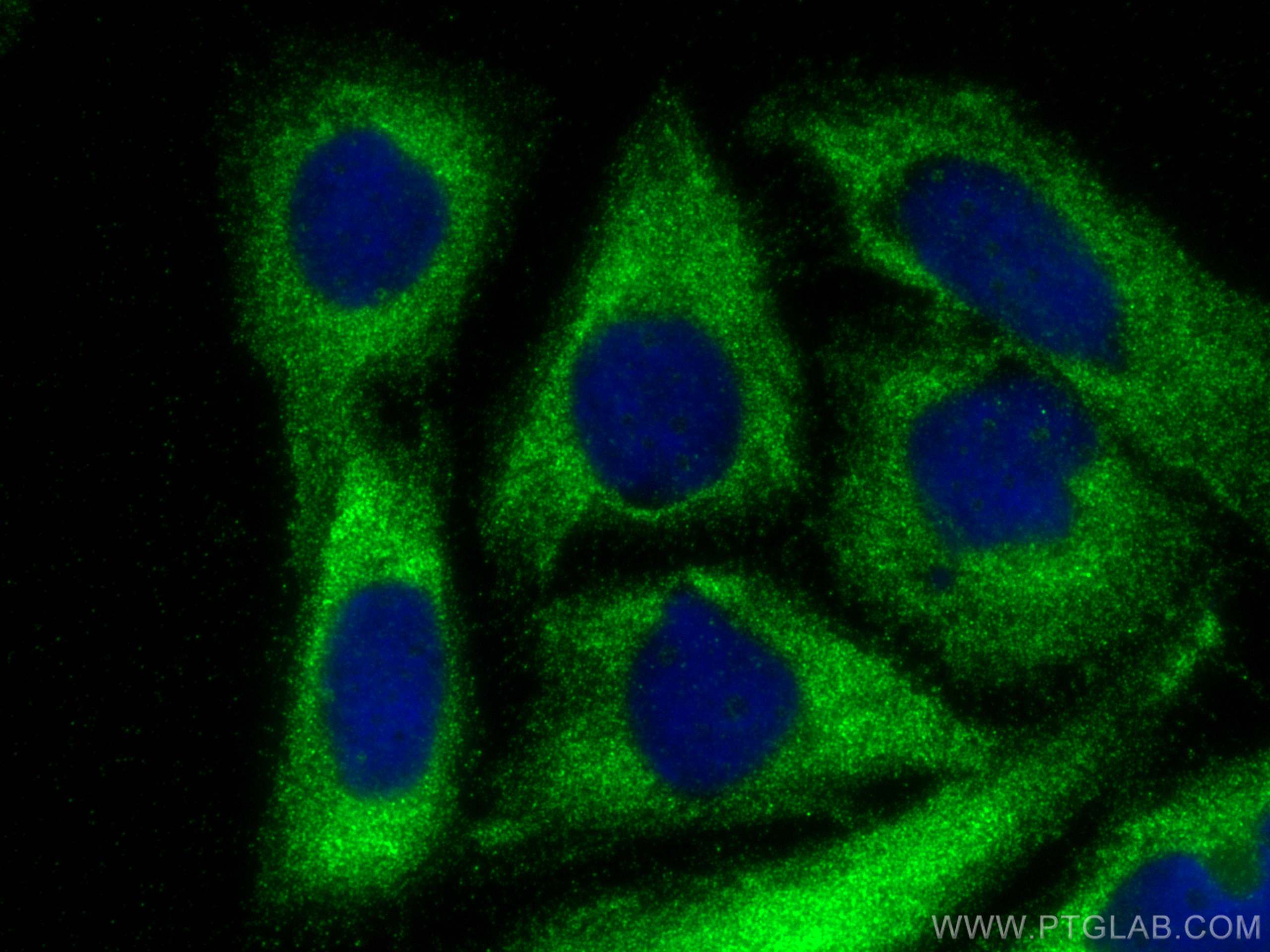
| Positive IF/ICC detected in | Saos-2 cells, HepG2 cells |
Recommended dilution
| Application | Dilution |
|---|---|
| Western Blot (WB) | WB : 1:500-1:3000 |
| Immunohistochemistry (IHC) | IHC : 1:20-1:200 |
| Immunofluorescence (IF)/ICC | IF/ICC : 1:50-1:500 |
| It is recommended that this reagent should be titrated in each testing system to obtain optimal results. | |
| Sample-dependent, Check data in validation data gallery. | |
Product Information
16938-1-AP targets SPATS2L in WB, IHC, IF/ICC, ELISA applications and shows reactivity with human, mouse samples.
| Tested Reactivity | human, mouse |
| Cited Reactivity | human, mouse |
| Host / Isotype | Rabbit / IgG |
| Class | Polyclonal |
| Type | Antibody |
| Immunogen |
CatNo: Ag10438 Product name: Recombinant human SPATS2L protein Source: e coli.-derived, PGEX-4T Tag: GST Domain: 134-488 aa of BC018736 Sequence: SILEEPSKALRGVTGPNIEKSVKDLQRCTVSLTRYRVMIKEEVDSSVKKIKAAFAELHNCIIDKEVSLMAEMDKVKEEAMEILTARQKKAEELKRLTDLASQMAEMQLAELRAEIKHFVSERKYDEELGKAARFSCDIEQLKAQIMLCGEITHPKNNYSSRTPCSSLLPLLNAHAATSGKQSNFSRKSSTHNKPSEGKAANPKMVSSLPSTADPSHQTMPANKQNGSSNQRRRFNPQYHNNRLNGPAKSQGSGNEAEPLGKGNSRHEHRRQPHNGFRPKNKGGAKNQEASLGMKTPEAPAHSEKPRRRQHAADTSEARPFRGSVGRVSQCNLCPTRIEVSTDAAVLSVPAVTLVA Predict reactive species |
| Full Name | viral DNA polymerase-transactivated protein 6 |
| Calculated Molecular Weight | 488 aa, 54 kDa |
| Observed Molecular Weight | 54-62 kDa |
| GenBank Accession Number | BC018736 |
| Gene Symbol | SPATS2L |
| Gene ID (NCBI) | 26010 |
| RRID | AB_1851075 |
| Conjugate | Unconjugated |
| Form | Liquid |
| Purification Method | Antigen affinity purification |
| UNIPROT ID | Q9NUQ6 |
| Storage Buffer | PBS with 0.02% sodium azide and 50% glycerol, pH 7.3. |
| Storage Conditions | Store at -20°C. Stable for one year after shipment. Aliquoting is unnecessary for -20oC storage. 20ul sizes contain 0.1% BSA. |
Background Information
SPATS2L encodes spermatogenesis associated and serine-rich 2-like protein, also named DNAPTP6 (DNA polymerase transactivated protein 6) in human (PMID:11230166). SPATS2L acts as an important regulator of β2-adrenergic receptor down-regulation (PubMed: 25562107). MiR-1269a down-regulates the expression of SPATS2L and LRP6, thereby inhibiting the proliferation of liver cancer cells (PMID: 28081866, PMID:35252180). SPATS2L has several isoforms by alternative splicing.
Protocols
| Product Specific Protocols | |
|---|---|
| IF protocol for SPATS2L antibody 16938-1-AP | Download protocol |
| IHC protocol for SPATS2L antibody 16938-1-AP | Download protocol |
| WB protocol for SPATS2L antibody 16938-1-AP | Download protocol |
| Standard Protocols | |
|---|---|
| Click here to view our Standard Protocols |
Publications
What published studies show
The SPATS2L Polyclonal antibody (Cat# 16938-1-AP) has 4 citations. These appear in Science Advances, Journal of Translational Medicine, Frontiers in Cell and Developmental Biology, and Scientific Reports. The research fields span stress granule assembly in neurons, acute myeloid leukemia (JAK2/STAT3/STAT5 axis), glioma survival prediction via RNA-binding protein signatures, and DNA methylation profiles in recurrent miscarriage. Applications cited include WB, IHC, and IF across human and mouse species.
| Species | Application | Title |
|---|---|---|
J Transl Med Spermatogenesis associated serine rich 2 like plays a prognostic factor and therapeutic target in acute myeloid leukemia by regulating the JAK2/STAT3/STAT5 axis
| ||
Front Cell Dev Biol A Novel Signature Constructed by RNA-Binding Protein Coding Genes to Improve Overall Survival Prediction of Glioma Patients. | ||
Sci Rep Characteristic DNA methylation profiles of chorionic villi in recurrent miscarriage.
|























