

Tested Applications
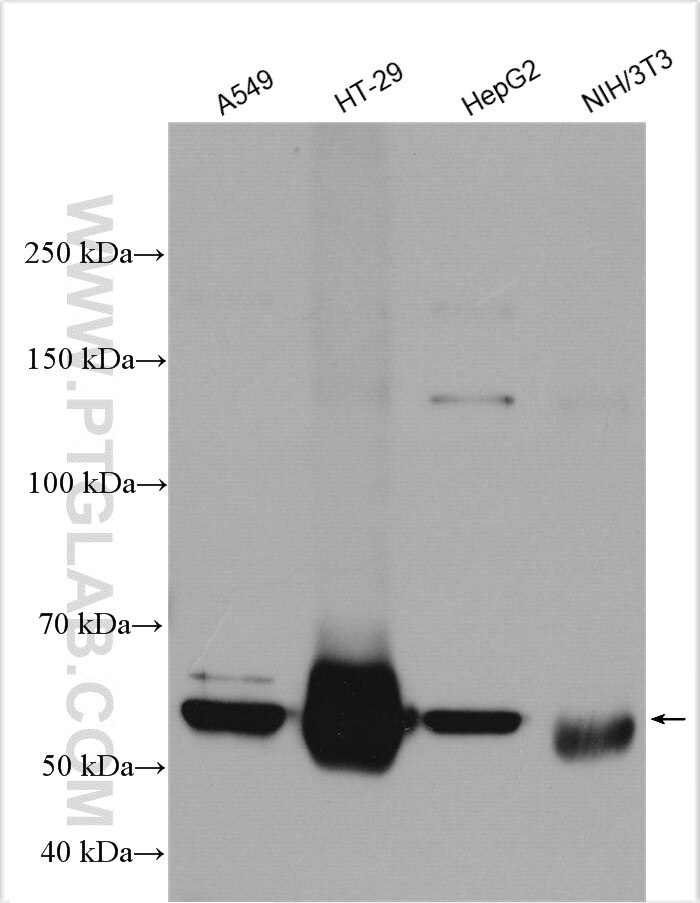
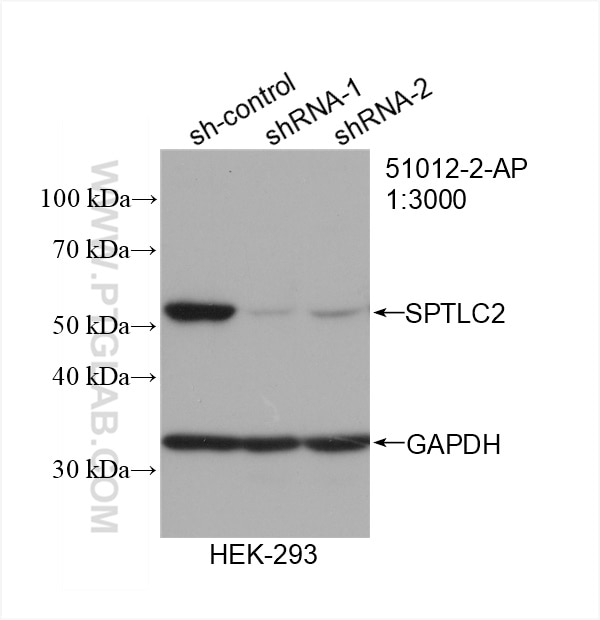
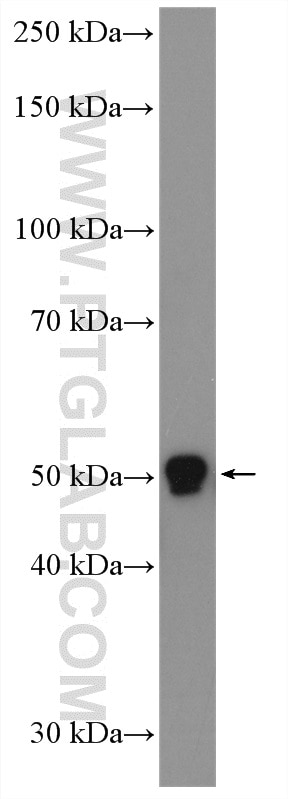
| Positive WB detected in | A549 cells, mouse brain tissue, HEK-293 cells, HT-29 cells, HepG2 cells, NIH/3T3 cells |
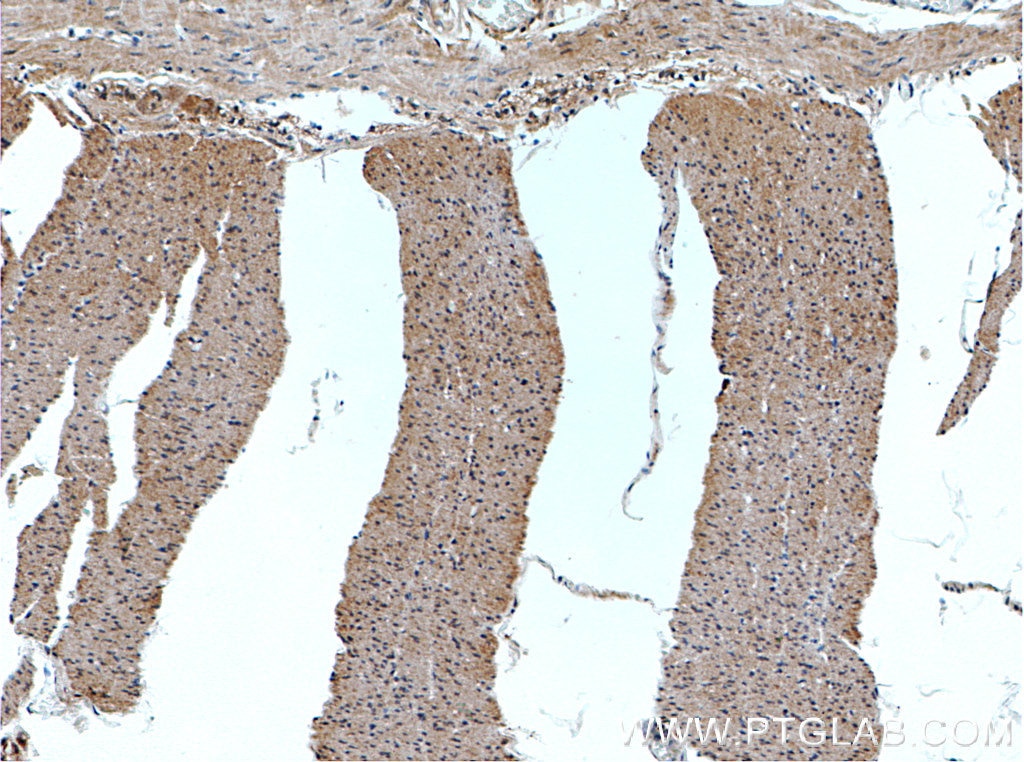
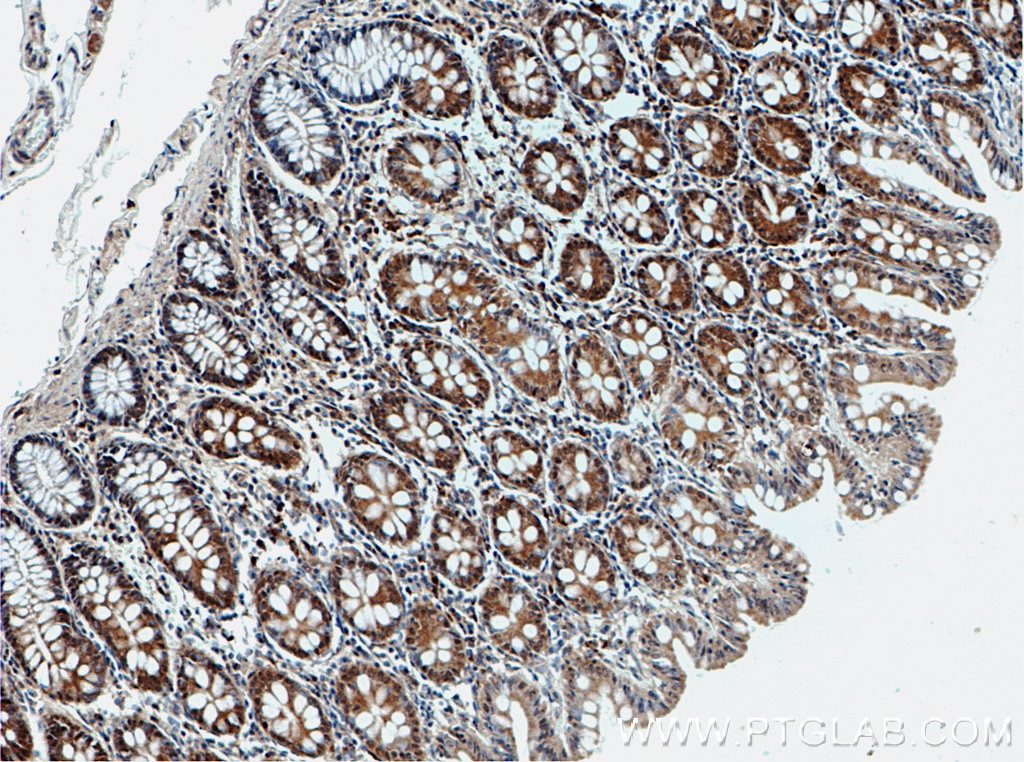
| Positive IHC detected in | human colon tissue Note: suggested antigen retrieval with TE buffer pH 9.0; (*) Alternatively, antigen retrieval may be performed with citrate buffer pH 6.0 |
Recommended dilution
| Application | Dilution |
|---|---|
| Western Blot (WB) | WB : 1:1000-1:6000 |
| Immunohistochemistry (IHC) | IHC : 1:50-1:500 |
| It is recommended that this reagent should be titrated in each testing system to obtain optimal results. | |
| Sample-dependent, Check data in validation data gallery. | |
Product Information
51012-2-AP targets SPTLC2 in WB, IHC, IF, IP, CoIP, ELISA applications and shows reactivity with human, mouse samples.
| Tested Reactivity | human, mouse |
| Cited Reactivity | human, mouse, rat |
| Host / Isotype | Rabbit / IgG |
| Class | Polyclonal |
| Type | Antibody |
| Immunogen |
Peptide Predict reactive species |
| Full Name | serine palmitoyltransferase, long chain base subunit 2 |
| Calculated Molecular Weight | 63 kDa |
| Observed Molecular Weight | 55-65 kDa |
| GenBank Accession Number | BC005123 |
| Gene Symbol | SPTLC2 |
| Gene ID (NCBI) | 9517 |
| RRID | AB_2195870 |
| Conjugate | Unconjugated |
| Form | Liquid |
| Purification Method | Antigen affinity purification |
| UNIPROT ID | O15270 |
| Storage Buffer | PBS with 0.02% sodium azide and 50% glycerol, pH 7.3. |
| Storage Conditions | Store at -20°C. Stable for one year after shipment. Aliquoting is unnecessary for -20oC storage. 20ul sizes contain 0.1% BSA. |
Background Information
Serine palmitoyltransferase long chain base subunit 2 (SPTLC2) is one of the subunits of the heterodimeric molecule Serine palmitoyltransferase (SPT). Sptlc2 deficiency not only affected T cell sphingolipid anabolism but also led to prolonged activation of the mechanistic target of rapamycin complex 1 (PMID: 30952607).
Protocols
| Product Specific Protocols | |
|---|---|
| IHC protocol for SPTLC2 antibody 51012-2-AP | Download protocol |
| WB protocol for SPTLC2 antibody 51012-2-AP | Download protocol |
| Standard Protocols | |
|---|---|
| Click here to view our Standard Protocols |
Publications
What published studies show
51012-2-AP (Anti-SPTLC2) has accumulated 24 citations in high-impact journals including Nature, Cell Metabolism, Nature Metabolism, Nature Microbiology, Gastroenterology, Brain, and the Journal of Biological Chemistry. The associated research fields encompass sphingolipid metabolism, cancer biology, liver disease, cardiovascular disease, obesity, diabetes, neurodegeneration, and viral infection.
| Species | Application | Title |
|---|---|---|
Nature Glycosphingolipid synthesis mediates immune evasion in KRAS-driven cancer
| ||
Cell Metab Altered sphingolipid biosynthetic flux and lipoprotein trafficking contribute to trans-fat-induced atherosclerosis
| ||
Gastroenterology IRE1A Stimulates Hepatocyte-Derived Extracellular Vesicles That Promote Inflammation in Mice With Steatohepatitis. | ||
Nat Metab m6A modification-tuned sphingolipid metabolism regulates postnatal liver development in male mice | ||
Nat Microbiol Sphingolipid biosynthesis induces a conformational change in the murine norovirus receptor and facilitates viral infection. | ||
Brain SPTSSA variants alter sphingolipid synthesis and cause a complex hereditary spastic paraplegia |
Reviews
What customers say
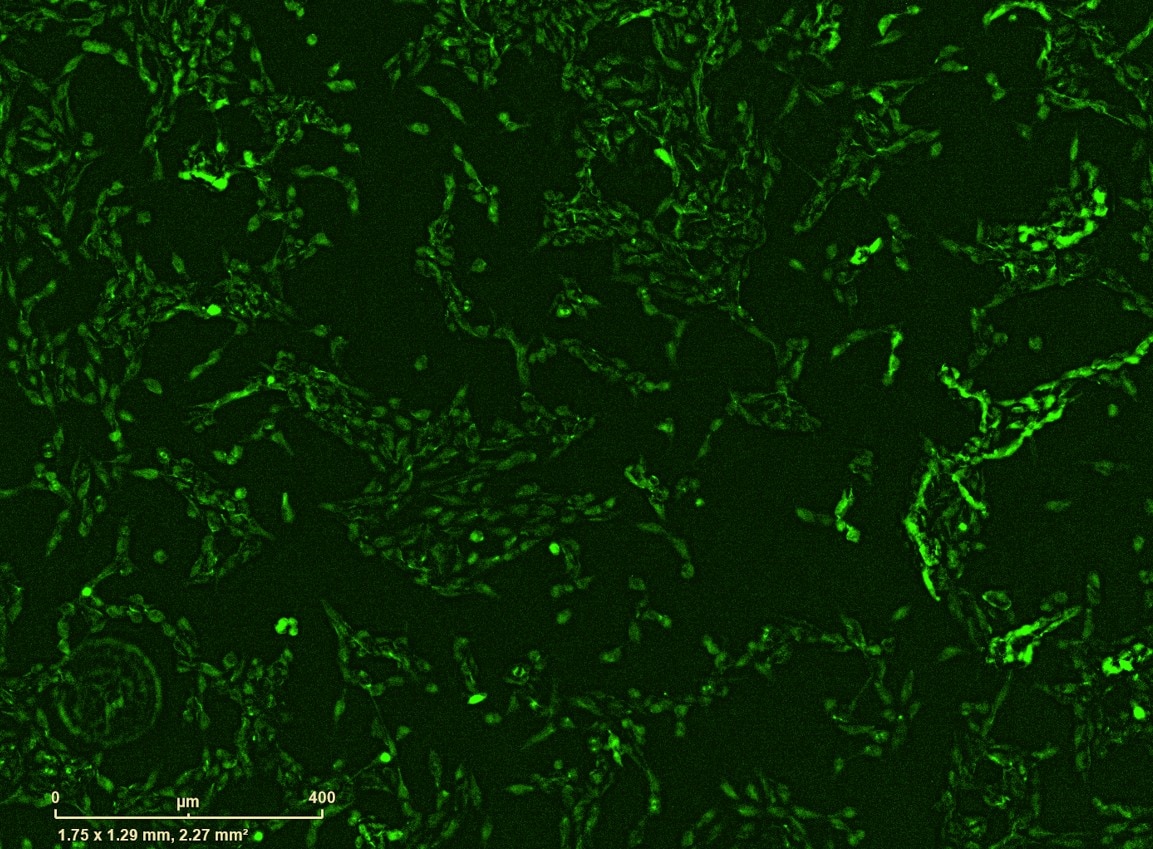
One verified user rated this product 5 out of 5 stars. The reviewer used it for immunofluorescence at a 1:300 dilution on retinal pigment epithelial cells and reported good IF staining results. Overall, the feedback is positive, indicating reliable performance for IF applications.
The reviews below have been submitted by verified Proteintech customers who received an incentive for providing their feedback.
Nancy (Verified Customer) (01-29-2026) | Good IF staining.
 |






