

Tested Applications
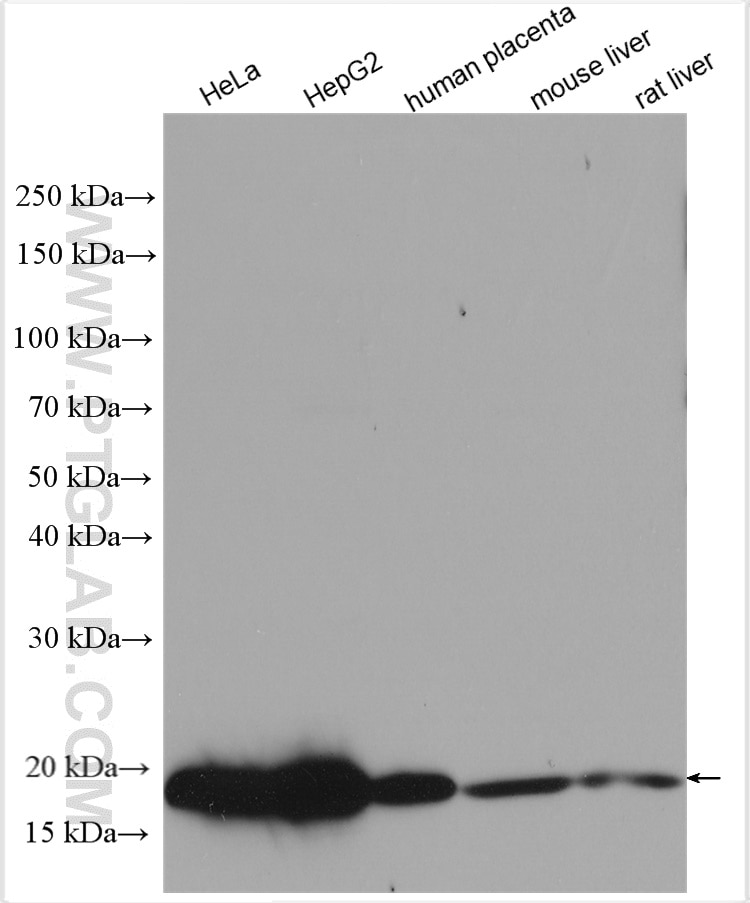
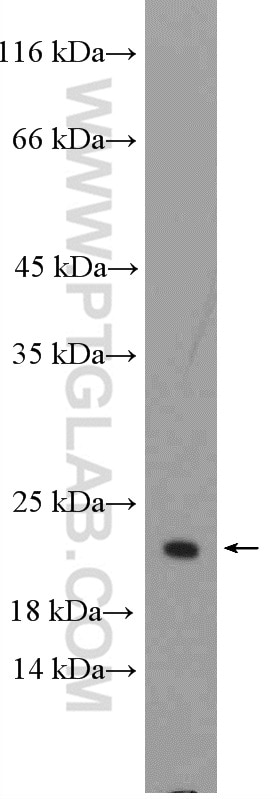
| Positive WB detected in | HeLa cells, human placenta tissue, HepG2 cells, mouse liver tissue, rat liver tissue |
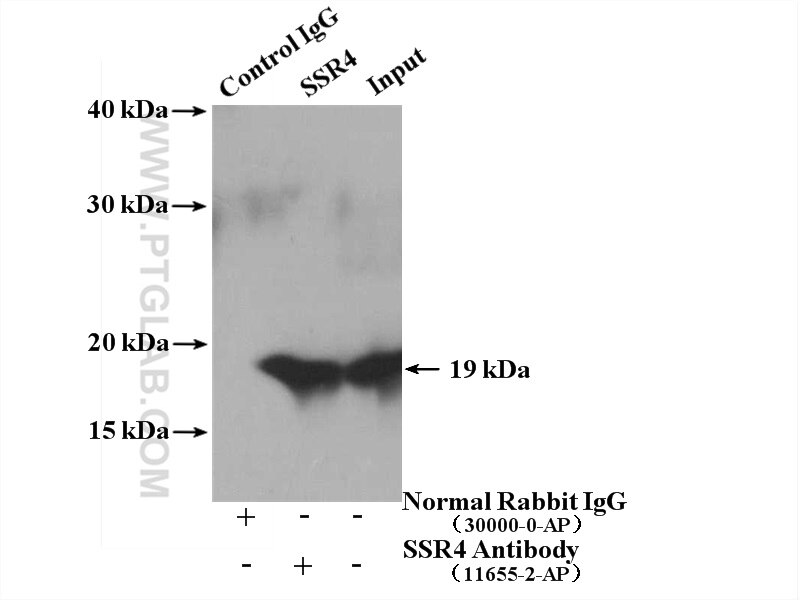
| Positive IP detected in | HeLa cells |
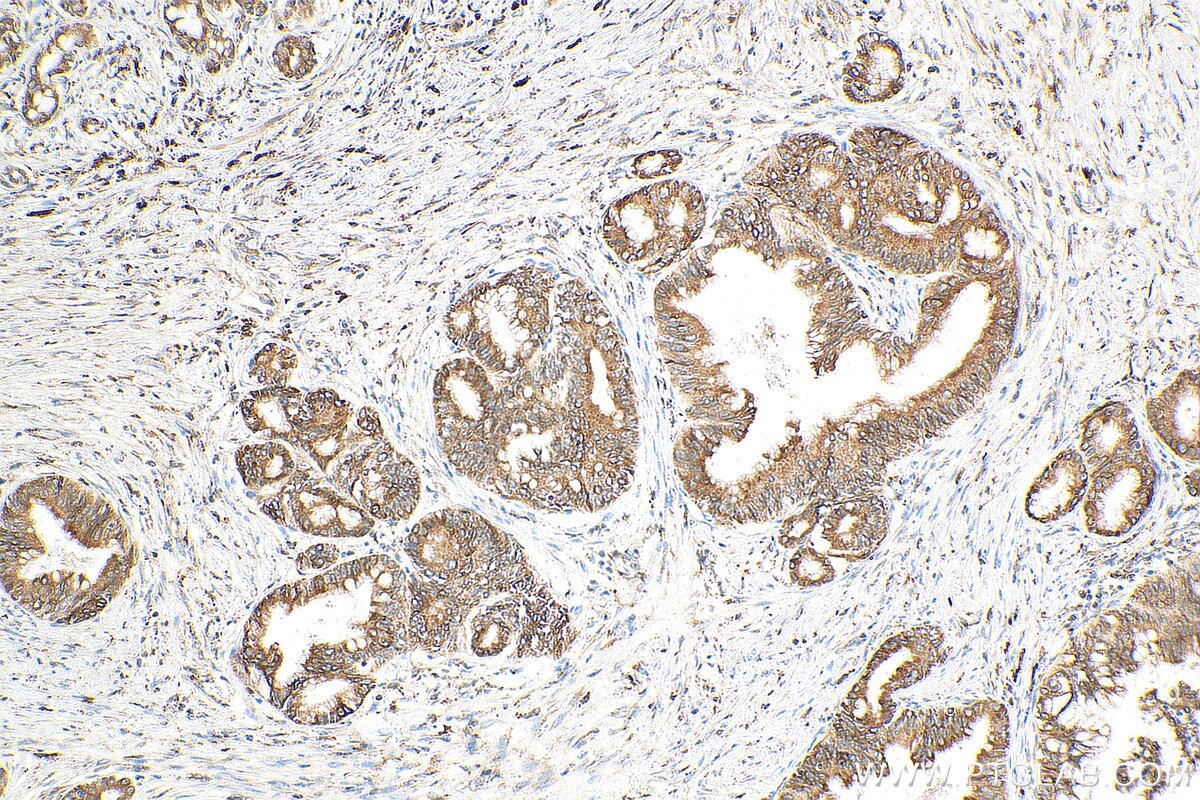
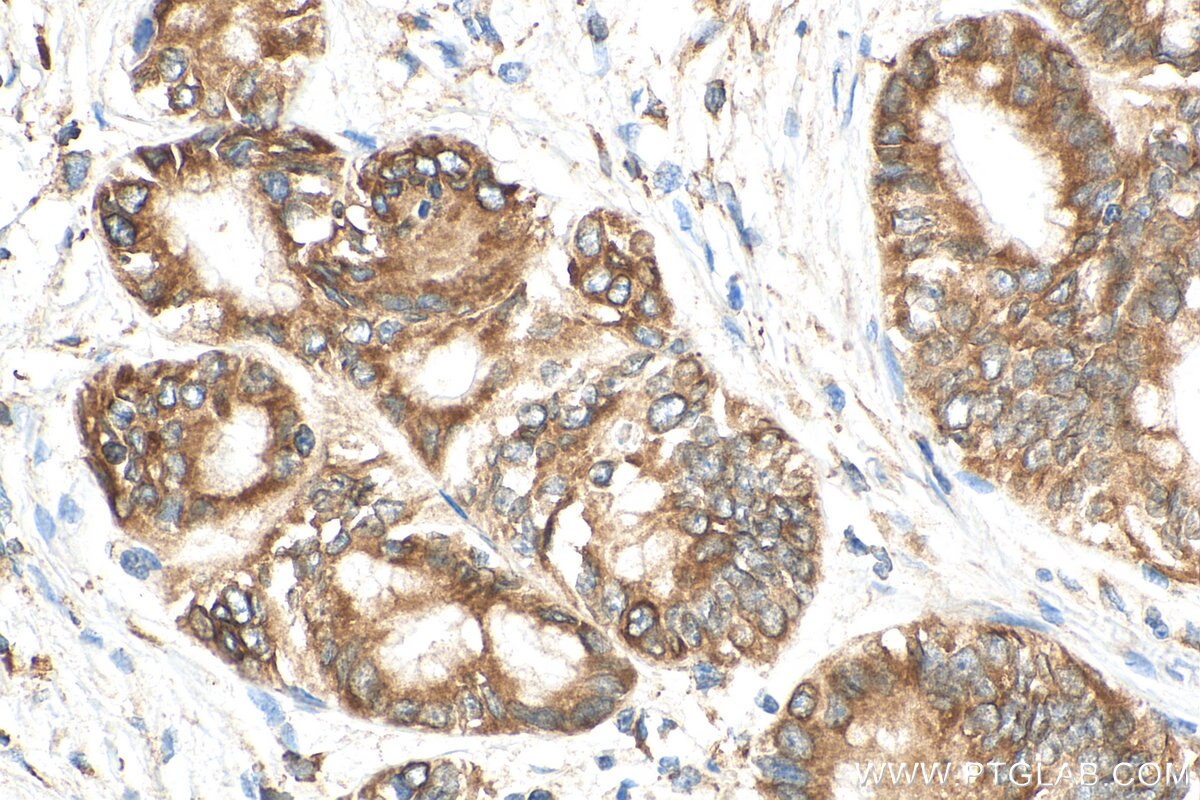
| Positive IHC detected in | human pancreas cancer tissue Note: suggested antigen retrieval with TE buffer pH 9.0; (*) Alternatively, antigen retrieval may be performed with citrate buffer pH 6.0 |
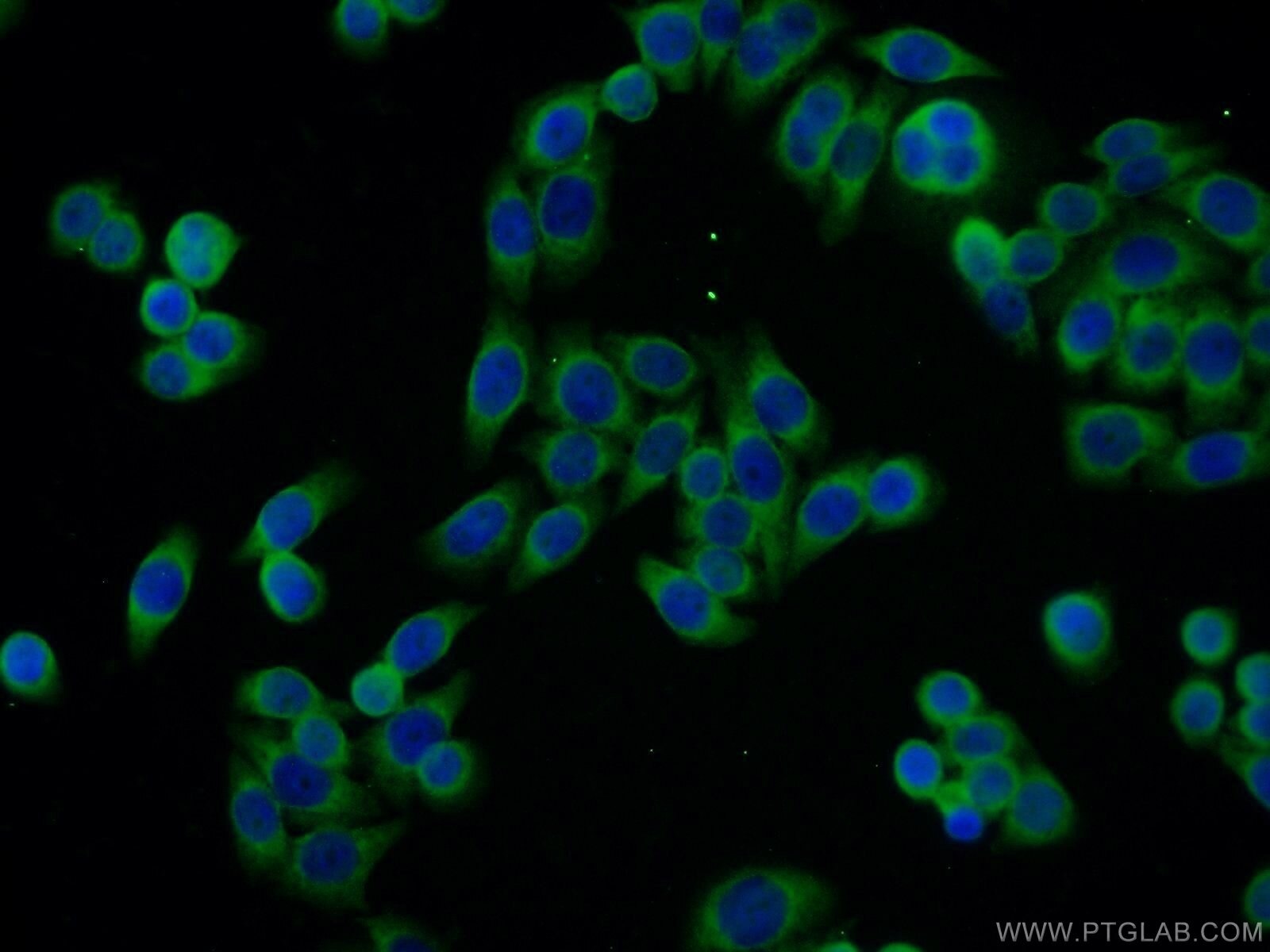
| Positive IF/ICC detected in | HeLa cells |
Recommended dilution
| Application | Dilution |
|---|---|
| Western Blot (WB) | WB : 1:1000-1:8000 |
| Immunoprecipitation (IP) | IP : 0.5-4.0 ug for 1.0-3.0 mg of total protein lysate |
| Immunohistochemistry (IHC) | IHC : 1:50-1:500 |
| Immunofluorescence (IF)/ICC | IF/ICC : 1:10-1:100 |
| It is recommended that this reagent should be titrated in each testing system to obtain optimal results. | |
| Sample-dependent, Check data in validation data gallery. | |
Product Information
11655-2-AP targets SSR4 in WB, IHC, IF/ICC, IP, ELISA applications and shows reactivity with human, mouse, rat samples.
| Tested Reactivity | human, mouse, rat |
| Cited Reactivity | human, pig |
| Host / Isotype | Rabbit / IgG |
| Class | Polyclonal |
| Type | Antibody |
| Immunogen |
CatNo: Ag2250 Product name: Recombinant human SSR4 protein Source: e coli.-derived, PGEX-4T Tag: GST Domain: 1-173 aa of BC003371 Sequence: MAAMASLGALALLLLSSLSRCSAEACLEPQITPSYYTTSDAVISTETVFIVEISLTCKNRVQNMALYADVGGKQFPVTRGQDVGRYQVSWSLDHKSAHAGTYEVRFFDEESYSLLRKAQRNNEDISIIPPLFTVSVDHRGTWNGPWVSTEVLAAAIGLVIYYLAFSAKSHIQA Predict reactive species |
| Full Name | signal sequence receptor, delta (translocon-associated protein delta) |
| Calculated Molecular Weight | 173 aa, 19 kDa |
| Observed Molecular Weight | 19 kDa |
| GenBank Accession Number | BC003371 |
| Gene Symbol | SSR4 |
| Gene ID (NCBI) | 6748 |
| RRID | AB_2195738 |
| Conjugate | Unconjugated |
| Form | Liquid |
| Purification Method | Antigen affinity purification |
| UNIPROT ID | P51571 |
| Storage Buffer | PBS with 0.02% sodium azide and 50% glycerol, pH 7.3. |
| Storage Conditions | Store at -20°C. Stable for one year after shipment. Aliquoting is unnecessary for -20oC storage. 20ul sizes contain 0.1% BSA. |
Background Information
Signal sequence receptor subunit delta (SSR4, or TRAPD) gene encodes the translocon-associated proteins subunit delta, which is about 19-kDa and is located at endoplasmic reticulum (ER) membrane, the translocon-associated proteins complex functions to bind calcium to the ER membrane and thereby regulate the retention of ER resident proteins. TRAP-delta can form heterotetramer with other TRAP homolog TRAP-alpha, TRAP-beta and TRAP-gamma.
Protocols
| Product Specific Protocols | |
|---|---|
| IF protocol for SSR4 antibody 11655-2-AP | Download protocol |
| IHC protocol for SSR4 antibody 11655-2-AP | Download protocol |
| IP protocol for SSR4 antibody 11655-2-AP | Download protocol |
| WB protocol for SSR4 antibody 11655-2-AP | Download protocol |
| Standard Protocols | |
|---|---|
| Click here to view our Standard Protocols |
Publications
What published studies show
The SSR4 Polyclonal antibody (catalog number 11655-2-AP) has 9 citations. These appear in journals including Science Advances, Frontiers in Immunology, European Journal of Pharmacology, Expert Review of Molecular Diagnostics, Journal of Virology, Cancer Medicine, BMC Medical Genomics, Journal of Cancer Prevention, and Nature Cell Biology. The research fields span endoplasmic reticulum stress and glycosylation quality control, esophageal and colorectal cancer biomarkers, immune infiltration, necroptosis in periodontitis, viral infection (PRRSV), and cancer proteome regulation.
| Species | Application | Title |
|---|---|---|
Sci Adv The translocon-associated protein (TRAP) complex regulates quality control of N-linked glycosylation during ER stress. | ||
Front Immunol Unveiling SSR4: a promising biomarker in esophageal squamous cell carcinoma | ||
Eur J Pharmacol Eeyarestatin I (ESI)-induced ERAD inhibition exhibits anti-cancer activity through multiple mechanisms in human colorectal cancer cells | ||
Expert Rev Mol Diagn SSR4 as a prognostic biomarker and related with immune infiltration cells in colon adenocarcinoma. | ||
J Virol The host protein SSR4 mediates PRRSV-induced endoplasmic reticulum stress via interaction with Nsp2.
| ||
Cancer Med Predicting Outcomes in Esophageal Squamous Cell Carcinoma Using scRNA-Seq and Bulk RNA-Seq: A Model Development and Validation Study |







