

Tested Applications
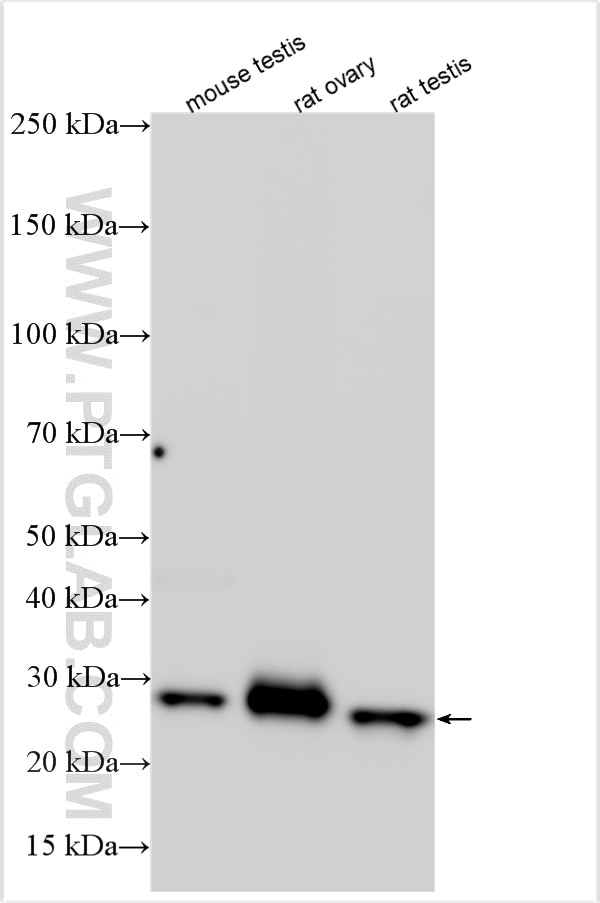
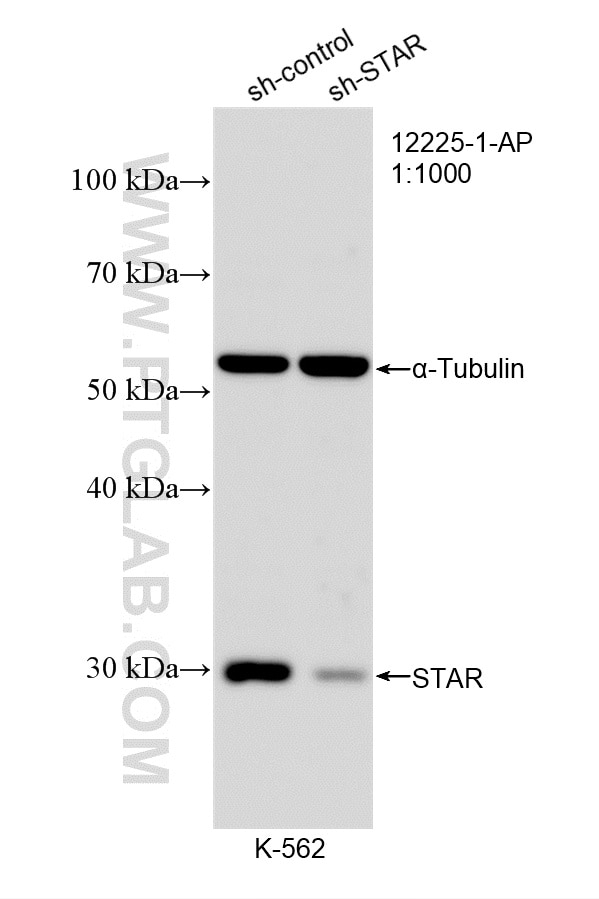
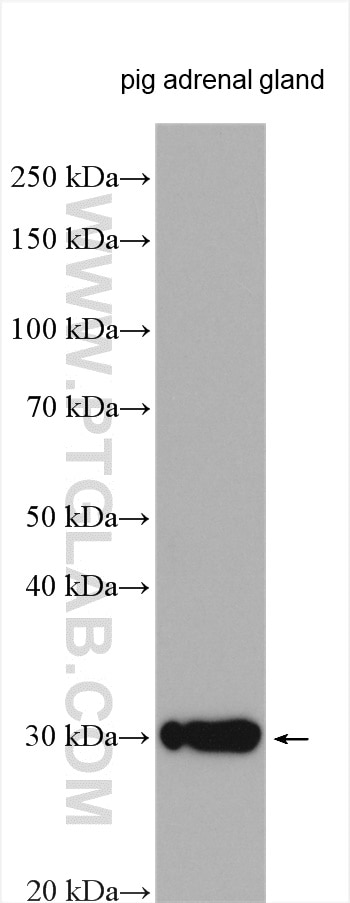
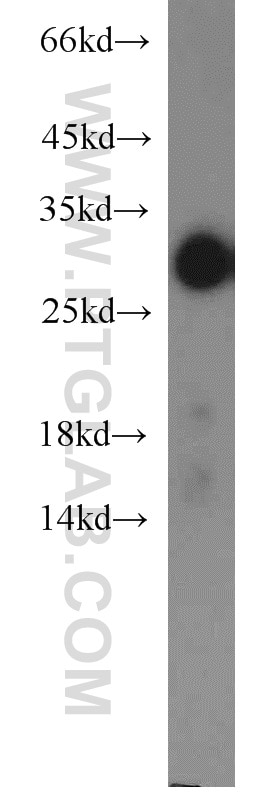
| Positive WB detected in | mouse testis tissue, human adrenal gland tissue, K-562 cells, pig adrenal gland tissue, rat ovary tissue, rat testis tissue |
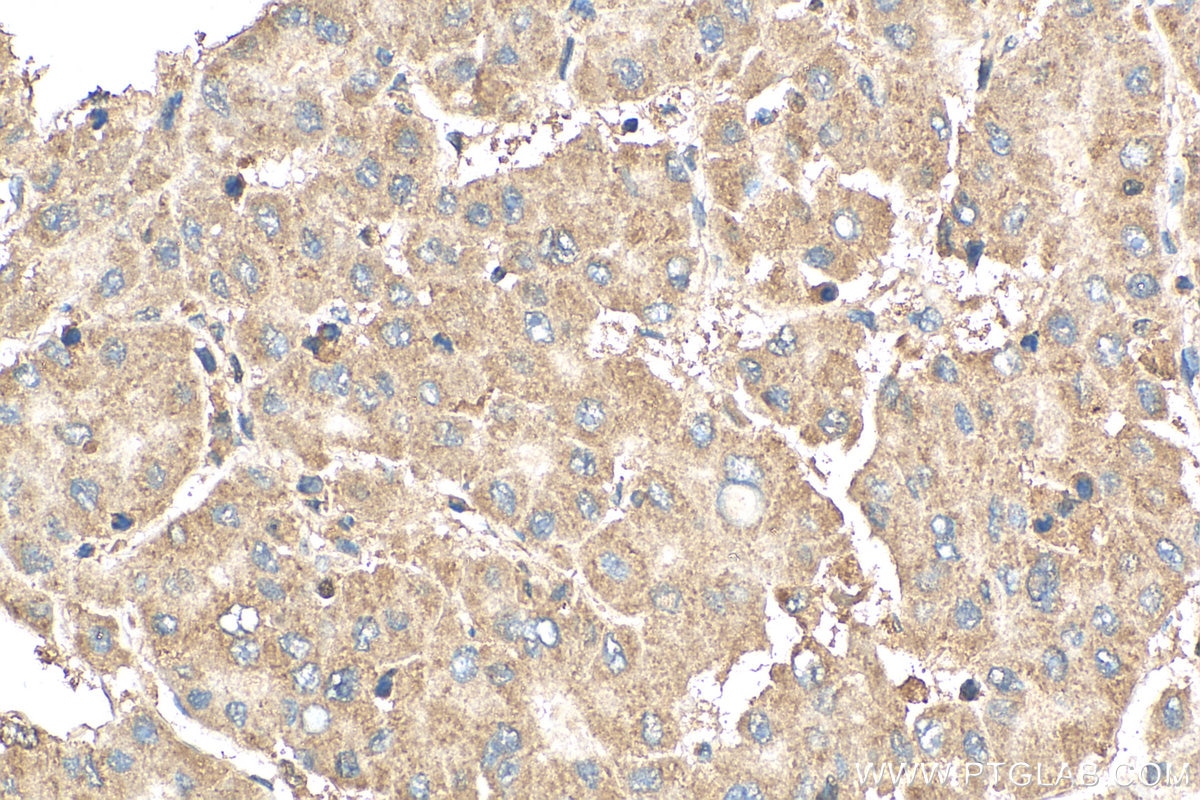
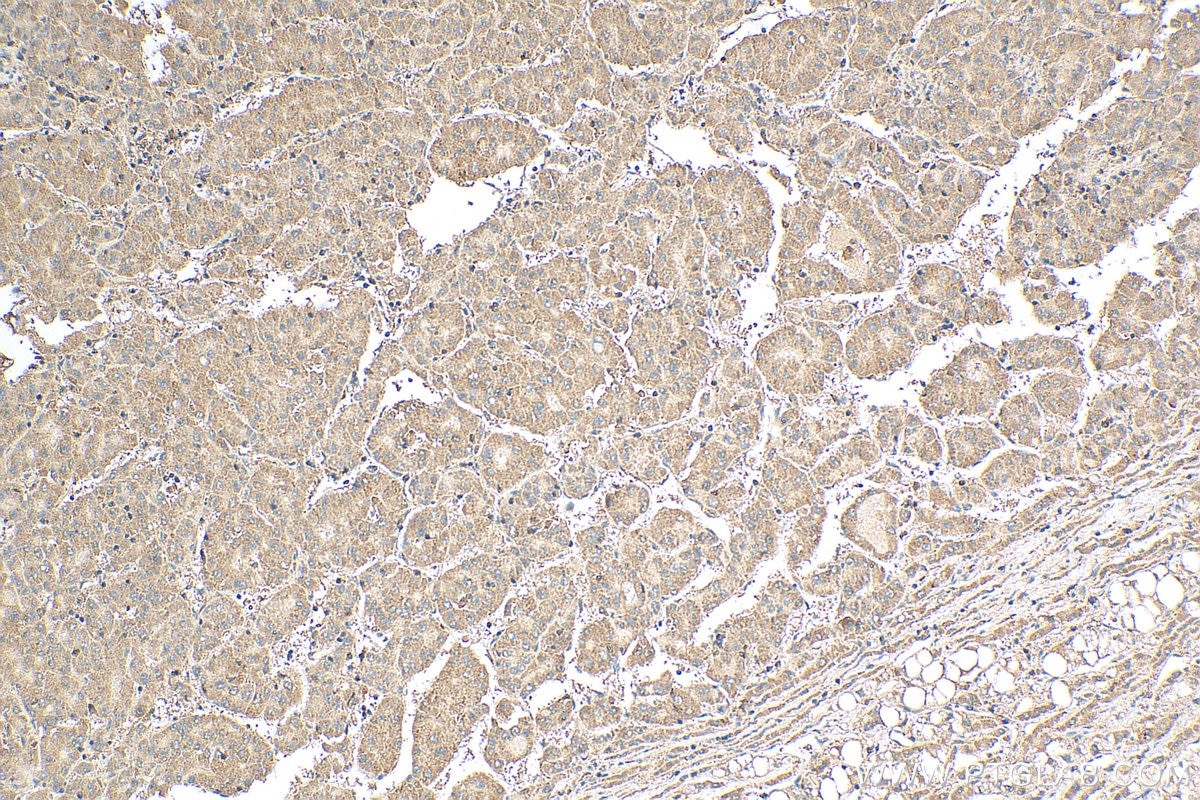
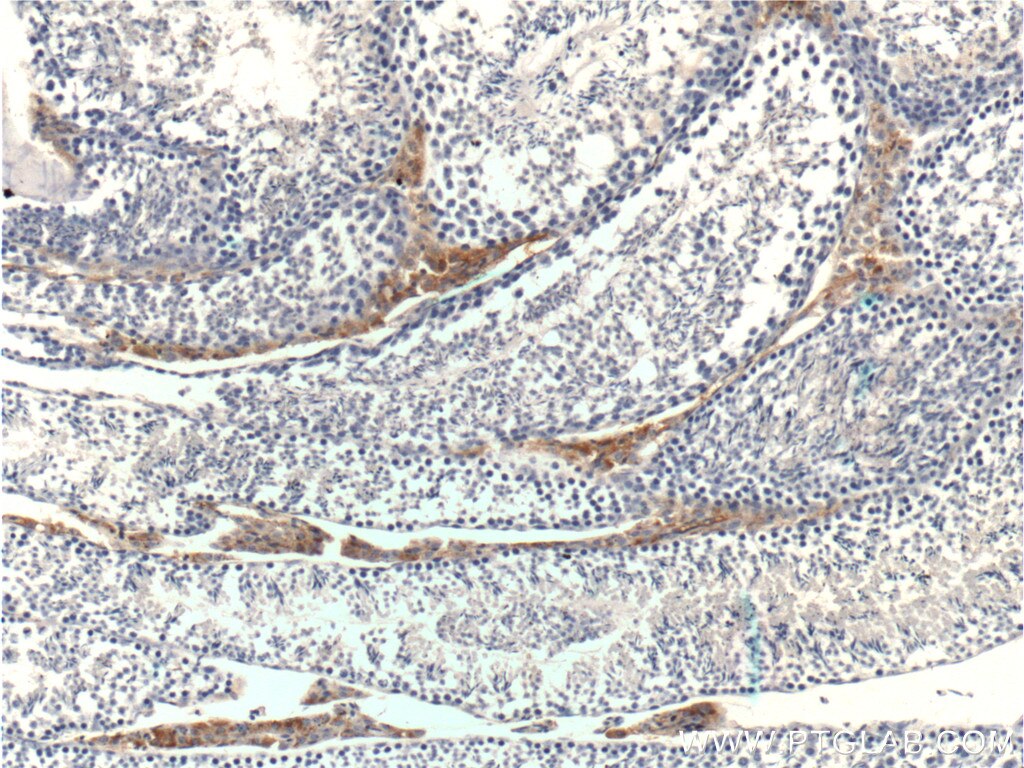
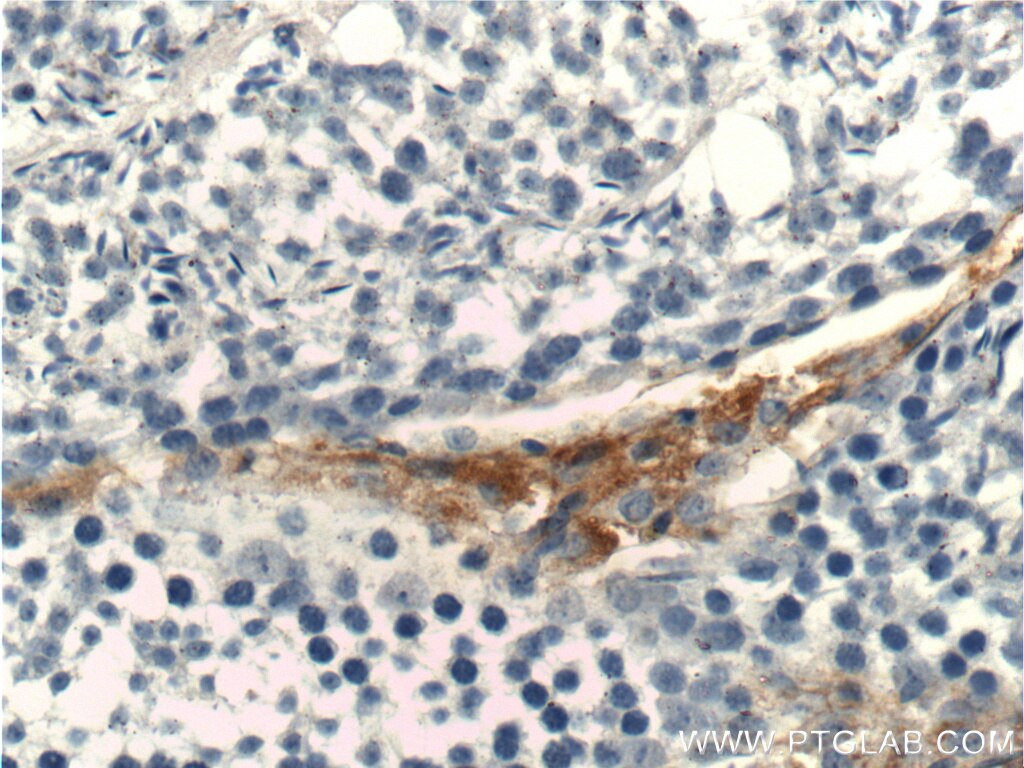
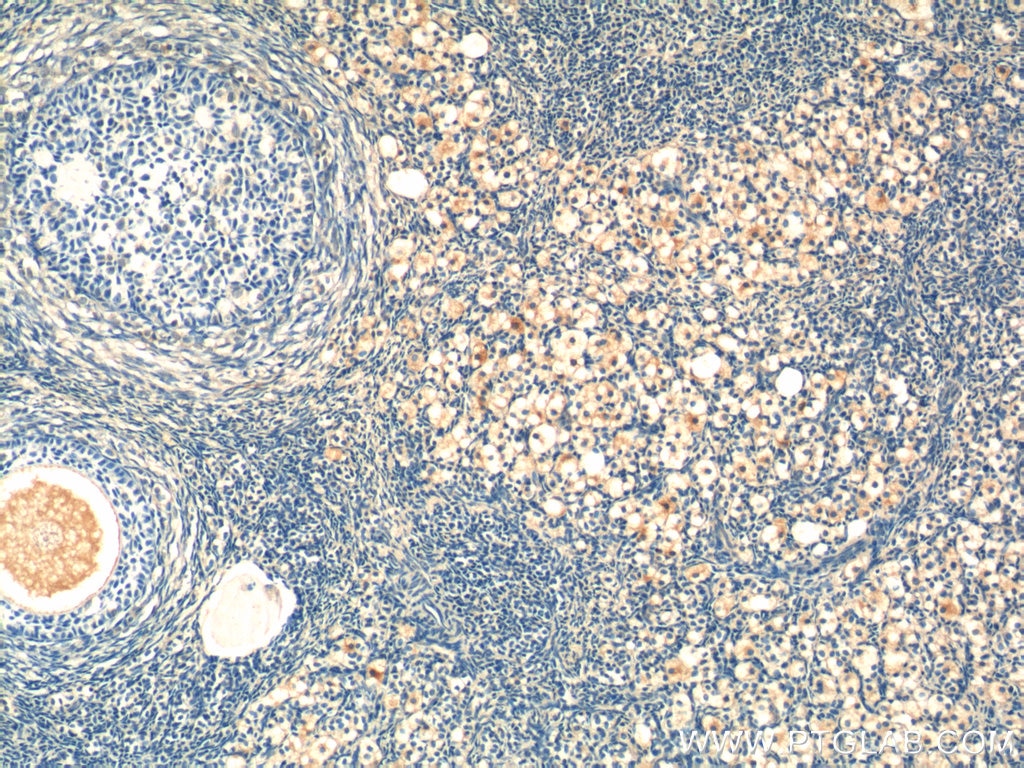
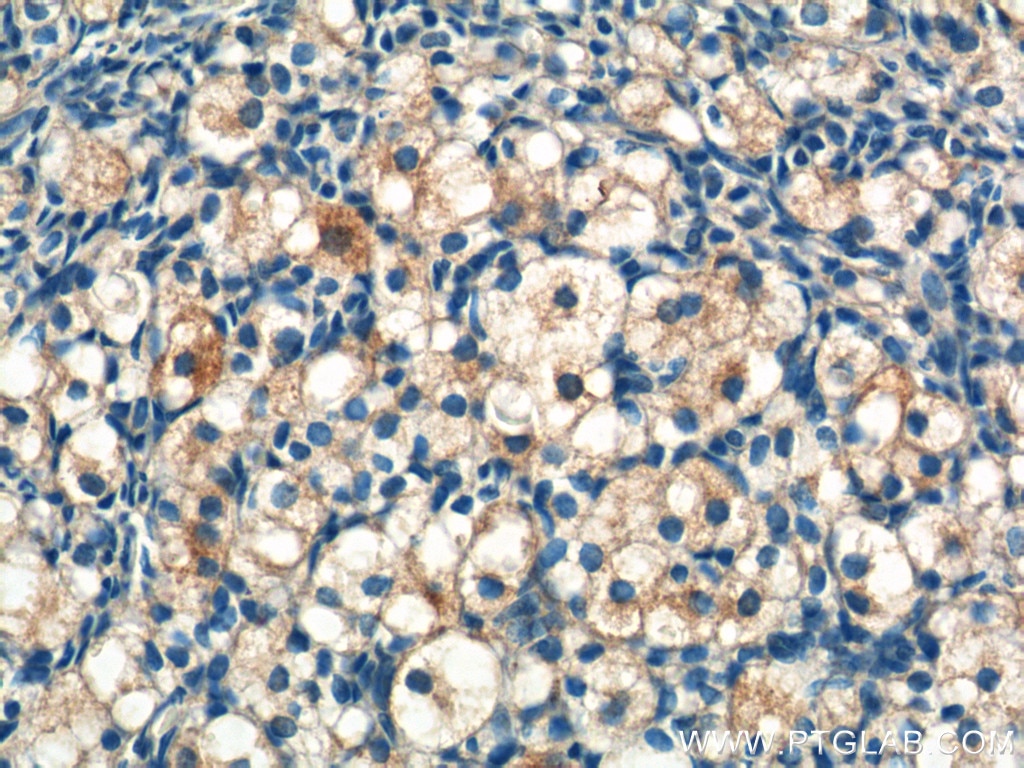
| Positive IHC detected in | mouse testis tissue, human liver cancer tissue, human ovary tissue Note: suggested antigen retrieval with TE buffer pH 9.0; (*) Alternatively, antigen retrieval may be performed with citrate buffer pH 6.0 |
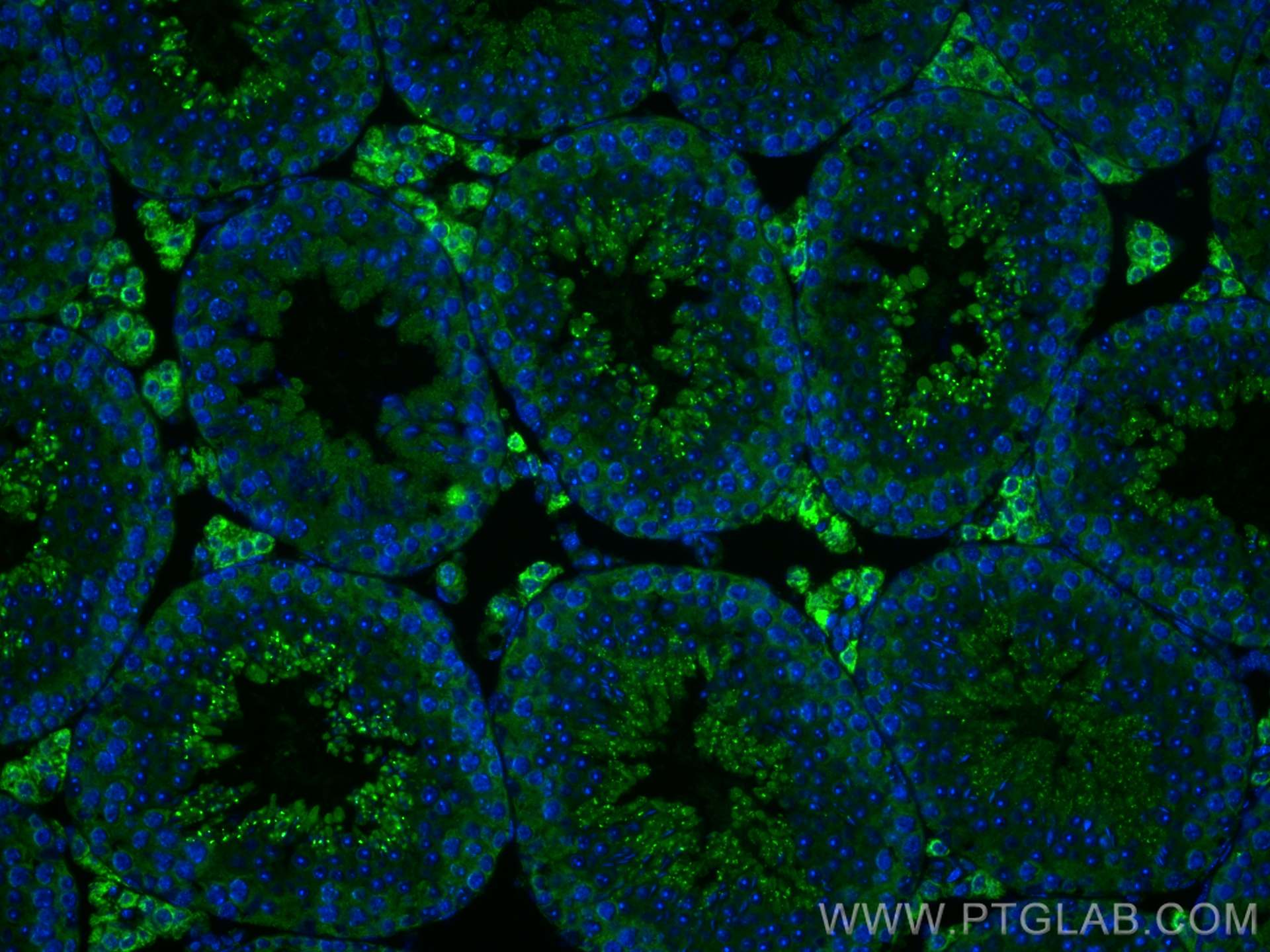
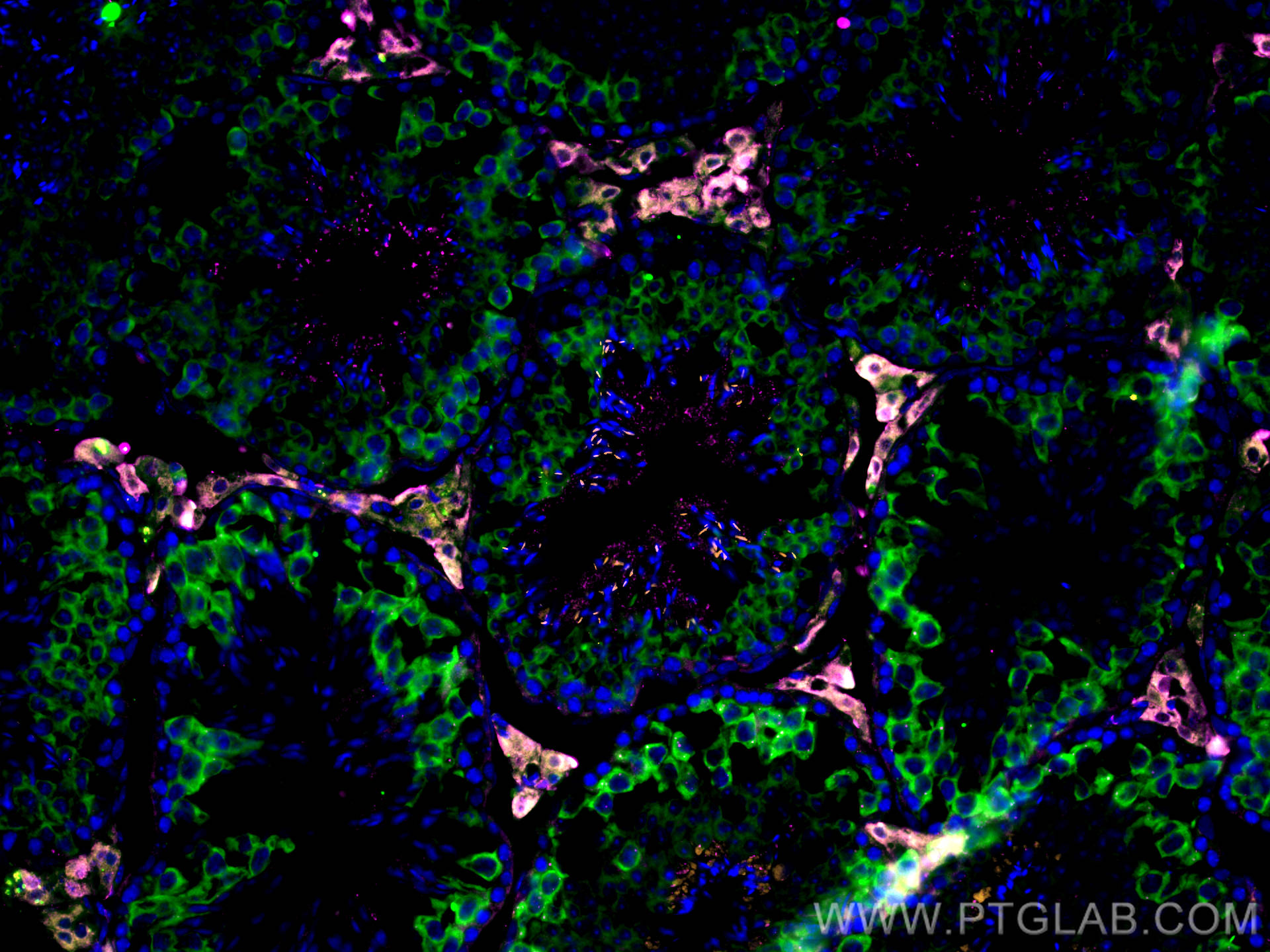
| Positive IF-P detected in | mouse testis tissue |
| Positive IF-Fro detected in | mouse testis tissue |
Recommended dilution
| Application | Dilution |
|---|---|
| Western Blot (WB) | WB : 1:1000-1:6000 |
| Immunohistochemistry (IHC) | IHC : 1:50-1:500 |
| Immunofluorescence (IF)-P | IF-P : 1:50-1:500 |
| Immunofluorescence (IF)-FRO | IF-FRO : 1:50-1:500 |
| It is recommended that this reagent should be titrated in each testing system to obtain optimal results. | |
| Sample-dependent, Check data in validation data gallery. | |
Product Information
12225-1-AP targets STAR in WB, IHC, IF-P, IF-Fro, ELISA applications and shows reactivity with human, mouse, rat, pig samples.
| Tested Reactivity | human, mouse, rat, pig |
| Cited Reactivity | human, mouse, rat, pig, monkey, chicken, bovine, goat |
| Host / Isotype | Rabbit / IgG |
| Class | Polyclonal |
| Type | Antibody |
| Immunogen |
CatNo: Ag2862 Product name: Recombinant human STAR protein Source: e coli.-derived, PGEX-4T Tag: GST Domain: 1-285 aa of BC010550 Sequence: MLLATFKLCAGSSYRHMRNMKGLRQQAVMAISQELNRRALGGPTPSTWINQVRRRSSLLGSRLEETLYSDQELAYLQQGEEAMQKALGILSNQEGWKKESQQDNGDKVMSKVVPDVGKVFRLEVVVDQPMERLYEELVERMEAMGEWNPNVKEIKVLQKIGKDTFITHELAAEAAGNLVGPRDFVSVRCAKRRGSTCVLAGMATDFGNMPEQKGVIRAEHGPTCMVLHPLAGSPSKTKLTWLLSIDLKGWLPKSIINQVLSQTQVDFANHLRKRLESHPASEARC Predict reactive species |
| Full Name | steroidogenic acute regulatory protein |
| Calculated Molecular Weight | 285 aa, 32 kDa |
| Observed Molecular Weight | 26-30 kDa |
| GenBank Accession Number | BC010550 |
| Gene Symbol | STAR |
| Gene ID (NCBI) | 6770 |
| RRID | AB_2115832 |
| Conjugate | Unconjugated |
| Form | Liquid |
| Purification Method | Antigen affinity purification |
| UNIPROT ID | P49675 |
| Storage Buffer | PBS with 0.02% sodium azide and 50% glycerol, pH 7.3. |
| Storage Conditions | Store at -20°C. Stable for one year after shipment. Aliquoting is unnecessary for -20oC storage. 20ul sizes contain 0.1% BSA. |
Background Information
Steroidogenic acute regulatory protein (StAR) is a key player in acute regulation of hormone-induced steroidogenesis, by facilitating cholesterol transport from cellular stores to inner mitochondria membrane where the cholesterol was conversed to pregnenolone. StAR is prevalently expressed in mitochondria of steroid-producing adrenal and gonadal tissue.
Protocols
| Product Specific Protocols | |
|---|---|
| IF protocol for STAR antibody 12225-1-AP | Download protocol |
| IHC protocol for STAR antibody 12225-1-AP | Download protocol |
| WB protocol for STAR antibody 12225-1-AP | Download protocol |
| Standard Protocols | |
|---|---|
| Click here to view our Standard Protocols |
Publications
What published studies show
Anti-StAR (Steroidogenic Acute Regulatory Protein) antibody, Cat# 12225-1-AP, has accumulated 98 citations published in over 60 journals, including Science, Free Radical Biology and Medicine, Cell Death & Disease, Gut Microbes, Phytomedicine, International Journal of Molecular Sciences, Journal of Ovarian Research, and Reproduction. Associated research fields encompass reproductive endocrinology, steroidogenesis, ovarian and testicular biology, PCOS, ferroptosis, oxidative stress, mitochondrial function, and environmental toxicology.
| Species | Application | Title |
|---|---|---|
Science Artemisinins ameliorate polycystic ovarian syndrome by mediating LONP1-CYP11A1 interaction | ||
J Adv Res SLC7A11 as a therapeutic target to attenuate phthalates-driven testosterone level decline in mice. | ||
Gut Microbes High-fat diet-induced L-saccharopine accumulation inhibits estradiol synthesis and damages oocyte quality by disturbing mitochondrial homeostasis | ||
Cell Death Dis Oxidized-LDL inhibits testosterone biosynthesis by affecting mitochondrial function and the p38 MAPK/COX-2 signaling pathway in Leydig cells. | ||
Cell Commun Signal Mechanistic insights into targeting APLN/APJ for ameliorating testosterone deficiency and reproductive disorders in diabetic mice. | ||
Phytomedicine Jiao-tai-wan and its component coptisine attenuate PCOS by regulating mitochondrial cholesterol import through suppression of SIRT1 ubiquitination. |













