
Product Information
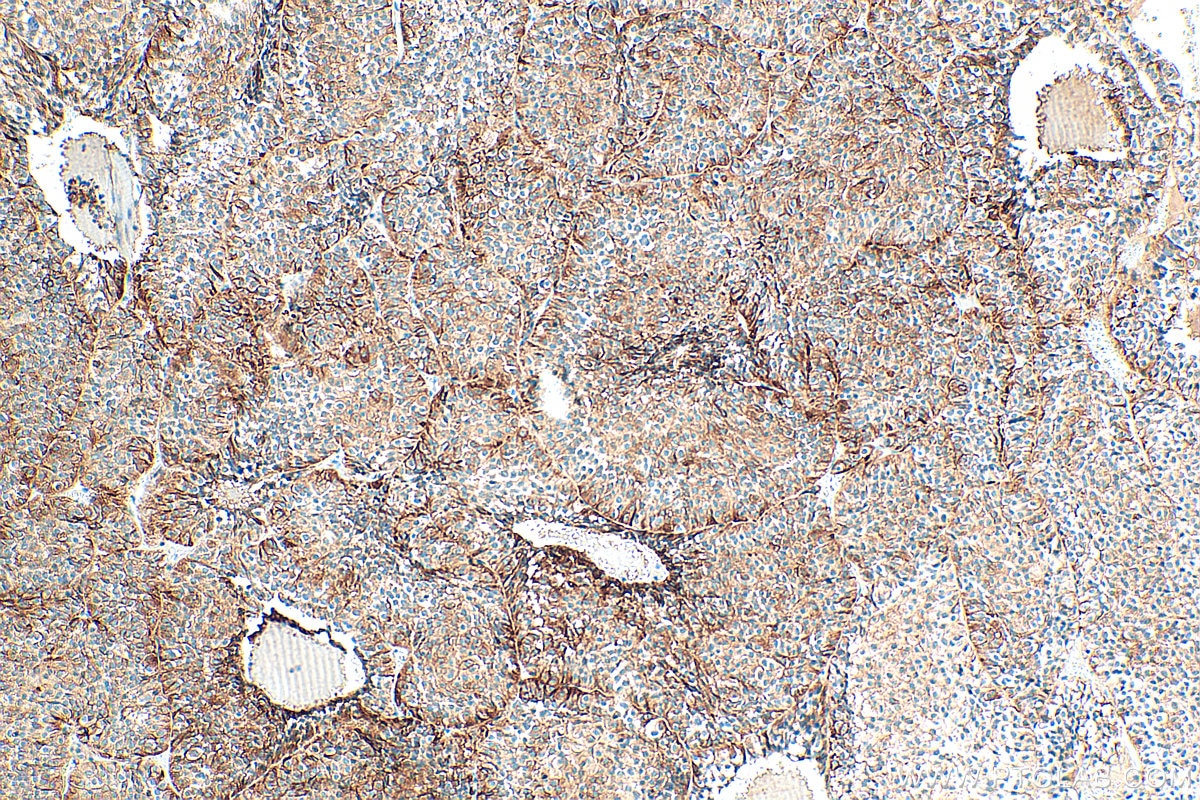
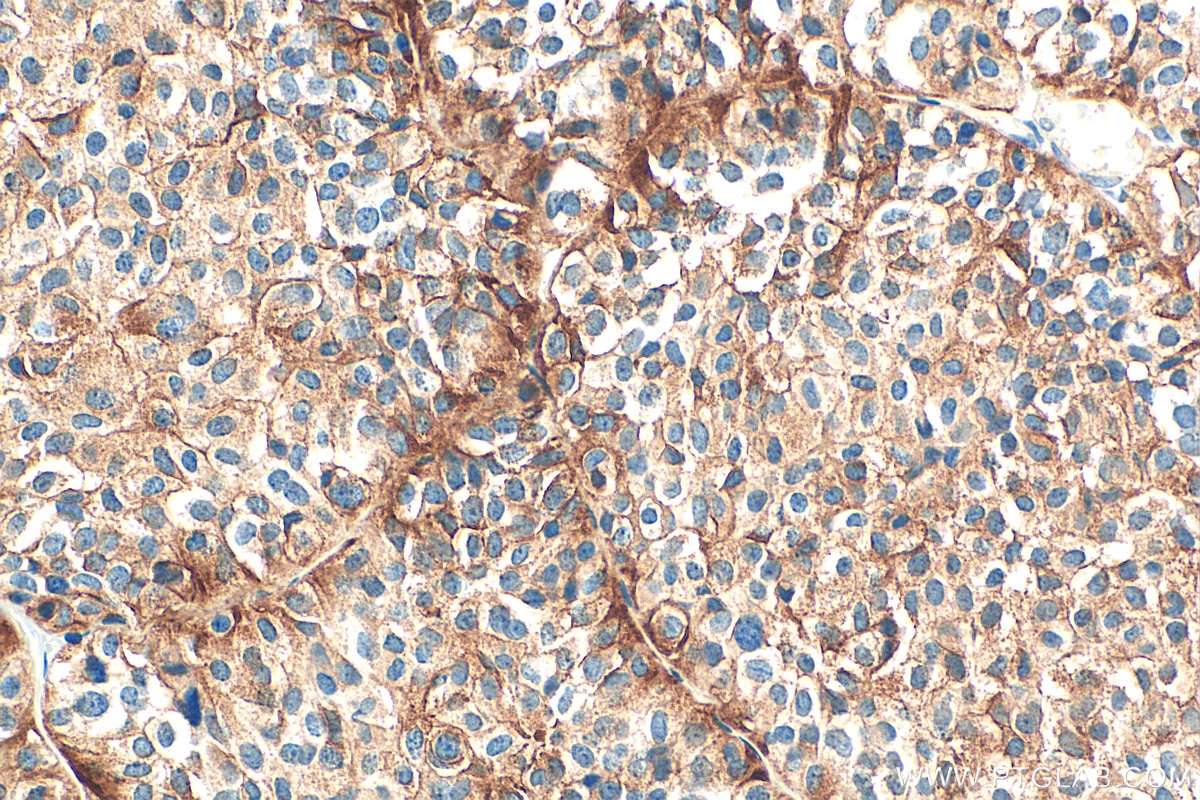
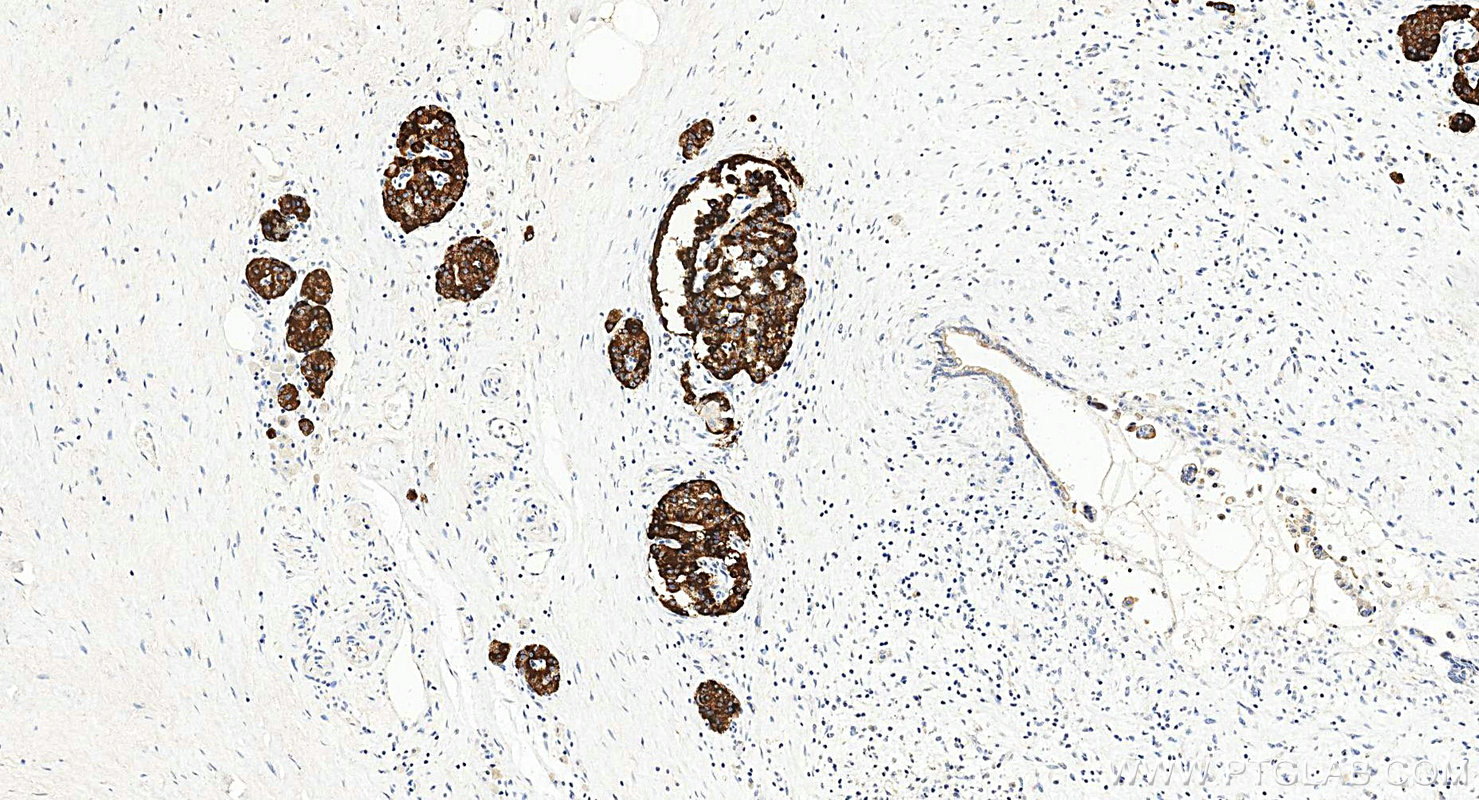
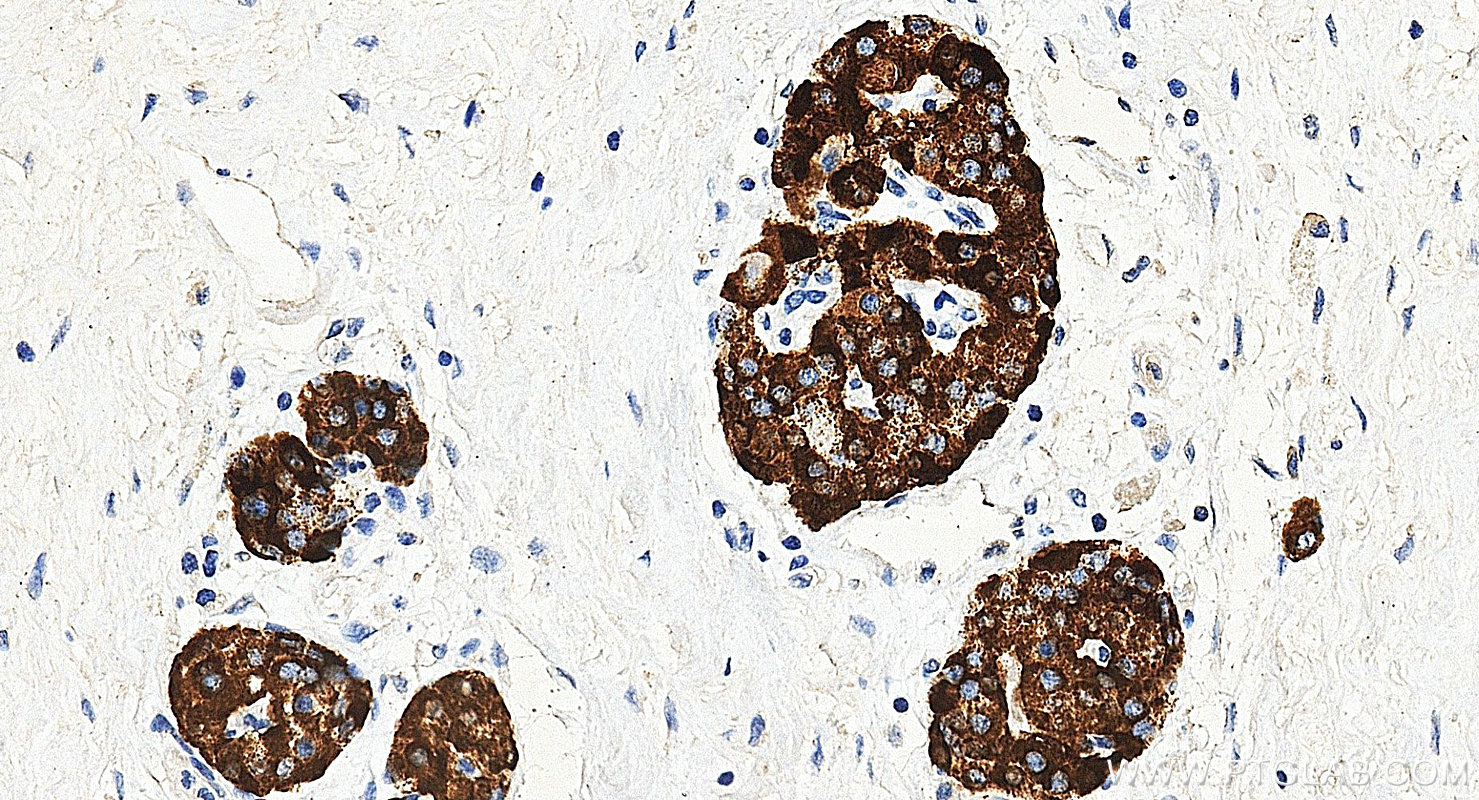
67406-1-PBS targets Secretogranin V in IHC, Indirect ELISA applications and shows reactivity with human samples.
| Tested Reactivity | human |
| Host / Isotype | Mouse / IgG1 |
| Class | Monoclonal |
| Type | Antibody |
| Immunogen |
CatNo: Ag28607 Product name: Recombinant human SCG5 protein Source: e coli.-derived, PET28a Tag: 6*His Domain: 1-212 aa of BC005349 Sequence: MVSRMVSTMLSGLLFWLASGWTPAFAYSPRTPDRVSEADIQRLLHGVMEQLGIARPRVEYPAHQAMNLVGPQSIEGGAHEGLQHLGPFGNIPNIVAELTGDNIPKDFSEDQGYPDPPNPCPVGKTADDGCLENTPDTAEFSREFQLHQHLSDPEHDYPGLGKWNKKLLYEKMKGGERRKRRSVNPYLQGQRLDNVVAKKSVPHFSDEDKDPE Predict reactive species |
| Full Name | secretogranin V (7B2 protein) |
| Calculated Molecular Weight | 24 kDa |
| GenBank Accession Number | BC005349 |
| Gene Symbol | Secretogranin V |
| Gene ID (NCBI) | 6447 |
| RRID | AB_2882647 |
| Conjugate | Unconjugated |
| Form | Liquid |
| Purification Method | Protein G purification |
| UNIPROT ID | P05408 |
| Storage Buffer | PBS only, pH 7.3. |
| Storage Conditions | Store at -80°C. |
Background Information
Secretogranin V (also known as SCG5, 7B2, or SGNE1) is a member of the granin family of acidic secretory proteins that plays an essential regulatory role in the neuroendocrine system. Its primary function is to act as both a chaperone and a specific inhibitor of prohormone convertase 2 (PC2), a key enzyme responsible for processing prohormones into bioactive hormones and neuropeptides. Secretogranin V facilitates the proper folding and transport of proPC2 through the secretory pathway and subsequently inhibits the enzymatic activity of mature PC2 to ensure precise hormone activation. In terms of expression, SCG5 is predominantly found in neuroendocrine tissues, including the pituitary gland, pancreas, adrenal medulla, and distinct regions of the central nervous system such as the cerebral cortex and cerebellum. Dysregulation of Secretogranin V has been linked to several human diseases, including diabetes, Cushing's disease, and certain neuroendocrine tumors, highlighting its clinical significance in hormone homeostasis





