

Tested Applications
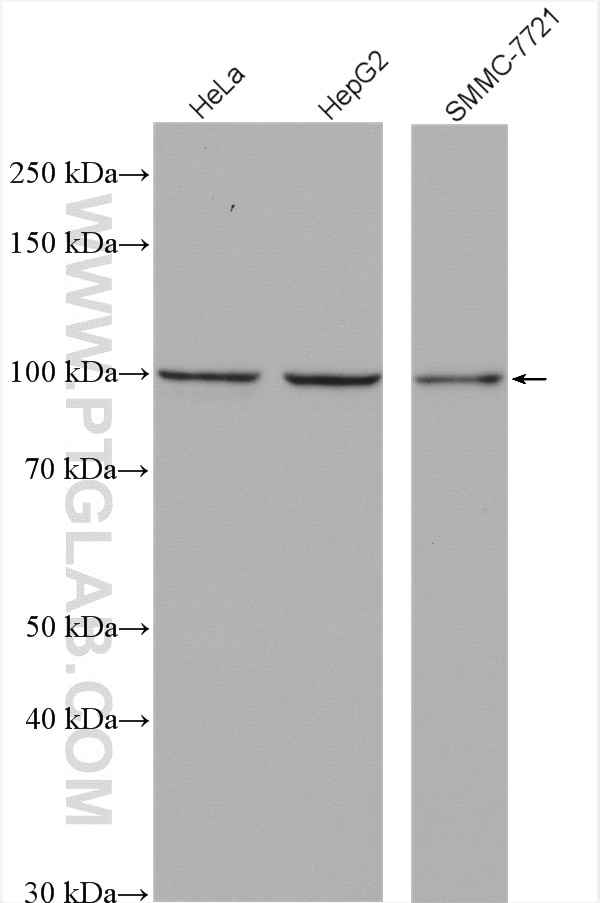
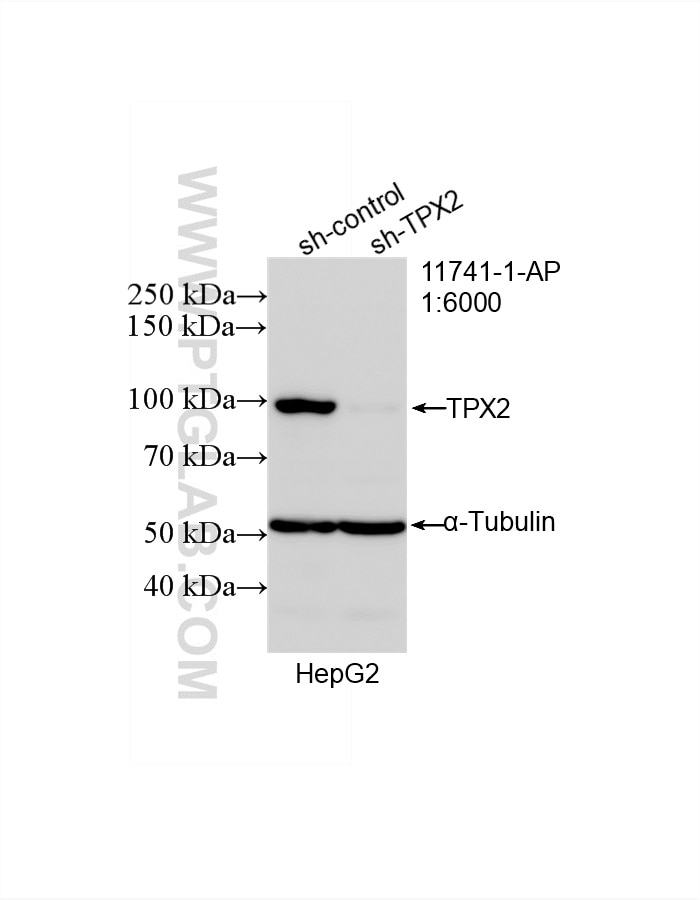
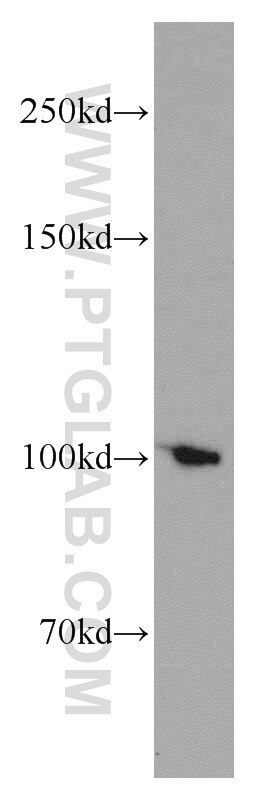
| Positive WB detected in | HepG2 cells, K-562 cells, HeLa cells, SMMC-7721 cells |
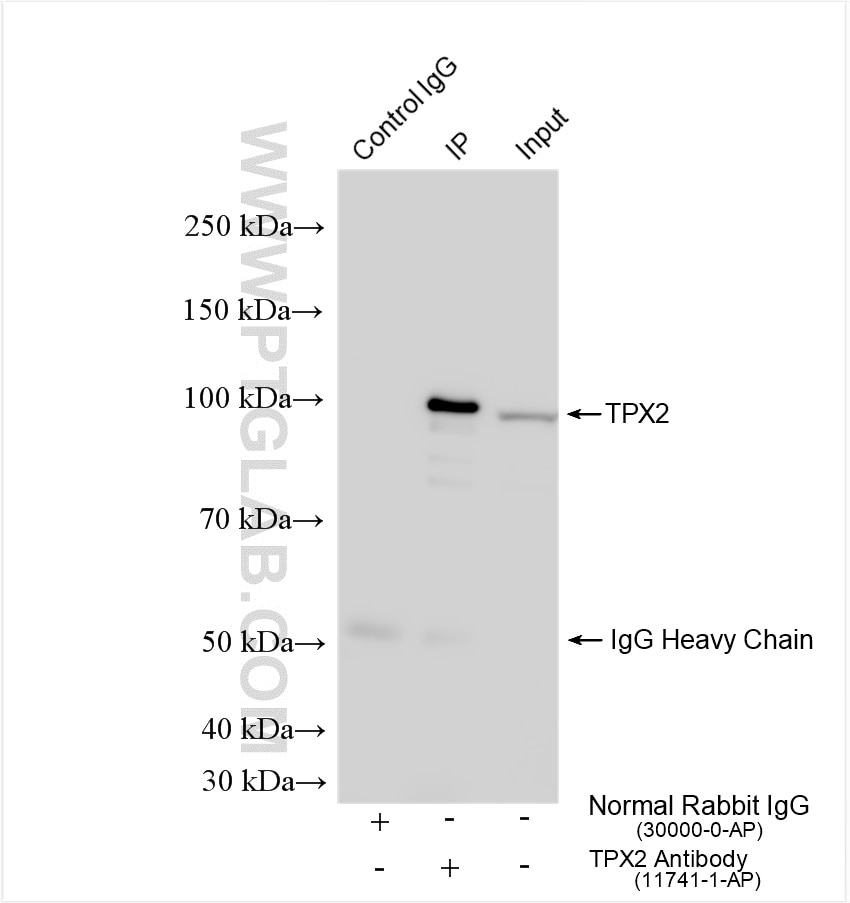
| Positive IP detected in | HeLa cells |
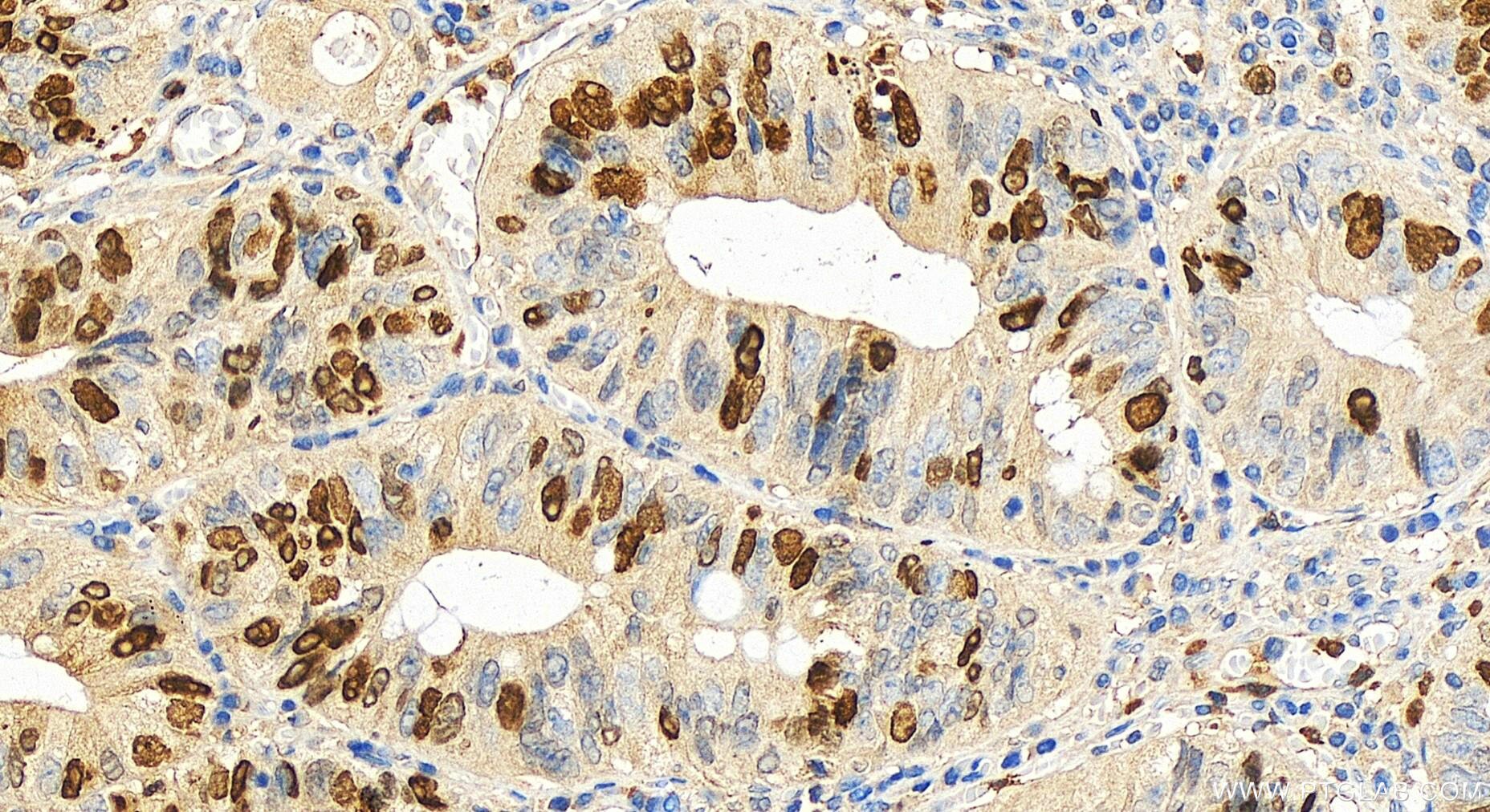
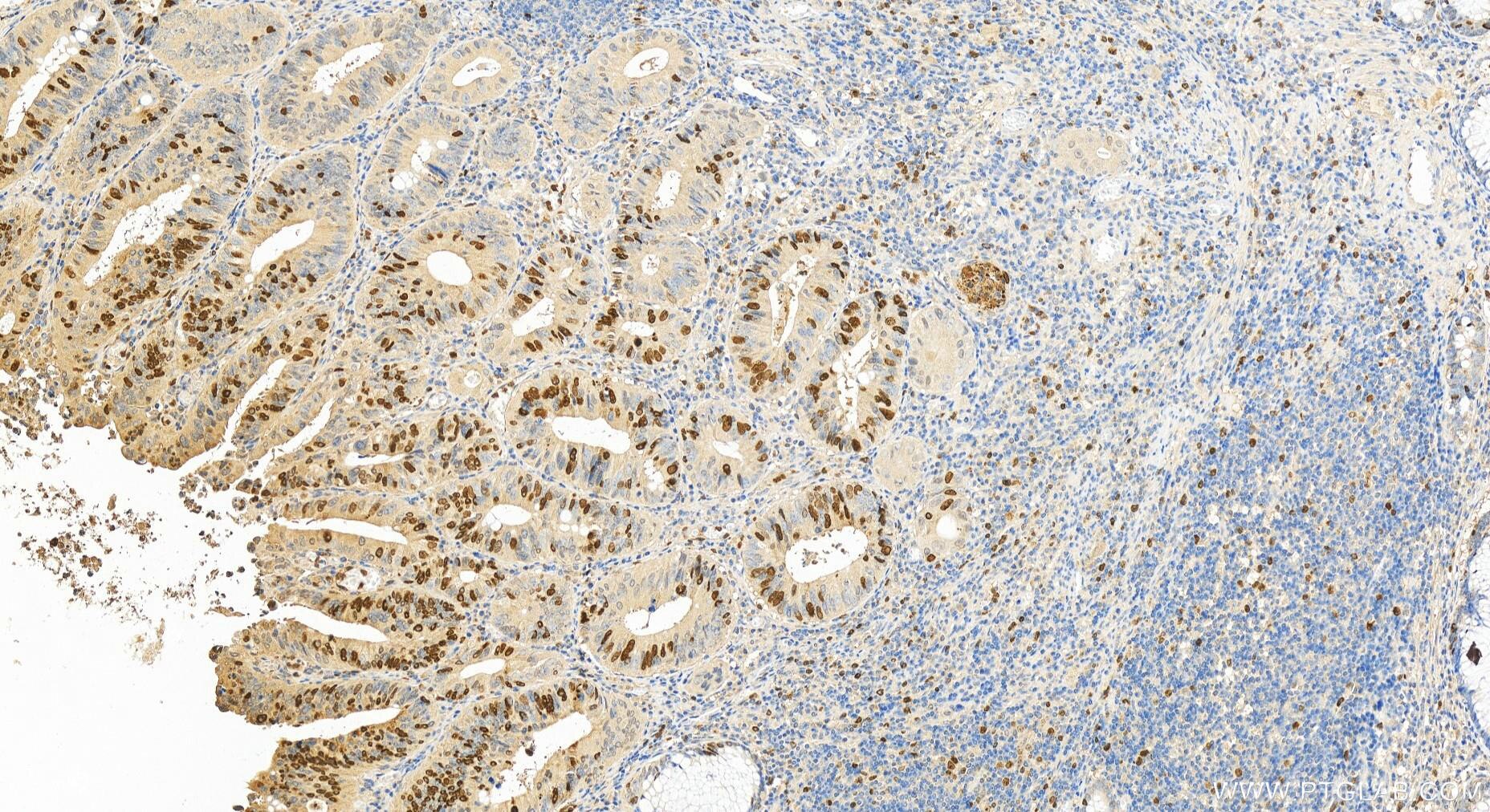
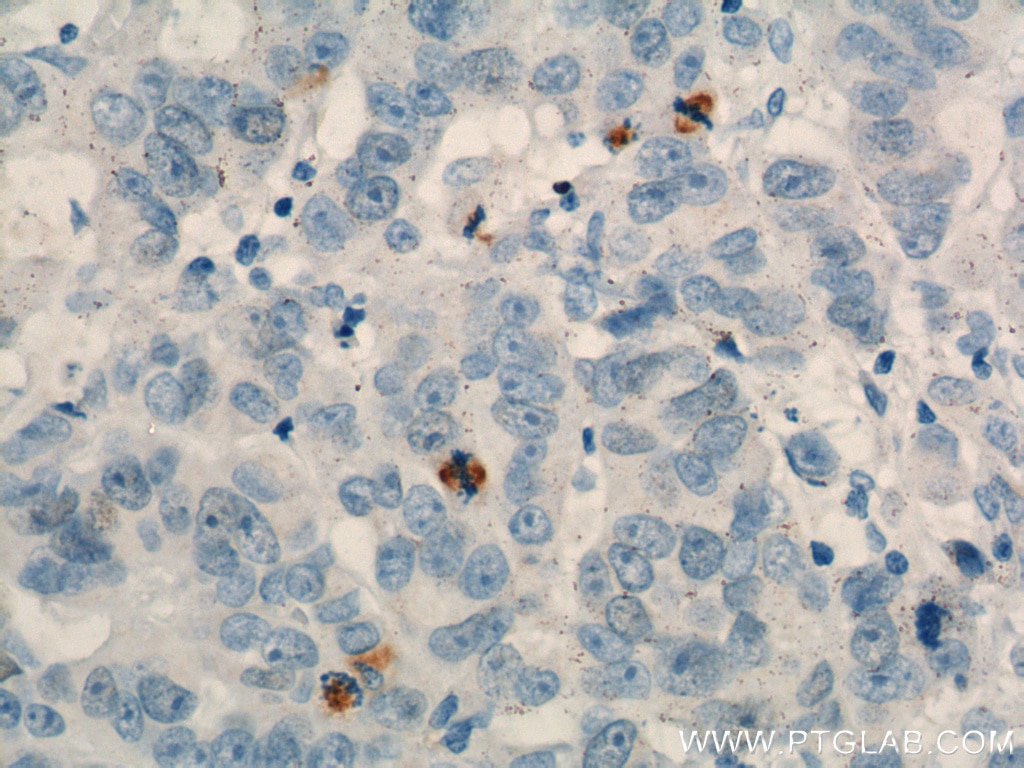
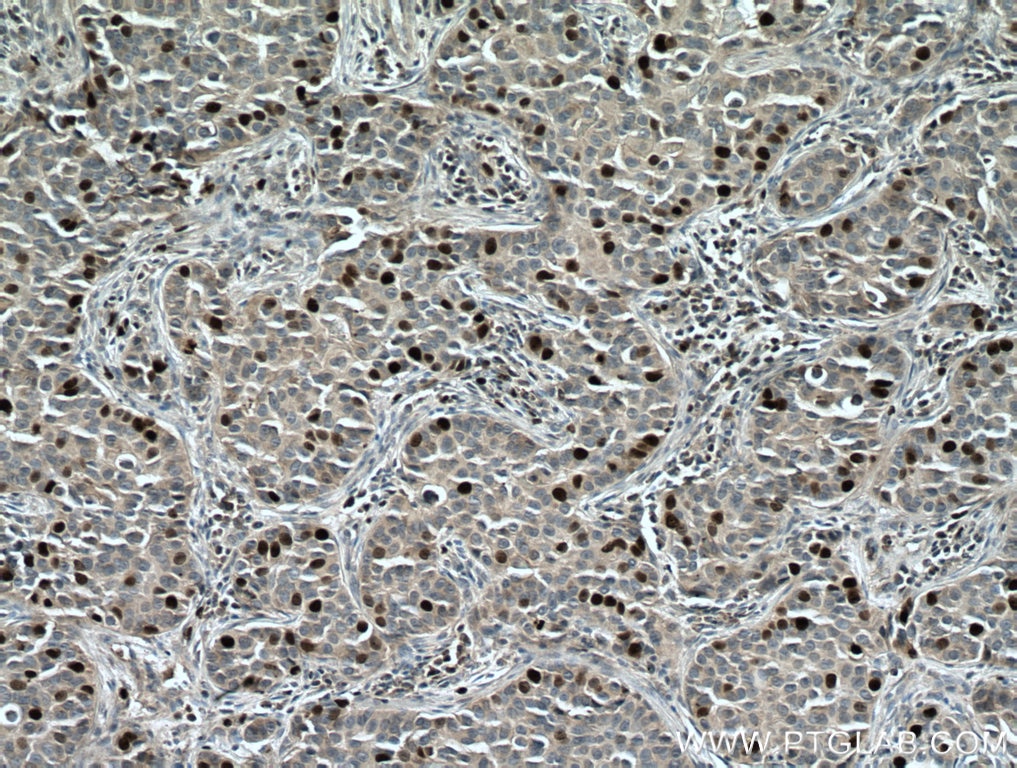
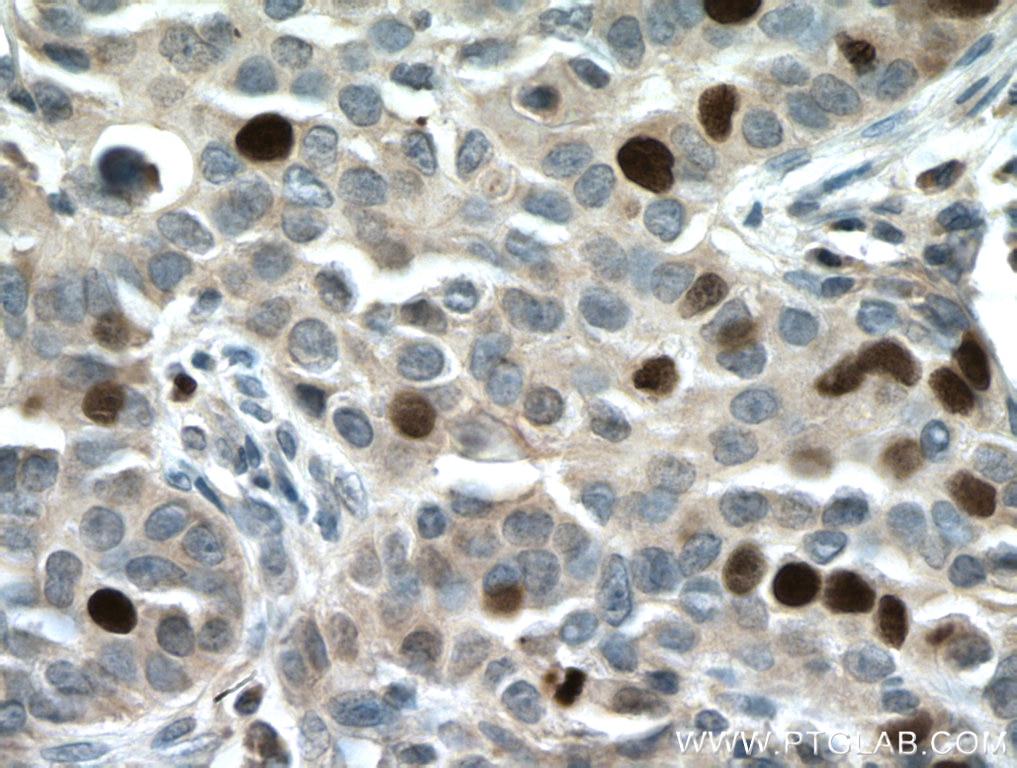
| Positive IHC detected in | human colon cancer tissue, human breast cancer tissue, human prostate cancer tissue Note: suggested antigen retrieval with TE buffer pH 9.0; (*) Alternatively, antigen retrieval may be performed with citrate buffer pH 6.0 |
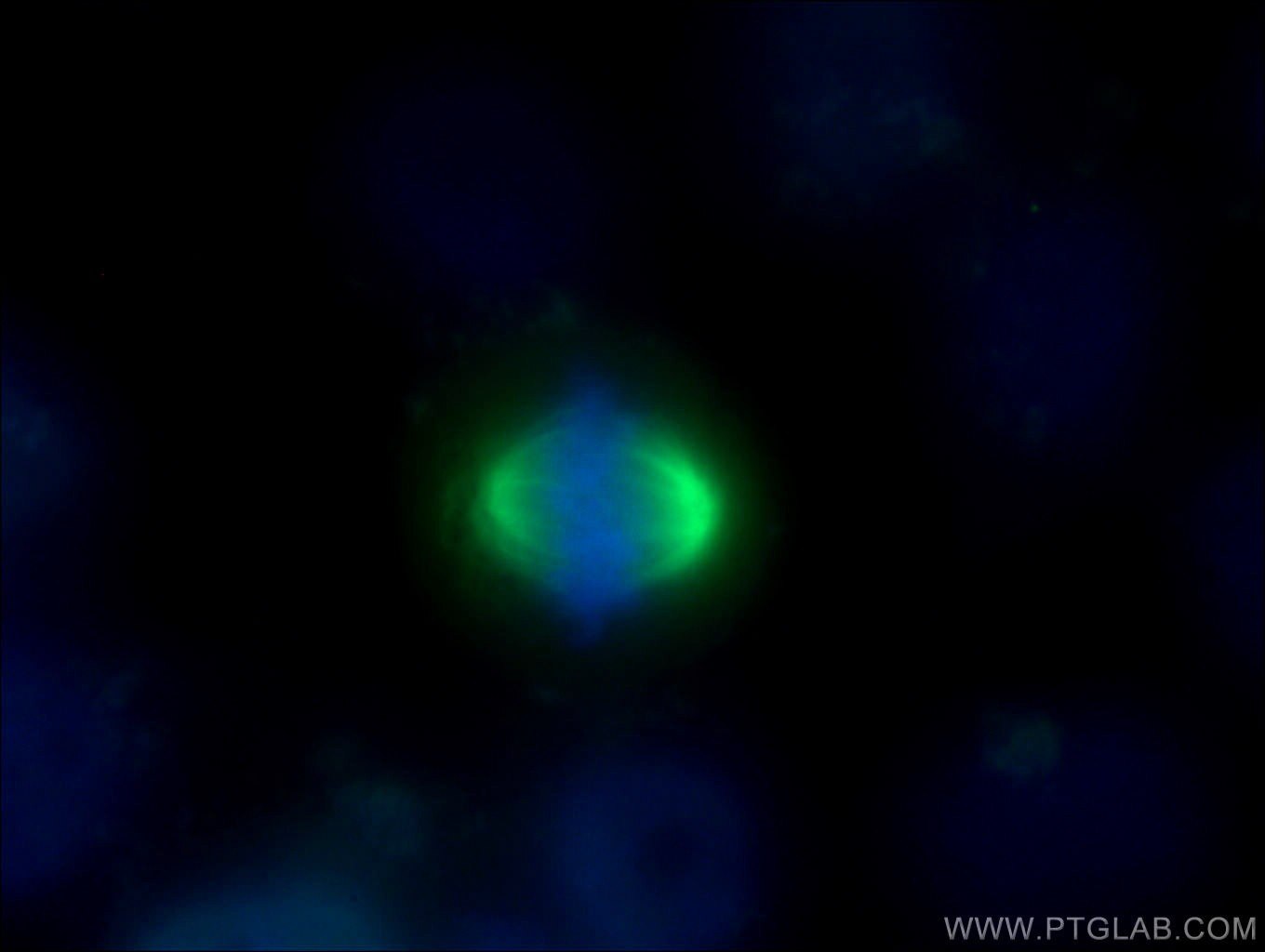
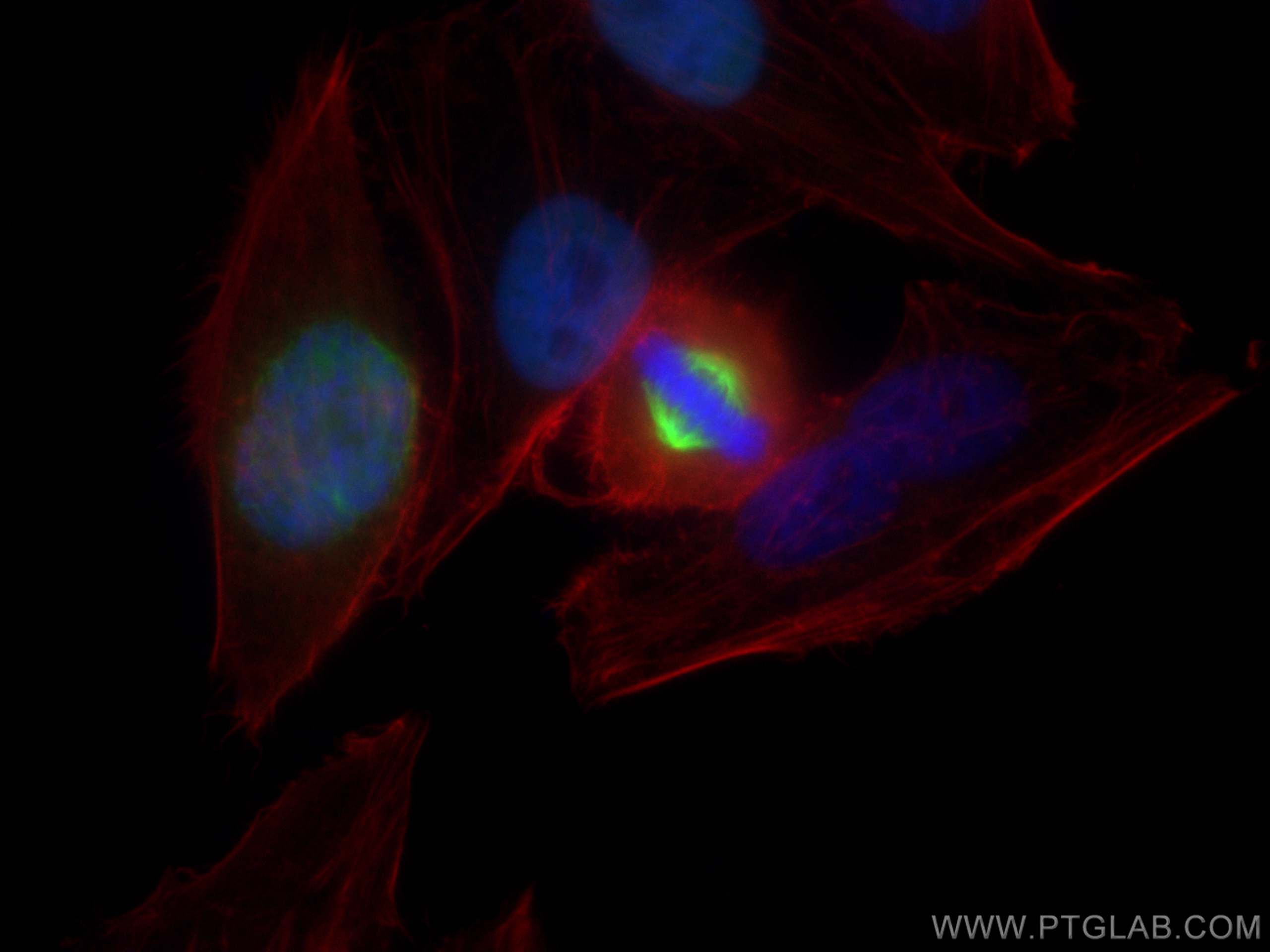
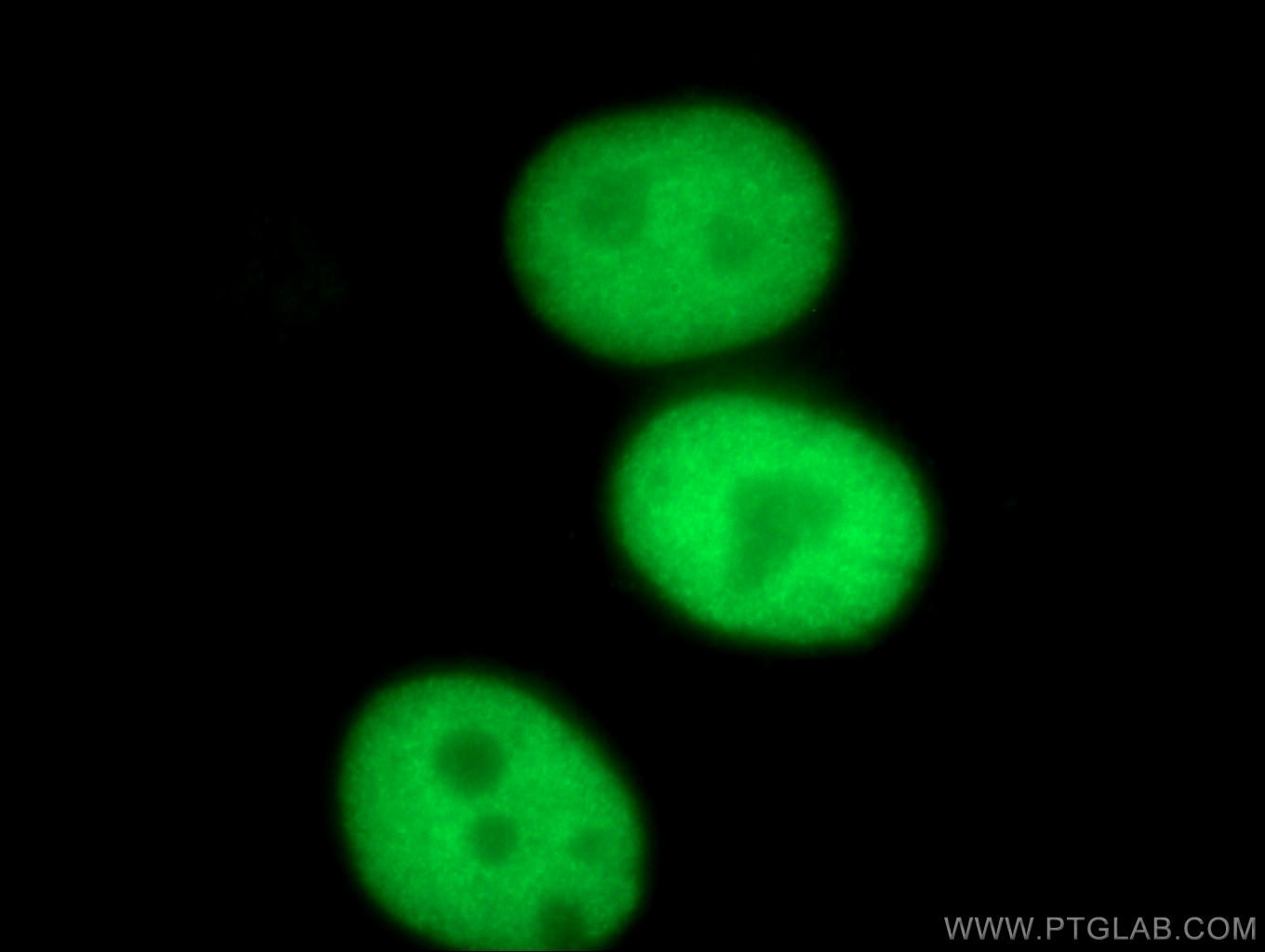
| Positive IF/ICC detected in | HepG2 cells, HeLa cells |
Recommended dilution
| Application | Dilution |
|---|---|
| Western Blot (WB) | WB : 1:2000-1:10000 |
| Immunoprecipitation (IP) | IP : 0.5-4.0 ug for 1.0-3.0 mg of total protein lysate |
| Immunohistochemistry (IHC) | IHC : 1:300-1:1200 |
| Immunofluorescence (IF)/ICC | IF/ICC : 1:200-1:800 |
| It is recommended that this reagent should be titrated in each testing system to obtain optimal results. | |
| Sample-dependent, Check data in validation data gallery. | |
Product Information
11741-1-AP targets TPX2 in WB, IHC, IF/ICC, IP, CoIP, ChIP, ELISA applications and shows reactivity with human, mouse, rat samples.
| Tested Reactivity | human, mouse, rat |
| Cited Reactivity | human, mouse |
| Host / Isotype | Rabbit / IgG |
| Class | Polyclonal |
| Type | Antibody |
| Immunogen |
CatNo: Ag2334 Product name: Recombinant human TPX2 protein Source: e coli.-derived, PGEX-4T Tag: GST Domain: 1-395 aa of BC020207 Sequence: MSQVKSSYSYDAPSDFINFSSLDDEGDTQNIDSWFEEKANLENKLLGKNGTGGLFQGKTPLRKANLQQAIVTPLKPVDNTYYKEAEKENLVEQSIPSNACSSLEVEAAISRKTPAQPQRRSLRLSAQKDLEQKEKHHVKMKAKRCATPVIIDEILPSKKMKVSNNKKKPEEEGSAHQDTAEKNASSPEKAKGRHTVPCMPPAKQKFLKSTEEQELEKSMKMQQEVVEMRKKNEEFKKLALAGIGQPVKKSVSQVTKSVDFHFRTDERIKQHPKNQEEYKEVNFTSELRKHPSSPARVTKGCTIVKPFNLSQGKKRTFDETVSTYVPLAQQVEDFHKRTPNRYHLRSKKDDINLLPSKSSVTKICRDPQTPVLQTKHRARAVTCKSTAELEAEELE Predict reactive species |
| Full Name | TPX2, microtubule-associated, homolog (Xenopus laevis) |
| Calculated Molecular Weight | 747 aa, 86 kDa |
| Observed Molecular Weight | 100 kDa |
| GenBank Accession Number | BC020207 |
| Gene Symbol | TPX2 |
| Gene ID (NCBI) | 22974 |
| RRID | AB_2208895 |
| Conjugate | Unconjugated |
| Form | Liquid |
| Purification Method | Antigen affinity purification |
| UNIPROT ID | Q9ULW0 |
| Storage Buffer | PBS with 0.02% sodium azide and 50% glycerol, pH 7.3. |
| Storage Conditions | Store at -20°C. Stable for one year after shipment. Aliquoting is unnecessary for -20oC storage. 20ul sizes contain 0.1% BSA. |
Background Information
TPX2, also known as DIL2, p10, is a microtubule organization- and cell cycle-associated protein. In the early stage of mitosis, TPX2 is released in a RanGTP-dependent manner and plays a significant role in mitotic spindle formation and subsequent proper segregation of chromosomes during cell division. Furthermore, during interphase, TPX2 is involved in DNA damage response by regulation of γ-H2AX signals(PMID: 25914189). Aberrant expression of TPX2 leads to improper spindle assembly and chromosomal instability. Overexpressed in cancers, TPX2 is being established as the marker for the diagnosis and prognosis of malignancies(PMID: 24556998).
Protocols
| Product Specific Protocols | |
|---|---|
| IF protocol for TPX2 antibody 11741-1-AP | Download protocol |
| IHC protocol for TPX2 antibody 11741-1-AP | Download protocol |
| IP protocol for TPX2 antibody 11741-1-AP | Download protocol |
| WB protocol for TPX2 antibody 11741-1-AP | Download protocol |
| Standard Protocols | |
|---|---|
| Click here to view our Standard Protocols |
Publications
What published studies show
The TPX2 Polyclonal antibody (cat. no. 11741-1-AP) has 35 citations. Journals include Molecular Cell, Advanced Science, Cell Reports, Cell Reports Medicine, Cell Chemical & Biological, EMBO Reports, Journal of Cell Biology, Journal of Cell Science, FASEB Journal, Scientific Reports, Cancer Medicine, and others. Research fields span cancer biology (gastric, prostate, endometrial, melanoma, lung, bladder, esophageal, breast, hepatocellular carcinomas), mitotic spindle and microtubule biology, oocyte meiosis and reproductive aging, genomic stability, and translational regulation.
| Species | Application | Title |
|---|---|---|
Mol Cell The RNA-stability-independent role of the RNA m6A reader YTHDF2 in promoting protein translation to confer tumor chemotherapy resistance | ||
Adv Sci (Weinh) Arf1 GTPase Regulates Golgi-Dependent G2/M Transition and Spindle Organization in Oocyte Meiosis | ||
Cell Rep Med Targeting TPX2-dependent lineage plasticity by CDK4/6 inhibition reverses therapy resistance in neuroendocrine bladder carcinoma.
| ||
Cell Commun Signal Tubacin alleviate the reproductive toxicity of deoxynivalenol in mouse oocytes and zygotes via strengthening microtubule stability. | ||
Sci China Life Sci Insufficient MIRO1 contributes to declined oocyte quality during reproductive aging | ||
Cell Chem Biol Non-canonical function of histone methyltransferase G9a in the translational regulation of chronic inflammation |













