

Tested Applications
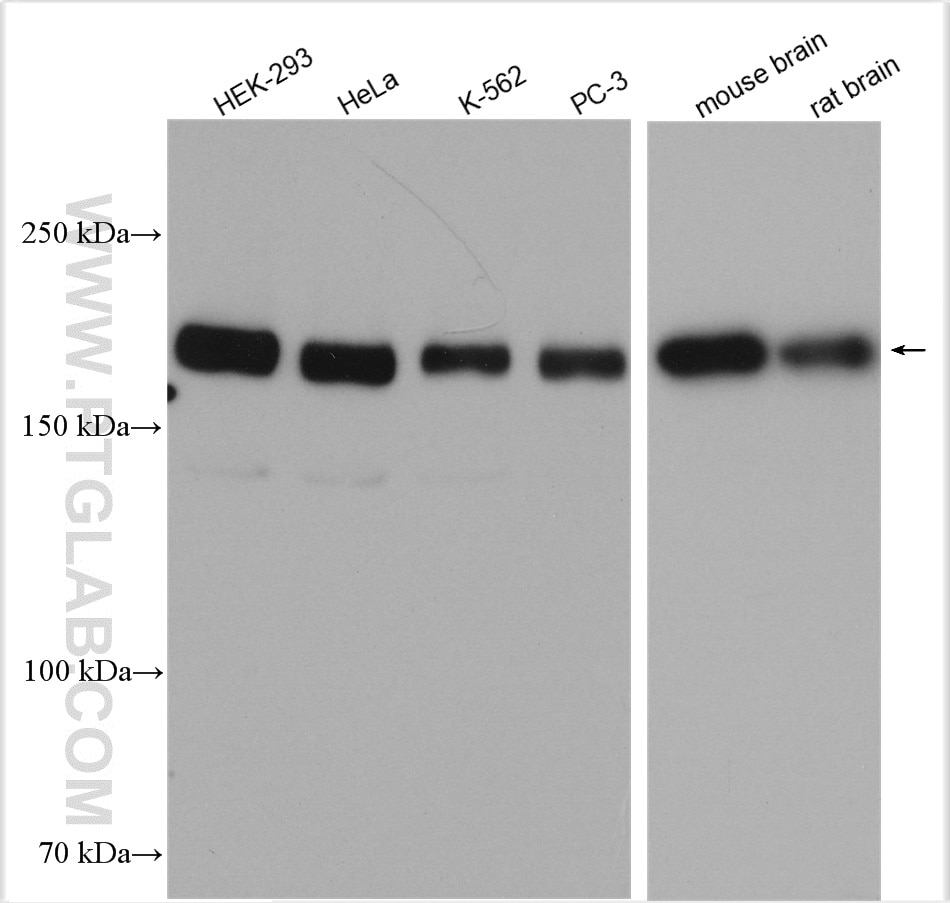
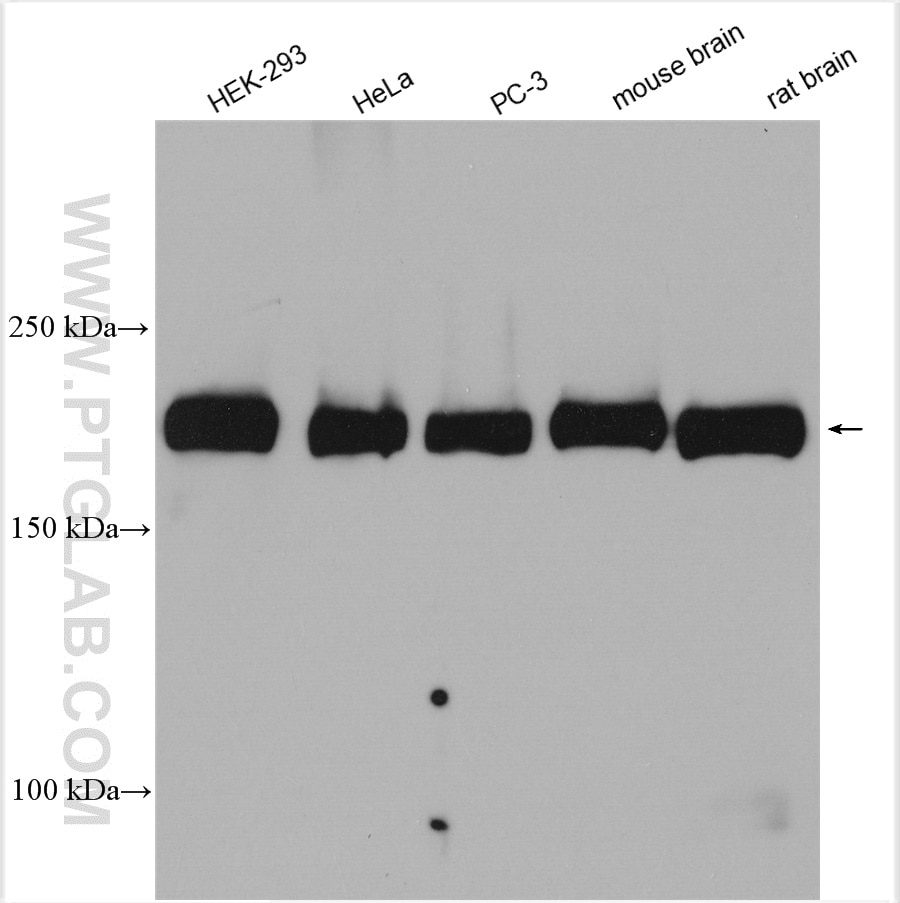
| Positive WB detected in | HEK-293 cells, HeLa cells, PC-3 cells, mouse brain tissue, rat brain tissue, K-562 cells |
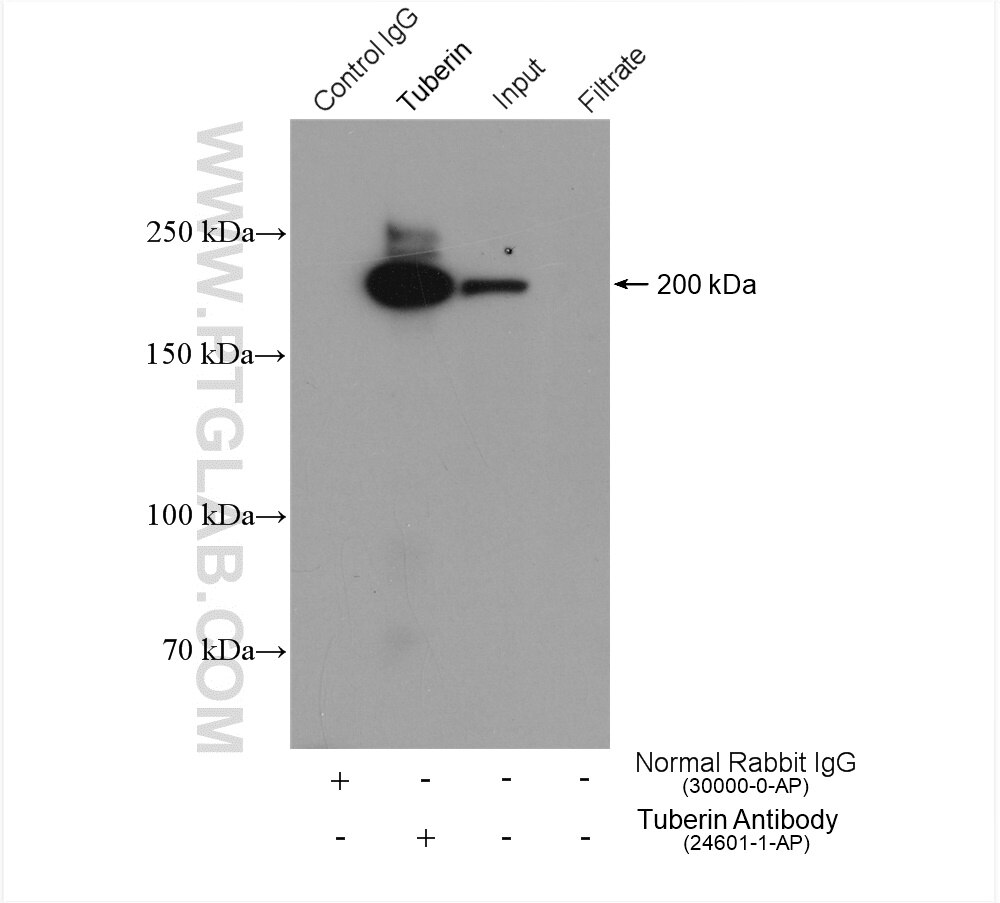
| Positive IP detected in | SH-SY5Y cells |
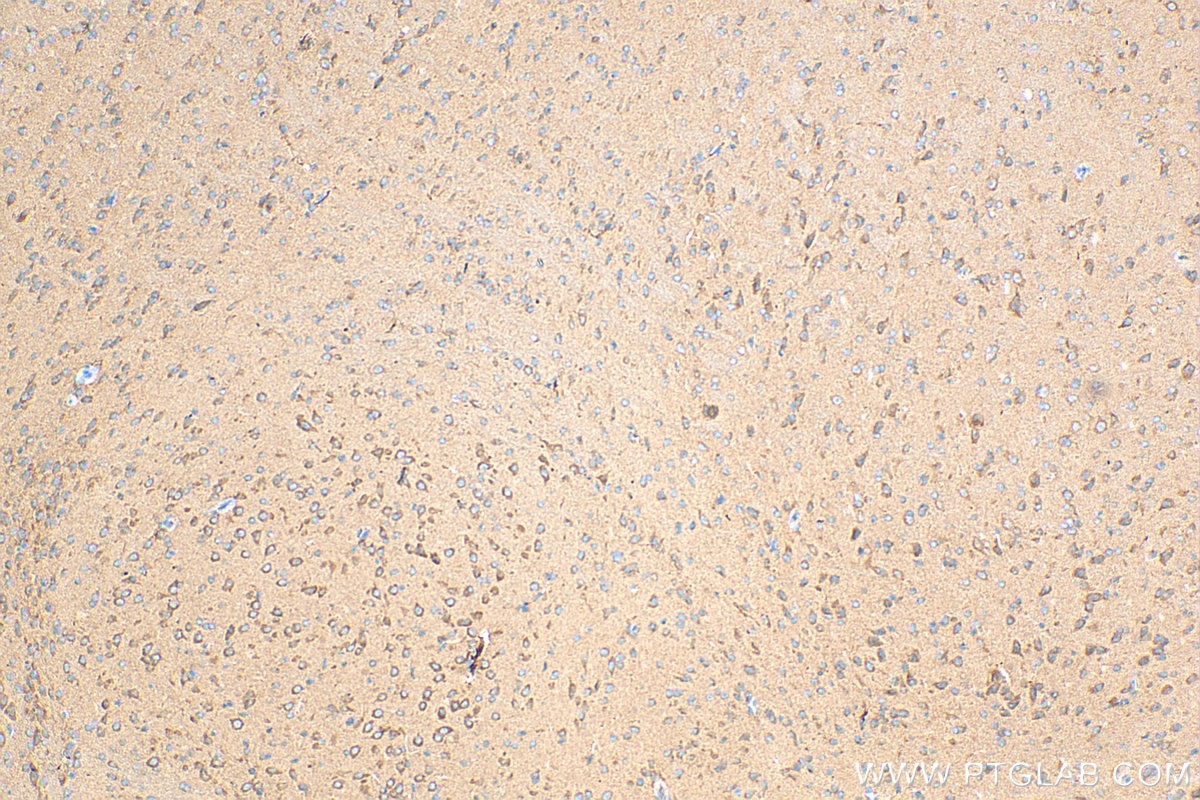
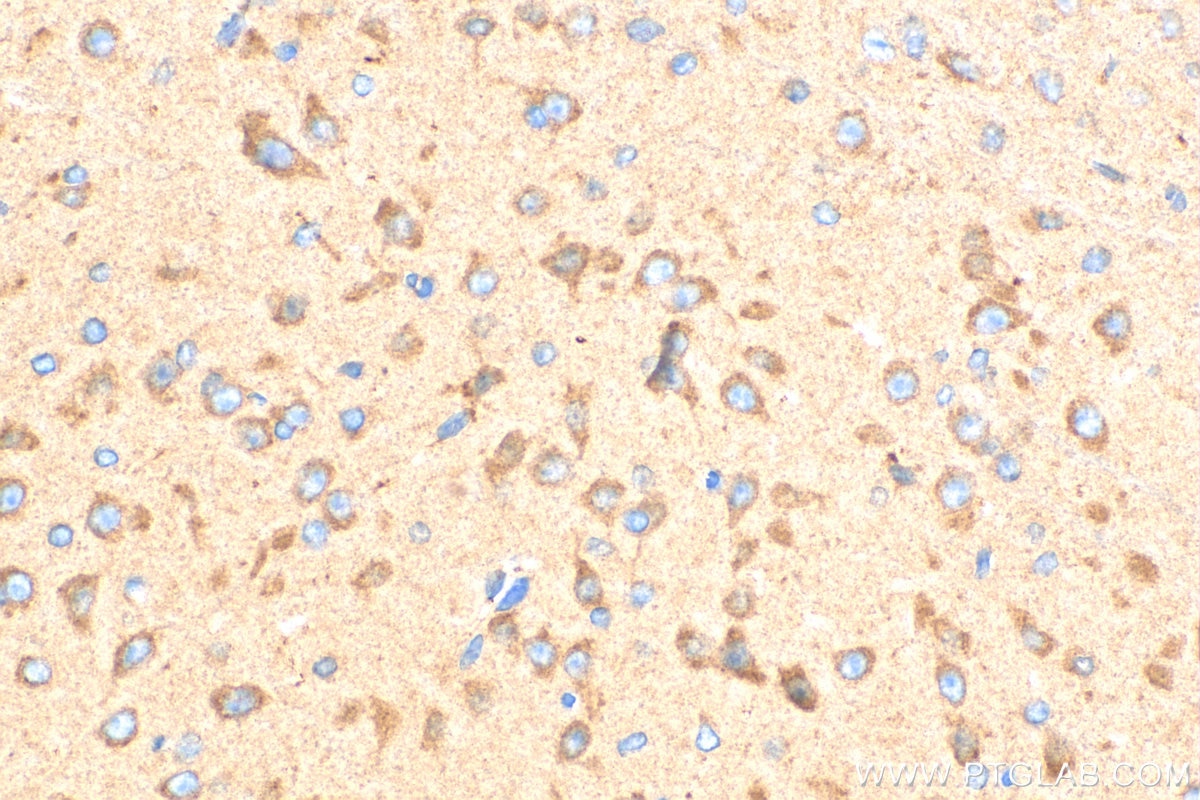
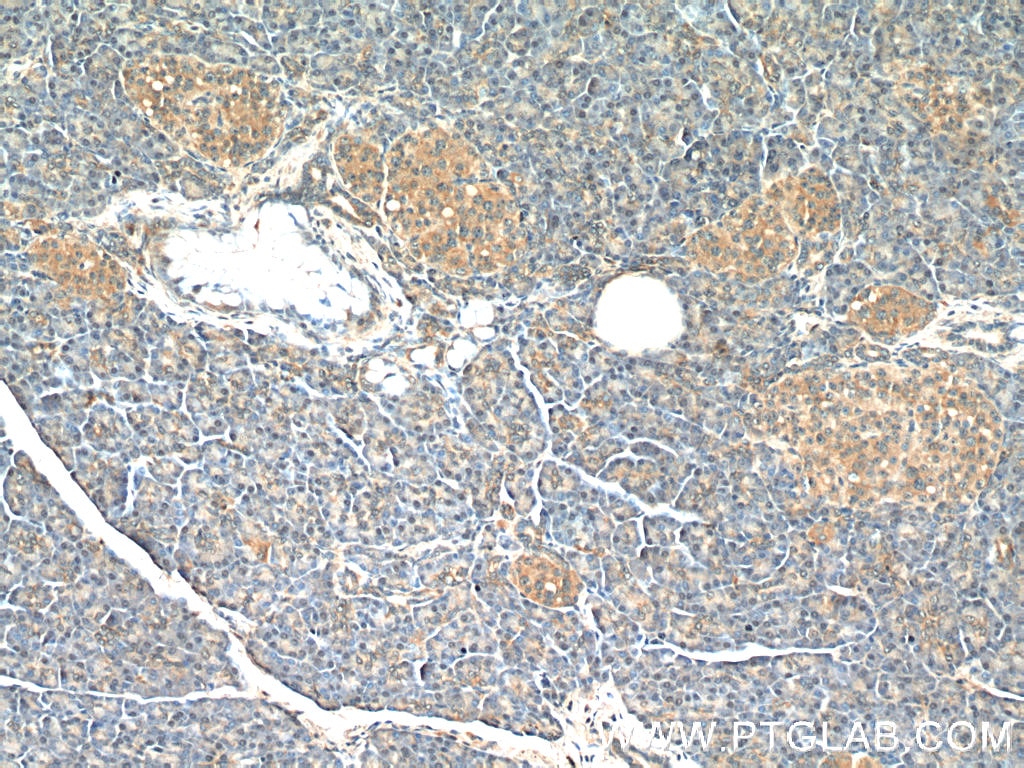
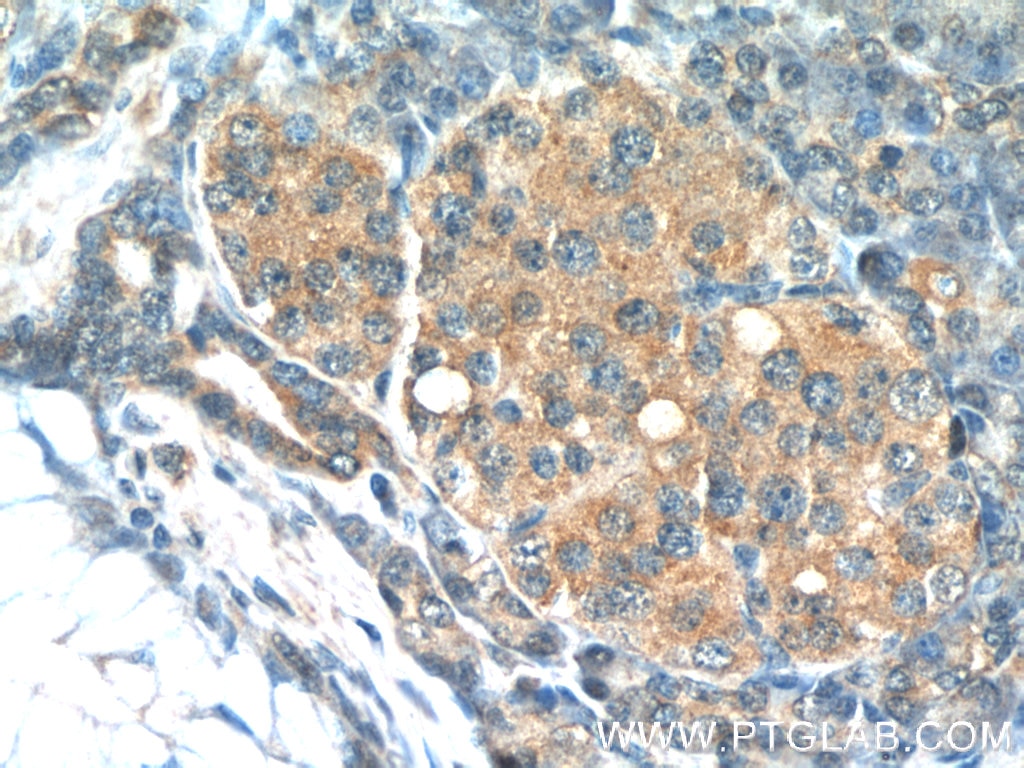
| Positive IHC detected in | mouse brain tissue, human pancreas tissue Note: suggested antigen retrieval with TE buffer pH 9.0; (*) Alternatively, antigen retrieval may be performed with citrate buffer pH 6.0 |
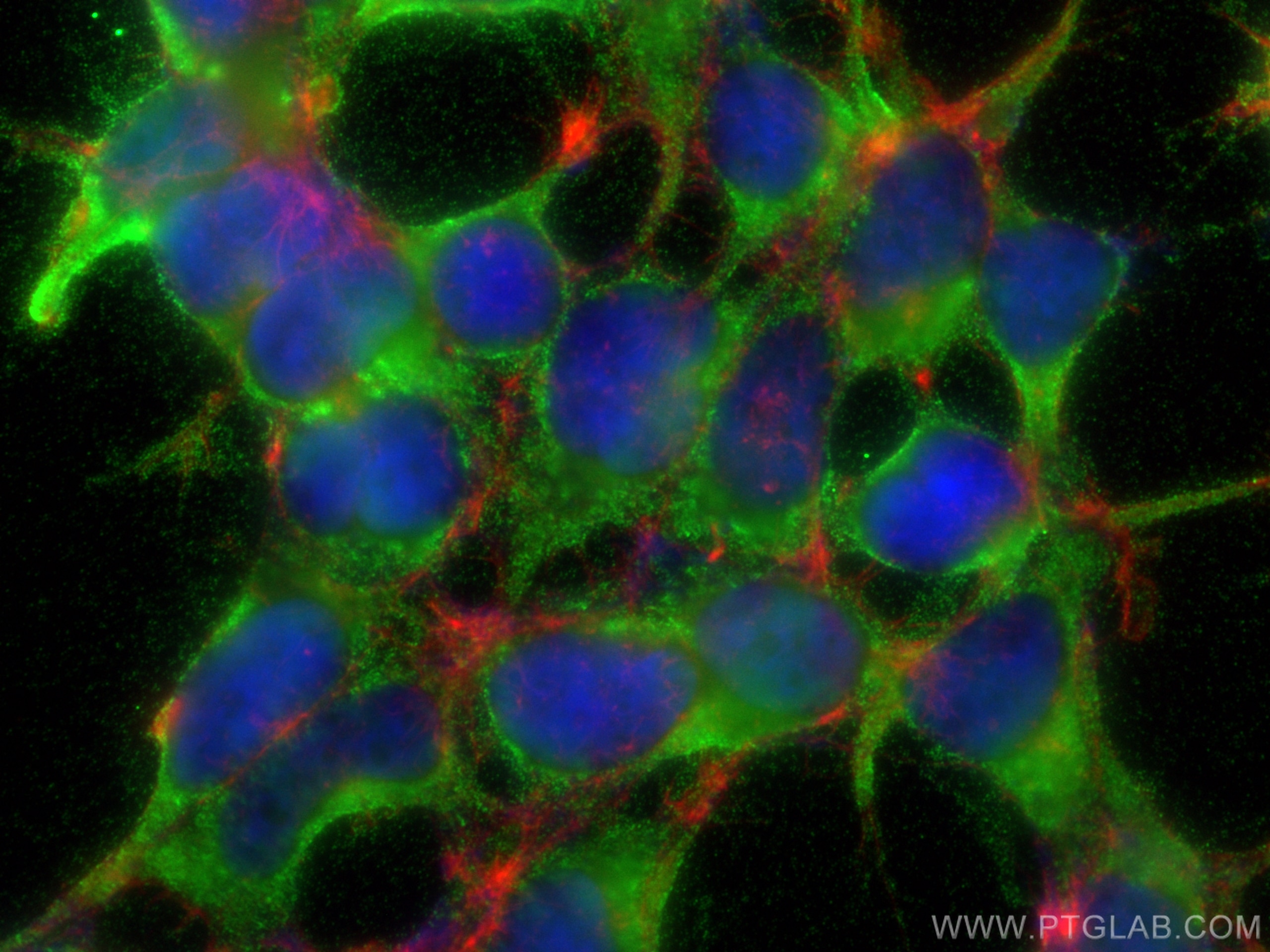
| Positive IF/ICC detected in | HEK-293 cells |
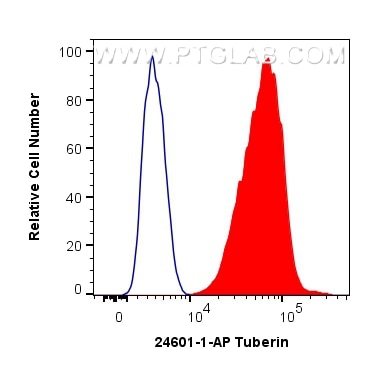
| Positive FC (Intra) detected in | HeLa cells |
Recommended dilution
| Application | Dilution |
|---|---|
| Western Blot (WB) | WB : 1:1000-1:8000 |
| Immunoprecipitation (IP) | IP : 0.5-4.0 ug for 1.0-3.0 mg of total protein lysate |
| Immunohistochemistry (IHC) | IHC : 1:400-1:1600 |
| Immunofluorescence (IF)/ICC | IF/ICC : 1:200-1:800 |
| Flow Cytometry (FC) (INTRA) | FC (INTRA) : 0.40 ug per 10^6 cells in a 100 µl suspension |
| It is recommended that this reagent should be titrated in each testing system to obtain optimal results. | |
| Sample-dependent, Check data in validation data gallery. | |
Product Information
24601-1-AP targets Tuberin/TSC2 in WB, IHC, IF/ICC, FC (Intra), IP, ELISA applications and shows reactivity with human, mouse, rat samples.
| Tested Reactivity | human, mouse, rat |
| Cited Reactivity | human, mouse, rat |
| Host / Isotype | Rabbit / IgG |
| Class | Polyclonal |
| Type | Antibody |
| Immunogen |
CatNo: Ag18133 Product name: Recombinant human TSC2 protein Source: e coli.-derived, PGEX-4T Tag: GST Domain: 1436-1784 aa of BC150300 Sequence: RGYTISDSAPSRRGKRVERDALKSRATASNAEKVPGINPSFVFLQLYHSPFFGDESNKPILLPNESQSFERSVQLLDQIPSYDTHKIAVLYVGEGQSNSELAILSNEHGSYRYTEFLTGLGRLIELKDCQPDKVYLGGLDVCGEDGQFTYCWHDDIMQAVFHIATLMPTKDVDKHRCDKKRHLGNDFVSIVYNDSGEDFKLGTIKGQFNFVHVMVTPLDYECNLVSLQCRKDMEGLVDTSVAKIVSDRNLPFVARQMALHANMASQVHHSRSNPTDIYPSKWIARLRHIKRLRQRICEEAAYSNPSLPLVHPPSHSKAPAQTPAEPTPGYEVGQRKRLISSVEDFTEFV Predict reactive species |
| Full Name | tuberous sclerosis 2 |
| Calculated Molecular Weight | 1807 aa, 201 kDa |
| Observed Molecular Weight | 200 kDa |
| GenBank Accession Number | BC150300 |
| Gene Symbol | TSC2 |
| Gene ID (NCBI) | 7249 |
| RRID | AB_2879633 |
| Conjugate | Unconjugated |
| Form | Liquid |
| Purification Method | Antigen affinity purification |
| UNIPROT ID | P49815 |
| Storage Buffer | PBS with 0.02% sodium azide and 50% glycerol, pH 7.3. |
| Storage Conditions | Store at -20°C. Stable for one year after shipment. Aliquoting is unnecessary for -20oC storage. 20ul sizes contain 0.1% BSA. |
Background Information
TSC2, also named as TSC4, FLJ43106 and LAM, acts as a GTPase-activating protein (GAP) for the small GTPase RHEB, a direct activator of the protein kinase activity of mTORC1. In complex with TSC1, TSC2 inhibits the nutrient-mediated or growth factor-stimulated phosphorylation of S6K1 and EIF4EBP1 by negatively regulating mTORC1 signaling. TSC2 implicated as a tumor suppressor. It is involved in microtubule-mediated protein transport, but this seems to be due to unregulated mTOR signaling. TSC2 stimulates weakly the intrinsic GTPase activity of the Ras-related proteins RAP1A and RAB5 in vitro. Mutations in TSC2 lead to constitutive activation of RAP1A in tumors. Mutations in either TSC2 or the related TSC1 (hamartin) gene cause tuberous sclerosis complex (TSC), an autosomal dominant disorder characterized by development of multiple, widespread non-malignant tumors.
Protocols
| Product Specific Protocols | |
|---|---|
| FC protocol for Tuberin/TSC2 antibody 24601-1-AP | Download protocol |
| IF protocol for Tuberin/TSC2 antibody 24601-1-AP | Download protocol |
| IHC protocol for Tuberin/TSC2 antibody 24601-1-AP | Download protocol |
| IP protocol for Tuberin/TSC2 antibody 24601-1-AP | Download protocol |
| WB protocol for Tuberin/TSC2 antibody 24601-1-AP | Download protocol |
| Standard Protocols | |
|---|---|
| Click here to view our Standard Protocols |
Publications
What published studies show
The Tuberin/TSC2 Polyclonal antibody (Cat# 24601-1-AP) has 23 citations across journals including Cell, Cell Metab, Immunity, Nat Commun, Mol Cell, Autophagy, EMBO Mol Med, Adv Sci, NPJ Breast Cancer, J Neuroinflammation, and eLife. Research fields span mTOR/AMPK signaling, autophagy, cancer (glioblastoma, breast, prostate, colorectal, urothelial, head and neck), Tuberous Sclerosis Complex, neuroinflammation, immunology, dermatology, and pre-eclampsia.
| Species | Application | Title |
|---|---|---|
Cell Intermittent fasting triggers interorgan communication to suppress hair follicle regeneration | ||
Immunity 25-Hydroxycholesterol regulates lysosome AMP kinase activation and metabolic reprogramming to educate immunosuppressive macrophages | ||
Autophagy Inhibition of autophagy and induction of glioblastoma cell death by NEO214, a perillyl alcohol-rolipram conjugate | ||
Nat Commun Targeting chaperone-mediated autophagy inhibits properties of glioblastoma stem cells and restores anti-tumor immunity. | ||
Reviews
What customers say
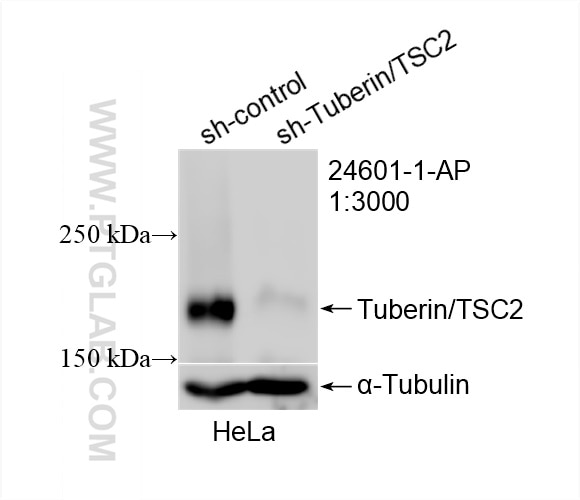
Both reviewers rated this antibody 5 stars for Western Blot. One used a 1:5000 dilution to check TSC2 knockout cells, while the other used 1:3000 to confirm TSC2 knockout in both human (eHap1) and mouse (IMCD3) cells. Both reported excellent performance, confirming the antibody's reliability for detecting TSC2 loss-of-function across species.
The reviews below have been submitted by verified Proteintech customers who received an incentive for providing their feedback.
Shivali (Verified Customer) (09-13-2025) | I used this antibody to check Tsc2 knockout cells and it worked great.
|
Parijat (Verified Customer) (08-27-2025) | I used this antibody to confirm TSC2 knockout in both human (eHap1) and mouse (IMCD3) cells and it worked great.
|











