
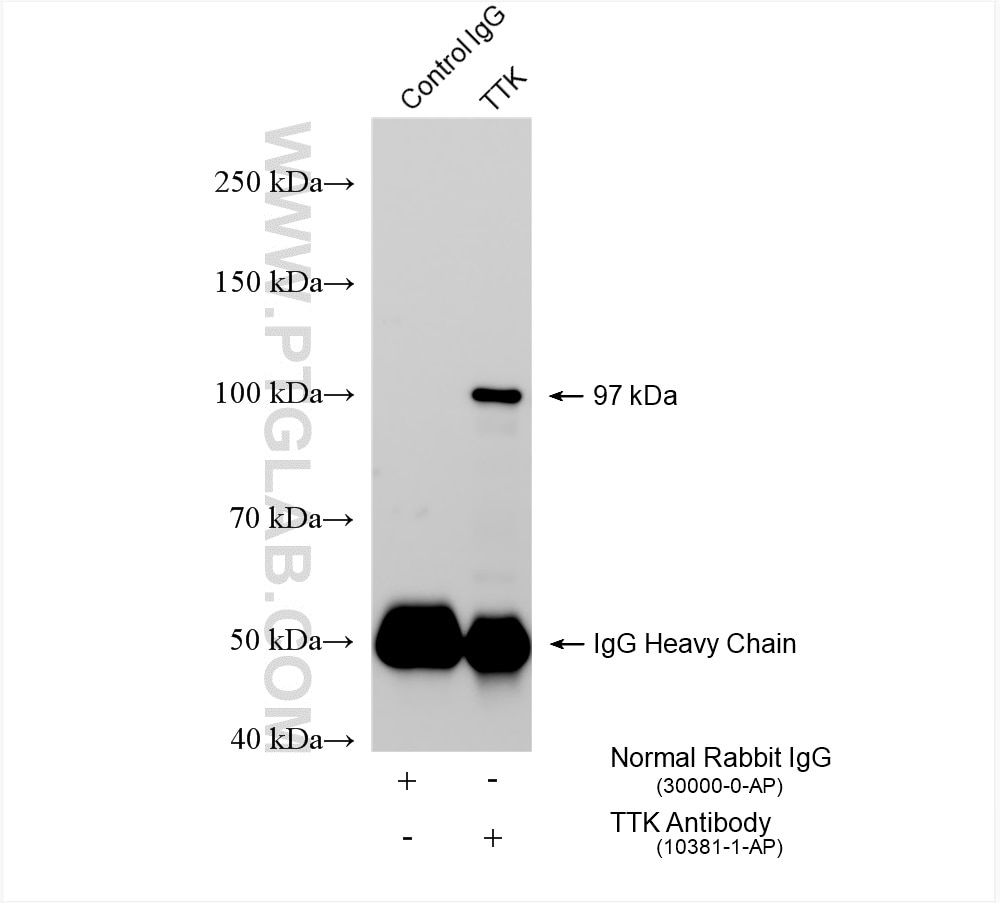
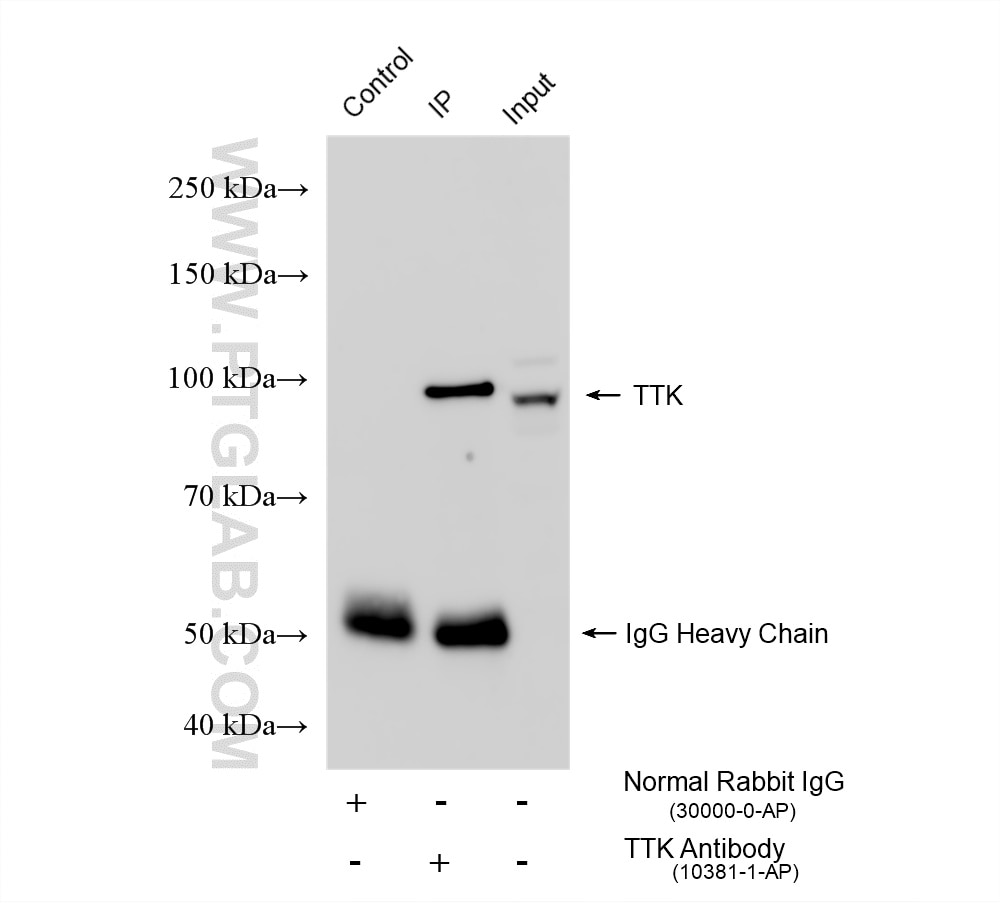
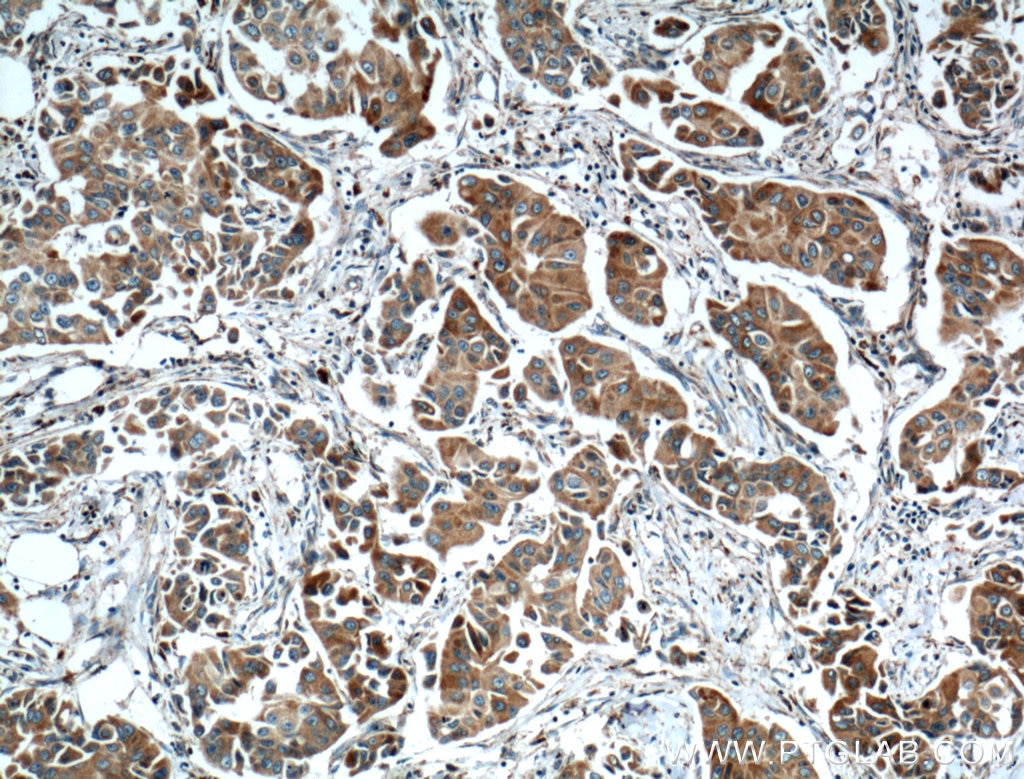
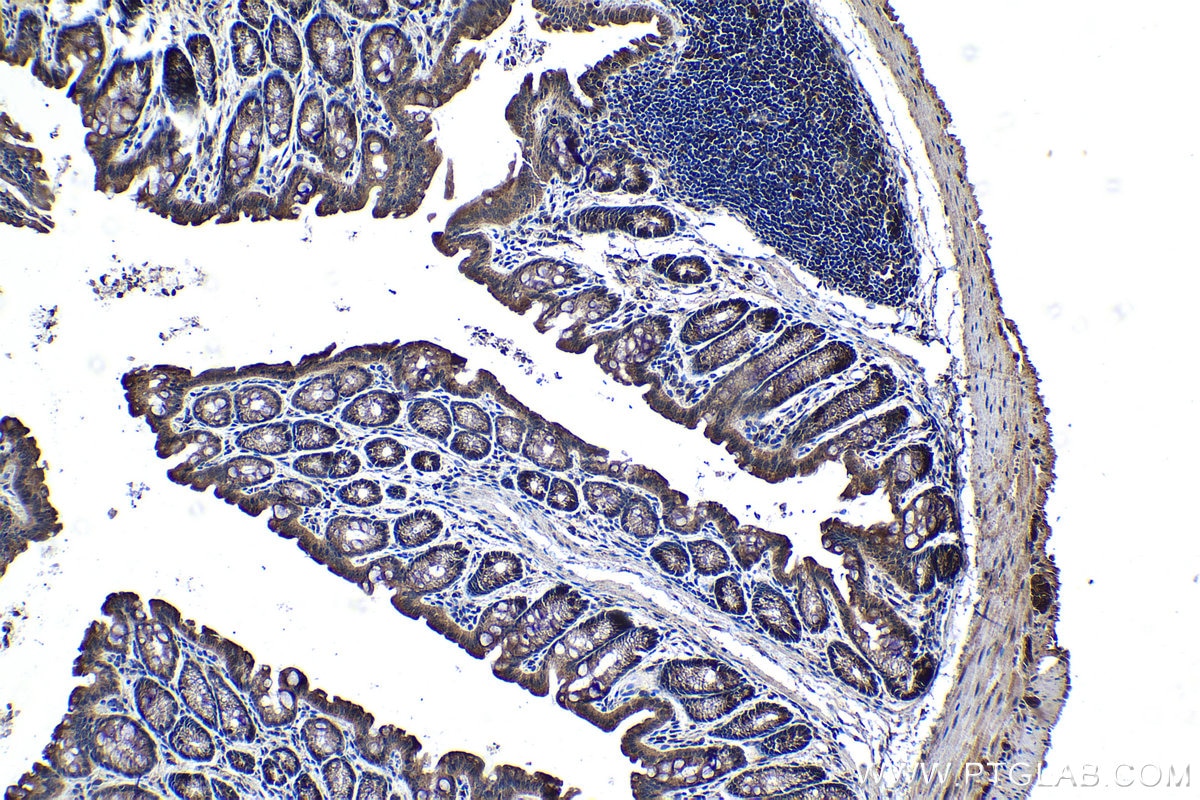
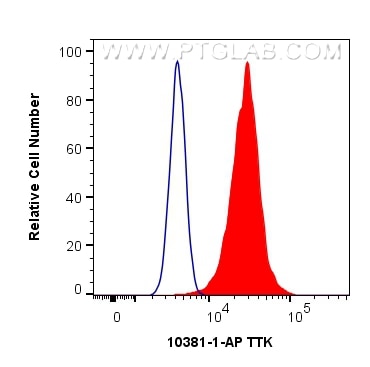

Tested Applications
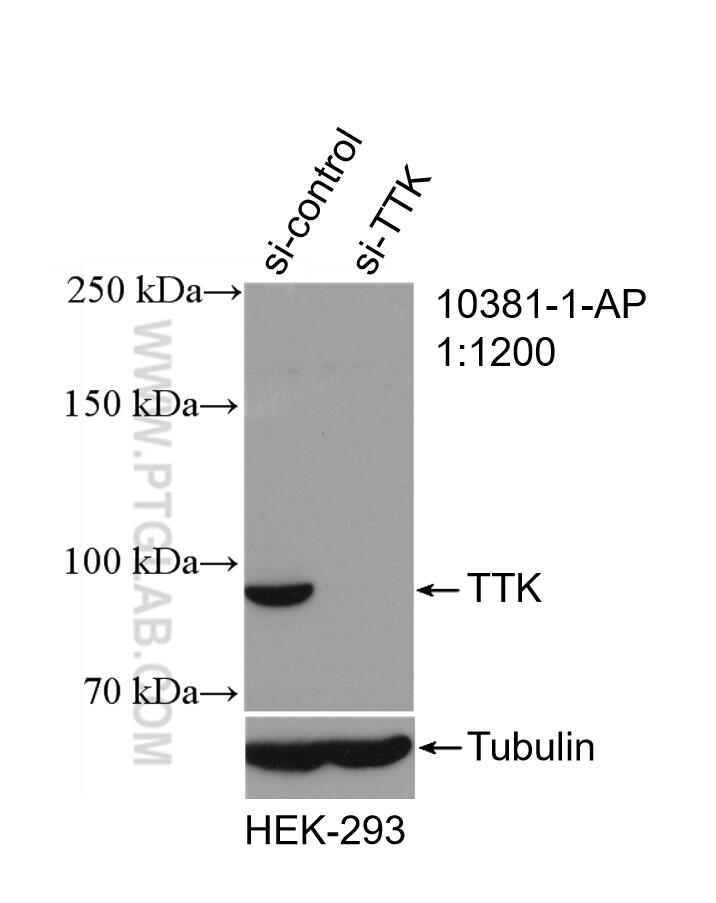
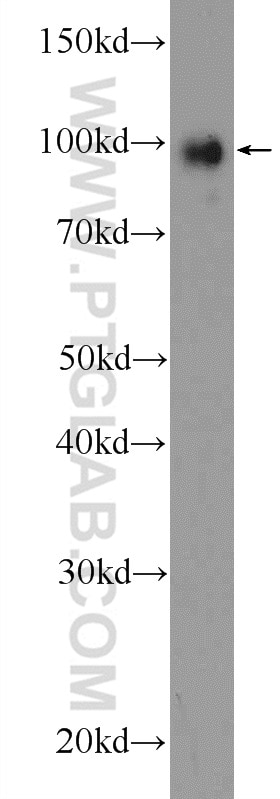
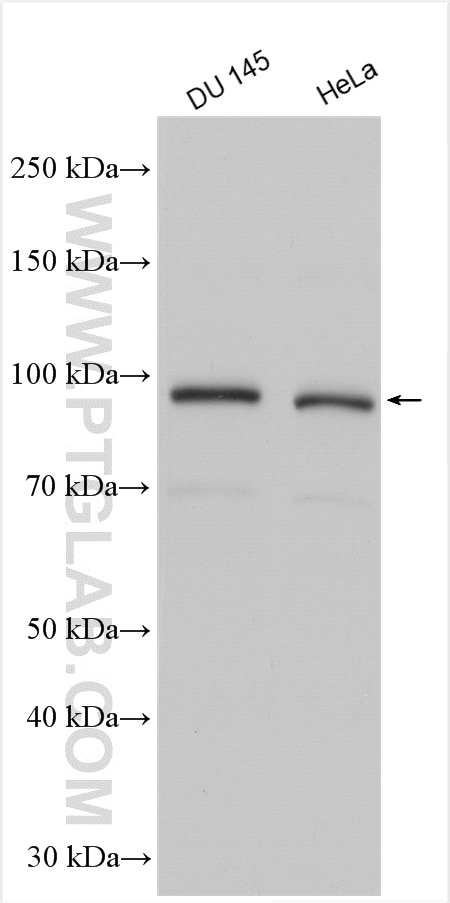
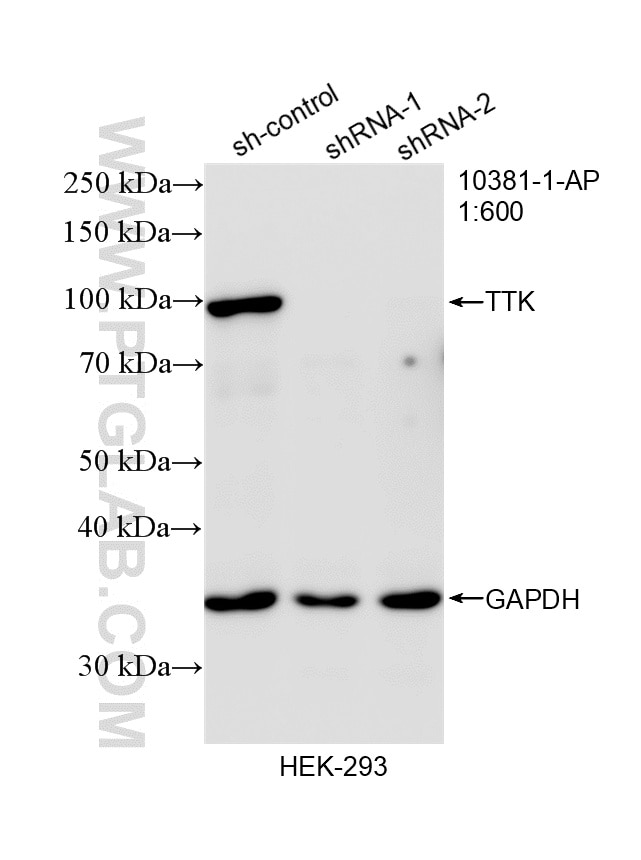
| Positive WB detected in | DU 145 cells, HEK-293 cells, MCF-7 cells, HeLa cells |
| Positive IP detected in | DU 145 cells |
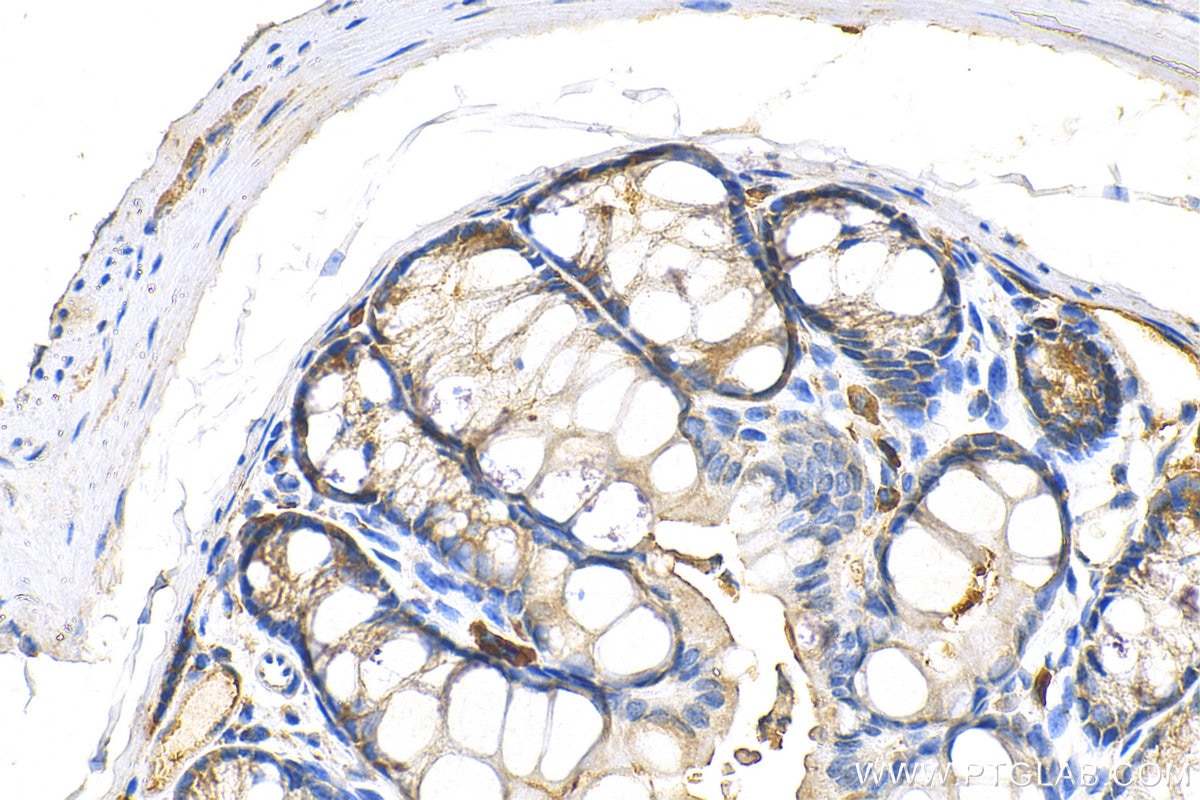
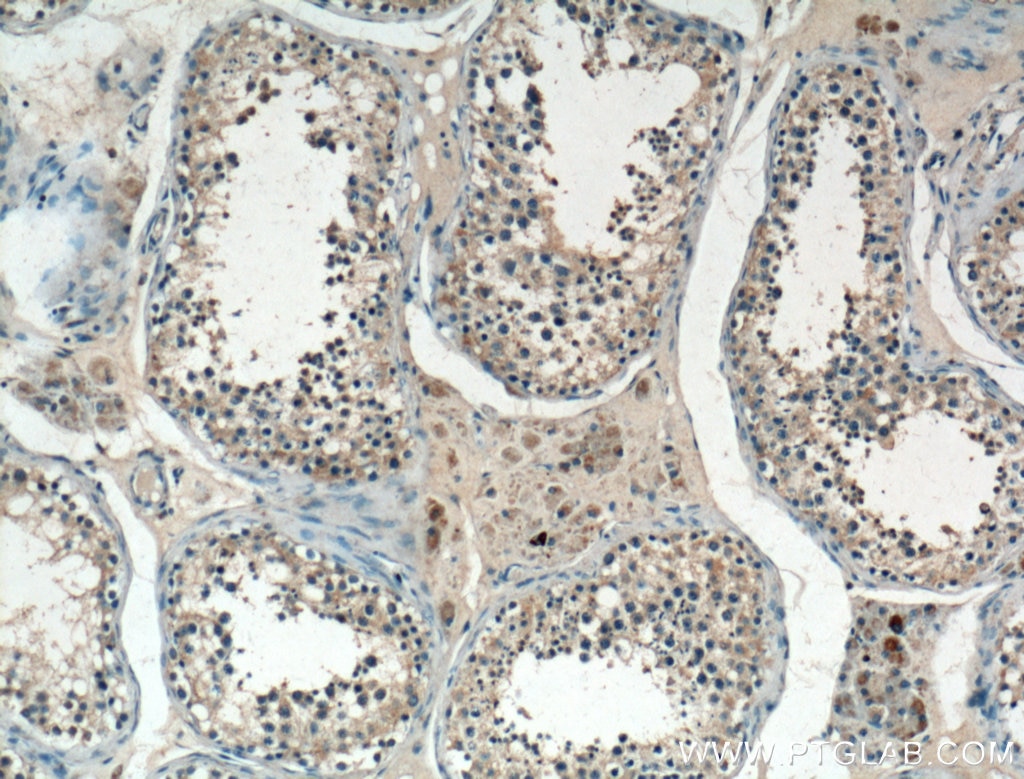
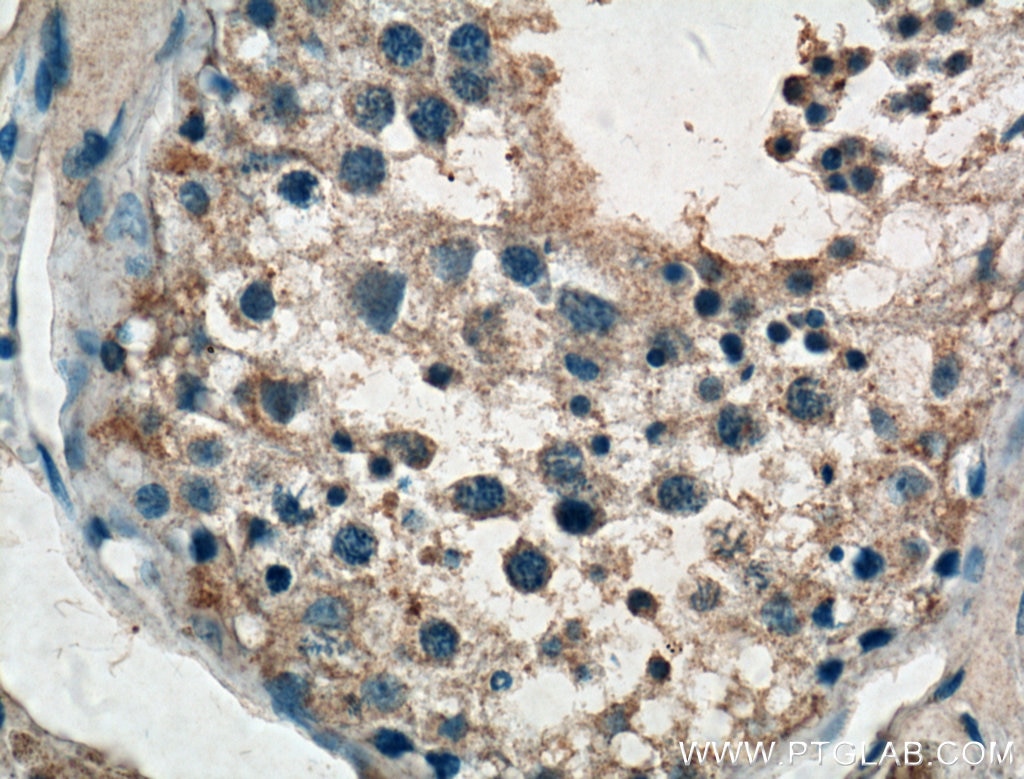
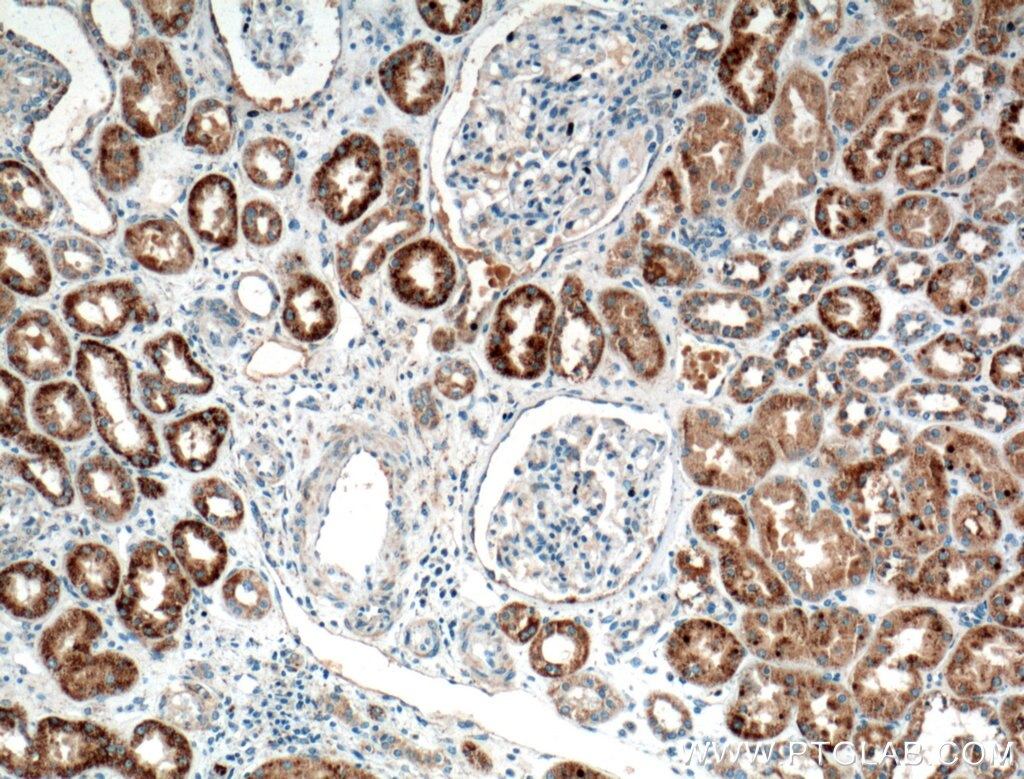
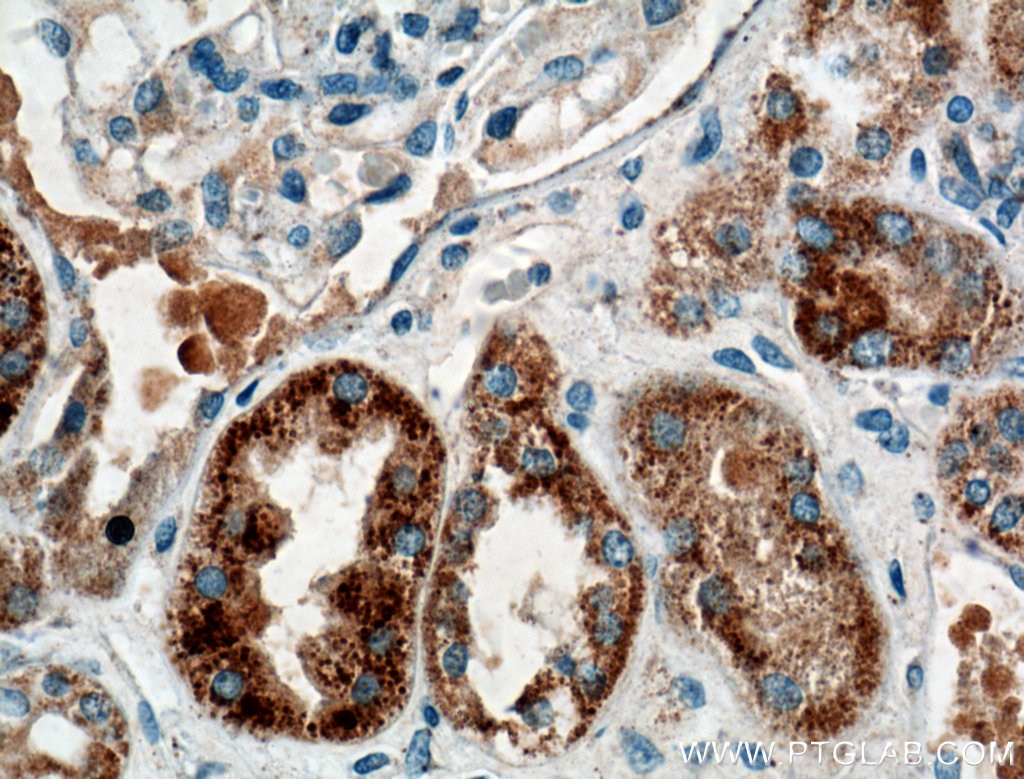
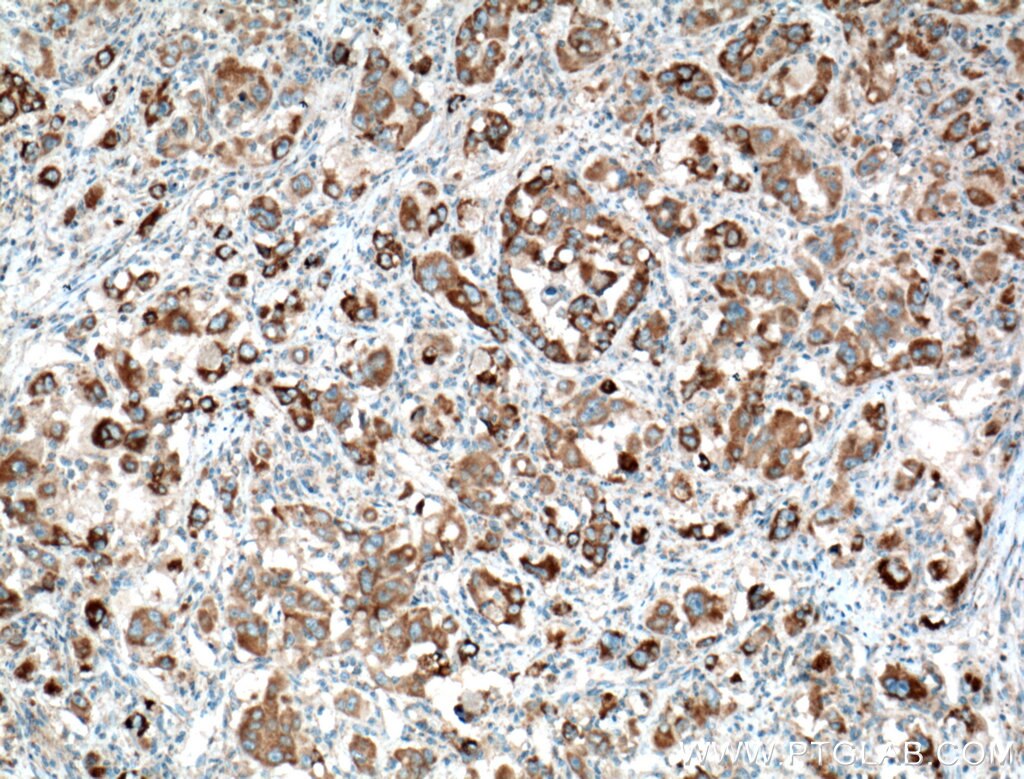
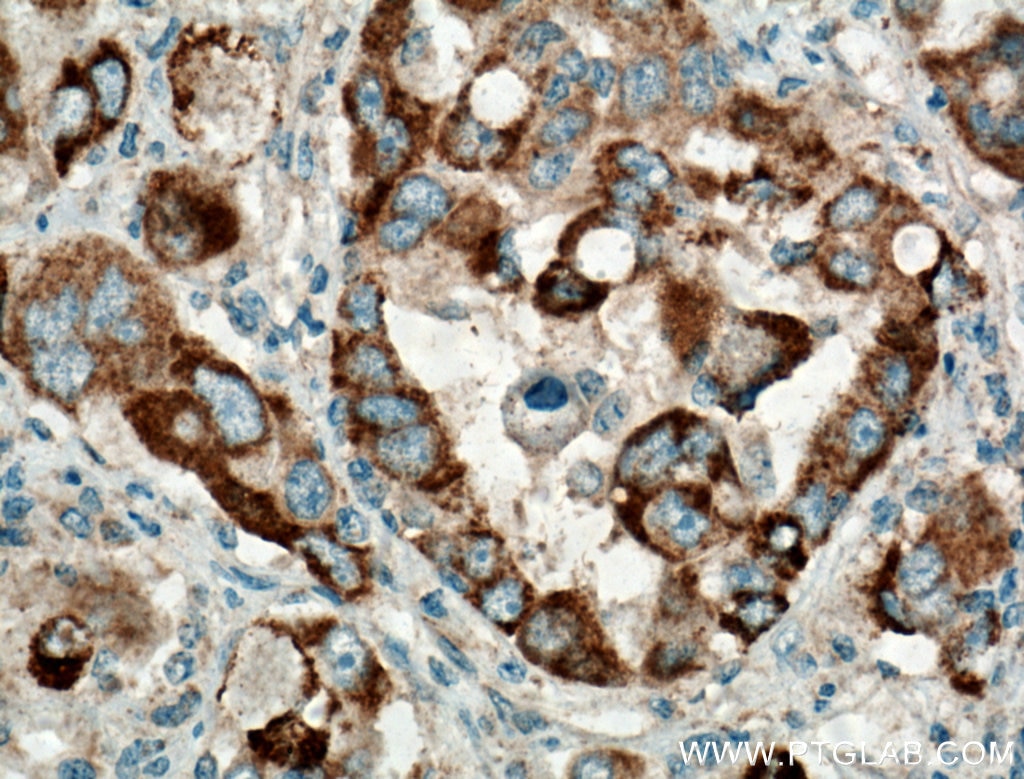
| Positive IHC detected in | human breast cancer tissue, human kidney tissue, human liver cancer tissue, human testis tissue, mouse colon tissue Note: suggested antigen retrieval with TE buffer pH 9.0; (*) Alternatively, antigen retrieval may be performed with citrate buffer pH 6.0 |
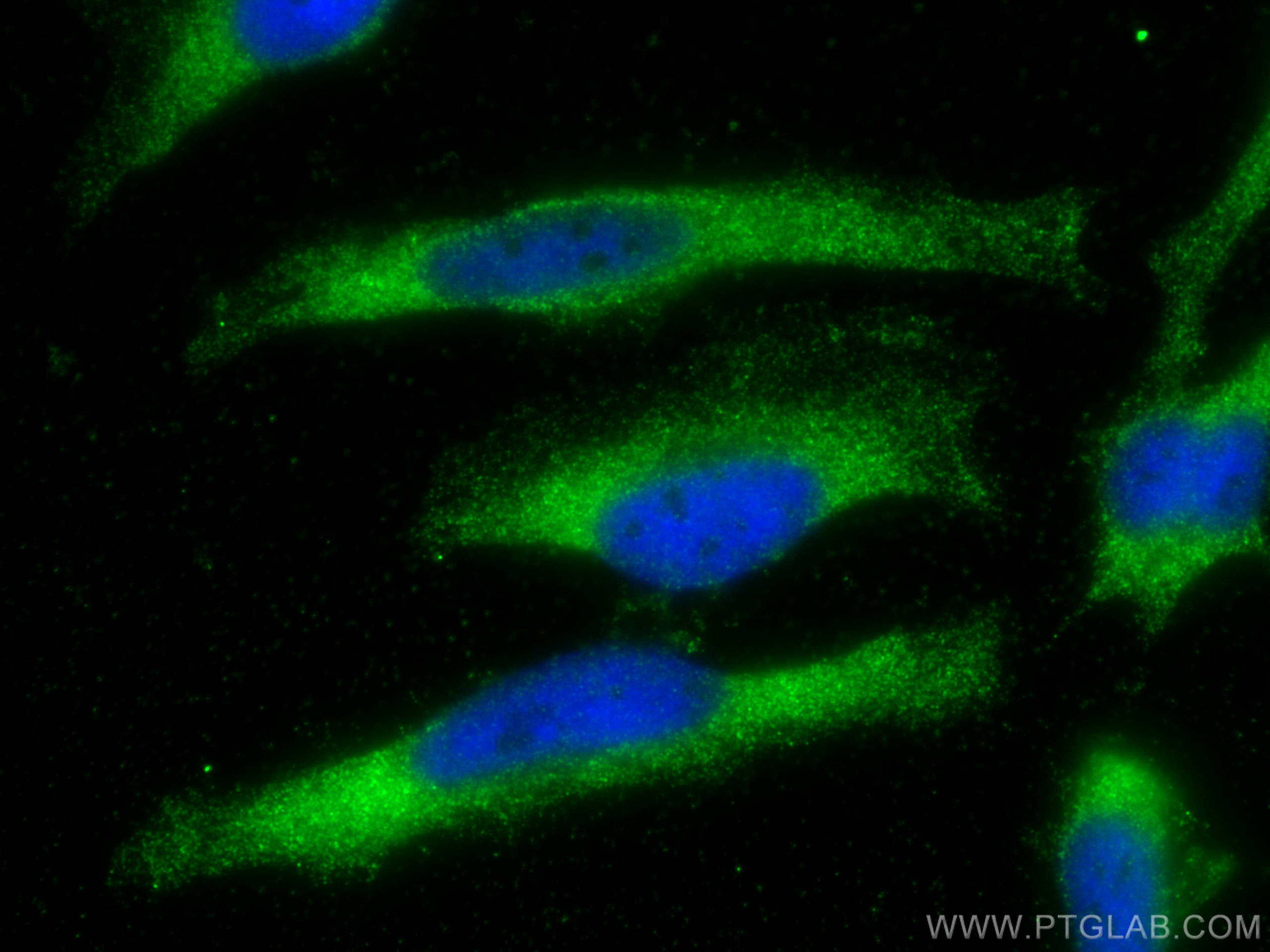
| Positive IF/ICC detected in | HeLa cells |
| Positive FC (Intra) detected in | HeLa cells |
Recommended dilution
| Application | Dilution |
|---|---|
| Western Blot (WB) | WB : 1:1000-1:4000 |
| Immunoprecipitation (IP) | IP : 0.5-4.0 ug for 1.0-3.0 mg of total protein lysate |
| Immunohistochemistry (IHC) | IHC : 1:50-1:500 |
| Immunofluorescence (IF)/ICC | IF/ICC : 1:50-1:500 |
| Flow Cytometry (FC) (INTRA) | FC (INTRA) : 0.40 ug per 10^6 cells in a 100 µl suspension |
| It is recommended that this reagent should be titrated in each testing system to obtain optimal results. | |
| Sample-dependent, Check data in validation data gallery. | |
Product Information
10381-1-AP targets TTK in WB, IHC, IF/ICC, FC (Intra), IP, ELISA applications and shows reactivity with human, mouse samples.
| Tested Reactivity | human, mouse |
| Cited Reactivity | human, mouse |
| Host / Isotype | Rabbit / IgG |
| Class | Polyclonal |
| Type | Antibody |
| Immunogen |
CatNo: Ag0405 Product name: Recombinant human TTK protein Source: e coli.-derived, PGEX-4T Tag: GST Domain: 533-786 aa of BC000633 Sequence: SGGSSKVFQVLNEKKQIYAIKYVNLEEADNQTLDSYRNEIAYLNKLQQHSDKIIRLYDYEITDQYIYMVMECGNIDLNSWLKKKKSIDPWERKSYWKNMLEAVHTIHQHGIVHSDLKPANFLIVDGMLKLIDFGIANQMQPDTTSVVKDSQVGTVNYMPPEAIKDMSSSRENGKSKSKISPKSDVWSLGCILYYMTYGKTPFQQIINQISKLHAIIDPNHEIEFPDIPEKDLQDVLKCCLKRDPKQRISIPELL Predict reactive species |
| Full Name | TTK protein kinase |
| Calculated Molecular Weight | 97 kDa |
| Observed Molecular Weight | 96-97 kDa |
| GenBank Accession Number | BC000633 |
| Gene Symbol | TTK |
| Gene ID (NCBI) | 7272 |
| RRID | AB_2211979 |
| Conjugate | Unconjugated |
| Form | Liquid |
| Purification Method | Antigen affinity purification |
| UNIPROT ID | P33981 |
| Storage Buffer | PBS with 0.02% sodium azide and 50% glycerol, pH 7.3. |
| Storage Conditions | Store at -20°C. Stable for one year after shipment. Aliquoting is unnecessary for -20oC storage. 20ul sizes contain 0.1% BSA. |
Background Information
Mps1 family of kinases colocalizes with mitotic checkpoint proteins in kinetochores and/or spindle pole bodies/centrosomes. TTK has been shown to be a cell cycle-regulated kinase displaying maximum activity during M phase(PMID:15618221). Its kinase activity is required for proper chromosome segregation during mitosis through its involvements in microtubule-chromosome attachment error correction and the mitotic checkpoint(PMID:20937696). TTK mRNA is present at relatively high levels in testis and thymus, tissues which contain a large number of proliferating cells, but is not detected in most other benign tissues (PMID:1639825). It has 2 isoforms produced by alternative splicing (PMID:25137017).
Protocols
| Product Specific Protocols | |
|---|---|
| FC protocol for TTK antibody 10381-1-AP | Download protocol |
| IF protocol for TTK antibody 10381-1-AP | Download protocol |
| IHC protocol for TTK antibody 10381-1-AP | Download protocol |
| IP protocol for TTK antibody 10381-1-AP | Download protocol |
| WB protocol for TTK antibody 10381-1-AP | Download protocol |
| Standard Protocols | |
|---|---|
| Click here to view our Standard Protocols |
Publications
What published studies show
TTK antibody (Cat# 10381-1-AP) has 18 citations published in journals including Science Advances, Cell Death & Differentiation, Journal of Cell Biology, Advanced Science, Cancer Letters, BMC Cancer, and Frontiers in Oncology. Research fields span oncology (ovarian, breast, bladder, lung, colorectal, pancreatic, prostate, and liver cancers), spindle assembly checkpoint regulation, oocyte biology, and autophagy. Applications include WB, IF, and IHC in human and mouse samples.
| Species | Application | Title |
|---|---|---|
J Nanobiotechnology GRP75-driven, cell-cycle-dependent macropinocytosis of Tat/pDNA-Ca2+ nanoparticles underlies distinct gene therapy effect in ovarian cancer. | ||
J Exp Clin Cancer Res Targeting of RRM2 suppresses DNA damage response and activates apoptosis in atypical teratoid rhabdoid tumor | ||
Adv Sci (Weinh) A Microtubule-Associated Protein Functions in Preventing Oocytes from Evading the Spindle Assembly Checkpoint | ||
Cell Death Differ TTK promotes mitophagy by regulating ULK1 phosphorylation and pre-mRNA splicing to inhibit mitochondrial apoptosis in bladder cancer
| ||
Cancer Lett Targeting the SIN1 mediated TTK/LDHA-H3K18la-GLUT3 axis disrupts metabolic-epigenetic crosstalk and suppresses progression in hyperglycolytic breast cancer.
|
Reviews
What customers say
The product has one user review rated 5 stars. The reviewer reported a very clear band when using the antibody at a 1:500 dilution for Western Blot. Overall, the feedback is positive, indicating reliable performance in WB applications.
The reviews below have been submitted by verified Proteintech customers who received an incentive for providing their feedback.
Zhiping (Verified Customer) (07-28-2022) | Very clear band
|


















