

Tested Applications
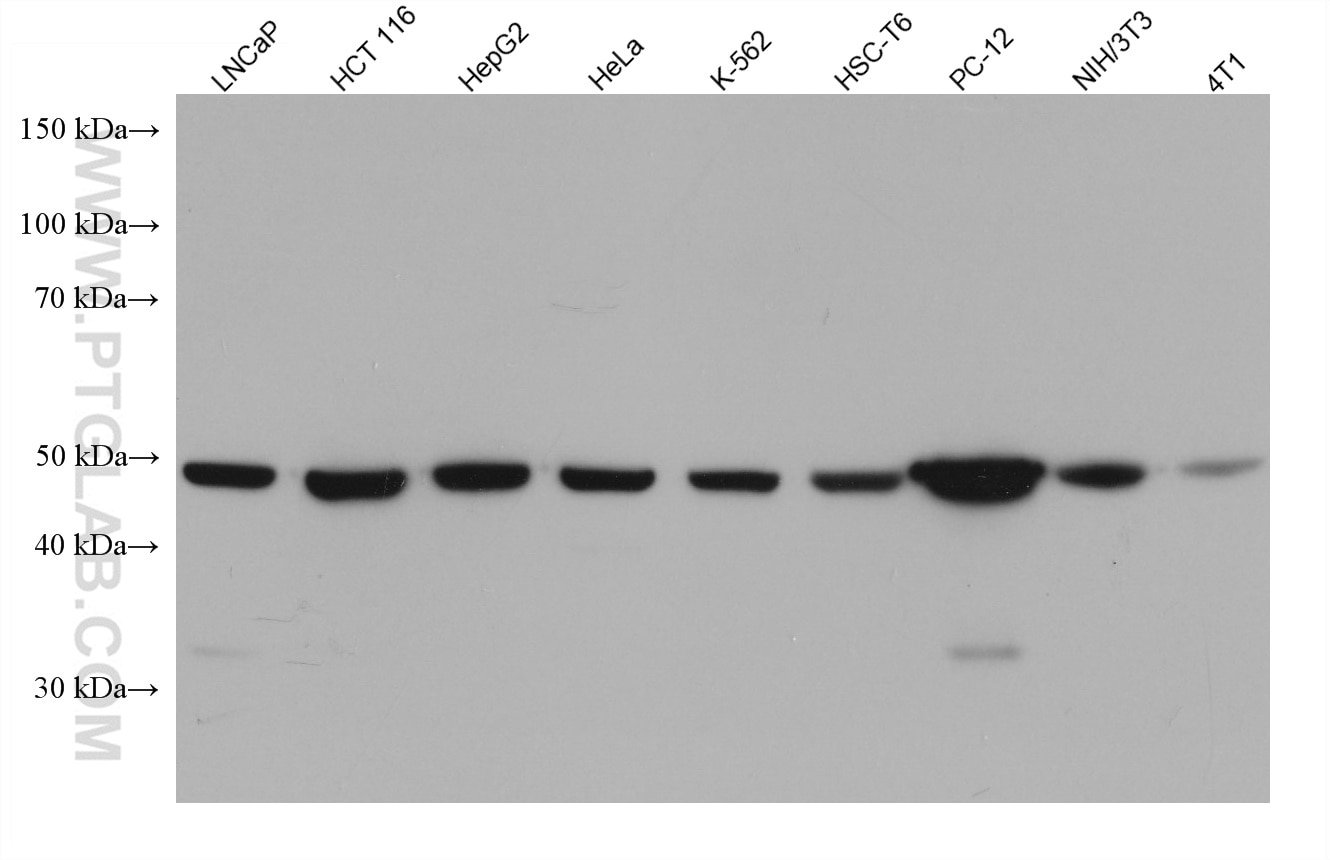
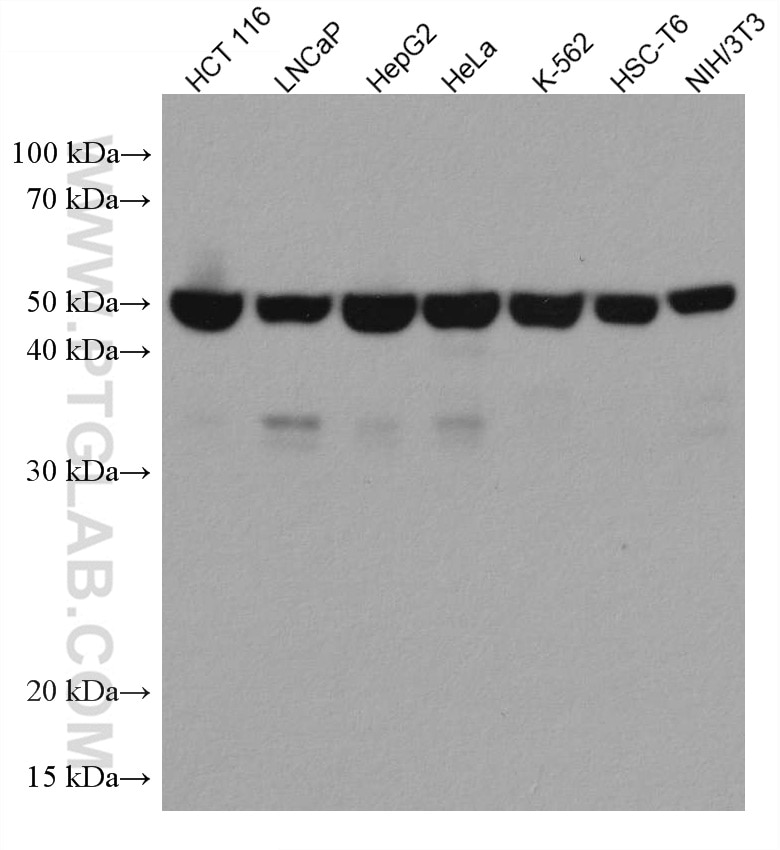
| Positive WB detected in | LNCaP cells, HCT 116 cells, HepG2 cells, HeLa cells, K-562 cells, HSC-T6 cells, NIH/3T3 cells, PC-12 cells, 4T1 cells |
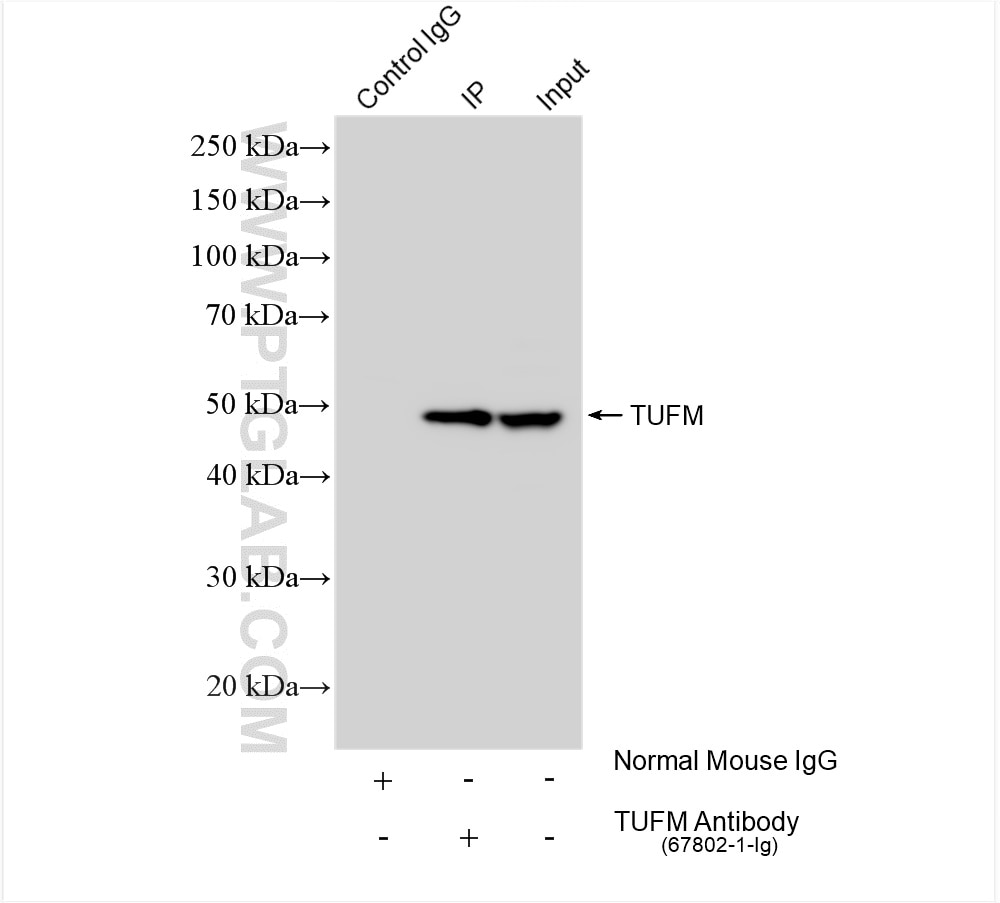
| Positive IP detected in | HepG2 cells |
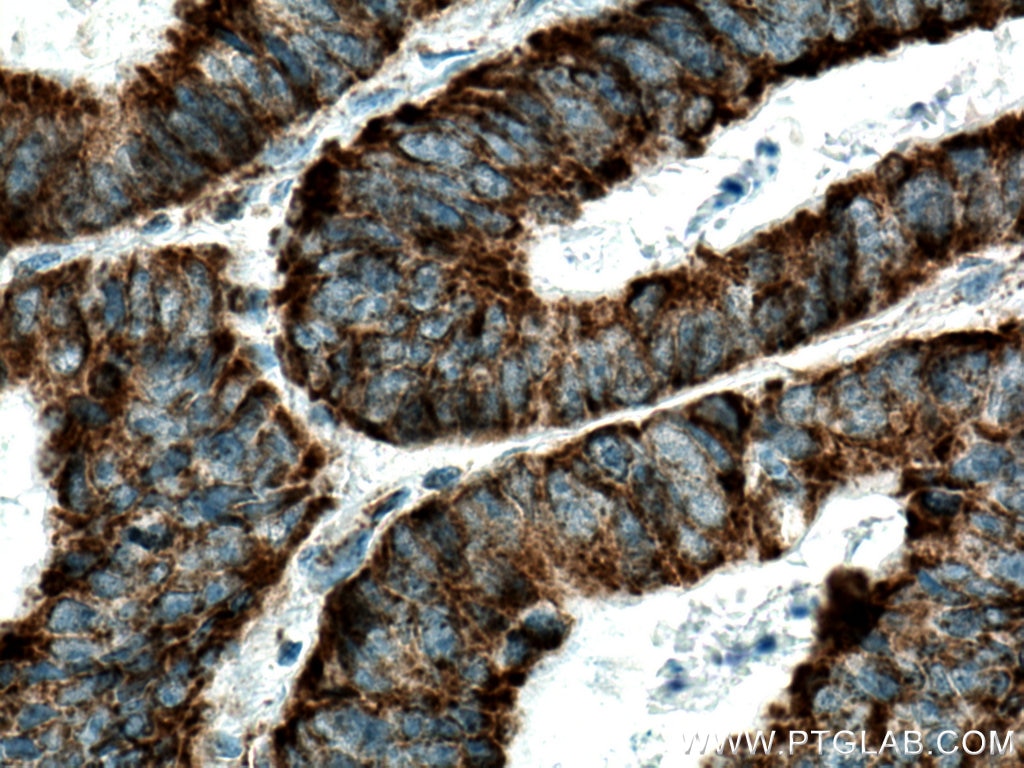
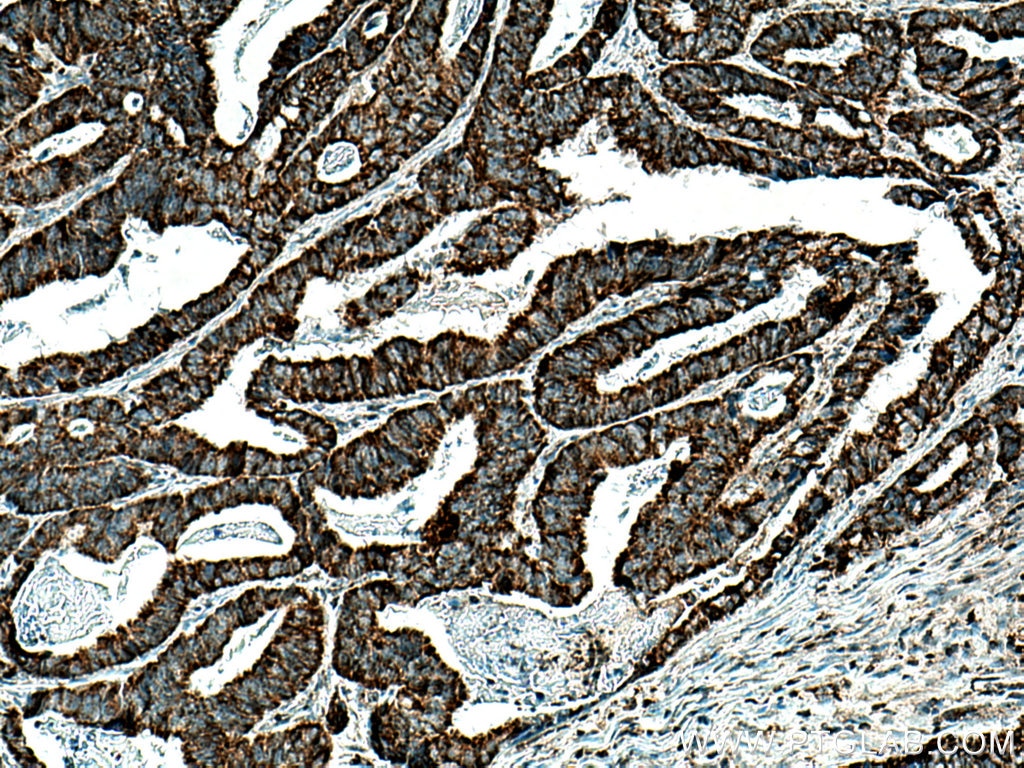
| Positive IHC detected in | human colon cancer tissue Note: suggested antigen retrieval with TE buffer pH 9.0; (*) Alternatively, antigen retrieval may be performed with citrate buffer pH 6.0 |
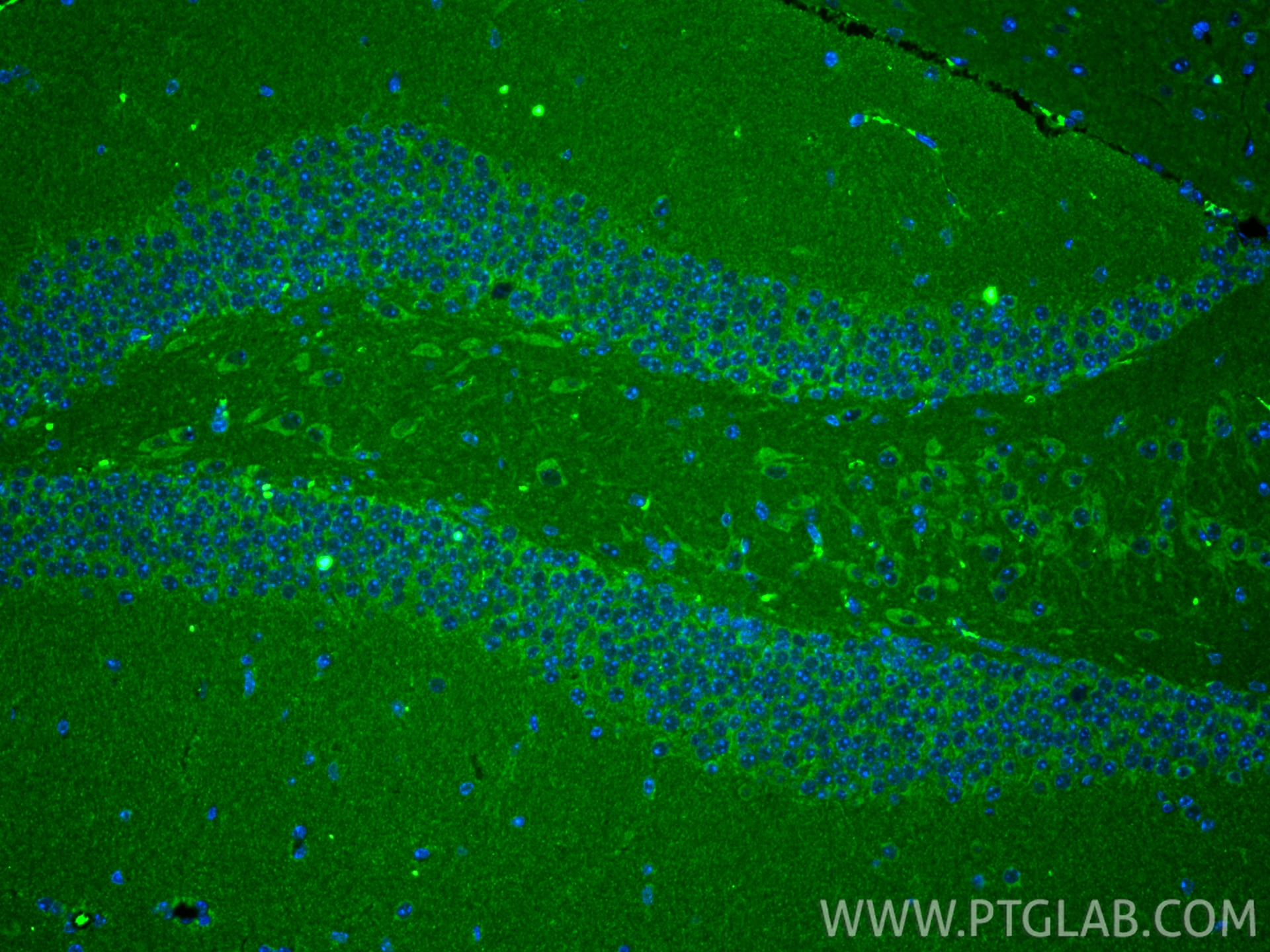
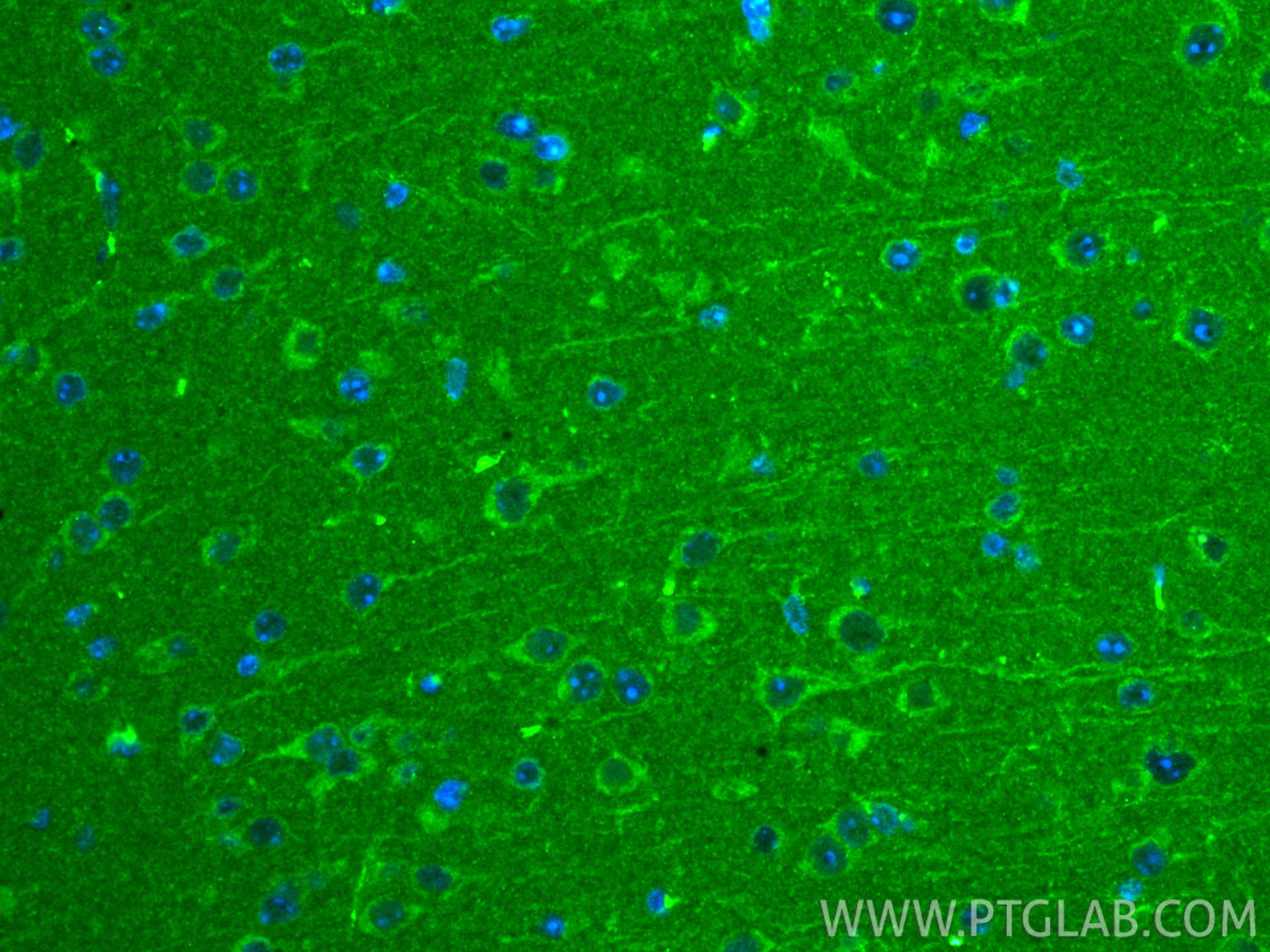
| Positive IF-P detected in | mouse brain tissue |
Recommended dilution
| Application | Dilution |
|---|---|
| Western Blot (WB) | WB : 1:5000-1:50000 |
| Immunoprecipitation (IP) | IP : 0.5-4.0 ug for 1.0-3.0 mg of total protein lysate |
| Immunohistochemistry (IHC) | IHC : 1:1000-1:4000 |
| Immunofluorescence (IF)-P | IF-P : 1:200-1:800 |
| It is recommended that this reagent should be titrated in each testing system to obtain optimal results. | |
| Sample-dependent, Check data in validation data gallery. | |
Product Information
67802-1-Ig targets TUFM in WB, IHC, IF-P, IP, ELISA applications and shows reactivity with human, mouse, rat samples.
| Tested Reactivity | human, mouse, rat |
| Cited Reactivity | human, mouse, rat |
| Host / Isotype | Mouse / IgG2a |
| Class | Monoclonal |
| Type | Antibody |
| Immunogen |
CatNo: Ag24976 Product name: Recombinant human TUFM protein Source: e coli.-derived, PGEX-4T Tag: GST Domain: 108-455 aa of BC010041 Sequence: GITINAAHVEYSTAARHYAHTDCPGHADYVKNMITGTAPLDGCILVVAANDGPMPQTREHLLLARQIGVEHVVVYVNKADAVQDSEMVELVELEIRELLTEFGYKGEETPVIVGSALCALEGRDPELGLKSVQKLLDAVDTYIPVPARDLEKPFLLPVEAVYSVPGRGTVVTGTLERGILKKGDECELLGHSKNIRTVVTGIEMFHKSLERAEAGDNLGALVRGLKREDLRRGLVMVKPGSIKPHQKVEAQVYILSKEEGGRHKPFVSHFMPVMFSLTWDMACRIILPPEKELAMPGEDLKFNLILRQPMILEKGQRFTLRDGNRTIGTGLVTNTLAMTEEEKNIKWG Predict reactive species |
| Full Name | Tu translation elongation factor, mitochondrial |
| Calculated Molecular Weight | 50 kDa |
| Observed Molecular Weight | 48-50 kDa |
| GenBank Accession Number | BC010041 |
| Gene Symbol | TUFM |
| Gene ID (NCBI) | 7284 |
| RRID | AB_2918565 |
| Conjugate | Unconjugated |
| Form | Liquid |
| Purification Method | Protein A purification |
| UNIPROT ID | P49411 |
| Storage Buffer | PBS with 0.02% sodium azide and 50% glycerol, pH 7.3. |
| Storage Conditions | Store at -20°C. Stable for one year after shipment. Aliquoting is unnecessary for -20oC storage. 20ul sizes contain 0.1% BSA. |
Background Information
TUFM, also named as Elongation factor Tu, mitochondrial, is a 452 amino acid protein, which contains 1 tr-type G (guanine nucleotide-binding) domain and belongs to the TRAFAC class translation factor GTPase superfamily. TUFM localizes in the Mitochondrion and promotes the GTP-dependent binding of aminoacyl-tRNA to the A-site of ribosomes during protein biosynthesis.
Protocols
| Product Specific Protocols | |
|---|---|
| IF protocol for TUFM antibody 67802-1-Ig | Download protocol |
| IHC protocol for TUFM antibody 67802-1-Ig | Download protocol |
| IP protocol for TUFM antibody 67802-1-Ig | Download protocol |
| WB protocol for TUFM antibody 67802-1-Ig | Download protocol |
| Standard Protocols | |
|---|---|
| Click here to view our Standard Protocols |
Publications
What published studies show
The TUFM Monoclonal antibody (2A10D2), catalog number 67802-1-Ig, has 5 citations published in Ecotoxicology and Environmental Safety, Molecular Therapy Nucleic Acids, Cell Biology and Toxicology, Respiratory Research, and Veterinary Research. The associated research fields include fluoride-induced neuroinflammation and cognitive deficits, CKD-induced muscle atrophy and pyroptosis, myocardial ischemia/reperfusion injury and apoptosis, EGFR-TKI resistance in NSCLC via lipophagy, and Japanese encephalitis virus replication through interferon suppression.
| Species | Application | Title |
|---|---|---|
Ecotoxicol Environ Saf Mitochondrial translation impairment-triggered neuroinflammation mediates fluoride-induced cognitive deficits. | ||
Mol Ther Nucleic Acids Decoding CKD-induced muscle atrophy through the critical role of lncRNA GAS5 and pyroptosis | ||
Cell Biol Toxicol SPSB3-mediated K48- and K63- linked ubiquitination and degradation of TUFM promote apoptosis induced by myocardial ischemia/reperfusion injury. | ||
Respir Res TGM2-TUFM promotes acquired resistance to EGFR-TKIs in EGFR-mutated NSCLC through p62-mediated lipophagy. | ||
Vet Res Japanese encephalitis virus degrades TRAF3 to suppress type I interferon and promote viral replication through NS5 and host TUFM proteins. |
Reviews
What customers say
The single available review is a 5-star rating from February 2023. The user performed Western Blot at a 1:5000 dilution (lot 10019132) on human pulmonary artery smooth muscle cells and reported that the antibody "works very well for western blot." Overall, the feedback is positive, confirming reliable performance in WB applications.
The reviews below have been submitted by verified Proteintech customers who received an incentive for providing their feedback.
Sarah-Eve (Verified Customer) (02-19-2023) | Works very Well for western blot
|








