
Product Information
67728-1-PBS targets TXNRD1 as part of a matched antibody pair:
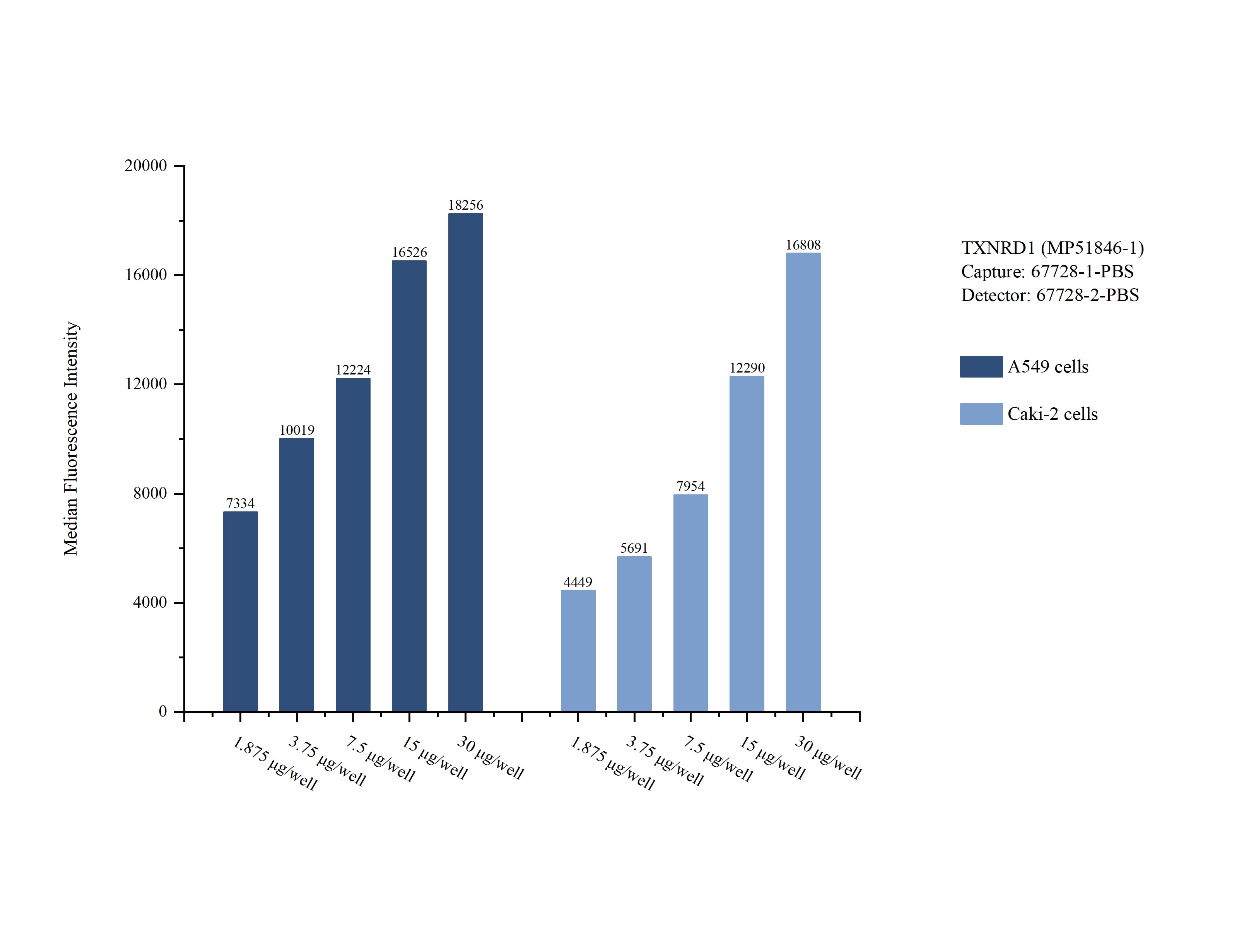
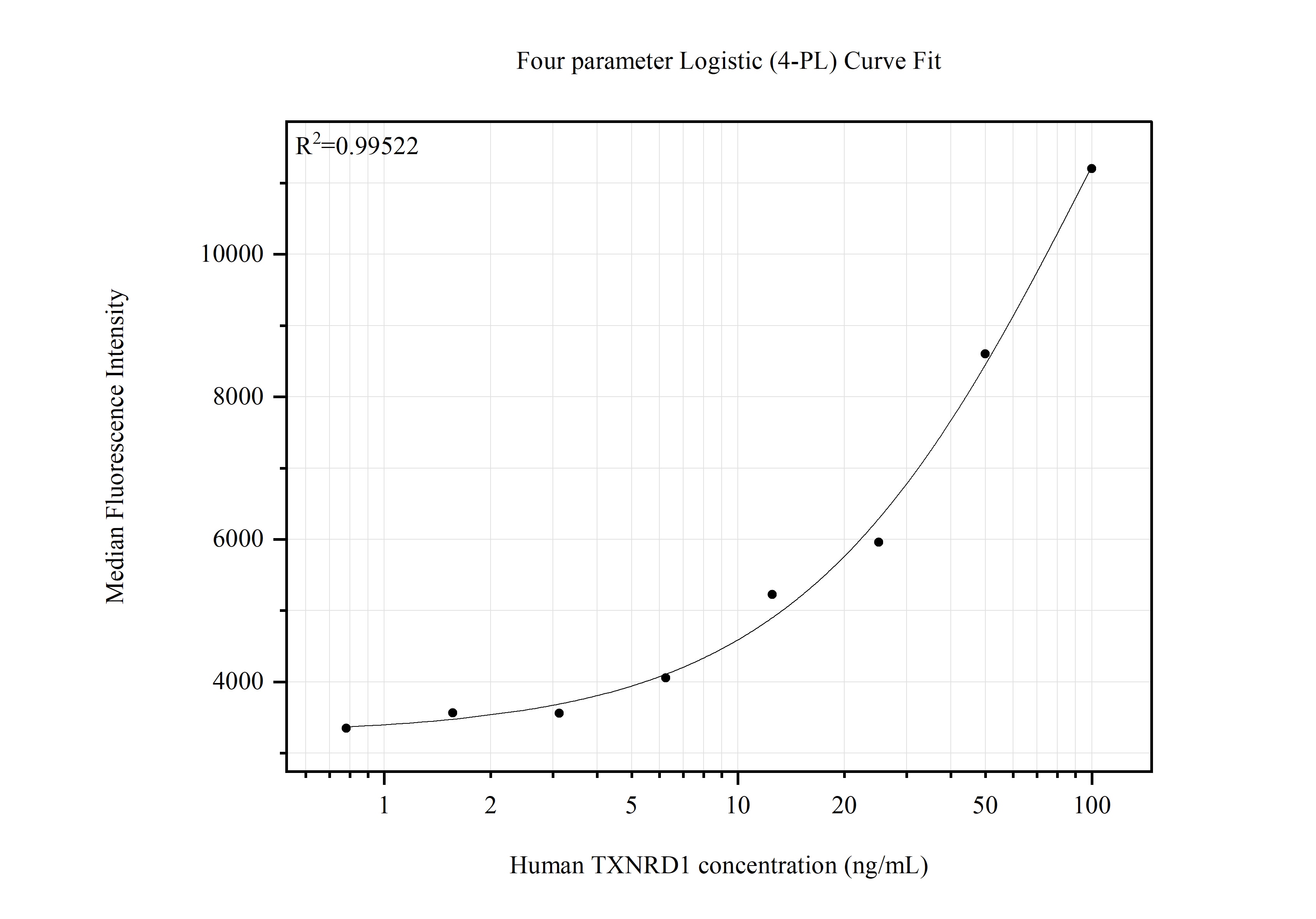
MP51846-1: 67728-1-PBS capture and 67728-2-PBS detection (validated in Cytometric bead array)
Unconjugated mouse monoclonal antibody pair in PBS only (BSA and azide free) storage buffer at a concentration of 1 mg/mL, ready for conjugation.
This conjugation ready format makes antibodies ideal for use in many applications including: ELISAs, multiplex assays requiring matched pairs, mass cytometry, and multiplex imaging applications.Antibody use should be optimized by the end user for each application and assay.
| Tested Reactivity | human, mouse, rat |
| Host / Isotype | Mouse / IgG1 |
| Class | Monoclonal |
| Type | Antibody |
| Immunogen |
CatNo: Ag30071 Product name: Recombinant human TXNRD1 protein Source: e coli.-derived, PET28a Tag: 6*His Domain: 199-500 aa of BC018122 Sequence: SYVALECAGFLAGIGLDVTVMVRSILLRGFDQDMANKIGEHMEEHGIKFIRQFVPIKVEQIEAGTPGRLRVVAQSTNSEEIIEGEYNTVMLAIGRDACTRKIGLETVGVKINEKTGKIPVTDEEQTNVPYIYAIGDILEDKVELTPVAIQAGRLLAQRLYAGSTVKCDYENVPTTVFTPLEYGACGLSEEKAVEKFGEENIEVYHSYFWPLEWTIPSRDNNKCYAKIICNTKDNERVVGFHVLGPNAGEVTQGFAAALKCGLTKKQLDSTIGIHPVCAEVFTTLSVTKRSGASILQAGCUG Predict reactive species |
| Full Name | thioredoxin reductase 1 |
| Calculated Molecular Weight | 55 kDa |
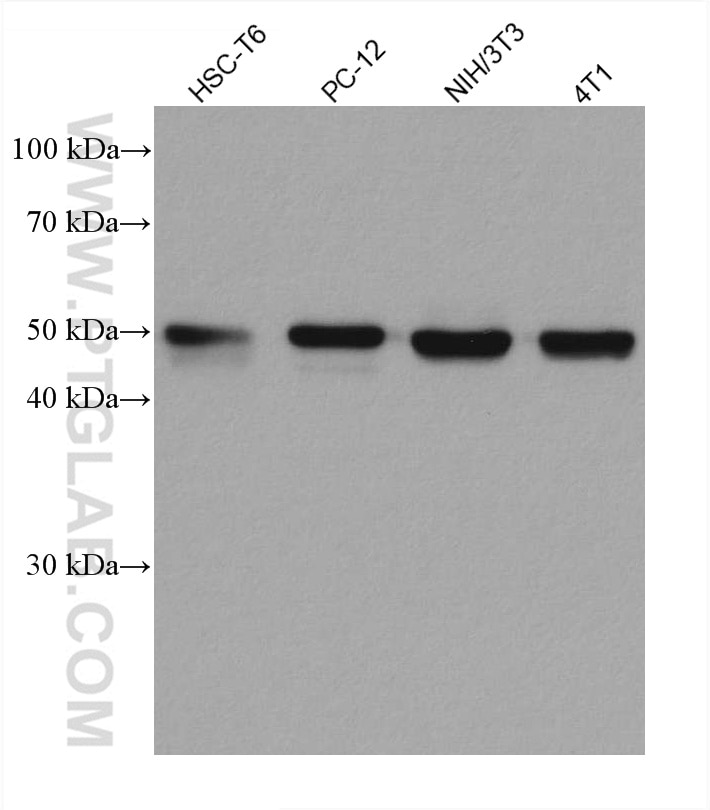
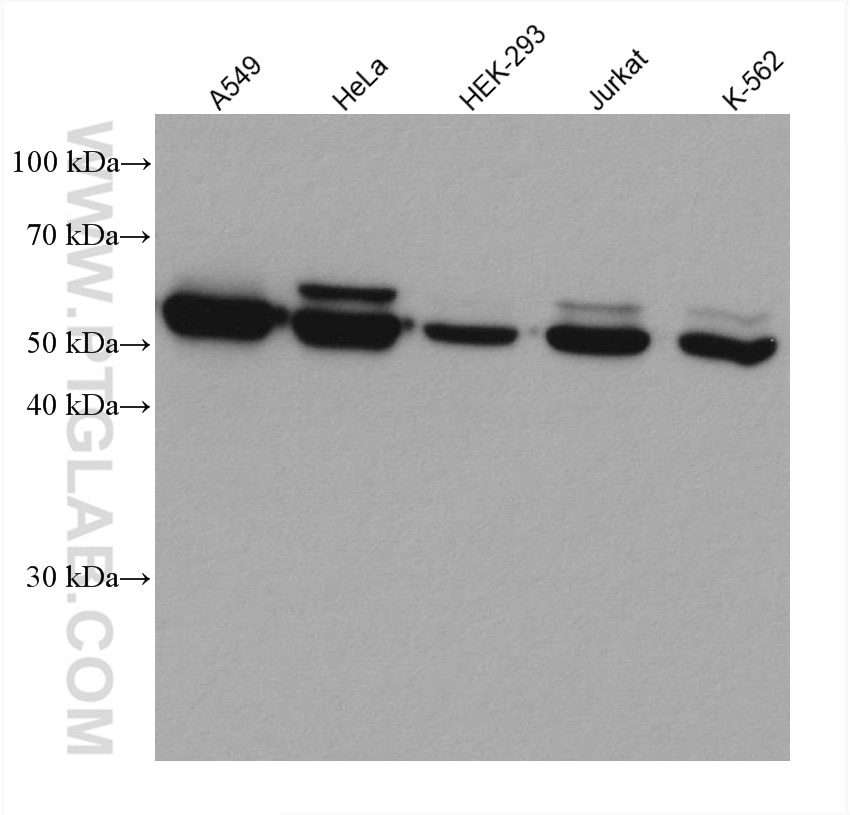
| Observed Molecular Weight | 50-70 kDa |
| GenBank Accession Number | BC018122 |
| Gene Symbol | TXNRD1 |
| Gene ID (NCBI) | 7296 |
| RRID | AB_2882914 |
| Conjugate | Unconjugated |
| Form | Liquid |
| Purification Method | Protein A purification |
| UNIPROT ID | Q16881 |
| Storage Buffer | PBS only, pH 7.3. |
| Storage Conditions | Store at -80°C. |
Background Information
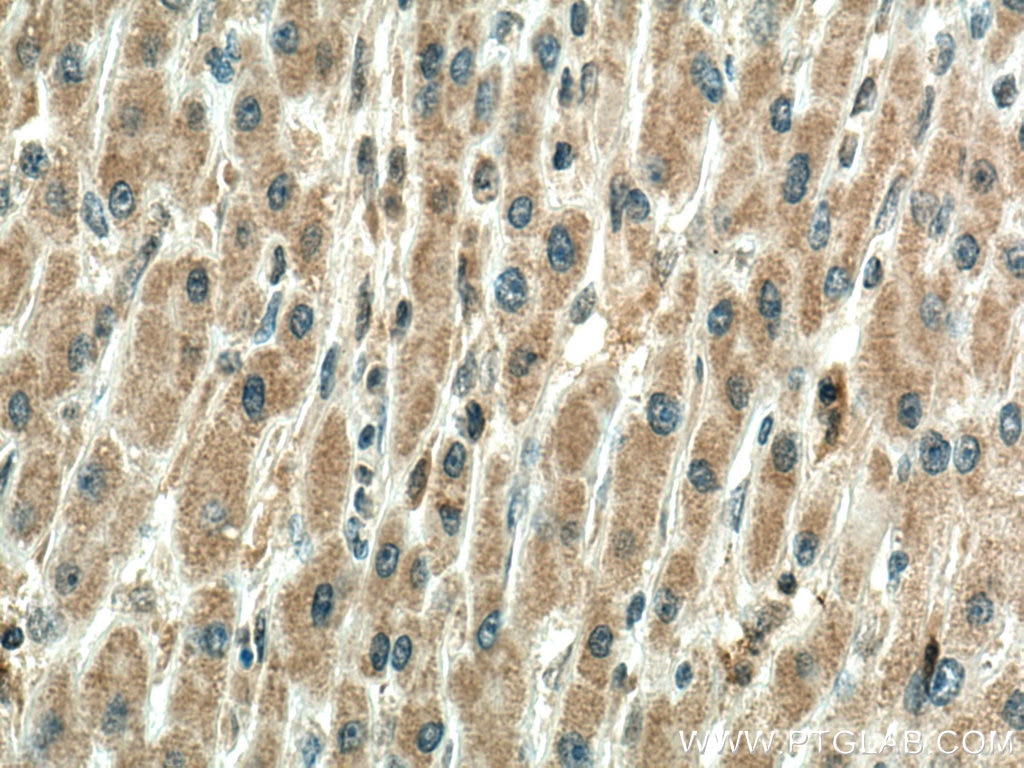
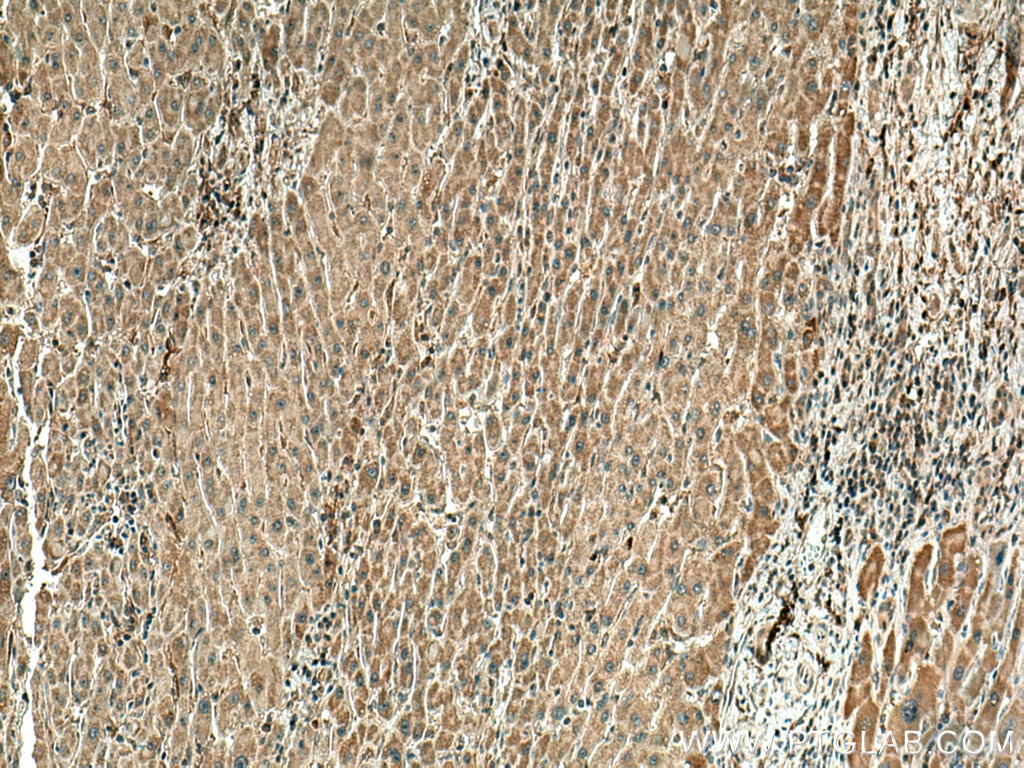
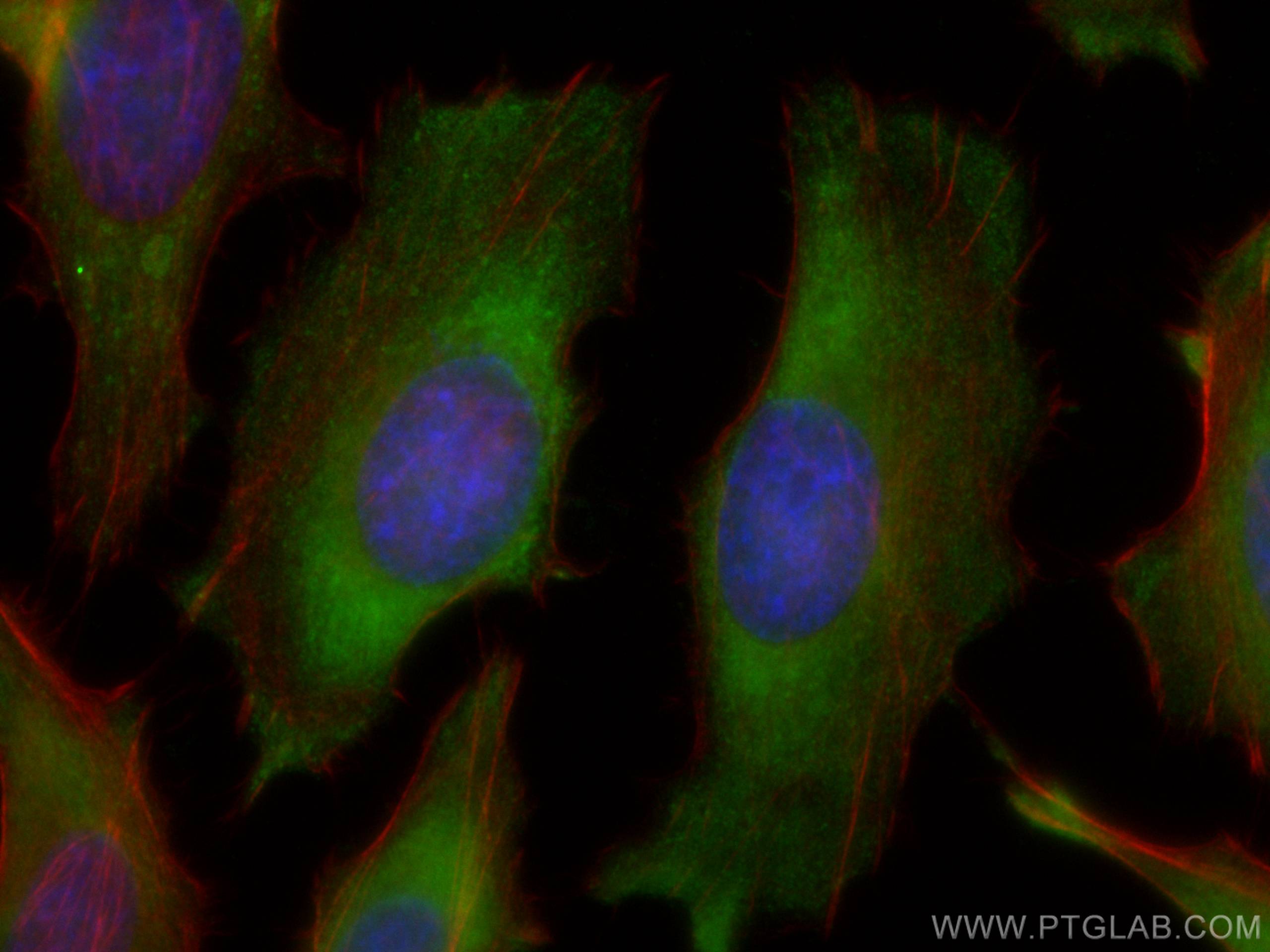
Thioredoxin reductase-1 (TXNRD1) is uniquely capable of utilizing electrons from NADPH to recover the reduced state of TRX1. Interestingly, TXNRD1 is upregulated in many human malignancies and promotes cancer progression, and attenuation of TXNRD1 levels effectively suppresses the growth of tumor cells (PMID: 31384178). TXNRD1 is also upregulated in many human malignancies and functions as a prognostic factor for many tumors, such as oral squamous cell carcinomas, lung cancer, breast cancer, and astrocytomas. TXNRD1 protein levels were analyzed by inmmunoblotting. Bands of ~55 kDa for TXNRD1 were observed. IHC analysis suggested TXNRD1 was mainly located in the cytoplasm. (PMID: 28536696, PMID: 20584310)








