

Tested Applications
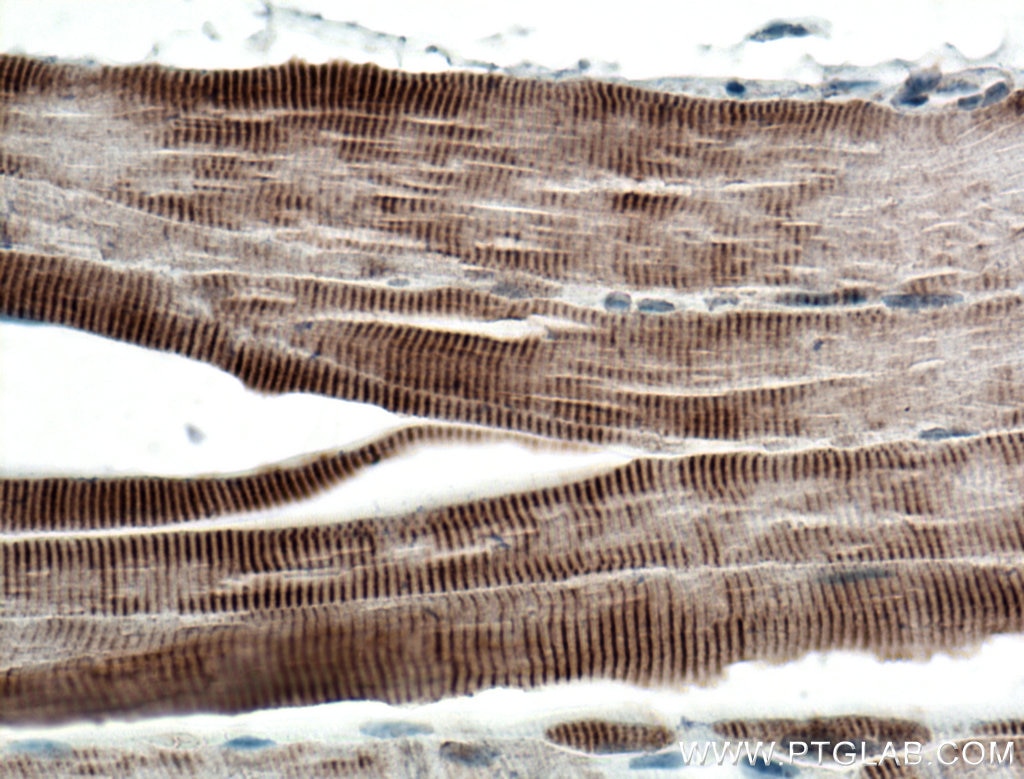
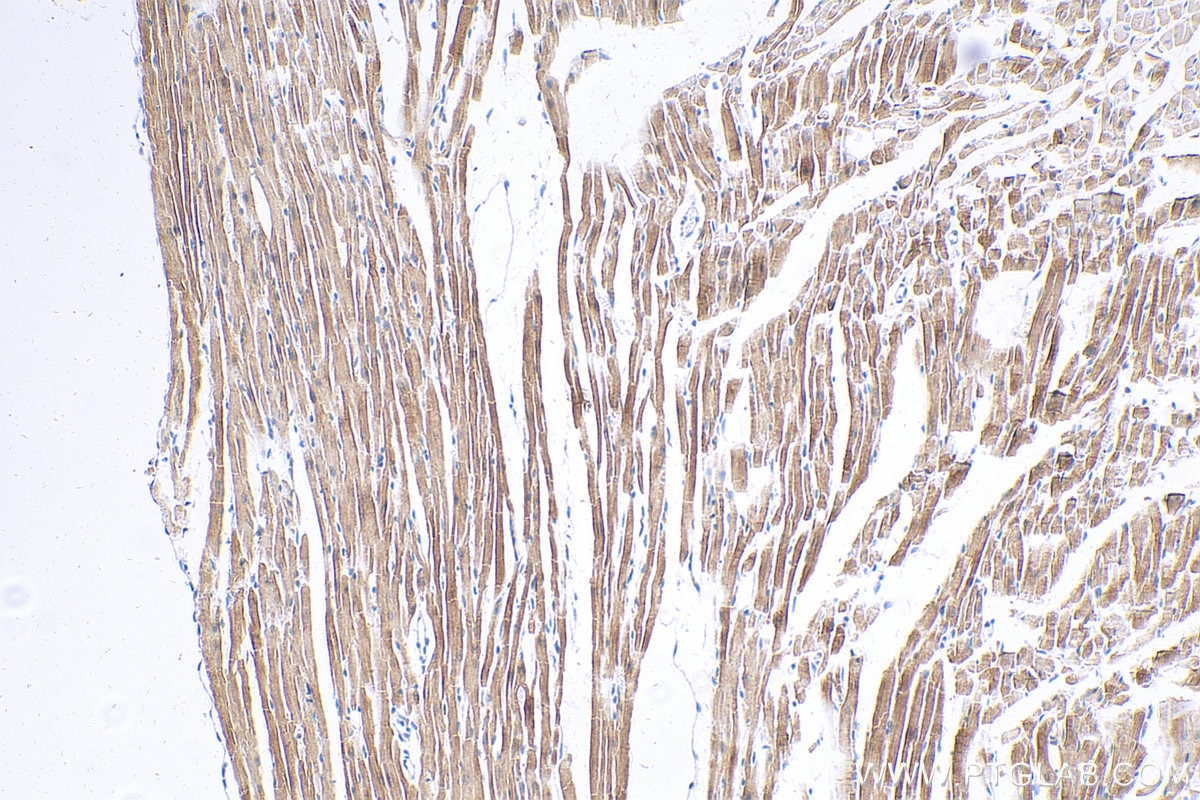
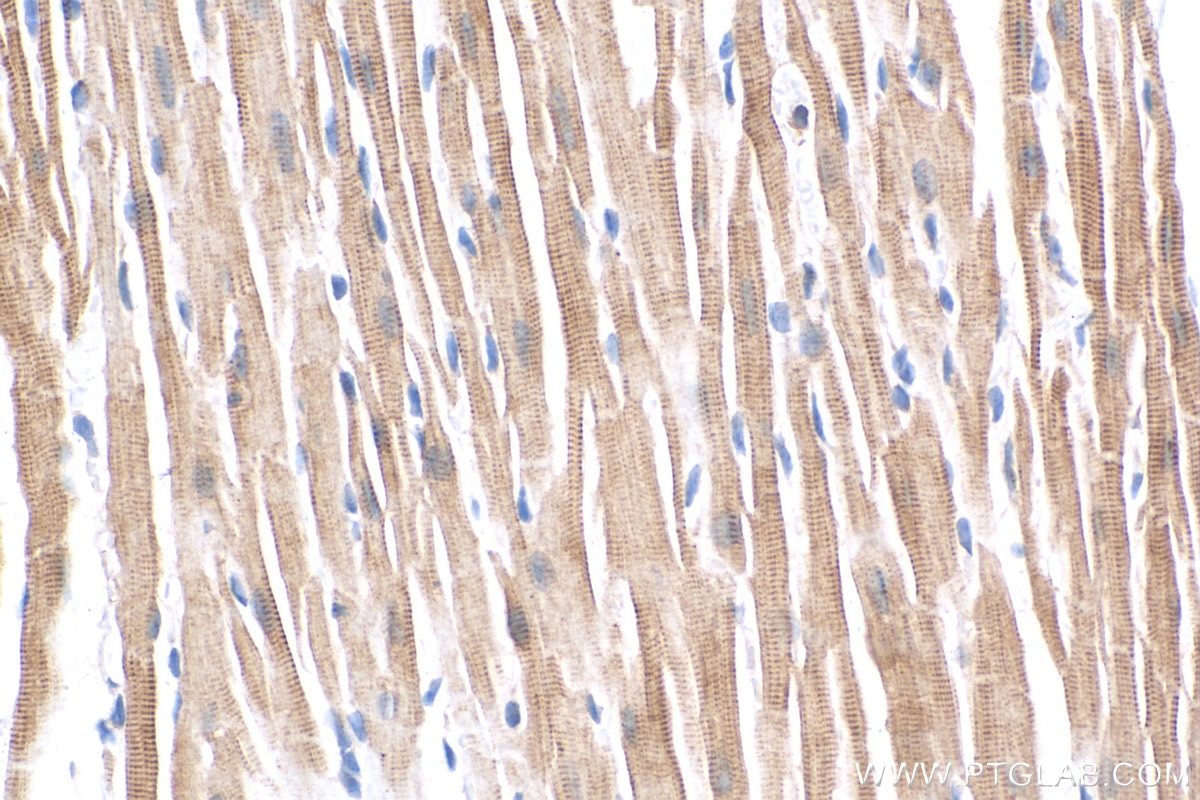
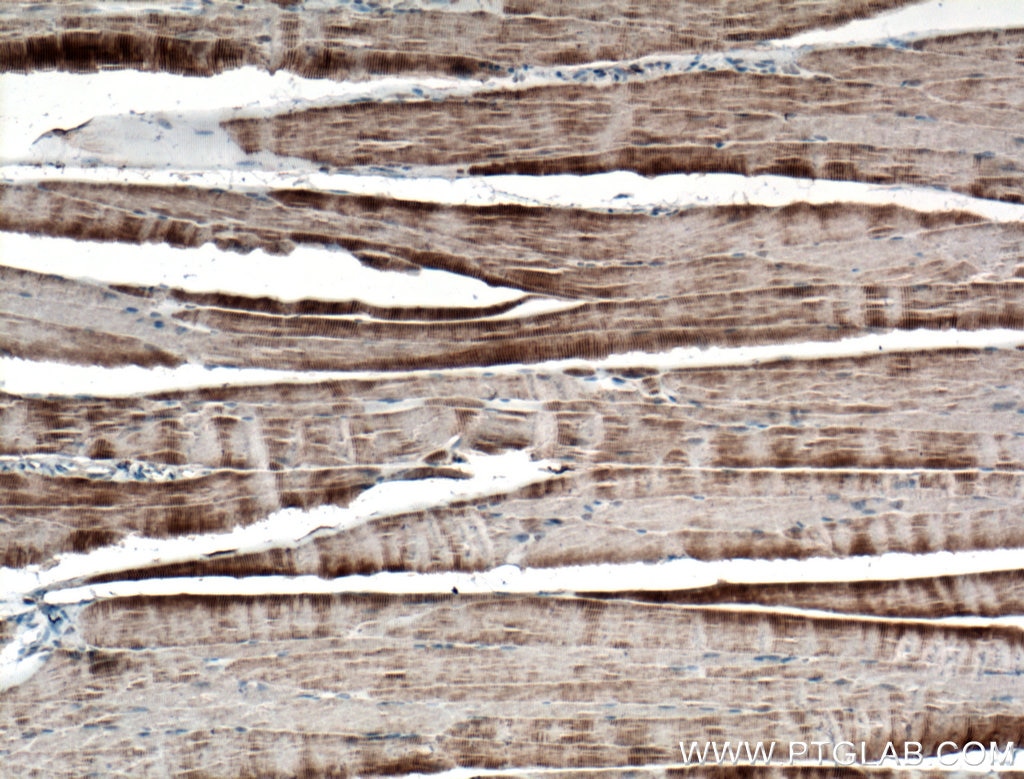
| Positive IHC detected in | mouse heart tissue, mouse skeletal muscle tissue Note: suggested antigen retrieval with TE buffer pH 9.0; (*) Alternatively, antigen retrieval may be performed with citrate buffer pH 6.0 |
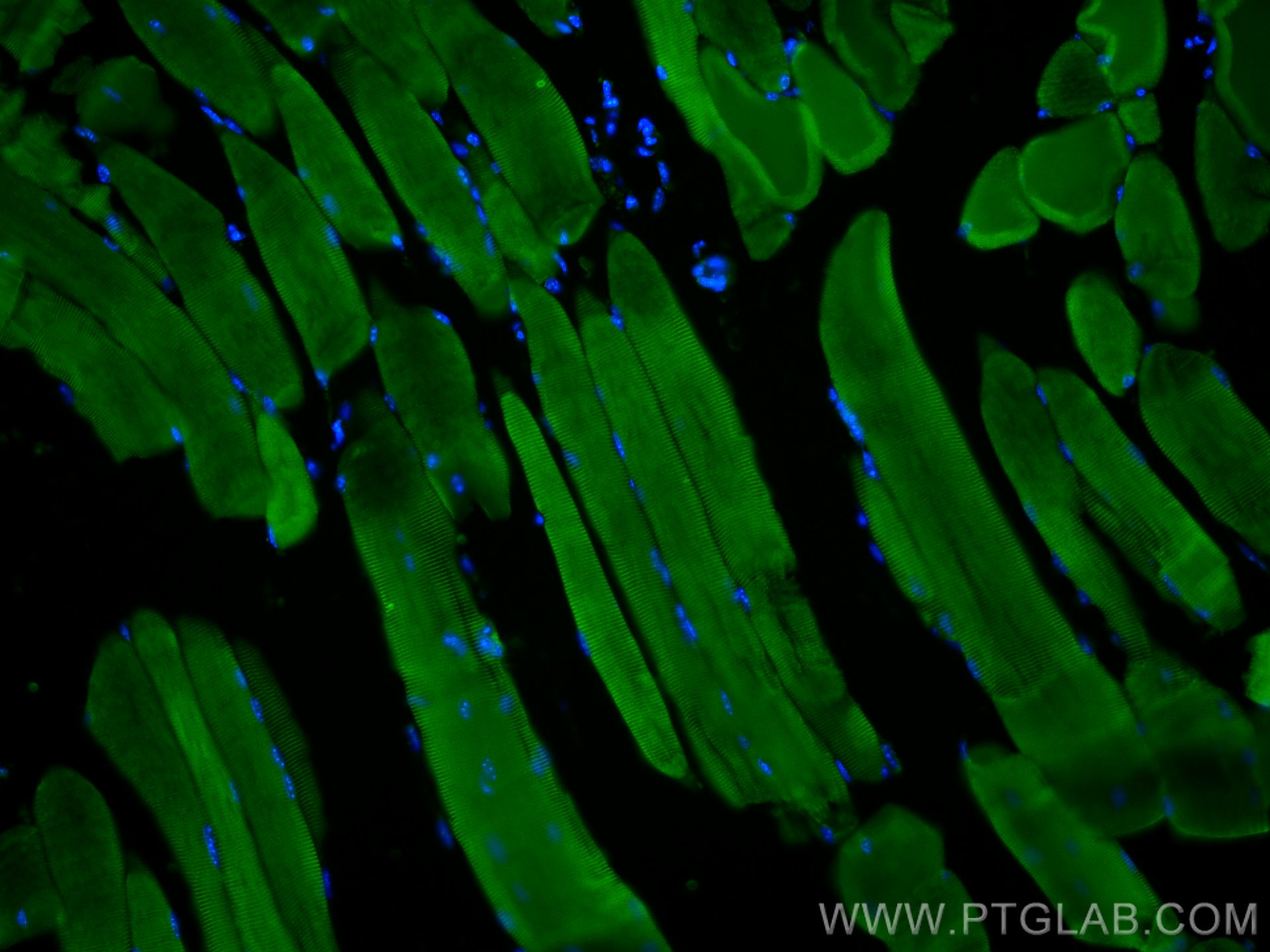
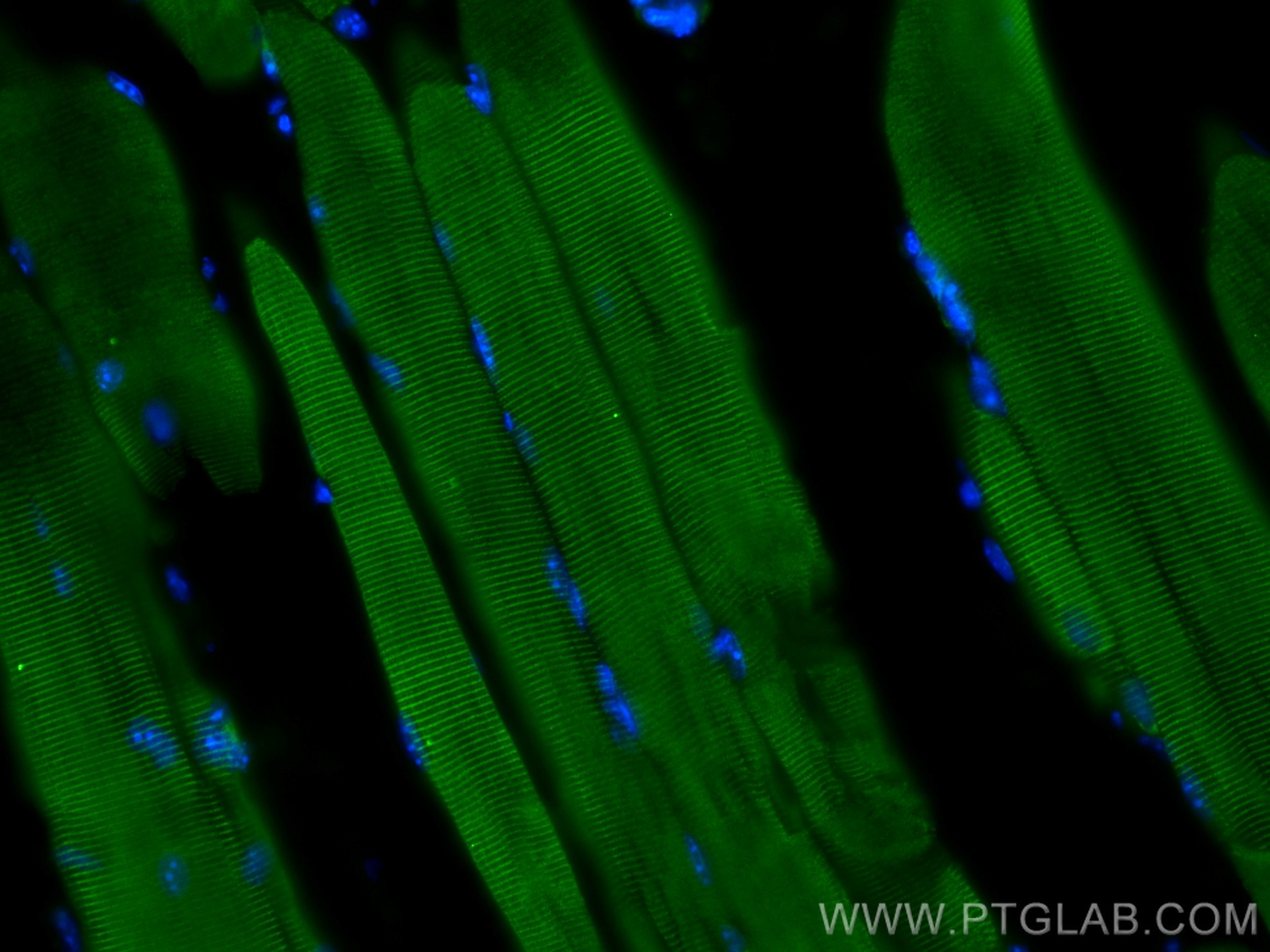
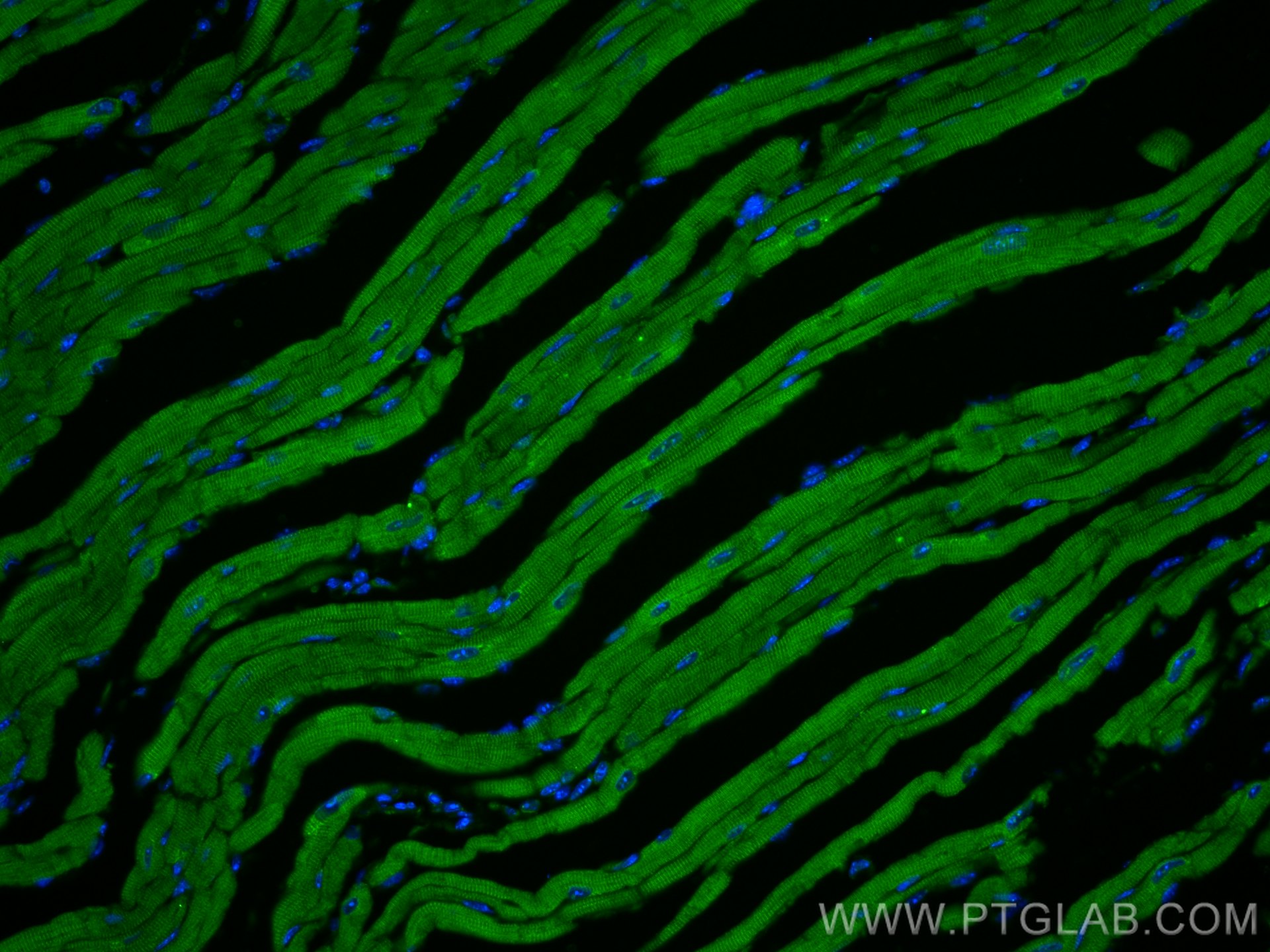
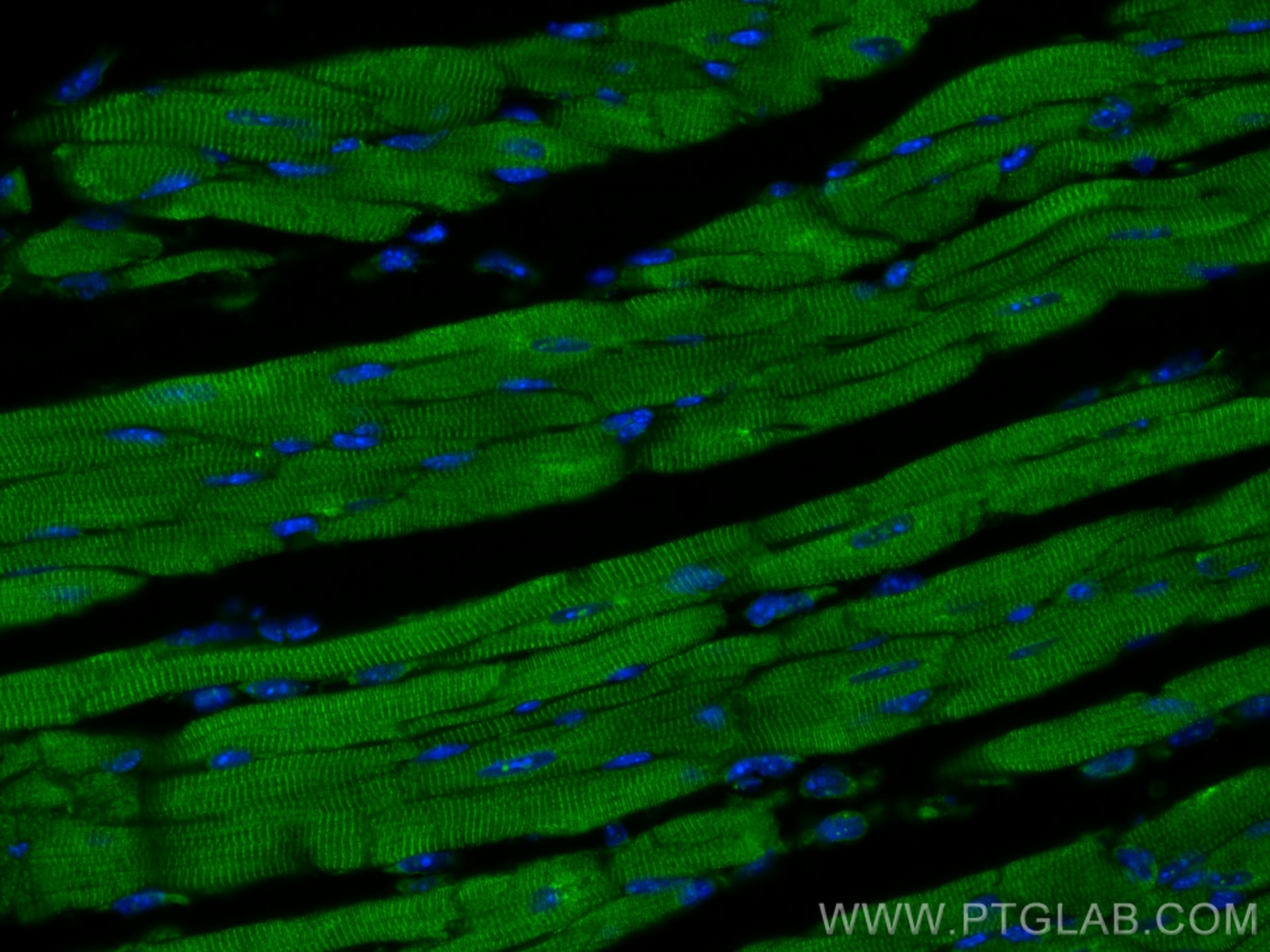
| Positive IF-P detected in | mouse skeletal muscle tissue, mouse heart tissue |
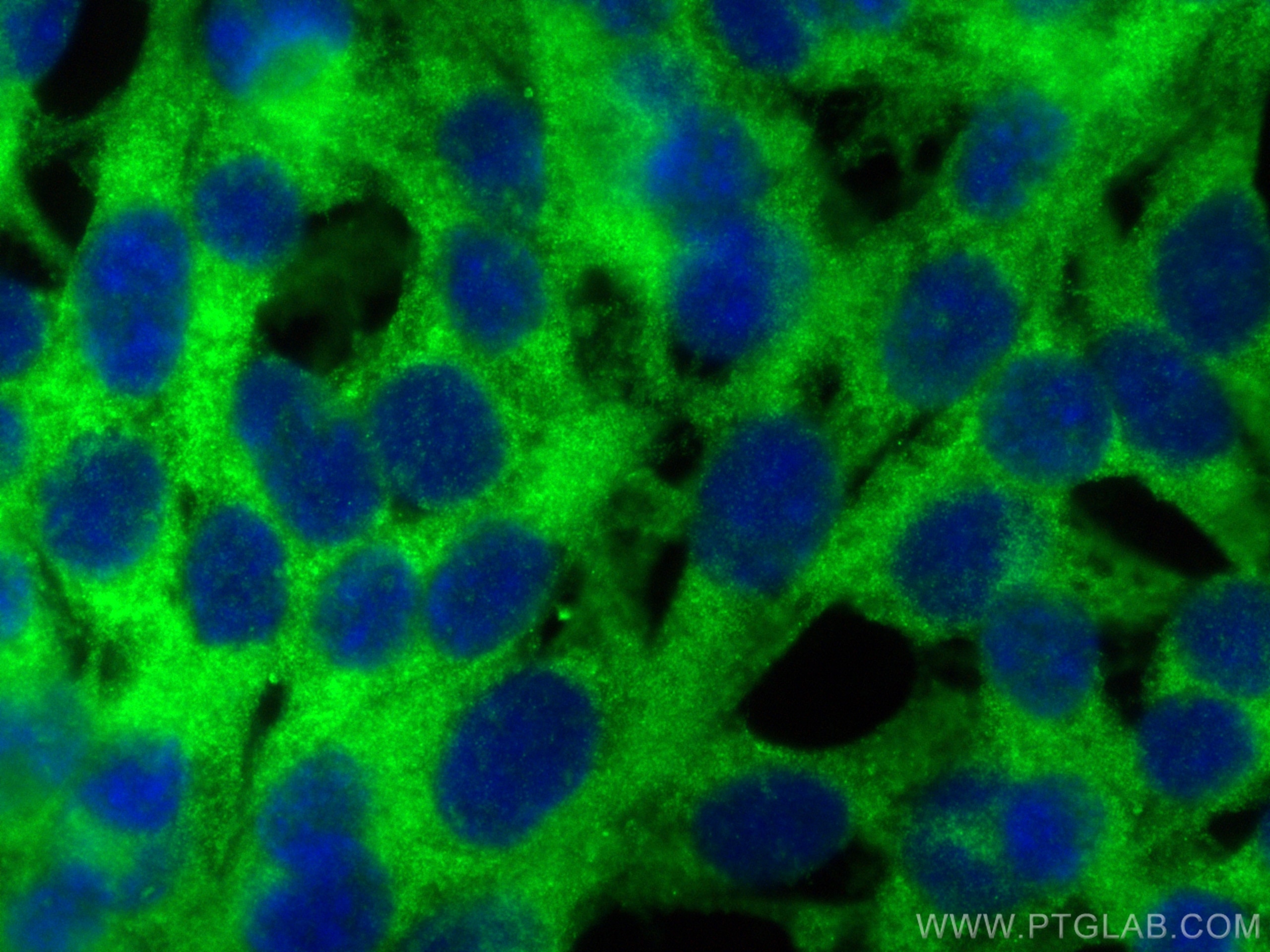
| Positive IF/ICC detected in | NIH/3T3 cells |
Recommended dilution
| Application | Dilution |
|---|---|
| Immunohistochemistry (IHC) | IHC : 1:200-1:800 |
| Immunofluorescence (IF)-P | IF-P : 1:50-1:500 |
| Immunofluorescence (IF)/ICC | IF/ICC : 1:200-1:800 |
| It is recommended that this reagent should be titrated in each testing system to obtain optimal results. | |
| Sample-dependent, Check data in validation data gallery. | |
Product Information
27867-1-AP targets Titin in IHC, IF/ICC, IF-P, ELISA applications and shows reactivity with human, mouse samples.
| Tested Reactivity | human, mouse |
| Cited Reactivity | human, mouse, rat |
| Host / Isotype | Rabbit / IgG |
| Class | Polyclonal |
| Type | Antibody |
| Immunogen |
CatNo: Ag27496 Product name: Recombinant human TTN protein Source: e coli.-derived, PGEX-4T Tag: GST Domain: 33738-33969 aa of NM_001256850 Sequence: MFKSIHEKVSKISETKKSDQKTTESTVTRKTEPKAPEPISSKPVIVTGLQDTTVSSDSVAKFAVKATGEPRPTAIWTKDGKAITQGGKYKLSEDKGGFFLEIHKTDTSDSGLYTCTVKNSAGSVSSSCKLTIKAIKDTEAQKVSTQKTSEITPQKKAVVQEEISQKALRSEEIKMSEAKSQEKLALKEEASKVLISEEVKKSAATSLEKSIVHEEITKTSQASEEVRTHAEIK Predict reactive species |
| Full Name | titin |
| Calculated Molecular Weight | 3816 kDa |
| GenBank Accession Number | NM_001256850 |
| Gene Symbol | Titin |
| Gene ID (NCBI) | 7273 |
| RRID | AB_2880998 |
| Conjugate | Unconjugated |
| Form | Liquid |
| Purification Method | Antigen affinity purification |
| UNIPROT ID | Q8WZ42 |
| Storage Buffer | PBS with 0.02% sodium azide and 50% glycerol, pH 7.3. |
| Storage Conditions | Store at -20°C. Stable for one year after shipment. Aliquoting is unnecessary for -20oC storage. 20ul sizes contain 0.1% BSA. |
Background Information
Titin, or connectin, is a giant muscle protein expressed in the cardiac and skeletal muscles that spans half of the sarcomere from Z line to M line. It plays a key role in muscle contraction and relaxation, maintaining the structural integrity of the myotome(PMID: 11846417). Mutations in Titin are associated with familial hypertrophic cardiomyopathy 9, and autoantibodies to titin are produced in patients with the autoimmune disease scleroderma(PMID: 15802564).
Protocols
| Product Specific Protocols | |
|---|---|
| IF protocol for Titin antibody 27867-1-AP | Download protocol |
| IHC protocol for Titin antibody 27867-1-AP | Download protocol |
| Standard Protocols | |
|---|---|
| Click here to view our Standard Protocols |
Publications
What published studies show
The Titin Polyclonal antibody (catalog number 27867-1-AP) has 12 citations. These appear in journals including Cell Stem Cell, Advanced Science, Cell Reports, Scientific Reports, International Journal of Cardiology, Developmental Biology, Physiological Reports, Stem Cell Research, eLife, bioRxiv, and Research Square. The research fields span stem cell and organoid biology, cardiovascular disease (dilated cardiomyopathy, heart failure, sarcomere dynamics), neurology (Alzheimer's disease, choroid plexus macrophages, neuronal titin), and developmental biology.
| Species | Application | Title |
|---|---|---|
Cell Stem Cell Human PSC-derived organoids model sympathetic ganglion development and its functional crosstalk with the heart. | ||
Cell Stem Cell Generation of self-organized neuromusculoskeletal tri-tissue organoids from human pluripotent stem cells | ||
Adv Sci (Weinh) Loss of Hepatic Angiotensinogen Attenuates Diastolic Dysfunction in Heart Failure with Preserved Ejection Fraction | ||
Cell Rep TTN(+) macrophages are enriched in the human choroid plexus in Alzheimer's disease. | ||
Sci Rep Phase-targeting rapid cryofixation of the beating heart and histological analysis unveil contractile state-dependent sarcomere dynamics. | ||
Int J Cardiol Identification of the non-canonical splice-disrupting variants of TTN in dilated cardiomyopathy. |
Reviews
What customers say
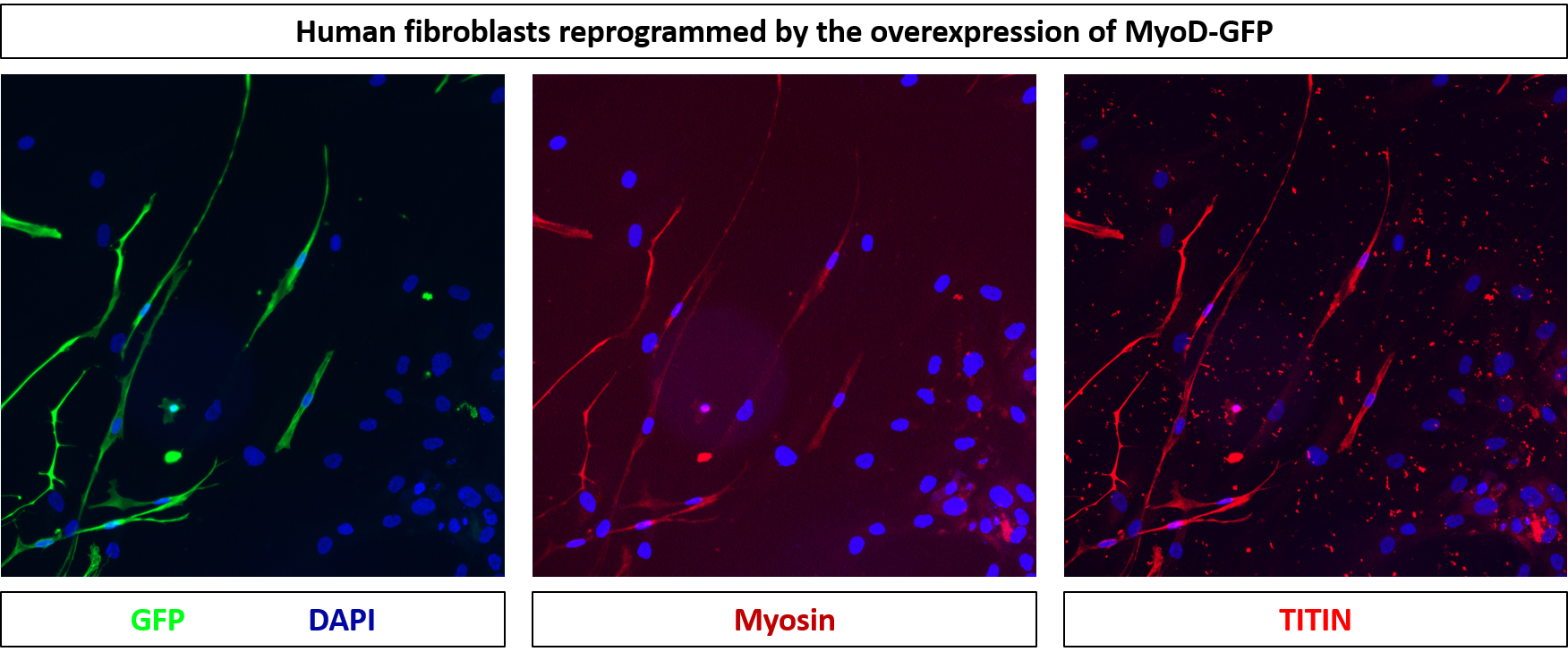
Users report this antibody performs well for detecting sarcomeric structures in skeletal muscle. One reviewer used it for immunofluorescence at 1:400 on reprogrammed muscle cells, noting it is somewhat dirty but specific, with clear marking of sarcomeric structures at higher magnification. Another tested it by IHC on mouse skeletal muscle sections at 1:100 and 1:300 dilutions, finding both dilutions worked very well. Overall, reviewers rate it favorably for muscle tissue applications, with one minor caveat about background in IF.
The reviews below have been submitted by verified Proteintech customers who received an incentive for providing their feedback.
Víctor (Verified Customer) (01-26-2023) | The antibody is a bit dirty but specific for muscle cells. I'm trying to evaluate specific sarcomeric structures with higher magnifications, and they seem to be marked. So the antibody is OK.
 |
Joseph (Verified Customer) (01-14-2020) | I tested the Titin antibody using IHC on 16uM mouse skeletal muscle sections (Tibialis anterior and Soleus) using 1:100 and 1:300 dilutions. Both dilutions worked very well.
|










