

Tested Applications
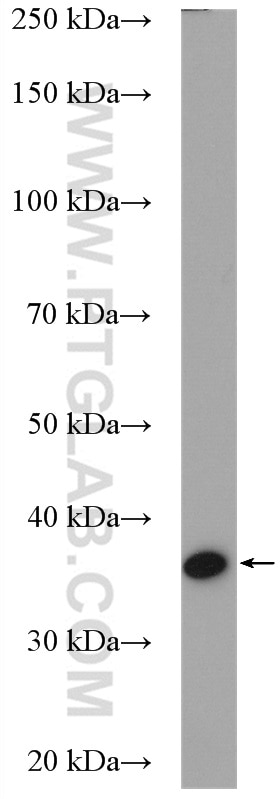
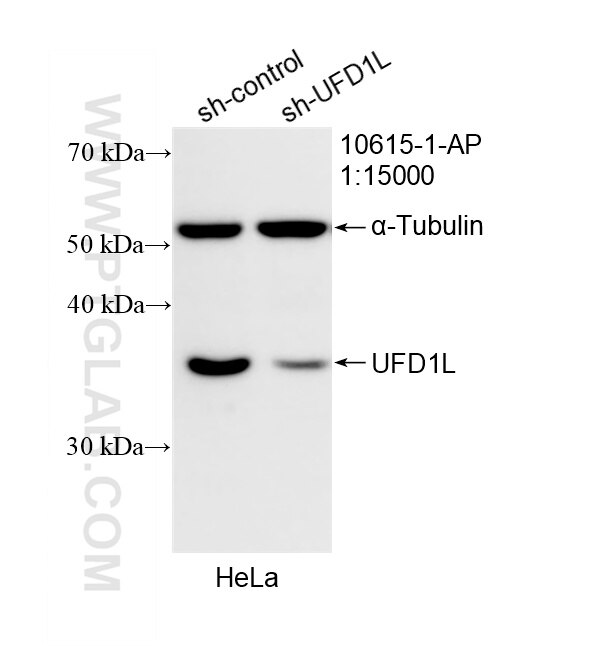
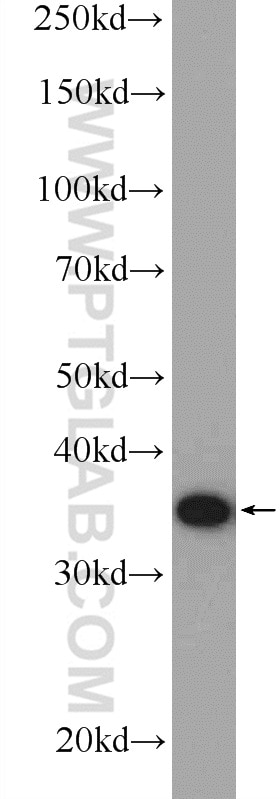
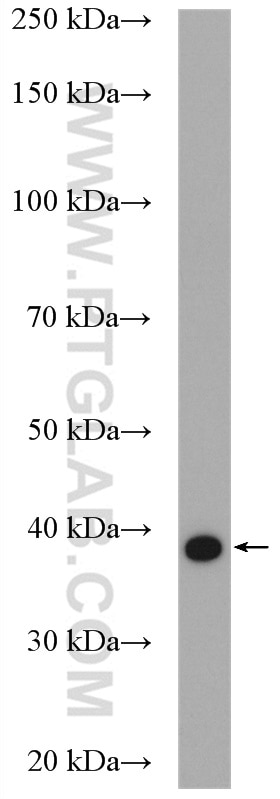
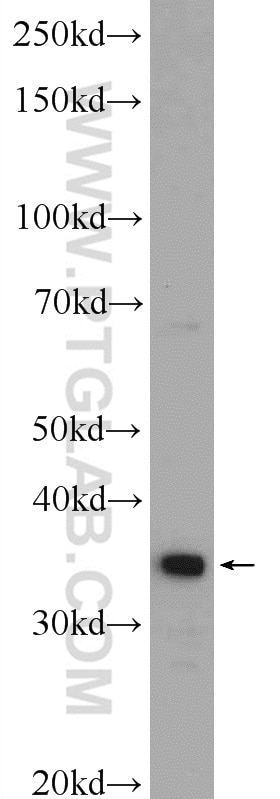
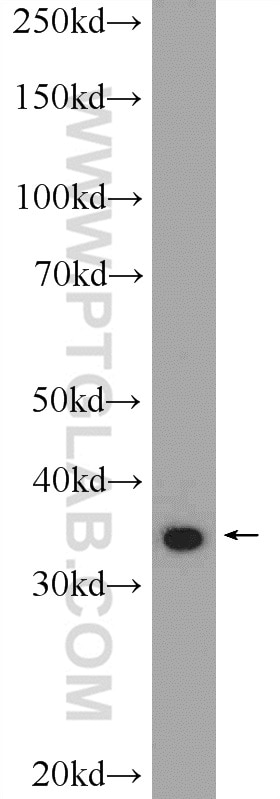
| Positive WB detected in | K-562 cells, HeLa cells, HepG2 cells, human testis tissue, mouse thymus tissue, Raji cells |
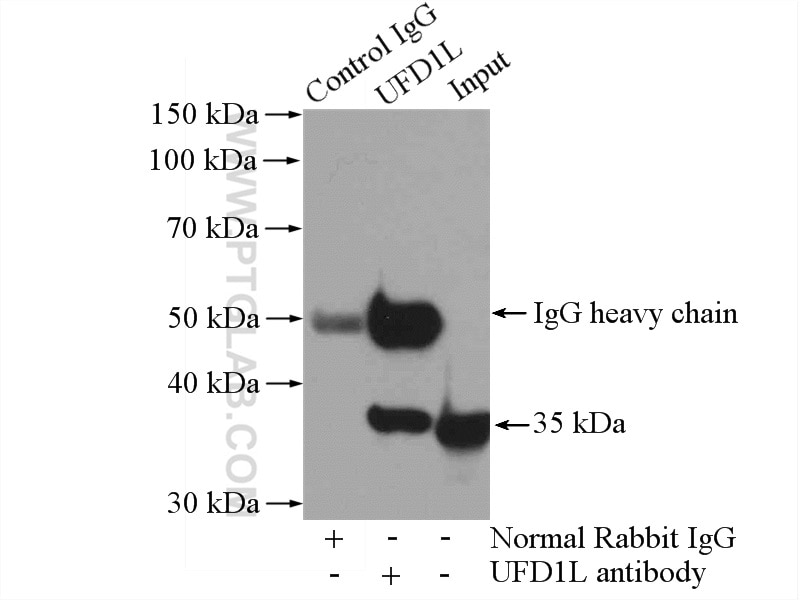
| Positive IP detected in | Raji cells |
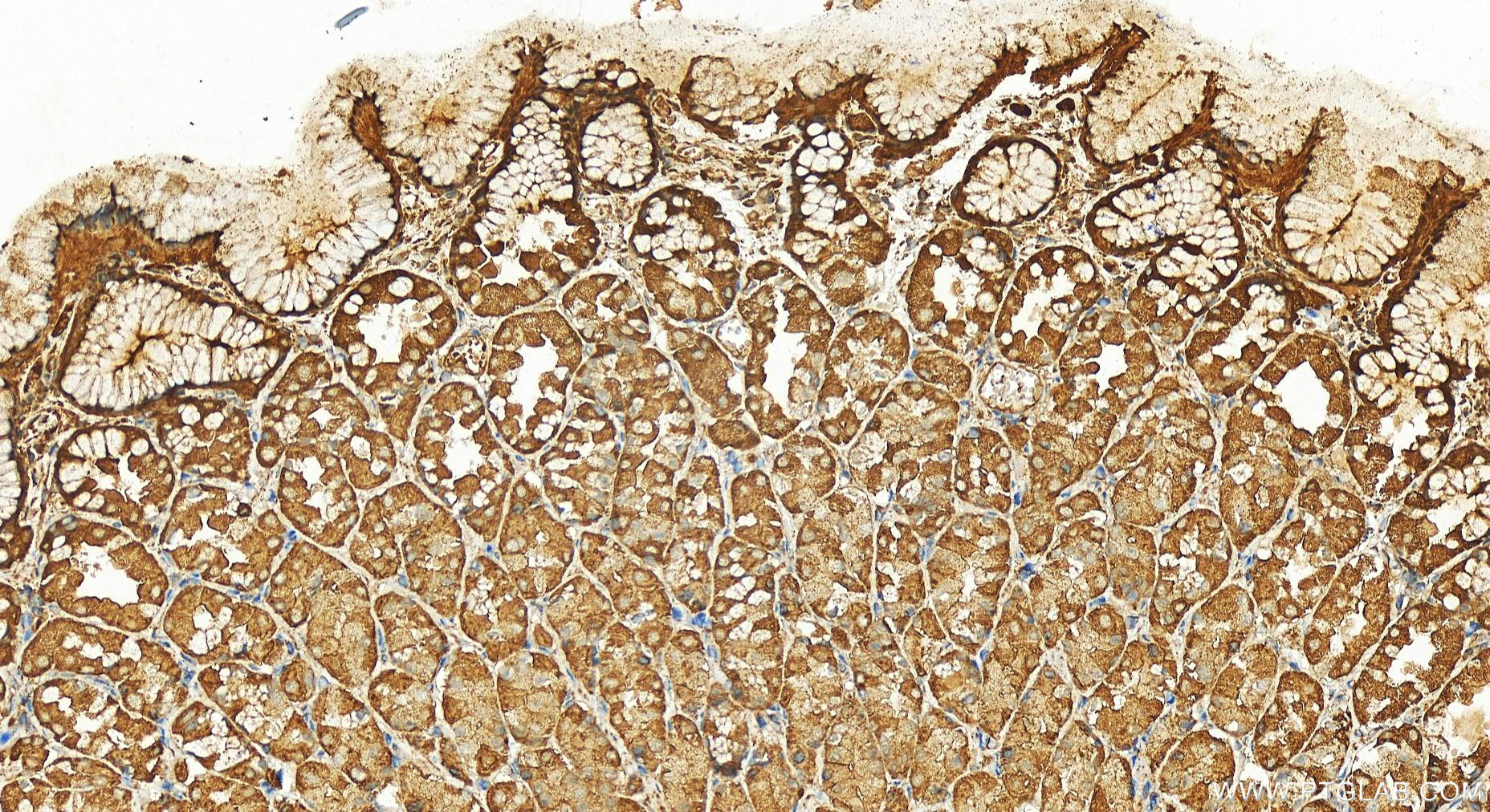
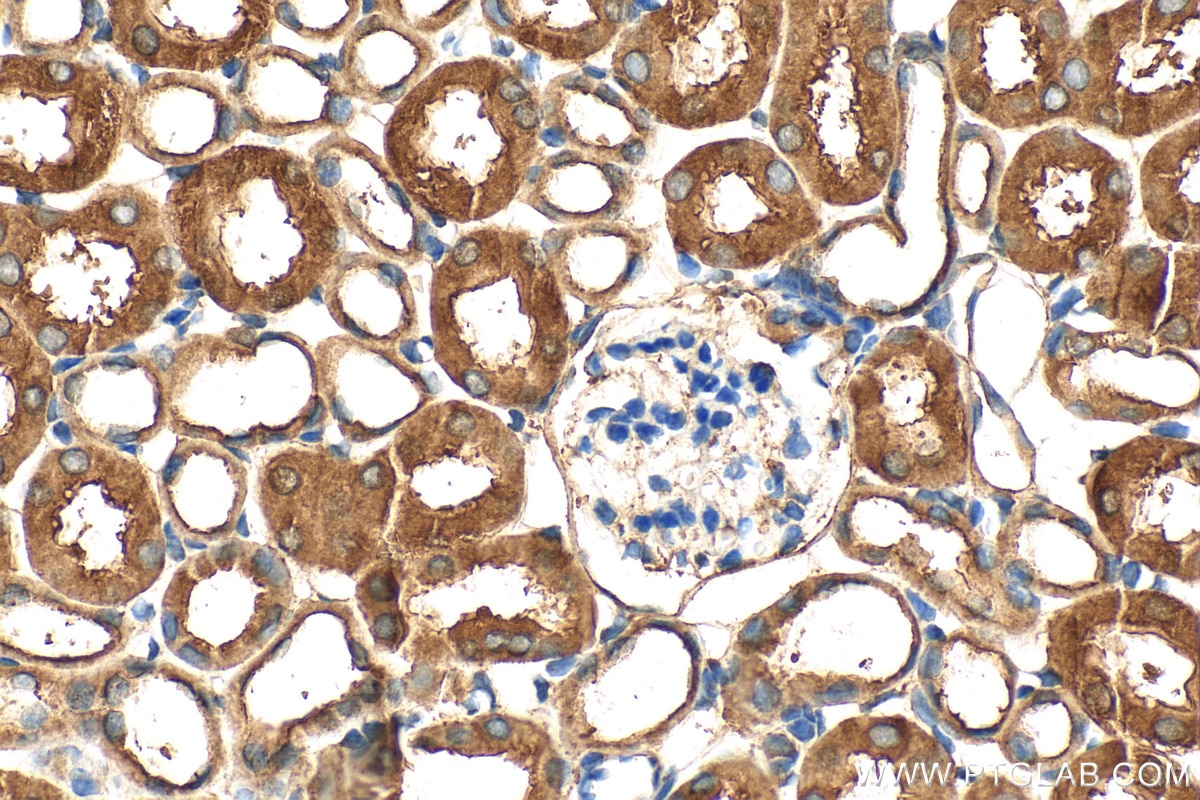
| Positive IHC detected in | human stomach tissue, mouse kidney tissue Note: suggested antigen retrieval with TE buffer pH 9.0; (*) Alternatively, antigen retrieval may be performed with citrate buffer pH 6.0 |
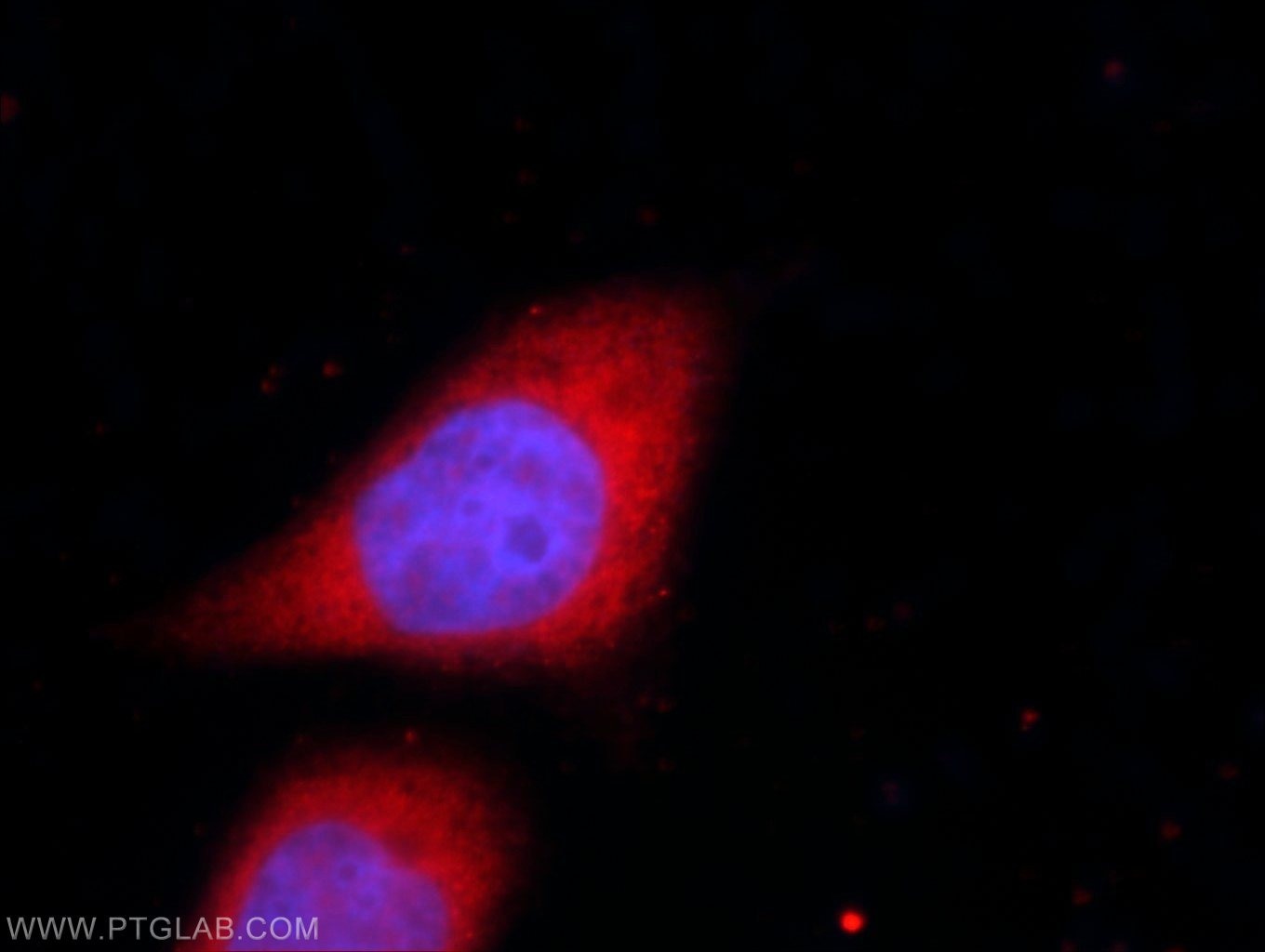
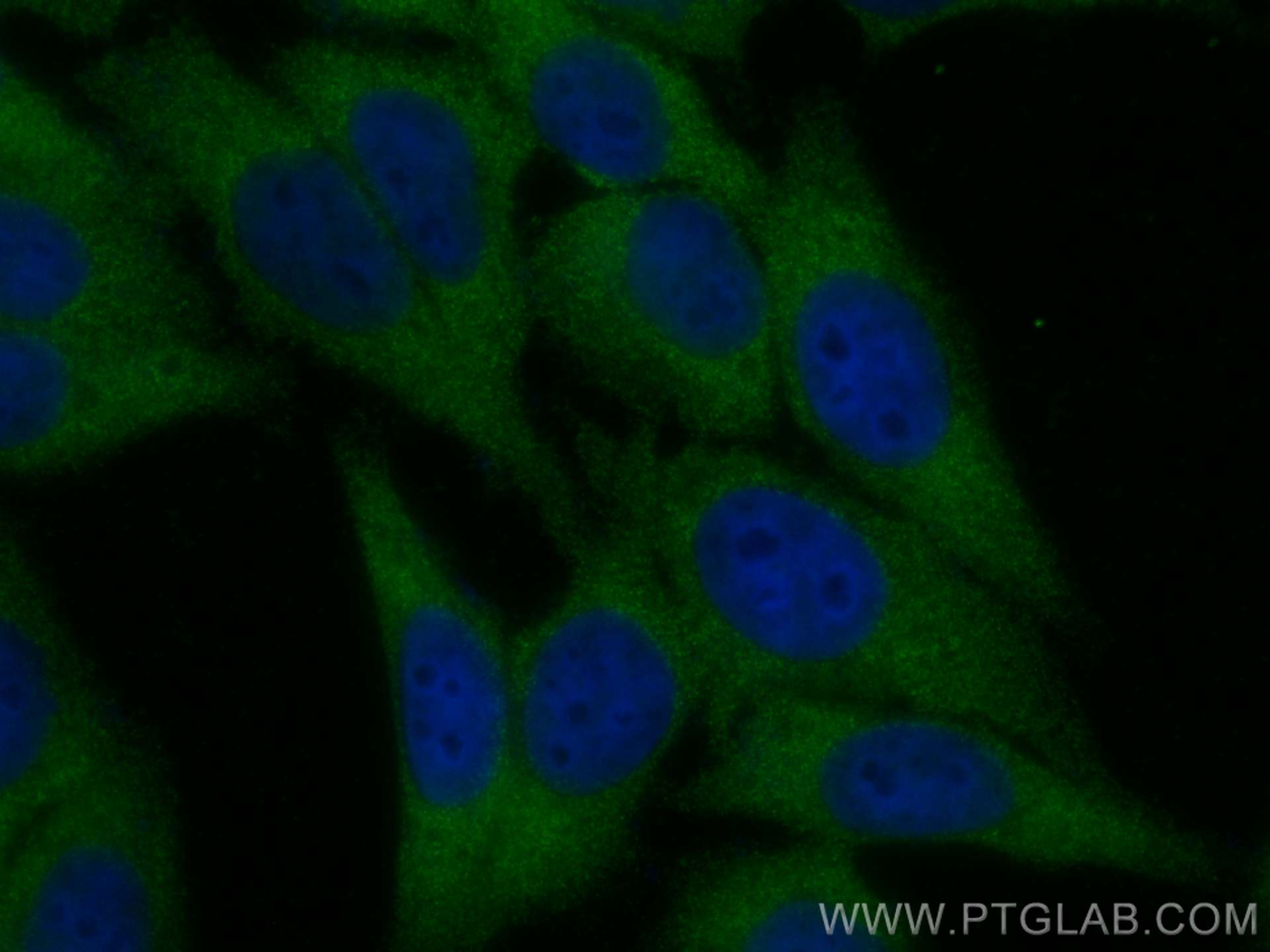
| Positive IF/ICC detected in | HepG2 cells, HeLa cells |
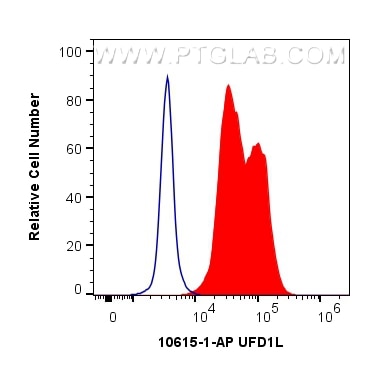
| Positive FC (Intra) detected in | HEK-293 cells |
Recommended dilution
| Application | Dilution |
|---|---|
| Western Blot (WB) | WB : 1:1000-1:6000 |
| Immunoprecipitation (IP) | IP : 0.5-4.0 ug for 1.0-3.0 mg of total protein lysate |
| Immunohistochemistry (IHC) | IHC : 1:50-1:500 |
| Immunofluorescence (IF)/ICC | IF/ICC : 1:50-1:500 |
| Flow Cytometry (FC) (INTRA) | FC (INTRA) : 0.40 ug per 10^6 cells in a 100 µl suspension |
| It is recommended that this reagent should be titrated in each testing system to obtain optimal results. | |
| Sample-dependent, Check data in validation data gallery. | |
Product Information
10615-1-AP targets UFD1L in WB, IHC, IF/ICC, FC (Intra), IP, ELISA applications and shows reactivity with human, mouse samples.
| Tested Reactivity | human, mouse |
| Cited Reactivity | human, mouse, rat |
| Host / Isotype | Rabbit / IgG |
| Class | Polyclonal |
| Type | Antibody |
| Immunogen |
CatNo: Ag0954 Product name: Recombinant human UFD1L protein Source: e coli.-derived, PGEX-4T Tag: GST Domain: 1-307 aa of BC005087 Sequence: MFSFNMFDHPIPRVFQNRFSTQYRCFSVSMLAGPNDRSDVEKGGKIIMPPSALDQLSRLNITYPMLFKLTNKNSDRMTHCGVLEFVADEGICYLPHWMMQNLLLEEGGLVQVESVNLQVATYSKFQPQSPDFLDITNPKAVLENALRNFACLTTGDVIAINYNEKIYELRVMETKPDKAVSIIECDMNVDFDAPLGYKEPERQVQHEESTEGEADHSGYAGELGFRAFSGSGNRLDGKKKGVEPSPSPIKPGDIKRGIPNYEFKLGKITFIRNSRPLVKKVEEDEAGGRFVAFSGEGQSLRKKGRKP Predict reactive species |
| Full Name | ubiquitin fusion degradation 1 like (yeast) |
| Calculated Molecular Weight | 35 kDa |
| Observed Molecular Weight | 35 kDa |
| GenBank Accession Number | BC005087 |
| Gene Symbol | UFD1L |
| Gene ID (NCBI) | 7353 |
| RRID | AB_2213944 |
| Conjugate | Unconjugated |
| Form | Liquid |
| Purification Method | Antigen affinity purification |
| UNIPROT ID | Q92890 |
| Storage Buffer | PBS with 0.02% sodium azide and 50% glycerol, pH 7.3. |
| Storage Conditions | Store at -20°C. Stable for one year after shipment. Aliquoting is unnecessary for -20oC storage. 20ul sizes contain 0.1% BSA. |
Protocols
| Product Specific Protocols | |
|---|---|
| FC protocol for UFD1L antibody 10615-1-AP | Download protocol |
| IF protocol for UFD1L antibody 10615-1-AP | Download protocol |
| IHC protocol for UFD1L antibody 10615-1-AP | Download protocol |
| IP protocol for UFD1L antibody 10615-1-AP | Download protocol |
| WB protocol for UFD1L antibody 10615-1-AP | Download protocol |
| Standard Protocols | |
|---|---|
| Click here to view our Standard Protocols |
Publications
What published studies show
The UFD1L Polyclonal antibody (Cat# 10615-1-AP) has 24 citations spanning journals including Nature, Science, Nature Communications, Developmental Cell, Cell Reports, Science Signaling, Cell Signaling, Journal of Biological Chemistry, and eLife. Research fields covered include nuclear envelope reformation, ESCRT machinery, VCP/p97 ubiquitination, ERAD, autophagy, stress granules, proteasome-mediated degradation, and cancer biology (breast, prostate, oral). Applications cited include WB, IP, IF, and IHC.
| Species | Application | Title |
|---|---|---|
Science Ubiquitination of G3BP1 mediates stress granule disassembly in a context-specific manner. | ||
Nat Commun A UFD1 variant encoding a microprotein modulates UFD1f and IPMK ubiquitination to play pivotal roles in anti-stress responses | ||
Nat Commun Cell-type-specific functionality encoded within the intrinsically disordered regions of OCT4. | ||
Dev Cell The ESCRT machinery counteracts Nesprin-2G-mediated mechanical forces during nuclear envelope repair.
| ||
Cell Rep Yeast Smy2 and its human homologs GIGYF1 and -2 regulate Cdc48/VCP function during transcription stress |
Reviews
What customers say
The single available review rates this antibody 5 stars. The user reports it performed excellently for Western blotting, using a 1:1000 dilution on skeletal muscle tissue. Overall, the feedback is positive, highlighting strong and reliable WB performance.
The reviews below have been submitted by verified Proteintech customers who received an incentive for providing their feedback.
Leslie (Verified Customer) (10-08-2019) | Excellent antibody for Western blots
 |













