

Tested Applications
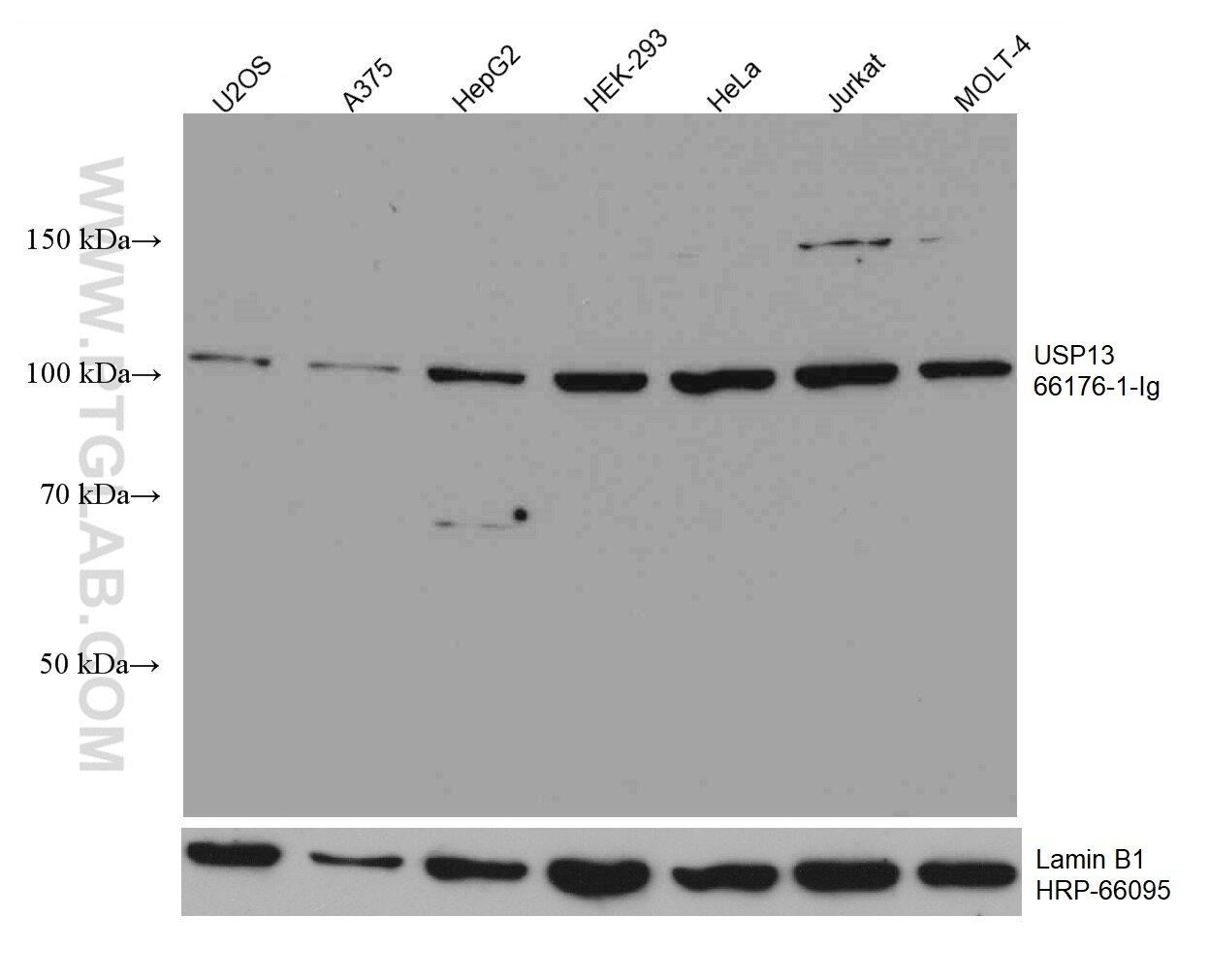
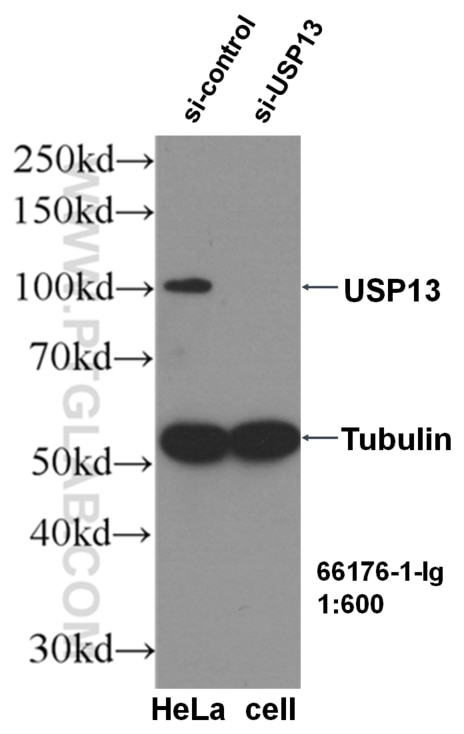
| Positive WB detected in | U2OS cells, HeLa cells, HepG2 cells, A375 cells, HEK-293 cells, Jurkat cells, MOLT-4 cells |
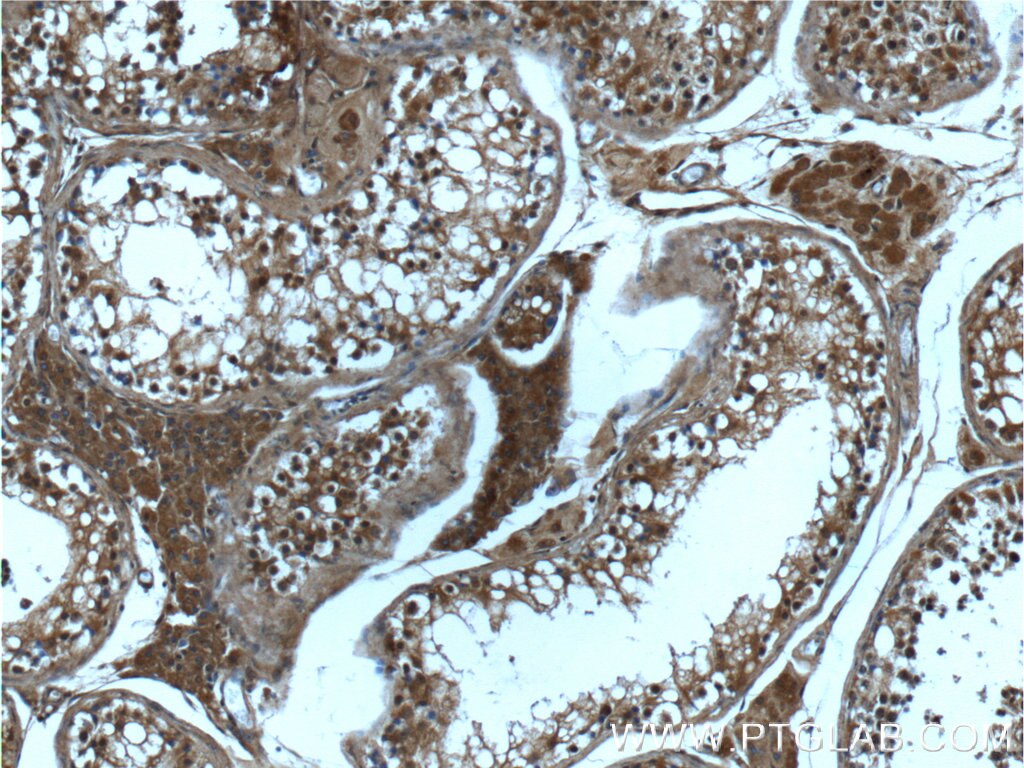
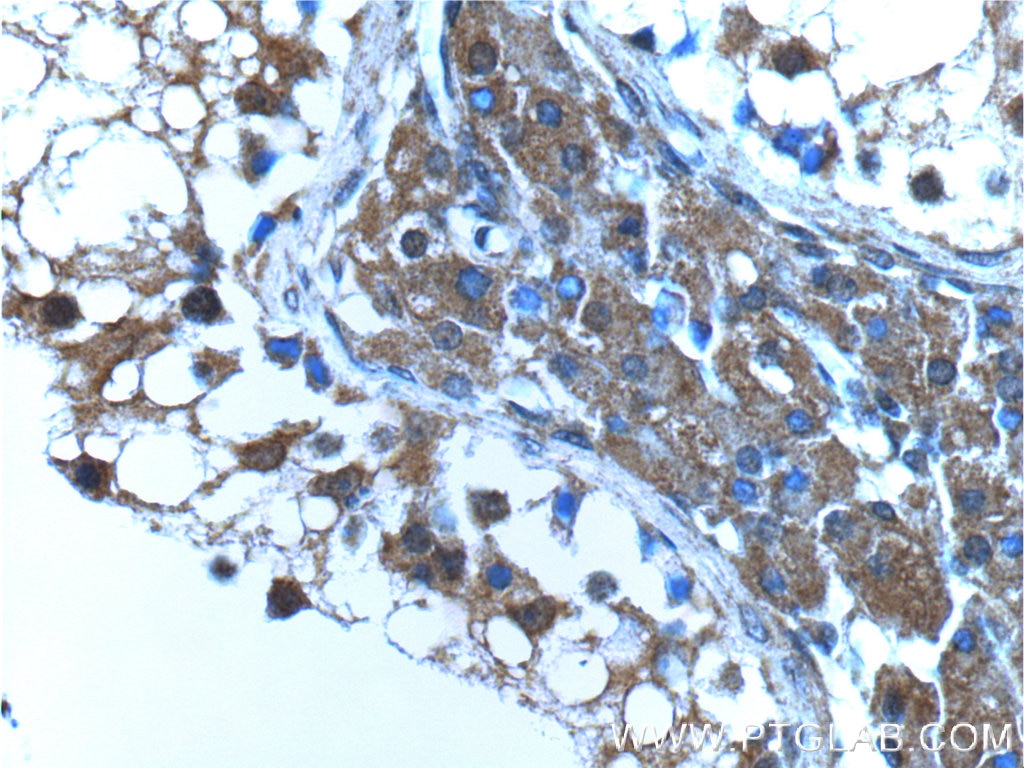
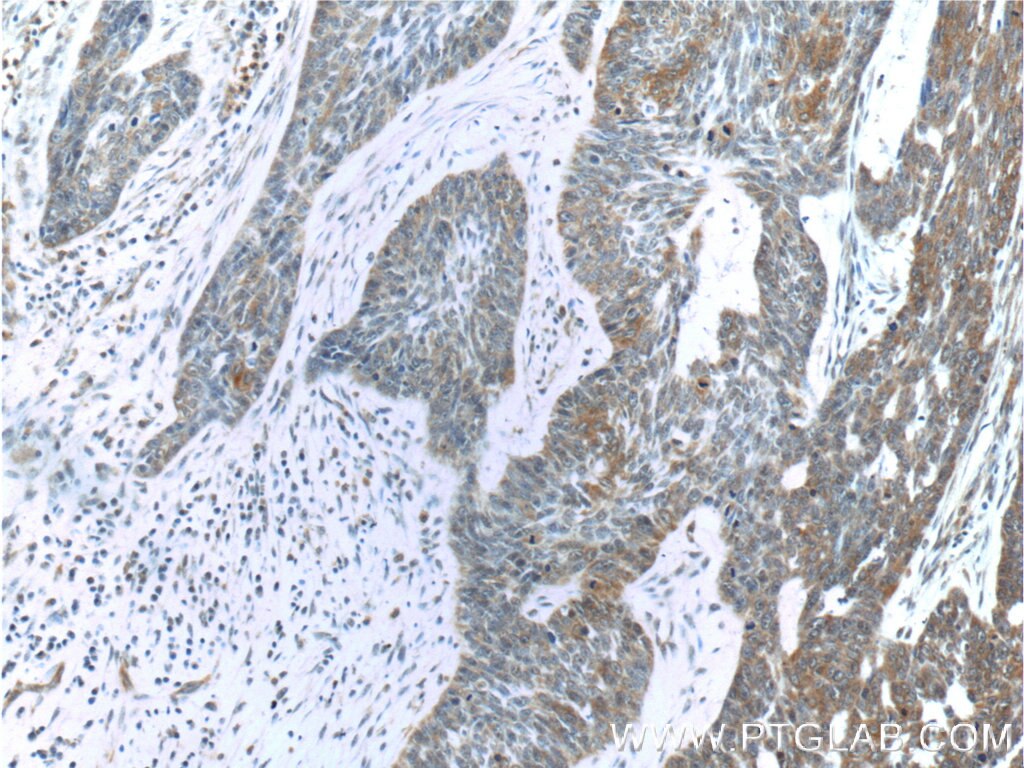
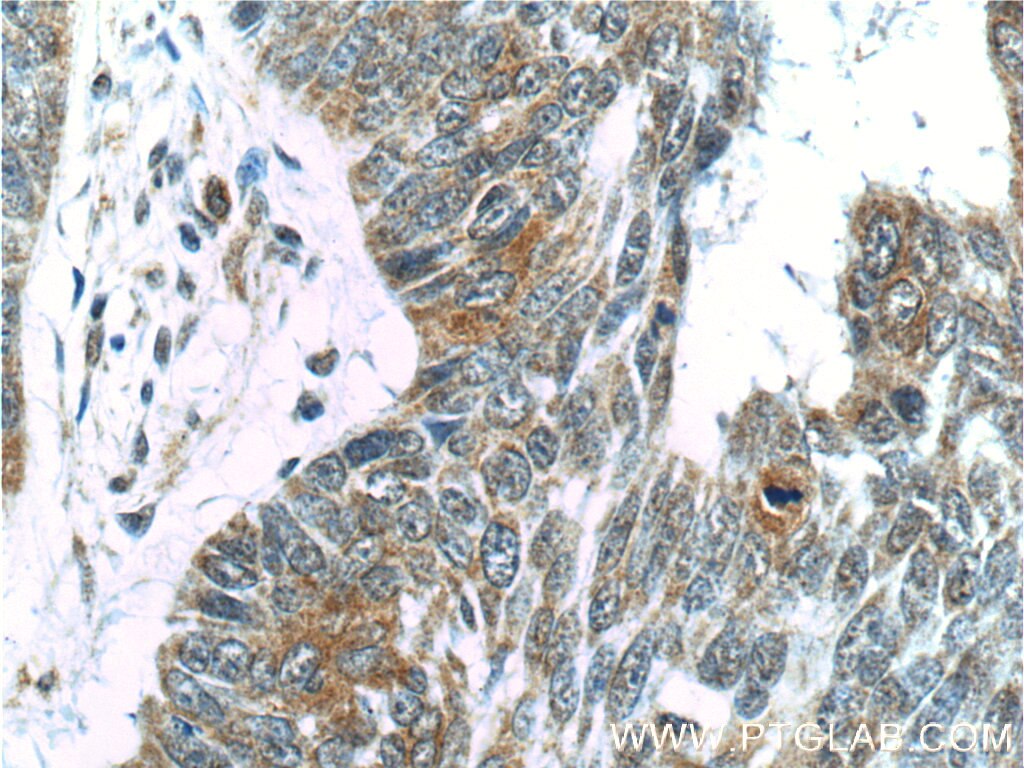
| Positive IHC detected in | human testis tissue, human skin cancer tissue Note: suggested antigen retrieval with TE buffer pH 9.0; (*) Alternatively, antigen retrieval may be performed with citrate buffer pH 6.0 |
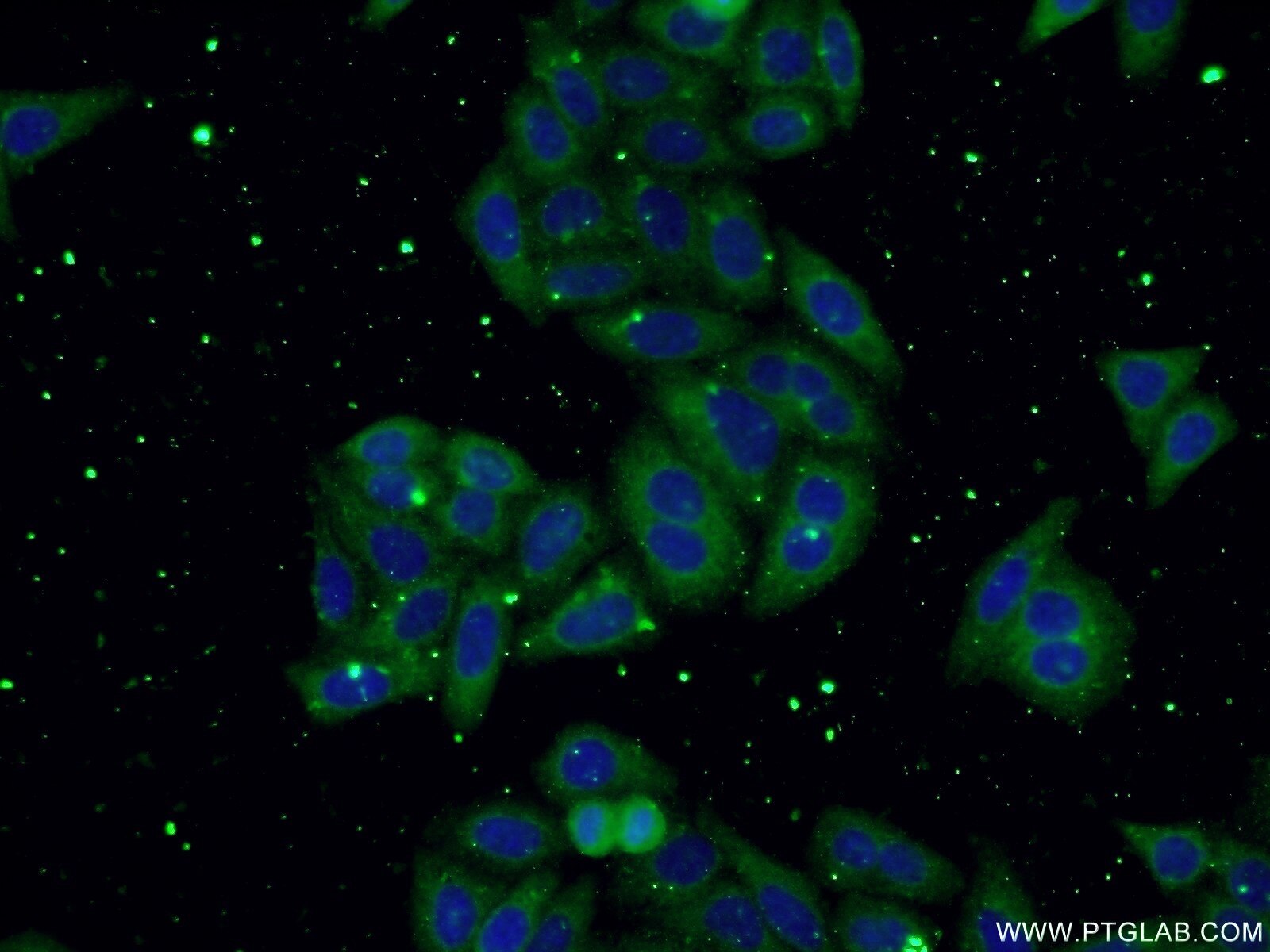
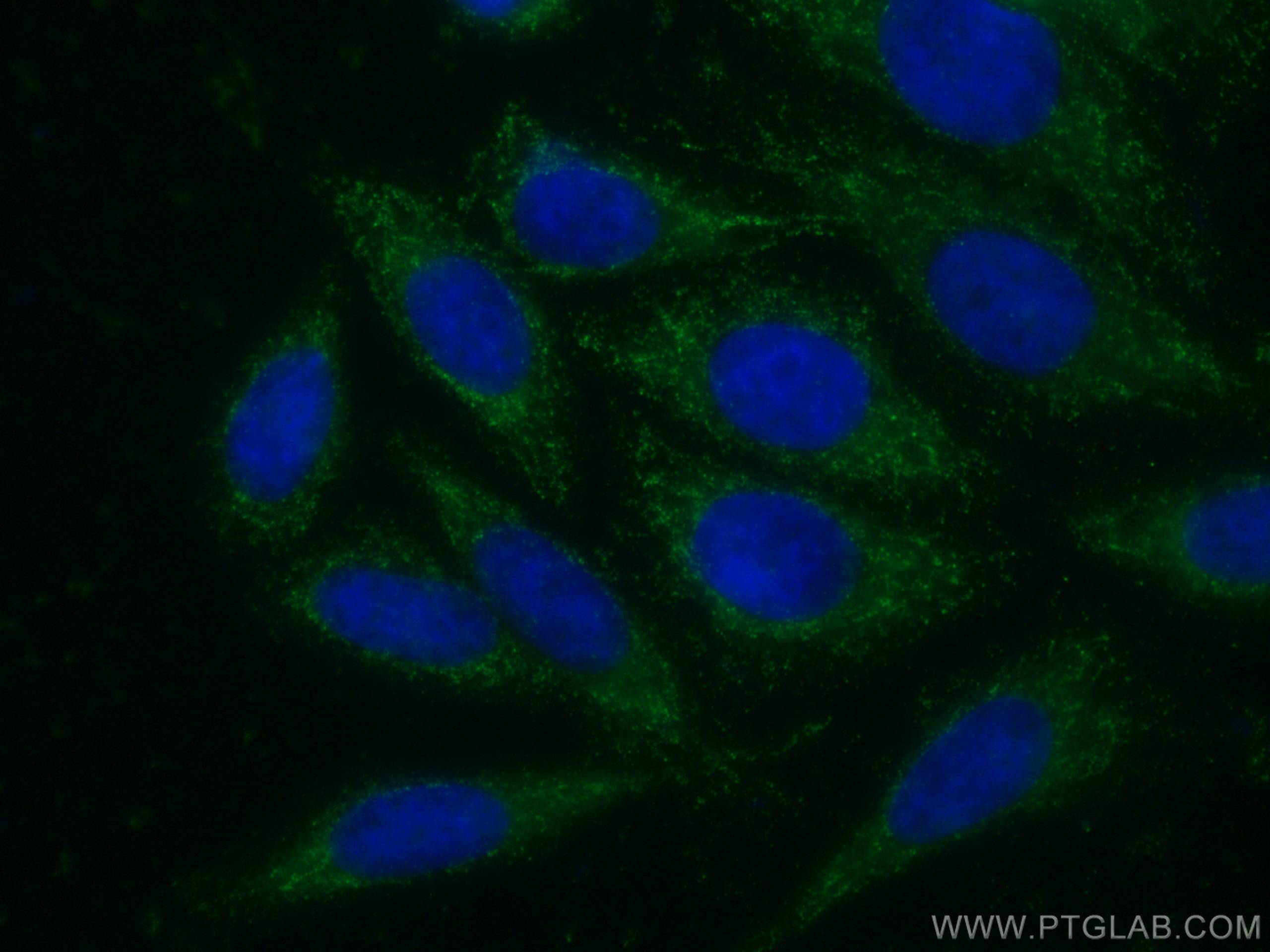
| Positive IF/ICC detected in | HepG2 cells |
Recommended dilution
| Application | Dilution |
|---|---|
| Western Blot (WB) | WB : 1:1000-1:6000 |
| Immunohistochemistry (IHC) | IHC : 1:20-1:200 |
| Immunofluorescence (IF)/ICC | IF/ICC : 1:200-1:800 |
| It is recommended that this reagent should be titrated in each testing system to obtain optimal results. | |
| Sample-dependent, Check data in validation data gallery. | |
Product Information
66176-1-Ig targets USP13 in WB, IHC, IF/ICC, CoIP, ELISA applications and shows reactivity with human samples.
| Tested Reactivity | human |
| Cited Reactivity | human, mouse, rabbit |
| Host / Isotype | Mouse / IgG1 |
| Class | Monoclonal |
| Type | Antibody |
| Immunogen |
CatNo: Ag10506 Product name: Recombinant human USP13 protein Source: e coli.-derived, PET28a Tag: 6*His Domain: 515-863 aa of BC016146 Sequence: IAYELTRREAEANRRPLPELVRAKIPFSACLQAFSEPENVDDFWSSALQAKSAGVKTSRFASFPEYLVVQIKKFTFGLDWVPKKFDVSIDMPDLLDINHLRARGLQPGEEELPDISPPIVIPDDSKDRLMNQLIDPSDIDESSVMQLAEMGFPLEACRKAVYFTGNMGAEVAFNWIIVHMEEPDFAEPLTMPGYGGAASAGASVFGASGLDNQPPEEIVAIITSMGFQRNQAIQALRATNNNLERALDWIFSHPEFEEDSDFVIEMENNANANIISEAKPEGPRVKDGSGTYELFAFISHMGTSTMSGHYICHIKKEGRWVIYNDHKVCASERPPKDLGYMYFYRRIPS Predict reactive species |
| Full Name | ubiquitin specific peptidase 13 (isopeptidase T-3) |
| Calculated Molecular Weight | 863 aa, 97 kDa |
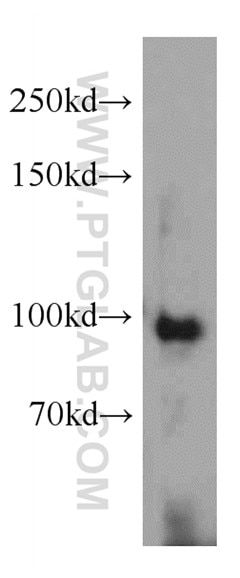
| Observed Molecular Weight | 97-100 kDa |
| GenBank Accession Number | BC016146 |
| Gene Symbol | USP13 |
| Gene ID (NCBI) | 8975 |
| RRID | AB_2881571 |
| Conjugate | Unconjugated |
| Form | Liquid |
| Purification Method | Protein G purification |
| UNIPROT ID | Q92995 |
| Storage Buffer | PBS with 0.02% sodium azide and 50% glycerol, pH 7.3. |
| Storage Conditions | Store at -20°C. Stable for one year after shipment. Aliquoting is unnecessary for -20oC storage. 20ul sizes contain 0.1% BSA. |
Background Information
USP13(Ubiquitin carboxyl-terminal hydrolase 13) is also named as ISOT3 and belongs to the peptidase C19 family. It is involved in ubiquitin-dependent protein catabolism. USP13 is responsible for MITF deubiquitination, utilizing a short hairpin RNA library against known deubiquitinating enzymes. This protein has 2 isoforms produced by alternative splicing.
Protocols
| Product Specific Protocols | |
|---|---|
| IF protocol for USP13 antibody 66176-1-Ig | Download protocol |
| IHC protocol for USP13 antibody 66176-1-Ig | Download protocol |
| WB protocol for USP13 antibody 66176-1-Ig | Download protocol |
| Standard Protocols | |
|---|---|
| Click here to view our Standard Protocols |
Publications
What published studies show
USP13 antibody (Cat# 66176-1-Ig) has 9 total citations. Journals include Sci Transl Med, Mol Biomed, Pharmacol Res, Cell Death Discov, Oncogene, Biofactors, Biochim Biophys Acta Mol Basis Dis, Cell Signal, and Front Mol Biosci. Research fields span acute myeloid leukemia, colorectal cancer, cardiac hypertrophy, hepatocellular carcinoma and ferroptosis, bladder cancer metastasis, oxidative stress/senescence, acute kidney injury, hair follicle melanogenesis, and melanocyte biology.
| Species | Application | Title |
|---|---|---|
Sci Transl Med USP5 inhibition enables potential therapy for t(8;21) AML through ubiquitin-mediated AML1-ETO degradation in patient-derived xenografts | ||
Mol Biomed Ubiquitin-specific protease 13 promotes colorectal cancer progression by stabilizing mitogen-activated protein kinase kinase 3.
| ||
Cell Death Discov Hypoxia-induced USP13 expression drives ferroptosis resistance and tumor immune evasion in hepatocellular carcinoma through the stabilization of ACLY.
| ||
Oncogene Non-classic deubiquitinase USP13 inhibits bladder cancer metastasis through destabilizing cytoplasmic KDM3A.
| ||
Biofactors ASNS Regulates H(2)O(2)-Induced Senescence, Oxidative Stress, and Glucose Metabolism in ARPE-19 Cells by Modulating USP13 Expression.
|










