
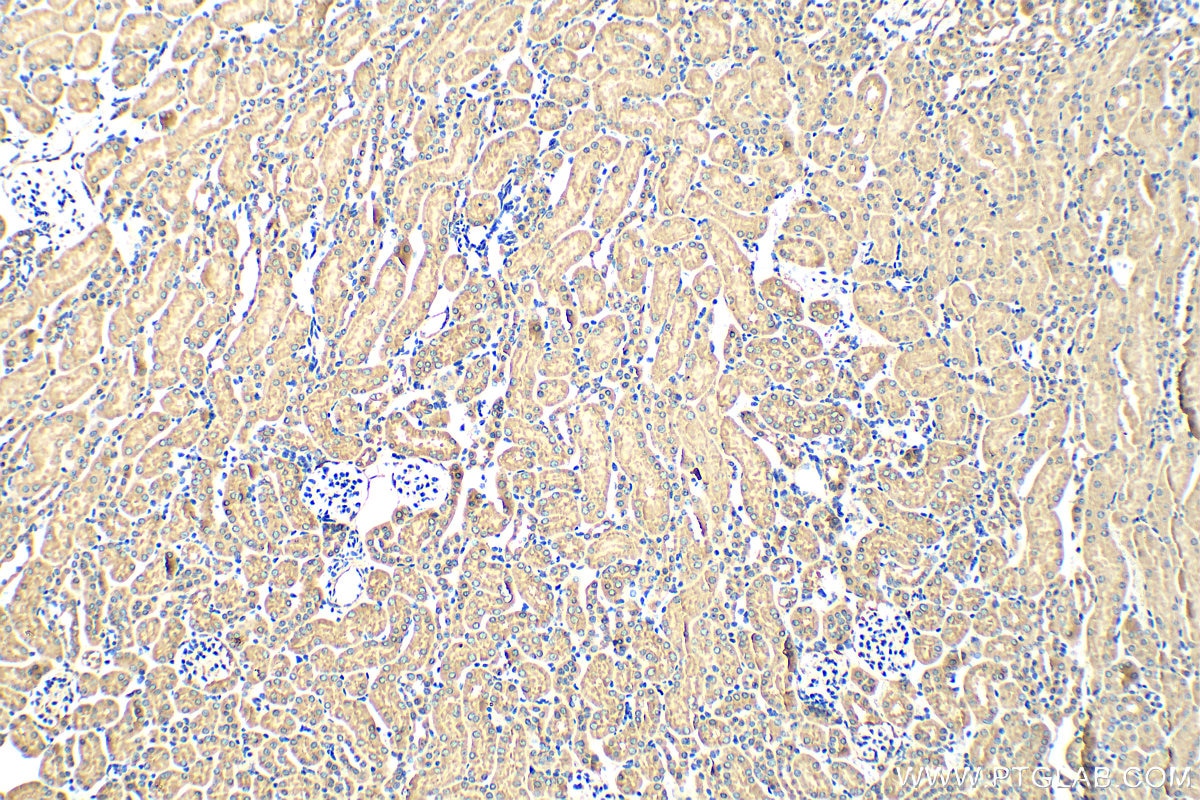

Tested Applications
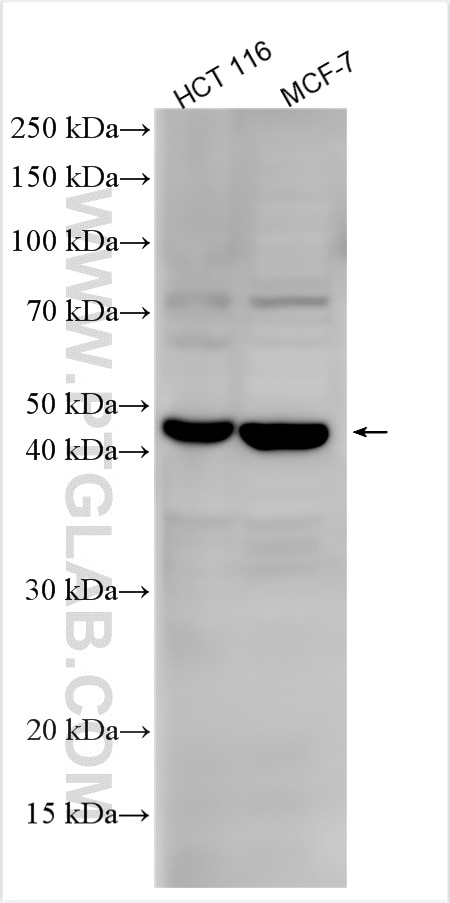
| Positive WB detected in | HCT 116 cells, MCF-7 cells |
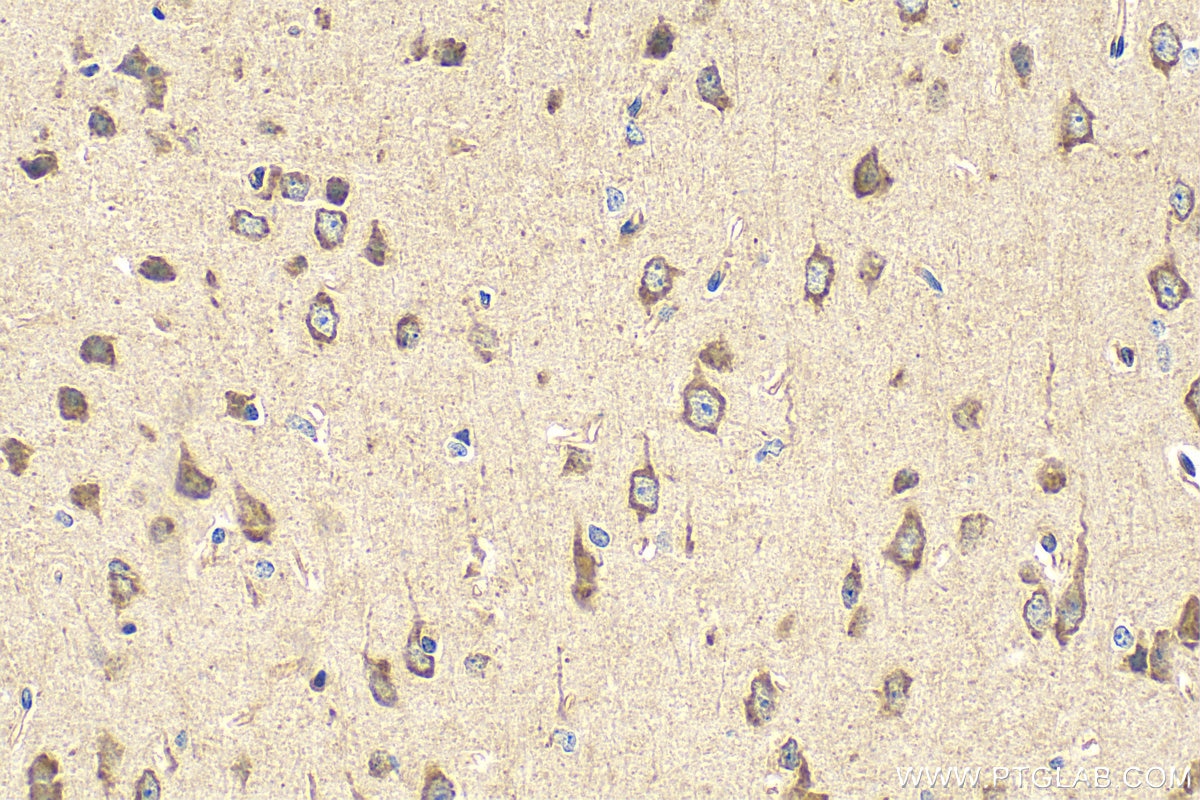
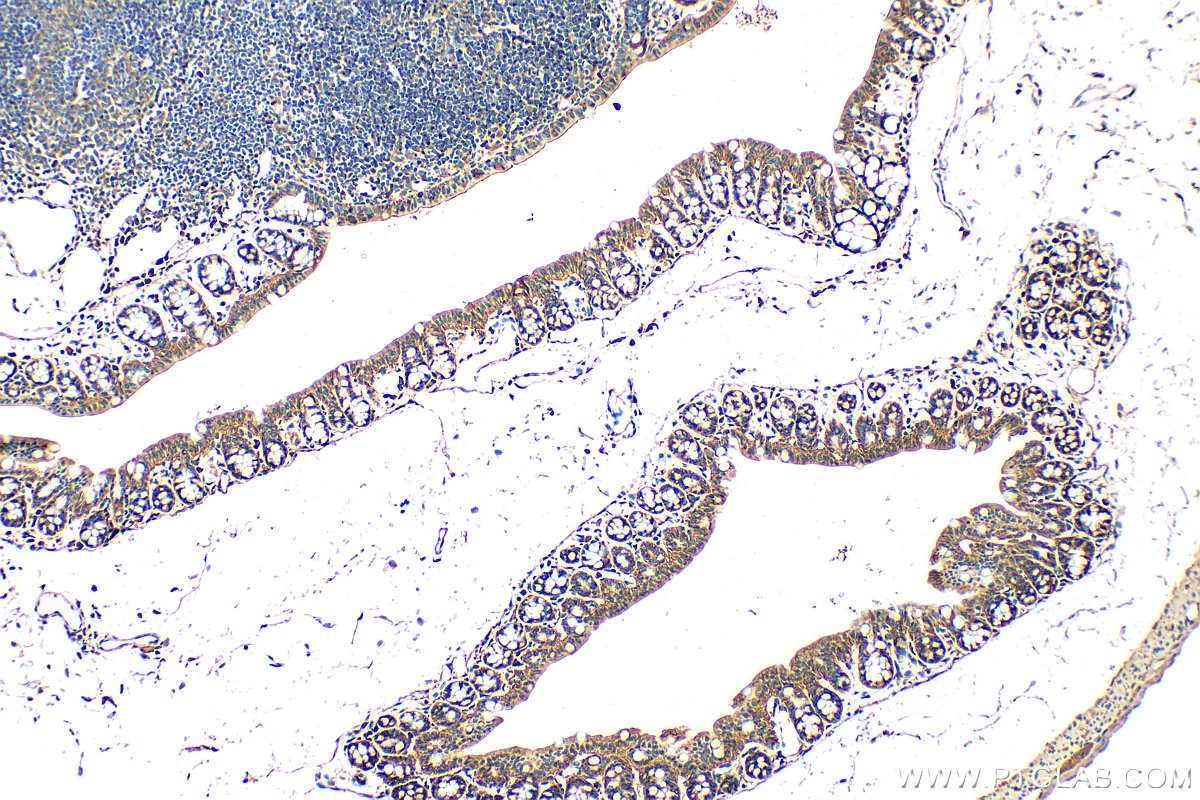
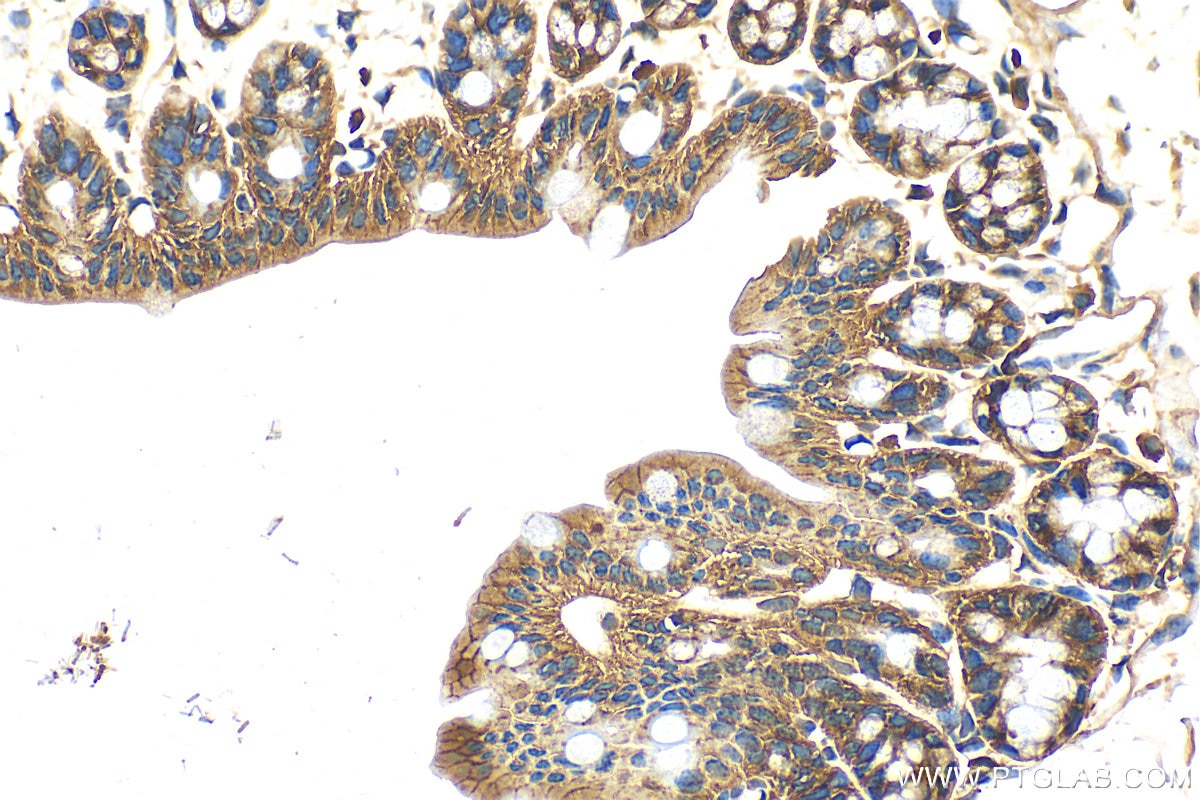
| Positive IHC detected in | mouse colon tissue, mouse kidney tissue, mouse brain tissue Note: suggested antigen retrieval with TE buffer pH 9.0; (*) Alternatively, antigen retrieval may be performed with citrate buffer pH 6.0 |
Recommended dilution
| Application | Dilution |
|---|---|
| Western Blot (WB) | WB : 1:500-1:1000 |
| Immunohistochemistry (IHC) | IHC : 1:50-1:500 |
| It is recommended that this reagent should be titrated in each testing system to obtain optimal results. | |
| Sample-dependent, Check data in validation data gallery. | |
Product Information
28156-1-AP targets WNT3 in WB, IHC, IF, ELISA applications and shows reactivity with human, mouse samples.
| Tested Reactivity | human, mouse |
| Cited Reactivity | human, mouse, rat, chicken |
| Host / Isotype | Rabbit / IgG |
| Class | Polyclonal |
| Type | Antibody |
| Immunogen |
CatNo: Ag27965 Product name: Recombinant human WNT3 protein Source: e coli.-derived, PGEX-4T Tag: GST Domain: 130-306 aa of BC114219 Sequence: SCAEGTSTICGCDSHHKGPPGEGWKWGGCSEDADFGVLVSREFADARENRPDARSAMNKHNNEAGRTTILDHMHLKCKCHGLSGSCEVKTCWWAQPDFRAIGDFLKDKYDSASEMVVEKHRESRGWVETLRAKYSLFKPPTERDLVYYENSPNFCEPNPETGSFGTRDRTCNVTSHG Predict reactive species |
| Full Name | wingless-type MMTV integration site family, member 3 |
| Calculated Molecular Weight | 355 aa, 40 kDa |
| Observed Molecular Weight | 40-45 kDa |
| GenBank Accession Number | BC114219 |
| Gene Symbol | WNT3 |
| Gene ID (NCBI) | 7473 |
| RRID | AB_3669649 |
| Conjugate | Unconjugated |
| Form | Liquid |
| Purification Method | Antigen affinity purification |
| UNIPROT ID | P56703 |
| Storage Buffer | PBS with 0.02% sodium azide and 50% glycerol, pH 7.3. |
| Storage Conditions | Store at -20°C. Stable for one year after shipment. Aliquoting is unnecessary for -20oC storage. 20ul sizes contain 0.1% BSA. |
Background Information
WNT3 is also named as INT4. WNT3 is required for normal gastrulation, formation of the primitive streak, and for the formation of the mesoderm during early embryogenesis (PMID: 14872406). Wnt3 is up-regulated in cancer tissues, such as gastric cancer and lung cancer. Wnt3, as a member of Wnt family, has been proved to promote the stabilization of β-catenin to regulate the radiation sensitivity of cancer cells (PMID: 31851619).
Protocols
| Product Specific Protocols | |
|---|---|
| IHC protocol for WNT3 antibody 28156-1-AP | Download protocol |
| WB protocol for WNT3 antibody 28156-1-AP | Download protocol |
| Standard Protocols | |
|---|---|
| Click here to view our Standard Protocols |
Publications
What published studies show
The WNT3 Polyclonal antibody (Cat# 28156-1-AP) has 6 citations published in Free Radical Biology and Medicine, Communications Biology, iScience (3 papers), and IMetaOmics. Research fields span lung carcinogenesis and WNT/β-catenin signaling, bone mass regulation via lactate/Gpr81 pathway, idiopathic pulmonary fibrosis, broiler immune response, hemispheric lateralization of speech production, and colonic microenvironment alterations after serotonin synthesis inhibition. Applications cited include WB, IHC, and IF across human, mouse, rat, and chicken species.
| Species | Application | Title |
|---|---|---|
Free Radic Biol Med ZNF831-YTHDF1-DNMT1/3a feedback loop regulates lung carcinogenesis and progression through WNT7B-FZD5-β-catenin signalling axis | ||
iScience Transcriptomics and functional genomics implicate WNT3 in hemispheric lateralization of speech production. | ||
iScience Wnt3-mediated fibrosis and carcinogenesis of lung squamous cell carcinoma in idiopathic pulmonary fibrosis. | ||
iScience Late ad libitum feeding reverses early feed restriction-induced immune deficit in broilers. | ||
IMetaOmics Integrated omics revealed the altered colonic microenvironment after inhibition of peripheral serotonin synthesis by LP533401. |






