

Tested Applications
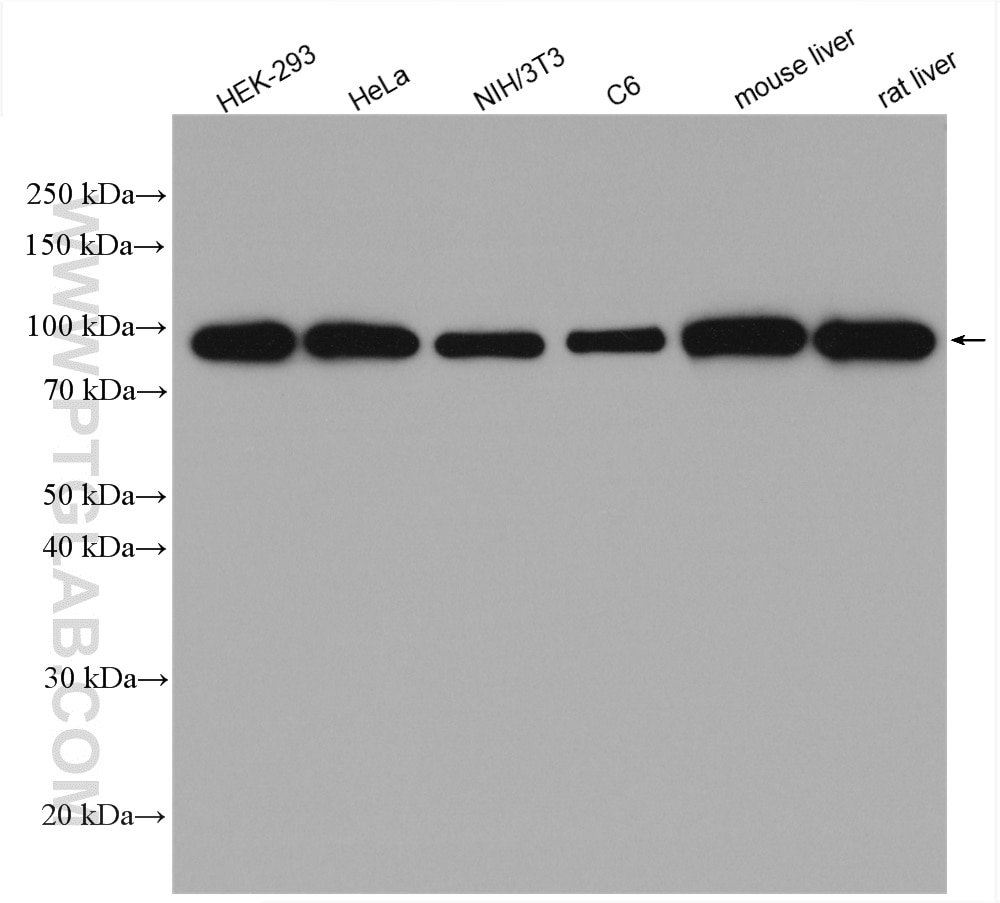
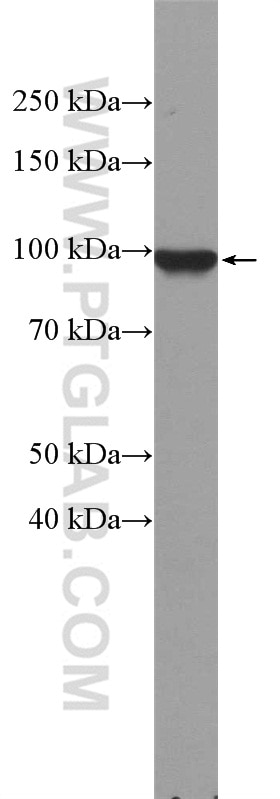
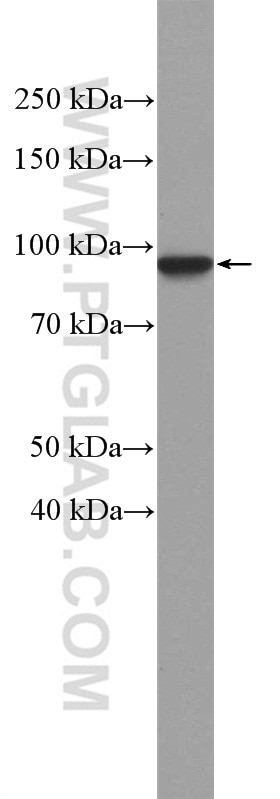
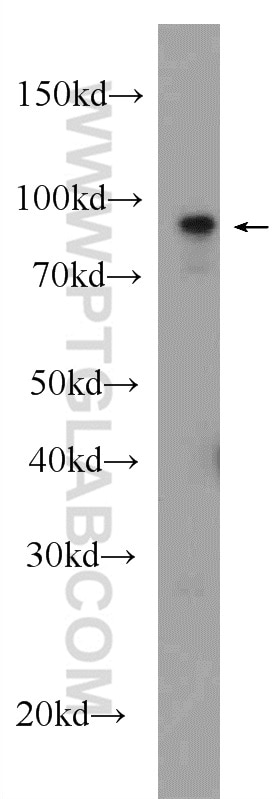
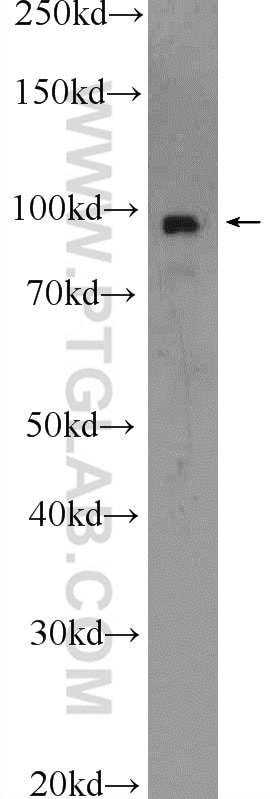
| Positive WB detected in | HEK-293 cells, A431 cells, mouse brain tissue, NIH/3T3 cells, rat brain tissue, HeLa cells, C6 cells, mouse liver tissue, rat liver tissue |
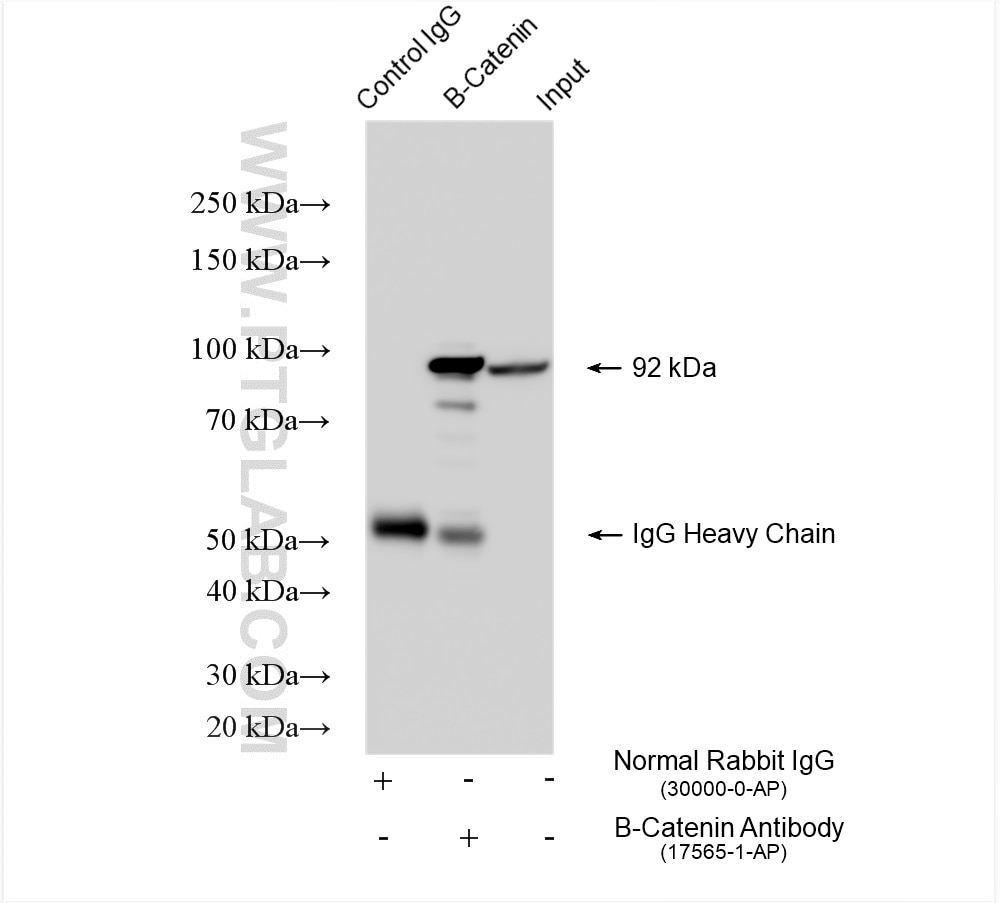
| Positive IP detected in | HEK-293 cells |
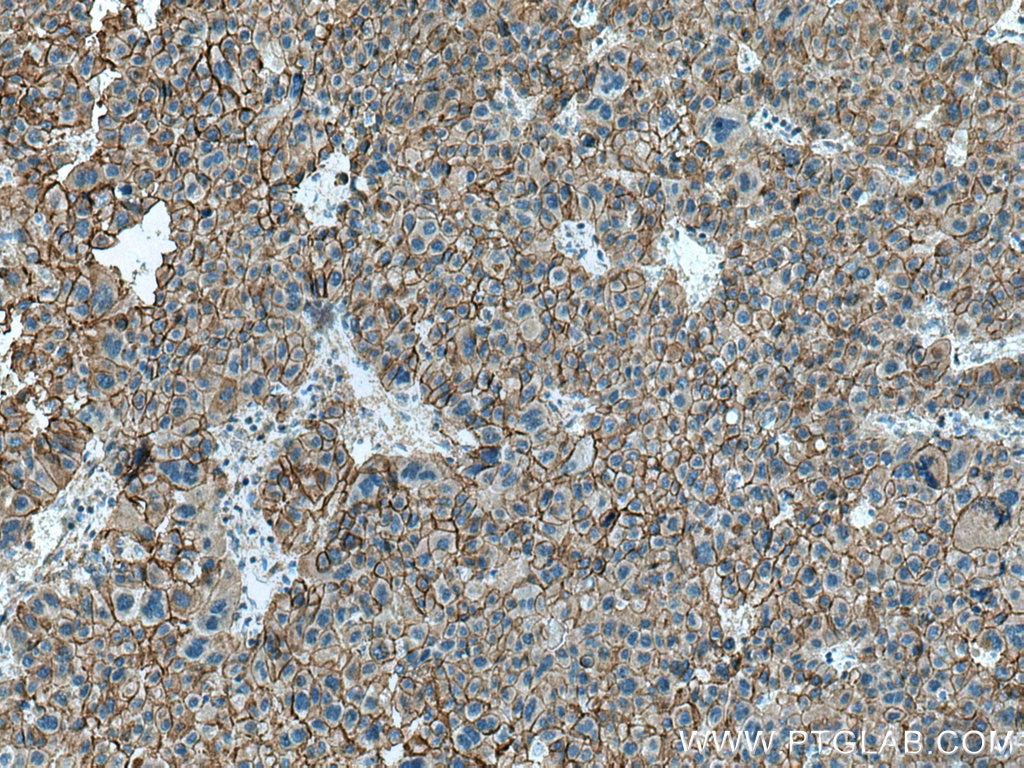
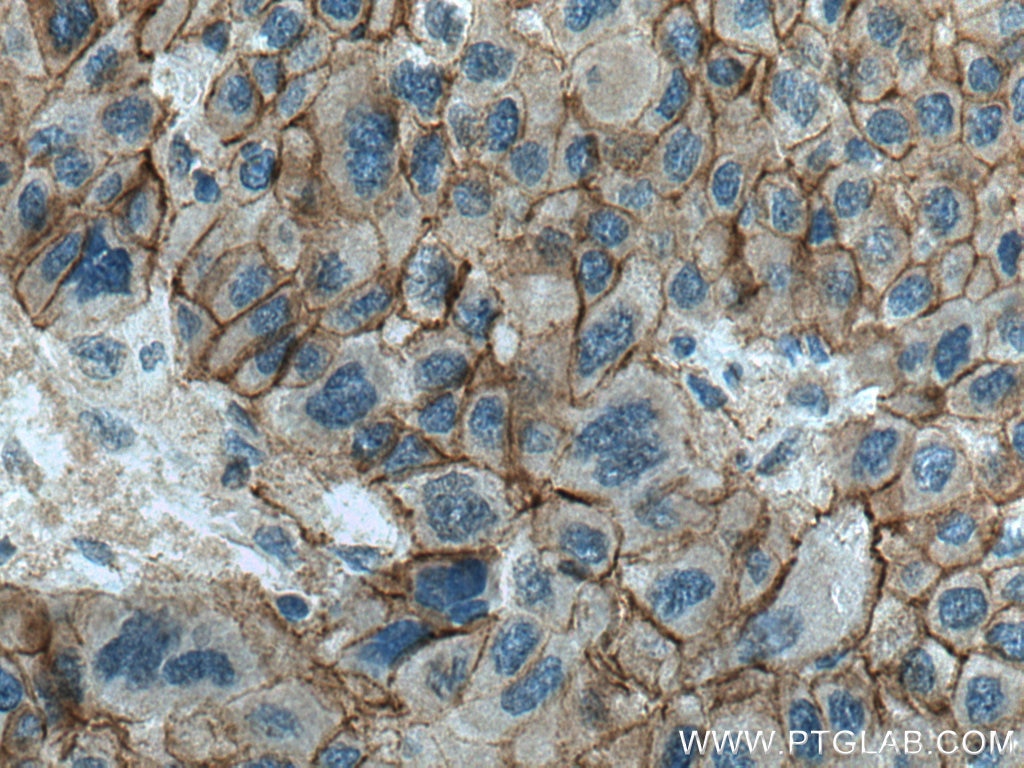
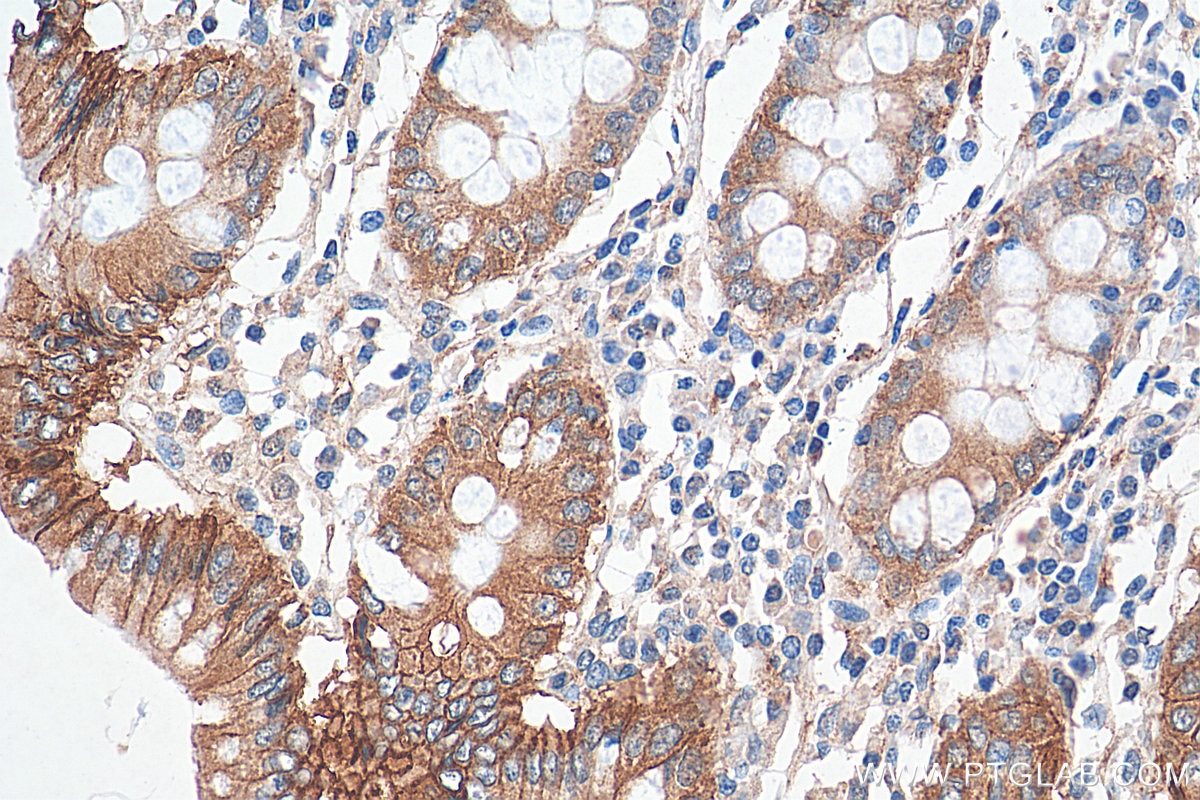
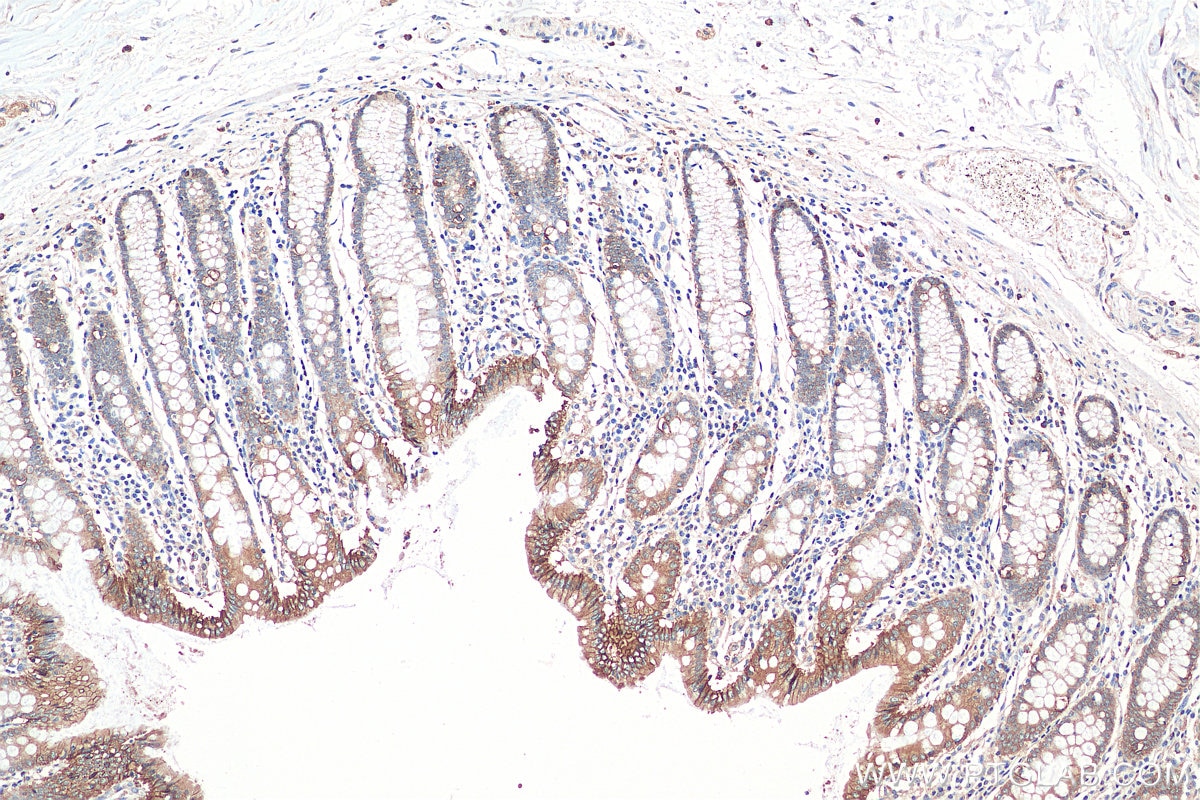
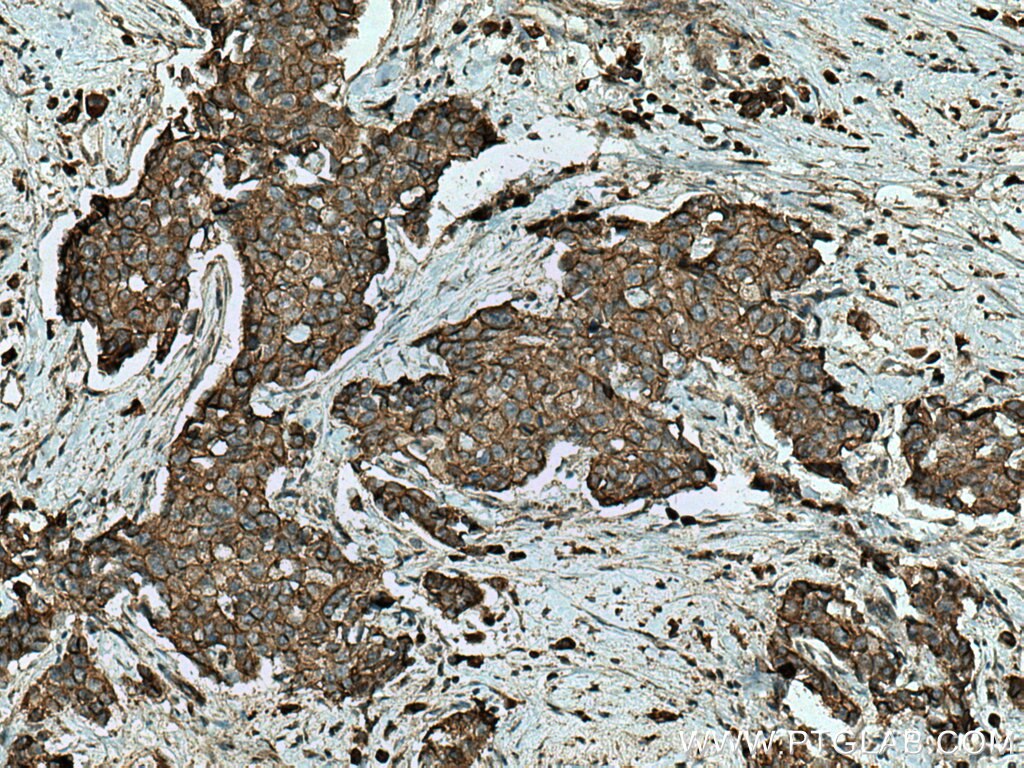
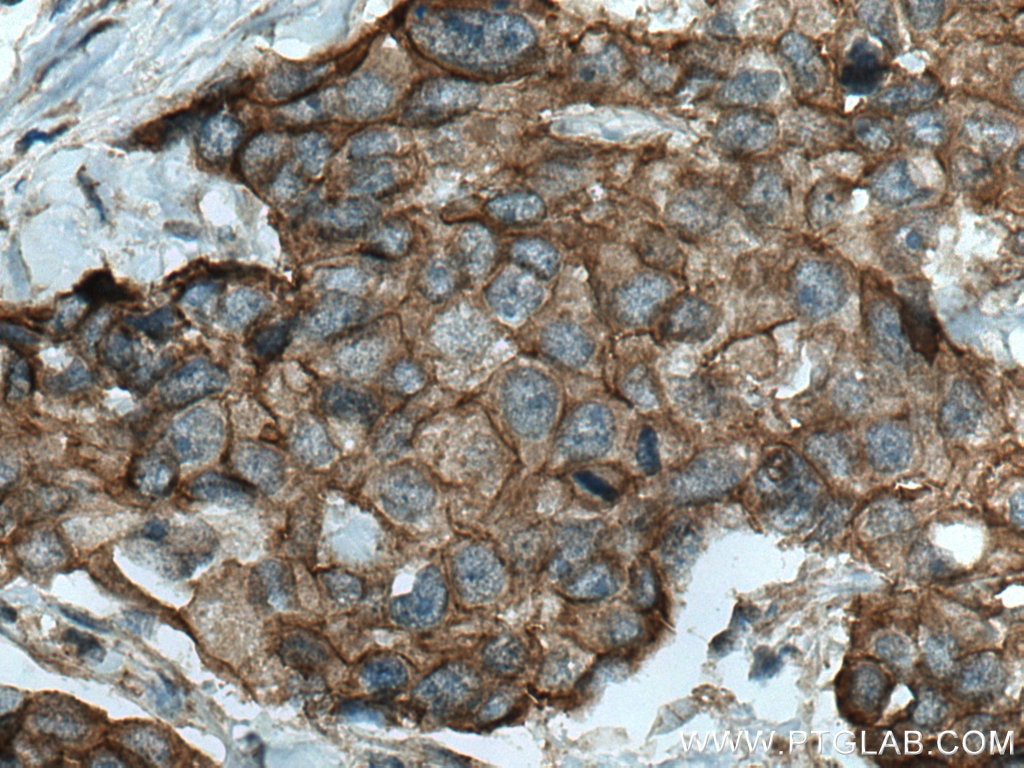
| Positive IHC detected in | human liver cancer tissue, human breast cancer tissue, human colon tissue Note: suggested antigen retrieval with TE buffer pH 9.0; (*) Alternatively, antigen retrieval may be performed with citrate buffer pH 6.0 |
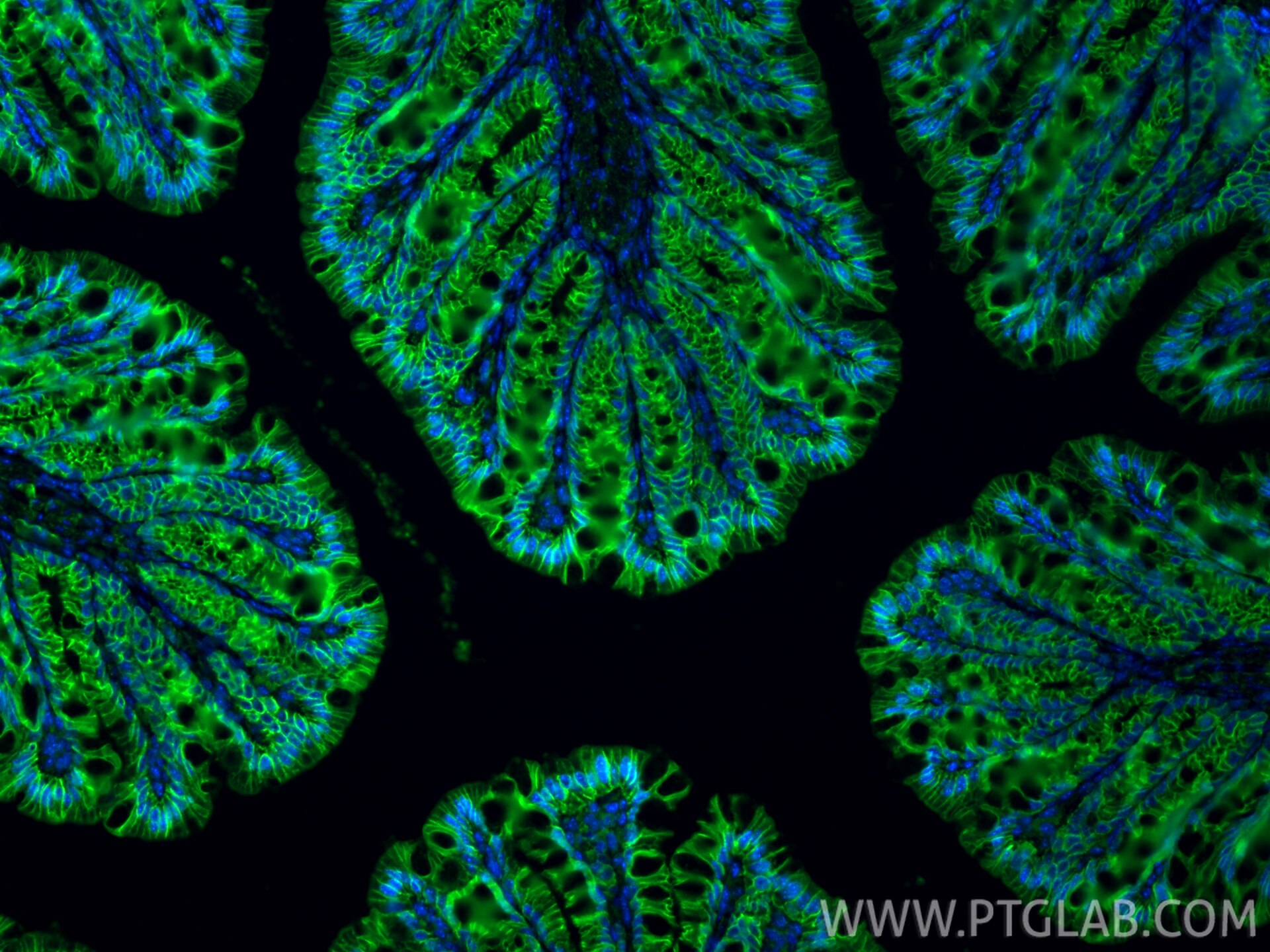
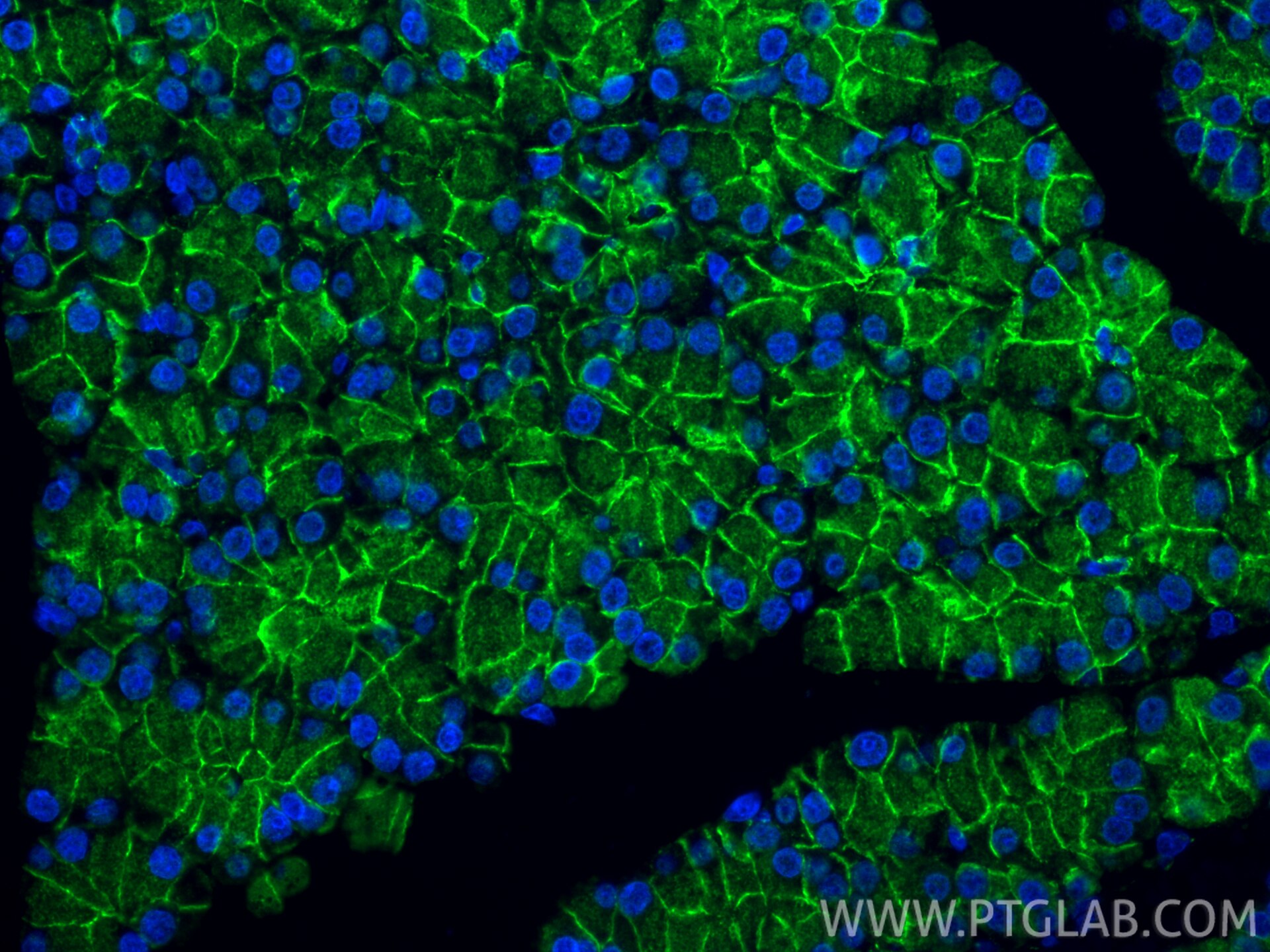
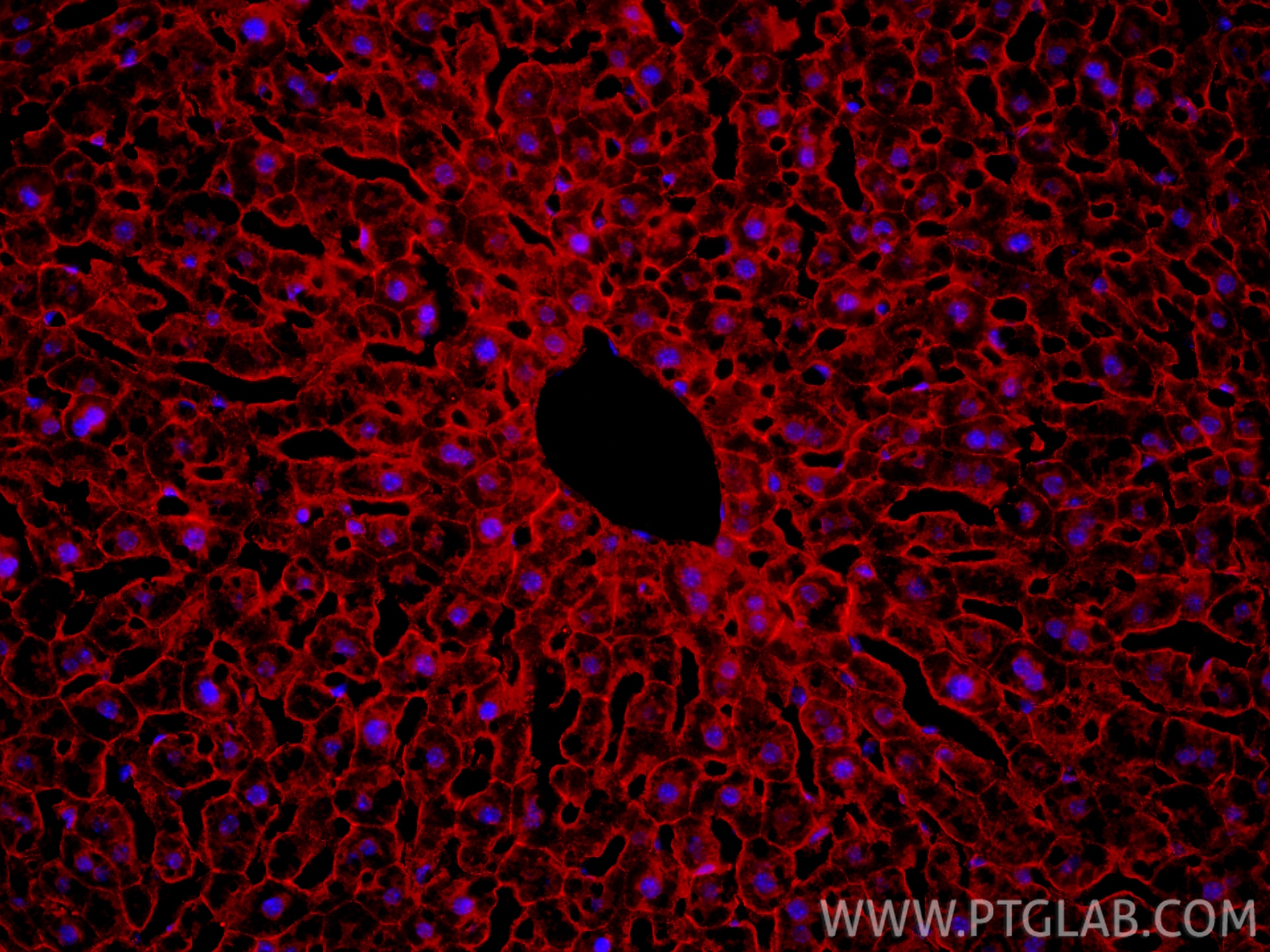
| Positive IF-P detected in | mouse colon tissue, rat pancreas tissue, mouse liver tissue |
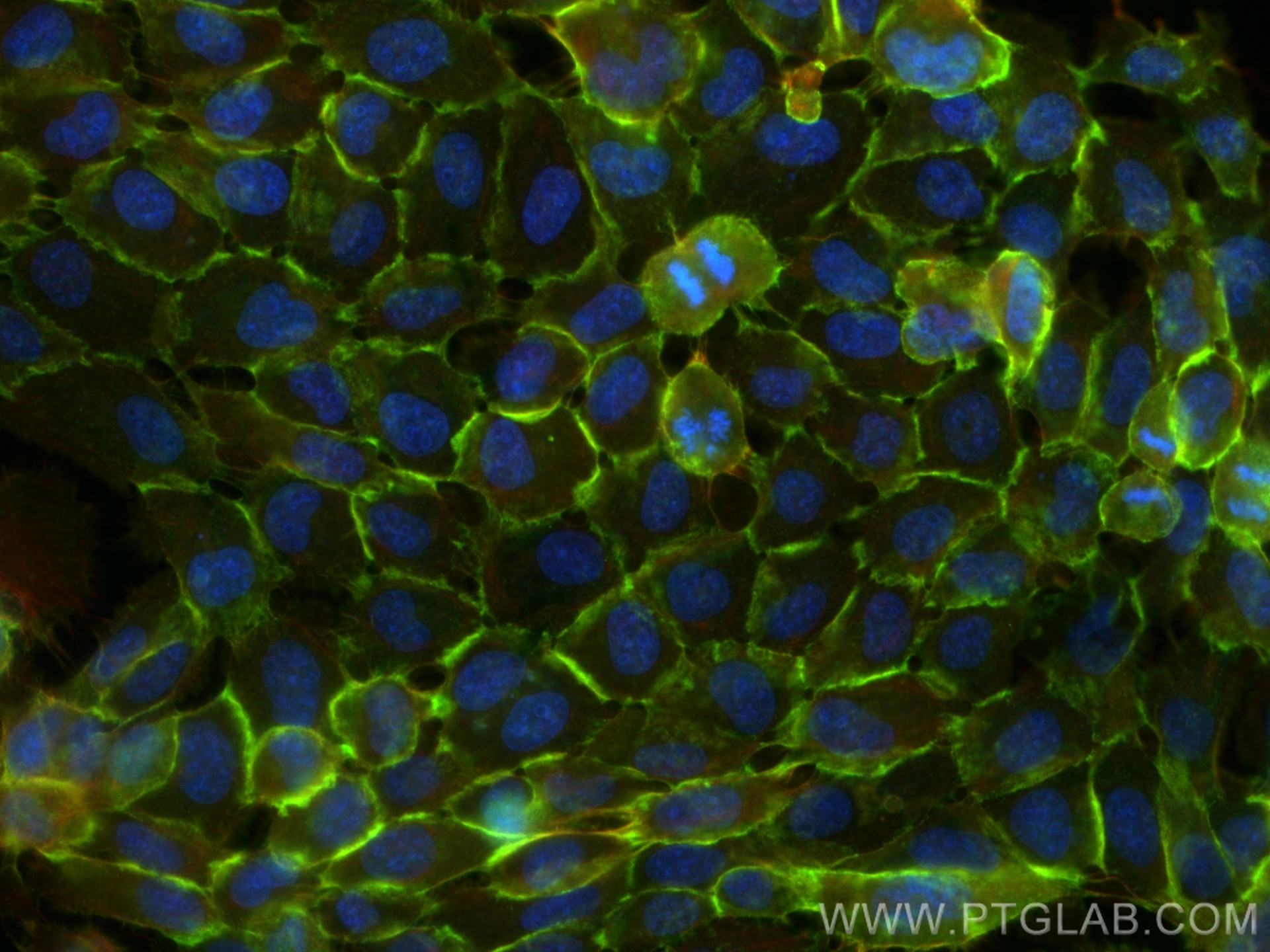
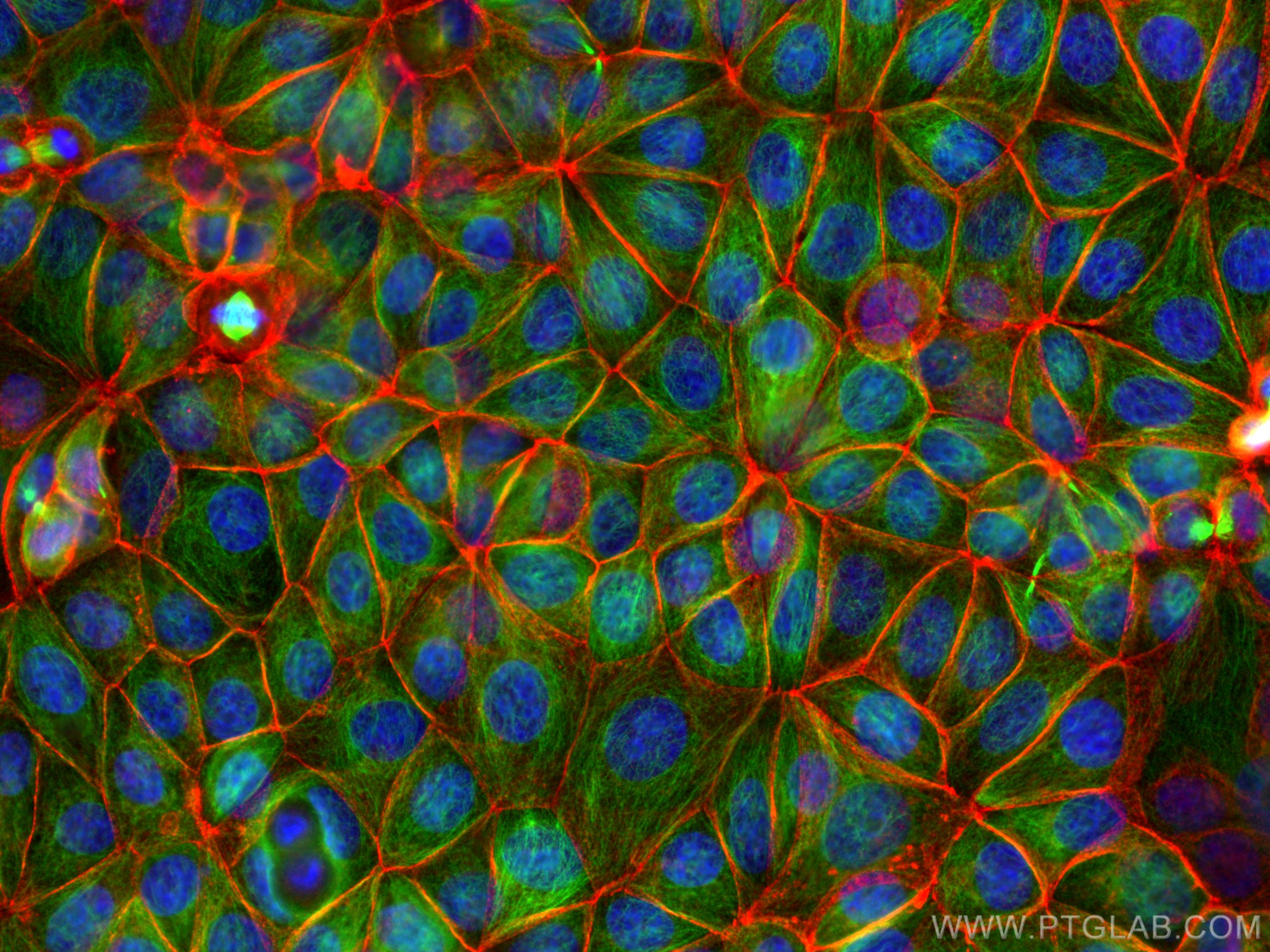
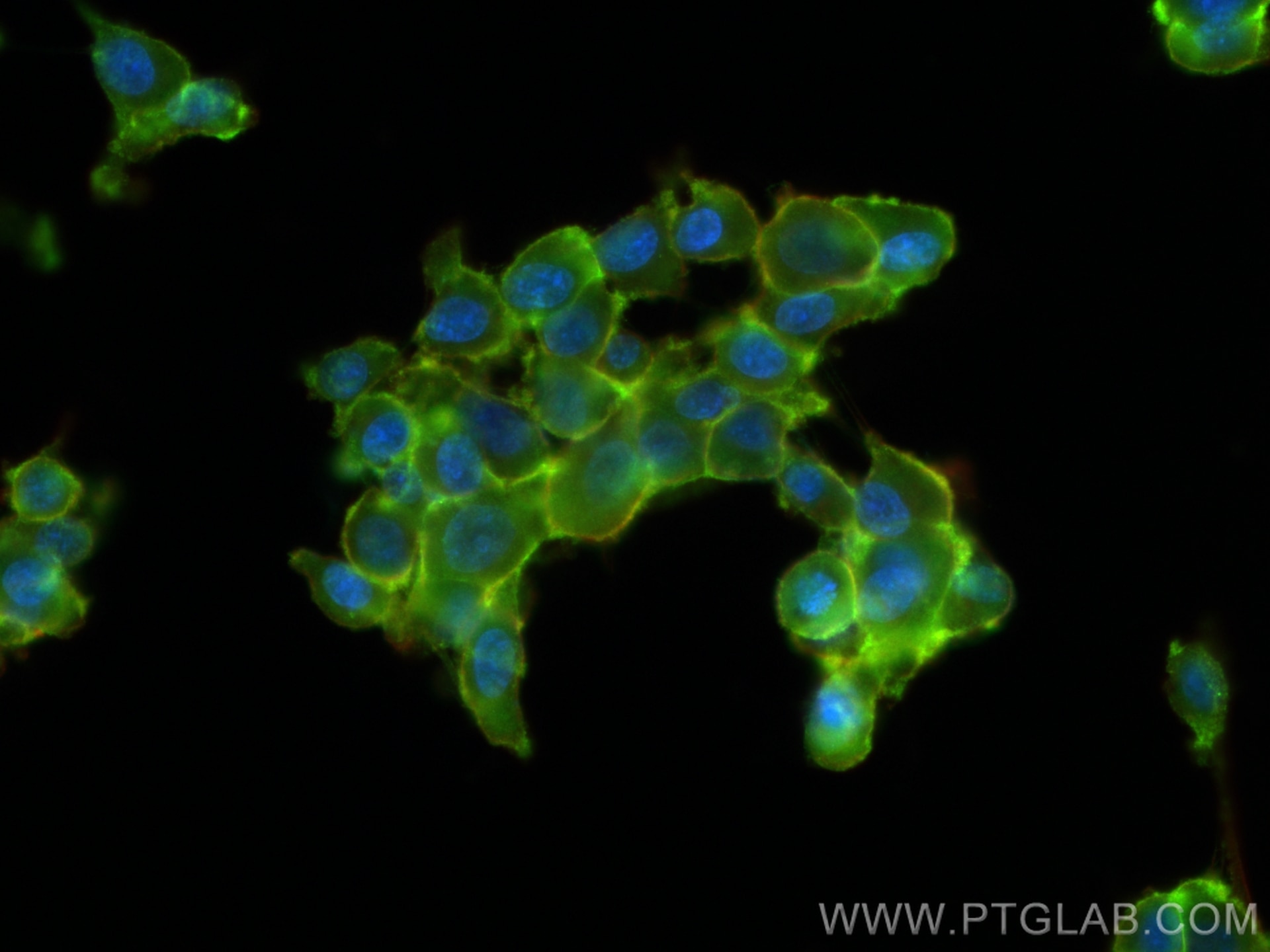
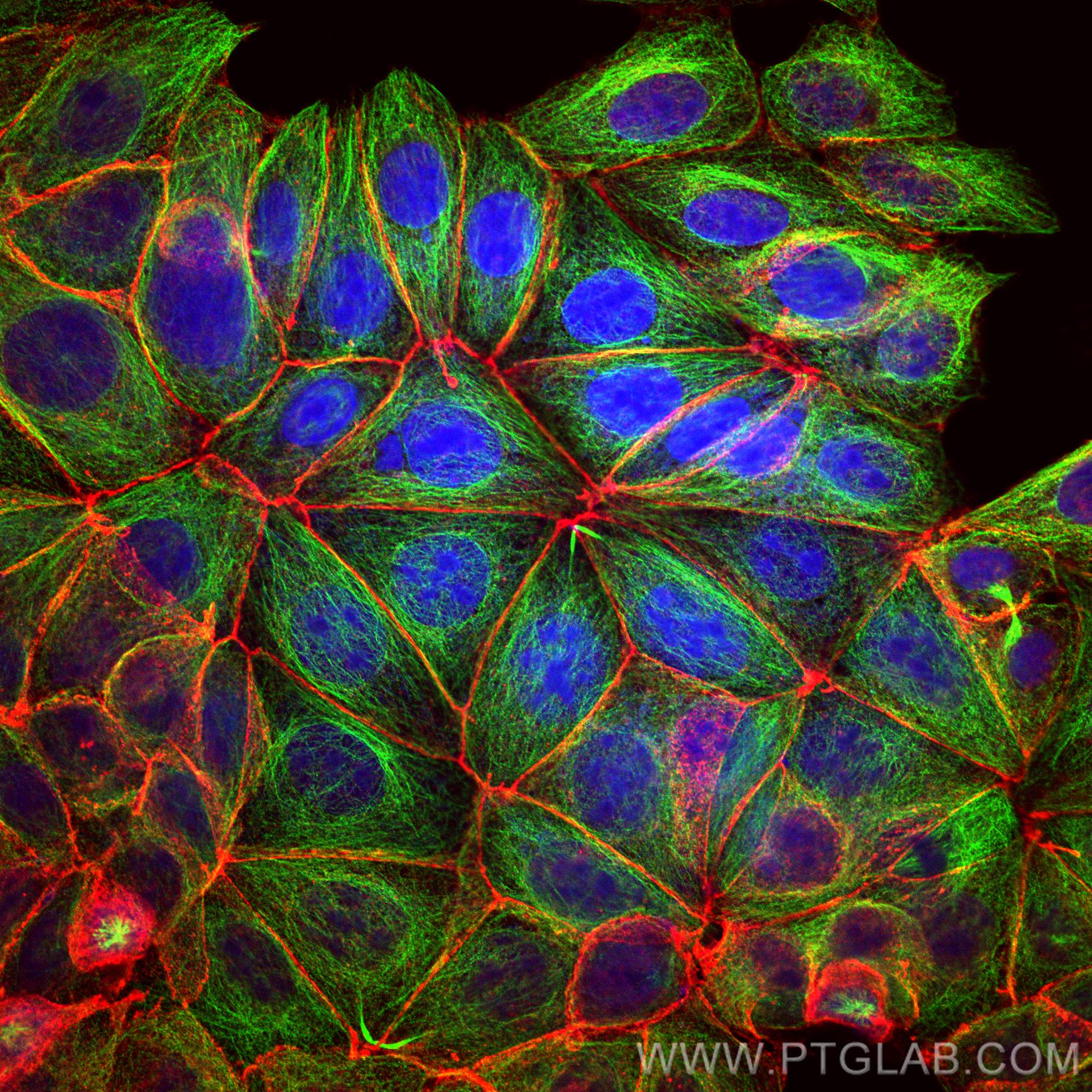
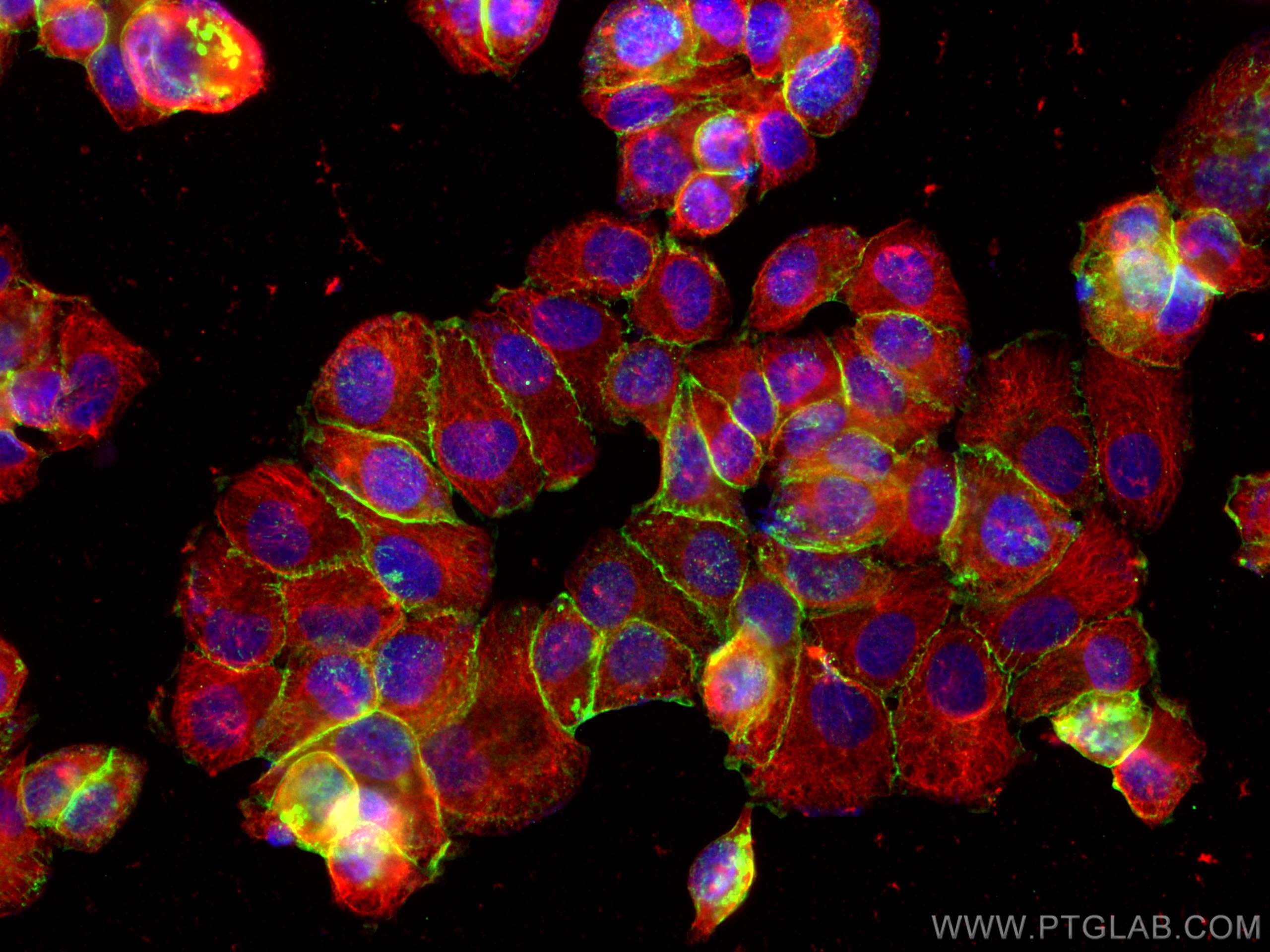
| Positive IF/ICC detected in | MCF-7 cells, T-47D cells, U-251 cells, U-87 MG cells |
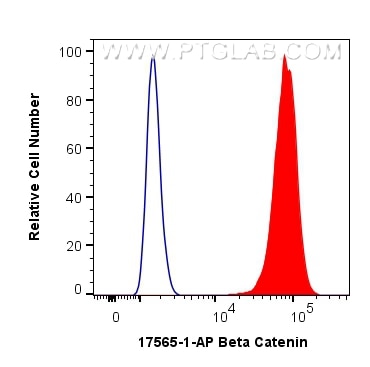
| Positive FC (Intra) detected in | MCF-7 cells |
Recommended dilution
| Application | Dilution |
|---|---|
| Western Blot (WB) | WB : 1:2000-1:16000 |
| Immunoprecipitation (IP) | IP : 0.5-4.0 ug for 1.0-3.0 mg of total protein lysate |
| Immunohistochemistry (IHC) | IHC : 1:50-1:500 |
| Immunofluorescence (IF)-P | IF-P : 1:200-1:800 |
| Immunofluorescence (IF)/ICC | IF/ICC : 1:200-1:800 |
| Flow Cytometry (FC) (INTRA) | FC (INTRA) : 0.40 ug per 10^6 cells in a 100 µl suspension |
| It is recommended that this reagent should be titrated in each testing system to obtain optimal results. | |
| Sample-dependent, Check data in validation data gallery. | |
Product Information
17565-1-AP targets Beta Catenin in WB, IHC, IF/ICC, IF-P, FC (Intra), IP, CoIP, ELISA applications and shows reactivity with human, mouse, rat samples.
| Tested Reactivity | human, mouse, rat |
| Cited Reactivity | human, mouse, rat, pig |
| Host / Isotype | Rabbit / IgG |
| Class | Polyclonal |
| Type | Antibody |
| Immunogen |
CatNo: Ag11763 Product name: Recombinant human B-catenin protein Source: e coli.-derived, PGEX-4T Tag: GST Domain: 433-781 aa of BC058926 Sequence: KNKMMVCQVGGIEALVRTVLRAGDREDITEPAICALRHLTSRHQEAEMAQNAVRLHYGLPVVVKLLHPPSHWPLIKATVGLIRNLALCPANHAPLREQGAIPRLVQLLVRAHQDTQRRTSMGGTQQQFVEGVRMEEIVEGCTGALHILARDVHNRIVIRGLNTIPLFVQLLYSPIENIQRVAAGVLCELAQDKEAAEAIEAEGATAPLTELLHSRNEGVATYAAAVLFRMSEDKPQDYKKRLSVELTSSLFRTEPMAWNETADLGLDIGAQGEPLGYRQDDPSYRSFHSGGYGQDALGMDPMMEHEMGGHHPGADYPVDGLPDLGHAQDLMDGLPPGDSNQLAWFDTDL Predict reactive species |
| Full Name | catenin (cadherin-associated protein), beta 1, 88kDa |
| Calculated Molecular Weight | 781 aa, 86 kDa |
| Observed Molecular Weight | 92 kDa |
| GenBank Accession Number | BC058926 |
| Gene Symbol | Beta Catenin |
| Gene ID (NCBI) | 1499 |
| ENSEMBL Gene ID | ENSG00000168036 |
| RRID | AB_2088102 |
| Conjugate | Unconjugated |
| Form | Liquid |
| Purification Method | Antigen affinity purification |
| UNIPROT ID | P35222 |
| Storage Buffer | PBS with 0.02% sodium azide and 50% glycerol, pH 7.3. |
| Storage Conditions | Store at -20°C. Stable for one year after shipment. Aliquoting is unnecessary for -20oC storage. 20ul sizes contain 0.1% BSA. |
Background Information
β-Catenin, also known as CTNNB1, is an evolutionarily conserved, multifunctional intracellular protein. β-Catenin was originally identified in cell adherens junctions (AJs) where it functions to bridge the cytoplasmic domain of cadherins to α-catenin and the actin cytoskeleton. Besides its essential role in the AJs, β-catenin is also a key downstream component of the canonical Wnt pathway that plays diverse and critical roles in embryonic development and adult tissue homeostasis. The Wnt/β-catenin pathway is also involved in the activation of other intracellular messengers such as calcium fluxes, JNK, and SRC kinases. Deregulation of β-catenin activity is associated with multiple diseases, including cancers. (PMID: 22617422; 18334222)
Protocols
| Product Specific Protocols | |
|---|---|
| FC protocol for Beta Catenin antibody 17565-1-AP | Download protocol |
| IF protocol for Beta Catenin antibody 17565-1-AP | Download protocol |
| IHC protocol for Beta Catenin antibody 17565-1-AP | Download protocol |
| IP protocol for Beta Catenin antibody 17565-1-AP | Download protocol |
| WB protocol for Beta Catenin antibody 17565-1-AP | Download protocol |
| Standard Protocols | |
|---|---|
| Click here to view our Standard Protocols |
Publications
What published studies show
The Beta Catenin Polyclonal antibody (Cat# 17565-1-AP) has accumulated 175 citations published in journals including Cell, Nature Communications, Journal of Clinical Investigation, Cell Death & Disease, Advanced Science, Phytomedicine, Oncogene, FASEB Journal, Stem Cell Research & Therapy, and Biochemical Pharmacology. Associated research fields encompass oncology (hepatocellular, breast, colorectal, gastric, lung, and glioma cancers), Wnt/β-catenin signaling pathway, fibrosis (pulmonary, hepatic, renal, and cardiac), cardiovascular disease, bone biology, neuroscience, stem cell biology, inflammation, tissue engineering, and pharmacological drug development studies conducted across human, mouse, rat, pig, and other animal species.
| Species | Application | Title |
|---|---|---|
Cell Dual-specificity RNA aptamers enable manipulation of target-specific O-GlcNAcylation and unveil functions of O-GlcNAc on β-catenin | ||
Nat Commun Decreased scleral Wnt5a(hi) fibroblasts exacerbate myopia progression by disrupting extracellular matrix homeostasis in mice. | ||
ACS Nano Three-Dimensional Bioprinted Scaffolds Loaded with Multifunctional Magnesium-Based Metal-Organic Frameworks Improve the Senescence Microenvironment Prompting Aged Bone Defect Repair. | ||
J Nanobiotechnology Nanoparticle-integrated smart hydrogel with H(2)S-triggered antibacterial escalation and sustained oxygen release for periodontal regeneration. | ||
J Clin Invest JAM3 maintains leukemia-initiating cell self-renewal through LRP5/AKT/β-catenin/CCND1 signaling. | ||






















