

Tested Applications
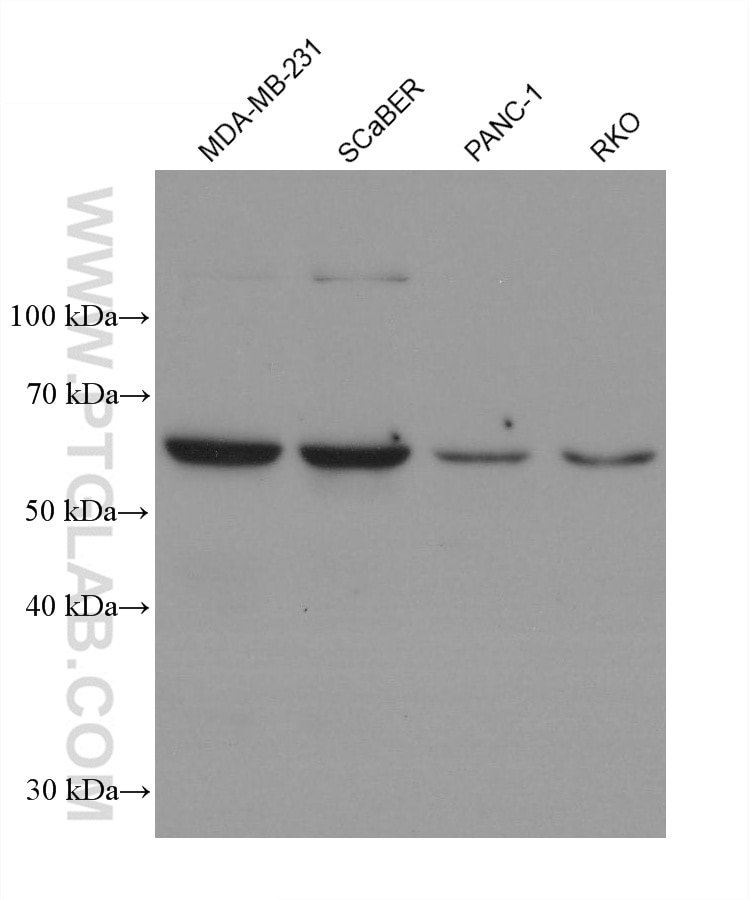
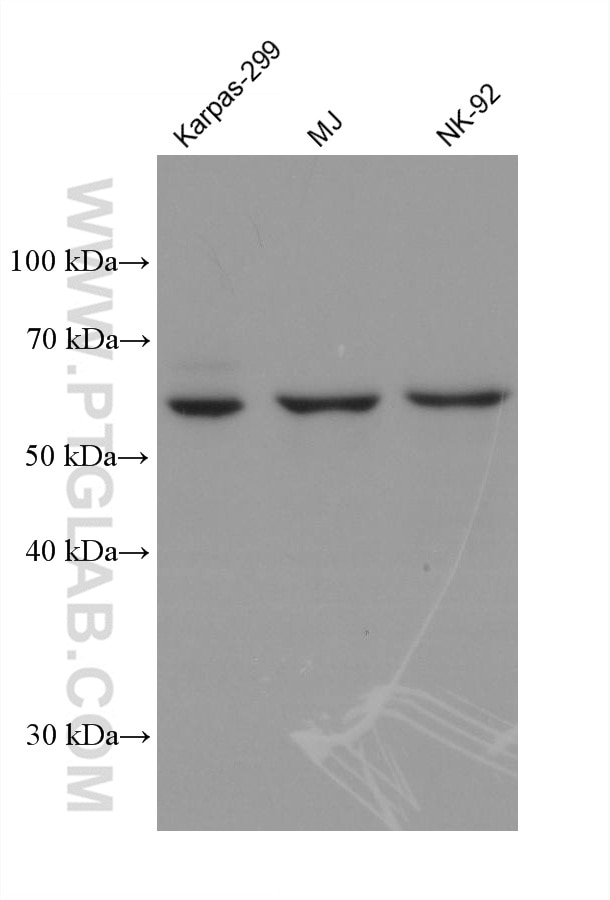
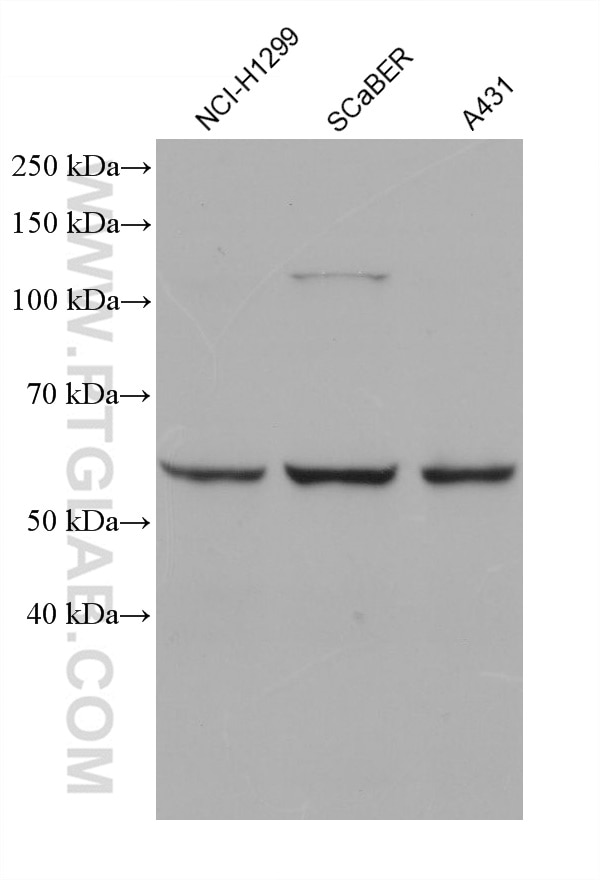
| Positive WB detected in | Karpas-299 cells, MDA-MB-231 cells, NCI-H1299 cells, SCaBER cells, A431 cells |
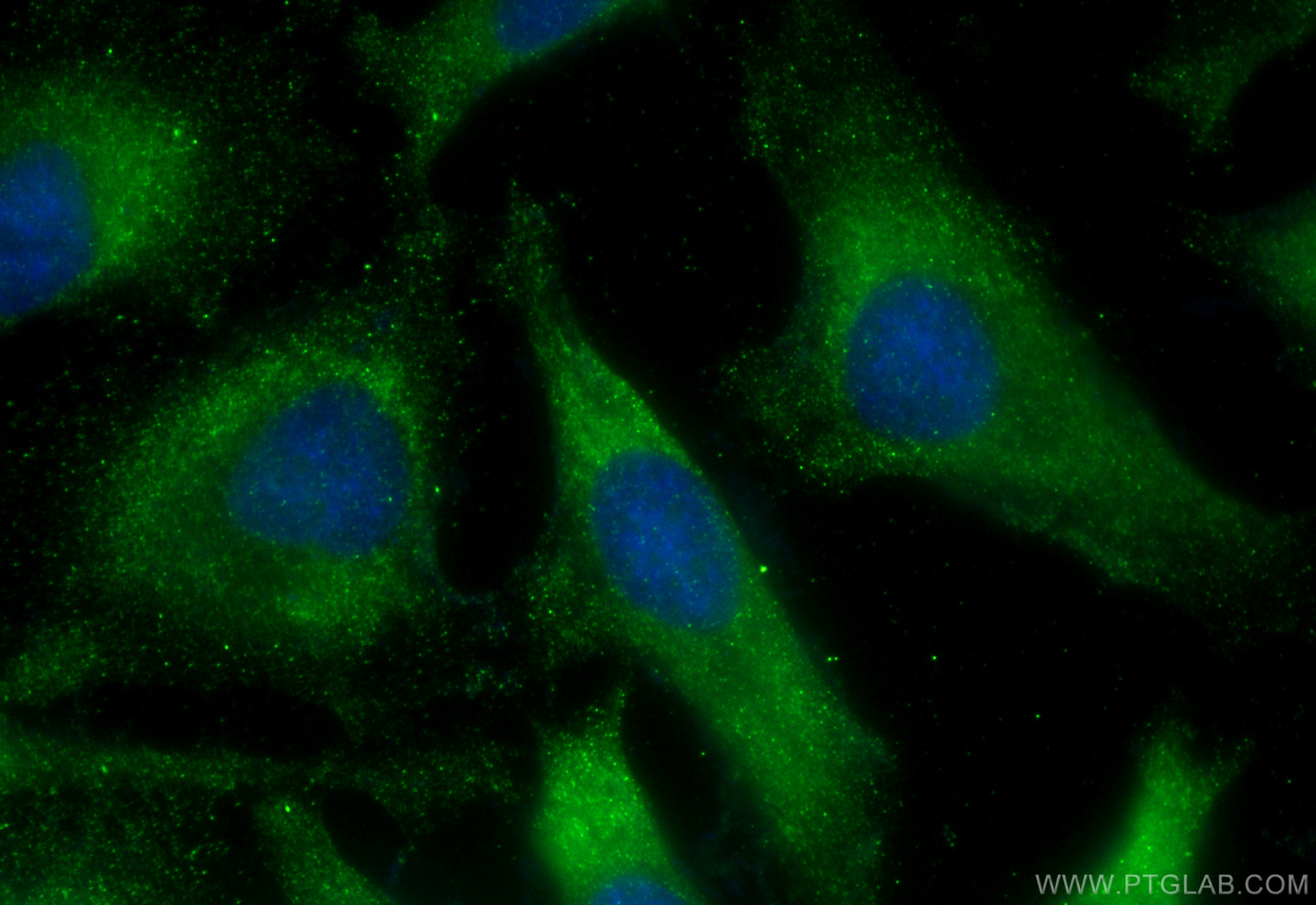
| Positive IF/ICC detected in | HeLa cells |
Recommended dilution
| Application | Dilution |
|---|---|
| Western Blot (WB) | WB : 1:2000-1:10000 |
| Immunofluorescence (IF)/ICC | IF/ICC : 1:400-1:1600 |
| It is recommended that this reagent should be titrated in each testing system to obtain optimal results. | |
| Sample-dependent, Check data in validation data gallery. | |
Product Information
68640-1-Ig targets cGAS in WB, IHC, IF/ICC, ELISA applications and shows reactivity with human samples.
| Tested Reactivity | human |
| Cited Reactivity | human, mouse, rat |
| Host / Isotype | Mouse / IgG1 |
| Class | Monoclonal |
| Type | Antibody |
| Immunogen |
CatNo: Ag30074 Product name: Recombinant human C6orf150 protein Source: e coli.-derived, PET28a Tag: 6*His Domain: 322-433 aa of BC113608 Sequence: LALESKSSWPASTQEGLRIQNWLSAKVRKQLRLKPFYLVPKHAKEGNGFQEETWRLSFSHIEKEILNNHGKSKTCCENKEEKCCRKDCLKLMKYLLEQLKERFKDKKHLDKF Predict reactive species |
| Full Name | chromosome 6 open reading frame 150 |
| Calculated Molecular Weight | 496 aa, 54 kDa |
| Observed Molecular Weight | 60 kDa |
| GenBank Accession Number | BC113608 |
| Gene Symbol | cGAS |
| Gene ID (NCBI) | 115004 |
| RRID | AB_3085328 |
| Conjugate | Unconjugated |
| Form | Liquid |
| Purification Method | Protein G purification |
| UNIPROT ID | Q8N884 |
| Storage Buffer | PBS with 0.02% sodium azide and 50% glycerol, pH 7.3. |
| Storage Conditions | Store at -20°C. Stable for one year after shipment. Aliquoting is unnecessary for -20oC storage. 20ul sizes contain 0.1% BSA. |
Background Information
cGAS (Cyclic GMP-AMP synthase), also known as C6orf150 or h-cGAS, is a 522 aa protein. cGAS mediates innate immune responses against invading pathogens, or against self-dsDNA, which causes autoimmune disorders. The cGAS sensor not only recognizes cytosolic dsDNA but also synthesizes the second messenger cGAMP from ATP and GTP, which then binds to and activates STING. STING undergoes conformational changes and translocation from the endoplasmic reticulum to the Golgi apparatus to encounter TBK1 and IRF3, eventually triggering the production of type I IFNs.
Protocols
| Product Specific Protocols | |
|---|---|
| IF protocol for cGAS antibody 68640-1-Ig | Download protocol |
| WB protocol for cGAS antibody 68640-1-Ig | Download protocol |
| Standard Protocols | |
|---|---|
| Click here to view our Standard Protocols |
Publications
What published studies show
The cGAS antibody (Cat# 68640-1-Ig) has 11 citations published in journals including Nature Cell Biology, Journal of Hematology & Oncology, Autophagy, Phytomedicine, Materials Today Bio, Advanced Healthcare Materials, Antioxidants, Environmental Pollution, PLoS Pathogens, and Journal of Inflammation Research. Research fields span cGAS-STING signaling, ferroptosis, cuproptosis, DNA damage, autophagy, rheumatoid arthritis, ulcerative colitis, hepatocellular carcinoma, oxidative stress, mitochondrial dynamics, viral replication, and inflammatory responses.
| Species | Application | Title |
|---|---|---|
J Hematol Oncol Glutathione reductase deficiency potentiates the immunogenicity of ferroptosis and cuproptosis via amplified reactive oxygen species accumulation and cGAS-STING pathway activation | ||
Autophagy Cytosolic DNA-induced CGAS-STING1-dependent autophagy promotes SFTSV and EV-71 replication. | ||
Phytomedicine Brucea javanica oil emulsion ameliorates ulcerative colitis by upregulating Deoxyribonuclease 2 to suppress cytosolic DNA-sensing signaling. | ||
Phytomedicine NOX2 inhibitor baicalein alleviates rheumatoid arthritis and inactivating mitochondrial oxidative stress-mediated cGAS-STING signaling in fibroblast-like synoviocytes. | ||
Adv Healthc Mater Bio-orthogonal Chemistry-Facilitated Zn-Mn Double-Layered Nanobombs Abrogate cGAS-STING Evasion of Tumor Cells. |
Reviews
What customers say
The single review for this product is highly positive, with a 5-star rating. The reviewer used the antibody at a 1:500 dilution for immunofluorescence on microglia derived from human iPSCs and reported that it worked well. Overall, the feedback indicates reliable performance in IF applications on human-derived cell types.
The reviews below have been submitted by verified Proteintech customers who received an incentive for providing their feedback.
Alicia (Verified Customer) (11-20-2025) | I used it on microglia derived from human ipsc. It works well !
|





